Ayodhya Airport to Commence Flight Operations from November to These Cities

Radhika Bansal
11 Sep 2023

Ayodhya's much-anticipated Maryada Purushottam Shriram International Airport is gearing up to establish direct air connectivity with the national capital, Delhi, and three other major cities across India. Airport director Vinod Kumar said that the initial phase of operations at the Ayodhya airport is set to commence this November, with direct flights connecting the sacred city to Delhi, Mumbai, Bengaluru, and Hyderabad. The construction of the first phase of Ayodhya Airport will be completed by October next month.
Ayodhya district magistrate Nitish Kumar shared insights into the airport's construction, revealing that it is being executed in three meticulously planned phases. The project has successfully acquired an expansive 821 acres of land to facilitate this ambitious endeavour. Along with this, the runway work of phase one of the airport has also been 100% completed. Here, the work of CAT-1 and RESA facilities for night landing and landing in fog and mist has also been 100% completed.
The Airport Authority of India (AAI) is executing the Ayodhya airport project at breakneck speed. The airport is coming up on 821-acre land and the project is estimated to cost INR 320 crore. The airport will have a parking facility for 24 airplanes. Initially, small aircraft having a seating capacity of 60 passengers will land at the airport. By the time the final phase of the airport is completed by 2025, it will be ready to land Boeing and Airbus aircraft.
Development so far
In the first phase of development, the construction of the runway has been completed, boasting the capacity to accommodate aircraft operations seamlessly under diverse weather conditions, day and night. Additionally, the construction of the Air Traffic Control (ATC) tower has reached its final stages, ensuring effective air traffic management.
Recent weeks have witnessed a pivotal milestone as the Airports Authority of India (AAI) conducted a comprehensive calibration of various airport components. This calibration encompassed critical elements such as the Instrument Landing System (ILS), including localiser, glide path, marker, and more. The AAI reported substantial progress in the terminal building's construction, with over 78% of the work already completed. The remaining tasks are advancing swiftly with round-the-clock efforts spread across two daily shifts.
The domestic terminal, covering an area of 6,000 square metres, will be equipped with state-of-the-art amenities, including three aerobridges, capable of accommodating 300 peak-hour passengers. The runway, measuring 2,200 metres in length, has already been constructed, with plans to extend it to 3,125 metres in the second phase and 3,750 metres in the third phase. The international airport, being developed in multiple phases, will span an overall area of 660 acres of land.
Efforts related to the parking facility for four aircraft on one apron have successfully concluded, while work on a similar facility for four aircraft on the other apron is currently in progress. These developments underline the meticulous planning and execution underway to transform Ayodhya into a key aviation hub, fostering enhanced connectivity and economic opportunities for the region.
The Maryada Purushottam Shriram International Airport holds great promise as it prepares to open its doors to travellers, connecting Ayodhya to major cities and playing a pivotal role in the city's growth and development.
According to AAI officials, the airport's entrance and the main building will give passengers a feel of the Ramayana era. The elevation of the airport building will resemble the Ram temple. Lord Ram's main weapon, bow and arrow, and various other artefacts from the Ramayana era will feature on the walls of the airport lounge area.
Read next


In a move that has been eagerly anticipated by aviation enthusiasts and aspiring flight crew members, Pakistan International Airlines (PIA) has announced its plans to recruit new Captains and Cabin Crew for its ATR aircraft. This exciting development comes after a prolonged period of anticipation, signaling a positive shift in the national airline's management strategy.
A New Horizon for Aspiring Flight Crew
The advertisement issued by PIA calls upon qualified candidates to apply for various positions within the flight crew, including Captains, Flight Stewards, and Air Hostesses, specifically for the ATR aircraft. This not only offers a remarkable career opportunity but also brings new hope to individuals dreaming of soaring through the skies.
The Quest for Captains
One of the most significant aspects of this recruitment drive is the demand for Captains. PIA is actively seeking 10 experienced Captains to join their team. These Captains will play a pivotal role in ensuring safe and smooth flights on the ATR aircraft, contributing to PIA's commitment to passenger safety.
Cabin Crew Excellence
In addition to Captains, PIA is also on the lookout for 40 dedicated and enthusiastic cabin attendants. These individuals will be the face of PIA, ensuring that passengers have a comfortable and pleasant experience throughout their journey.

A One-Year Contract Opportunity
Applicants interested in joining the national airline's prestigious team should note that these positions are available on a one-year contract basis. This is a unique opportunity for individuals looking to gain valuable experience and make a significant impact in a relatively short period. The short-term contract nature allows PIA to adapt to its workforce requirements efficiently.
Application Deadline
Aspirants have until September 25th to submit their applications for these coveted positions. It's essential to seize this opportunity as the hiring period may be extended based on the airline's specific needs.
Conclusion
Pakistan International Airlines' recruitment drive for Captains and Cabin Crew for its ATR aircraft marks an exciting turning point in the airline's operations. This move not only opens doors for aspiring aviation professionals but also reflects PIA's commitment to maintaining its reputation for exceptional service. So, if you have a passion for aviation and a dream of becoming part of a renowned airline, don't hesitate to apply.
With Inputs from Dailly Pakistan, PIA Careers
Read next
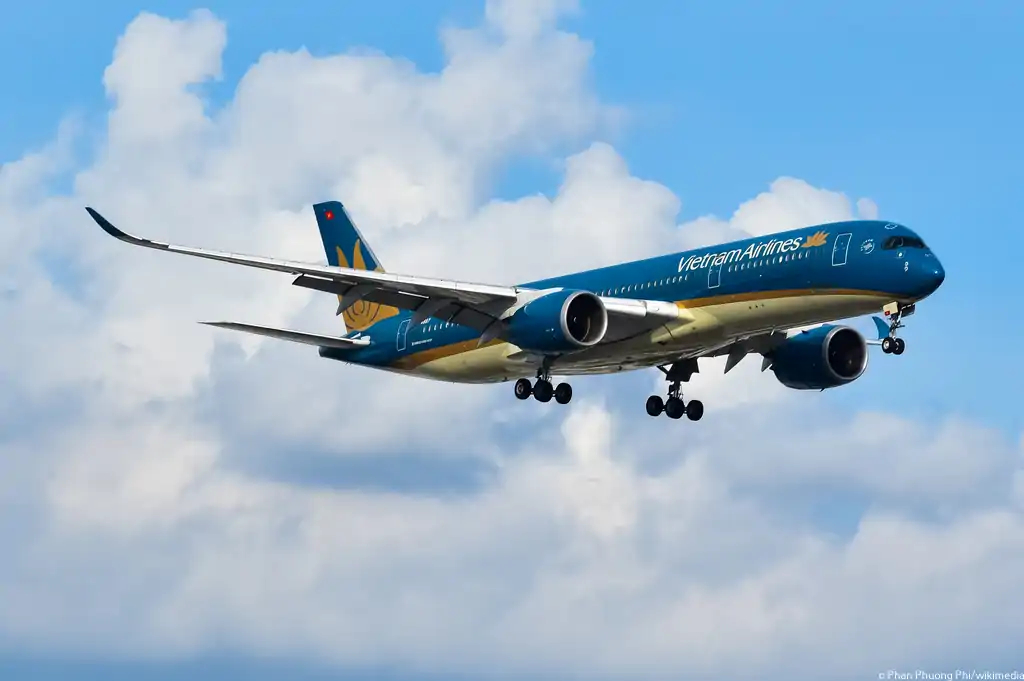
Vietnam Airlines is on the verge of sealing a momentous deal that will reshape its future. The national carrier is poised to acquire approximately 50 Boeing 737 Max aircraft, marking a significant milestone in the aviation industry. The deal is estimated to be valued at a staggering $7.5 billion, potentially offering substantial cost savings due to bulk purchasing.
This monumental step forward for Vietnam Airlines coincides with the visit of US President Joe Biden to Hanoi, marking a significant milestone in strengthening international ties.
Vietnam Airlines: A Brief Overview
Before diving into the details of this groundbreaking agreement, let us take a moment to familiarize ourselves with Vietnam Airlines. Established in 1956, the airline has steadily grown to become Vietnam's national flag carrier, connecting the country to the world. With a fleet of over 90 aircraft, Vietnam Airlines serves an extensive network of destinations across Asia, Europe, and beyond.
The Boeing 737 Max: An Innovative Choice

The Boeing 737 Max series has been a game-changer in the aviation industry. Known for its fuel efficiency, advanced technology, and passenger comfort, this aircraft has become a preferred choice for many airlines worldwide. Vietnam Airlines' decision to invest in the Boeing 737 Max signifies a strategic move to modernize its fleet and enhance its operational efficiency.
The Multi-Billion Dollar Deal
The impending agreement between Vietnam Airlines and Boeing is poised to make waves. While the deal's estimated worth stands at $7.5 billion, it's important to note that bulk purchases often lead to substantial discounts. However, the specifics of these discounts remain undisclosed as the parties involved choose to maintain confidentiality.
Strengthening International Ties
The timing of this agreement is noteworthy, as it coincides with US President Joe Biden's visit to Hanoi. This visit is seen as a pivotal moment in strengthening diplomatic ties between the United States and Vietnam. Vietnam Airlines' ambitious move to acquire Boeing 737 Max aircraft underscores its role in fostering international relations through aviation.
The Impact on Vietnam Airlines

Vietnam Airlines' acquisition of the Boeing 737 Max fleet is expected to bring several advantages. With an enhanced fleet, the airline can explore new routes and expand its network, catering to a broader customer base. This strategic decision aims to position Vietnam Airlines as a formidable player in the competitive aviation market.
Regulatory Compliance and Safety
Boeing 737 Max aircraft were grounded for months throughout the world following two catastrophic disasters in Indonesia and Ethiopia in 2018 and 2019. The planes returned to service by the end of 2020. While the Boeing 737 Max series has faced safety concerns in the past, both Vietnam Airlines and Boeing are committed to ensuring the utmost safety and compliance with regulatory standards.
The Future of Vietnam Airlines
As Vietnam Airlines moves forward with its acquisition plans, the article explores the airline's long-term vision, sustainability goals, and other strategic initiatives that may shape its future. The carrier is set on a path of expansion and innovation, aiming to become a global aviation leader.
Conclusion
In conclusion, Vietnam Airlines' impending agreement to acquire 50 Boeing 737 Max aircraft is a defining moment in the airline's history. With a deal worth approximately $7.5 billion and the potential for significant discounts, this move will undoubtedly enhance Vietnam Airlines' competitiveness and role in strengthening international relations. As the airline industry continues to evolve, Vietnam Airlines is poised to soar to new heights.
With Inputs from Reuters
Read next
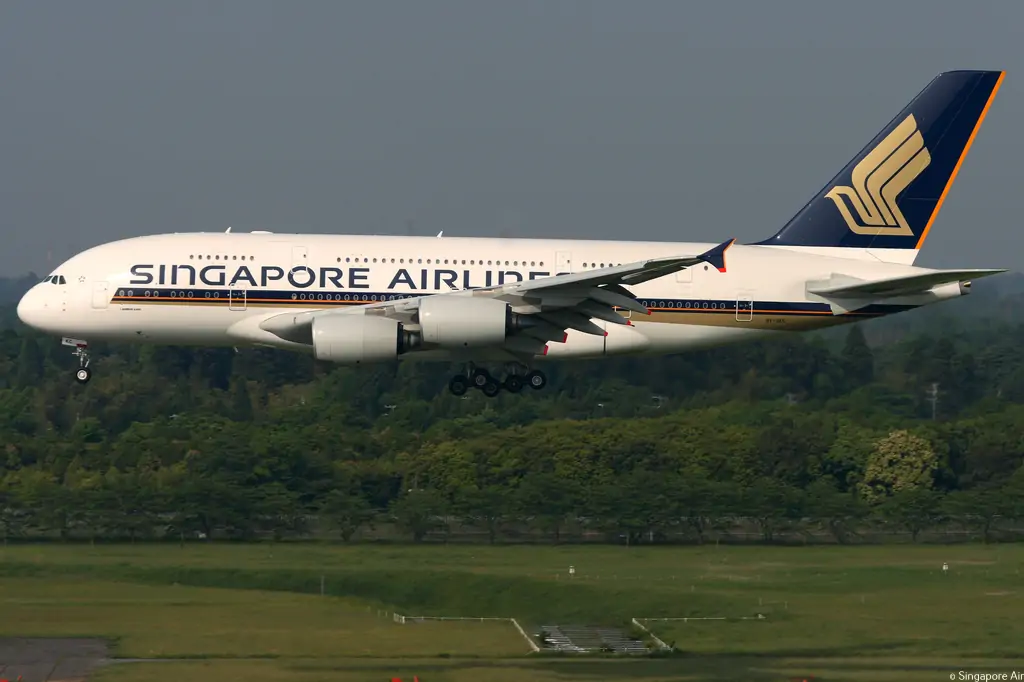
In the wake of the COVID-19 pandemic, the airline industry took a severe hit, with most carriers grappling with financial losses and operational challenges. However, amidst this turbulence, two major Asian airlines, Singapore Airlines and Cathay Pacific, have followed distinctly different trajectories.
While Singapore Airlines' stock has surged to three-year highs, demonstrating a robust recovery, Cathay Pacific's Hong Kong-listed shares have faced a significant decline.
Singapore Airlines: Soaring High

A Remarkable Comeback
Singapore Airlines, often hailed as a symbol of excellence in the airline industry, has made a remarkable comeback from the depths of the pandemic. The airline reported an annual profit of S$2.16 billion ($1.6 billion) for the fiscal year ending in March, marking a clear sign of its resurgence.
Singapore Airlines and its wholly-owned budget carrier Scoot carried 2.7 million passengers in April, an 85 percent rise year on year and close to the 3.1 million passengers carried in the same month in 2019.
Vaccination and Reopening
One key factor in Singapore Airlines' success has been Singapore's efficient vaccination drive and its decision to cautiously reopen its borders. As travelers regained confidence and international routes reopened, the airline quickly capitalized on the rising demand.
Focus on Cargo Operations
During the pandemic, Singapore Airlines shifted its focus to cargo operations, utilizing its fleet to transport essential goods. This pivot helped generate revenue during a time when passenger flights were severely restricted.
Exceptional Service and Safety Measures
Singapore Airlines' commitment to exceptional service and stringent safety measures played a crucial role in regaining passengers' trust. The airline's reputation for cleanliness and safety standards reassured travelers.
Cathay Pacific: Turbulent Times

A Precarious Position
In stark contrast to Singapore Airlines, Cathay Pacific has faced turbulent times. The airline's Hong Kong-listed shares plunged by over 40% from their peak in April 2019, a worrisome sign for stakeholders. Cathay Pacific handled 1.4 million passengers in April 2023, which is almost 44% of the amount recorded in April 2019.
Ongoing Losses
Cathay Pacific recorded a staggering loss of HK$6.5 billion ($830 million) for the fiscal year ending in March 2022. This substantial loss has continued to affect the airline's financial stability.
Hong Kong's Struggles
Hong Kong's extended lockdowns and stringent travel restrictions have posed significant challenges for Cathay Pacific. The city's dependence on international travel has hit the airline hard.
Uncertain Future
The uncertain outlook for Cathay Pacific is compounded by the fact that its stock has remained relatively flat since March 2022. The lack of upward movement is a source of concern for investors.
What Lies Ahead?
The Role of International Travel
The future of both airlines is intrinsically tied to the recovery of international travel. As countries continue to open up and travelers become more confident, both carriers have the potential for growth.
Adaptability and Innovation
Adaptability and innovation will be key for Cathay Pacific's recovery. The airline must find new revenue streams and adapt to changing market dynamics.
Maintaining Reputation
Singapore Airlines must continue to uphold its reputation for excellence in service and safety. Consistency in delivering a world-class experience will be essential to sustain its recovery.
Conclusion
In the post-pandemic landscape, Singapore Airlines and Cathay Pacific have experienced contrasting fortunes. While Singapore Airlines has soared to new heights with a strong profit and smart strategies, Cathay Pacific faces ongoing challenges and uncertainties. As the world slowly returns to normalcy, both airlines must navigate the ever-evolving aviation industry, making critical decisions that will shape their futures.
With Inputs from Aviation A2Z
Read next
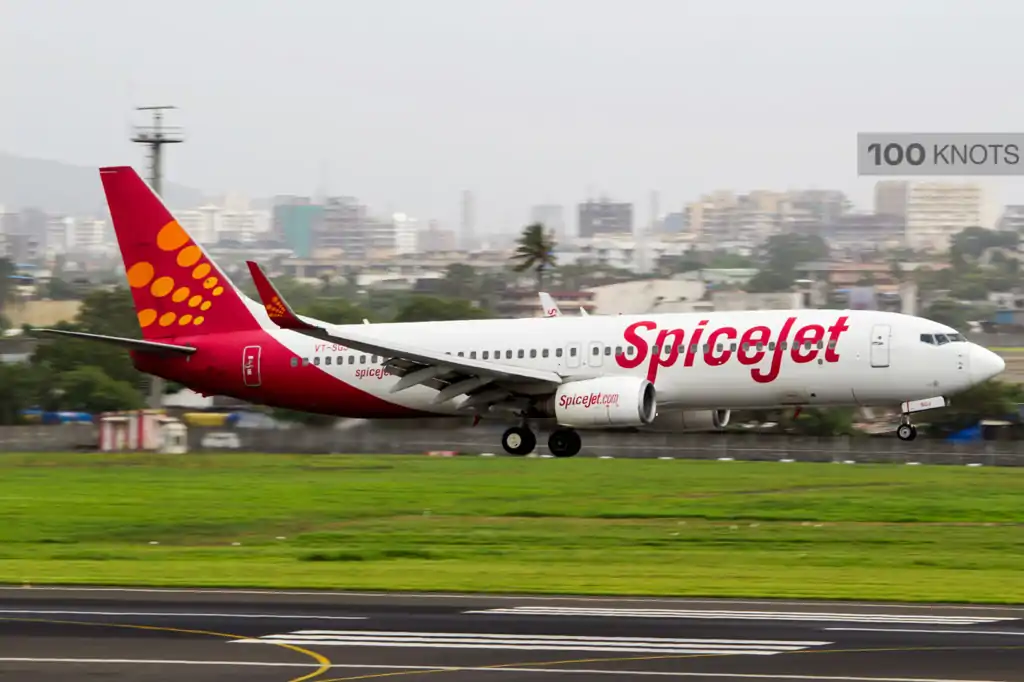
In the world of aviation, SpiceJet, an Indian budget airline, has been making headlines recently due to its unique approach to resolving financial troubles. Facing insolvency proceedings initiated by several lessors through the National Company Law Tribunal (NCLT), SpiceJet has turned to an unconventional strategy – offering equity shares in exchange for outstanding payments.
The Turbulent Skies for SpiceJet
Navigating Insolvency Proceedings
SpiceJet's financial struggles have been a subject of concern for some time now. With debts piling up and lessors initiating insolvency proceedings through NCLT, the airline found itself in dire straits.
The Unconventional Solution
In a bid to steer clear of the impending storm, SpiceJet decided to take an unconventional route. Instead of the traditional method of settling outstanding dues with cash, the airline proposed issuing equity shares to the lessors.
Aircastle's Rejection
One of the key players in this unfolding drama is Aircastle (Ireland) Ltd., a prominent aircraft lessor. SpiceJet's proposal to settle its debt with equity shares was met with rejection by Aircastle.
Carlyle Aviation Partners' Surprise Agreement
While Aircastle may have turned down SpiceJet's proposal, Carlyle Aviation Partners, another significant lessor, had a different stance. Carlyle decided to acquire a 5.91% ownership stake in the airline in exchange for its outstanding dues.

A Closer Look at SpiceJet's Equity Shares Approach
The Bold Strategy
SpiceJet's decision to offer equity shares as a form of reimbursement is a bold and unprecedented move in the aviation industry. This approach is not without its share of advantages and risks.
Advantages of Equity Shares
Strengthening Ownership: By issuing equity shares, SpiceJet can strengthen its ownership structure. This move can potentially lead to more stability and control over the airline's future.
Potential for Future Growth: Equity shares offer the lessors the opportunity to share in the airline's success and growth. If SpiceJet's fortunes turn around, the value of these shares could increase substantially.
Risks Involved
Dilution of Ownership: One of the primary risks associated with this strategy is the dilution of ownership. Existing shareholders may see their stakes reduced as new shareholders come on board.
Uncertain Future: Equity shares do not guarantee an immediate resolution to SpiceJet's financial troubles. The airline still faces the challenge of sustaining profitability in a competitive market.
Conclusion
SpiceJet's approach to tackling its financial woes with equity shares is a remarkable step in the aviation industry. While Aircastle's rejection raised questions, Carlyle Aviation Partners' agreement offers hope for the airline's revival. The road ahead remains uncertain, but one thing is clear: SpiceJet's innovative approach has sparked conversations about how airlines can weather financial storms.
With Inputs from Aviation A2Z
Comment