
Can Engine Upgrades Finally Solve the Durability Issues Plaguing LEAP-1A Engines?

Abhishek Nayar
09 Dec 2024

The aviation industry has been abuzz with news of a breakthrough for the LEAP-1A engines, a popular choice for Airbus narrowbody jets. Facing criticism over durability in extreme climates, CFM International, the manufacturer of these engines, has introduced a new high-pressure turbine kit designed to address these challenges. But will this upgrade truly deliver the promised improvements? Here's what you need to know.
The Durability Dilemma in Extreme Environments
LEAP engines, developed by CFM International—a joint venture between GE Aerospace and France's Safran—are known for their advanced technology and fuel efficiency. However, their performance in hot and harsh regions such as the Middle East and Asia has left much to be desired. Airlines operating in these climates have expressed frustration over the engines’ reduced durability and increased maintenance demands.
The issue has not been confined to the LEAP engines alone. Other new-generation engines, like Pratt & Whitney's GTF, have faced similar challenges, compounding the problem of maintenance delays in the post-pandemic aviation landscape.
CFM’s Durable Solution: A Certified Upgrade
CFM has now announced the certification of a new high-pressure turbine (HPT) kit by both the U.S. Federal Aviation Administration (FAA) and the European Union Aviation Safety Agency (EASA). This marks a significant milestone in addressing the durability concerns of the LEAP-1A engines.
Gael Meheust, CEO of CFM, stated that the upgrade would ensure the LEAP-1A engines achieve a level of durability and reliability comparable to their predecessor, the CFM56 product line, which has been a benchmark in the industry for decades.
Key Features of the Upgrade:
- Enhanced Durability: Designed to withstand extreme climates.
- Ease of Manufacturing: Streamlined production processes to meet rising demand.
- Reduced Maintenance Needs: Expected to increase "time on wing," minimizing operational disruptions.
What About Boeing's LEAP-1B Engines?

The improvements are not limited to Airbus jets. CFM has indicated that a similar solution is under development for the LEAP-1B engines, which power Boeing's 737 MAX fleet. Testing is already underway, and airlines operating these jets are eagerly awaiting similar enhancements.
The Wider Industry Impact
This development couldn’t come at a better time. Consulting firm Bain & Company reports that engine repair turnaround times have surged since the pandemic, with delays of 35% for legacy engines and over 150% for new-generation engines like the LEAP. Airlines are now waiting up to three months just to secure a repair slot.
These delays not only disrupt flight schedules but also strain airline finances. By improving the durability and manufacturing process, CFM’s new HPT kit has the potential to alleviate the logjam in maintenance capacity and boost production rates.
What’s Next for CFM and the Aviation Industry?
The certification of the new turbine kit is a significant step forward, but its real-world effectiveness will be closely watched. Airlines will be keen to see whether these upgrades translate into fewer disruptions, lower maintenance costs, and better performance in challenging environments.
As for CFM, success with this upgrade could reinforce its market leadership and enhance customer confidence in its LEAP product line.
Conclusion: A Leap Toward Reliability?
The aviation industry has placed high hopes on CFM International's new turbine kit. While the certifications from the FAA and EASA signal progress, the ultimate test lies in operational performance. If the promised benefits materialize, this could mark a turning point in addressing the durability challenges that have plagued next-generation engines.
For now, the skies look promising for LEAP-1A engines, but the aviation world will be watching closely to see if this leap truly soars.
With Inputs from Reuters
Read next
The Sky’s the Limit: India’s Bold Moves to Tackle Airfare Irregularities and Reform Aviation Laws
Abhishek Nayar
07 Dec 2024

The Indian government has recently taken decisive steps to address irregularities in airfares and modernize the country’s aviation laws. These measures aim to enhance affordability, ensure fair practices, and streamline regulatory frameworks. Here’s a deep dive into the key developments and their potential impact on India’s aviation sector.
A Step Toward Affordable Air Travel
Union Civil Aviation Minister K Rammohan Naidu announced in the Rajya Sabha that the government is working on eliminating the controversial "airlines may change the fare in 24 hours" clause. This decision is expected to address concerns over fluctuating air ticket prices and bring more transparency to airfare mechanisms.
“We are committed to bringing in the affordability factor,” said Naidu. “This kind of mechanism is going to address the irregularities in airfares.”
Airfare Moderation: A 2024 Trend
The government noted that airfares have generally moderated in 2024 compared to 2023. A particular reduction in ticket prices was observed on various routes during the festive season, much to the relief of passengers. However, concerns remain in certain quarters about the unpredictability of pricing.
Minister of State for Civil Aviation Murlidhar Mohol emphasized that while airfares are not directly regulated to maintain market competitiveness, the government intervenes strategically to prevent exorbitant pricing. For example, shifting airline capacity from high-demand routes to underserved sectors has helped stabilize prices.
Historic Aviation Reform: Bharatiya Vayuyan Vidheyak 2024
In a landmark move, Parliament recently passed the Bharatiya Vayuyan Vidheyak 2024, replacing the 90-year-old Aircraft Act, 1934. This new bill aims to streamline regulations, remove redundancies, and improve the ease of doing business in the aviation sector.
Key Highlights of the New Bill:
- Simplification of Regulations: The bill seeks to eliminate outdated provisions and harmonize aviation laws with modern requirements.
- Ease of Doing Business: Enhanced focus on encouraging investment and innovation in the aviation sector.
- Cultural Recognition: The bill’s title has been changed to Hindi, reflecting India’s heritage and culture.
While some members raised concerns over the name change, Minister Naidu assured that it aligns with constitutional norms. “It may be challenging to pronounce initially, but one will get used to it,” he added.
Udaan Scheme: Improving Accessibility
The government’s flagship Udaan (Ude Desh ka Aam Naagrik) scheme has made significant strides in improving air travel accessibility, particularly in underserved regions. Minister Naidu reiterated the government’s commitment to making flying affordable for all Indians.
Balancing Competitiveness and Passenger Welfare
A delicate balance must be maintained between fostering market competitiveness and safeguarding passenger interests. The government’s vigilance in monitoring airfare trends and its strategic interventions to curb price surges reflect its commitment to passenger welfare without compromising market dynamics.
What’s Next for Indian Aviation?
These developments mark a transformative phase for India’s aviation sector. By addressing fare irregularities, modernizing laws, and promoting accessibility, the government aims to create a more inclusive and competitive aviation environment.
As the skies become more affordable and accessible, passengers can look forward to a future where air travel is not just a privilege but a norm for the common Indian citizen.
With these sweeping reforms, India is setting a new flight path, promising a brighter and more equitable future for its aviation industry. The journey ahead is ambitious, but the destination looks promising.
Read next

Saudia, the national flag carrier of Saudi Arabia, has earned the coveted Editorial Award for ‘Best Airline Cabin Crew’ at the 2024 Business Traveler U.S. Awards, held in Miami, USA. This award, being presented for the first time, underscores Saudia’s outstanding cabin service and cements its position as a leader in the aviation industry.
What Makes Saudia’s Cabin Crew Stand Out?

The award recognizes the exemplary dedication and professionalism of Saudia’s cabin crew. Known for their warm hospitality, the crew embodies the essence of Saudi culture—generosity, respect, and an unwavering commitment to excellence.
Rossen Dimitrov, Saudia’s Chief Guest Experience Officer, expressed his gratitude:
“This award is a testament to the hard work and professionalism of our cabin crew in delivering world-class service. Saudia’s cabin crew exemplify the essence of Saudi hospitality and culture, embodying the warmth, generosity, and respect that are ingrained to the Kingdom.”
Connecting Excellence with Vision 2030
Saudia’s achievements align with Saudi Arabia’s Vision 2030, a national transformation program aimed at diversifying the economy and enhancing global connectivity. Through innovation and exceptional service, Saudia contributes to showcasing the Kingdom’s hospitality to the world, inviting global travelers to explore Saudi Arabia.
The Importance of the Business Traveler U.S. Awards
The Business Traveler U.S. Awards are regarded as a gold standard in recognizing excellence across airlines, hotels, travel destinations, and innovations. The winners are determined through a blend of editorial evaluations, industry benchmarks, and reader feedback, making Saudia’s win a reflection of both expert and customer trust.
Saudia’s Ambitious Growth Plans

Saudia continues to innovate and expand its services. With a current fleet of 144 aircraft, the airline aims to double its capacity and connect the Kingdom with over 100 global destinations. It offers multilingual in-flight entertainment tailored to diverse guest preferences, blending advanced technology with authentic Saudi hospitality.
What This Recognition Means for Saudia’s Future
This milestone reflects Saudia’s dedication to creating exceptional guest experiences and bolsters its reputation on the global stage. By combining cultural warmth with industry-leading service, Saudia is not only redefining cabin excellence but also promoting Saudi Arabia as a must-visit destination.
As travelers increasingly seek exceptional service, Saudia’s recognition raises a pertinent question:
Is Saudia now the gold standard for airline hospitality?
Read next


As the aviation industry continues its ascent, India’s Maintenance, Repair, and Overhaul (MRO) sector is poised to play a pivotal role in shaping the future of air travel. With massive growth in its aviation fleet and government support, experts predict India will soon emerge as a key player in the Asia-Pacific (APAC) region for MRO services. Here's why India is set to become a global MRO hub.
Rising Demand: India’s Aviation Boom
India is rapidly expanding its aviation sector, already the third-largest domestic aviation market in the world. According to a Deloitte report, the nation has over 1,000 aircraft on order, making it the third-largest buyer of commercial passenger planes, behind only the US and China. This growth is expected to generate demand for 200–300 major maintenance checks annually, driven by:
- Fleet Expansion: Indian carriers have ambitious plans for the next decade.
- Ageing Aircraft Replacement: Older aircraft are being phased out, creating opportunities for MRO to meet redelivery requirements.
The MRO Sector: Aviation’s Unsung Hero
Behind every successful flight is a robust MRO operation. The MRO sector is critical for ensuring aircraft safety, operational efficiency, and longevity. Aircraft maintenance is divided into four categories—A, B, C, and D checks—each increasing in complexity.
Jaideep Mirchandani, chairman of Sky One, emphasizes the importance of MRO, stating:
“An efficient MRO is critical to ensuring aircraft longevity, operational efficiency, and, most importantly, safety.”
Overcoming Challenges: Reducing Dependence on Imports
Currently, India’s MRO needs are heavily reliant on foreign providers, increasing costs and turnaround times for airlines. However, the tide is turning. India’s domestic MRO sector is gaining momentum with:
- Government Policies: The introduction of a uniform 5% IGST rate on MRO services has resolved long-standing tax discrepancies and simplified the structure.
- Investment in Infrastructure: Air India is developing a 35-acre mega MRO facility at Bangalore International Airport, signaling a move towards self-reliance.
- Global Partnerships: Both Indian carriers and international players are setting up MRO facilities within the country.
Why India? The Competitive Edge
India’s strategic location and skilled workforce give it a competitive edge in the APAC region:
- Skilled Workforce: India boasts a growing pool of trained aviation engineers.
- Cost-Effectiveness: Lower operational costs compared to Western nations make India an attractive option.
- Proximity to Emerging APAC Markets: Countries like Vietnam, Indonesia, and the Philippines have growing aviation sectors, and Indian MRO hubs can serve their needs efficiently.
Future Outlook: Becoming an APAC MRO Leader
Industry experts are optimistic about India’s trajectory in the MRO sector. Developments like Air India’s mega facility and the government’s supportive policies indicate a bright future. Mirchandani believes these initiatives could reduce reliance on imports and elevate India to a global standard.
“Emerging markets in the APAC region may increasingly rely on India as a major MRO hub for their repair needs,” Mirchandani concludes.
Conclusion: Building Aviation’s Backbone
India’s aviation story is no longer limited to passengers and planes; the spotlight is now on the MRO sector. As India prepares to become a key MRO hub in the APAC region, this growth will create jobs, attract investments, and solidify its position as a global aviation powerhouse. The runway is set for India to take off, not just as a major aviation market but as the backbone of operational excellence in the skies.
Read next
Soaring to New Heights: Korean Air and Asiana Airlines Finalize Merger Amid Global Scrutiny
Abhishek Nayar
05 Dec 2024
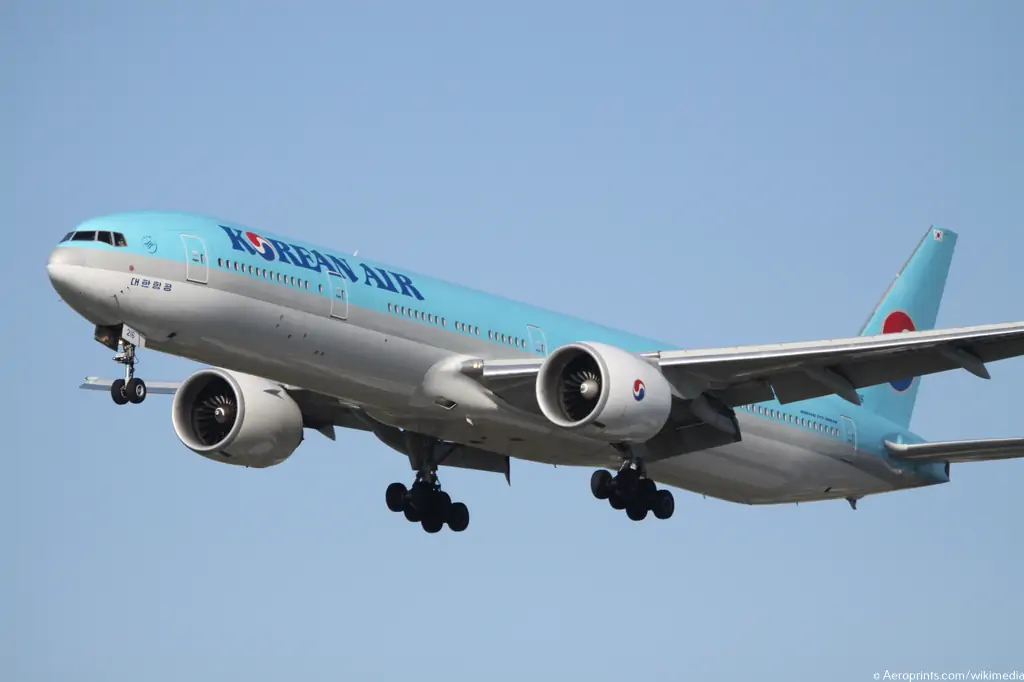
After years of negotiations and regulatory reviews, Korean Air and Asiana Airlines are on the cusp of finalizing their historic merger. The deal, initiated in 2020, has now cleared the final major hurdle, gaining approval from the United States Department of Justice (DOJ). This landmark agreement will solidify Korean Air's position as one of the top ten global airlines, reshaping South Korea’s aviation landscape.
A Strategic Acquisition to Boost South Korea’s Aviation Industry
In November 2020, Korean Air, under its parent company Hanjin Kal, announced plans to acquire Asiana Airlines for KRW 1.8 trillion ($1.2 billion). The move was driven by the airline's mission to strengthen South Korea’s competitive edge in the global aviation market. With this merger, the combined entity seeks to address challenges posed by maintaining two flag carriers in a nation with fewer than 100 million people.
Aiming High:
- Korean Air aims to rival global giants like Lufthansa, Air France, and Singapore Airlines.
- The merger promises job security for employees across both carriers and related industries.

Navigating Regulatory Challenges: A Global Balancing Act
Over the past three years, Korean Air faced intense scrutiny from regulators worldwide, including the European Commission (EC) and the DOJ, to ensure fair competition and consumer protection.
European Commission Approval
The EC granted final approval in November 2023, contingent on conditions to alleviate concerns over reduced competition.
Key Remedies:
- T’Way Air was supported to launch flights from Seoul to major European hubs like Barcelona, Frankfurt, Paris, and Rome.
- Air Incheon acquired cargo assets from Asiana Airlines, including aircraft and customer contracts.
US DOJ's Green Light

The DOJ’s approval followed careful evaluation to address potential monopolistic outcomes on South Korea–US routes.
- To satisfy US competition concerns, Korean Air agreed to lease at least four Boeing 787-9 aircraft to Air Premia, a rising South Korean carrier.
- Air Premia plans to use these aircraft to expand routes to the Americas and Southeast Asia, enhancing competition in critical markets.
T’Way Air and Air Premia: Rising Stars in the Wake of the Merger

Smaller carriers like T’Way Air and Air Premia have emerged as key players thanks to the divestments mandated by regulators.
- T’Way Air: Expanded its long-haul network to Europe, increasing competition and connectivity.
- Air Premia: With its all-787-9 fleet, the airline is poised for growth, introducing new transcontinental routes by 2025.
These developments highlight how strategic remedies can foster healthy competition, benefiting travelers and the broader industry.
Why the Merger Matters: A Global Perspective
The merger aligns with global aviation trends, where smaller markets often sustain a single dominant carrier to maximize efficiency and competitiveness. South Korea’s aviation industry, previously disadvantaged by supporting two national carriers, now has the potential to thrive against international heavyweights.
What Travelers Can Expect
- Enhanced Connectivity: Expanded route networks and streamlined operations.
- Improved Services: Korean Air’s larger fleet and resources will lead to better amenities and flight options.
- Competitive Fares: Increased market competition ensures affordability for consumers.
Looking Ahead: Finalizing the Transition
Korean Air plans to complete the transaction by December 11, 2024, marking the culmination of a four-year journey. The merger represents a bold step forward, promising a new era of growth and innovation for South Korea’s aviation sector.
The Takeaway
This merger isn’t just a business transaction; it’s a transformation that could redefine global aviation dynamics. By addressing competition concerns and fostering collaboration among airlines, Korean Air is setting the stage for a stronger, more competitive future in the skies.
Stay tuned as the dust settles and South Korea's aviation industry prepares for takeoff on a global scale.
Read next

As the festive season approaches, turbulence looms for Allegiant Air as its pilots edge closer to striking over long-standing labor disputes. With a picket line already formed and overwhelming support for strike authorization, customers are left wondering: will Allegiant pilots ground flights this holiday season?
A Two-Year Mediation Stalemate
The conflict traces back four years to the beginning of negotiations between Allegiant Air and its pilots, represented by Teamsters Local 2118. The union, which represents 1,300 pilots nationwide, has been in mediation under the National Mediation Board for two years. Allegiant pilots, citing stagnant negotiations, have declared their readiness to strike—a move that could severely impact the low-cost airline's operations.
On Tuesday, roughly 30 pilots picketed at Des Moines International Airport, displaying signs such as “Buckle Up Allegiant, No More Free Rides” and “Allegiant Pilots Ready to Strike.” This demonstration follows a November vote where more than 97% of Allegiant pilots authorized union leaders to call a strike.
What’s Holding Back the Strike?
Despite the show of unity, pilots cannot strike immediately due to the federal Railway Labor Act, which governs airline workers. Under this law, a strike can only occur if mediators declare an impasse in negotiations—a rare occurrence. If the National Mediation Board were to approve strike action, a mandatory 30-day cooling-off period would follow, ensuring no stoppage until after the holiday season.
Pilots Speak Out: “We Deserve Better”
Pilot Tyler Heavey, speaking on behalf of the Allegiant Pilots Association, emphasized the inequities faced by Allegiant pilots compared to peers in the industry. Key concerns include subpar compensation, daily work rules, and inadequate retirement benefits. “We are fighting for an industry-standard contract that values our work and contributions to the success of Allegiant,” Heavey said.
Allegiant pilots claim they are among the most overworked and underpaid in the industry. The union argues that these conditions are unsustainable and undermine the pilots’ well-being and morale.
Allegiant’s Offer: Is It Enough?

Allegiant Air, on the other hand, has proposed what it describes as a “competitive package” to address pilot grievances. The airline’s offer includes:
- Hourly Pay Increase: A 50% average increase in hourly wages, scaling to 70% over five years.
- Retirement Benefits: A 50% rise in direct contributions.
- Quality of Life: Enhanced scheduling policies honoring seniority and improving work-life balance.
- Retention Bonuses: First-year officers would see an 82% pay increase, while other pilots receive a 35% boost, with senior captains eligible for bonuses exceeding $100,000.
Despite these terms, Allegiant claims the union has failed to engage on key economic issues in nearly two years. “We remain hopeful that the union will choose to engage with us at the table,” the airline stated.
What’s at Stake?
If the pilots strike, Allegiant could face operational paralysis, leaving customers scrambling during peak travel seasons. The situation underscores a larger industry trend where airline workers are demanding better pay and conditions amidst a pilot shortage.
While Allegiant asserts that its offer aligns with industry standards, the union maintains that pilots deserve more to reflect their contributions to the airline’s success.
Conclusion: Will There Be a Resolution?
As negotiations continue under the watchful eye of federal mediators, the possibility of a strike remains uncertain. What’s clear is that Allegiant pilots are standing firm for their demands, and the airline must navigate this labor dispute carefully to avoid disruption.
With the clock ticking, passengers, pilots, and the airline await the outcome of mediation. Will Allegiant reach an agreement that keeps flights in the air, or will the pilots’ demands ground the airline? Only time will tell.
Comment