
Can Saudia Overcome Airbus Production Delays to Receive Their Massive Order on Time?

Abhishek Nayar
18 Jul 2024

Despite recent production delays that have disrupted the global aviation industry, Saudia Airlines remains optimistic about the timely delivery of its newly ordered Airbus planes. The state-owned Saudi Group, Saudia's parent company, made a significant order in May for 105 narrow-body Airbus aircraft. These planes are intended to serve both Saudia Airlines and its low-cost sister carrier, flyadeal.
Delivery Schedule and Assurance
Saudia is scheduled to receive the first of these aircraft in 2026, with the final deliveries stretching until 2031. Saleh Eid, Saudia Airlines' Vice President of Fleet Management and Agreements, expressed confidence in the delivery timeline during an event at an Airbus factory in Hamburg. "We are very comfortable with these delivery times," he told Reuters, adding that the airline is concurrently receiving Airbus planes from a previous order. Eid emphasized that Saudia Airlines believes the agreed-upon delivery dates are secure, even as other airline industry executives report further delays due to supply chain disruptions.
Industry-Wide Production Challenges
Airbus has recently faced challenges in maintaining its production schedule, leading to a slowdown in its production ramp-up and a reduction in delivery goals. This situation has led to significant compensation and concessions for airlines, including freezes on contractual charges that adjust for inflation. Despite these industry-wide issues, Saudia remains hopeful that their deliveries will proceed as planned.
Potential Expansion Plans
While Saudia is focusing on the current order, there are ongoing discussions about a possible follow-up purchase of wide-body jets. A senior executive from the Saudia Group mentioned last month that the company is in talks with both Airbus and Boeing to increase its wide-body capacity. This interest aligns with Flyadeal CEO Steven Greenway's statement in June, indicating that the low-cost carrier is considering ordering between 10 and 20 wide-body jets.
Saudi Arabia's Vision for Aviation Growth
Saudi Arabia is heavily investing in diversifying its economy away from fossil fuels, with significant plans for its aviation sector. These plans include the establishment of new airlines and potentially a massive international airport, aiming to compete with the UAE, a regional travel hub. However, funding for this ambitious multi-year expansion remains a topic of debate among analysts, particularly in light of the International Monetary Fund's recent downward revision of Saudi Arabia's economic growth, primarily due to oil production cuts.
Positive Outlook Amid Economic Uncertainty
Despite economic concerns, data from Airbus suggests a continued rise in air travel, particularly in regions like the Middle East, Asia, and Latin America. Wouter van Wersch, Airbus Executive Vice President, International, highlighted the growth in these areas and the significance of the deal with Saudi Arabia. Saudia's substantial order of narrow-body Airbus aircraft is seen as a significant win in a country where Boeing has a major presence, especially after Boeing secured a major combined order for wide-body 787s from Saudia and the newly established national carrier, Riyadh Air.
Conclusion: An Ambitious Future
As Saudi Arabia looks to expand its aviation sector, Saudia Airlines' confidence in receiving its Airbus order on time is a critical element of its growth strategy. With ongoing discussions for additional aircraft and significant investments in aviation infrastructure, Saudia Airlines aims to play a central role in the country's ambitious plans to become a major player in the global aviation industry.
With Inputs from Reuters
Read next
Emirates SkyCargo Expands Horizons with a $1 Billion Order for Five 777 Freighters
Abhishek Nayar
18 Jul 2024
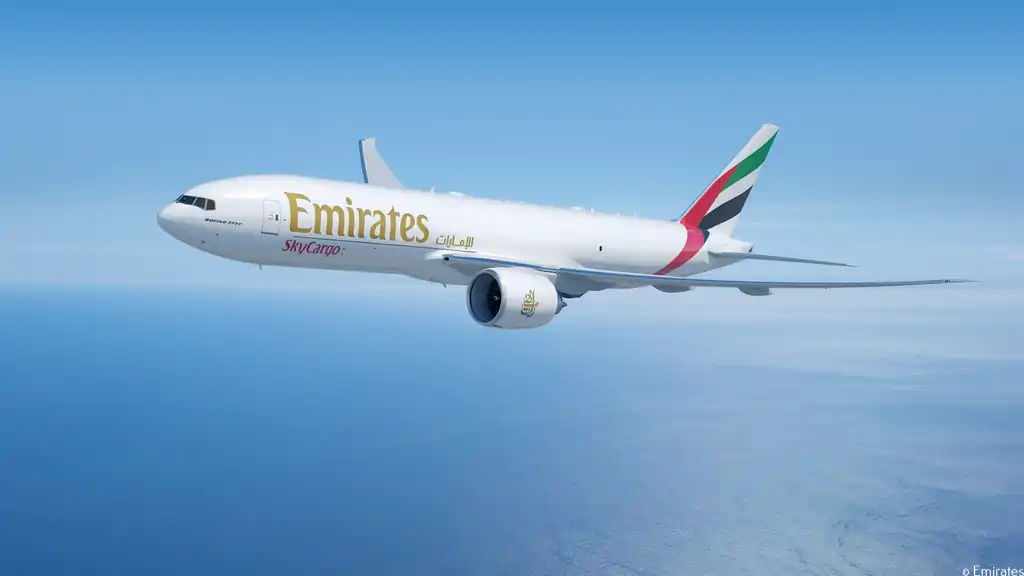
In a bold move to bolster its global cargo capabilities, Emirates SkyCargo, the cargo arm of the world’s largest international airline, has announced a firm order for an additional five Boeing 777 freighters. This significant investment, valued at US$1 billion, is set to enhance the airline's fleet and capacity dramatically.
A Strategic Leap Forward
The newly ordered Boeing 777 freighters are scheduled for delivery between 2025 and 2026. This acquisition will elevate Emirates SkyCargo's total wide-body aircraft order book to an impressive 315, underlining the airline’s ambitious growth strategy. The new additions will boost the airline’s main deck cargo capacity by 30%, enabling it to meet the surging demand in key global markets and provide enhanced services to its customers.
Record-Breaking Performance
Emirates SkyCargo has demonstrated exceptional performance in the first quarter of its 2024-25 financial year. The airline achieved consistently high load factors and tonnages that surpassed pre-pandemic levels of 2019. This remarkable achievement highlights the airline's resilience and operational excellence amid evolving global trade dynamics.
Visionary Leadership and Global Trade Ambitions
His Highness Sheikh Ahmed bin Saeed Al Maktoum, Chairman and Chief Executive of Emirates airline and Group, emphasized the strategic importance of this investment. "Demand for our world-class product and services is growing exponentially, further amplified by Dubai’s Economic Agenda, which aims to double foreign trade and reinforce the city’s position as a global trading hub," he stated. This expansion aligns with Dubai’s vision of becoming a pivotal player in international trade and commerce.
Boeing's Enduring Partnership with Emirates

Stephanie Pope, President and CEO of Boeing Commercial Airplanes, expressed pride in Emirates SkyCargo’s continued trust in Boeing. "We are honored that Emirates SkyCargo, renowned for operational excellence and innovation, has once again selected the Boeing 777 Freighter to extend the reach of its global network," she said. This partnership signifies a shared commitment to supporting long-term strategic growth and operational efficiency.
Fleet Modernization and Expansion
The staggered delivery of the new Boeing 777 freighters will coincide with the retirement of older aircraft, ensuring that Emirates SkyCargo maintains one of the youngest and most efficient fleets in the industry. By the end of 2025, Emirates' freighter fleet will include 17 aircraft, comprising a mix of Boeing 777Fs, converted 777-300ERs, and other wide-body aircraft. This diversified fleet will enable Emirates SkyCargo to offer unmatched flexibility and reliability to its global customers.
Meeting Evolving Market Demands
As part of its strategic growth plan, Emirates SkyCargo will conduct a comprehensive assessment of its future freighter fleet, exploring various aircraft options to stay ahead of market demands. This forward-thinking approach reaffirms the airline's confidence in the critical role of airfreight in global trade and its dedication to remaining a leader in the industry.
Conclusion
Emirates SkyCargo’s substantial investment in expanding its fleet with five new Boeing 777 freighters marks a significant milestone in its growth trajectory. With a robust strategy and visionary leadership, the airline is poised to continue its upward trajectory, enhancing global trade connections and delivering unparalleled service to its customers worldwide.
As the world of international cargo continues to evolve, Emirates SkyCargo stands ready to navigate the future with innovation, efficiency, and a steadfast commitment to excellence.
With Inputs from Emirates
Read next
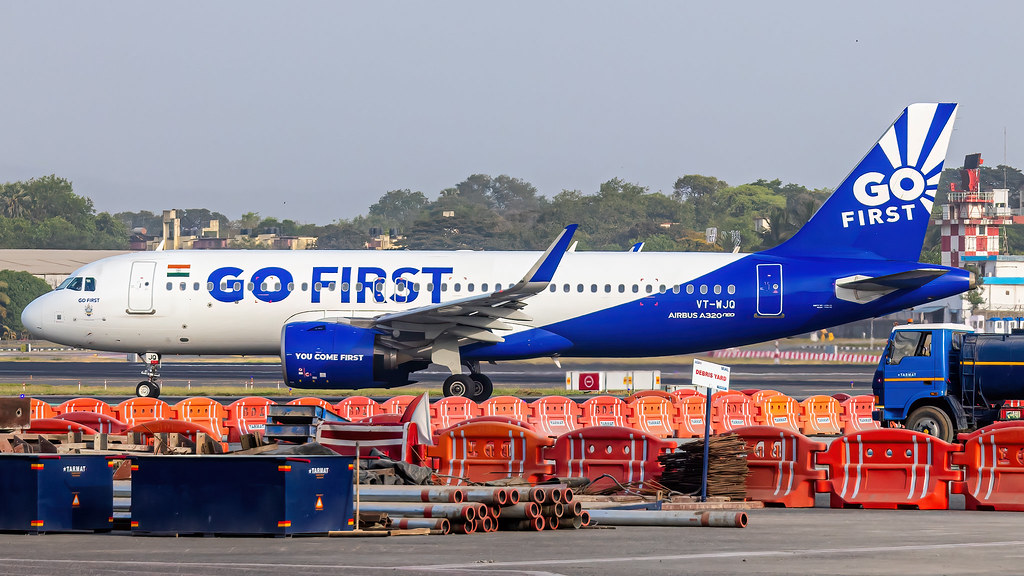
Creditors of the debt-laden Go First airline are preparing to move towards the liquidation of the airline, citing the lack of substantial progress between banks and the two prospective bidders. Five months after receiving formal bids for the Wadia Group-owned carrier, the creditors are now finalizing a voting proposal to seek liquidation, according to sources familiar with the matter.
The Bidding Situation
Go First received two bids: one from a consortium led by EaseMyTrip CEO Nishant Pitti and SpiceJet chairman Ajay Singh, and another from Sharjah-based Sky One Aviation. However, both bids fell short of the creditors' expectations.
"Some processes like the selection of the proposed liquidator, calculating the cost of liquidation, and funding of liquidation are being completed, after which the proposal will be put to vote this week," said an anonymous insider.
The Insolvency Process Deadline
The insolvency process timeframe ends on August 3, and creditors are likely to reach a decision before this date. "After negotiations with bidders, there was little scope for any increase. More importantly, both the bids were dependent on the ongoing arbitration claims in Singapore which lenders themselves are eyeing, so there is no point in dragging on this process now," another source mentioned.
The Arbitration Claims
Lenders are pinning their hopes on a better recovery from Go First's ongoing arbitration proceedings in Singapore against US-based engine maker Pratt & Whitney (P&W). They have sought over $1 billion from P&W, accusing it of supplying faulty engines that were not replaced on time, leading to the grounding of half the airline's fleet and its subsequent bankruptcy.
Details of the Bids
- Sky One Aviation: Offered Rs 735 crore upfront in cash and up to 20% of future arbitration claims.
- Ajay Singh: Proposed to pay Rs 650 crore over 12 months and 10% of future arbitration claims.
Despite the bids, creditors believe they can achieve a better recovery through the arbitration claims rather than selling the airline at a low price.
Land Parcel Auction
In addition to the arbitration claims, creditors expect to recover at least Rs 1,965 crore from the auction of a prime 94-acre land parcel in Thane near Mumbai, which is kept as collateral.
Creditors’ Claims
Go First owes around Rs 6,200 crore to its creditors. The secured creditors include:
- Central Bank of India: Rs 1,934 crore
- Bank of Baroda: Rs 1,744 crore
- IDBI Bank: Rs 75 crore
Conclusion
The creditors are making a final call, betting on a more favorable outcome from the arbitration proceedings and the land auction rather than a low-priced sale of the airline. While there are risks involved with the arbitration, this "all or nothing" approach seems to be the chosen path as the deadline approaches.
With Inputs from Economic Times
Read next
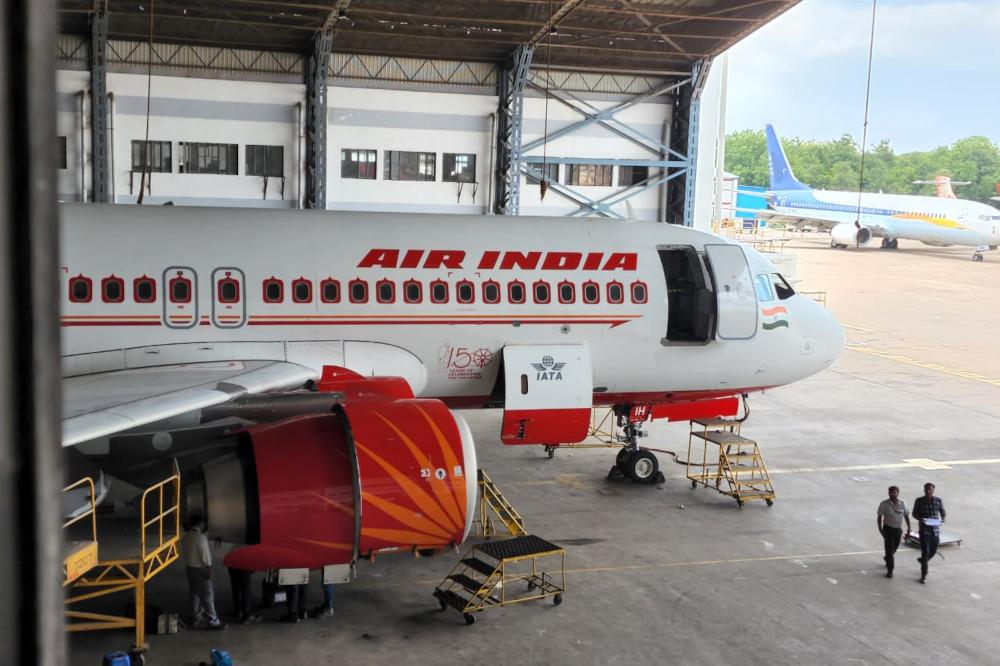
In a strategic move aimed at simplifying taxation and fostering growth in the aviation industry, India has unified its tax rates on aircraft components and engine parts to a uniform 5%. This significant policy change, announced by Civil Aviation Minister Kinijrapu Rammohan Naidu on Monday, is expected to revolutionize the local maintenance, repair, and overhaul (MRO) sector.
A Unified Tax Rate: Simplifying the Aviation Sector
Previously, the tax rates on aircraft components and engine parts in India varied between 5% and 28%, creating complexities and challenges for businesses operating in the aviation sector. The new uniform tax rate, effective immediately, addresses these challenges by simplifying the tax structure. This decision follows a recommendation by India's Goods and Services Tax (GST) Council in June, aiming to streamline the import process for "parts, components, testing equipment, tools, and tool-kits of aircraft."
Boosting Local MRO Businesses
Minister Naidu emphasized that the unified tax rate would provide a substantial boost to the local MRO sector, which is poised for significant growth given the burgeoning aviation market in India. "This new policy eliminates disparities, simplifies the tax structure, and fosters growth in the MRO sector," he stated. The move comes at a critical time when Indian airlines are expanding rapidly, with record orders for new jets.
Addressing Market Growth and Fleet Expansion
India is among the fastest-growing major aviation markets globally. The country's aircraft fleet, currently numbering around 700, is expected to more than double to over 1,500 by 2030. This rapid growth underscores the necessity of a robust local MRO industry to support the expanding fleet. The unified tax rate will make it easier and more cost-effective for airlines to maintain and repair their aircraft domestically, reducing reliance on foreign MRO services.
Industry Reactions and Future Implications
Industry experts and stakeholders have welcomed the government's decision, viewing it as a positive step towards enhancing the competitiveness of India's MRO sector. The simplified tax structure is expected to attract more investment and encourage the establishment of new MRO facilities within the country. This, in turn, will create jobs, foster technological advancements, and contribute to the overall growth of the aviation industry.
Conclusion: A Bright Future for India's Aviation Industry
The unification of tax rates on aircraft components and engine parts marks a pivotal moment for India's aviation sector. By addressing the challenges posed by varying tax rates and simplifying the tax structure, the government has laid the groundwork for a thriving local MRO industry. As the aviation market continues to grow, this policy change will play a crucial role in supporting the industry's expansion and ensuring that India remains a key player in the global aviation landscape.
With Inputs from Reuters
Read next

In a strategic move reflecting shifting market dynamics, Airbus has revised its 20-year forecast for freighter demand, offering insights into the evolving landscape of global air cargo. The latest global market forecast predicts demand for 2,470 freighters by 2043, a slight reduction from last year’s figure of 2,510. This update comes with a nuanced shift towards new-build aircraft and a higher focus on the replacement market.
Revised Demand Outlook: Key Figures
Airbus's latest projections anticipate the world freighter fleet to increase from the current 2,220 to 3,360 by 2043. This growth is partly due to higher retention of current aircraft, with an estimated 890 aircraft remaining in service, up from the previous forecast of 720. Bob Lange, Airbus’s head of market analysis, emphasized the longevity of new-build freighters, which are expected to serve longer operational lives.
New-Build vs. Converted Aircraft

The demand for new-build aircraft is projected to be 940, while the number of converted aircraft is expected to be around 1,530. This represents a significant shift towards more new-builds than previously anticipated. The balance has also tilted towards higher capacity freighters with payloads of 80 tonnes and above, accounting for 620 aircraft, while the smaller 10-40 tonne single-aisle models will total 970.

Focus on Replacement Over Growth
A notable change in Airbus’s forecast is the higher proportion of deliveries intended for replacement rather than growth. The new forecast suggests that 54% of freighter deliveries will be for replacement purposes, compared to the previous estimate of 50.5%. This shift underscores the industry's move towards modernizing the fleet rather than expanding it.
Economic Context: Trade and GDP Growth

Lange pointed out a convergence of trade growth towards GDP after two decades of faster trade expansion relative to GDP. Airbus figures show that between 2023-2024, world trade is expected to grow by 3.1% per year, with GDP growth at 2.6%. This contrasts with the period from 2003 to 2023, where trade grew at 4.1% annually, and GDP at 2.9%.
Market Segmentation: Express vs. General Cargo

Airbus predicts that the freight market will more than double over the next two decades, driven primarily by the express segment, which is expected to grow at an annual rate of 4.4%, compared to general cargo’s 2.7%. This growth will see the express segment’s market share increase from 20% last year to 25% in 2043, while general cargo will decline from 83% of the market in 2023 to 75% by 2043.
Freight Tonne Kilometers (FTK) Projections
The overall cargo market is set to reach 525 billion freight tonne kilometers (FTK) by 2043, a significant rise from 245 billion FTK last year. Despite air freight accounting for just 1% of total freight volume, it represents 30% of the freight value, highlighting its critical importance in the global supply chain.
Conclusion
Airbus's revised forecast provides a clear indication of the strategic adjustments required in the air cargo sector. With a greater emphasis on new-build freighters, a focus on replacement over growth, and the rising dominance of the express segment, the industry is poised for significant transformation. As trade growth aligns more closely with GDP and the express market expands, stakeholders must adapt to these evolving dynamics to capitalize on the opportunities presented by this shifting landscape.
With Inputs from Air Cargo News
Comment