
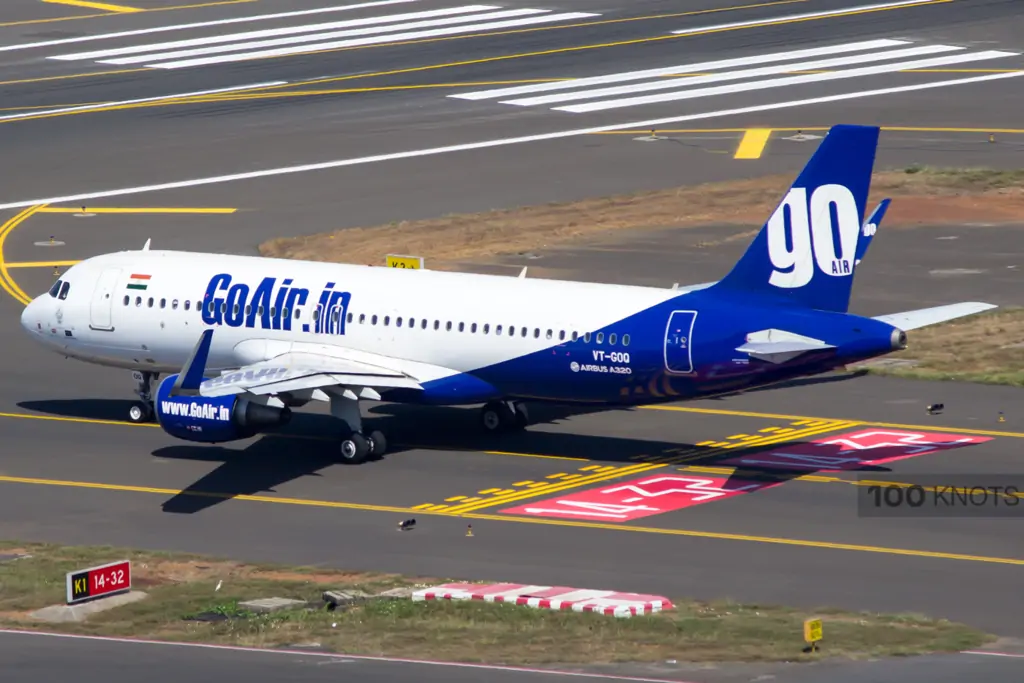
India's rapidly expanding airline industry is facing a crucial juncture as major leasing firms, including Aviation Capital Group (ACG), grapple with uncertainties arising from the country's insolvency laws. The recent amendments made to these laws have implications for foreign lessors, particularly those seeking to recover assets entangled in the bankruptcy proceedings of budget carrier Go First.
The Insolvency Law Conundrum
The head of ACG, Thomas Baker, highlights the pressing issue of ambiguity in India's insolvency laws, despite recent amendments made in October. The exclusion of leased aircraft from frozen assets was intended to align with global rules, including the 2001 Cape Town Convention. However, the practical implications and the resolution of existing disputes remain elusive, leaving foreign lessors in limbo.
Legal Battles and Delayed Clarity
The aftermath of Go First's bankruptcy has led to legal battles, with foreign lessors struggling to reclaim their leased jets. Despite the government's attempt to clarify the application of the Cape Town Convention to existing aircraft, Baker points out that the lack of clear guidelines continues to impede the resolution process. The ongoing delays and uncertainties are deemed detrimental to the Indian aviation market, impacting the way risks are evaluated and priced.
Impact on the Aviation Market
According to Baker, the lack of clarity in insolvency laws fundamentally impairs the Indian aviation market. The uncertainty introduced by this situation has the potential to alter risk assessments and pricing strategies, affecting the attractiveness of the market for both lessors and airlines. Addressing this issue becomes imperative for the sustained growth and stability of India's aviation sector.
International Treaty Implementation
While India has ratified the Cape Town Convention, its full implementation is pending. The convention is designed to encourage lessors globally to lease aircraft by providing a mechanism for easier asset recovery in case of airline defaults. The delay in implementing such international agreements raises concerns about India's commitment to fostering a conducive environment for leasing activities.
Opportunities Amidst Challenges
Despite the challenges, Baker sees potential opportunities for larger lessors, such as ACG, as global supply struggles to catch up with demand due to production delays. He anticipates that supply constraints will create acquisition opportunities for key players in the leasing sector, positioning them favorably for strategic growth. However, smaller lessors lacking aircraft orders or flexible capital may face heightened challenges in the coming years.
Conclusion
India's airline leasing industry stands at a crossroads, balancing challenges arising from ambiguous insolvency laws with potential opportunities in a supply-constrained global market. Clarity in the application of international treaties and swift resolution of ongoing disputes are essential to instill confidence in the leasing community. The Indian government's proactive measures to address these concerns will play a pivotal role in shaping the future trajectory of the country's aviation sector.
With Inputs from Reuters

Read next

In 2023, Saudi Arabia's national flag carrier, Saudia, achieved significant milestones in its ongoing transformation, demonstrating robust growth in various aspects of its operations. The airline's strategic initiatives, coupled with a focus on operational efficiency, have resulted in notable achievements that underscore its position as a key player in the global aviation industry.
Increased Passenger Numbers and Flight Operations
Sustained Growth in Passenger Transportation
Saudia transported over 30 million guests in 2023, marking a remarkable 21% increase compared to the previous year. This surge in passenger numbers is a testament to the airline's commitment to meeting the evolving needs of travelers and providing reliable and efficient services.
Expanded Flight Operations
The airline operated more than 176.3 thousand flights in 2023, reflecting a 4% increase from the previous year. This expansion in flight operations is attributed to Saudia's strategic focus on increasing seat capacity and flight frequency, contributing to its growing presence in the global aviation landscape.
Efficiency and On-Time Performance
Optimized Operational Model
Saudia's success in 2023 can be attributed to its strategic enhancements to the operational model. The airline prioritized increasing seat capacity and flight frequency while fostering operational efficiency. These efforts resulted in an impressive overall on-time performance of 86.44%, ranking Saudia among the top 10 globally.

International Connectivity and Growth
Pivotal Role in Global Connectivity
Internationally, Saudia played a pivotal role in connecting the world to the Kingdom by transporting over 16.7 million passengers through its international flight network. This marked a substantial 36% increase, highlighting the airline's growing influence on the global stage.
Expanded International Operations
Saudia operated more than 79.4 thousand international flights in 2023, a 19% increase compared to the previous year. The airline also registered a significant 26% increase in flight hours, reaching a total of 382 thousand flight hours, further solidifying its international presence.
Domestic Service and Growth
Continued Service to the Kingdom
Domestically, Saudia continued to serve the Kingdom by transporting over 13.5 million passengers, showcasing a 7% growth compared to the previous year. The airline operated 96.9 thousand flights, with 55% dedicated to domestic destinations, accumulating 163 thousand flight hours.
Strategic Expansions and New Routes
New International Stations
In 2023, Saudia inaugurated operations to the Red Sea International Airport and launched several international stations, including Beijing, China, Birmingham, UK, and Johannesburg, South Africa. These strategic expansions reinforce Saudia's commitment to expanding its global reach across various continents.
Vision for the Future
CEO's Perspective
Captain Ibrahim Koshy, CEO of Saudia Group, expressed optimism about the future, stating, "Saudia’s growing performance metrics reflect the optimal execution of our year-round operational plan, particularly during peak seasons." He anticipates substantial fleet expansion, marking a new chapter for Saudia as it approaches its eightieth year of operation.
Conclusion
Saudia's achievements in 2023 showcase its commitment to excellence, growth, and providing top-notch services to its passengers. With strategic investments in infrastructure and a vision for the future, Saudia is poised to continue its upward trajectory, contributing to the development and expansion of the global aviation industry.
Read next
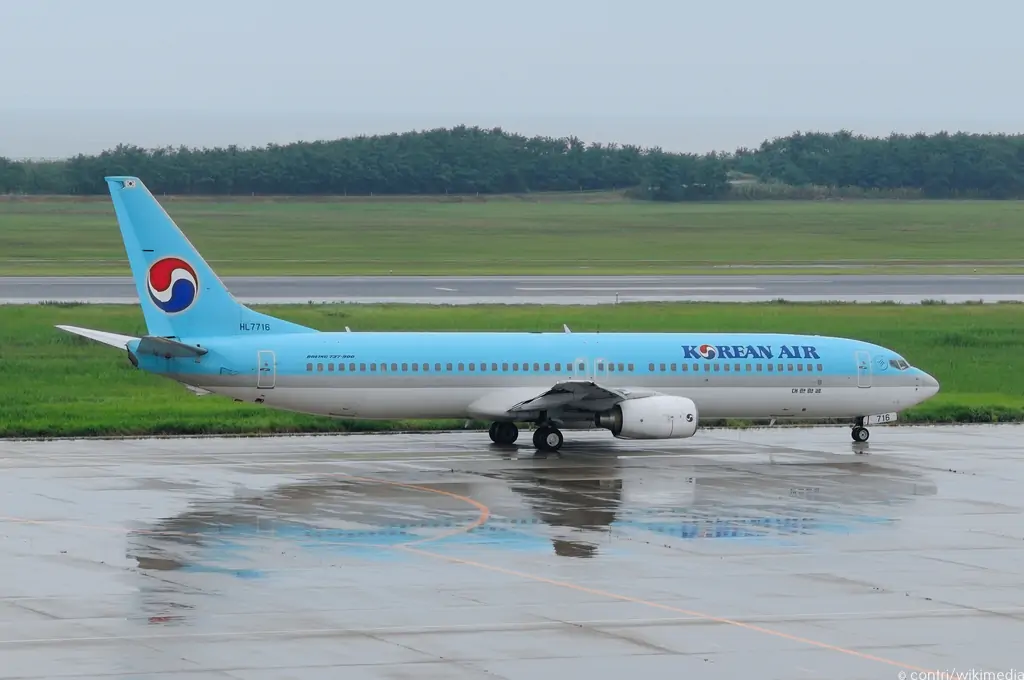
In a significant development for the aviation industry, Japan's Fair-Trade Commission (JFTC) has granted approval for the merger between Korean Air and Asiana Airlines. This move marks a crucial milestone for the KRW1.8 trillion won (USD1.35 billion) deal, which has been contingent on antitrust clearances in various jurisdictions where the airlines operate. While the JFTC has given its green light, the merger still awaits approval from anti-trust authorities in the United States and the European Commission.
Japanese Approval and Its Implications
Korean Air expressed satisfaction with the JFTC's decision, labeling it a "significant milestone" in the merger process. The JFTC's conclusion stated that it could not establish substantial competition concerns in specific fields of trade, paving the way for Korean Air to take a 63.9% stake in Asiana and integrate it into its own operations.
One key aspect of the approval involved addressing competition concerns on specific routes. Korean Air has agreed to surrender slots on seven routes, including those between Seoul Incheon and Osaka Kansai, Sapporo Chitose, Nagoya Chubu, and Fukuoka, as well as the Batumi - Osaka, Sapporo, and Fukuoka city pairs. Initially, the JFTC had raised concerns about competition on 12 city pairs, but this number was later reduced to seven.
The JFTC also expressed concerns about the Korea-Japan cargo network. In response, Korean Air announced plans to divest Asiana's cargo business, subject to approval from all remaining competition authorities. The divestiture will take place after Asiana Airlines is officially incorporated as a subsidiary of Korean Air.
European Commission's Expected Approval
Korean Air anticipates receiving approval from the European Commission in the coming weeks. To secure this approval, both Korean Air and Asiana have made significant concessions. The details of these concessions were not specified in the provided information, but they are crucial to addressing any competition concerns raised by European authorities.
Challenges in the United States
While the JFTC approval is a positive step, the merger still faces challenges from US authorities. Reports suggest that US regulators are adopting a tougher stance and may require additional changes to the networks and operations of both airlines. The exact nature of these potential changes remains unclear, but they underscore the complexities involved in obtaining approval from different jurisdictions.
Conclusion
The approval from Japan's Fair-Trade Commission is a noteworthy achievement for Korean Air and Asiana Airlines in their pursuit of a merger. As the aviation industry eagerly awaits further developments, attention now turns to the United States and the European Commission, where final decisions will shape the future landscape of these two prominent Asian carriers. The ongoing merger process highlights the intricate regulatory processes involved in major international airline transactions.
With Inputs from ch-aviation
Read next
SpiceJet Secures Legal Victory Against Wilmington Trust SP Services (Dublin)
Abhishek Nayar
02 Feb 2024

SpiceJet, the Indian low-cost carrier, has emerged victorious in a legal battle against Wilmington Trust SP Services (Dublin), as the National Company Law Tribunal (NCLT) dismissed an insolvency petition filed by the lessor. This marks another legal win for SpiceJet, reinforcing its position against lessors attempting to pursue insolvency petitions. The recent ruling by NCLT, as of January 29, highlights the dismissal of Wilmington's petition on the grounds of lacking merit and being deemed not maintainable.
Legal Background
Justices Mahendra Khandelwal and Rahul Prasad Bhatnagar, presiding over the Delhi Bench of NCLT, emphasized that Wilmington's petition lacked merit and was not maintainable, leading to its dismissal. The crucial argument put forth by SpiceJet's legal counsel was that Wilmington, as a trustee, could not be considered an operational creditor. The counsel contended that the debt was owed to Aircastle (Ireland) Ltd, and until the default occurred, invoices were issued by Aircastle, with funds being directed to an Aircastle account. Aircastle, in turn, is the ultimate owner of Wilmington Trust.
Previous Success and Ongoing Challenges
This legal triumph follows SpiceJet's recent victory against Willis Lease Finance, where similar arguments were presented, successfully establishing that the lessor was not an operational creditor entitled to pursue an insolvency petition. Despite these successes, SpiceJet continues to face insolvency petitions in the NCLT, with Aircastle having three listed and active, and Alterna Capital Partners initiating a petition earlier in the year.
Delhi High Court Order & Financial Landscape
While celebrating legal victories, SpiceJet faced a setback in another court ruling, as the Delhi High Court ordered the airline to pay USD4 million to engine lessors Team France 01 SA and Sunbird France 02 SAS by February 15. The lessors claim that SpiceJet owes them USD12.9 million, and the court has mandated an initial payment of USD4 million by mid-February.
SpiceJet, seemingly short of cash, recently received approval from shareholders to raise INR 22.5 billion (USD 270.6 million) through a share and warrants issue. The proceeds from this fundraising effort are already starting to flow in. An internal staff memo leaked earlier this week revealed that SpiceJet has approximately INR 9 billion (USD 198.3 million) in its bank account.
Conclusion
SpiceJet's recent legal victories and ongoing financial challenges underscore the complex landscape faced by the airline in navigating insolvency petitions and legal disputes with lessors. As the company continues to defend its position in the NCLT, the outcome of these legal battles will significantly impact SpiceJet's financial stability and operational future. The aviation industry will be closely watching developments in this ongoing saga, as SpiceJet strives to find a balance between legal resilience and financial viability.
With Inputs from ch-aviation
Read next

The International Air Transport Association (IATA) has recently announced that the aviation industry's recovery continued in December 2023, with total traffic in 2023 approaching pre-pandemic demand. This positive trend is indicative of the resilience and adaptability of the sector in overcoming the challenges posed by the COVID-19 pandemic.
Strong Global Recovery
In 2023, the total traffic measured in revenue passenger kilometers (RPKs) witnessed a significant 36.9% increase compared to 2022. Globally, the full-year 2023 traffic reached an impressive 94.1% of pre-pandemic levels in 2019. December 2023 alone saw a 25.3% rise in total traffic, reaching 97.5% of the December 2019 levels. The fourth quarter of 2023 marked a robust recovery, with traffic at 98.2% of the levels seen in the same period in 2019.
International and Domestic Trends

International traffic in 2023 surged by 41.6% compared to the previous year, reaching 88.6% of the 2019 levels. December 2023 international traffic climbed 24.2% over December 2022, reaching 94.7% of the December 2019 level. Domestic travel also experienced a notable increase, rising by 30.4% in 2023 compared to the prior year. December 2023 domestic traffic was up 27.0% over the year earlier period, exceeding December 2019 traffic by 2.3%. The fourth quarter of 2023 reflected a 4.4% increase in domestic traffic compared to the same quarter in 2019.
Insights from Willie Walsh, IATA’s Director General
Willie Walsh, IATA’s Director General, emphasized the strong post-pandemic rebound in 2023 and the potential return to normal growth patterns in 2024. He highlighted the importance of strategic government approaches, including cost-efficient infrastructure, incentives for Sustainable Aviation Fuel (SAF) production to meet net-zero carbon emission goals by 2050, and clear cost-benefit regulations.

Regional Performance
- Asia-Pacific: The region exhibited a remarkable 126.1% rise in full-year international traffic in 2023, with capacity increasing by 101.8%. December 2023 traffic rose by 56.9% compared to December 2022.
- Europe: European carriers saw a 22.0% increase in full-year traffic in 2023, with December demand surpassing the same month in 2019 for the first time since the start of the pandemic.
- Middle East: Middle Eastern airlines experienced a 33.3% rise in traffic in 2023, with December demand climbing by 16.6% compared to the same month in 2022.
- North America: North American carriers reported a 28.3% annual traffic rise in 2023, with December traffic increasing by 13.5% compared to the year-ago period.
- Latin America: Latin American airlines posted a 28.6% traffic rise in 2023, boasting the highest load factor among regions at 84.7%. December demand increased by 26.5% compared to December 2022.
- Africa: African airlines experienced a 38.7% rise in annual traffic in 2023, with December 2023 traffic rising by 9.5% over December 2022.
Sustainable Aviation Fuel (SAF) and Environmental Concerns
Walsh highlighted the industry's commitment to reaching net-zero CO2 emissions by 2050. While there has been a substantial increase in the use of SAF in 2023, it still accounts for only 3% of all global renewable fuels production. Walsh called for a collective effort from governments and fuel suppliers to accelerate the transition and increase SAF output.
Conclusion
The aviation industry's impressive recovery in 2023 is a positive sign for global connectivity and economic growth. However, the sector must address environmental concerns and work collaboratively to achieve sustainable practices. As we move into 2024, the focus remains on maintaining the momentum of recovery while ensuring a more sustainable and environmentally friendly future for air travel.
Read next

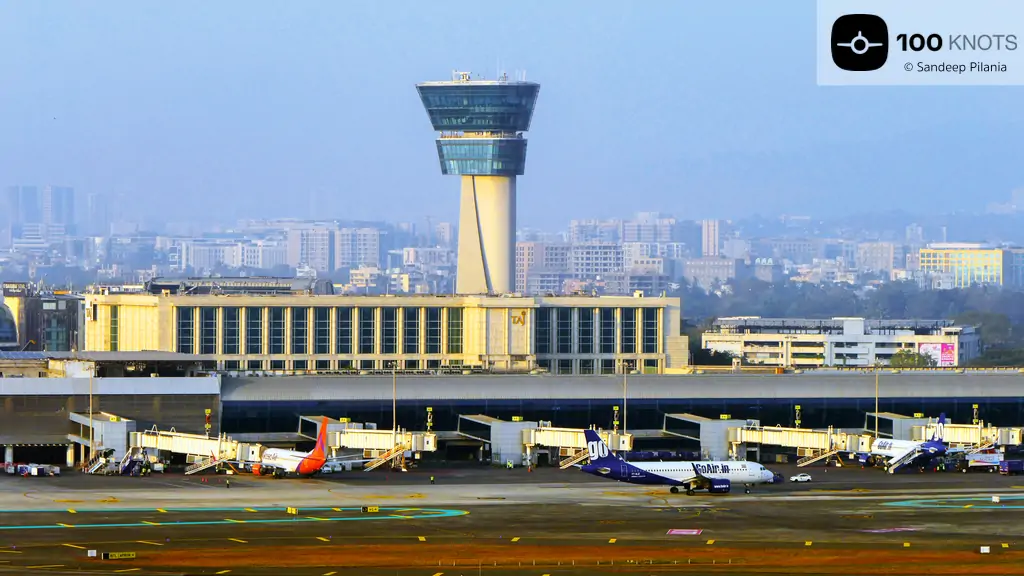
Indian Airlines had the highest level of domestic flight occupancy at nearly 91% in 2023, data from the International Air Transport Association shows.
This compares with around 83% for the US, 82% for Australia, 81% for Brazil, 78% for China, and 74% for Japan.
This could largely be not just because of strong demand but also because a major airline like Go First went bankrupt in India in May while SpiceJet shrank and dozens of IndiGo planes have been grounded because of glitchy Pratt and Whitney engines forcing passengers on limited number of flights.
Overall for the entire year (IATA) said total 2023 traffic edged even closer to matching pre-pandemic levels and globally, full-year 2023 traffic was at 94.1% of pre-pandemic (2019) levels
“The strong post-pandemic rebound continued in 2023. December traffic stood just 2.5% below 2019 levels, with a strong performance in quarter 4, teeing-up airlines for a return to normal growth patterns in 2024. The recovery in travel is good news. The restoration of connectivity is powering the global economy as people travel to do business, further their educations, take hard-earned vacations and much more. But to maximize the benefits of air travel in the post-pandemic world, governments need to take a strategic approach. That means providing cost-efficient infrastructure to meet demand, incentivizing Sustainable Aviation Fuel (SAF) production to meet our net zero carbon emission goal by 2050, and adopting regulations that deliver a clear cost-benefit. Completing the recovery must not be an excuse for governments to forget the critical role of aviation to increasing the prosperity and well-being of people and businesses the world over,” said Willie Walsh, IATA’s Director General.
Comment