
Amidst high demand, airfares are likely to go up for the summer season and the 9-day sale starting 14th March, offers deals on hotels, flights, buses, and packages, the company said in a statement.
With #NationOnVacation, Cleartrip and Flipkart Travel are providing an opportunity for their customers to take advantage of the best offers on their platforms and book their dream holidays. In line with its customer-centric values, Cleartrip, under the umbrella of ‘ClearChoice’, is offering greater flexibility for its users. With ClearChoice PLUS and ClearChoice MAX, travelers can cancel or modify their bookings and get a full refund as opposed to the standard airline changes ranging from INR 2500 onwards. Myntra and Flipkart Loyalty customers can look forward to special offers and discounts on the Cleartrip and Flipkart Travel platforms.
Ayyappan Rajagopal, CEO, Cleartrip, said “#NationOnVacation was built with the idea of instilling a sense of planning travel way in advance in the minds of travellers. We were thrilled with the response to NationOnVacation last year and are excited to bring it back with offerings that will make summer a memorable holiday for all. Fares are expected to jump by 20-25% for bookings that will be made later in April and May when compared to planning in advance and booking now. With curated and customer-centric deals, we wish to celebrate India’s love for summer travel by making it more affordable than ever before. With ClearChoice fares, travelers can eliminate anxieties related to last-minute planning and ensure great value for money. Book now to lock in the best deals, get ahead of potential spikes in fares and enjoy a superior travel experience.”
Some of the offers include domestic flights starting from INR 999, international flights starting from INR 4999, 4- & 5-star hotels starting from INR 2499
Up to INR 500 off on bus bookings, ClearChoice MAX on domestic flights at a flat 599, 30-80% off on hotel bookings etc.

Read next
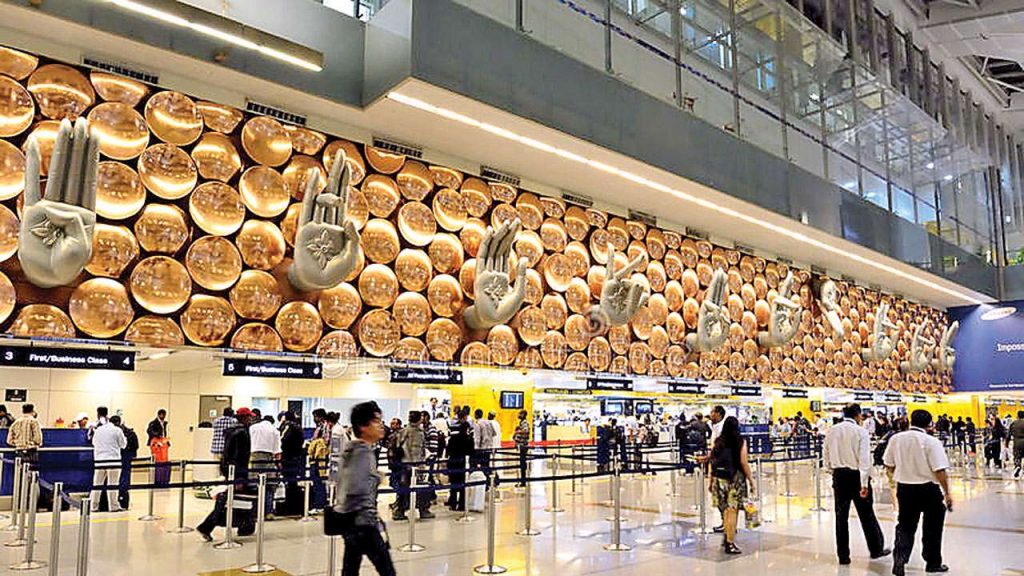
Prime Minister Narendra Modi virtually inaugurated the expanded integrated Terminal 1 of Delhi Airport on Sunday.
With a capacity to serve 40 million passengers per annum (MPPA) - doubling its previous capability - Delhi Airport now stands among the top global airports, boasting a 100 MPPA capacity. The integration of Arrival and Departure terminals is not just architectural; it's a transformative journey, resonating with India's ambition and connecting
GMR Airports Infrastructure Ltd-led DIAL undertook the expansion work in 2019 to make Delhi Airport future-ready. The expansion work was carried out as per the Master Plan 2016 as Delhi Airport witnessed a massive surge the Air Traffic Movements (ATMs) and passenger numbers, exceeding projections, the airport said,
I Prabhakara Rao, Group Deputy Managing Director, GMR Group, said, “The Delhi Airport Phase 3A Expansion project, a monumental undertaking driven by GMR Airports Infrastructure Ltd led DIAL, is more than bricks and mortar; it's a testament to our nation's ambition and a catalyst for its continued growth. We stand together to celebrate the completion of a project and witness the dawn of a new era for Indian aviation. Terminal 1 enhances capacity and redefines the passenger experience while embracing sustainability. The expanded integrated terminal, a marvel of innovation and aesthetics, will serve 40 million passengers annually, double its previous capacity. Through this project, we have reimagined a seamless journey facilitated by facial recognition, self-service kiosks, and automated baggage systems. Spacious concourses bathed in natural light, offering a haven of comfort with prayer rooms, yoga areas, and quiet zones are its integral part. This project is about India's aspirations and positions the National Capital as a Gateway to New India, connecting us closer to the world and boosting our economic prospects. It creates jobs, fosters innovation, and paves the way for a brighter future for our nation. As we celebrate this milestone, let us remember that this is just the beginning. The journey ahead is filled with exciting possibilities. We will continue to innovate, collaborate, and push boundaries to ensure that Indian aviation soars to new heights.”

Some of the key highlights of the terminal include the consolidation of arrival and departure terminals into a cohesive structure significantly increasing the overall area, from 55,740 sqm to an impressive 206,950 sqm. This expansion is more than three times the previous area.
Passenger facilities are at the forefront, utilizing advanced technologies such as Facial Recognition System (DIGIYATRA) at all entry gates, 20 Automated Tray Retrieval System (ATRS), Individual Carrier System (ICS), 108 Common Usage Self Service (CUSS), 100 check-in counters including 36 Self Baggage Drop (SBD) kiosks among others.
To enhance the experience of Passengers with Reduced Mobility (PRM), DIAL has created special zones for PRMs on the Kerbside which include a Lounge facility, phones, Sunflower Service, etc. DIAL has also established special zones and elevated seating arrangements for PRMs inside the terminal.
The integrated terminal has several passenger-friendly facilities using advanced technologies such as Facial Recognition System (DIGIYATRA) at all entry gates, 20 Automated Tray Retrieval System (ATRS), Individual Carrier System (ICS), 108 Common Usage Self Service (CUSS), 100 check-in counters including 36 Self Baggage Drop (SBD) kiosks among others.
The terminal also has 10 baggage reclaim carousels, each 70 metres long, against eight of 52 metres each, with ample space between two baggage belts, reducing the waiting time of passengers. The capacity of the Baggage handling system at T1 has doubled from 3240 baggage per hour to around 6000 per hour. The number of check-in islands has also been increased to five against four earlier. These would help in the easy flow of passengers and enhance passenger experience.
Apart from these, the integrated terminal will have 24 entry points for ease of entry for passengers. Inside the terminal, passengers can experience the Shop and Dine facility, Prayer Room, Yoga area, Quiet zone, Lounges, Group seating, Laptop charging stations, mobile charging stations, self-medication room, Baby Care rooms, smart washrooms, etc. The terminal is also well connected with Delhi Metro at Arrivals and as well as Departures.
Read next

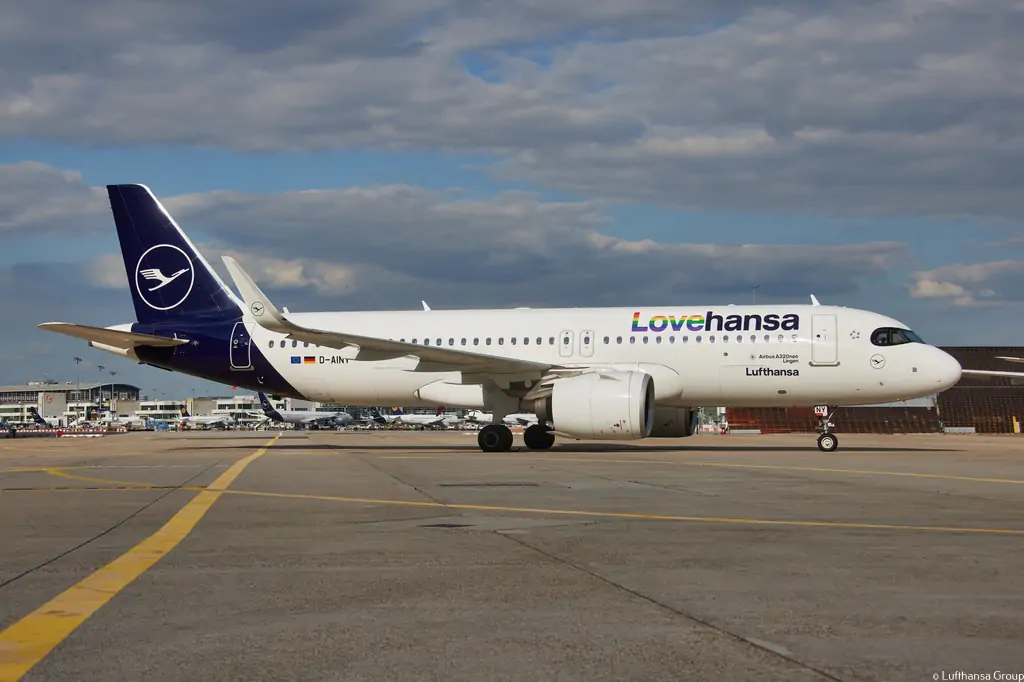
Lufthansa, the renowned German airline, finds itself navigating through turbulent skies as it grapples with a series of challenges, from labor disputes to capacity constraints. Despite a post-pandemic travel boom in Europe, the airline's profitability is under strain, leading to a cautious outlook for 2024.
Labor Woes Cloud Financial Forecast
Labor disputes have emerged as a significant hurdle for Lufthansa, impacting its operational performance and bottom line. The airline's recent warning of widening operating losses in the first quarter of 2024 reflects the severity of the issue. Costly pay deals to end strikes, including a potential 15% wage increase for cabin crew, threaten the company's ambitious operating margin target of 8%.
Financial Outlook and Market Response
While Lufthansa aims to maintain operating results on par with 2023, uncertainties loom large. The departure of Chief Financial Officer Remco Steenbergen has further shaken investor confidence, contributing to a fluctuating share price. Despite strong revenues in 2023, the company faces pressure to deliver consistent earnings growth amidst rising costs and labor unrest.
Capacity Challenges and Competitive Landscape
Lufthansa's slower capacity growth compared to its rivals highlights operational challenges, exacerbated by plane groundings linked to engine issues. Analysts emphasize the importance of a cautious approach to capacity restoration, particularly in light of the industry's broader challenges. As geopolitical tensions and supply chain disruptions persist, the aviation sector faces mounting pressure.
Market Comparison and Investor Sentiment
In comparison to European competitors Air France-KLM and IAG, Lufthansa's shares trade at a higher multiple of forecast earnings. While the company has outperformed its rivals since 2022, concerns over profitability and operational efficiency persist. High jet fuel prices, geopolitical uncertainties, and ongoing wage negotiations add complexity to the industry landscape.
Conclusion
Lufthansa's journey through 2024 is fraught with obstacles, from labor disputes to capacity constraints and market volatility. While the airline strives to navigate these challenges, uncertainties remain regarding its ability to meet financial targets and sustain investor confidence. As the aviation industry grapples with a complex operating environment, Lufthansa's resilience and adaptability will be crucial in weathering the storm ahead.
With Inputs from Reuters
Read next
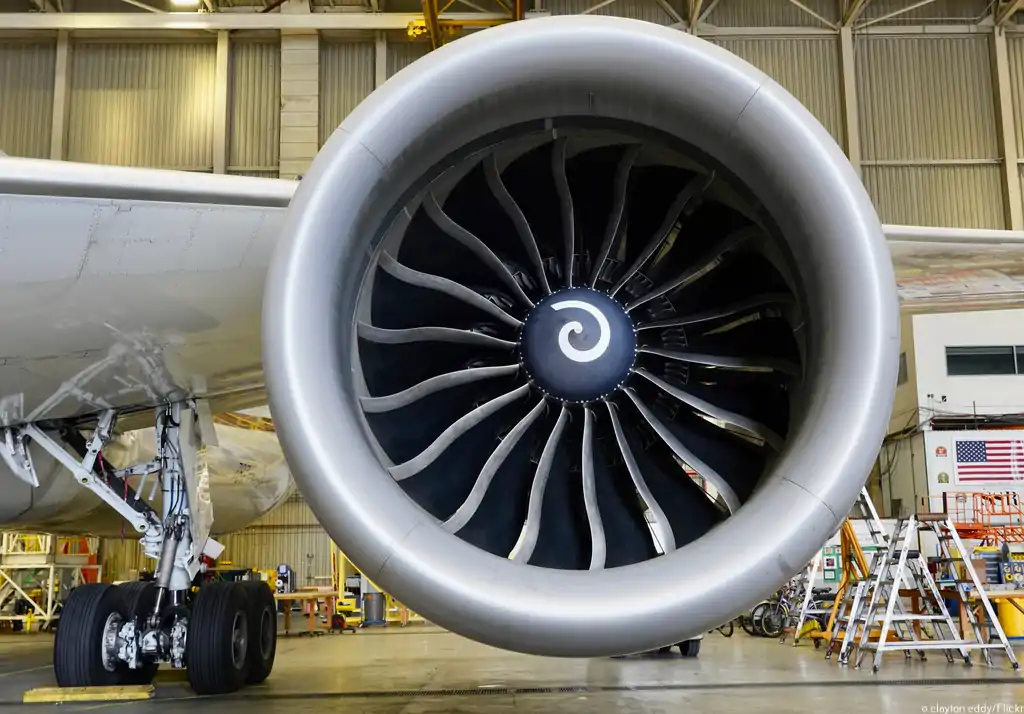
General Electric's aerospace business is reaching for the stars with a forecasted operating profit of approximately $10 billion by 2028. Amidst a surge in demand for its products and services, the company is poised for significant growth, driven by robust demand in the aviation industry. Let's delve into the details of GE Aerospace's recent developments, strategies, and future outlook.
Unprecedented Demand and Growth
GE Aerospace, renowned for manufacturing engines for industry giants Boeing and Airbus, is experiencing unprecedented demand for its aftermarket services. The resurgence in air travel coupled with a shortage of new aircraft has led airlines to prolong the lifespan of their existing fleets, creating a substantial market for maintenance and support services. CEO Larry Culp emphasized the company's ample growth opportunities, reflecting on the current scenario where demand outweighs challenges.
Steadfast Support and Resilience
Despite recent challenges faced by Boeing, including a mid-air panel blowout incident, GE Aerospace stands firm in its support for the aviation giant. With continued engine deliveries and unwavering commitment, GE maintains a strong relationship with Boeing, reinforcing its dedication to quality and reliability.
Financial Projections and Shareholder Returns
GE Aerospace's optimistic outlook extends to its financial projections, with a target of returning 70% to 75% of cash to shareholders. The company aims for an initial dividend payout of 30% of net income, signaling confidence in its future profitability. Additionally, authorized share repurchases of up to $15 billion underscore GE Aerospace's commitment to enhancing shareholder value.
Challenges and Opportunities Ahead
Despite the promising prospects, GE Aerospace faces challenges in meeting the escalating demand due to supply chain constraints. The company acknowledges the need for continuous improvement and adaptation to overcome these obstacles. Moreover, with plans for M&A deals to complement its business, GE Aerospace remains agile in seizing growth opportunities and expanding its market presence.
Strategic Spinoff and Focus
As part of its strategic realignment, General Electric announced the spinoff of its aerospace and energy businesses into independent entities. This move allows GE Aerospace to sharpen its focus on aviation, leveraging its expertise and resources to drive innovation and growth in the sector.
Conclusion
GE Aerospace's journey towards sky-high success is fueled by unwavering commitment, resilience, and strategic foresight. With a strong foundation and a clear vision for the future, the company is poised to achieve remarkable growth and deliver substantial value to its shareholders. As the aviation industry continues to soar, GE Aerospace stands ready to reach new heights of excellence and innovation.
With Inputs from Reuters
Read next
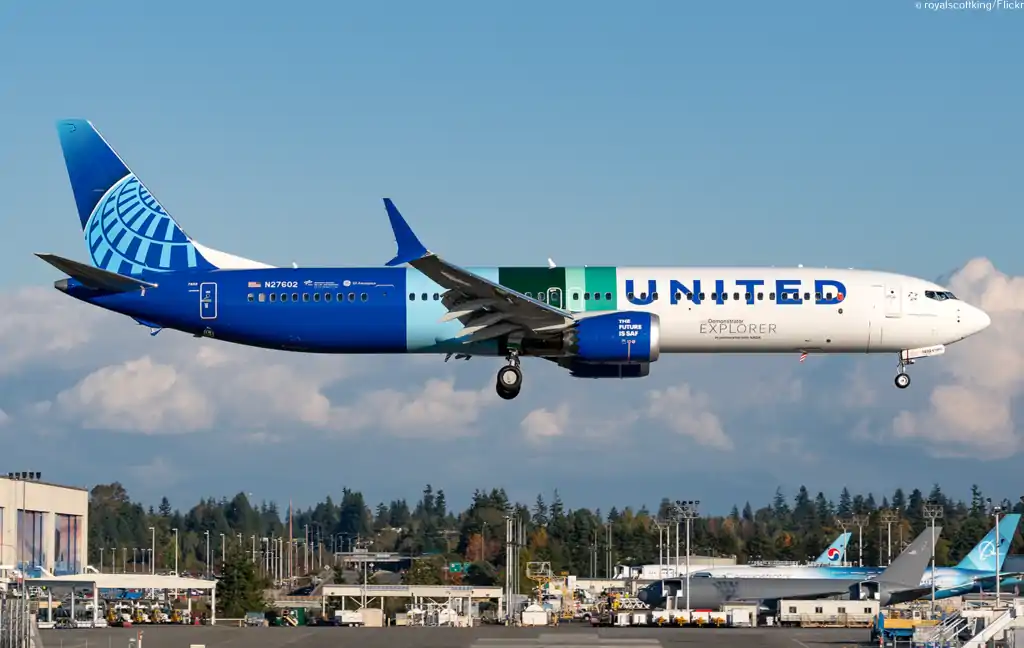
United Airlines is facing a halt in its pilot hiring spree as a consequence of Boeing's aircraft delivery delays. The airline's plans for fleet expansion have hit a snag due to ongoing certification issues and manufacturing setbacks at Boeing.
Hiring Pause Amidst Boeing Delays & Boeing Under Scrutiny
United Airlines has made the decision to temporarily pause its pilot hiring in May and June, citing delays in aircraft deliveries from Boeing. According to a memo obtained by Reuters, United attributes the hiring pause to continued delays in aircraft certification and manufacturing issues at Boeing.
The aircraft manufacturer Boeing has been under increased scrutiny following an incident on January 5th, when a door plug blew off a brand new 737 MAX plane mid-flight. This incident has raised concerns about the safety and reliability of Boeing's aircraft, prompting regulatory authorities to take action.
FAA Restrictions on Production & Impact on United's Growth Plans
Adding to Boeing's challenges, the U.S. Federal Aviation Administration (FAA) has prohibited the company from expanding production of its best-selling 737 MAX narrowbody jets. This restriction further complicates United Airlines' plans for fleet expansion, as it relies on timely deliveries of Boeing aircraft to meet its growth targets.
The memo from United Airlines, signed by Marc Champion, VP of flight operations, and Kirk Limacher, VP of flight operations planning and development, highlights the significant impact of Boeing's delays on the airline's operations. United had anticipated receiving 80 MAX 10s this year, but with certification still pending, the delivery timeline remains uncertain.
Adjustments to Fleet Forecast & Strategic Shifts
In response to the ongoing delays, United has revised its 2024 forecast for Boeing MAX 8 deliveries, reducing the number from 43 to 37 aircraft. Additionally, the airline expects to receive 15 fewer MAX 9s this year compared to previous projections. These adjustments reflect the challenges posed by Boeing's manufacturing and certification issues.
Earlier this year, United CEO Scott Kirby announced plans to exclude the largest member of the 737 MAX family from the airline's fleet due to regulatory and delivery delays. This strategic shift underscores the complexities faced by airlines in managing their fleet strategies amidst uncertainties in aircraft deliveries.
Path Forward
Despite the temporary pause in pilot hiring, United Airlines remains committed to its growth trajectory. New hire classes for United pilots are expected to resume in July, indicating the airline's confidence in overcoming the current challenges posed by Boeing's delays.
The pause in pilot hiring at United Airlines due to Boeing's aircraft delivery delays underscores the far-reaching impact of manufacturing and certification issues on the aviation industry. As both Boeing and airlines navigate through these challenges, a collaborative approach between manufacturers and regulatory authorities will be crucial in ensuring the safe and timely delivery of aircraft, while supporting the growth ambitions of airlines like United.
With Inputs from Reuters
Read next
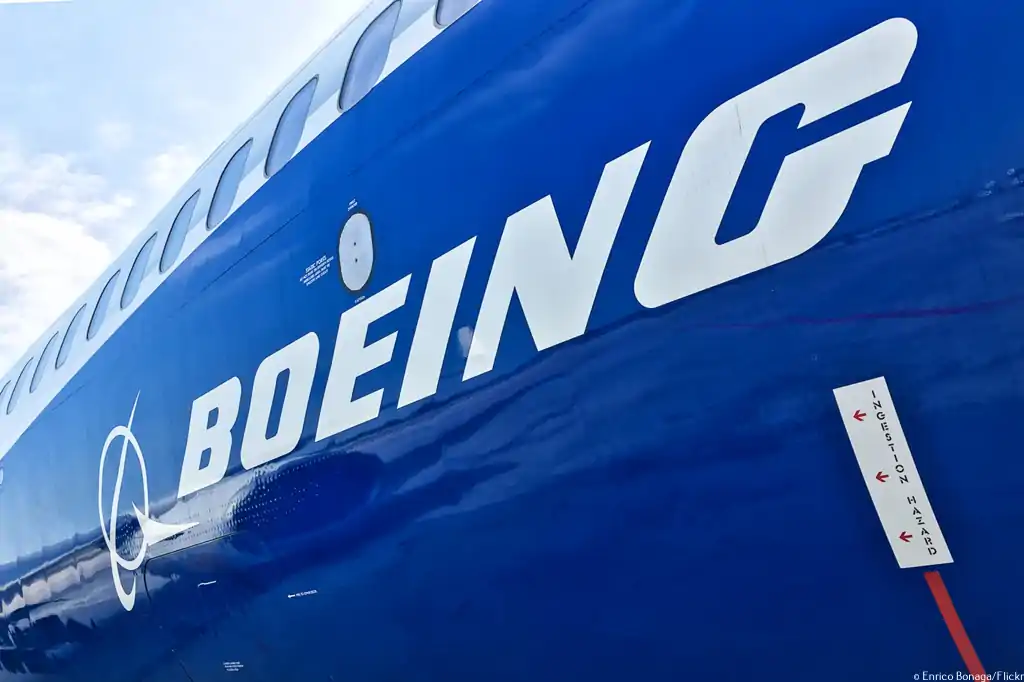
In response to recent production setbacks and safety concerns, Boeing has announced a significant overhaul of its employee bonus system. The aerospace giant aims to place a greater emphasis on safety and quality metrics, aligning incentives with the company's commitment to excellence in aircraft manufacturing.
Shift Towards Safety and Quality
Boeing's decision to revamp its bonus structure comes on the heels of several high-profile incidents, including the mid-air emergency involving an Alaska Airlines 737 MAX 9. The Federal Aviation Administration's subsequent restrictions on 737 productions underscored the urgency for Boeing to address quality assurance issues within its operations.
According to a memo obtained by the Wall Street Journal, Boeing's commercial unit, which represents its largest workforce, will see a significant shift in bonus allocation. Previously, financial incentives accounted for 75% of annual bonuses, with the remaining 25% tied to operational objectives. Under the new plan, safety and quality metrics will now comprise 60% of annual bonuses, reflecting Boeing's renewed focus on ensuring the highest standards of aircraft production.
Metrics Driving Rewards & Unit-Specific Changes
Key metrics driving the revamped bonus structure include employee safety, adherence to assembly line sequencing, and the reduction of rework required to address production issues. By aligning incentives with these critical metrics, Boeing aims to incentivize behaviors that prioritize safety, efficiency, and quality throughout its manufacturing processes.
While the commercial unit undergoes the most significant transformation, Boeing's defense and services units will also see adjustments to their bonus structures. In these units, financial metrics will continue to determine 75% of bonuses, with the remaining 25% allocated based on safety and quality performance. This tailored approach recognizes the unique operational dynamics of each unit while maintaining a company-wide focus on safety and quality.
Executive Accountability
Boeing's top executives, including CEO Dave Calhoun, will also be subject to the revised bonus structure. Their bonuses will be determined based on the average performance across all three units, further reinforcing the company's commitment to accountability and alignment with safety and quality objectives.
Looking Ahead
Boeing's decision to overhaul its employee bonus structure underscores its dedication to addressing quality assurance issues and prioritizing safety across its operations. By incentivizing behaviors that uphold the highest standards of aircraft manufacturing, Boeing aims to regain trust and confidence from regulators, customers, and the flying public.
As the aerospace industry continues to evolve, Boeing's commitment to continuous improvement and excellence remains unwavering. With these strategic changes, the company aims to strengthen its position as a global leader in aviation while reaffirming its commitment to safety and quality above all else.
With Inputs from Reuters
Comment