
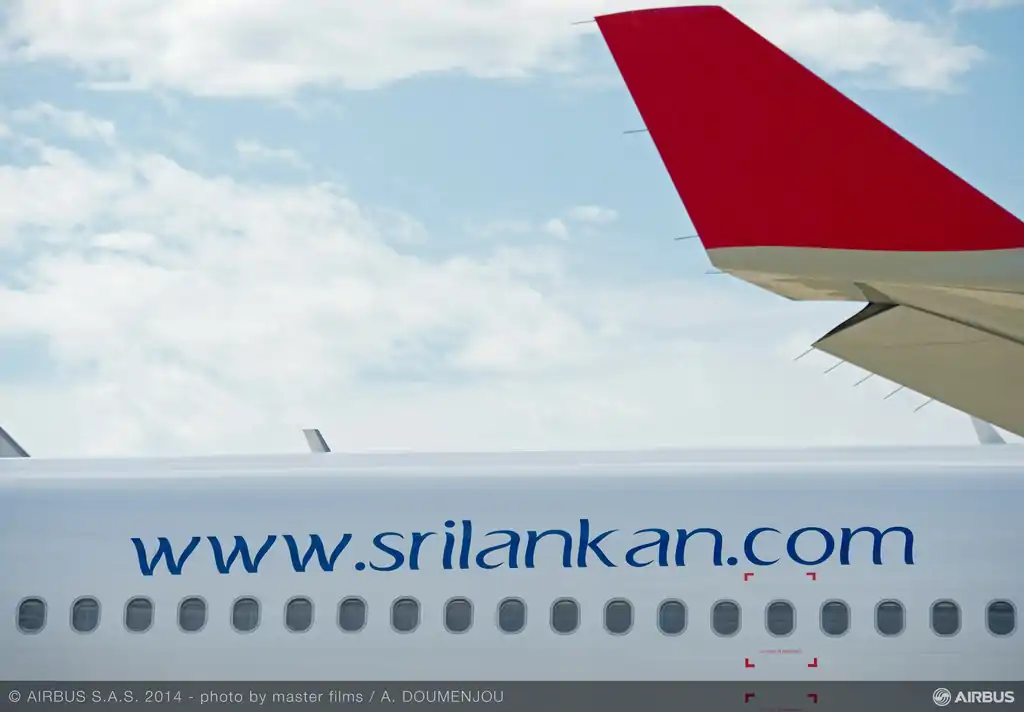
Sri Lanka is taking a giant leap toward establishing itself as a premier destination for international conferences. With the launch of the Sri Lanka Conference Ambassador Programme (SLCAP), the nation is set to transform its Meetings, Incentives, Conferences, and Exhibitions (MICE) landscape by leveraging local expertise and fostering global collaborations.
A Bold Initiative for MICE Transformation

The SLCAP initiative, unveiled earlier this month, is a collaborative effort led by Cinnamon Hotels & Resorts, the Sri Lanka Convention Bureau (SLCB), and Sri Lankan Airlines. This first-of-its-kind programme aims to empower local association leaders and industry professionals to become ambassadors, promoting Sri Lanka as an ideal destination for international conferences. Already, 25 influential ambassadors have joined the programme, setting the stage for a dynamic future in business tourism.
Empowering Local Ambassadors
SLCAP is designed to:
- Advocate Globally: Equip local leaders with the tools and knowledge to promote Sri Lanka’s unique offerings to the international community.
- Attract International Conferences: Support the preparation of competitive bids and proposals, ensuring Sri Lanka meets global standards.
- Foster Knowledge Exchange: Create opportunities for industry professionals to share insights and best practices.
- Sustain Growth: Encourage ambassadors to nominate future leaders, ensuring the continuous expansion of the programme.
This strategic empowerment is expected to not only enhance Sri Lanka’s MICE capabilities but also drive substantial economic growth through tourism, infrastructure development, and increased international collaboration.

Strategic Collaborations Driving Change
Cinnamon Hotels & Resorts: A Destination Expert
Mikael Svensson, Chief Executive Officer of Cinnamon Hotels & Resorts, stated:
“As a destination expert committed to providing holistic and expertly curated travel experiences, we are proud to present this transformative initiative. Our local knowledge and personalized approach showcase Sri Lanka's unique offerings to the world. With Cinnamon Life at City of Dreams Sri Lanka, capable of hosting up to 5,000 delegates, we are poised to elevate the nation as a leading hub for business events.”
Sri Lanka Convention Bureau: Pioneering Global Recognition
Dheera Hettiarachchi, Chairman of the SLCB and the Sri Lanka Institute of Tourism and Hotel Management, emphasized:
“SLCAP represents a bold step forward in our mission to position Sri Lanka as a global MICE destination. By motivating local association leaders to bid for international conferences, we create a ripple effect of economic and social benefits across multiple industries.”
Sri Lankan Airlines: Connecting the World
Richard Nuttall, Chief Executive Officer of Sri Lankan Airlines, added:
“We are delighted to support SLCAP by offering logistical support and connectivity to potential conferences and delegates. This programme not only strengthens Sri Lanka’s global reach but also aligns with our vision of connecting the world to the best of Sri Lanka.”
Sustainable and Inclusive Business Tourism
A key pillar of SLCAP is its commitment to sustainability, environmental responsibility, and social inclusivity. By integrating these values into the MICE sector, the programme sets a new industry benchmark that balances economic growth with long-term societal benefits. The sustainable practices promoted through SLCAP ensure that as Sri Lanka attracts more international conferences, the benefits extend well beyond immediate economic gains, fostering a resilient and responsible business environment.
Boosting Economic Growth and Global Knowledge Exchange
The introduction of SLCAP is not just about increasing the number of conferences—it’s about transforming Sri Lanka’s role on the global stage. International conferences bring with them a wealth of knowledge exchange, innovation, and networking opportunities that can have a transformative impact on local industries. With enhanced connectivity, world-class infrastructure, and a focus on sustainable practices, Sri Lanka is positioning itself to host events that can drive tourism, boost local businesses, and contribute significantly to the nation’s economic development.
Conclusion: A Transformative Future for Sri Lanka's MICE Industry
The Sri Lanka Conference Ambassador Programme is a strategic, forward-thinking initiative that could redefine how Sri Lanka is perceived on the global MICE stage. By empowering local leaders, leveraging strategic partnerships, and promoting sustainable practices, SLCAP is set to transform Sri Lanka into a dynamic and compelling destination for international conferences. As this transformative journey unfolds, all eyes will be on Sri Lanka to see if it can indeed become the ultimate hub for global business events.
For more information about the programme and its upcoming initiatives, visit here.

Read next
High-Flying Transformation: How Infrastructure Status for Aircraft is Set to Revolutionize India’s Aviation Boom

Jaideep Mirchandani
14 Feb 2025

India’s aviation sector is soaring to new heights. With an ambitious roadmap featuring mergers, fleet expansions, and the inauguration of state-of-the-art international airports like Navi Mumbai and Noida, the country is on the brink of a transformative era. At the heart of this change are two groundbreaking initiatives: granting aircraft infrastructure status and the proposed Protection and Enforcement of Interests in Aircraft Objects Bill.
A New Dawn in Aircraft Financing
Elevating Aircraft to Infrastructure Assets
Traditionally, aircraft in India have been treated as commercial assets, forcing airlines to rely on standard commercial loans at higher interest rates. This approach has long been a financial challenge in an industry where capital intensity is the norm.
Jaideep Mirchandani, Group Chairman of Sky One, explains:
“Treating aircraft as infrastructure assets would be an effective step, addressing financing challenges and significantly reducing the financial burden on airlines.”
By reclassifying aircraft as infrastructure assets, airlines could tap into the Priority Sector Lending (PSL) scheme regulated by the Reserve Bank of India (RBI). This would enable access to more affordable loans, fostering fleet expansion and ensuring that the increasing demand for air travel is met without financial strain.
Legislative Breakthrough: The Aircraft Objects Bill
Streamlining Leasing and Financing Costs
Another major pillar supporting this aviation revolution is the Protection and Enforcement of Interests in Aircraft Objects Bill. Once approved by Parliament, this bill is expected to:
- Lower Leasing Costs: Reduce financing expenses for aircraft leasing, making it easier for carriers to expand their fleets.
- Enhance Legal Certainty: Provide a robust legal framework for repossession, which has historically been a concern for lessors.
- Boost Market Confidence: Encourage leasing entities—especially those registered with GIFT City—to invest confidently in the sector.
Furthermore, this legislative move is seen as a step toward ratifying the Cape Town Convention, a critical international framework. Its ratification would smoothen the movement of aircraft assets globally, ultimately lowering costs and contributing to more affordable airfares for consumers.
A Vision for 2025 and Beyond
Soaring Passenger Numbers and Expanding Fleets
The momentum in India’s aviation sector is undeniable. From January to November 2024:
- International Routes: Scheduled Indian and foreign operators carried 64.5 million passengers.
- Domestic Routes: Airlines operated 1.02 million scheduled flights, transporting 146.4 million passengers.
Looking ahead, 2025 is expected to usher in:
- Major Mergers: Strategic consolidations that streamline operations and expand market reach.
- Fleet Expansions: An increasing demand for wide-body aircraft as passenger numbers continue to climb.
- New Infrastructure: The debut of cutting-edge airports in Navi Mumbai and Noida, setting new benchmarks in air travel facilities.
According to Boeing’s 2024 Commercial Market Outlook for South Asia, India is poised to lead the region, with over 2,700 new airplane deliveries anticipated by 2042. This surge underscores the necessity for a robust and modern financing structure to support such rapid growth.
The Future of Air Travel: Lower Costs and Higher Confidence
Impact on Consumers and the Industry
The combined effect of reclassifying aircraft as infrastructure assets and the introduction of the Aircraft Objects Bill is transformative:
- More Affordable Loans: Access to PSL-driven financing means lower interest rates for fleet expansion.
- Enhanced Leasing Confidence: With legal uncertainties mitigated, lessors can offer competitive rates, benefiting both carriers and passengers.
- Reduced Airfares: Lower financing and leasing costs are likely to translate into more competitive airfares, making travel more accessible.
This strategic policy shift not only strengthens the financial foundations of India’s aviation industry but also positions the country as a dynamic hub for global air travel innovation.
Conclusion
India’s aviation landscape is on the cusp of a high-flying transformation. By redefining aircraft as infrastructure assets and streamlining leasing through pivotal legislation, the country is setting the stage for unprecedented growth. As new international airports rise and passenger numbers soar, these initiatives promise to usher in a new era of affordable and efficient air travel. Stay tuned—India’s skies are about to get even busier and more exciting!
Read next

SriLankan Airlines is making waves in the aviation world as it joins the global celebration of oneworld’s 25th Anniversary. With a remarkable stop at Bandaranaike International Airport on February 5, 2025, the airline hosted the oneday. oneteam. oneworld25 Roadshow, marking a significant milestone on its journey around the world. This event not only celebrated the oneworld alliance’s impressive legacy but also highlighted SriLankan Airlines’ commitment to connecting people, cultures, and continents.
oneworld25 Roadshow: A Celebration of Global Connectivity

The oneworld25 Roadshow, held in Sri Lanka, was more than just an event—it was a reunion of the alliance's vibrant community. As the host nation of one of the member airlines, Sri Lanka provided the perfect backdrop for celebrating 25 years of innovation and collaboration among global carriers. The roadshow served as a platform to:
- Reconnect with the alliance’s shared vision,
- Empower staff with in-depth knowledge of oneworld’s benefits, and
- Showcase the advantages available to millions of travelers worldwide.
Expanding Horizons Since 2014
Since joining the prestigious oneworld alliance in 2014, SriLankan Airlines has undergone a transformative journey. The airline now offers:
- Expanded Global Reach: With access to over 1,000 destinations worldwide, passengers enjoy unparalleled connectivity.
- Smoother Connections: Seamless travel experiences are now a reality, with streamlined connections that make international travel hassle-free.
- Exclusive Benefits: Members of the alliance enjoy a range of privileges, from priority boarding to enhanced loyalty rewards, ensuring a superior travel experience.
This integration into oneworld has not only bolstered the airline’s global presence but also enriched the travel experiences of millions of passengers.
Empowering Staff and Elevating Careers

At the heart of the oneworld25 Roadshow was an emphasis on internal empowerment. SriLankan Airlines used the occasion to reconnect its team with the alliance’s visionary goals. The event included interactive sessions designed to:
- Educate and Inspire: Staff were provided with detailed insights into oneworld’s global strategy and its benefits, both for passengers and for their own career development.
- Foster Team Unity: By aligning every team member with the alliance’s mission, the airline is building a robust foundation for future innovations.
- Drive Personal Growth: Empowered employees are better equipped to deliver exceptional service, contributing to the overall excellence of the travel experience.
This initiative underscores the belief that a motivated team is the cornerstone of an exceptional airline.
The Next Chapter for oneworld and SriLankan Airlines
As oneworld continues its journey of connecting people and cultures, SriLankan Airlines is poised to play a pivotal role in this evolving narrative. The airline’s active participation in the oneworld25 celebrations is a testament to its commitment to:
- Innovation in Travel: Embracing new technologies and strategies to enhance customer experience.
- Global Partnerships: Leveraging the power of the alliance to offer more personalized and seamless travel experiences.
- Sustainable Growth: Ensuring that the benefits of global connectivity are shared by both passengers and staff alike.
Looking ahead, the collaboration between SriLankan Airlines and oneworld promises to redefine the standards of international travel, making journeys not only smoother but also more enriching and memorable.

A New Era of Exceptional Travel Experiences
The oneworld25 Roadshow in Sri Lanka marks the beginning of a new chapter in global aviation. By merging the strengths of local excellence with the vast network of oneworld, SriLankan Airlines is setting the stage for an era where travel is more accessible, enjoyable, and rewarding.
For travelers around the world, this means:
- Enhanced Connectivity: More destinations, more choices, and more convenience.
- Superior Service: A commitment to quality and personalized care at every step of the journey.
- Global Unity: A reminder that no matter where you are in the world, you are part of a larger, interconnected community of travelers.
As we celebrate this milestone, one thing is clear: the future of global travel is bright, and SriLankan Airlines is ready to lead the way.
Read next
Is BLR Airport Leading the Way with Its Revolutionary Aerial View Display?
Abhishek Nayar
13 Feb 2025

Kempegowda International Airport Bengaluru (KIAB/BLR Airport) is pioneering the future of airport management with its cutting-edge Aerial View Display (AVD) System. This innovative solution is set to transform airside operations, offering real-time, consolidated monitoring and enhanced safety measures. Let's explore how this technology is redefining efficiency and sustainability at BLR Airport.
A New Frontier in Airport Management
What Is the Aerial View Display (AVD) System?
The AVD System is a centralized, real-time platform that streamlines all airside operations into one interactive dashboard. It provides airport operators and stakeholders with a unified view of crucial activities—from flight movements to the coordination of ground vehicles. By consolidating this information, the system enables rapid decision-making, ensuring smooth operations even during peak times or emergencies.
Key Features at a Glance
- Real-Time Unified Dashboard:
- The dashboard offers live visibility into flight landings, take-offs, taxiing, and vehicle movements, ensuring that every operation is monitored in real time.
- The dashboard offers live visibility into flight landings, take-offs, taxiing, and vehicle movements, ensuring that every operation is monitored in real time.
- Advanced Flight Tracking:
- By tracking taxiing speeds, runway occupancy times (ROT), and flight numbers (instead of traditional ATC call signs), the system simplifies flight monitoring and enhances operational precision.
- By tracking taxiing speeds, runway occupancy times (ROT), and flight numbers (instead of traditional ATC call signs), the system simplifies flight monitoring and enhances operational precision.
- Ground Vehicle Monitoring:
- Real-time tracking of ground vehicles enhances coordination and safety, ensuring seamless operations on the airside.
- Real-time tracking of ground vehicles enhances coordination and safety, ensuring seamless operations on the airside.
- Collaborative Decision-Making (CDM):
- The system supports faster, data-driven decisions by tracking key CDM milestones, which in turn optimizes planning and stakeholder collaboration.
- The system supports faster, data-driven decisions by tracking key CDM milestones, which in turn optimizes planning and stakeholder collaboration.
- Emergency Alerts:
- In the event of an emergency, the AVD system issues alerts to coordinate swift responses, minimizing risks and operational disruptions.
- In the event of an emergency, the AVD system issues alerts to coordinate swift responses, minimizing risks and operational disruptions.
- Optimized Taxi Times:
- Detailed analysis of taxi times helps reduce delays, improve On-Time Performance (OTP), and contribute to energy savings and reduced emissions.
- Detailed analysis of taxi times helps reduce delays, improve On-Time Performance (OTP), and contribute to energy savings and reduced emissions.
Enhancing Efficiency and Safety
Streamlined Airside Operations
BLR Airport's adoption of the AVD System marks a significant step forward in streamlining complex airside operations. With every movement—from aircraft taxiing to vehicle coordination—monitored in real time, the system ensures that potential issues are identified and addressed before they escalate. This leads to smoother operations and a better overall experience for passengers.
A Commitment to Sustainability
The introduction of the AVD System is not just about operational excellence—it’s also a commitment to sustainability. By optimizing taxi times and reducing operational delays, BLR Airport is able to lower emissions and align with global sustainability standards. As Satyaki Raghunath, Chief Operating Officer of Bangalore International Airport Limited (BIAL), stated:
“BLR Airport has been at the forefront of adopting technology to ensure the highest standards of safety, efficiency, and operational excellence. The Aerial View Display (AVD) System will enable real-time, automated monitoring and seamless coordination across the entire airside. This innovation will not only streamline operations but also empower stakeholders of BLR Airport to make faster, data-driven decisions that will improve capacity and efficiency across our airside operations, which in turn will lead to a reduction in emissions and enhanced sustainability standards.”
Setting New Benchmarks for the Future
Enhanced Stakeholder Collaboration
The AVD System acts as a catalyst for improved coordination among all airport stakeholders. By providing immediate access to critical data, it fosters an environment where collaborative decision-making is the norm—especially during emergencies. This high level of coordination ensures that BLR Airport continues to set industry benchmarks for safety and efficiency.
The Future of BLR Airport Management
BLR Airport is not just keeping pace with the latest technological advancements—it is setting the stage for the future of airport management. The AVD System exemplifies the airport's proactive approach to innovation, ensuring that it remains at the forefront of operational excellence while driving sustainable growth.
Engage With the Future of Aviation
BLR Airport’s revolutionary Aerial View Display (AVD) System is a testament to how technology can transform traditional operations, enhance safety, and drive sustainability. By harnessing real-time data and fostering a collaborative environment, BLR Airport is leading the way in creating a smarter, more efficient airport ecosystem.
Curious to see the AVD system in action? Watch the video here and join the conversation on how BLR Airport is shaping the future of air travel!
Read next

As the aviation industry continues to evolve at a rapid pace, Saudia, the Kingdom of Saudi Arabia’s national flag carrier, is leading the charge in aligning with Vision 2030. With groundbreaking innovations, an expanding global network, and strategic partnerships, Saudia is not only transforming air travel but also playing a pivotal role in the Kingdom’s ambitious growth agenda.
Aligning with Vision 2030: A New Era of Connectivity
Saudi Arabia’s Vision 2030 is set to reshape the nation’s economic and infrastructural landscape, with significant targets including:
- Transporting 330 million travelers annually
- Facilitating 150 million visits
- Serving 30 million pilgrims
Saudia’s commitment to these milestones is clear. The airline is driving initiatives that enhance global connectivity and support economic diversification while ensuring that Saudi Arabia remains at the forefront of the aviation revolution.
Saudia’s Bold Network Expansion
New International Routes: Opening Doors to the World
In 2024, Saudia has significantly broadened its international footprint with several new routes, enhancing its position as a global aviation leader:
- Dammam–Beijing: This new route positions Dammam as the third Saudi city to offer direct flights to Beijing. It has already delivered a remarkable 16.2% increase in passenger traffic compared to 2023, offering King Fahd International Airport a renewed international appeal.
- Direct Connection to Medan: By launching a direct flight to Medan, Indonesia, Saudia strengthens its role in facilitating seamless travel for pilgrims and visitors to the Two Holy Mosques—a core goal of Vision 2030.
- Seasonal Flights to Phuket: Commencing on 2 December 2024, seasonal flights to Phuket, Thailand, mark another strategic move to cater to the rising demand for leisure travel. This route, now Saudia's second destination in Thailand, showcases the airline’s commitment to diversifying travel options for its customers.
Strategic Codeshare Agreements: Expanding Global Reach
Enhancing the Passenger Experience
In its pursuit to offer a seamless and enriched travel experience, Saudia has forged several strategic codeshare agreements in 2024 with prominent global carriers, including:
- AEGEAN Airlines
- Kenya Airways
- Virgin Atlantic
- ITA Airways
- Delta Airlines
These partnerships facilitate:
- Smoother travel transitions: Passengers enjoy seamless transfers, reducing the hassle of multi-leg journeys.
- Convenient luggage handling: Travelers benefit from checking their luggage through to the final destination.
- Reciprocal loyalty benefits: Enhanced loyalty programs allow frequent flyers to earn and redeem miles across partner networks, further elevating their travel experience.
Connected Miles: Elevating Loyalty with the AlFursan Program
A Customer-Centric Approach
Saudia has expanded its AlFursan Loyalty Program through innovative collaborations with a diverse range of global service providers:
- Banks, Hotels, and Car Rental Companies: Strategic alliances with these sectors allow members to accumulate additional reward miles.
- Telecommunications, Retail, and Insurance Providers: These partnerships not only broaden the scope of benefits but also ensure that loyalty rewards reach beyond air travel.
- Online Booking Platforms: Enhancing convenience, these collaborations ensure that Saudia’s most loyal customers enjoy exclusive advantages while planning their journeys.
This integrated rewards strategy reinforces Saudia’s commitment to its customer-centric philosophy, ensuring that every travel experience is memorable and rewarding.
The Future of Aviation: Saudia’s Role in a Transformed Industry
Saudia’s continued focus on innovation, network expansion, and strategic alliances underscores its pivotal role in transforming global aviation. By aligning its operational strategies with Vision 2030, the airline is not just meeting the demands of modern travelers but is also laying the foundation for a future where connectivity, convenience, and customer satisfaction are paramount.
As the aviation sector navigates unprecedented challenges and opportunities, Saudia stands as a beacon of progress—a true game-changer driving the industry toward a more connected, diverse, and vibrant future.
Read next

As the world's fifth-largest economy accelerates its journey into the skies, India is emerging as a focal point of global aerospace attention. Despite air travel being accessible to only a small fraction of its 1.4 billion people, the nation is witnessing unprecedented growth in aviation, with both domestic initiatives and international partnerships fueling this dynamic expansion.
India's Booming Air Market
A Market on the Rise
India has rapidly become the third-largest air market globally, trailing only behind the United States and China. The nation's burgeoning middle class and sustained economic growth have spurred a dramatic increase in air travel demand. According to industry experts, per capita air travel in India remains low—only 0.12 compared to 0.46 in China—indicating significant room for growth in the years ahead.
Record-Breaking Expansion
- Aero India Exhibition: The flagship event held in Bengaluru has turned into a global marketplace, attracting major manufacturers such as Airbus and Boeing, who are keen on sealing lucrative deals.
- IATA Annual General Meeting: Set to take place in New Delhi in June, the event further underscores India's growing influence in international aviation circles.
Government Initiatives and Infrastructure Investments
Vision of Inclusivity
Prime Minister Narendra Modi’s ambitious vision is to democratize air travel. His aspiration to "bring air travel to the common people" is being actively pursued through extensive governmental reforms and investments. A striking statement attributed to Modi captures this vision:
"A common man who travels in slippers should also be seen in the aircraft — this is my dream."
Expanding Airport Networks
India’s rapid airport expansion is a testament to its commitment:
- Growth in Numbers: From 74 airports in 2014 to 157 in 2024, the government aims to build between 350 and 400 airports by 2047.
- Enhanced Connectivity: New regional links are being developed to connect smaller towns with major urban centers, paving the way for both domestic and long-haul air travel.
Skills and Workforce Development
To support this growth, India is launching large-scale training programs:
- Pilot and Mechanic Training: Plans are underway to train 30,000 pilots and an equal number of mechanics over the next 20 years.
- Focus on Diversity: Both Airbus and Boeing are partnering with the government to promote female participation in the aviation sector.
International Partnerships and Long-Haul Aspirations
Strategic Collaborations with Global Giants

Major aerospace companies are betting big on India’s future:
- Airbus: Remi Maillard, Airbus India and South Asia chief, highlights India's unique advantages, including its demographic dividend and strategic location, making it a rising star in global aerospace.
- Boeing: With expectations that long-haul flights will soon account for 15 percent of India's total fleet, Boeing forecasts a need for at least 2,835 new aircraft over the next 20 years—three-quarters for market expansion and the rest for fleet replacement.

A Leap Toward Global Connectivity
As domestic air travel scales up, both manufacturers are eyeing the international market:
- Shift from Rail to Air: Boeing estimates that if just 2 percent of the nation’s 18 million daily train users were to choose air travel, the market could potentially double in size.
- Global Order Books: With nearly 10 percent of Airbus’s global commercial aircraft deliveries in 2024 going to Indian carriers, and Boeing poised to capitalize on rising long-haul demand, the stage is set for a new era in international aviation.
What the Future Holds
A Sky Full of Opportunities
India’s aviation sector is on the brink of a revolution. With robust government support, expanding infrastructure, and strategic international partnerships, the country is set to transform its aviation landscape dramatically over the next two decades. The low current levels of air travel per capita signal not only immense potential but also a rapidly evolving market ready for a global leap.
Engaging the World
The combination of ambitious public policies, world-class training programs, and cutting-edge aerospace collaborations is positioning India as a global aviation powerhouse. The journey from a nascent market to a leading player in the international arena is well underway—and it promises to be one of the most exciting developments in global transport.
Conclusion
India’s aviation future is bright, underpinned by government initiatives and strategic industry investments. As both domestic and international sectors gear up for unprecedented growth, the question remains: Is India truly on track to redefine global aerospace dynamics? With a vision that embraces inclusivity, innovation, and connectivity, the skies above India are not just expanding—they are transforming the very fabric of global aviation.
With Inputs from Economic Times
Comment