
Did Airbus Avoid Disruption? Workers Call Off Strike After Pay Proposal Improvement

Abhishek Nayar
06 Sep 2024
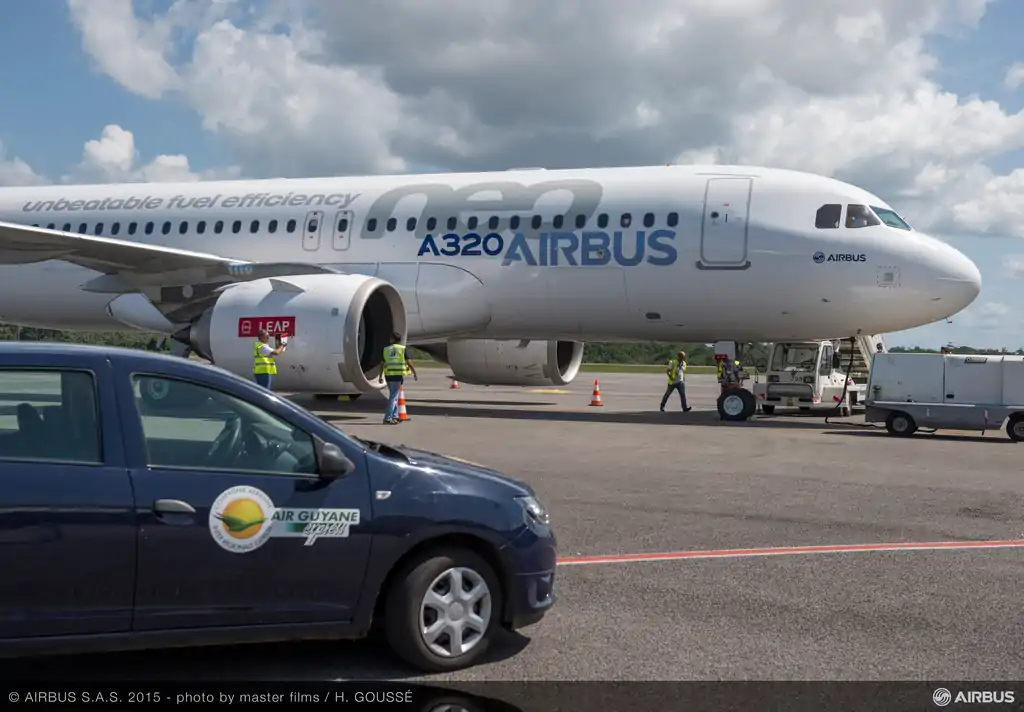
In a dramatic turn of events, workers responsible for cleaning and maintenance at two critical Airbus sites in the UK have called off their planned strike. The decision comes after an improved pay offer from CBRE, the company managing facility services for Airbus. This announcement, made by Unite, one of the UK’s largest trade unions, signals a potential end to what could have been a disruptive strike affecting Airbus’ manufacturing operations.
Why Was the Strike Planned?
Over 140 workers from Airbus’ Broughton, Wales, and Filton, Bristol locations had planned to go on strike on September 6, 7, 9, and 10, 2024. The primary reason behind the strike was the workers' demand for better wages. These employees, who perform essential maintenance, cleaning, and facility management services, argued that they were being paid only the minimum wage, with salary increases that barely met the legal requirements.
Despite their critical roles in supporting the operational efficiency of Airbus, the workers felt underappreciated and undervalued. Their dissatisfaction was compounded by the knowledge that CBRE, the facility management company, reported a profit of £36 million (€42 million), sparking accusations of unfair labor practices.
Who Is CBRE, and What Are the Workers Demanding?
CBRE provides various facility management services at the Airbus sites, including building maintenance, mechanical and electrical engineering, cleaning, waste management, and ground maintenance. These services are crucial in ensuring Airbus can maintain its manufacturing and production timelines.
The workers, backed by Unite, demanded fair pay that reflected their contributions. In a public statement made on September 2, 2024, Unite General Secretary Sharon Graham criticized CBRE for what she called "corporate greed," accusing the company of paying its employees "poverty wages" despite its sizable profits.
Sharon Graham's Scathing Remarks
“CBRE makes huge profits but thinks it is okay to pay its workers poverty wages,” Graham remarked. “This is pure corporate greed. CBRE can more than afford to put forward a fair pay offer.”

What Would the Impact of the Strike Have Been?
Had the strike proceeded, it could have significantly disrupted the cleaning and maintenance operations at Airbus’ Broughton and Filton locations. Such disruptions might have led to delays in Airbus’ manufacturing processes, impacting the company’s production schedules. The importance of these workers in ensuring seamless day-to-day operations meant that even a brief strike could have widespread effects across Airbus’ supply chain.
What Changed?
In response to the planned strike and ongoing negotiations, CBRE submitted an improved pay offer to the workers. While specific details of the new proposal were not immediately disclosed, the offer was sufficient for Unite to suspend the strike, allowing for a ballot among its members to decide on accepting the revised terms.
Jono Davies, Unite Regional Officer, Remarks on the Suspension
Unite’s Regional Officer, Jono Davies, confirmed the decision to suspend the strike. “We have received an improved pay offer from CBRE, and in light of this, we have decided to ballot our members on the new proposal. The strike action has been suspended while this takes place,” Davies explained.
What's Next?
The next step will be for the workers to vote on whether to accept the new pay proposal. Should the majority of Unite members find the offer acceptable, the strike will be permanently called off, and operations at Airbus’ Broughton and Filton sites will continue without disruption.
However, if the proposal is rejected, the strike could still occur, causing delays in Airbus’ manufacturing and production processes.
Conclusion: A Fair Ending or Just a Temporary Pause?
While the improved pay offer from CBRE has temporarily halted the strike, the final outcome rests in the hands of the workers who will soon cast their votes. Will this proposal be enough to meet their demands, or will the workers once again be forced to fight for their fair share? Either way, the next few days will be crucial for both Airbus and its workforce.
Read next
Air Canada Faces Strike as Pilot Pay Talks Intensify Amid Proposed 30% Pay Raise
Abhishek Nayar
06 Sep 2024
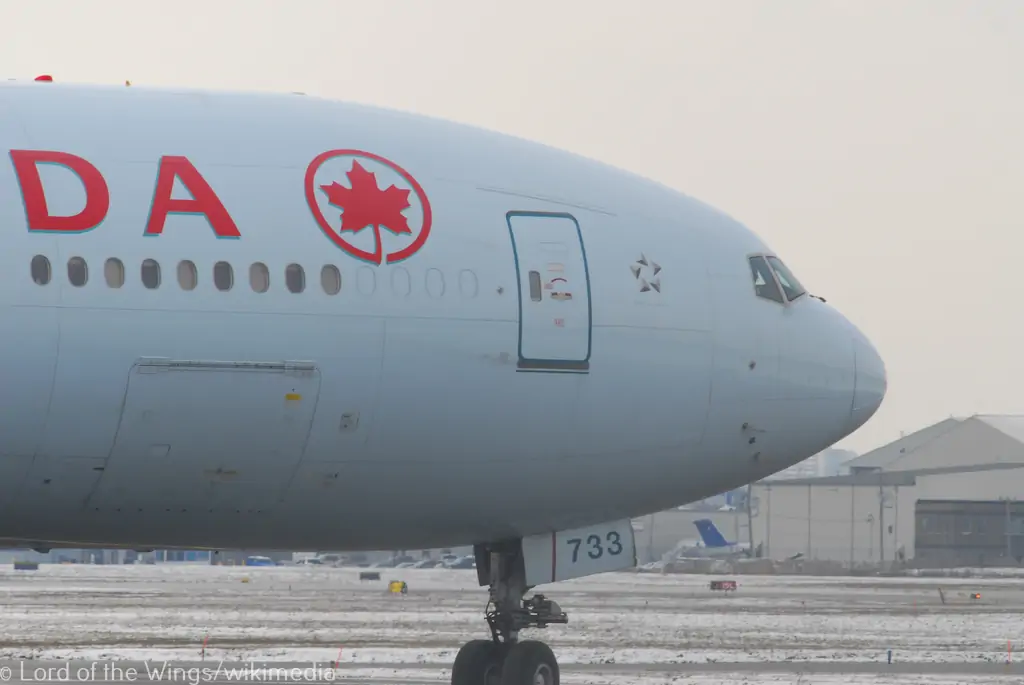
As tensions rise between Air Canada and its pilots, the airline has put forward an offer to increase pilot pay by 30% over the next few years, with an immediate 20% raise. While this development appears to address longstanding grievances, a strike still looms, signaling deeper issues at play.
Immediate Pay Boost Amid Strike Concerns
More than 5,000 Air Canada pilots stand to benefit from a pay increase as negotiations between the airline and the Air Line Pilots Association (ALPA) intensify. The immediate 20% pay boost is part of a larger package that includes annual salary increases over three years, with senior pilots receiving even larger pay raises. This move comes after more than a year of talks between Air Canada and ALPA, who have been advocating for fairer compensation.
The airline’s most recent contract, which expired last year, was a 10-year agreement that allowed for 2% annual pay increases. Since its expiration, pilots have seen no pay rise, adding fuel to the ongoing dispute.
Significant Salary Hikes for Senior Pilots
Under the new proposal, more senior pilots, particularly those flying larger aircraft like the Boeing 777, could see significant financial benefits. For example, a 10-year captain currently earning around $350,000 per year could see their salary jump by over $100,000, bringing their annual earnings to more than $450,000. In addition to salary increases, the offer reportedly includes improved pension schemes and enhanced health benefits.
ALPA Pushes for Fairer Compensation
Despite these concessions, ALPA remains firm that Air Canada's pilots are still underpaid compared to industry peers. According to ALPA, the airline’s pilots earn less than half of what their competitors make, a key point of contention as negotiations continue. More than 2,000 pilots recently participated in an informational picket across major Canadian cities, including Toronto, Vancouver, and Montreal, highlighting the urgency of the situation.
Strike Authorization Looms

As talks between Air Canada and ALPA drag on, the possibility of a strike is growing increasingly likely. ALPA Chair Charlene Hudy has expressed frustration with the pace of negotiations, citing stalled talks and unmet demands for better compensation, retirement benefits, and work-life balance. Last week, an overwhelming 98% of union members voted in favor of authorizing a strike if necessary to achieve a new agreement.
Hudy also revealed a startling statistic: over 75% of Air Canada's pilots have additional jobs to make ends meet, with a quarter of them relying on secondary employment out of necessity. These figures underscore the broader issue of fair pay and livable wages, which remain at the heart of ALPA's demands.
Cooling-Off Period and Next Steps
Air Canada has expressed its commitment to reaching a settlement, acknowledging the professionalism of its pilots. The airline stated that significant progress had been made in talks, with the upcoming three-week cooling-off period offering both parties a chance to resolve outstanding issues.
“Air Canada's intention remains to reach a negotiated settlement with its pilots, one that recognizes their professionalism and contributions to the airline," the company said. "During the talks, there has been significant progress, and the three-week cooling-off period gives the parties more than sufficient time to address any outstanding issues."
However, despite these assurances, ALPA warns that time is running out. If no agreement is reached, pilots will have the legal right to strike after a 21-day cooling-off period, following a 72-hour notice. The next round of talks is expected soon, but Hudy remains cautious, stating that while the union aims to avoid disruptions, they are prepared to strike if Air Canada fails to address their core concerns.
What This Means for Air Canada and Travelers
With the possibility of a strike on the horizon, travelers may face significant flight disruptions in the coming weeks. Air Canada’s labor dispute comes at a time when the airline is already under pressure to meet growing demand following the pandemic’s travel recovery. A pilot strike could severely impact operations, leading to cancellations, delays, and a potential loss of passenger trust.
The airline’s management is keen to avoid such a scenario, but as the clock ticks down, passengers are left wondering if a resolution will be reached before the strike deadline.
Conclusion
The ongoing dispute between Air Canada and its pilots reflects broader issues within the airline industry, where fair compensation, benefits, and work-life balance are increasingly in focus. As negotiations continue, both sides must find common ground to avert a strike and maintain the airline's operational stability. Whether the proposed 30% pay increase will be enough to meet ALPA’s demands remains to be seen, but for now, the threat of a strike looms large, casting uncertainty over the future of Air Canada’s operations.
Will a last-minute deal avert chaos for travelers and pilots alike? Only time will tell.
Read next
What’s Next for Go First? NCLT Pushes Suspended Board to Respond to Liquidation Notice
Abhishek Nayar
06 Sep 2024

The National Company Law Tribunal (NCLT) has taken another significant step in the ongoing insolvency saga of Go First, the debt-ridden airline that ceased operations on May 3, 2023. With no viable buyer emerging, the airline’s suspended board has been ordered to file a reply within three weeks concerning the liquidation process. This development marks a critical juncture for Go First, once a promising low-cost airline, now entangled in financial turmoil.
NCLT Notice: A Final Call for Response
On Tuesday, a two-member bench of the Delhi-based NCLT issued a notice to Go First's suspended management, setting the stage for a hearing scheduled in the first week of October 2024. The tribunal's notice follows a crucial application filed by Go First's Resolution Professional under Section 33 (1) of the Insolvency and Bankruptcy Code (IBC). This section allows for the liquidation of a company when no suitable buyer or resolution plan can be found within the prescribed timeline.
The NCLT's order signals the urgency of the situation, given that Go First’s Committee of Creditors (CoC) had already decided to liquidate the company. The majority vote by the CoC reflects the creditors' belief that further attempts to rescue the airline through corporate insolvency resolution may no longer be feasible.
Go First's Insolvency Timeline: Extensions and Deadlines
The road to liquidation has been long and winding for Go First. In June 2024, the NCLT had granted the airline a final 60-day extension to complete its Corporate Insolvency Resolution Process (CIRP). This marked the fourth extension in the insolvency case, with the NCLT making it clear that no further time would be allowed.
The IBC mandates that a CIRP must be completed within 330 days, including any extensions or litigation-related delays. Under Section 12 (1) of the IBC, the process is expected to be finalized within 180 days. However, this timeline can stretch to a maximum of 330 days under exceptional circumstances. In Go First’s case, the time limit has now expired, pushing the airline closer to liquidation.
Go First’s Insolvency Filing: A Voluntary Step?
The airline first approached the NCLT on May 10, 2023, seeking voluntary insolvency resolution as financial challenges mounted. By this time, Go First had already grounded its flights due to a severe cash crunch and disputes with aircraft engine manufacturers that had led to grounded planes. The NCLT’s approval of the voluntary insolvency process offered a brief lifeline to the struggling airline, but attempts to turn the business around have now failed to yield results.
The Liquidation Route: What Does It Mean?
With the liquidation process now looming, the future of Go First appears bleak. Liquidation under the IBC means the airline’s assets will be sold to repay its debts. This route often leads to the end of the company’s operations, leaving employees, creditors, and other stakeholders in a precarious position.
While liquidation may offer a way to recover some of the airline’s outstanding debt, it also marks the end of any hope for a potential revival. This outcome would likely have far-reaching consequences for the Indian aviation sector, which has already seen the collapse of major players like Jet Airways in recent years.
What’s Next?
As the NCLT prepares for its October hearing, all eyes are on Go First’s suspended board and their response to the liquidation notice. Will the airline find a last-minute solution to avoid liquidation, or is this truly the end of the road?
The next few weeks are crucial not just for Go First, but for the creditors, employees, and passengers who have been impacted by the airline’s financial collapse.
Read next

In a bold move signaling its commitment to growth and sustainability, ITA Airways, through its wholly-owned subsidiary, has secured $240 million in private credit financing from AIP Capital. This milestone deal is secured by three brand-new Airbus A330-900neo aircraft, powered by Rolls-Royce Trent 7000 engines. Here’s how this development propels ITA Airways' fleet modernization and expansion strategy.
Securing the Future: The $240 Million Deal
On August 29, 2024, ITA Airways announced a significant financial achievement: a $240 million private credit facility secured through AIP Capital. This loan, backed by three state-of-the-art Airbus A330-900neo aircraft, reflects the airline’s growing credibility and strategic focus on expanding its fleet with new-generation aircraft.
The financing agreement was highlighted by ITA Airways Chairman Antonino Turicchi, who emphasized the importance of this deal in the airline's ongoing expansion efforts. "This agreement represents a significant milestone in the expansion of ITA Airways' new-generation fleet," Turicchi stated, adding that it aligns with the company's strategy of blending equity with a balanced use of debt capital.
A Strategic Leap: Enhancing Fleet and Environmental Impact
Since commencing operations in October 2021, ITA Airways has prioritized fleet renewal as a cornerstone of its operational strategy. The airline's fleet now includes 58% new-generation aircraft, a shift that has led to a 25% reduction in both fuel consumption and CO2 emissions. This financing deal further supports ITA Airways' efforts to modernize its fleet, which is crucial for meeting sustainability goals and remaining competitive in a rapidly evolving aviation industry.
Michael Kittle, Managing Director and Head of Private Credit at AIP Capital, described the financing arrangement as "a tailored finance solution" designed to support ITA Airways' modernization goals. AIP Capital, known for its expertise in alternative investments within the aviation sector, has offices in Stamford (UK), Dublin, and Singapore, adding a global dimension to this strategic partnership.
Building Momentum: ITA Airways' Credibility with Investors
The success of this financing deal underscores ITA Airways' improved standing with financial institutions and investors. According to Chairman Turicchi, the positive performance recorded in 2023 and the first half of 2024 has significantly bolstered the airline’s credibility. This increased trust from the financial community is vital as ITA Airways continues to implement its growth strategy, blending equity investments with strategically leveraged debt.
What’s Next for ITA Airways?
With this significant financing in place, ITA Airways is well-positioned to continue its fleet renewal and expansion efforts. The addition of the Airbus A330-900neo aircraft not only enhances the airline’s operational capabilities but also aligns with global trends toward more environmentally friendly and fuel-efficient air travel.
As ITA Airways continues to expand, the airline's focus remains on combining growth with sustainability—a strategy that is increasingly resonating with both passengers and investors. The successful securing of $240 million in private credit financing marks a pivotal moment in this journey, setting the stage for ITA Airways to further establish itself as a key player in the global aviation industry.
Conclusion: A Strategic Victory for ITA Airways
This financing deal is more than just a financial transaction; it’s a strategic victory that supports ITA Airways' broader goals of fleet modernization, sustainability, and growth. As the airline continues to enhance its operations and expand its fleet, passengers can look forward to a more efficient, environmentally friendly, and reliable air travel experience.
Stay tuned as ITA Airways soars to new heights, backed by the confidence of its investors and the support of industry-leading financial partners like AIP Capital.
With Inputs from ch-aviation
Read next

Cathay Pacific recently found itself at the center of a significant operational challenge when a rare engine component failure prompted a fleet-wide inspection of its Airbus A350 aircraft. On September 2, 2024, during flight CX383 from Hong Kong to Zurich, the aircraft’s right-hand Rolls-Royce Trent XWB-97 engine issued a fire warning just 75 minutes into the flight. The aircraft, carrying passengers on a 12-hour journey to Europe, was forced to return to its departure airport.
The incident marked the first known occurrence of such a failure in any A350 aircraft globally. Cathay Pacific quickly notified the aircraft and engine manufacturers, as well as regulatory authorities, and initiated a comprehensive inspection of its entire A350 fleet.
Fleet-Wide Inspections Uncover Additional Issues
Cathay Pacific's fleet consists of 48 Airbus A350s, including 30 A350-900s and 18 A350-1000s. Engineers worked around the clock to inspect all aircraft within a 24-hour window. Their efforts revealed that 15 of the inspected aircraft required repairs due to similar issues.
The airline’s Director of Engineering, Keith Brown, emphasized the importance of safety in Cathay’s operations: “At Cathay, safety of our customers and our people guide every decision we make. Each aircraft is undergoing a rigorous inspection. Upon completion, the aircraft cleared for operation will return to service, while those identified with technical issues will undergo further repair and maintenance work.”
The Extent of the Disruption
The rapid grounding of 15 aircraft has inevitably disrupted Cathay Pacific’s operations. By the end of September 3, 2024, the airline had already canceled 24 flights. On September 4, 2024, an additional 10 regional return flights were expected to be canceled. Long-haul services, however, remain unaffected at this time.
Cathay Pacific has assured its customers that the affected aircraft will remain out of service until they have been fully repaired and cleared for operation. The airline anticipates that all impacted planes will return to service by Saturday, September 7, 2024.
Collaboration with Rolls-Royce and Authorities
In a statement to the BBC, Rolls-Royce expressed its commitment to working closely with Cathay Pacific, Airbus, and relevant authorities to address the issue. “As well as providing support and guidance to Cathay Pacific, Rolls-Royce will also keep other airlines that operate Trent XWB-97 engines fully informed of any relevant developments as appropriate,” the engine manufacturer added.
Bloomberg has reported that, according to two individuals familiar with the situation, the issue may be linked to deformed or degraded fuel lines. This revelation underscores the importance of the inspections and repairs being conducted.
Looking Ahead
Cathay Pacific's proactive approach to this unprecedented engine component failure has prioritized passenger safety and operational integrity. While the disruption to flight schedules is regrettable, the airline's commitment to resolving the issue swiftly and thoroughly has been evident.
As the situation develops, Cathay Pacific continues to liaise with the Hong Kong Civil Aviation Department, Airbus, and Rolls-Royce to ensure that all necessary precautions are taken before the affected aircraft return to service.
The airline’s response to this incident highlights its dedication to safety and its capacity to manage complex challenges, even when faced with unexpected and rare technical issues.
Read next
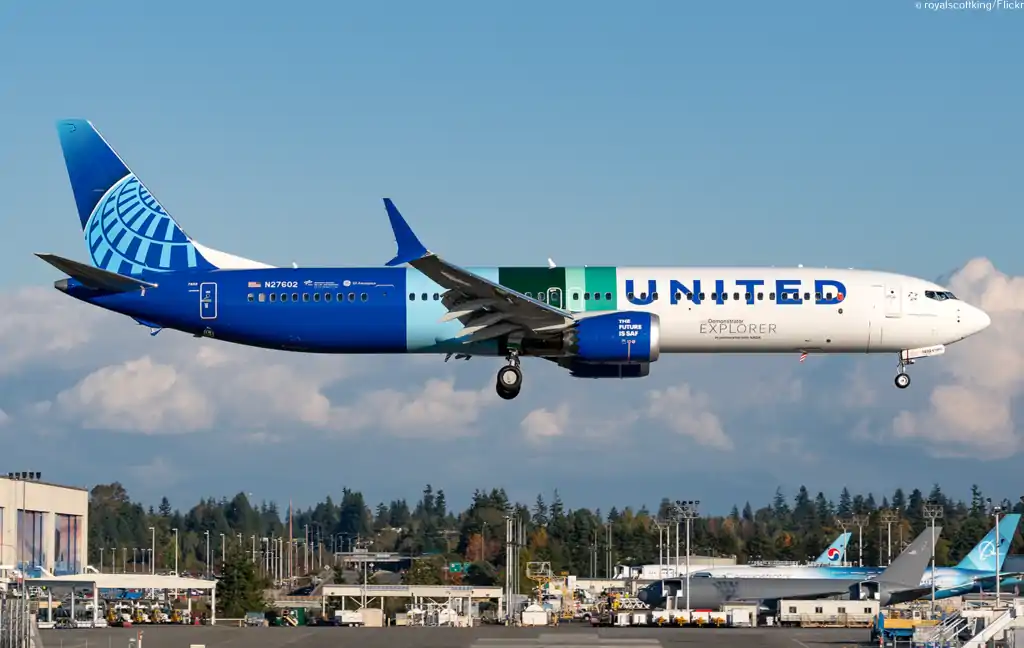
In recent weeks, United Airlines has faced mounting pressure from its aircraft maintenance technicians (AMTs) as they demand better contracts. These workers, represented by the Teamsters union, have staged rallies across the country, highlighting their grievances over delayed negotiations, insufficient wages, and a lack of recognition for their essential roles. The protests come at a critical time when the airline is enjoying significant profits, raising questions about whether these earnings are being fairly distributed among the workforce.
The Demands: More Than Just a Raise
On August 30, 2024, United Airlines' AMTs took their fight to the public, picketing outside major airports nationwide. The technicians are not only asking for higher pay but also for improved safety standards and more comprehensive healthcare coverage. With over 10,000 technicians responsible for maintaining United's fleet, their demands are a direct call for better compensation that reflects their vital contribution to the airline's operations.
The Voice of the Union
Sean M. O’Brien, General President of the Teamsters, has been a vocal advocate for the AMTs. He argues that while United Airlines is reaping substantial profits, the benefits have not been extended to the workers who ensure the safety and reliability of the airline’s planes. "The dividends do not trickle down to the workers responsible for keeping United's planes in the air," O’Brien stated, emphasizing the need for a "record contract" that reflects the value of the technicians’ work.
National Protests: A Show of Solidarity
The rally on August 30 was not an isolated event but a coordinated effort across key United Airlines hubs, including airports in Boston, Chicago, Denver, Washington, D.C., Houston, Los Angeles, Newark, San Francisco, Orlando, and Tampa. Chris Griswold, Teamsters Airline Division Director, praised the technicians for their unwavering commitment to safety and professionalism, calling them "the best in the industry." Griswold insisted that United Airlines must acknowledge the crucial role these workers play in the company’s success by agreeing to a strong new contract.

The Fight for the Future
For technicians like Martin Acosta, a seven-year veteran at United and a member of Teamsters Local 769, the current struggle is about more than just the next five years. "We are fighting for an industry-leading contract that will change the status quo for the next generation of United AMTs," Acosta stated. This sentiment reflects the broader desire among workers to secure a deal that will provide long-term benefits and stability for both current and future employees.
Parallel Struggles: The Flight Attendants’ Battle
The AMTs’ rally occurred just as United Airlines’ flight attendants voted overwhelmingly in favor of strike authorization. The vote, which was nearly unanimous, underscored similar concerns about fair profit sharing within the company. Ken Diaz, President of the United Chapter of the Association of Flight Attendants (AFA), criticized United's management for awarding themselves large compensation packages while flight attendants struggled to meet basic living expenses.
United’s Response: Promises of Continued Negotiation
In response to the escalating tensions, United Airlines has promised to continue working towards an "industry-leading contract" for its flight attendants, with negotiations scheduled through November. The airline insists that both sides are "actively engaged" in the process, facilitated by a federal mediator at the union’s request. However, the outcome of these negotiations remains uncertain, and the pressure from both maintenance workers and flight attendants is unlikely to abate until their demands are met.
Conclusion
The recent rallies by United Airlines’ aircraft maintenance staff and the near-unanimous strike authorization by flight attendants highlight a growing discontent among the airline's workforce. As United enjoys significant profits, its workers are demanding a fair share, better working conditions, and long-term security. With negotiations ongoing, the question remains: will United Airlines step up to the plate and provide the contracts that its workers deserve? The answer will shape the future of labor relations within the airline industry.
Comment