
FAA and EASA Join Forces: The Future of Airplane Certification and Safety

Abhishek Nayar
15 Jun 2024

In an era where aviation safety has become paramount, the Federal Aviation Administration (FAA) and the European Union Aviation Safety Agency (EASA) have taken a significant step towards ensuring safer skies. Following a three-day joint meeting in Washington, the two agencies announced a renewed commitment to collaborate on new airplane certification, aiming to establish a unified strategic direction that benefits the global aviation system.
The Catalyst: Tragedies That Shook the Aviation World
The impetus for this enhanced cooperation stems from the tragic crashes of two Boeing 737 MAX aircraft in 2018 and 2019, which resulted in the loss of 346 lives. These incidents highlighted critical gaps in oversight and transparency, prompting regulators worldwide to tighten their scrutiny of new airplane certifications.
A New Era of Collaboration
FAA Administrator Mike Whitaker emphasized the importance of this partnership, stating, "As we look to the next decade, establishing a unified strategic direction based on information sharing and collaboration with our international partners will meet the needs of our global aviation system of the future." This sentiment was echoed by EASA Executive Director Florian Guillermet, who stressed the necessity for international regulators to work together to meet safety requirements consistently.
Key Initiatives for Safety and Certification
The FAA and EASA have outlined several key initiatives to enhance their collaboration:
- Joint Certification Activities: Both agencies have pledged to deepen proactive collaboration on certification activities, ensuring that new aircraft meet stringent safety standards.
- Information Sharing: Strengthening the exchange of safety oversight information is a top priority. This will enable both agencies to rely on each other’s expertise, reducing duplication of efforts and fostering a risk-based approach.
- Observer Roles in Safety Audits: Guillermet proposed that the FAA act as an observer on safety audits, including those of European aircraft manufacturer Airbus, to further bolster mutual trust and oversight.
Scrutinizing New Aircraft: The MAX and Beyond
The FAA's heightened scrutiny extends to new variants of the Boeing 737 MAX, including the MAX 7, which is not expected to receive certification until 2025 at the earliest. This delay follows Boeing’s withdrawal of a request for a key safety exemption. Additionally, Boeing’s 777X, a more fuel-efficient version of its popular 777 widebody, is under rigorous review. EASA has specifically requested changes to the flight controls of the 777X to enhance safety.
Learning from the Past: Major Design Changes
In a move reflecting lessons learned from the MAX tragedies, the FAA adopted a new aircraft certification policy in November. This policy mandates that key flight control design changes, such as the anti-stall system implicated in the MAX crashes, be considered "major." The Maneuvering Characteristics Augmentation System (MCAS), which was linked to both fatal accidents, was not fully disclosed to the FAA by Boeing, highlighting the critical need for complete transparency in the certification process.
Looking Ahead: A Safer Future for Aviation
The renewed collaboration between the FAA and EASA marks a significant milestone in the quest for aviation safety. By leveraging their combined expertise and fostering a culture of transparency and mutual reliance, these regulatory bodies aim to create a safer, more reliable aviation environment for passengers and operators worldwide. As the global aviation landscape continues to evolve, such partnerships will be crucial in navigating the challenges and ensuring the highest standards of safety are consistently met.
With Inputs from Reuters
Read next
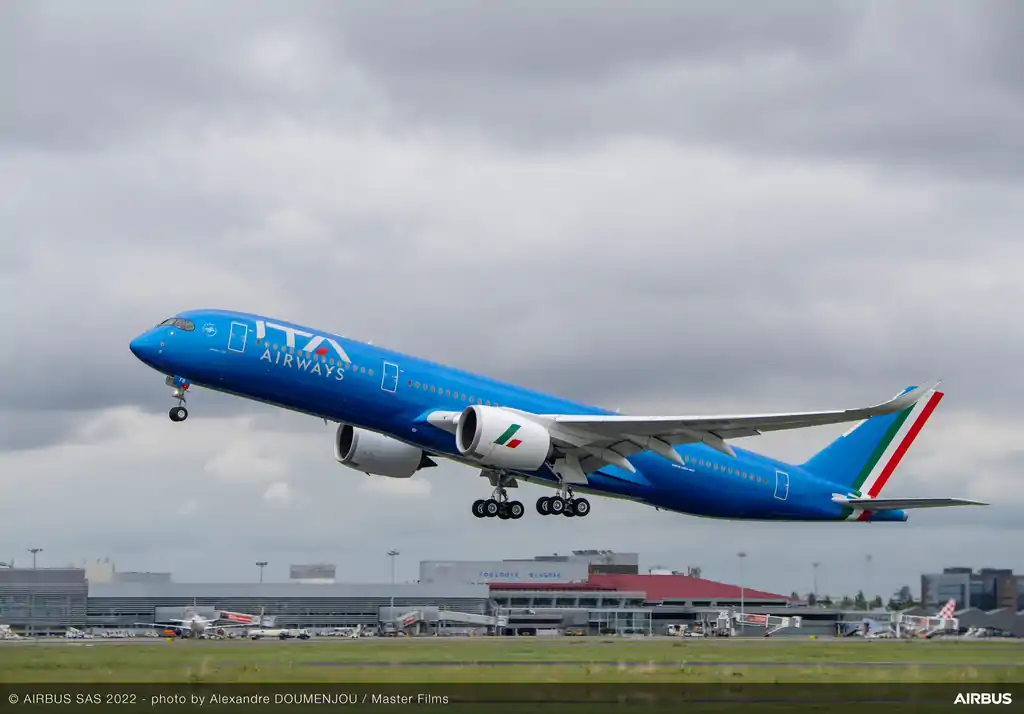
In a significant development within the European aviation industry, Lufthansa is poised to secure EU antitrust approval for its bid to acquire a substantial stake in the state-owned Italian airline ITA Airways. This strategic move is set to enhance Lufthansa’s presence in the highly competitive Italian and southern Mediterranean market.
A Boost for Italian Aviation?
The potential EU approval marks a major milestone for Italy, which has invested heavily in ITA’s predecessor, Alitalia, over the years. Securing this deal would not only bolster Italy's aviation sector but also signify a pivotal win for the government, which has struggled to maintain the profitability of its national carrier.
Lufthansa’s Strategic Bid

Lufthansa is eyeing a 41% stake in ITA Airways, a move aimed at strengthening its foothold in the lucrative Mediterranean region. This acquisition is part of Lufthansa's broader strategy to expand its network and leverage ITA’s market position to enhance connectivity and service offerings in the region.
EU Approval: A Work in Progress
While the European Commission, the EU’s competition authority, has not yet made a final decision, sources close to the matter indicate a favorable outcome. The Commission has set a deadline of July 4 to conclude its review, during which Lufthansa is fine-tuning remedies to address any lingering antitrust concerns.
Addressing Competition Concerns
To mitigate potential competition issues, Lufthansa has proposed several concessions. Notably, it will refrain from integrating ITA into its joint venture with United Airlines and Air Canada for a period of two years. Additionally, Lufthansa has committed to maintaining certain ITA short-haul routes to Germany, Belgium, Switzerland, and Austria. To further alleviate competitive pressures, Lufthansa will also cede 40 slots at Milan Linate airport to low-cost carriers easyJet and Volotea.
Industry Implications
This acquisition, if approved, could significantly alter the dynamics of the European aviation market. For Lufthansa, this deal represents an opportunity to reinforce its market dominance and optimize its route network. For ITA, it offers a chance to stabilize its operations and benefit from Lufthansa’s extensive experience and resources.
Awaiting the Final Verdict
As the July 4 deadline approaches, all eyes are on the European Commission’s final decision. Should the deal receive the green light, it will set a precedent for future airline mergers and acquisitions within the EU. Moreover, it will highlight the delicate balance between fostering competition and allowing market consolidation to ensure the sustainability of key players in the aviation industry.
Conclusion
Lufthansa’s potential acquisition of ITA Airways is more than a business transaction; it is a strategic maneuver that could reshape the landscape of European air travel. As both companies await the final decision, the aviation industry and travelers alike anticipate the possible benefits and challenges this merger might bring. Will this be a transformative moment for European aviation, or will it face unforeseen hurdles? The answer lies in the hands of EU regulators.
With Inputs from Reuters
Read next
Turbulence for SpiceJet: NCLT Issues Notice Over $12 Million Insolvency Plea
Abhishek Nayar
15 Jun 2024

In a significant development for India's budget carrier SpiceJet, the National Company Law Tribunal (NCLT) has issued a notice in response to an insolvency plea filed by Engine Lease Finance BV (ELF). The aircraft engine lessor, headquartered in Shannon, Ireland, claims that SpiceJet defaulted on payments exceeding USD 12 million (approximately INR 100 crore). The matter is slated for hearing on August 2, 2024.
The Genesis of the Dispute
ELF, recognized as the world’s leading independent engine financing and leasing company, entered into a leasing agreement with SpiceJet in 2017. The agreement encompassed eight aircraft engines, with ELF now asserting that SpiceJet has not met its payment obligations since April 2021. With additional claims for interest and rental fees, the total amount sought by ELF has ballooned to USD 16 million.
Procedural Objections and Tribunal Actions
SpiceJet has raised objections regarding the maintainability of ELF's plea, pointing out technical defects. Initially, when the plea was listed before the Delhi-based NCLT bench on May 29, 2024, the tribunal granted ELF the opportunity to rectify these errors. Following the rectification, the insolvency tribunal issued a notice to SpiceJet on Wednesday, June 12, 2024.
Previous Legal Battles
This isn't the first instance of legal confrontation between the two entities. In 2023, ELF approached the Delhi High Court after terminating the lease of two engines due to non-payment and sought their repossession. Although a settlement was reached later, ELF has accused SpiceJet of not adhering to the agreed settlement terms, prompting a renewed approach to the high court. This matter remains unresolved.
A Pattern of Insolvency Petitions
SpiceJet’s financial woes have led to multiple insolvency petitions from various creditors. Apart from ELF, entities like Willis Lease Finance, Aircastle Ireland Ltd., Wilmington Trust, and Celestial Aviation have taken legal action against the airline. Notably:
- Willis Lease Finance and Wilmington Trust: Their insolvency pleas were dismissed by the NCLT but are currently under appeal at the National Company Law Appellate Tribunal (NCLAT).
- Celestial Aviation: Reached a settlement with SpiceJet.
- Aircastle and Alterna Aircraft: Their petitions are still pending before the NCLT.
SpiceJet's Response and Future Outlook
SpiceJet contends that there is a pre-existing dispute with ELF, which could impact the proceedings. The airline has previously managed to settle with some of its creditors, indicating a strategy of negotiation and settlement to mitigate legal risks. However, the current situation with ELF and other pending petitions highlights persistent financial and operational challenges for the airline.
Conclusion
The upcoming hearing on August 2, 2024, is poised to be a critical juncture for SpiceJet as it navigates through turbulent financial skies. The outcome of this and other pending insolvency pleas will significantly influence the airline’s future operations and financial stability. As the legal battles unfold, stakeholders and industry observers will keenly watch how SpiceJet addresses these high-stakes challenges.
Read next
What’s Cooking at 35,000 Feet? Discover Akasa Air’s Revamped In-Flight Menu
Abhishek Nayar
15 Jun 2024
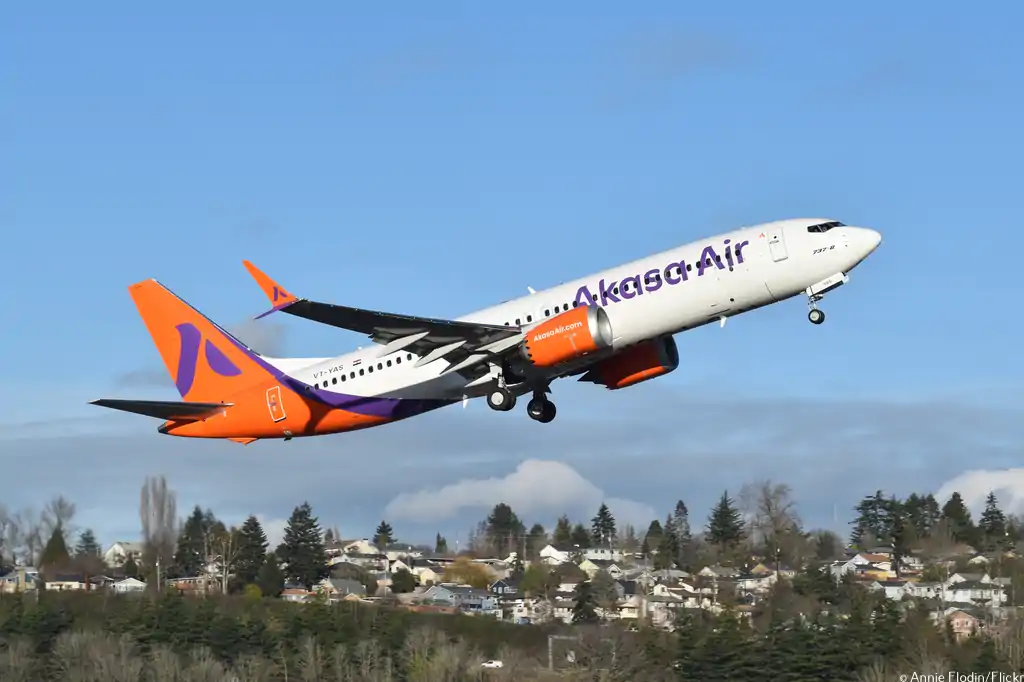
Flying at high altitudes often comes with a distinct culinary experience, and Akasa Air is setting new standards with its recently revamped in-flight menu. Announced on June 13, 2024, the enhanced offerings at Café Akasa promise to take passengers on a delightful gastronomic journey, blending global cuisines with traditional Indian flavors. Here’s an in-depth look at what’s new and exciting aboard India’s fastest-growing airline.
A Fusion of Flavors
Diverse Meal Options
Akasa Air’s new menu features over 45 unique meal options, catering to a wide array of dietary and culinary preferences. From hearty fusion meals to light snacks, the airline has ensured there’s something for everyone. Notably, the menu includes industry-first offerings like the Chaat-buster Box, Kosha Chicken Malabari Wrapper, and Khow Suey Chicken, reflecting a harmonious blend of global and regional flavors.
Signature Dishes

To highlight the rich culinary heritage of India, the new menu includes items like:
- Chaat-buster Box: A vibrant mix of flavors that brings the street food experience to the skies.
- Malabari Wrapper: A delicious wrap inspired by the coastal flavors of Malabar.
- Khow Suey Chicken: A comforting Burmese-inspired noodle dish.
Healthy and Refreshing Choices
Salads and Light Meals
For health-conscious travelers, Café Akasa offers thoughtfully curated options like:
- Fruit and Feta Fiesta Salad
- Chicken Shawarma Salad
- Lean Bean Protein Salad
These choices ensure passengers can maintain their healthy lifestyles even while traveling.
Beverage Selections
The beverage menu has also seen a refreshing update. Starting July, passengers can enjoy:
- Basil Shikanji: A cool and refreshing drink perfect for summer travels.
- Mango Kombucha: An industry-first offering that combines the goodness of kombucha with the tropical taste of mango.
Additionally, traditional beverages like masala tea, hot chocolate, green tea, and coffee are available to satisfy varied preferences.
Ready-to-Eat Options and Festive Meals

Convenient and Delicious
For those who prefer ready-to-eat meals, Café Akasa includes options such as:
- Tomato Cheese Pasta
- Veg Fried Rice
- Khow Suey
- Hyderabadi Veg Biryani
- Chicken Curry Rice
These meals are perfect for travelers looking for quick and flavorful options.
Celebrating Festivities in the Sky
Akasa Air regularly introduces special meals inspired by regional specialties during festivals and special occasions. For instance, a special Mother’s Day meal included Masala Paneer Paratha with Mango Chutney and Sooji Halwa. Passengers can also pre-book cakes to celebrate birthdays and other milestones during their flights.
Commitment to Sustainability
Eco-Friendly Practices
In line with its commitment to sustainability, Akasa Air uses 100% recyclable packaging made from ethically sourced paper. The wooden cutlery provided onboard is biodegradable, ensuring that the airline’s environmental impact is minimized. Moreover, by allowing passengers to pre-book meals, Akasa Air effectively reduces food wastage.
High Hygiene Standards
Each meal is prepared following the highest hygiene and quality standards, ensuring a safe and enjoyable dining experience for all passengers.
Conclusion
Akasa Air’s revamped in-flight menu at Café Akasa is a testament to the airline’s dedication to providing a superior flying experience. With a diverse array of meal options, innovative fusion dishes, healthy choices, and a strong commitment to sustainability, passengers are sure to enjoy a memorable culinary journey at 35,000 feet. Whether you’re a foodie looking for new flavors or a health-conscious traveler, Café Akasa has something to make your journey delightful.
Read next
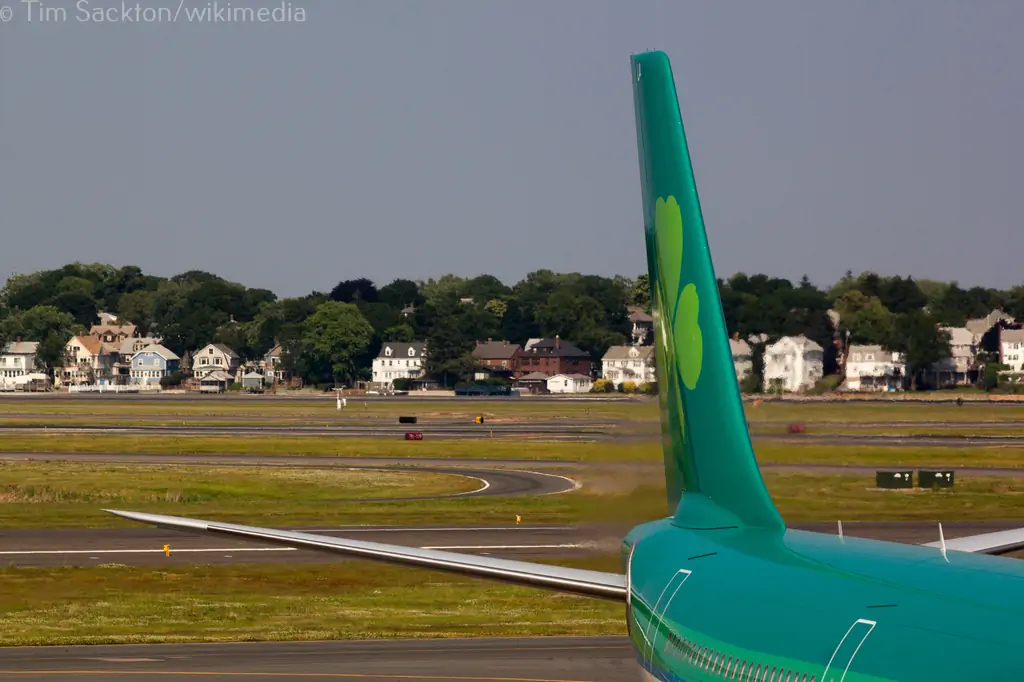
Aer Lingus and the Irish Airline Pilots' Association (IALPA) are at loggerheads, pushing the Irish airline towards a potentially crippling strike. With negotiations breaking down and tensions escalating, the threat of industrial action looms large as both parties grapple over a contentious pay dispute. The impending ballot result could spell significant disruption for the airline and its passengers, especially with the peak summer travel season on the horizon.
Breakdown of Talks: A Missed Opportunity
Negotiations between Aer Lingus and IALPA came to an abrupt halt after a series of intense discussions. Starting on Tuesday morning and concluding by 14:30, the talks failed to produce a breakthrough. Aer Lingus accused the union of demanding an "unsustainable level of increase" in pay, exceeding 20%. IALPA, on the other hand, rejected these claims, emphasizing their preference for direct negotiations over third-party mediation.
Stark Differences in Pay Proposals
The core of the dispute revolves around significant differences in pay proposals. IALPA is demanding a 23.8% pay rise, citing that pilots have not received a raise since 2019. This stands in stark contrast to the Labor Court's recommendation of a 9.25% increase as an interim settlement. Aer Lingus has labeled IALPA's demands as excessive and unsustainable, further accusing the union of rejecting any discussion on increasing productivity or flexibility in exchange for the proposed pay hike.
IALPA’s Stand: Why the Union is Holding Firm
IALPA's stance is clear: direct negotiations are the only viable path forward after 20 months of unsuccessful processes. The union argues that returning to third-party mediation or the Workplace Relations Commission, as suggested by Aer Lingus, would be counterproductive given the lack of progress to date. This firm stance reflects the union's commitment to securing what it views as a fair and overdue pay adjustment for its members.
Potential Impact of a Pilot Strike
With approximately 800 pilots represented by IALPA, a strike could have a profound impact on Aer Lingus operations. The timing couldn't be worse, as the airline prepares for the busy summer travel season. The ballot results, expected on June 12th, are likely to favor strike action, and the union would be required to give seven days' notice before any industrial action commences.
Strategic Consequences for Aer Lingus
The pay dispute has already had tangible consequences for Aer Lingus. The airline has had to forgo two of its new Airbus A32XLR aircraft this year, ceding them to fellow IAG-carrier Iberia. This not only delays Aer Lingus's expansion plans but also marks a significant operational setback, as it loses the opportunity to be the launch customer for the much-anticipated A321XLR.
The Road Ahead: What’s Next for Aer Lingus and IALPA?
The future remains uncertain as Aer Lingus and IALPA stand at a critical juncture. With no agreement in sight and a strike seemingly imminent, both parties must weigh the long-term consequences of their actions. For Aer Lingus, the challenge is to navigate this dispute without severe disruption to its services and reputation. For IALPA, the goal is to secure fair compensation for its members without causing irreparable damage to the airline they serve.
Conclusion
As Aer Lingus and IALPA brace for the ballot results, the stakes couldn't be higher. The outcome will not only determine the immediate future of the airline's operations but also set a precedent for labor relations in the industry. Whether through renewed negotiations or a potential strike, the resolution of this pay dispute will have far-reaching implications for all stakeholders involved.
Read next

In a resolute move to bolster consumer protection, the United States Department of Transportation (DOT) has decisively rejected Airlines for America's (A4A) plea to delay the implementation of a crucial rule mandating the disclosure of flight change fees and baggage charges before ticket booking. This article delves into the intricate details of the DOT's stance, the implications for airlines and passengers, and the ongoing legal tussle between the regulatory body and the aviation industry.
The Rule: Enhancing Transparency for Consumers
Dubbed 'The Ancillary Service Fees Rule,' this regulation aims to eliminate hidden costs and provide transparency for airline passengers. Effective from July 1, this rule requires airlines to disclose all additional fees upfront, enabling passengers to make informed decisions. While airlines have until October 30 to share ancillary fee data with ticket agents and until April 30, 2025, to comply with other requirements, the foundational change starts this summer.
DOT's Unyielding Position
Blane Workie, the Assistant General Counsel for the Office of Aviation Consumer Protection at the DOT, led the department's rebuttal against A4A's petition. She emphasized the rule's legality and its critical role in protecting consumers from unfair and deceptive airline practices. Workie highlighted the DOT's commitment to promoting the interests of American consumers, businesses, and workers, stating that delaying the rule's effective date was against the public interest.
“The Department is committed to taking actions to promote the interests of American workers, businesses, and consumers,” Workie asserted, underscoring the DOT's unwavering stance.
The Legal Battle: DOT vs. A4A
A4A, representing major airlines, argued that the DOT had overstepped its statutory authority, violating the Administrative Procedure Act (APA). They claimed the rule would cause irreparable harm to airlines, estimating costs between $5 million and $10 million for data sharing and platform adjustments, excluding labor costs. A4A anticipated that the Fifth Circuit Court of Appeals would side with them, halting the rule's enforcement.
However, the DOT countered that A4A's chances of prevailing in court were slim, having meticulously adhered to APA standards. The department dismissed the association's cost estimates as speculative and unconvincing. Furthermore, the DOT pointed out that A4A's criticism of the department's benefit estimates contradicted their own speculative harm assessments.
Consumer Advocacy and Historical Context
The origins of this rule trace back to persistent consumer complaints about escalating fees, highlighted during the Advisory Committee on Aviation Consumer Protection (ACACP) meeting in June 2015. Consumer advocates stressed the need for transparency, a sentiment that continued to echo until the DOT published its notice of proposed rulemaking (NPRM).
A4A argued that consumers were aware of varying airline fees and policies, suggesting that reasonable consumers did not assume the standard fare was the final price. However, the DOT remained unconvinced, stating that without this rule, passengers could not accurately compare flight costs, leading to potential exploitation.
The Public Interest and Final Verdict
In concluding its response, the DOT emphasized the rule's public interest, aiming to safeguard US-based consumers from deceptive airline practices. The department asserted that A4A had failed to demonstrate substantive irreparable harm to airlines, nor did they effectively balance the harms and public interest. Therefore, the DOT stood firm in its decision, refusing to delay the rule's implementation.
What This Means for Passengers
For passengers, this rule represents a significant step towards transparency and fairness in the airline industry. By ensuring all fees are disclosed before booking, travelers can avoid unexpected costs and make more informed choices. The DOT's steadfast defense of this rule highlights its dedication to protecting consumer rights and fostering a more transparent marketplace.
Conclusion
The DOT's rejection of A4A's petition underscores a critical shift towards greater transparency in the airline industry. As the legal battle unfolds, the department's unwavering commitment to consumer protection remains evident. For travelers, this rule promises a fairer, clearer flying experience, aligning with broader efforts to safeguard consumer interests in the aviation sector.
Comment