
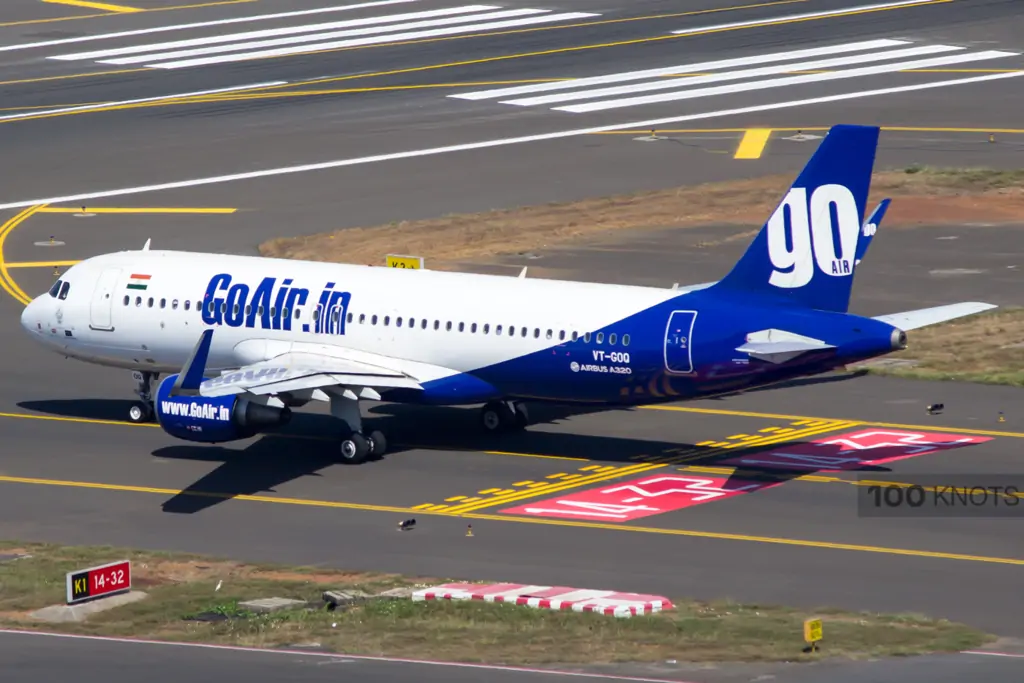
In a dramatic turn of events, Go First, the grounded airline battling insolvency, has approached the National Company Law Tribunal (NCLT) with a proposal for a new liquidator. This move comes after the tribunal rejected the Committee of Creditors' (CoC) initial choice, bringing the beleaguered airline one step closer to liquidation.
NCLT’s Rejection of the CoC's Nominee
The airline’s CoC had recommended Shailendra Ajmera, who has been serving as the airline's resolution professional (RP), as the liquidator. However, the NCLT firmly rejected the proposal, stating, "The RP can be involved in the liquidation process in some other capacity, but not as a liquidator." This decision forced Go First to rethink its strategy and seek approval for a new nominee.
Why Liquidation Became Inevitable
The insolvency resolution process, initiated in May 2023, aimed to find prospective bidders interested in reviving the debt-laden airline. Despite multiple extensions and efforts, no viable bids were received. With no resolution plan in sight, liquidation appears to be the only viable path forward, leaving Go First’s creditors to salvage whatever remains of the airline’s assets.
What’s Next for Go First?

The application for a new liquidator signals that Go First is nearing the final stages of its insolvency journey. If the NCLT approves the proposed nominee, the liquidation process will commence, marking the end of the airline's operations and a redistribution of its assets among creditors.
Implications for the Indian Aviation Sector
Go First's collapse underscores the challenges faced by airlines in India's highly competitive aviation market. Rising fuel costs, stiff competition, and an inability to adapt to changing consumer demands have made survival difficult for many carriers. The airline’s downfall serves as a cautionary tale for other players navigating similar headwinds.
A Glimpse at Go First’s Turbulent History
Formerly known as GoAir, the airline rebranded as Go First in 2021 with aspirations of becoming a market leader. However, operational inefficiencies, compounded by the COVID-19 pandemic and supply chain disruptions, led to mounting debts and eventual insolvency.
The Human Cost: Employees and Passengers Left Stranded
While creditors await their dues, thousands of Go First employees face an uncertain future. The airline’s sudden halt in operations has also left many passengers scrambling for refunds or alternative travel arrangements, adding to the public fallout from its collapse.
Conclusion: A Bitter End to a Promising Journey
The rejection of the initial liquidator proposal by the NCLT has added another layer of complexity to Go First’s ongoing liquidation saga. As the airline inches closer to a final resolution, it leaves behind a legacy of ambition cut short by challenges it could not overcome.
This development not only marks the end of an era for Go First but also serves as a pivotal moment for stakeholders in the aviation industry to reflect on sustainability and resilience in a challenging market.

Read next

Akasa Air, India's fastest-growing airline, has unveiled an exciting expansion in its international operations. Starting March 1, 2025, the airline will introduce daily direct flights connecting Abu Dhabi with Bengaluru and Ahmedabad. This bold move follows the successful launch of Akasa’s Mumbai-Abu Dhabi route in July 2024 and further establishes its footprint in the United Arab Emirates (UAE).
Why Abu Dhabi? India’s Growing Affinity for the UAE
Abu Dhabi has emerged as a top destination for Indian travelers, thanks to its cultural similarities, proximity, and luxurious attractions. With a thriving demand for travel to the UAE, Akasa Air’s new routes cater to cities like Bengaluru, the tech hub, and Ahmedabad, a rising economic powerhouse.
Fueling Growth: The Vision Behind Akasa’s Expansion
Praveen Iyer, Co-Founder and Chief Commercial Officer of Akasa Air, expressed the airline’s commitment to making air travel more accessible. He stated:
“We are thrilled to ramp up our network in UAE with the addition of daily direct flights connecting Abu Dhabi with two prominent Indian cities – Bengaluru and Ahmedabad. This expansion aligns with our goal of enhancing international connectivity and supporting the growing trade, travel, and economic activity between India and UAE.”

The Akasa Experience: Setting New Standards in Aviation
Akasa Air is renowned for delivering innovative and customer-centric services, making it the preferred airline for millions. Key highlights include:
- Comfort and Convenience: A modern fleet offers ample legroom, USB charging ports, and a restful Quiet Flights experience on early morning and late-night journeys.
- Café Akasa: A curated onboard dining experience featuring healthy options, festive menus, and unique offerings like Kombucha.
- Inclusivity Initiatives: Braille safety instruction and menu cards for passengers with visual impairments ensure an inclusive travel experience.
- Entertainment Onboard: Skyscore by Akasa streams live sports updates, keeping passengers engaged in the skies.
- Akasa Holidays: Tailored and affordable holiday packages to explore Abu Dhabi make planning seamless.
Akasa Air’s Journey: Rapid Growth and Customer Trust
Since its inception in August 2022, Akasa Air has soared to new heights, serving over 13 million passengers across 22 domestic and 5 international destinations. Known for its on-time performance and operational efficiency, the airline has become synonymous with reliability and affordability.
Expanding Horizons: What’s Next for Akasa?
With the addition of Abu Dhabi-Bengaluru and Abu Dhabi-Ahmedabad routes, Akasa Air strengthens its presence in international markets while staying committed to offering unmatched service quality.
Read next
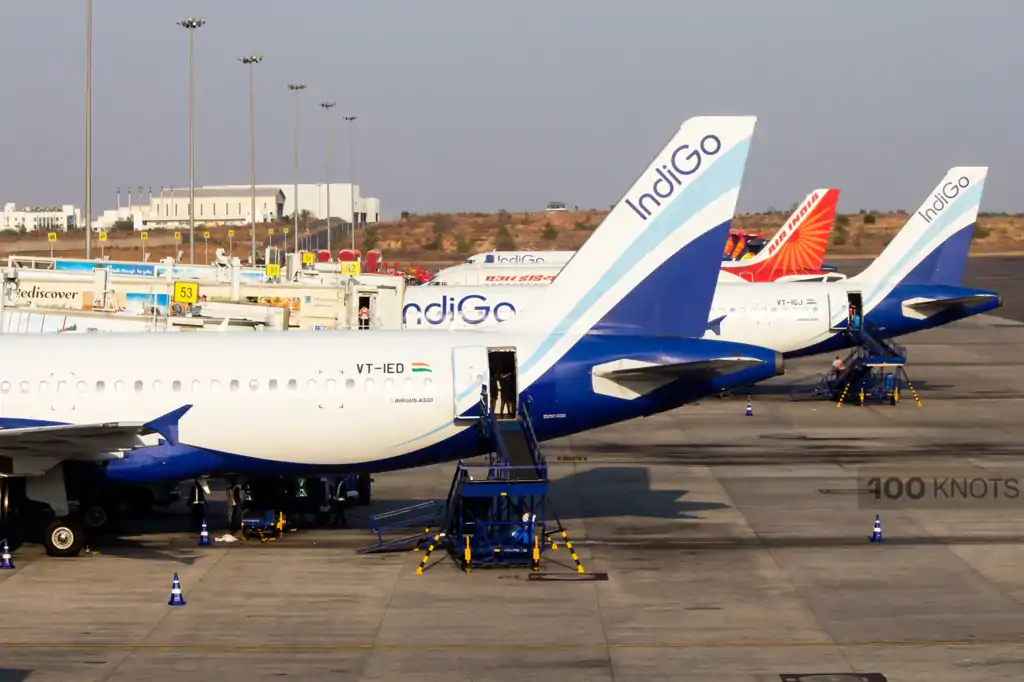
India’s largest airline, IndiGo, recently came under scrutiny as the Bureau of Civil Aviation Security (BCAS) imposed a fine of Rs.5 lakh for violations of aviation security protocols. The penalty, revealed in a regulatory filing on November 27, highlights the airline's breach of prescribed security requirements under Rule 51 of the Aircraft (Security) Rules, 2023. While IndiGo is preparing to challenge the fine, the incident raises important questions about adherence to aviation safety standards.
What Led to the Fine?
The Rs.5 lakh penalty was levied for a breach of aviation security protocols related to the Aviation Security (AVSEC) orders. AVSEC is a crucial framework designed to ensure the safety of passengers, crew, and aircraft against unlawful interference.
While specific details of the violations remain undisclosed, the BCAS identified non-compliance with requirements outlined in Rule 51 of the Aircraft (Security) Rules, 2023. This rule mandates strict security measures for airlines, making it integral to aviation safety management in India.
IndiGo’s Response to the BCAS Order
In its regulatory filing, IndiGo expressed its intent to appeal the BCAS order. According to the airline, they are currently in the process of reviewing the details before presenting their case to the appropriate appellate authority. IndiGo also emphasized that the fine would not have a material impact on its financials, operations, or other activities.
The Importance of Rule 51 in Aviation Security
Rule 51 of the Aircraft (Security) Rules, 2023, underscores compliance with aviation security protocols such as passenger screening, baggage checks, and access control measures at airports. Breaches of these protocols could potentially compromise the safety and security of airport operations.
Given the critical role IndiGo plays as one of India’s leading airlines, this penalty serves as a reminder of the need for vigilance in following security regulations.
What’s Next for IndiGo?
IndiGo's move to appeal the BCAS decision will involve presenting evidence to justify its adherence to security protocols or mitigating circumstances around the violation. Industry experts will watch closely as the appellate authority assesses whether the penalty is warranted or subject to revision.
Impact on IndiGo and Aviation Standards
Though IndiGo has stated that the fine does not significantly affect its financials or operations, this incident draws attention to the larger issue of accountability in aviation security. Airlines operating in India are expected to meet stringent safety and security standards, and any deviation raises concerns about systemic lapses that must be addressed to maintain public trust.
Conclusion
The BCAS fine against IndiGo highlights the high stakes of aviation security compliance in India. While the financial impact may be minimal for the airline, it underscores the critical importance of adhering to protocols to ensure the safety of passengers and crew. As IndiGo moves to appeal the decision, the case will likely set a precedent for how aviation security breaches are handled in the future.
Stay tuned as developments unfold in this matter, which underscores the importance of security in one of the world's fastest-growing aviation markets.
Read next
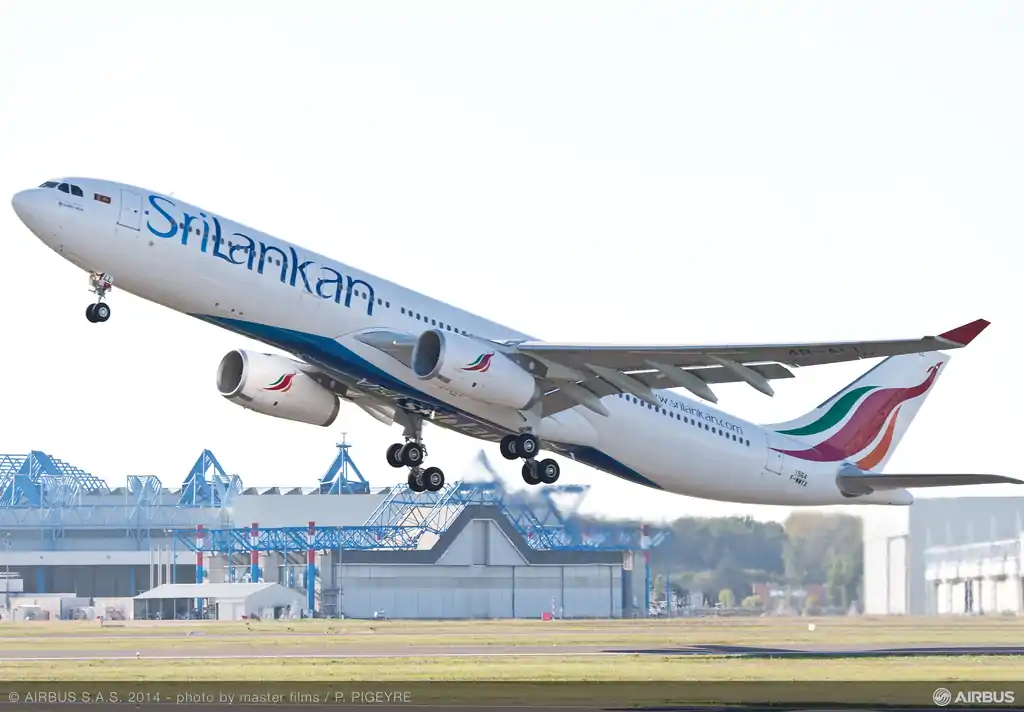
SriLankan Airlines has been honored as the ‘Best Airline Partner’ at the Tamil Nadu Tourism Awards Night on November 19, 2024, a recognition of its exceptional role in boosting tourism in the Southern Indian state. This accolade follows its earlier triumph in September, where the airline clinched the title of Leading International Airline in South Asia at the South Asian Travel Awards (SATA). These awards underscore SriLankan Airlines’ growing influence as a trusted travel partner in South Asia.
The Tamil Nadu Tourism Awards: A Celebration of Excellence

The Tamil Nadu Tourism Awards spotlight contributions by industry leaders in enhancing the state’s tourism ecosystem. SriLankan Airlines emerged as a standout for its nearly 35 weekly flights connecting Tamil Nadu's major cities—Chennai, Tiruchirappalli, and Madurai—with Colombo. These robust connections have played a pivotal role in facilitating inbound tourism for purposes like shopping, pilgrimages, and medical travel.
Expanding Its Pan-India Network
Beyond Tamil Nadu, SriLankan Airlines operates close to 90 weekly flights across India, serving major cities such as Delhi, Mumbai, Hyderabad, Bengaluru, Cochin, and Thiruvananthapuram. This extensive network strengthens its position as a premier international airline catering to Indian travelers.
Dimuthu Tennakoon, Head of Worldwide Sales and Distribution, expressed the airline’s dedication, saying:
“This recognition underpins our unwavering commitment to excellence in service and connectivity in the region. We will continue to scale up our footprint in Tamil Nadu, which has immense potential to become one of the most preferred travel destinations in this part of the world.”
Customer-Centric Excellence
SriLankan Airlines owes much of its success to its focus on customer satisfaction and seamless connectivity. Kasun Welaratne, Sales Manager in Chennai, highlighted the airline’s efforts to continually improve its services:
“We are delighted to be recognized as the best among leading airlines operating to Tamil Nadu. This is a testament to the trust our loyal customers have placed in SriLankan Airlines, and their affirmation drives us to keep pushing ourselves.”
Strengthening Tourism in Tamil Nadu and Beyond
With Tamil Nadu emerging as a hub for pilgrimage, shopping, and medical tourism, SriLankan Airlines has significantly contributed to the state's tourism growth. Its strategic efforts are aligned with its broader mission to promote South Asia as a world-class travel destination.
This recognition as the ‘Best Airline Partner’ and its role in linking Tamil Nadu to Colombo—and by extension to the world—highlight the airline’s vital contribution to fostering cultural exchange and economic growth in the region.
A Legacy of Recognition
With a growing list of accolades, SriLankan Airlines continues to reinforce its reputation as one of South Asia’s most decorated airlines. Each award serves as a reminder of the airline’s dedication to service, connectivity, and customer satisfaction.
As SriLankan Airlines strengthens its footprint, it not only elevates the travel experience for passengers but also cements its role as a trusted partner in driving tourism for Tamil Nadu and beyond.
So, what’s next for SriLankan Airlines? With ambitious plans for expansion and innovation, the airline looks poised to scale new heights, ensuring travelers keep choosing it as their gateway to the world.
Read next

The Indian aviation industry, a dynamic and ever-evolving sector, often garners attention for its fluctuating airfare trends. Recently, Minister of State for Civil Aviation, Murlidhar Mohol, shared an update in the Rajya Sabha regarding the state of airfares in 2024. Contrary to concerns about rising ticket prices, the government has noted a moderation in airfare rates compared to 2023, particularly during festival seasons.
Are Airfares Truly Under Control?
Airfares in India are not regulated directly by the government. Airlines have the autonomy to set ticket prices based on their operational requirements, following market-driven principles of demand and supply. This freedom allows the aviation market to remain competitive. However, it also raises concerns about pricing spikes during peak travel seasons.
In response to public apprehension about high airfares, the government maintains a watchful stance. While avoiding heavy-handed regulation, it intervenes selectively, such as redistributing capacity across routes to curb exorbitant pricing and ensure passenger welfare.
The Role of Demand and Supply in Airfare Dynamics
The pricing of air tickets in India is inherently dynamic, influenced by multiple factors:
- Seasonal Variations: Airfare trends exhibit pronounced fluctuations during festive periods, long weekends, and holidays.
- Fuel Costs: Fuel prices significantly impact airline operations, making them a key determinant of ticket prices.
- Route Competition: Competitive pressure among airlines operating on the same routes often results in moderated pricing.
- Airport Capacity: Operational constraints at major airports can lead to limited seating availability, contributing to price volatility.
These interconnected factors make the Indian aviation market both complex and unpredictable.
Encouraging Moderation: A 2024 Success Story
The government’s proactive measures and engagement with airlines have yielded positive results. Minister Mohol highlighted a noticeable decline in airfares across various routes during festival seasons in 2024, a stark contrast to the spikes often seen in previous years. Airlines were encouraged to prioritize passenger welfare and maintain reasonable pricing, leading to this welcomed development.
Additionally, the government’s continuous dialogue with airlines and online ticketing agents (OTAs) has played a pivotal role in keeping airfare trends in check. This collaboration underscores the importance of balancing operational freedom with consumer interests.
Looking Ahead: Sustaining Growth in Indian Aviation
The Indian government envisions itself as a facilitator in the aviation industry, fostering an enabling environment for sustainable growth. By focusing on capacity enhancement, infrastructural development, and consumer protection, it aims to ensure the sector’s long-term viability.
While the challenges of constrained airport capacities and fluctuating demand remain, the government’s strategic interventions and emphasis on competition-driven pricing offer hope for a more balanced and accessible air travel market.
Conclusion: A Balanced Approach to Affordable Flying
In 2024, airfares have showcased a positive trend of moderation, alleviating passenger concerns during critical travel periods. However, the delicate balance between market forces and regulatory oversight remains essential. As India’s aviation industry continues to expand, maintaining affordability without compromising competitiveness will be key to meeting the expectations of millions of travelers.
Whether soaring to new heights or settling into steady growth, India’s aviation sector promises an exciting journey ahead for both airlines and passengers alike.
Comment