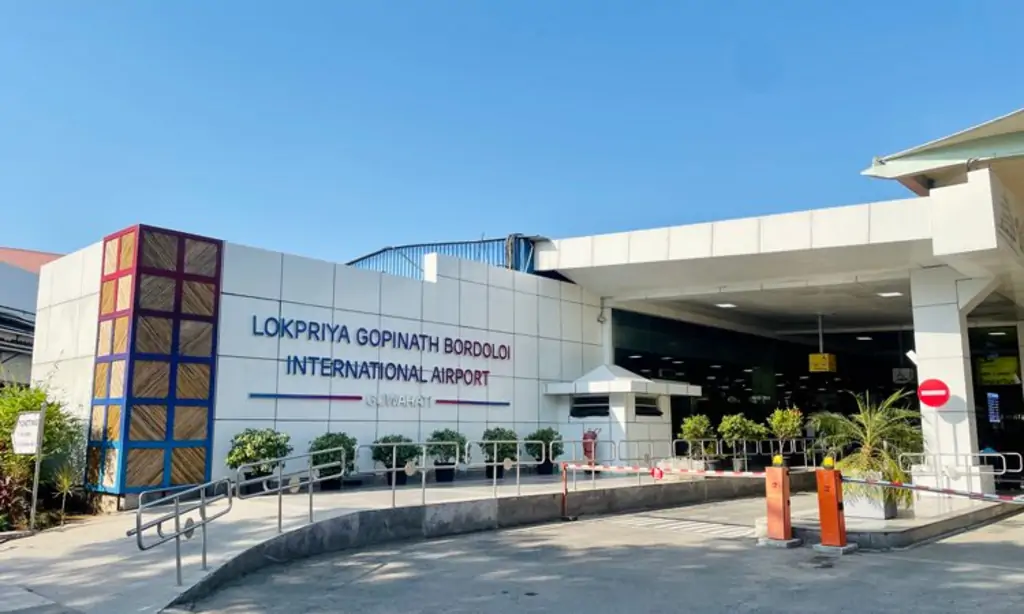
The Lokpriya Gopinath Bordoloi International (LGBI) Airport, Guwahati has witnessed a 15% rise in passenger footfall in June this year to almost five lakh travellers. A spokesperson of the Adani Group-controlled facility said the LGBI Airport in Guwahati recorded a footfall of nearly five lakh passengers in June 2023, witnessing a sharp increase from the corresponding month of the last year.
"Out of the total, nearly 2.95 lakhs were departure passengers and the remaining were arrival travellers. It represented a total increase of 15% compared to last year's June," she added. The official said the airport witnessed nearly 4,000 movements of flights in June 2023, which was higher than the June 2022 figure. The largest airport in the Northeast had handled a record footfall of nearly five lakh passengers in May this year too, indicating that air travel is resurging strongly after the pandemic period.
"The LGBI Airport acts as a gateway to Northeast India along with its 32 domestic and two international destinations for passengers from Guwahati," she added. The Spokesperson further said that Guwahati’s top four national destinations are Delhi, Kolkata, Mumbai and Bengaluru, while the two international locations are Singapore and Paro. "Guwahati Airport is hopeful of consistent growth in the coming winter schedule, starting from October. In the winter season, the rise in the number of passengers will sharpen," she added.
Air travel is seeing strong growth post the pandemic. Northeast’s largest airport also handled a record footfall of around five lakh passengers in May 2023. This increased activity further solidifies the resurgence of air travel in the region.
About the Airport
Lokpriya Gopinath Bordoloi International Airport is an international airport serving Guwahati, the largest city of North-East India in Assam, India, and is also the primary airport of North-East India. It is the 12th busiest airport in India. The airport is managed by the Airports Authority of India and also serves as an Indian Air Force base. Operated by Adani Airports, Guwahati is a joint military/civil airport and is set to receive substantial redevelopment of its infrastructure and facilities. In January 2021, Adani Airports signed a concession agreement with the Airports Authority of India for the operation and management of Guwahati Lokpriya Gopinath Bordoloi Airport under a 50-year contract. Airports Authority of India announced it formally transferred operation and management responsibility for Guwahati Lokpriya Gopinath Bordoloi Airport to Adani Airports on 08-Oct-2021.
Named after the first Chief Minister of Assam, Gopinath Bordoloi, this airport has two terminals — Terminal 1 and Terminal 2. Passengers taking domestic flights head to Terminal 1 which can handle a footfall of 500 passengers. And Terminal 2 caters to international flights with a capacity of handling 125 passengers. With 14 check-in counters, 4 immigration counters and a custom counter, this is a comfortable airport. With air travel witnessing a steady growth post-COVID-19 pandemic, Guwahati Airport’s passenger footfall is also on the rise, and so is tourism to the North East.
The airport has undergone numerous expansions and renovations since its establishment in 1958. It handled more than 3.7 million passengers in 2017, an increase of 36% from 2016. The LGB Airport has witnessed annual traffic of over 23% in 2018–19 with a total footfall of 5.7 million passengers and 55,066 aircraft movements in the same period. The existing terminal building at the airport has a maximum handling capacity of 850 arrival/departure passengers an hour.

Read next
United Giving Away 30,000 MileagePlus Points to Inconvenienced Passengers

Abhishek Nayar
03 Jul 2023
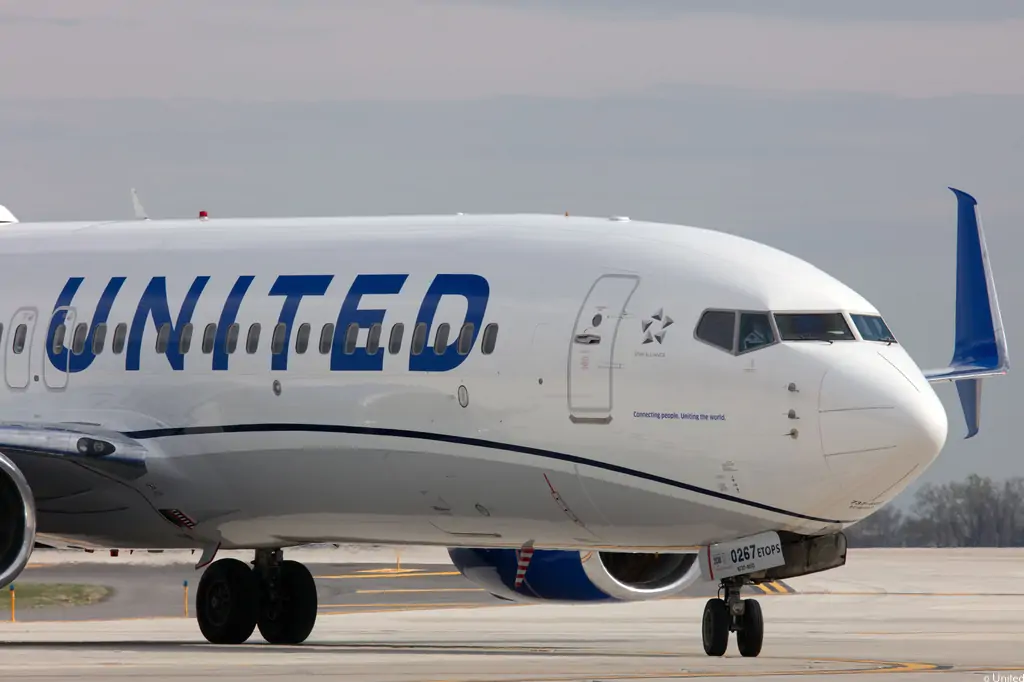
The lead-up to the Fourth of July holiday turned into a nightmare for United Airlines and its passengers. The airline experienced a series of flight delays and cancellations in the Northeast region, causing frustration and inconvenience for travelers. In response to the commotion, United Airlines took steps to mitigate the situation, including offering 30,000 frequent flyer points to the most affected passengers.
United Airlines' Difficult Week
United Airlines, one of the major carriers in the United States, faced a challenging week leading up to the Fourth of July holiday. A combination of factors, including increased travel demand, air traffic congestion, and unforeseen circumstances, resulted in widespread flight disruptions across the Northeast region. The situation garnered attention from various media outlets, with CNBC reporting on the escalating issue.
Flight Delays and Cancellations
Northeast Area Troubles
The Northeast region, a vital hub for United Airlines, experienced a surge in travel during the holiday season. This spike in passenger traffic, coupled with adverse weather conditions and air traffic congestion, led to an influx of delays and cancellations. Many travelers found themselves stranded or facing prolonged waiting times at airports.
Impact on Passengers
Passengers traveling with United Airlines during the week of flight disruptions in the Northeast experienced significant inconveniences. With over 40% of the flights delayed, many travelers had to endure extended waiting times and reschedule their plans. Business travelers faced potential disruptions to important meetings and appointments, while vacationers encountered unexpected hurdles in their travel itineraries.
United Airlines' Response
As the situation escalated, United Airlines took swift action to address the issues and restore customer confidence. Acknowledging their responsibility, the airline worked diligently to find solutions and provide appropriate compensation to the affected passengers.
Alleviating the Issue
Compensation for Affected Passengers
United Airlines recognized the inconvenience caused to its passengers and implemented a compensation plan to mitigate their grievances. The airline offered 30,000 frequent flyer points to the travelers who faced the most significant disruptions. The gesture aimed to demonstrate goodwill and value the loyalty of their frequent flyers.
Other Measures to Improve Service
In addition to the frequent flyer points, United Airlines evaluated their internal processes and logistics to identify areas for improvement. They invested in staff training, infrastructure enhancements, and real-time monitoring systems to minimize future disruptions. The airline also reassessed its communication protocols to ensure passengers receive accurate and timely information about flight changes.
Insights into Frequent Flyer Points
The Value of Frequent Flyer Points
Frequent flyer points are a form of currency awarded to loyal customers by airlines. These points can be redeemed for various benefits, such as free flights, upgrades, and exclusive perks. The value of frequent flyer points depends on the airline's reward program and the redemption options available.
Benefits for Affected Passengers
United Airlines' decision to provide 30,000 frequent flyer points to affected passengers offers them an opportunity to enjoy future benefits. These points can be used for free flights, upgrades to premium cabins, or access to airport lounges. By granting such compensation, United Airlines aims to retain customer loyalty and restore their faith in the airline's commitment to service excellence.
United Airlines and Customer Satisfaction
Customer satisfaction is crucial for airlines to maintain a strong brand image and customer loyalty. United Airlines' response to the flight delays and cancellations is a testament to their dedication to customer satisfaction. By promptly addressing the issue and offering compensation, the airline strives to ensure its passengers feel valued and supported.
Preparations for the Fourth of July
As the Fourth of July holiday approaches, United Airlines is diligently preparing to meet the increased travel demand. The airline is taking proactive measures to minimize disruptions and provide a seamless travel experience for its passengers. By learning from the recent challenges, United Airlines aims to deliver exceptional service during this busy period.
United Airlines CEO's Controversial Actions
Amidst the flight disruptions, controversy arose when it was revealed that United Airlines CEO, Scott Kirby, had utilized a private jet. This revelation drew criticism from customers and the public, who perceived it as a display of insensitivity towards the passengers and staff working tirelessly to handle the situation. The use of a private jet during a period of flight disruptions seemed contradictory to the challenges faced by United Airlines' customers.
The CEO's Apology and Response
Realizing the impact and negative perception surrounding his actions, United Airlines CEO, Scott Kirby, issued an apology. He expressed regret for his insensitivity and acknowledged the hard work of the airline's employees in managing the flight disruptions. Kirby emphasized his commitment to prioritizing customer satisfaction and assured the public that such incidents would not recur in the future. The CEO's apology aimed to rebuild trust and demonstrate United Airlines' dedication to addressing customer concerns.
Conclusion
United Airlines faced a tumultuous week of flight disruptions in the Northeast region due to intense storms and challenging weather conditions. However, the airline responded promptly and implemented measures to alleviate the inconvenience caused to their passengers. Through compensation in the form of frequent flyer points and other service improvements, United Airlines aims to rebuild customer trust and ensure a positive travel experience. However, controversy arose when United's CEO, Scott Kirby, utilized a private jet during the disruptions, leading to criticism and a subsequent apology. As the Fourth of July holiday approaches, the airline is focused on delivering exceptional service and meeting the travel needs of its customers. Moving forward, United Airlines strives to learn from this experience and maintain its dedication to providing excellent service even in the face of challenging circumstances.
With Inputs from CNBC
Read next
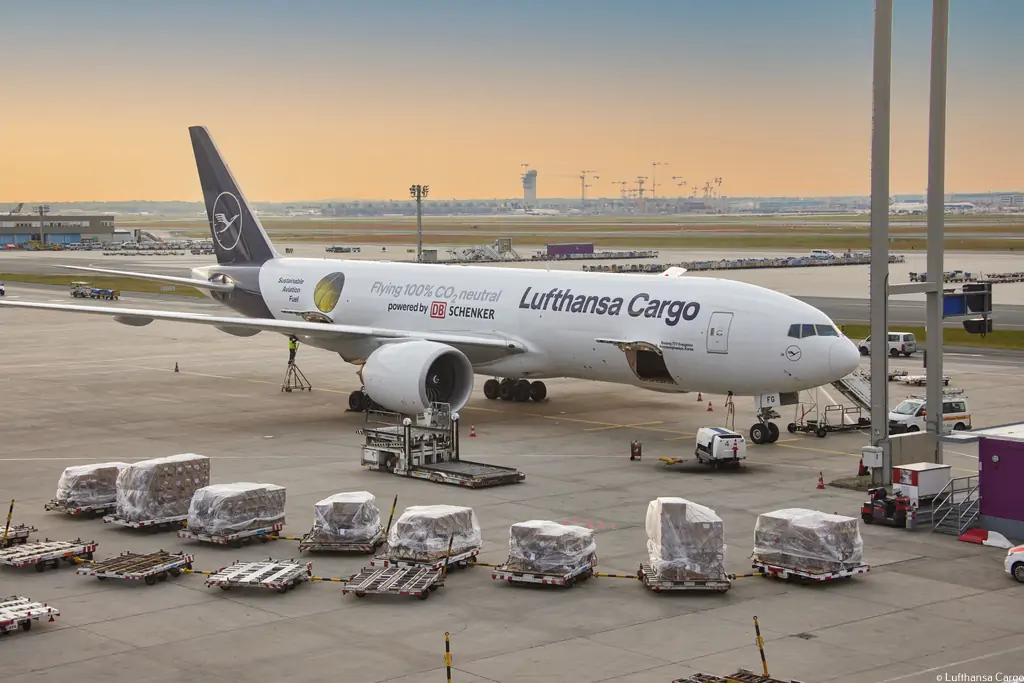
In today's digital age, e-commerce has witnessed exponential growth, with online shopping becoming increasingly popular. As more businesses and consumers engage in online transactions, the demand for efficient and timely freight services has soared. Recognizing this trend, Lufthansa Cargo has taken a proactive approach to enhancing its e-commerce capabilities.
The Significance of E-Commerce Operations
E-commerce operations play a crucial role in the global economy. With the proliferation of online marketplaces, consumers have access to a vast array of products from around the world. This has necessitated the development of sophisticated logistics networks to ensure the smooth movement of goods. Lufthansa Cargo, as a leading cargo airline, recognizes the importance of staying at the forefront of this digital revolution.
Lufthansa Cargo's Focus on E-Commerce
Understanding the evolving needs of its customers, Lufthansa Cargo has made e-commerce a strategic priority. By aligning its operations with the demands of the digital economy, the airline aims to provide seamless, reliable, and efficient cargo services. The introduction of the third Airbus A321 converted freighter is a significant step in this direction.
The Addition of the Airbus A321 Freighter
Lufthansa Cargo's fleet expansion includes the addition of the Airbus A321 converted freighter. This state-of-the-art aircraft offers exceptional capabilities tailored to meet the specific requirements of cargo transportation. With its increased payload capacity and advanced technology, the A321 freighter is an ideal choice for Lufthansa Cargo to optimize its e-commerce operations. The main deck currently contains 14 pallet and container positions, and the lower deck has 10. This, according to the airline, allows for a maximum cargo capacity of 28 tons and a range of 3,500 kilometers. The narrowbody jet has a maximum takeoff weight of 89 tons and a cruise speed of 840km/h.
Lufthansa Cargo labels its aircraft after the markets across which they operate. The newly acquired Airbus A321F has been designated 'Dia dhuit Ireland,' which translates as 'God bless you, Ireland.' The designations of the other two A321 freighters are 'Merhaba Türkiye' and 'Hello Europe.'
Benefits of the Airbus A321 Converted Freighter
The Airbus A321 converted freighter brings several benefits to Lufthansa Cargo. Firstly, its larger cargo capacity enables the airline to transport a higher volume of goods, meeting the growing demands of the e-commerce sector. The aircraft's range and efficiency allow for seamless operations across Lufthansa Cargo's extensive European route network.
Enhancing Efficiency and Reliability
By incorporating the Airbus A321 freighter into its fleet, Lufthansa Cargo can enhance the efficiency and reliability of its e-commerce operations. The aircraft's advanced features, such as optimized loading capabilities and improved fuel efficiency, contribute to streamlined logistics processes. This translates into faster delivery times, reduced costs, and an overall enhanced customer experience.
Expanding E-commerce Reach
The addition of the Airbus A321 freighter allows Lufthansa Cargo to expand its e-commerce reach across Europe. With its extensive network of destinations, the airline can provide seamless connectivity for businesses looking to distribute their products to a wide customer base. By offering reliable and efficient freight services, Lufthansa Cargo enables e-commerce companies to thrive in the competitive online marketplace.
Strengthening Lufthansa Cargo's Competitive Position
In the rapidly evolving air cargo industry, staying competitive is essential. The strategic addition of the Airbus A321 converted freighter allows Lufthansa Cargo to differentiate itself from competitors and strengthen its position in the market. By investing in advanced aircraft tailored to e-commerce requirements, the airline demonstrates its commitment to delivering exceptional value to customers.
Conclusion
Lufthansa Cargo's acquisition of the third Airbus A321 converted freighter is a testament to its dedication to improving e-commerce operations. By leveraging advanced technology and expanding its cargo capabilities, the airline aims to provide seamless, efficient, and reliable freight services to meet the demands of the digital economy. With its focus on enhancing the customer experience and strengthening its competitive position, Lufthansa Cargo is poised to play a pivotal role in the future of e-commerce logistics.
With Inputs from Planespotters.net
Read next
CAE Foresees the Requirement for 1.3 Million Aviation Personnel Within the Coming Decade
Abhishek Nayar
03 Jul 2023
According to CAE's Aviation Talent Forecast, the world is expected to require approximately 1.3 million additional civil aviation professionals over the next decade. This staggering figure reflects the rapid expansion of the worldwide aviation sector and the increasing need for skilled individuals to fill various roles within the industry. From pilots and cabin crew to engineers, technicians, ground handlers, and managers, there is a diverse range of vocations that play a vital role in ensuring safe and efficient air travel.
The Projected Expansion of the Worldwide Aviation Sector
The global aviation sector is poised for substantial growth in the coming years. With emerging markets, the rise of low-cost carriers, and increasing passenger demand, airlines are expanding their fleets and routes to cater to a larger customer base. This expansion translates into a higher demand for aviation professionals who can operate and manage these growing fleets effectively.
Theorized Figures
The industry requires around 1.2 million new commercial aviation personnel and approximately 106,000 new business aviation professionals. By 2032, this is expected to include 284,000 additional pilots, 402,000 aircraft maintenance technicians, and 599,000 new cabin personnel. Passenger traffic has increased significantly this year compared to the previous three years, with certain places exceeding pre-pandemic levels. The numbers are projected to rise further, leading to higher demands for aircraft and services. CAE forecasts a 39% increase in commercial aircraft and an 18% rise in business jets.
The Need for a Diverse Range of Aviation Professionals
The aviation industry relies on the expertise and collaboration of various professionals to ensure the smooth functioning of operations. Apart from pilots and cabin crew, the industry requires engineers and technicians to maintain and repair aircraft, ground handlers to handle baggage and facilitate airport operations, and managers to oversee airline operations and ensure regulatory compliance. Each role is essential in its own right and contributes to the overall efficiency and safety of the aviation ecosystem.
The Impending Retirement Wave and the Need for Succession Planning
One of the significant factors contributing to the demand for aviation professionals is the impending retirement wave. Many experienced individuals in the industry are approaching retirement age, creating a need for succession planning and the training of new talent to fill their positions. Without adequate preparation, the industry could face a shortage of skilled professionals, potentially impacting safety standards and operational efficiency.
Addressing the Skills Gap through Training and Education
To meet the growing demand for aviation professionals, training and education play a vital role. Airlines, training organizations, and regulatory bodies collaborate to design comprehensive training programs that equip individuals with the necessary skills and knowledge to excel in their respective roles. These training programs encompass a range of theoretical and practical modules, enabling aspiring aviation professionals to develop the competence required to navigate the dynamic aviation landscape.
Harnessing Technology and Simulation in Aviation Training
In the quest for excellence and safety, the aviation industry has embraced technological advancements in training methodologies. Simulation-based training, utilizing cutting-edge flight simulators and virtual reality, allows aspiring pilots to gain hands-on experience in a controlled environment. Similarly, maintenance technicians and ground handlers can benefit from realistic simulations that replicate real-world scenarios, enhancing their skills and decision-making abilities.
The Role of Airlines and Training Organizations in Talent Development
Airlines and training organizations play a pivotal role in nurturing and developing talent within the aviation industry. Through partnerships and collaborations, airlines often sponsor training programs and offer opportunities for aspiring professionals to gain practical experience. Training organizations, on the other hand, provide specialized courses and certifications that align with industry standards, ensuring that graduates possess the requisite qualifications for their desired roles.
Attracting the Next Generation: Promoting Careers in Aviation
To sustain the growth and vitality of the aviation industry, it is crucial to attract the next generation of aviation professionals. Promoting careers in aviation requires highlighting the diverse opportunities available and dispelling common misconceptions. By engaging with schools, colleges, and communities, the industry can inspire young individuals to pursue careers in aviation, ultimately ensuring a continuous supply of talented professionals.
Conclusion
In conclusion, CAE's Aviation Talent Forecast sheds light on the significant demand for civil aviation professionals in the coming decade. The expansion of the worldwide aviation sector, coupled with the imminent retirement wave, necessitates proactive measures to attract, train, and retain talent. By investing in comprehensive training programs, harnessing technology, and simulation, and promoting careers in aviation, the industry can meet the growing demand and maintain the highest standards of safety and efficiency.
With Inputs from CAE
Read next
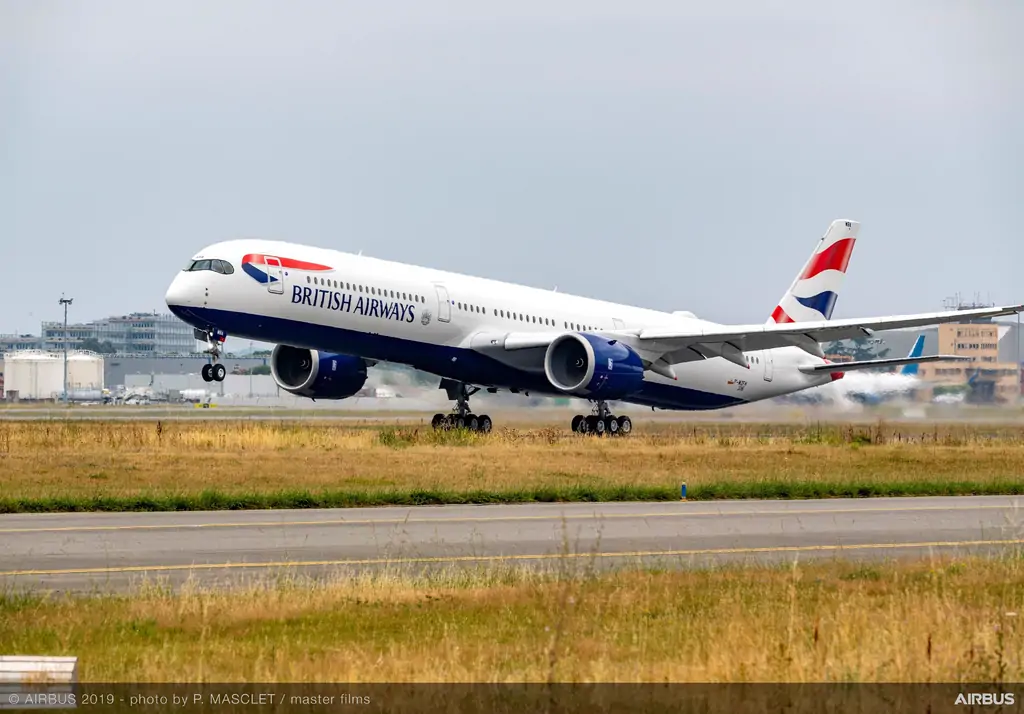
In a recent announcement, the International Airlines Group (IAG) revealed its decision to convert ten A320neo family options into firm orders. This move comes as part of IAG's ongoing efforts to enhance its aircraft fleet and strengthen its position in the aviation industry.
Background on the International Airlines Group (IAG)
The International Airlines Group (IAG) is one of the world's largest airline groups, formed through the merger of British Airways and Iberia in 2011. It has since expanded its portfolio, adding Aer Lingus, Vueling, and Level to its list of subsidiaries. With a strong presence in both the European and international markets, IAG serves millions of passengers each year and operates a diverse range of aircraft.
The A320neo Family
The A320neo family is a series of next-generation aircraft manufactured by Airbus. The term "neo" stands for "new engine option," highlighting the primary enhancement of these planes—their more fuel-efficient engines. The A320neo family includes the A319neo, A320neo, and A321neo, offering airlines a range of options suitable for various route lengths and passenger capacities.
IAG's Firm Orders
On September 22, 2022, IAG submitted a circular disclosing its ownership of options for ten additional A320neo jets. In a recent message to shareholders on June 30, 2023, the company confirmed its decision to convert these options into firm orders. By doing so, IAG secures its commitment to acquiring these aircraft and further strengthening its fleet.
The IAG's Expansion Strategy
Meeting Growing Demand: The aviation industry is experiencing a surge in demand for air travel, driven by the steady recovery from the global pandemic and the increased desire for international mobility. By adding ten more A320neo family aircraft to its fleet, IAG aims to meet this growing demand and expand its reach to new markets.
Enhancing Fuel Efficiency: The A320neo family's advanced engines are designed to reduce fuel consumption by up to 20% compared to previous models. With the rising focus on sustainability and environmental responsibility, this move aligns perfectly with IAG's commitment to reducing its carbon footprint and contributing to a greener aviation industry.
Leveraging the A321neo Advantage: In addition to the A320neo jets, IAG's option to convert certain aircraft into A321neos offers even more benefits. The A321neo offers increased capacity and range, providing the airline group with the flexibility to operate longer routes and serve more passengers efficiently.
Conversion Options to A321neos
In addition to the firm orders for A320neo jets, IAG stated that it has the option to convert certain aircraft into A321neos. The A321neo is the largest member of the A320neo family, offering increased passenger capacity and longer-range capabilities. This flexibility allows IAG to adapt its fleet composition based on specific operational needs and market demands.
Benefits of the A320neo and A321neo
The A320neo and A321neo aircraft offer numerous benefits to airlines like IAG. Their new engine technology significantly reduces fuel consumption, leading to lower operating costs and reduced environmental impact. Additionally, these planes feature enhanced aerodynamics, improved cabin comfort, and advanced avionics, ensuring a superior travel experience for passengers.
Impact on IAG's Operations
The conversion of the A320neo options into firm orders and the potential conversion to A321neos will have a notable impact on IAG's operations. By introducing these modern and fuel-efficient aircraft, IAG can optimize its fleet for improved performance, increased capacity, and a reduced emissions. The ability to adapt the fleet composition based on route demands allows IAG to offer more flexibility to its passengers while maintaining a competitive edge in the market.
Conclusion
IAG's decision to convert ten A320neo family options into firm orders showcases its commitment to staying at the forefront of the aviation industry. By leveraging the benefits of the A320neo and potentially expanding into the A321neo, IAG ensures a more efficient and environmentally friendly fleet. This strategic move allows the airline group to meet growing passenger demands, enhance operational capabilities, and solidify its position as a leading player in the global aviation market.
With Inputs from AeroTime
Read next
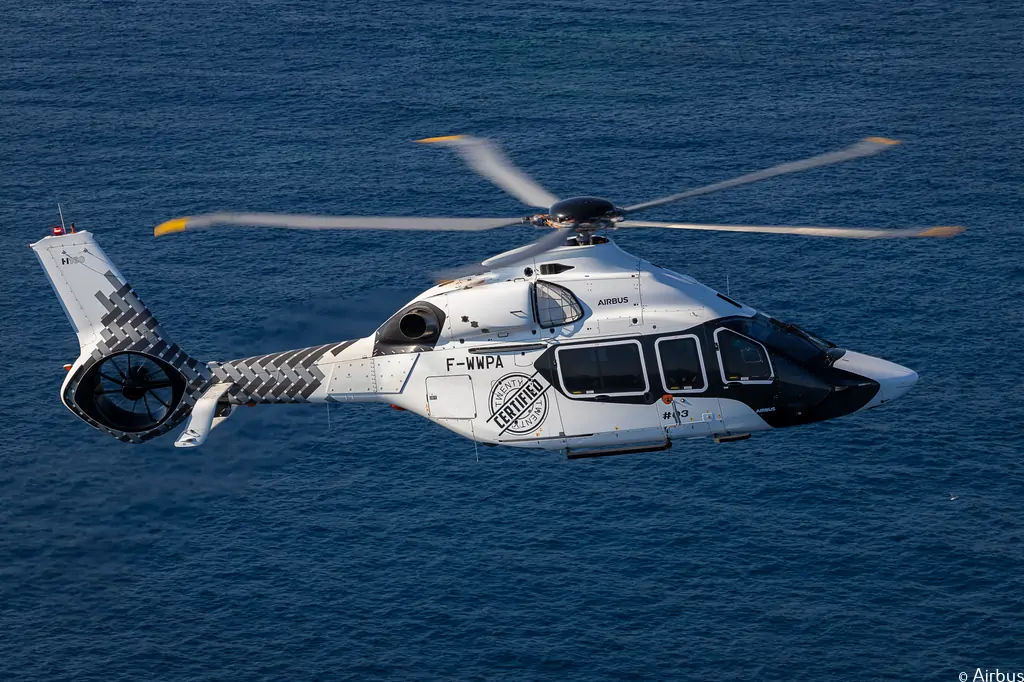
Airbus Helicopters has announced that its medium-class H160 helicopter has received certification from the Federal Aviation Administration (FAA) three years since it was granted European-type approval.
This multirole helicopter type, designed for a broad range of civilian missions from offshore transportation to VIP transport and emergency services, has already received the analogous certification from the European Union Aviation Safety Agency (EASA) back in 2020. European regulators approved the H160 on 1 July 2020 and it has since been certificated by the authorities in Japan and Brazil. To date, the in-service fleet has accumulated over 1,700 flight hours.
“We are pleased to receive FAA certification for the H160, which is a testament to many years of hard work and commitment from our teams to deliver this multirole helicopter to the customers in North America who have already placed their trust in the H160. This aircraft features the highest level of innovation and we are confident that its advanced capabilities, along with our strong customer support network, will solidify its position as the preferred choice for customers in the US” says Bruno Even, chief executive of Airbus Helicopters.
Airbus Helicopters had expected US certification to be much quicker, but factors including the Covid pandemic, internal issues at the FAA, and a cockpit screen-blanking flaw combined to slow the process. FAA approval will enable the start of deliveries in the USA, alongside a route-proving study to be conducted by oil and gas operator PHI for customer Shell.
Orders from around the world
Airbus Helicopters has so far received more than 100 orders from around the world, with several already operating in Europe, Japan, Brazil, and Saudi Arabia. Additionally, orders for the H160 have been received from about a dozen American customers, who will now be able to operate the type in their home country. Plans have been underway for several years to ensure a smooth entry into service for the H160, including the previously announced addition of North America’s first H160 level D full flight simulator (FFS). The FFS is expected to be ready for use as early as the second half of 2025 and will be located at the Helisim Simulation Center inside the Airbus Helicopters, Inc. facility in Grand Prairie, Texas.
About the Helicopter
The Airbus Helicopters H160 (formerly X4) is a medium utility helicopter being developed by Airbus Helicopters. Formally launched at Heli-Expo in Orlando, Florida on 3 March 2015, it is intended to replace the AS365 and EC155 models in the firm's lineup. In June 2015, the first test flight took place. It received its EASA-type certification in July 2020, and its first deliveries were in December 2021.
The H160 is a revolutionary medium-class rotorcraft that sets a new benchmark in terms of safety, comfort, and environmental performance. It features cutting-edge technologies, including noise-reducing Blue Edge rotor blades, a canted Fenestron tail rotor for greater useful load, and Airbus Helicopters’ Helionix avionics suite for the reduced pilot workload. The H160 is a multi-role helicopter ideal for carrying out a variety of missions, including offshore transportation for the energy industry, private and business aviation, emergency medical services, commercial passenger transport, and public services such as Search and Rescue and law enforcement. With its exceptional range, speed, and efficiency, the H160 offers a superior level of performance and flexibility to operators.
Comment