
How Airplane Contrails are Warming the Planet? And it’s Worse than You Think!

Abhishek Nayar
15 Jul 2023

Air travel has become an integral part of modern life, connecting people across the globe. However, the environmental impact of air travel extends beyond just carbon emissions. When we look up at the sky and see the trails left behind by airplanes, known as contrails, we often admire their beauty and marvel at the wonders of modern aviation. However, what many people are unaware of is that these delicate white streaks are not as harmless as they appear. In fact, airplane contrails have a significant impact on our planet's climate, contributing to global warming in ways that are even worse than we might think.
Understanding Contrails
Contrails, short for "condensation trails," are formed when hot exhaust gases from aircraft engines mix with the cold air in the upper atmosphere, about 25,000 feet, when that air is moist and colder than -40 degrees Celsius. This interaction causes water vapor to condense into ice crystals, forming the visible trails we see behind planes. Contrails can persist for hours, spreading out and forming thin cirrus clouds that reflect sunlight back into space.
The Relationship Between Contrails and Climate Change
The Formation Process of Contrails: Contrails form under specific atmospheric conditions, such as cold temperatures and high humidity at high altitudes. The exact conditions necessary for contrail formation vary, but they are most common at cruising altitudes where commercial airliners operate.
The Impact of Contrails on the Atmosphere: Contrails have a two-fold effect on the atmosphere. Firstly, they introduce additional particles, such as soot and sulfur compounds, into the upper atmosphere. Secondly, they alter the natural balance of moisture by adding significant amounts of water vapor.
The researchers used reliable aircraft data from 2006 to simulate the influence of global contrail cloud coverage. They then modelled the influence of contrail clouds until 2050, taking into consideration forecasts for future aircraft traffic and emissions. They discovered a threefold increase in their warming impact throughout that time, as reported in Atmospheric Chemistry and Physics.

The Warming Effect of Contrails
Greenhouse Gases and Radiative Forcing: Contrails contribute to global warming through the release of greenhouse gases, primarily carbon dioxide (CO2) and water vapor. These gases trap heat in the atmosphere, creating a phenomenon known as radiative forcing.
Amplification of Warming by Contrails: Contrails have a unique warming effect due to their ability to form cirrus clouds. These clouds act as a blanket, trapping heat radiating from the Earth's surface and preventing it from escaping into space. The warming effect caused by contrails is more significant than the impact of greenhouse gases alone.
The Magnitude of the Problem
Growth of Air Travel: With the increasing demand for air travel worldwide, the number of flights and contrails has risen dramatically. This growth exacerbates the impact of contrails on the climate system.
Contribution to Global Warming: Studies estimate that contrails' overall climate impact is responsible for approximately 5% of global warming. While this may seem relatively small compared to other sources, the rapid growth of the aviation industry makes contrails a significant contributor to climate change.
The Consequences of Contrails
Increased Cloud Cover: Contrails can spread out and form cirrus clouds, which can persist for hours or even days. These additional clouds contribute to increased cloud cover, altering the Earth's energy balance and further exacerbating global warming.
Regional Climate Effects: Contrails' impact on climate is not evenly distributed but has more pronounced effects in certain regions, such as heavily trafficked air corridors. These areas may experience localized temperature changes and altered precipitation patterns.
Feedback Loops and Climate Sensitivity: Contrails may contribute to positive feedback loops, where their warming effect leads to more contrail formation, resulting in further warming. This positive feedback loop can potentially amplify the overall climate sensitivity to contrails.

Mitigation and Future Solutions
Reducing Contrail Formation: Researchers and aviation experts are exploring various methods to reduce contrail formation. This includes optimizing flight paths to avoid regions conducive to contrail formation, adjusting engine combustion processes, and developing new engine technologies.
Alternative Aviation Technologies: Another approach to mitigating the impact of contrails is the development and adoption of alternative aviation technologies, such as electric aircraft and hydrogen-powered engines. These technologies aim to significantly reduce or eliminate the emissions associated with conventional jet engines.
Conclusion
In conclusion, airplane contrails are a visible sign of modern air travel and a contributor to global warming. The formation of contrails and their subsequent impact on the atmosphere magnify greenhouse gas warming, leading to regional and global climate change. As air travel continues to grow, it is crucial to develop and implement mitigation strategies to address the environmental consequences of contrails and pave the way for a more sustainable aviation industry.
With Inputs from CNN, Science, Yale Environment 360
Read next
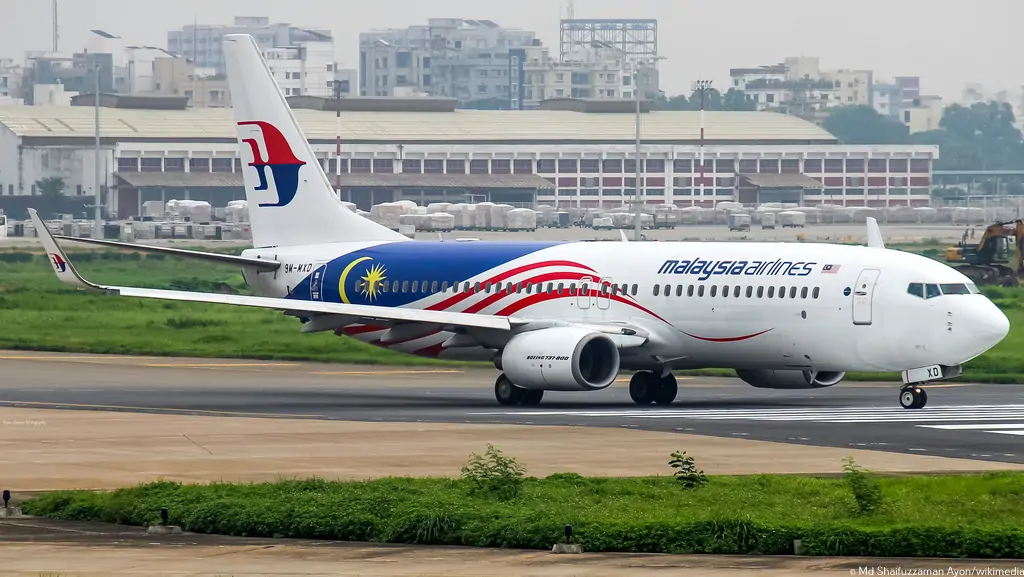
In the wake of the COVID-19 pandemic, airlines around the world have faced unprecedented challenges. The aviation industry took a severe hit, with travel restrictions and reduced passenger demand leading to a significant decline in air travel. As airlines gradually recover, it becomes clear that their commercial development plans may not align with those of the pre-pandemic era. A notable example of this is Malaysia Airlines, which has strategically increased its capacity to India, a market that has shown exceptional demand, surpassing even its top markets such as Australia and China.
Impact of the Pandemic on Airlines' Commercial Development Plans
The pandemic brought international travel to a standstill, causing airlines to face financial crises and operational challenges. As a result, many carriers had to reassess their commercial development plans to align with the evolving travel landscape. The recovery period offers an opportunity to realign priorities and explore new markets.
The Unique Case of Malaysia Airlines
Pre-Pandemic Commercial Development Plan
Before the pandemic, Malaysia Airlines had a diverse range of top markets, including Australia and China. These countries played a crucial role in the airline's network and revenue generation. However, the disruptions caused by the pandemic prompted Malaysia Airlines to reevaluate its market priorities.
Shift in Focus Towards India
One of the significant changes in Malaysia Airlines' commercial development plan is the increased focus on India. The carrier recognized the potential of the Indian market and strategically expanded its capacity to cater to the rising demand. Today, India has become Malaysia Airlines' top market, surpassing other traditionally strong markets.
Malaysia Airlines currently operates 55 weekly flights to six destinations in India. According to Lau, the objective is to increase it to 60 flights in response to increased demand from the country. The airline currently serves six Indian destinations: Delhi, Mumbai, Bengaluru, Hyderabad, Kochi, and Chennai, with aspirations to expand to more South Indian cities such as Trivandrum and Trichy.
Factors Contributing to the Increased Demand in India
Economic Growth and Rising Middle Class
India's economic growth and the expansion of its middle class have contributed to increased air travel demand. With a burgeoning population and a growing appetite for international travel, Indians have become an attractive market for airlines seeking to expand their operations.
Strengthened Bilateral Relations
The strengthening of bilateral relations between Malaysia and India has fostered closer ties and facilitated business and leisure travel between the two nations. This has created opportunities for Malaysia Airlines to tap into the demand for flights connecting major cities in both countries.
Enhanced Connectivity
Improved air connectivity, including the introduction of direct flights and increased frequency of flights between Malaysia and India, has further fueled demand. Passengers now have more options and flexibility, making travel between the two countries more convenient than ever before.
Comparison With Other Top Markets
While India has emerged as Malaysia Airlines' top market, it is essential to compare its growth with other significant markets such as Australia and China. Despite the increased capacity to India, Malaysia Airlines continues to serve these markets, albeit with different levels of emphasis. The shift in focus towards India does not imply neglecting other markets but rather leveraging the specific demand dynamics.
Future Implications and Opportunities
The strategic decision of Malaysia Airlines to prioritize the Indian market demonstrates the airline's ability to adapt and respond to changing market conditions. This move not only positions the carrier for growth but also opens up new opportunities for collaboration and partnerships between Malaysia and India. The airline industry is witnessing a transformation, and Malaysia Airlines' approach serves as a valuable case study for other carriers looking to redefine their commercial strategies in a post-pandemic world.
Conclusion
The recovery of airlines from the pandemic has necessitated a revaluation of their commercial development plans. Malaysia Airlines' increased focus on the Indian market showcases the flexibility and adaptability of airlines in response to changing market dynamics. By capitalizing on the growing demand from India, Malaysia Airlines has been able to establish itself as a leading carrier in this market.
With Inputs from Financial Express
Read next
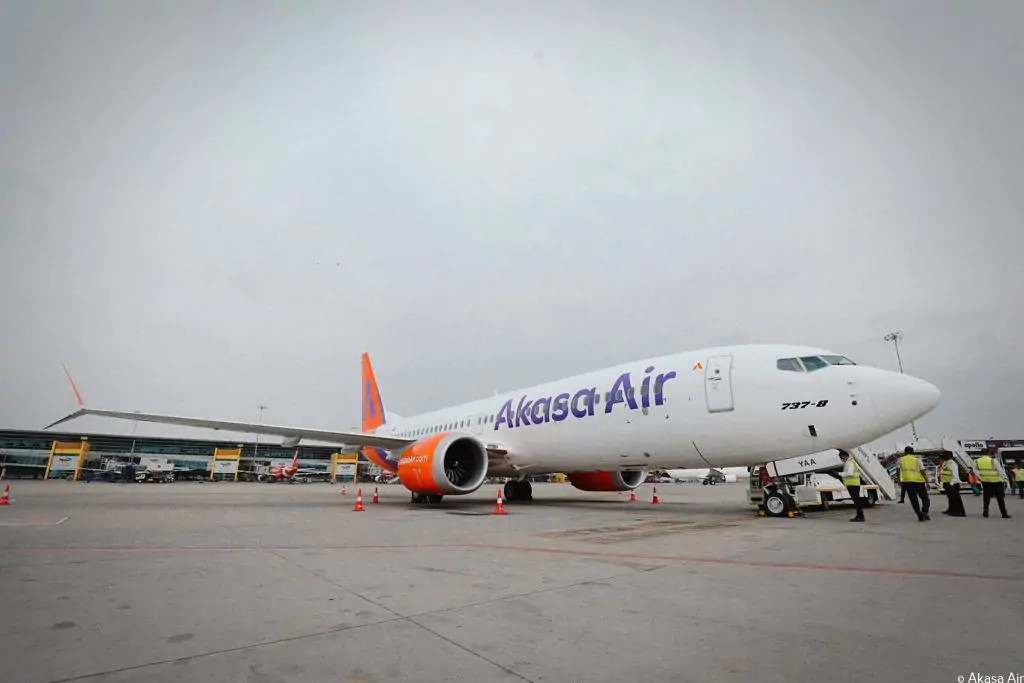
In a dynamic aviation market like India, Akasa Air has emerged as a rising star. With a vision to provide affordable and convenient air travel options, the airline has quickly gained traction since its inception.
Akasa Air's Growth Strategy
To meet the escalating demands of air travel, Akasa Air has devised a comprehensive growth strategy. The airline recognizes that to expand its services and cater to a broader customer base, it needs to strengthen its workforce. By recruiting 800 additional employees by the end of the fiscal year, Akasa Air aims to build a dedicated team capable of managing its growing operations effectively.
Akasa, which translates to "sky," employs over 3,000 people and controls 4.9% of India's aviation market, which is highly competitive and has seen numerous airlines collapse. Former tycoon Vijay Mallya's Kingfisher Airlines Ltd. and Jet Airways India Ltd. are among the companies buried there. Go Airlines India Ltd. is now grounded due to insolvency, while SpiceJet Ltd. is also under pressure following a string of losses.
Expanding the Workforce
Akasa Air's ambitious plan to hire 800 new employees is a significant step towards its expansion goals. The airline will be recruiting professionals from various fields, including pilots, cabin crew, ground staff, and maintenance personnel. This expansion will not only enhance the airline's operational capacity but also create new job opportunities, contributing to the economic growth of the country.
Akasa Air's Unique Selling Proposition
As a low-cost airline, Akasa Air distinguishes itself from its competitors in several ways. The airline focuses on delivering affordable travel options without compromising on quality or customer experience. By providing a single-class arrangement, Akasa Air ensures simplicity and cost-efficiency for its passengers.
Focus on Low-Cost Travel
Akasa Air's commitment to low-cost travel is a testament to its customer-centric approach. By optimizing its operations and minimizing unnecessary expenses, the airline offers competitive ticket prices. This strategy makes air travel accessible to a wider range of passengers, encouraging more people to explore the convenience of flying.
Route Expansion Plans
Akasa Air's route network covers a vast array of destinations within and outside India. The airline's focus on connecting South Asia, particularly the Middle East, Southeast Asia, Sri Lanka, Nepal, and Bangladesh, underscores its determination to cater to the region's travel needs. By expanding its international routes, Akasa Air aims to facilitate seamless travel for both business and leisure passengers.
Captivating Passengers with Excellent Service
While affordability is a key aspect of Akasa Air's appeal, the airline also emphasizes delivering exceptional service to its passengers. With well-trained cabin crew and ground staff, Akasa Air strives to create a pleasant and comfortable travel experience. From boarding to disembarking, the airline prioritizes customer satisfaction, ensuring that each passenger feels valued and well-cared-for.
Ensuring Safety and Reliability
Safety is of paramount importance in the aviation industry, and Akasa Air is committed to upholding the highest standards. The airline adheres to rigorous maintenance protocols and invests in cutting-edge technology to ensure the safety and reliability of its aircraft. By prioritizing safety, Akasa Air instils confidence in its passengers, making air travel a secure and dependable choice.
Sustainable Practices and Future Initiatives
Akasa Air recognizes the importance of sustainability and environmental responsibility. As the airline expands its operations, it aims to incorporate sustainable practices into its business model. From fuel-efficient aircraft to waste management strategies, Akasa Air is actively exploring ways to minimize its ecological footprint. By embracing sustainability, the airline demonstrates its dedication to a greener future for the aviation industry.
Conclusion
Akasa Air's rapid growth in the Indian aviation market has positioned it as a significant player. By envisioning expansion into international operations and bolstering its workforce, the airline is poised to reach new heights. With a focus on low-cost travel, exceptional service, and sustainability, Akasa Air continues to captivate passengers while prioritizing their needs. As the airline embarks on its ambitious journey, it seeks to redefine the flying experience and establish itself as a symbol of affordable and reliable air travel.
With Inputs from Bloomberg
Read next
Air Canada Inaugurates First Maple Lounge at San Francisco International Airport
Abhishek Nayar
14 Jul 2023

Air travel has become an integral part of our lives, connecting us to destinations across the globe. Recognizing the significance of providing passengers with exceptional service, Air Canada has launched its latest Maple Leaf Lounge at San Francisco International Airport (SFO). This lounge aims to elevate the pre-flight experience for eligible customers by offering a comfortable retreat and an array of premium amenities.
The Importance of Airport Lounges
Airport lounges have transformed the way we perceive air travel. No longer confined to uncomfortable waiting areas, travelers now have access to luxurious spaces that offer tranquillity, privacy, and a host of exclusive services. These lounges provide a welcome respite from the hustle and bustle of the airport, allowing passengers to relax, work, or simply unwind before their flights.
Air Canada's Maple Leaf Lounge Expansion
Air Canada's commitment to customer satisfaction is evident through the expansion of its Maple Leaf Lounge network. With the launch of the lounge at San Francisco International Airport, Air Canada now boasts an impressive total of 28 lounges worldwide, reaffirming its position as a leader in the aviation industry. This expansion demonstrates Air Canada's dedication to enhancing the travel experience for its passengers.
"We're thrilled to bring our Maple Leaf Lounge experience to San Francisco International Airport, giving our Bay Area customers a way to enjoy Air Canada's award-winning product and glowing hearted hospitality from the moment they arrive," stated Jacqueline Harkness, Air Canada's Managing Director, Products and Services. "It's another way we're investing to become San Francisco's preferred international travel option."
Location and Design of the New Lounge
Situated in Terminal 2 of San Francisco International Airport, the new Maple Leaf Lounge impresses with its modern and stylish design. The layout has been meticulously planned to create a welcoming environment, incorporating elements of comfort and sophistication. The thoughtfully selected furniture and tasteful décor, contribute to an ambiance that exudes elegance and relaxation.
Premium Amenities and Services
Air Canada understands the importance of providing passengers with an array of amenities and services that cater to their needs. The new Maple Leaf Lounge offers complimentary Wi-Fi, allowing travelers to stay connected and productive during their wait. Charging stations are conveniently located throughout the lounge, ensuring that electronic devices remain powered throughout the journey.
Culinary Delights and Beverage Options
Indulging in delicious cuisine and refreshing beverages is an integral part of the Maple Leaf Lounge experience. Air Canada has curated a menu of culinary delights, showcasing both local and international flavors. Passengers can savor a selection of gourmet dishes prepared with the finest ingredients. A variety of beverages, including premium wines, spirits, and specialty cocktails, are available to complement the dining experience.
The First Outdoor Lounge Terrace
Air Canada's new Maple Leaf Lounge at San Francisco International Airport introduces a unique feature: an outdoor lounge terrace. This innovative addition allows eligible passengers to enjoy fresh air and panoramic views of the airport surroundings. The outdoor terrace provides a serene environment, perfect for unwinding or catching up on work while being immersed in a relaxing atmosphere.
Eligibility and Access
Access to Air Canada's Maple Leaf Lounge at San Francisco International Airport is available to Air Canada Maple Leaf Club members, Star Alliance Gold members, and eligible Air Canada customers. These individuals can enjoy the lounge's premium amenities and services, ensuring a comfortable and convenient start to their journey.
Enhancing the Travel Experience
Air Canada's commitment to customer satisfaction extends beyond its inflight services. With the launch of the new Maple Leaf Lounge at San Francisco International Airport, Air Canada aims to provide passengers with an enhanced travel experience right from the moment they arrive at the airport. By creating a tranquil and luxurious environment, Air Canada ensures that passengers feel refreshed and rejuvenated before their flight.
Conclusion
Air Canada's new Maple Leaf Lounge at San Francisco International Airport is a testament to the airline's dedication to customer comfort and satisfaction. With its modern design, premium amenities, and the addition of an outdoor lounge terrace, this lounge elevates the pre-flight experience to new heights. Whether passengers are traveling to Canada or beyond, the Maple Leaf Lounge provides a haven of relaxation and convenience, setting the stage for a memorable journey.
With Inputs from Air Canada
Read next
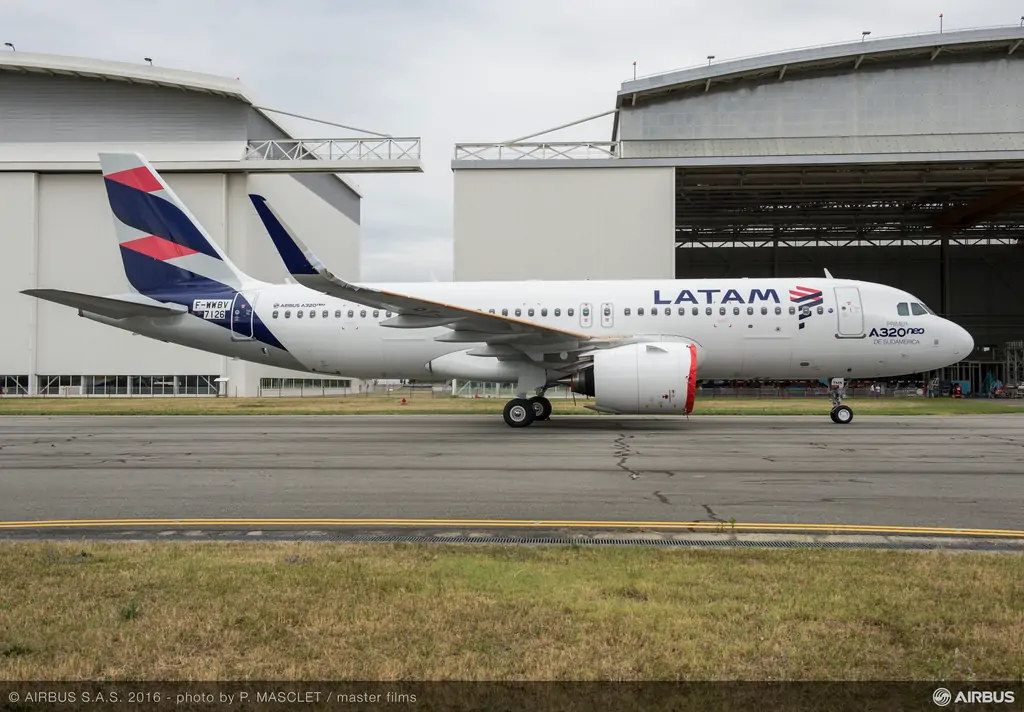
The aviation industry plays a significant role in global transportation, connecting people and goods across the world. However, the industry's carbon emissions have raised concerns about its environmental impact. In response, airlines are actively seeking ways to reduce their carbon footprint. In line with this, LATAM Airlines Group has taken a remarkable step by incorporating Sustainable Aviation Fuel (SAF) during the delivery flight of their new Airbus A320neo aircraft.
The Arrival of a New Airbus A320neo
LATAM Airlines Group proudly welcomed the newest addition to its fleet, the Airbus A320neo. This modern aircraft boasts advanced technological features, offering improved fuel efficiency and reduced emissions compared to previous models. The A320neo incorporates cutting-edge design and innovation to optimize performance and minimize its environmental impact.
Temporary registration for the A320neo is F-WWDA. The plane flew from Toulouse, France, to Fortaleza, Brazil, with 30% SAF fuel derived from discarded cooking oil. This new jet is part of LATAM's fleet renewal programme, which was revealed earlier this year, and will allow the firm to have over 100 A320neo family aircraft by the end of the decade. Ramiro Alfonsín, Chief Financial Officer of LATAM Group, stated,
"This flight is a collaborative effort between LATAM and Airbus, and it represents one of the group's most tangible advances in the use of SAF." We declared last year our intention to use 5% SAF by 2030, with a preference for South American manufacturing, because we are certain that sustainable aviation fuels will play an essential part in the industry's decarbonization."
Embracing Sustainable Aviation Fuel (SAF)
What is Sustainable Aviation Fuel?
Sustainable Aviation Fuel (SAF), also known as biojet fuel or renewable jet fuel, is an alternative to conventional jet fuel derived from fossil fuels. It is produced from sustainable feedstocks, such as agricultural residues, waste oils, or algae. SAF has similar properties to traditional jet fuel and can be used in existing aircraft without requiring engine modifications.
Benefits of Sustainable Aviation Fuel
The adoption of Sustainable Aviation Fuel has several environmental benefits. Firstly, SAF significantly reduces greenhouse gas emissions compared to conventional jet fuel. It has the potential to cut carbon emissions by up to 80%, helping to mitigate the aviation industry's impact on climate change. Furthermore, SAF also reduces other harmful emissions, such as sulphur oxides and particulate matter, which contribute to air pollution and affect air quality.
LATAM Airlines Group's Commitment to Sustainability
Environmental Initiatives
LATAM Airlines Group has been committed to environmental sustainability for many years. The company recognizes the importance of adopting eco-friendly practices to preserve the planet for future generations. By incorporating Sustainable Aviation Fuel into their operations, LATAM Airlines Group demonstrates its dedication to reducing the environmental impact of air travel.
Reducing the Carbon Footprint
The introduction of the Airbus A320neo, along with the use of Sustainable Aviation Fuel, allows LATAM Airlines Group to make significant strides in reducing its carbon footprint. The aircraft's enhanced fuel efficiency, coupled with the lower emissions of SAF, contributes to a more sustainable and environmentally responsible aviation industry.
The Global Trend Towards Sustainable Aviation
Growing Demand for Sustainable Aviation Fuel
The use of Sustainable Aviation Fuel is gaining momentum globally as airlines increasingly recognize its importance in reducing their environmental impact. Airlines around the world are investing in research and development to further improve the production and availability of SAF. This growing demand for Sustainable Aviation Fuel encourages the expansion of its supply chain, making it more accessible to airlines worldwide.
Industry Collaborations and Partnerships
To accelerate the adoption of Sustainable Aviation Fuel, various industry collaborations and partnerships have emerged. Governments, airlines, fuel producers, and aircraft manufacturers are working together to promote the production, distribution, and use of SAF. These collaborative efforts aim to overcome challenges related to feedstock availability, production scalability, and cost-effectiveness, ultimately driving the industry towards a more sustainable future.
Conclusion
LATAM Airlines Group's utilization of Sustainable Aviation Fuel for the delivery flight of their new Airbus A320neo signifies a significant step towards environmental sustainability in the aviation industry. By embracing this alternative fuel source, the company showcases its commitment to reducing carbon emissions and minimizing its environmental impact. As the global trend towards sustainable aviation continues to gain traction, the adoption of Sustainable Aviation Fuel is poised to become a standard practice among airlines, leading the industry to a greener and more sustainable future.
With Inputs from Aviacionline
Read next
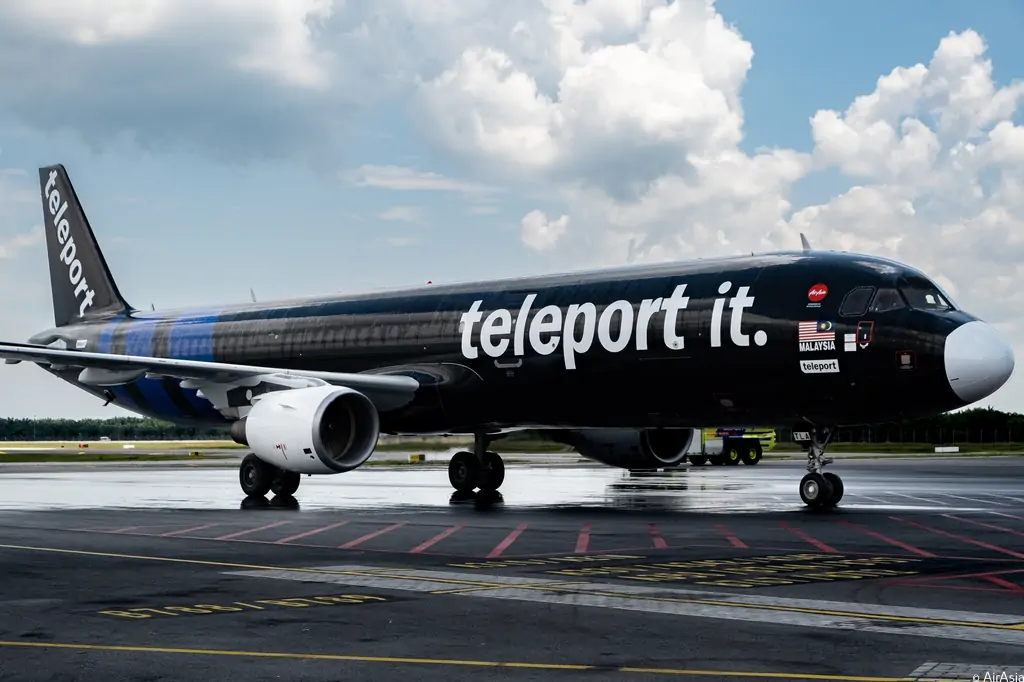
In an ever-evolving world of logistics and transportation, Teleport continues to make significant strides. With its innovative approach and strategic investments, Teleport has successfully established itself as a key player in the Southeast Asian market. The recent induction of the Airbus A321 Freighter is a testament to the company's commitment to excellence and growth.
The Emergence of Teleport
Teleport, which began operations only five years ago in May 2018, has undergone tremendous growth in the prior 24 months, propelling it to a market leadership position in Southeast Asia. This expansion was fueled by three distinct advantages: operating the largest air logistics network in Southeast Asia by utilizing the surplus belly space of 204 AirAsia passenger aircraft; a focus on full digitization and data to coordinate end-to-end e-commerce deliveries; and the continuous addition of deep third-party airline relationships. Today, over 1,500 businesses 'Teleport' their goods to over 80 destinations in Southeast Asia, using one digital Airway Bill, and with a guarantee that 'it arrives tomorrow'.
Strengthening the Air Logistics Fleet
The induction of the Airbus A321 Freighter marks a significant milestone for Teleport, which is poised to consolidate its position as Southeast Asia's market leader in terms of most air cargo volume by tonnage, as certified by the World ACD. This state-of-the-art aircraft, designed specifically for cargo transport, enhances the company's capability to handle large volumes of cargo efficiently. The A321F is equipped with advanced technology, ensuring secure and timely delivery of goods across various destinations.
Advantages of the Airbus A321 Freighter
The Airbus A321 Freighter offers several advantages that make it an ideal addition to Teleport's air logistics fleet:
Capacity and Payload
The A321F boasts an impressive payload capacity, allowing Teleport to transport substantial volumes of cargo. Its spacious cargo hold and optimized design provide ample space for a wide range of goods, ensuring efficient utilization of the aircraft's capacity.
Fuel Efficiency
The A321F is renowned for its fuel efficiency, minimizing operational costs, and reducing environmental impact. This fuel-efficient aircraft enables Teleport to offer competitive pricing while adhering to sustainable practices.
Versatility
With its exceptional range and versatility, the A321F allows Teleport to expand its reach and serve a multitude of destinations. This flexibility enables the company to adapt to evolving market demands and provide seamless logistics solutions to its customers.
Market Leadership in Southeast Asia
Teleport's consistent focus on quality service and innovation has positioned it as the market leader in terms of air cargo volume by tonnage across Southeast Asia. The company's expansive network, combined with its efficient logistics operations, ensures swift and reliable delivery of goods within the region.
The Induction Ceremony
The induction of the first Airbus A321 Freighter into Teleport's air logistics fleet was a momentous event. Industry leaders, stakeholders, and esteemed guests gathered to witness this landmark occasion. The ceremony showcased Teleport's dedication to technological advancement and commitment to delivering exceptional logistics solutions.
His Majesty's Presence
The esteemed presence of His Majesty Seri Paduka Baginda The Yang Di-Pertuan Agong Al-Sultan Abdullah Ri’ayatuddin Al-Mustafa Billah Shah Ibni Almarhum Sultan Haji Ahmad Shah Al-Musta’in Billah added prestige and honor to the induction ceremony. His Majesty's support underscores the significance of Teleport's contributions to the logistics industry and its commitment to economic growth.
Comments
"Today marks the arrival of the number one air logistics company in Southeast Asia," stated Pete Chareonwongsak, CEO of Teleport. From humble beginnings in Malaysia, [676] Teleporters across seven different countries work relentlessly every day to deliver more goods by air than anyone else in Southeast Asia. We have seen our growth accelerate in the past 24 months, to the point where we have established a firm that is profitable and on target to achieve US$200 Million in annual revenues - it is fitting that we celebrate these milestones on the same day as the first of three A321Fs arrives this year."
"The A321Fs are critical for us to maintain and strengthen our dominant position in Southeast Asia because they will allow us to carry more, do more, and cover more - by adding skidded capacity to our extensive air cargo network, and having more control and flexibility to accommodate our customers' diverse needs," Pete added. And, with the first A321F stationed in Kuala Lumpur, it is the ideal hub, since its 5-hour flight range allows it to reach over 80 destinations in Southeast Asia and 80 more in Asia Pacific."
"My sincere congratulations to Pete and his team at Teleport for their induction of the first A321F into their fleet," says Tony Fernandes, CEO of Capital A Berhad, Teleport's investment holding company. This is a triumph for Capital A as it reinforces our diversification and development plan to be a value oriented, low-cost, high-quality aviation and travel business. Our belief in Teleport's future grows as we foster collaborations with other Capital A businesses to position Teleport not only as a profitable and affordable player in the air logistics industry, but also as a reliable delivery partner for Capital A entities such as the Superapp. Together, we are positioned to seize extraordinary possibilities and provide outstanding value to our clients."
Conclusion
Teleport's induction of the Airbus A321 Freighter into its air logistics fleet marks a significant milestone for the company. With its advanced features and capabilities, the A321F strengthens Teleport's position as the market leader in terms of air cargo volume by tonnage in Southeast Asia. The support and presence of His Majesty Seri Paduka Baginda The Yang Di-Pertuan Agong Al-Sultan Abdullah Ri’ayatuddin Al-Mustafa Billah Shah Ibni Almarhum Sultan Haji Ahmad Shah Al-Musta’in Billah further exemplify the recognition of Teleport's achievements and its commitment to excellence.
With Inputs from Air Asia
Comment