

The earthquakes in Turkey and Syria left thousands of damaged buildings in their wake and astonished the world. An airport runway in Turkey's Hatay province was shown being torn in half by the earthquakes in a video that appeared online after the 7.8 magnitude earthquake.
Airport runway in Turkey's Hatay province
The shock waves from an earthquake affected the runway. But can it affect a plane flying above it, far high in the sky? Intuitively, no! It can appear absurd to even ask a question like this at first but consider this:
The components of the Earth we interact with are made up of more than rock; they also include massive oceans and a layer of gas 1,000 kilometers above the crust. Why shouldn't the atmosphere be affected by earthquakes in the same way as tsunamis on the bottom agitate the water above it?
Seismic waves released by earthquakes include Pressure Waves (P Waves) and Shear Waves (S Waves). S Waves cannot pass through liquids or gases; thus, when P Waves leave a solid object, like the crust, and enter the atmosphere, they manifest as Sound Waves. P Waves, however, often register below the 20-hertz hearing threshold. Infrasound is the term used by scientists to refer to waves in this range.
Most of the time, when individuals "hear" an earthquake, they don't hear any seismic waves. Instead, they can hear the sound made when seismic waves pass through solid objects, like a building and its contents rumbling.
Seismic Waves after an Earthquake are not heard. The waves pass through buildings and create rumble.
These sounds and the infrasound waves we just stated would not be audible from an airplane in the air. The waves gradually lose energy as they pass through the air due to a process known as “Attenuation”. The same explanation explains why the sound of the engine of an airplane is soft from across the airport and louder when at the runway. Attenuation is also why sunlight's intensity decreases when it must pass through ocean or atmospheric layers.
Therefore, even if seismic waves were to reach the standard cruising height of 30,000 feet, their strength would be so attenuated as a result of traveling through rock and air that the noise and motion of the airplane itself would be too great to drown out the waves. You wouldn't hear the earthquake from the aircraft and certainly wouldn't feel it.
Thus, even technically, an earthquake would not affect the flying plane. Although an Airline and US Air Force Pilot Ron Wagner encountered a different experience.
He remembered doing a night flight from one air force installation in Washington to another in Arkansas while piloting an aircraft.
It was nighttime, with a cloud ceiling of roughly 3000 feet. The cockpit windows appear to have been painted black in those conditions. As the Pilot spoke to approach control and was being vectored by them, they could see nothing but darkness inside the clouds.
They abruptly emerged from the cloud base. It was completely clear below them, and they could see lights for miles, including the base's rotating beacon and runway lights. They turned towards the runway after reporting to approach control that they could see the airport and had been given permission for a visual approach.
Then, he claimed, everything went pitch black once more, just as swiftly as the lights had appeared. They called approach to let them know they had lost visibility and wanted to continue vectors since they believed they had flown back into a cloud. But there was no reply from the tower.
They then verified their position using their navigational instruments but soon realized their flags were red, indicating that the ground signal had been lost. When their transponder stopped blinking, they realized they were no longer being radar-painted. There was no response from the approach, even after multiple calls.
And just then, a "very excited controller" called the plane as they were ready to change frequencies.
“They’d just had a big earthquake, which knocked out all power,” Mr. Wagner said. “He asked us to orbit visually on our own while they got things up and running again. That was the scary part because we saw nothing but black.”
According to Mr. Wagner, there is a chance that a tall antenna in the plane's path won't be visible since its lights won't be on because of the power loss. Although the radar wasn't back yet, the controller assured him that "we were in the clear at our altitude" because "he knew the area well, and we were in the clear at our altitude.”
“We continued to orbit — seeing nothing else in the whole world but the red glow from our flight instruments,” Mr. Wagner continued.
“Finally the runway lights came back on. The controller then told us to continue to orbit while they sent some trucks down the runway to check for cracks. We were told the runway was fine a few minutes later, so we finally went in visually and landed.”
Earthquakes won't directly affect a flying plane above it
Therefore, earthquakes can affect pilots in the same way they affect everyone on the ground and by extension, the plane and everyone else on it.
But would you experience or hear an earthquake from a plane flying ten kilometers above it? No, you wouldn't likely notice anything.
With Inputs from: Forbes

Read next
India jumps to 55th from 112th position in ICAO aviation safety oversight ranking: DGCA

Admin
11 Feb 2023

India's aviation safety oversight ranking has jumped to the 55th position from 112th place earlier, with a significant improvement in the country's score under the ICAO coordinated validation mission, according to regulator DGCA.
Under its Universal Safety Oversight Audit Programme (USOAP) Continuous Monitoring Approach, an ICAO Coordinated Validation Mission (ICVM) was undertaken in India from November 9 to 16, 2022.
"After the final report India's safety oversight capability ranking has climbed from 112 to 55. It may be noted that this ranking is dynamic and is contingent upon the outcomes of various Audits undertaken by ICAO," the Directorate General of Civil Aviation (DGCA) said in a statement on Friday, February 10.
ALSO READ - DGCA assures India’s aviation sector performed best to date in the ICAO safety audit
The International Civil Aviation Organization (ICAO) undertakes audits of all the contracting states under this programme. Last year's mission to India covered the areas of LEG, ORG, PEL, OPS and AGA on-site while the area of AIR was validated virtually during the same period.
The Effective Implementation (EI) of six areas were assessed. LEG is Primary Aviation Legislation and Specific Operating Regulations; ORG is Civil Aviation Organisation; PEL is Personnel Licensing and Training; OPS is Aircraft Operations; AGA is Aerodrome and Ground Aid and AIR is Airworthiness of Aircraft.
The ICAO team reviewed the progress in addressing 137 Protocol Questions (PQs) and subsequently, "the status of 101 PQs were changed to satisfactory and that of 1 PQ to not applicable.. the status of 35 PQs remained not satisfactory, resulting in an updated overall EI of 85.65%," the statement said.
According to the statement, as the scope of the mission did not include the areas of AIG and ANS, the updated overall EI of 85.65% is calculated based on the latest USOAP results on record for these two areas. AIG is Aircraft Accident and Incident Investigation, and ANS is Air Navigation Services.
During the mission, the team visited industry and service providers to validate the capability of the country to supervise the activities of these service providers, airlines and organisations.
ALSO READ - India moves up to 48th position in the global aviation safety ranking by ICAO
The USOAP audit of the civil aviation system of India conducted in 2017 generated an overall EI of 55.15% for the eight critical elements of the country's safety oversight system. During the ICVM conducted in India in 2018, the ICAO team reviewed the progress made in the areas of LEG, ORG, AIG, ANS, and AGA. Then, the score improved to 69.95%, the statement said.
Read next
Air India SATS to develop a multi-modal cargo hub at the upcoming Noida International Airport
Admin
11 Feb 2023

The Noida International Airport (NIA) has selected Air India SATS (AISATS), a leading organisation in the cargo and logistics sector, to develop a multi-modal cargo hub (MMCH) at the upcoming airport, an official statement said on Friday, February 10.
Spanning 80 acres of land, the upcoming cargo hub will provide quick, convenient and intermodal connectivity to and from manufacturing hubs in the country. As of now India Gandhi International Airport in Delhi is ranked number one as the biggest cargo hub in India.
ALSO READ - Noida International Airport to become a significant MRO hub in India
Air India SATS to develop a multi-modal cargo hub at the upcoming Noida International Airport
The cargo and logistics infrastructure and ecosystem will cater to a differentiated catchment and several upcoming industrial clusters in NCR and Uttar Pradesh, creating a cargo gateway for Northern India, the statement added.
"We are convinced that our novel approach to plan and develop a multi-modal cargo hub with integrated facilities and seamless processes will support the cargo and logistics industry in North India. The Noida International Airport cargo hub will help Western Uttar Pradesh and the NCR fully develop its cargo and logistics potential.
The multi-modal cargo hub will bring predictability in operations and address existing logistics bottlenecks through digitisation and enable seamless and fast processes. We are confident that Air India SATS (AISATS) is the perfect partner to bring this vision to life, owing to its global footprint and long-standing experience. We look forward to this strategic partnership with AISATS to make NIA a preferred cargo hub in Northern India."
Christoph Schnellmann, CEO, Noida International Airport
AISATS has expertise in ground and cargo handling and is present at five airports in India. It handles 1,30,000 flights annually both in cargo and ground handling.
According to the statement, the MMCH will comprise an integrated cargo terminal combined with an integrated warehousing and logistics zone. This unique logistics zone will offer a transhipment centre, as well as a warehouse zone for freight forwarders and integrators. The MMCH will also provide for transportation facilities to support road-to-road, road-to-air, and air-to-road movements.
"We are excited to partner with Noida International Airport to build a state-of-the-art, modern, and efficient cargo infrastructure, by making the best use of technology. India is envisioned to become the next logistics hub for the world and the government is taking necessary measures to make logistics more efficient and globally competitive.
We are aiming to develop world-class infrastructure to deliver a seamless, best-in-class cargo experience for all stakeholders. Catering to a large catchment area with a huge growth potential owing to multi-modal connectivity, we are certain that this multi-modal cargo hub will truly become the gateway to North India."
Sanjay Gupta, CEO, Air India SATS
Overall, the infrastructure at Noida International Airport's MMCH is focused on efficiency, scalability, seamless process flows as well as common digital infrastructure and systems.
ALSO READ - Noida International Airport (NIA): A Sneak Peek
Construction work of the first phase of the Noida International Airport in Jewar, Gautam Buddh Nagar, some 75 km off Delhi, is currently underway and scheduled to be completed in 2024.
Air India has a detailed plan to connect every product of UP to the rest of India
Natarajan Chandrasekaran, Chairperson of Tata Sons at the Uttar Pradesh Global Investors Summit, which kicked off on February 10 said “Air India has a detailed plan to connect every product of UP to the rest of India and potentially to the important destinations of the world.”
Chandrasekaran also noted that the group has huge investments in Noida - both from the TCS and Air India point of view. “We are going to build an integrated multimodal air cargo through Air India SATS with our partner Zurich airport in the new Jewar airport.”
Read next

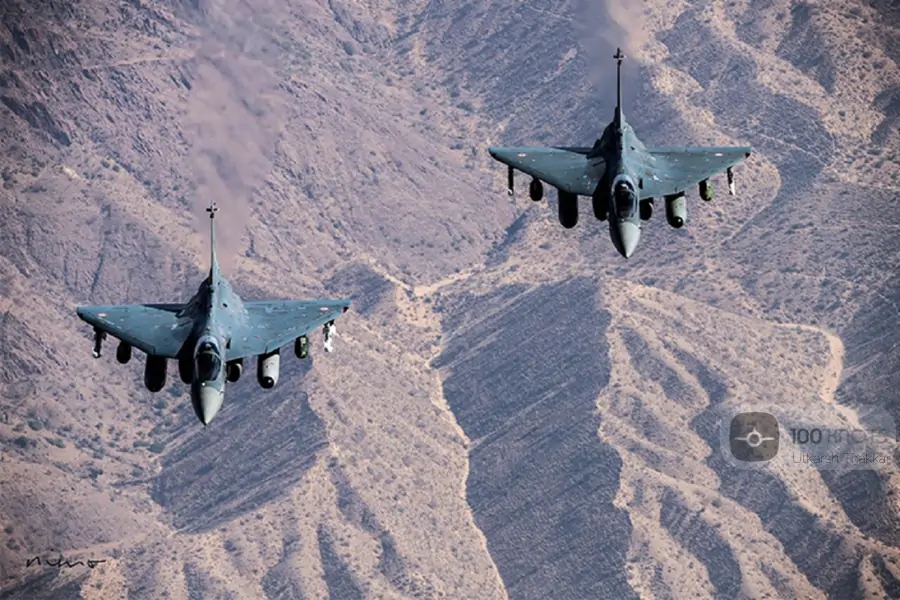
Hindustan Aeronautics Limited (HAL) is a state-owned aerospace and defence company based in India and is one of the leading aerospace companies in the country. The company is now set to launch a new aircraft, the LCA Mark 1A, by February 2024.
This exciting news was announced by the Chairman and Managing Director of HAL, R Madhavan, during a recent press conference.
The LCA Mark 1A is an upgraded version of the Light Combat Aircraft (LCA) Tejas, which was developed and produced by HAL. The new aircraft is expected to feature advanced technologies and improved capabilities compared to its predecessor.
According to Mr. Madhavan, the LCA Mark 1A will be equipped with cutting-edge avionics, an AESA radar, and an electronic warfare suite, among other advanced features.
One of the key goals of the LCA Mark 1A project is to make the aircraft more affordable for the Indian Air Force. HAL is working closely with various government agencies to reduce the cost of production and make the aircraft more accessible to the Indian military.
The company is also investing in new manufacturing technologies and processes to increase the efficiency of the production line and reduce the overall cost of the aircraft. The LCA Mark 1A is also expected to have improved combat capabilities compared to the original LCA.
The aircraft will be equipped with more advanced weapons and sensor systems, as well as a longer range and improved maneuverability. These upgrades are designed to increase the aircraft's survivability and effectiveness in combat situations.
In addition to its military applications, the LCA Mark 1A is also expected to have significant potential for export. The Indian government is actively promoting the aircraft to countries in the region, and HAL is working closely with various international partners to promote the aircraft's capabilities and secure export orders.
In conclusion, the launch of the LCA Mark 1A is a significant step forward for India's aerospace and defence industry. The aircraft is expected to be a game-changer for the Indian Air Force, offering advanced capabilities and improved performance at a more affordable price.
The LCA Mark 1A is also expected to have a significant impact on India's export market, as the country continues to establish itself as a major player in the global aerospace and defence industry. We can expect to see the LCA Mark 1A in the skies by February 2024, and we are excited to see what the future holds for this cutting-edge aircraft.
Read next

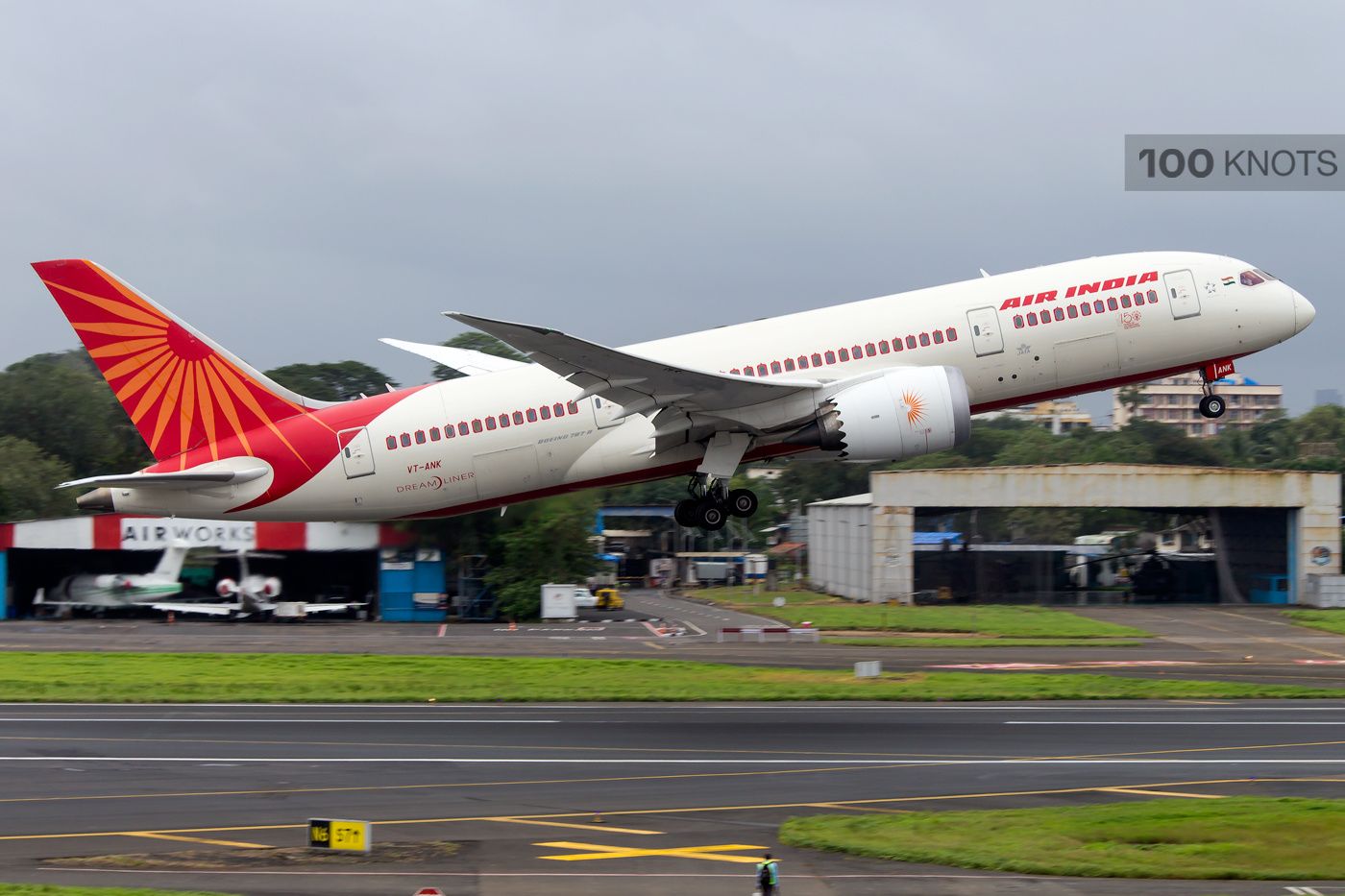
Crew shortage is impacting the operations of Air India, with some flights to the US and Canada either getting cancelled or facing inordinate delays, according to a source.
Tata group-owned Air India, which is the only air operator flying on ultra-long haul routes, had faced problems last year also due to the shortage of crew members.
An ultra-long haul flight's duration is more than 16 hours.
"There is an acute shortage of manpower, which is impacting airline's operations particularly to the US and Canada," the source in the know told PTI.
In the last 5-6 days, the airline has cancelled three flights to San Francisco in the US and one flight to Vancouver in Canada. Also, some of the flights on these routes are facing a delay of 10-12 hours, the source said on the condition of anonymity.
There was no immediate response to queries sent to Air India.
In the last two months, Air India has inducted two leased wide-body Boeing 777 planes as part of its fleet augmentation plans.
The airline has also announced inducting a total of 11 such planes in the fleet over a period of time in addition to dry leasing 25 Airbus A320 family planes.
Read next
Avion to supply 8 A320 Full Flight Simulators to Gen24 Flybiz, an upcoming Indian Flight Training Company
Admin
10 Feb 2023
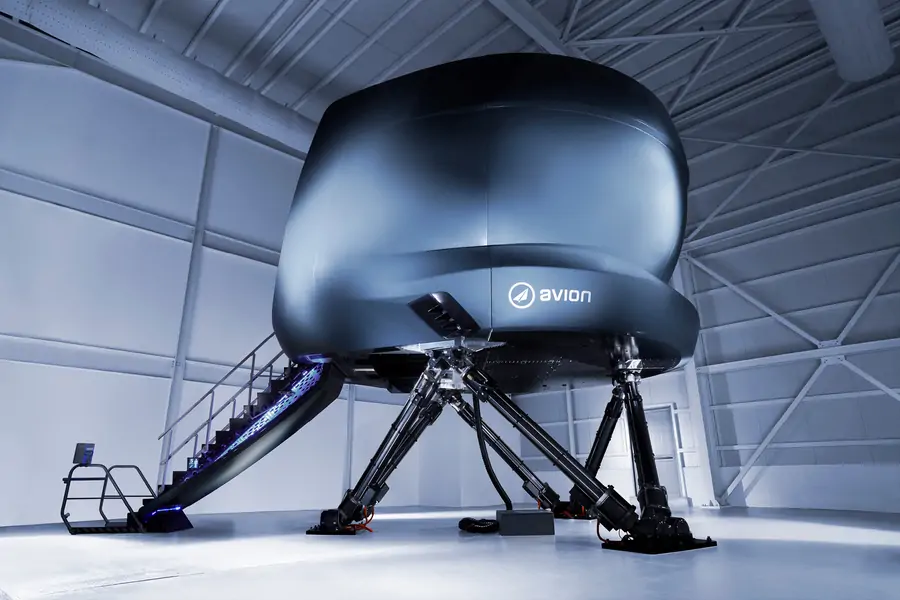
Gen24 Flybiz, an upcoming Flight Training Company based in Mumbai, India has entered into an agreement with Avion to supply eight Airbus A320 Full Flight Simulators. The new center is scheduled to open in July, with two Avion A320 simulators being shipped to India and certified by the Indian civil aviation authority, DGCA. The remaining six simulators will be delivered in about eighteen months.
The agreement followed the announcement of the acquisition of Avion Group and Avion Simulators in the Netherlands by the Gen24 Group of India. The group is promoted by Padmakar Mulay Group of Companies and its flagship company, Gangamai Industries & Constructions Limited (GIACL).
“Avion’s unique simulator design combined with the team’s expertise offers a great opportunity for Gen24 to rapidly expand our footprint in professional flight training and simulator manufacturing. The synergies shared between Gen24 and Avion make it an ideal acquisition and impeccable match.”
Manoj Pandey, CEO, Gen24 Group
The companies have agreed to further enhance Avion’s R&D activities by developing a Full Flight Simulator for the Boeing 737 MAX aircraft, developing new functions like lesson plans, debrief tool and a 2.1 software update for the Airbus A320 simulator. To support the enhanced R&D program, Avion will expand its team in the coming months.
“We are thrilled Avion has become part of a strong industrial group with a clear ambition to be a knowledge leader in the flight training industry. This will enable Avion to develop its portfolio of products and grow market share accordingly.”
Erik Varwijk, outgoing CEO, Avion
The Avion Flight Training Center at London Luton Airport will continue its operations, and further expansion of this center will be investigated.
Comment