
Impact of COVID-19 on Aviation Industry Experience and its Ripple Effect on Boeing

Abhishek Nayar
01 Feb 2024
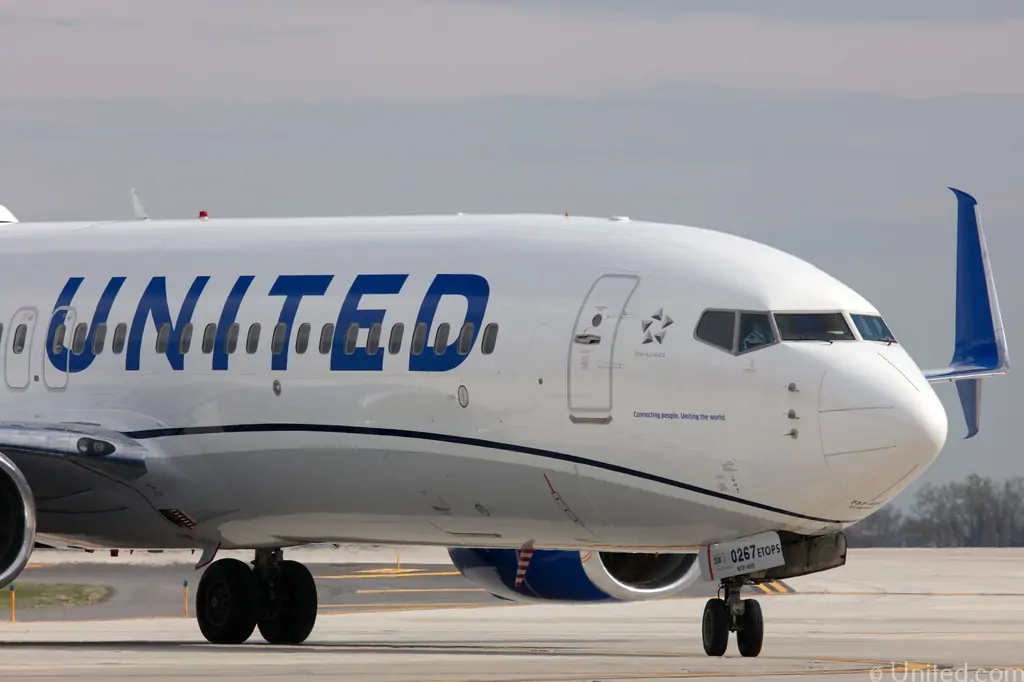
The COVID-19 pandemic has left an indelible mark on the global aviation industry, disrupting supply chains, forcing early retirements, and leading to a significant loss of experience. United Airlines Executive Vice President of Finance, Gerry Laderman, recently addressed the Airline Economics conference in Dublin, shedding light on the widespread consequences of this experience gap and its potential contribution to recent challenges faced by Boeing.
The Unforeseen Difficulties Post-COVID
Laderman highlighted the collective failure of industrial companies, including Boeing, to anticipate the challenges that emerged as the world emerged from the pandemic. The difficulties were not limited to the supply chain but extended to a shortage of senior personnel due to retirements, creating a knowledge void that impacted the entire aviation sector.
Boeing's Safety Exemption Withdrawal

Boeing's decision to withdraw a safety exemption request for its 737 MAX 7 has raised eyebrows and prompted speculation about the broader implications for the aviation giant. The move comes in the wake of a mid-air cabin blowout on a 737 MAX 9, exposing safety and quality control concerns. Lawmakers had pressured Boeing to withdraw the petition, and the incident has sparked investigations into potential issues with bolt installation on the Alaska Airlines jet.
Impact on Certification Timing for MAX 10

The withdrawal of the safety exemption request for the 737 MAX 7 has raised questions about the timing of the larger and more widely sold 737 MAX 10. Originally expected to receive certification a year after the MAX 7, concerns about safety and quality control have cast doubt on the timeline for the MAX 10. This development is closely monitored by industry stakeholders and investors.
United Airlines' Perspective

As one of the leading operators of the 737 MAX 9, United Airlines has been directly affected by recent incidents. The airline, which has also ordered 277 of the larger MAX 10, faces uncertainties regarding the certification process. Laderman's insights into the challenges faced by Boeing reflect the concerns of a key player in the aviation industry.
Airbus Faces Supply Chain Challenges

While Boeing grapples with its issues, Laderman emphasized that Airbus is not immune to challenges, albeit of a different nature. Airbus is experiencing difficulties primarily related to the supply chain, reinforcing the idea that the aviation industry, as a whole, is navigating a complex landscape influenced by various factors.
Conclusion
The aviation industry is at a critical juncture as it strives to recover from the impact of the COVID-19 pandemic. The loss of experience, supply chain disruptions, and safety concerns are converging challenges that demand careful navigation. Boeing's recent decisions and United Airlines' perspective underscore the need for a concerted effort to address these issues collaboratively, ensuring the industry's resilience and the safety of air travel in the years to come.
With Inputs from Reuters
Read next

In the dynamic landscape of the aviation industry, Southwest Airlines, the largest customer of Boeing's 737 MAX 7, has exhibited a patient stance, willing to wait until 2026 or 2027 for the delivery of these aircraft. This decision comes in the wake of safety concerns that have likely led to delays in production, prompting the airline to adapt its strategy and switch orders to the larger MAX 8.
Safety Concerns Prompt Southwest to Switch Orders
Southwest Airlines has already redirected dozens of MAX 7 orders originally slated for delivery in 2024 to the larger MAX 8. This strategic move is aimed at mitigating potential delays arising from safety concerns, ensuring the airline's operational efficiency while awaiting the readiness of the Boeing 737 MAX 7.
Boeing Withdraws Safety Exemption Request
On Monday, Boeing decided to withdraw a crucial safety exemption request, a move that could have expedited the certification process with the Federal Aviation Administration (FAA). This withdrawal reflects Boeing's commitment to addressing safety issues transparently but has added complexities to the certification timeline, impacting delivery schedules for airlines like Southwest.
Southwest Expresses Understanding Amid Safety Crisis
Dean Jenkins, Vice President Treasurer of Southwest Airlines, expressed the airline's understanding of Boeing's position and the FAA's role in ensuring safety standards. Despite the challenges, Southwest remains committed to its partnership with Boeing and expressed eagerness for the 737 MAX 7, emphasizing the importance of the aircraft in their fleet.
Impact on Boeing's Market Share and Production
The recent mid-air cabin blowout on January 5 has escalated into a significant safety and reputational crisis for Boeing. This crisis is anticipated to slow down the production of the 737 MAX series, potentially resulting in a loss of market share to its European competitor, Airbus. Southwest's patient approach underscores the broader impact on Boeing's position in the market.
United Airlines Explores Airbus Options

While Southwest remains committed to Boeing, its rival, United Airlines, has reportedly approached Airbus about acquiring more A321neo jets to fill the potential void left by delays in Boeing's larger 737 MAX 10. This indicates the challenges Boeing faces in retaining customers and highlights the competitive landscape in the aviation industry.
Diversification Not Currently on Southwest's Radar
Addressing questions about potential fleet diversification, Jenkins clarified that diversifying the airline's fleet is not in the plans at the moment. Even with the challenges posed by delays and safety concerns, Southwest is maintaining its focus on Boeing. Jenkins highlighted the significant lead time required to procure planes from Airbus, making an immediate shift less feasible.
Conclusion
Southwest Airlines' patient approach to the Boeing 737 MAX 7 deliveries reflects the intricate challenges faced by both the airline and Boeing in navigating safety concerns and production delays. As the aviation industry closely watches developments, the impact on Boeing's market share, coupled with the decisions of major customers like Southwest, will shape the future dynamics of the commercial aircraft sector.
With Inputs from Reuters
Read next

In a bid to salvage their $3.8 billion merger, JetBlue Airways and Spirit Airlines are jointly seeking an expedited appeal to reverse a recent lower court ruling that blocked the proposed union. The airlines argue that the decision undermines the potential benefits of the merger for the majority of the flying public. This move comes amidst uncertainty surrounding the merger's future, with JetBlue recently expressing doubts about meeting certain conditions required for the agreement.
The Appeal for Reversal
In a joint court filing, JetBlue and Spirit Airlines are urging the First U.S. Circuit Court of Appeals to swiftly overturn the lower court's ruling. They emphasize that a delay in the appeal process could result in the termination of the merger agreement, as an outside closing date of July 24 looms. The airlines assert that a failure to issue a decision before this date would lead to the loss of significant benefits from the deal.
JetBlue's Concerns and Response
JetBlue has raised concerns about its ability to meet specific conditions outlined in the merger agreement, citing unspecified reasons. Despite this, the airline states that it continues to evaluate options within the agreement and would adhere to its merger obligations unless the agreement is terminated. Spirit Airlines, in response, asserts that there is no valid reason to terminate the merger agreement and expects JetBlue to honor its commitments.
Stakes for Spirit Airlines

Without the JetBlue deal, Spirit Airlines faces a challenging path ahead. The ultra-low-cost carrier has been grappling with weak demand in its key markets, and analysts have even suggested the possibility of bankruptcy if financial stability cannot be achieved. The blocked merger has added further uncertainty to Spirit's future, raising questions about the airline's ability to return to sustainable profitability.
Court Decision and Market Impact
Earlier this month, a U.S. judge blocked the planned merger between Spirit and JetBlue, expressing concerns about its potential impact on competition in the U.S. aviation market and the potential harm to ticket prices. The court's decision has left both airlines in a precarious position, with JetBlue now considering deeper cost cuts in response to a forecasted decline in revenue and higher costs in the first quarter, attributed to uneven travel demand.
Conclusion
As JetBlue Airways and Spirit Airlines push for an expedited appeal to reverse the court ruling blocking their merger, the aviation industry watches closely. The outcome of the appeal will not only determine the fate of the $3.8 billion deal but also shape the future of both airlines in an industry already grappling with the challenges posed by the ongoing global circumstances. The potential impact on competition, ticket prices, and the overall aviation market adds significant weight to the unfolding developments, making it a critical moment for the involved parties and the aviation sector as a whole.
With Inputs from Reuters
Read next
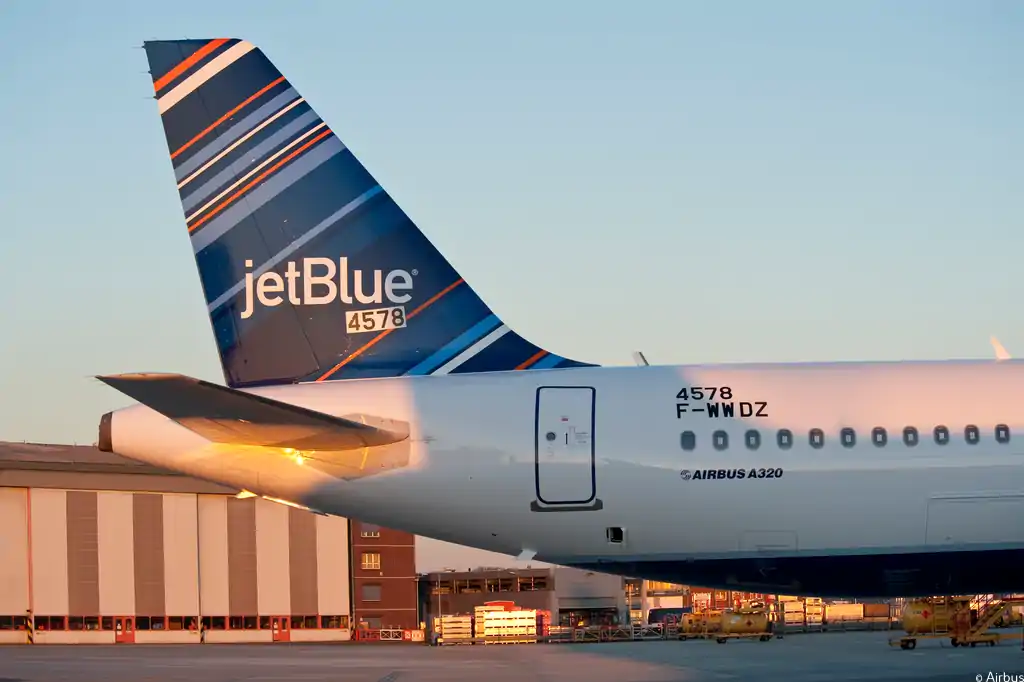
The aviation industry faced unprecedented challenges in the fourth quarter of 2023, marked by demanding year-end holiday travel, severe winter conditions, and significant union strikes. Despite the tumultuous environment, JetBlue managed to conclude the year on a relatively stable note, as reflected in the recently released financial results. However, the figures portray a complex narrative of operational struggles, increased costs, and the pursuit of sustainability.
Financial Performance in Q4 2023
JetBlue's financial report for the fourth quarter of 2023 reveals both resilience and adversity. The operating revenue of $2.3 billion reflected a 3.7% year-on-year decrease, mirroring the industry-wide challenges. Operating expenses per available seat mile increased by 2.4%, while excluding fuel and other non-airline operating expenses resulted in a substantial 7.6% year-on-year rise.
Operational Challenges and Net Loss
JetBlue grappled with significantly higher operational costs during the quarter, notably due to an average fuel price of $3.08 per gallon, including hedges. These challenges resulted in an approximate net loss of $104 million, a stark contrast to the $24 million profit reported a year earlier. Even with a 3.3% increase in capacity and $70 million in cost savings from a new structural cost program, the airline faced financial headwinds.
Sustainability Efforts Amid Losses
Despite financial setbacks, JetBlue achieved a positive environmental milestone. The airline reduced carbon emissions compared to 2019 levels, attributing the improvement to fleet modernization efforts and a doubled use of Sustainable Aviation Fuel compared to 2022. This commitment to sustainability aligns with broader industry goals and showcases JetBlue's dedication to environmental responsibility.
2024 Strategy and Challenges
Looking forward, JetBlue acknowledges the need for strategic adjustments in 2024. President and Chief Operating Officer Joanna Geraghty emphasized the importance of aggressive action, launching $300 million in revenue initiatives to return to profitability and deliver shareholder value. The airline plans to address continued higher costs, seasonal challenges, and evolving travel patterns.
Operational Hurdles and Network Changes
JetBlue faces specific operational challenges, including the grounding of seven Airbus aircraft for engine inspections due to Pratt & Whitney production issues. This number could potentially increase to 15 by the year's end. In response, the airline plans to defer $2.5 billion in spending on new fleet upgrades until at least the end of the decade, leading to additional network changes and route reductions.
Federal Judge's Ruling on Spirit Airlines Acquisition
Adding to the hurdles, a federal judge's ruling barred JetBlue's acquisition of Spirit Airlines, posing a substantial operational and financial setback. The potential termination of the merger raises uncertainties for JetBlue, but the airline remains optimistic, forecasting a gradually reduced fleet and route network while emphasizing positive revenue growth momentum.
Conclusion
JetBlue's journey through the challenges of 2023 showcases a delicate balance between financial struggles and commitment to sustainability. As the airline navigates operational hurdles and adapts to evolving market conditions in 2024, its strategic initiatives and cost-saving measures will play a crucial role in determining its path to profitability. The unfolding developments in the aviation landscape will be closely watched, as JetBlue strives to soar above the financial challenges and emerge stronger in the competitive airline industry.
Read next

In a significant move towards enhancing the travel booking experience, SriLankan Airlines has initiated the global rollout of its New Distribution Capability (NDC) agents booking portal, SriLankan Direct Connect. The airline is making waves in the South Asian region by becoming one of the first carriers to adopt the International Air Transport Association's (IATA) NDC technology, a program that promises to digitally transform the airline distribution landscape.
Introduction to NDC Technology
The NDC platform, pioneered by IATA, stands as a groundbreaking initiative in the travel industry. It is designed to reshape the journey for airline distribution by providing a seamless and advanced technological framework. By embracing NDC technology through SriLankan Direct Connect, the airline aims to establish a robust direct retail and communication channel with travel agents. This move allows SriLankan Airlines to bypass traditional intermediary Global Distribution Systems, providing travel agents with direct access to the airline's reservation system and offering an array of benefits.
The Power of SriLankan Direct Connect

SriLankan Direct Connect, the intuitive application launched by the airline, opens up a world of possibilities for travel agents. The platform facilitates direct access to the airline's reservation system, enabling agents to offer richer content, ancillary services, and personalized offers. The Chief Executive Officer of SriLankan Airlines, Richard Nuttall, expressed excitement about being among the pioneering airlines in South Asia to introduce IATA's NDC technology.
Airline Retailing Maturity Certification
The launch of SriLankan Direct Connect marks a milestone moment for the airline, positioning it for the prestigious Airline Retailing Maturity Certification by IATA. This certification reflects the airline's commitment to embracing innovative technologies and signifies a significant step towards optimizing savings, expanding the distribution network, and enhancing overall efficiency.
Benefits for Travel Agents
Travel agents who register for SriLankan Direct Connect gain access to a range of exclusive benefits. These include private fares, guaranteed lowest fares, fare families, and promotional fares. Additionally, agents can take advantage of ancillary products, free date changes, and participate in an incentive scheme for flown segments. SriLankan Airlines aims to empower travel agents to provide a superior service to passengers through these offerings.
Global Rollout and Expansion Plans
Having initially launched in Sri Lanka in August 2023, SriLankan Direct Connect is set to make its presence felt across the airline's network in the coming months. The global rollout commenced in India, with plans to progressively extend the platform's reach to other regions. Travel agents interested in joining SriLankan Direct Connect can easily register through the dedicated Agent Registration link on the airline's official website, (www.srilankan.com).
Conclusion
In summary, SriLankan Airlines' adoption of IATA's NDC technology through SriLankan Direct Connect marks a significant stride in the airline industry's digital transformation. As the airline focuses on providing an enhanced booking experience, travel agents can look forward to a seamless, efficient, and personalized interaction with SriLankan Airlines, setting a new standard for airline distribution in the South Asian region and beyond.
Read next

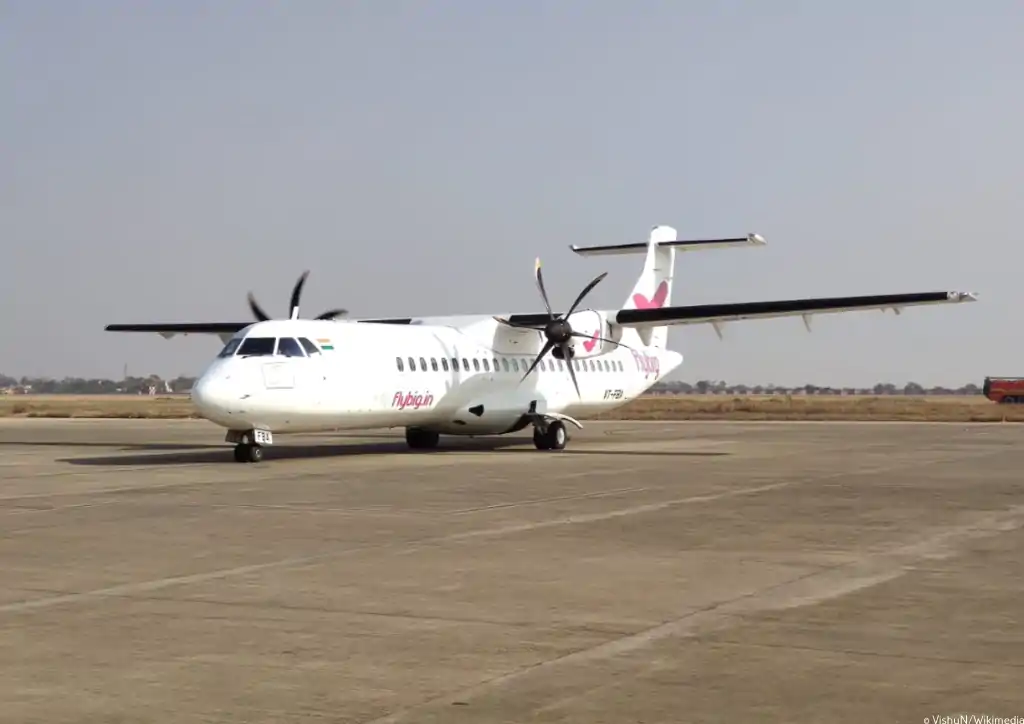
Regional airline Fly Big has commenced flights connecting Delhi to Dehradun and Pithoragarh cutting down the 11-hour travel time to just one hour.
Aviation minister Jyotiraditya M. Scindia virtually inaugurated the flight jointly with Chief Minister of Uttarakhand Pushkar Singh Dhami on Tuesday,
The RCS flight between Dehradun and Pithoragarh was awarded under UDAN 4.2. Fly Big will be operating a 19-seater Twinotter DHC6-400 aircraft for ferrying the passengers. The flight will operate initially 3 days a week.
“As a result of its commencement, the road distance of about 11 hours will be covered in just 1 hour. This flight service will expand the tourism potential of Pithoragarh and neighbouring areas and connect the eastern regions of Uttarakhand to the capital city of Dehradun," Scindia said.

Pithoragarh Airport has been developed under the UDAN-RCS scheme, with a cost of Rs 6.68 Crore into a 2B VFR Airport.
On other infrastructure development carried out under the UDAN scheme, Scindia said, “We have also identified 5 other heliports under UDAN 5.1 Round, which include Bageshwar, Champawat, Lansdowne, Munsiyari and Triyogi Narayan Heliports. Soon development work will be started on these 5 other heliports as well.”
Dehradun Airport is also being expanded further.
“So far, 76 routes have been awarded for the state of Uttarakhand under UDAN, out of which 40 routes including Dehradun-Pithoragarh have been operationalized. It is our endeavor that the remaining other routes will also be made operational soon. Apart from this, we had recently inaugurated the Interim Terminal Building of Dehradun, the work of the full-fledged building will be completed soon,” he said adding, “Developed for Rs 457 crore, the total area of the New Terminal building is 42,776 square meters and this terminal building can handle 1800 passengers in peak hours and 36.5 lakh passengers annually.”
In 2014, only 86 flights were being operated from Dehradun per week, while today 210 flights are being operated from here, i.e. an increase of 144%.”
Comment