
India to Produce Sukhoi Superjet 100; UAC in Talks With Hindustan Aeronautics Limited

Radhika Bansal
16 Aug 2023
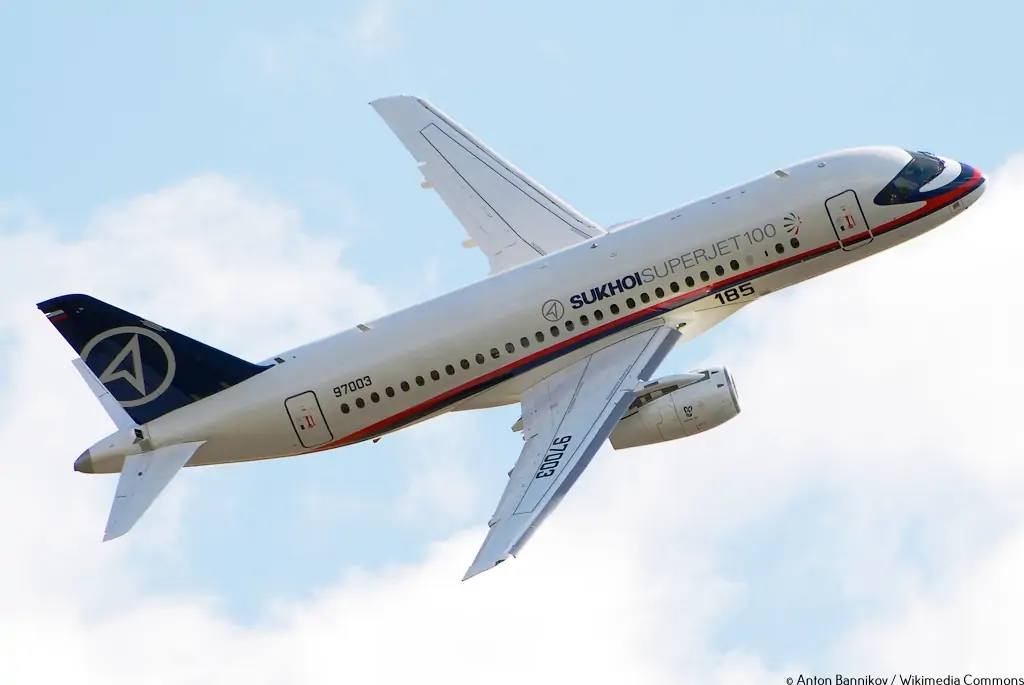
United Aircraft Corporation (UAC) CEO Yuri Slyusar recently spoke with the “Russia-24” television channel about the potential of UAC starting SSJ 100 production at the Hindustan Aeronautics Limited (HAL) factory in India.
“We still believe that under the import license at the HAL factory, which produces combat aircraft for the Indian Air Force, where they manufacture Su-30 aircraft – over 270 aircraft have been made there; it’s indeed a significant base, trained personnel, equipment, and refined processes. We could start producing SSJ aircraft for the Indian market there in a fairly short period,” he said.
Slyusar added that negotiations are currently underway with Indian colleagues. “It seems to me that negotiations are even more in the interest of the Indian side than ours because we have our Russian Superjet and will continue its production. For India, this represents a significant technological leap forward,” he noted.
In February, Slyusar indicated for the first time that discussions had taken place between UAC and India regarding the localization of SSJ 100 production and collaboration on the Il-114 and MC-21 programmes. Earlier on the same day, the chairman of UAC announced that the first flight of the upgraded version of the SSJ 100 aircraft constructed locally will take place in September. One test aircraft will participate in the tests conducted with the domestic PD-8 engines.
The Sukhoi Superjet 100
The Superjet 100 is a 100-seater civil aircraft designed and developed by Sukhoi Corporation, which has now been merged into UAC along with MIG Corporation. The other major aircraft manufacturing companies, Ilyushin and Tupolev, are also set to be merged with UAC soon. The Superjet could be the first Indian-made civil aircraft, which meets the requirements of national aviation authorities.
The Sukhoi Superjet 100 or SSJ100 is a regional jet designed by the Russian aircraft company Sukhoi Civil Aircraft, a division of the United Aircraft Corporation (now: Regional Aircraft – Branch of the Irkut Corporation). With development starting in 2000, it made its maiden flight on 19 May 2008 and its first commercial flight on 21 April 2011 with Armavia.
The 46–49 t (101,000–108,000 lb) MTOW plane typically seats 87 to 98 passengers and is powered by two 77–79 kN (17,000–18,000 lbf) PowerJet SaM146 turbofans developed by a joint venture between French Safran and Russian NPO Saturn. By May 2018, 127 were in service and by September the fleet had logged 300,000 revenue flights and 460,000 hours. By November 2021 the fleet had logged at least 2,000,000 hours. The plane has recorded three hull loss accidents and 86 deaths as of November 2021. In 2022, Sukhoi plans a Russified version of the body and electronic, without most of the Western components, the engine will also be replaced, using Aviadvigatel PD-8. Aeroflot has ordered 89 Irkut SSJ-Russified aircraft.
India with Aircraft Manufacturers
Boeing and Airbus do not produce aircraft as small as the SSJ-100. The Brazilian company Embraer, with E190, is the most formidable competitor in this market segment, but it is more dependent on Western countries for critical parts like the engine.
India has already begun discussions with Embraer, which is based in Brazil, and has shown a prototype of a Regional Transport Aircraft (RTA) that was designed by the National Aeronautics Limited (NAL). Smaller airports typically have shorter runways, making it difficult for narrow-body aircraft manufacturers like Airbus and Boeing to take off and land.
There are Indian airlines with regional aircraft, including IndiGo and SpiceJet, with ATR 72-600s and De Havilland Dash-8 Q400 turboprops, respectively. Hindustan Aeronautics is also producing a Dornier 228 regional aircraft with 19 seats for Alliance Air. Embraer and Sukhoi will presumably build a regional workhorse in response to the inadequacy of current capabilities.
Read next
Navigating the Skies: India's Ambitious Airport Expansion Plan and Cutting-Edge Passenger Experience Enhancements

Abhishek Nayar
16 Aug 2023
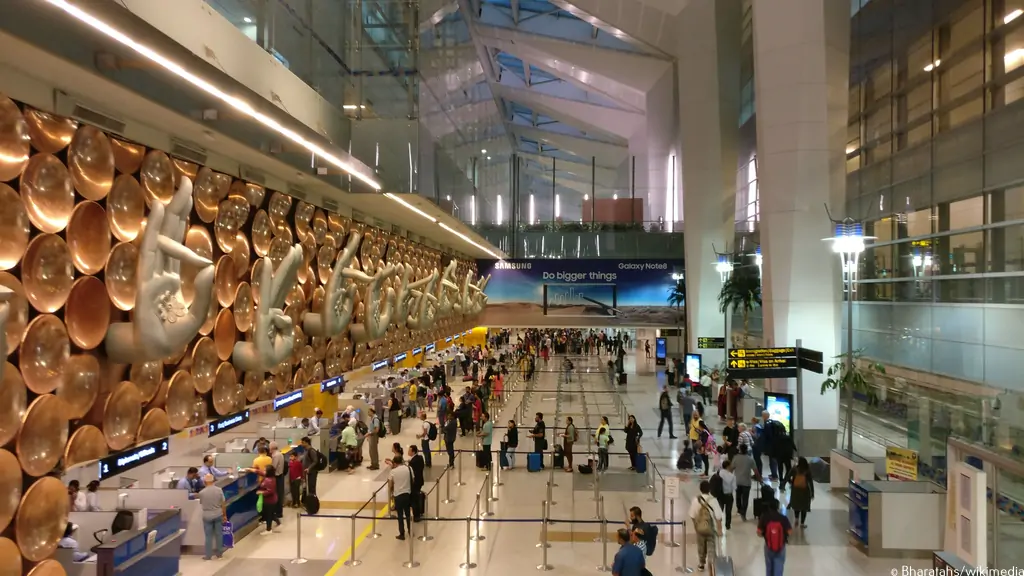
The Indian government has unveiled a comprehensive plan to construct ten new airport terminals in response to a projected 30% surge in domestic aviation passenger traffic by the upcoming year. This strategic expansion aims to address the mounting demand for air travel, as witnessed by a remarkable 25% year-on-year increase, propelling the passenger count to a record-breaking 12.1 million in July.
As part of this transformative initiative, the government is focusing on not only enhancing infrastructure but also bolstering connectivity to smaller cities, as exemplified by the imminent opening of three airports in Uttar Pradesh.
Coping with Escalating Passenger Traffic
In a bid to proactively manage the burgeoning passenger traffic, the Indian government has taken a bold step by committing to the development of ten new airport terminals across the nation. This proactive approach is rooted in the realization that the surge in demand, as indicated by the 25% year-on-year increase, necessitates a robust infrastructure to prevent congestion and ensure a smooth passenger experience.
The proposed expansion aligns with the government's mission to strengthen the nation's aviation sector and cater to the evolving travel patterns of its citizens. The new development comes after Jyotiraditya Scindia, the aviation minister, and Amit Shah, the home minister, undertook a review of airport capacity expansion on July 15.
Prioritizing Connectivity in Smaller Cities
While the focus on large metropolitan airports is vital, the Indian government's vision extends beyond the major cities. The strategic plan includes the ambitious goal of opening at least three airports in Uttar Pradesh within the current year. This deliberate emphasis on connectivity to smaller cities underscores the government's commitment to fostering regional growth and development. By facilitating easier access to air travel, even for residents of lesser-known locales, the government is aiming to contribute to economic growth and enable enhanced mobility for all citizens.
Heightened Security Measures
Recognizing that an expansion in infrastructure must be matched by a corresponding augmentation in security, the Indian government is making significant investments in bolstering security measures. This includes deploying additional security personnel, strengthening the Bureau of Immigration, and installing supplementary X-ray machines at airports. These measures are crucial not only to ensure passenger safety but also to streamline passenger processing, thus contributing to a seamless travel experience.
Leveraging Real-time Communication Channels
To enhance passenger experience and convenience, the government is leveraging the power of real-time communication channels. Passengers will now receive timely updates and crucial information through various social media platforms. This innovative approach not only keeps travelers informed about flight schedules, delays, and procedural changes but also serves as an effective tool for disseminating vital travel-related information, ensuring that passengers remain well-informed at all times.
Comments
"Work has been finalized at airports such as Goa (Dabolim), Bhubaneswar, Guwahati, Jaipur, Ahmedabad, Patna, Lucknow, Chandigarh, Trivandrum, and Cochin with the goal of efficiently handling 30% additional growth by summer peak travel next year," a ministry official who declined to be identified stated. "Work has begun at four airports owned by the Airports Authority of India."
According to authorities, Shah requested that passenger convenience take precedence and that airport capacity expansion be prioritized. "A study was conducted to identify 10 such airports that need capacity expansion," a second official connected to the process said, maintaining anonymity.
"With constant efforts from the aviation and home ministries, peak winter travel from October has been handled, and passengers will face no congestion issues," the source stated. "In light of the tremendous passenger growth, we have prepared ourselves to face various situations that can cater to passengers with a 15% increase in upcoming winter travel, as well as an additional 15% increase in summer travel in 2024."
Conclusion
The Indian government's ambitious plan to develop ten new airport terminals in anticipation of a 30% increase in domestic aviation passenger traffic by the upcoming year marks a monumental step towards enhancing the nation's aviation infrastructure. This strategic initiative is underpinned by the government's commitment to fostering both urban and regional growth, while ensuring passenger safety and convenience through augmented security measures and real-time communication channels. As India's aviation landscape continues to evolve, this transformative expansion promises to play a pivotal role in shaping the future of air travel in the nation.
With Inputs from Hindustan Times
Read next
Indian Airlines Set to Reverse Fortunes: Anticipated Net Losses Shrink Amidst Soaring Passenger Traffic and Strategic Pricing
Abhishek Nayar
16 Aug 2023

In a recent report released by rating agency ICRA on August 10, 2023, it was predicted that Indian airlines are poised to witness a significant reduction in net losses for the current fiscal year. The report highlighted positive indicators such as healthy passenger traffic growth and revenue improvement that are likely to contribute to this encouraging trend. This comes as welcome news for an industry that has been grappling with substantial losses in the recent past.
Decline in Net Losses: A Ray of Hope
The aviation sector in India has been grappling with financial challenges, compounded by factors such as rising aviation turbine fuel costs and currency depreciation against the US dollar. The fiscal year 2022-23 was characterized by an anticipated net loss of Rs 11,000-13,000 crore for the sector, primarily due to these adverse conditions. However, the current fiscal year presents a more optimistic scenario as ICRA projects a substantial reduction in net losses to the range of Rs 5,000-7,000 crore.
According to the report, domestic air passenger traffic increased by 26% in July to roughly 1.22 crore, up from 97 lakh in the same month previous year. “The aviation sector's forecast is stable, owing to a rapid rebound in the previous fiscal year and hopes that the trend would continue in 2023-24,” according to ICRA.
Factors Driving the Turnaround
Healthy Passenger Traffic Growth: One of the key factors contributing to the anticipated reduction in net losses is the healthy growth in passenger traffic. The report indicates that Indian airlines have experienced a noteworthy increase in the number of passengers opting for air travel. This surge in demand has translated into improved revenue streams, thereby alleviating the financial strain faced by airlines.
Revenue Improvement: Another significant aspect influencing the positive outlook is the improvement in revenue generation. Indian airlines have been successful in augmenting their revenue through various strategies, including effective yield management and diversification of ancillary services. These initiatives have contributed to boosting the overall financial health of the airlines.

Mitigating Challenges Through Pricing Discipline
The report also underscores the role of pricing discipline in aiding the recovery of Indian airlines. One noteworthy strategy that airlines have employed is the application of the cost of available seat kilometer (CASK) to the revenue per available seat kilometer (RASK), commonly referred to as RASK-CASK. This approach involves balancing the costs incurred with the revenue generated for each seat kilometer, leading to a more judicious financial management system.
Comparative Analysis
The contrasting projection of net losses for the current fiscal year against the previous fiscal year highlights the industry's resilience and adaptability. While the fiscal year 2022-23 was characterized by a substantial net loss due to external factors such as aviation fuel costs and currency depreciation, the current fiscal year showcases the ability of Indian airlines to rebound and mitigate these challenges effectively.
Conclusion
The aviation sector in India is on the brink of a notable turnaround, as suggested by the ICRA report. The anticipated reduction in net losses, driven by healthy passenger traffic growth, revenue improvement, and strategic pricing discipline, presents a positive outlook for an industry that has weathered significant turbulence. As airlines continue to navigate the evolving landscape, this fiscal year could mark a significant step towards financial recovery and sustainability.
Read next
Strategic Aircraft Acquisition Unveiled: Dubai's DAE Set to Enhance Fleet with Boeing 737 MAX Variants
Abhishek Nayar
16 Aug 2023
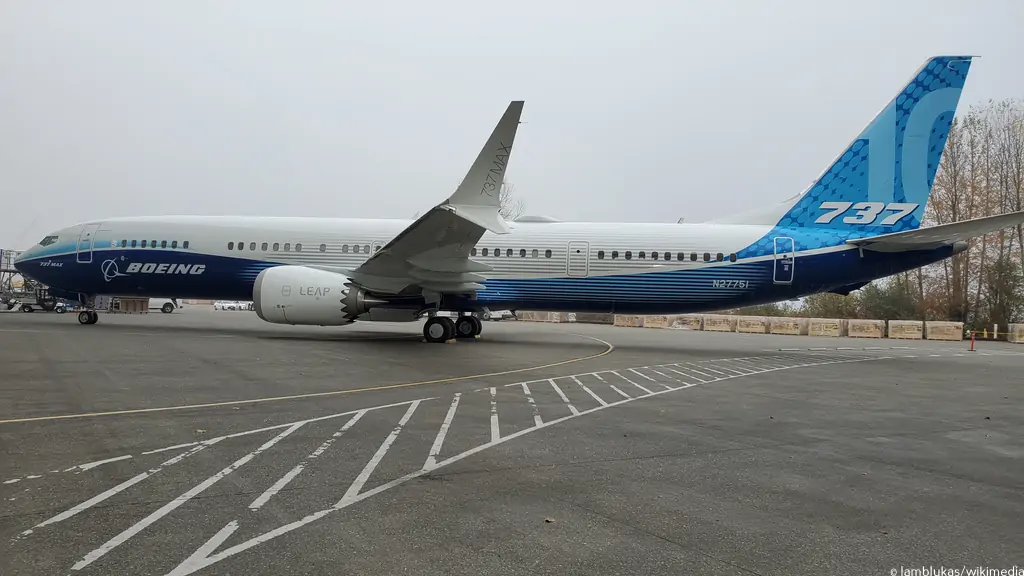
In a significant development for the aviation industry, Dubai Aerospace Enterprise (DAE) Ltd. announced on August 14, 2023, that one of its affiliates had entered into a definitive agreement to acquire 64 Boeing 737 MAX aircraft from a wholly-owned subsidiary of China Aircraft Leasing Group Holdings Limited (CALC).
The acquisition includes various variants of the popular Boeing 737 MAX series, namely the 737-8, 737-9, and 737-10. This strategic move is expected to reshape DAE's aircraft portfolio and contribute to the ongoing evolution of the global aviation landscape.
The 737MAX Family

The 737 MAX airplane family improves efficiency, environmental performance, and passenger comfort in the single-aisle market. The 737 MAX, which is powered by CFM International LEAP-1B engines and advanced technology winglets, lowers fuel consumption and emissions by 20% when compared to the airplanes it replaces.

The 737-10 is the largest variant in the 737 MAX series, seating up to 230 passengers in a single-class configuration and capable of flying up to 3,300 miles. 99% of single-aisle routes can be covered by fuel-efficient aircraft.

The Deal Details
Under the terms of the agreement, DAE's affiliate will acquire a total of 64 Boeing 737 MAX aircraft from CALC's subsidiary. The portfolio comprises variants of the 737 MAX series, including the 737-10, 737-8, and 737-9 models. These aircraft are renowned for their advanced technology, fuel efficiency, and passenger comfort, making them a coveted addition to DAE's fleet.
"We are delighted to be able to conclude this transaction with CALC to acquire a unique portfolio of 100% new technology, fuel efficient single aisle aircraft," said DAE's Chief Executive Officer, Firoz Tarapore.
- This deal, on a pro forma basis, will boost the share of new technology, fuel-efficient aircraft in our owned fleet to about 66% from 50%.
- This deal will help secure our growth trajectory. This deal, on a pro forma basis, will raise our fleet of owned, managed, committed, and mandated-to-manage aircraft to about 550 aircraft valued at approximately US$20 billion.
- This transaction will also enable us to strengthen our current relationships with Boeing and CFM International. DAE has bought and is committed to acquiring over 500 Boeing aircraft since its founding, including this acquisition. We hope to expand this partnership even further in the future.

Delivery Timeline
The acquisition marks a significant step for DAE in enhancing its aircraft portfolio. The 64 Boeing 737 MAX aircraft are projected to be delivered to DAE's affiliate between the years 2023 and 2026.
Industry Implications
The acquisition of 64 Boeing 737 MAX aircraft by DAE's affiliate carries significant implications for both companies and the aviation industry at large. The deal underscores DAE's commitment to modernizing its fleet and keeping pace with industry trends. Additionally, the move signifies the continued demand for Boeing's 737 MAX series, despite the challenges it faced in previous years.
Rationale Behind the Acquisition
While the exact financial terms of the transaction remain undisclosed, the acquisition of 64 Boeing 737 MAX aircraft aligns with DAE's long-term strategy to diversify and expand its aircraft portfolio.
Conclusion
Dubai Aerospace Enterprise's acquisition of 64 Boeing 737 MAX aircraft from China Aircraft Leasing Group Holdings Limited's subsidiary marks a pivotal moment in the aviation industry. The incorporation of these modern and efficient aircraft into DAE's portfolio demonstrates the company's commitment to innovation, growth, and responding to evolving market demands. As the aviation landscape continues to evolve, this strategic move positions DAE's affiliate to offer enhanced services to passengers and capitalize on emerging opportunities.
With Inputs from Dubai Aerospace Enterprises
Read next
Southwest Airlines Reach Game-Changing Wage Deal with Transport Workers Union
Abhishek Nayar
16 Aug 2023
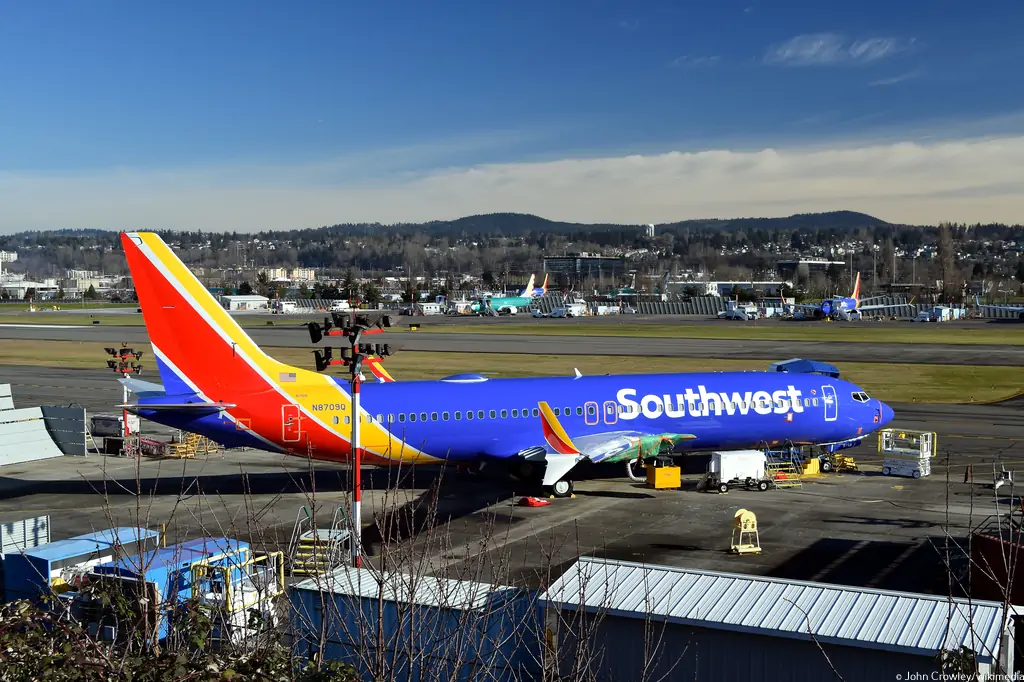
In a significant development within the aviation industry, Southwest Airlines Co. has announced on Tuesday, August 15, 2023, that it has successfully reached a tentative agreement with the Transport Workers Union, Local 555. This agreement pertains to the employment terms of approximately 17,120 transport workers engaged in various essential roles such as ramp operations, provisioning, and cargo handling. This breakthrough agreement marks a pivotal moment for both the airline and its dedicated workforce.
Agreement Details
According to the details released on the official website of Transport Workers Union Local 555, the new tentative agreement presents substantial improvements in the compensation structure for the workers. Notably, workers covered by this agreement will now be entitled to an hourly wage of $36.72. This hourly wage surpasses the compensation levels observed at other major airlines in the industry, including United Airlines Holdings and Delta Air Lines Inc.
The deal also addresses the union's other objectives, such as improved retiree medical care, an increase in the company's 401(k) contribution, and extra premium pay holidays. In a tight labor market, unions in the aerospace, construction, airline, and rail industries have fought for better salaries and additional benefits during the last two years.
Pilots at competitor Delta Air Lines and American Airlines recently negotiated new labor deals, while Southwest has yet to reach an agreement with its pilots.

Implications for Workers
The agreement's focus on providing a competitive wage rate underscores Southwest Airlines' commitment to recognizing the hard work and dedication of its transport workers. By offering an hourly wage that exceeds the industry standard, the airline not only seeks to retain its experienced staff but also aims to attract new talent to its workforce. This move is likely to enhance job satisfaction among the workers and contribute to a more motivated and productive workforce.

Industry Competitiveness
With this new agreement, Southwest Airlines positions itself as a frontrunner in terms of employee compensation within the aviation industry. The decision to exceed the hourly earnings at other major airlines reflects the company's determination to remain a top employer, foster a supportive work environment, and nurture positive employee relations.
Labor-Management Relations
The successful negotiation of this tentative agreement also highlights the effective collaboration between Southwest Airlines' management and the Transport Workers Union Local 555. The fact that both parties have arrived at a mutually satisfactory agreement demonstrates a healthy dialogue and a shared commitment to achieving common goals. This positive relationship is expected to have a ripple effect on the overall work atmosphere and employee morale.
Future Prospects
As the agreement progresses from a tentative state to a finalized one, it holds the potential to set a new precedent for employee compensation and labor relations within the aviation sector. Other airlines might take inspiration from Southwest Airlines' approach and consider reviewing their own compensation policies to remain competitive and attractive to skilled workers.
Conclusion
Southwest Airlines' recent announcement of a tentative agreement with the Transport Workers Union Local 555 stands as a remarkable development in the airline's history. With a focus on competitive compensation for its transport workers, the company aims to not only retain its existing workforce but also position itself as an industry leader in employee relations. As the agreement moves towards finalization, it opens the door to improved labor relations, greater job satisfaction, and enhanced competitiveness for Southwest Airlines in the dynamic aviation landscape.
With Inputs from Reuters, Transport Workers Union 555
Read next


As a crew of the Flight Inspection Unit of the Airports Authority of India, our task involves undertaking commissioning, calibration, and trials of the various Navigation Aids at airports across India and in the neighboring countries. During one such exercise, we recently undertook the Transponder Landing System (TLS) trials at Safdarjung Airport, New Delhi. TLS is quite an interesting system, not many of us have read about. In the succeeding paragraphs, I have briefly explained the system.
Advanced Navigation and Positioning Corp. developed the Transponder Landing System. Though the system was conceptualized in the mid-90s, it has been under regular upgradation and development to improve further and enhance its functioning. TLS is an all-weather, precision landing system that uses existing airborne transponder and Instrument Landing System (ILS) equipment to create a precision approach at a location where an ILS would normally not be available.
A Conventional ILS system broadcasts using a number of "single purpose" antennas. One, located just off the end of the runway, provides a fan-shaped signal for azimuth direction (side to side), and another, located beside the runway, provides elevation to indicate a standard glideslope.
However, there are only a few components in the TLS system. The most visible are four units mounted in a 50-meter radius alongside the runway. There is a base station unit, a Calibration/Built-in-Test (BIT) unit that monitors station accuracy and integrity, and two angles of arrival antennas. The localizer and glideslope angle of arrival (AOA) sensors are used to define the flight path from the transponder system as it nears the runway. A central processor in the base station computes the aircraft's position in three dimensions, calculates where it should be in relation to the approach, and transmits corrections to the aircraft over the localizer and glideslope transmitter. The TLS complies with ICAO standards and recommended practices (SARPS) for ILS, secondary surveillance (SSR), and precision approach radar (PAR). TLS performance meets all FAA and ICAO Annex 10 requirements for a Category I approach in terms of Accuracy, Integrity, and Reliability.

Functioning
The key to TLS technology is a compact footprint of an SSR interrogator and ground-based sensors that track an aircraft’s location in range, azimuth (horizontal position), and elevation (vertical position) with very high accuracy. The range and azimuth for the surveillance tracks are computed using multilateration techniques on the arrival time of synchronous replies from the aircraft’s radar beacon transponder. The elevation information for the surveillance targets uses the transponder Mode C reply. When an aircraft cleared for the TLS approach enters the approach volume, the system uses differential phase measurements on the transponder reply’s carrier signal. These phase measurements are used to generate the target's precise azimuth and elevation positions. The TLS then computes the aircraft’s offset from the programmed approach path and generates the ILS correction for this offset. The TLS UHF/VHF guidance transmitters then broadcast this emulated ILS signal throughout the guidance volume. The guidance appears to the pilot as needle movements on the ILS course deviation indicator in the cockpit that are identical to an ILS and can be flown by the cleared aircraft down to the minimum descent altitude. The aircraft position can also be displayed on the ground console with a format matching a Precision Approach Radar display for use in Ground Controlled Approach operations. For Ground Controlled Approach (GCA) operations, the TLS provides controllers with a secondary radar display of area aircraft traffic. For landing multiple aircraft using precision approach radar consoles, up to four individual PAR consoles can be used for controllers to guide up to four aircraft independently.


Aircraft position tracks All aircraft positions within the display field of view are depicted

Single aircraft may be selected for each of the operator consoles to provide talk-down guidance
Key differences as Compared to an ILS
First, the approach profile for TLS is not a function of alignment between the approach path and antennas like a traditional ILS that radiates the signal without tracking the aircraft's position. The approach path is configured using virtual point technology, meaning the localizer and glideslope aiming points are mathematical points programmed into the site’s TLS configuration. The TLS can inherently support offset and non-linear approach procedures where a straight-in approach is not feasible due to noise abatement or obstacle clearance issues. Virtual point technology also allows the TLS to provide a localizer signal that complies with ICAO tolerances regardless of the runway length or obstacles at the end of the runway.
Second, while a traditional ILS signal to an aircraft is impacted by multipath due to buildings and the surrounding terrain, for the TLS, the aircraft’s transponder replies are affected by multipath. ANPC has developed multipath mitigation with antenna selection and signal processing. Additionally, the TLS tracking algorithms smooth the received measurements. Included in these mitigation techniques, is a site-specific calibration process that models the multipath received at each sensor array.
Third, though the TLS provides a signal identical to an ILS, it does so with equipment sitting that is more compact than an ILS. This may enable many airports to have a precision ILS approaches which would otherwise not be feasible with the traditional ILS equipment.
TLS over ILS
ADVANTAGES | DRAWBACKS |
|
|
Latest Development
Trials were recently conducted for an Unmanned Aerial System (UAS) or Unmanned Aerial Vehicle (UAV) to operate and navigate in an environment devoid of a Global Navigation Satellite System (GNSS) such as the Global Positioning System (GPS). Trials were undertaken by interrogating an aviation transponder (either mode C or S) that is carried by the UAS and measuring the time elapsed for the response to multiple, ground-based antennas and using triangulation.
(multilateration) to locate the transponder and, by association, the UAS. The ground-based system then routed this position information back to the UAS via the UAS's data telemetry link. The autopilot utilized this position information for navigation like it would utilize a GPS-based position report. These trials successfully demonstrated that the TLS system can guide a UAS through a series of waypoints without GPS signals. The serviced area for a TLS system may extend up to 100 Nautical miles.
The Transponder Landing System offers many advantages and can provide landing guidance at places that the traditional Instrument Landing System cannot serve. The TLS has been successfully used by helicopters to approach an Oil rig/Heliports where visual approaches in below VMC conditions have often resulted in accidents. The TLS may also effectively provide an offset and non-linear precision approach in hilly terrain where CFIT has resulted in numerous accidents.
This article was first published in the January 2022 edition of 100 Knots Magazine.
Comment