
Is Omni Air International Facing Turbulence with Pilot Strikes Amidst Industry Standards?

Abhishek Nayar
13 Feb 2024
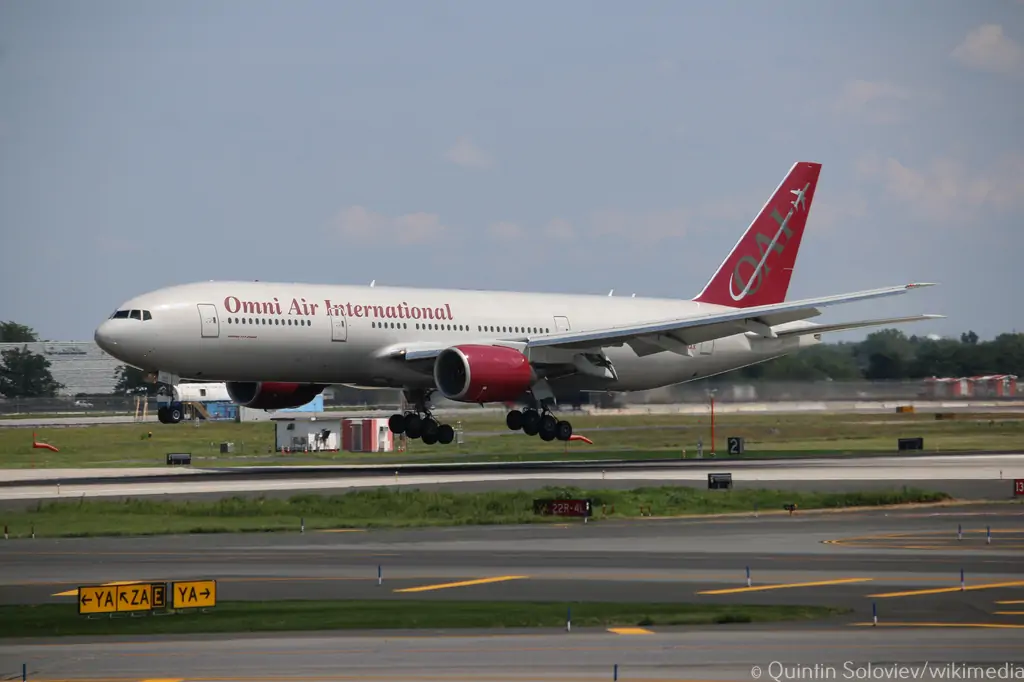
Omni Air International, a prominent player in the aviation industry, finds itself at a critical juncture as its 350 pilots, represented by the Teamster Union, vote to authorize a strike. This move underscores underlying issues within the company, primarily revolving around compensation and labor conditions. As discussions intensify, it prompts a closer examination of Omni Air's operational model and the challenges it faces in an ever-evolving aviation landscape.
Understanding the ACMI Model & Pilot Perspectives
At the heart of Omni Air International's operations lies the ACMI (Aircraft, Crew, Maintenance, and Insurance) model. Often referred to as wet leasing, this approach allows airlines to purchase additional capacity as needed. However, the recent labor dispute highlights the delicate balance between cost control and ensuring fair treatment for employees.
Captain Paul Rodell, a key figure within Omni Air's pilot community, emphasizes the urgency of addressing the current impasse. The failure to offer industry-standard pay not only jeopardizes morale but also undermines the airline's operational efficiency. With an increasing demand for experienced pilots, Omni Air risks losing its talent pool to competitors offering more favorable terms.
Competitive Landscape & Diversified Services
In an industry where talent acquisition is paramount, Omni Air's predicament is compounded by the need to remain competitive. Major players like United Airlines have set a precedent with record pilot hiring and comprehensive contract settlements. As the aviation sector continues to recover from the challenges posed by the pandemic, retaining skilled personnel becomes imperative for sustained growth.
While Omni Air is renowned for its military transport services and wet leasing capabilities, its charter operations present additional avenues for revenue generation. From entertainment and corporate charters to emergency evacuations and government missions, the airline's versatility is evident. Moreover, its role in facilitating the transportation of professional sports teams underscores its adaptability in meeting diverse customer needs.
Commitment to Safety & Navigating Forward
Amidst the ongoing discussions, Omni Air reaffirms its commitment to safety and passenger satisfaction. With an average of fifteen years of experience among its pilots and specialized training for flight attendants, the airline prioritizes excellence in service delivery. Furthermore, the presence of onboard mechanics underscores its proactive approach to addressing technical issues promptly.
As Omni Air navigates through these turbulent times, finding a resolution that balances cost considerations with employee welfare remains paramount. The airline's ability to adapt to evolving market dynamics while upholding its core values will determine its long-term viability. In a highly competitive industry, success hinges on fostering a harmonious relationship between management and labor.
Conclusion
The current labor dispute facing Omni Air International underscores broader challenges within the aviation sector. While the company's ACMI model offers flexibility and cost-efficiency, it also exposes vulnerabilities in labor relations. By prioritizing fair compensation and fostering a culture of collaboration, Omni Air can mitigate risks and position itself for sustainable growth in the years ahead. As stakeholders await further developments, the outcome of these negotiations will undoubtedly shape the future trajectory of the airline.
Read next

The airline industry is a challenging landscape, notorious for its razor-thin profit margins. However, amidst this turbulence, certain players stand out by consistently surpassing industry averages. In recent years, ultra-low-cost carriers (ULCCs) like Ryanair and Spirit Airlines have demonstrated remarkable profitability, boasting margins that far exceed those of traditional legacy carriers. What lies behind their success? Let's delve into the strategies and dynamics that enable these budget airlines to soar.
Maximizing Revenue
One of the key strategies employed by ULCCs is maximizing revenue per passenger. Despite offering tickets at rock-bottom prices, these carriers excel at generating ancillary revenue through a plethora of fees and onboard services. From seat selection to baggage fees, every opportunity to monetize the passenger experience is seized upon. For instance, Ryanair even sells lottery tickets onboard, adding an extra dimension to inflight revenue streams.
Cost-Cutting Mastery
The other half of the profitability equation for ULCCs lies in their unparalleled ability to cut costs. From aircraft procurement to labor negotiations, these airlines leave no stone unturned in their pursuit of efficiency. By placing bulk orders for the latest fuel-efficient aircraft, ULCCs secure discounts and minimize long-term fuel expenses. Maintaining single-family aircraft fleets further streamlines maintenance and training costs. Additionally, labor negotiations often result in non-unionized staff, allowing for more flexible contracts and reduced overhead.
Strategic Operations
ULCCs strategically operate out of smaller, secondary airports to negotiate favorable landing and takeoff fees. By avoiding congested hubs, these carriers minimize operational costs while still accessing key markets. For example, Spirit Airlines operates out of Atlantic City International Airport and Frontier Airlines out of Trenton-Mercer Airport, where they enjoy a dominant presence, benefiting from reduced competition.
Challenges and Success
While ULCCs have mastered the art of balancing revenue generation and cost reduction, achieving sustained profitability is not without its challenges. Competition, regulatory hurdles, and economic fluctuations all pose threats to the viability of the low-cost business model. However, by continuously innovating and refining their strategies, successful ULCCs navigate these challenges and continue to thrive in the dynamic aviation industry.
Conclusion
Ultra-low-cost carriers have rewritten the rulebook when it comes to airline profitability. Through a combination of aggressive revenue generation, ruthless cost-cutting, and strategic operations, these airlines have carved out a lucrative niche in the market. While challenges persist, the success of ULCCs like Ryanair and Spirit Airlines serves as a testament to the resilience and adaptability of the low-cost business model in an ever-evolving industry landscape.
Read next
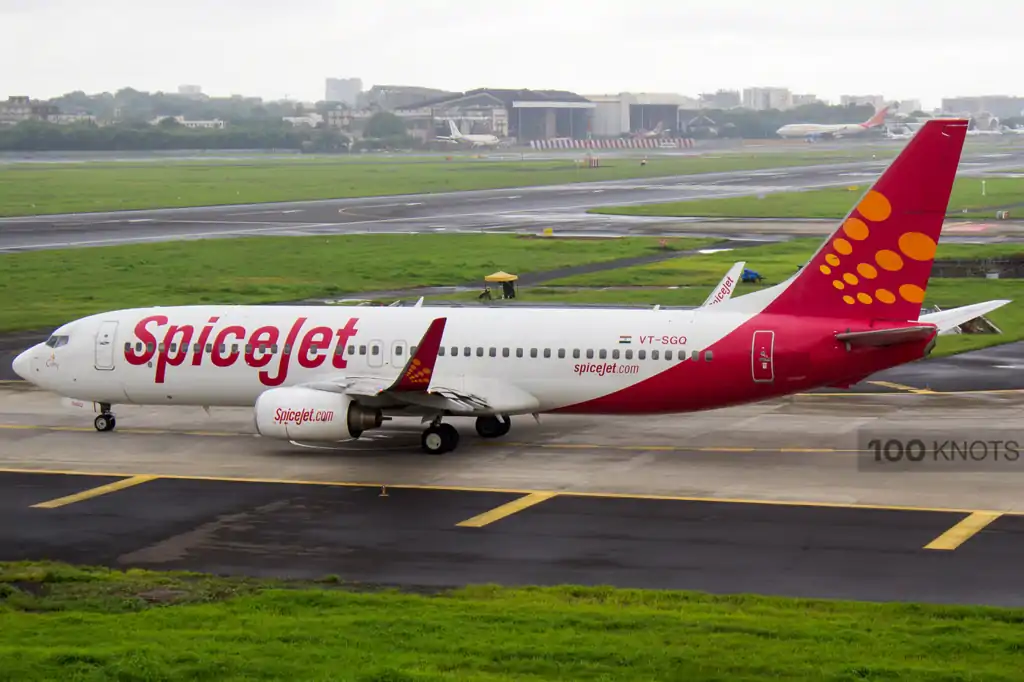
In the latest development within India's aviation sector, budget airline SpiceJet has announced its decision to lay off 1,400 employees, constituting nearly 15% of its workforce. This move comes amidst efforts to reduce costs and maintain investor confidence, shedding light on the challenges faced by the airline amid an ever-evolving industry landscape.
Current Situation, Confirmation and Justification
SpiceJet, which currently operates around 30 planes, is facing financial strain, evident from its delayed salary payments and the need to align companywide costs with operational requirements. The airline's salary bill stands at ?60 crore, prompting the necessary measure of staff cuts.
A spokesperson for SpiceJet has confirmed the impending job losses, citing the imperative need to realign costs with operational demands. The decision underscores the company's efforts to navigate through financial turbulence and sustain investor interest amidst an uncertain economic climate.
Financial Challenges & Historical Context
The need for cost-cutting measures arises from SpiceJet's struggle to meet its financial obligations. Despite its ongoing efforts to secure a fund infusion of ?2,200 crore, concerns have emerged regarding potential funding delays and wavering investor confidence. While the airline asserts progress in securing funds and assures forthcoming announcements, doubts linger regarding the commitment of some investors.
This development marks a significant downturn from SpiceJet's peak in 2019 when it boasted a fleet of 118 planes and a workforce of 16,000 employees. The stark contrast underscores the challenges faced by the airline in sustaining its operations amidst dynamic market conditions and evolving consumer preferences.
Comparison with Competitors
In contrast to SpiceJet's downsizing, its nearest competitor, Akasa Air, maintains a leaner workforce of 3,500 employees for a fleet of 23 planes. Despite similar market shares in the domestic aviation market, the differing approaches of these airlines highlight varying strategies in navigating industry challenges.
Conclusion
As SpiceJet embarks on its workforce reduction journey, questions arise regarding the airline's ability to weather the storm and emerge stronger amidst financial uncertainties. The implications extend beyond the confines of the company, reflecting broader shifts within the aviation sector and signaling the need for resilience and adaptability in the face of adversity. As stakeholders await further developments, the fate of SpiceJet remains intertwined with the broader dynamics of India's aviation industry, leaving observers to ponder: Is SpiceJet's layoff of 1,400 employees a sign of turbulence ahead?
With Inputs from Economic Times
Read next


An Air India flier who was accused of peeing mid-flight on an elderly lady and lost his job has sued Wells Fargo for terminating him without checking facts.
The episode which trended last year as "Peegate" concerned Shankar Mishra. Mishra returned from New York finishing an assignment at the Wells Fargo Headquarters, on an International flight on 26/11/22.
"As of date, peegate victim, Shankar Mishra, is jobless for more than a year and has had over 200+ rejections after his unceremonious termination that was done in haste without any inquiry or fact-checking by his employer, Wells Fargo. The company put Shankar on ‘Admin leave pending inquiry' on 5th Jan 2023 & the very next day, 6th Jan 2023 – Wells Fargo decided that they will not pursue the inquiry and issued a press statement that they are deeply disturbed by the allegations and terminating Shankar. Having turned the peegate on its head with enough proof that the elderly lady's accusations had dubious intent, Shankar Mishra has filed a case against Wells Fargo for Wrongful Termination and also sought Permanent and Mandatory Injunction," Mishra's family said in a press statement on Monday.
The issues agitated in this suit :
1) Wrongful Termination: Wells Fargo or any other employer in India or all fair nations cannot deny an accused employee a fair inquiry.
2) The Wells Fargo Press statement of 6th Jan 2023 – Making assumptions and imputing guilt to Shankar's Termination without inquiry, proof or facts, is an abuse of employers powers, and is coloured with the prejudice of a malafide intent.
3) Defamatory unsubstantiated allegations in Print: No employer in our land, has the untrammeled powers to suo moto decide the guilt of an employee, without inquiry, and then cause to publish, such defamatory statements, thereby illegally denying him future job opportunities by painting him with the coloured allegations, when the very foundation of the false allegations against him are sub-judice in various Courts, it added.
"I believe in the judiciary and this is a fight for justice and Shankar's right to employment," said Shankar's father, Shyamnaval Mishra.
The Wells Fargo email accuses Shankar Mishra to the extent of pronouncing judgement, sans inquiry, stating “you potentially in fact did commit such an act” and the Termination notice dated 6th Jan 2023 states “For the reasons clearly mentioned in the email dated 6th Jan 2023 to you, sent to your personal and work email ID’s, your employment is hereby terminated with immediate effect (i.e., from 6th Jan 2023) (Release Date) in accordance with clause titled on “Separation with no cause”.
Therefore in a space of less than 24 hours, Wells Fargo International Bank, shifted stances, from initiating an Inquiry, then issuing a public statement condemning Shankar Mishra, to then deciding NOT to pursue an Inquiry, in violations of all principles of natural justice and canons of law. The termination process itself is devoid of equity and fairness, and militates against natural justice, the “hearing Rule”, the Bias Rule” and the absence of a Reasoned decision, which clearly shows the malafide of MNCs, the family said.
Shankar has been exceptional at academics and began working whilst still at college to support his family, and worked his way up various Auditors, Article ships and MNC Banks. His LinkedIn recommendation section speaks of strong recommendations from peers / stakeholders / seniors. He won 7 straight exceptional assessments and then climbed the ladder slowly and ended up as Vice President / Business Lead of another MNC bank in Bangalore, handling a large asset-backed securitization & lending portfolio, during a tenure of more than 14+ years of banking & asset management, the family noted.
Read next

SpiceJet's stock tanked around 4% on Monday after reports that the cash-starved airline will layoff people.
The airline's stock was down to Rs 65.41 apiece at noon after a report that the airline will terminate 15% of its staff or around 1400 people as it struggles to pay salary bills.
With this, the budget airline has lost most of the gains it made in February before which its stock hovered around Rs 65 apiece and soared to Rs 74 apiece on February 5.
“This is to ensure an alignment of companywide costs as against operational requirements,” the SpiceJet spokesperson was quoted by Economic Times as saying on 15% job cuts.
“There aren't any funding delays and we are progressing well with our fund infusion; also, we have already made our public announcements accordingly. We will be making additional announcements as we progress on the next tranche. A majority of investors have subscribed,” the spokesperson added.
Currently, the airline has 9000 staff and operates 33 planes. At its peak, however, in 2019, it had 16,000 employees and 118 planes.
Read next

Akasa Air had to cancel around 10 flights on Sunday and Monday after it could not put together enough captains to operate those flights.
Passengers were stranded at airports because the flights were canceled at short-notice.
"We apologise for the inconvenience caused due to the cancellation of some flights on February 11-12, 2024. This was an aberration and as India’s most on-time airline we continue to strive to provide our customers with a highly reliable offering," Akasa Air spokesperson said confirming the development
Ironically these cancellations came on the birthday of its CEO Vinay Dube.
The fast-growing carrier has recently ordered 150 Boeing 737 MAX aircraft. The airline had earlier placed an order for 76 Boeing 737 MAX planes. Out of those, 22 planes have been delivered.
"Here’s wishing my friend and business partner Akasa Air … Vinay Dube … a very Happy Birthday! Undoubtedly one of the nicest people I have ever known … a source of constant inspiration on how to be!," Aditya Ghosh posted on social media on February 11th.
Since its launch in August 2022, Akasa Air has carried over 6.3 million passengers and connects with 20 cities across India, namely Mumbai, Ahmedabad, Bengaluru, Chennai, Kochi, Delhi, Guwahati, Agartala, Pune, Lucknow, Goa, Hyderabad, Varanasi, Bagdogra, Bhubaneswar, Kolkata, Port Blair, Ayodhya, Gwalior, and Srinagar.
The airline had a run-in with its pilots last year after it went to court over some pilots who left at short notice. This has strained relations internally.
Still the airline has got its 23rd Boeing plane this month and the next one is on way.
"From Seattle's lush landscapes to Keflavik's cozy charm, from Larnaca's sun-kissed shores to Hyderabad's warm embrace - what a journey it’s been. Thrilled to welcome our 23rd aircraft to the growing Akasa fleet and here’s to exploring newer horizons. What’s more? Aircraft number 24…" the airline said in a Feb 9th post on social media.
Comment