
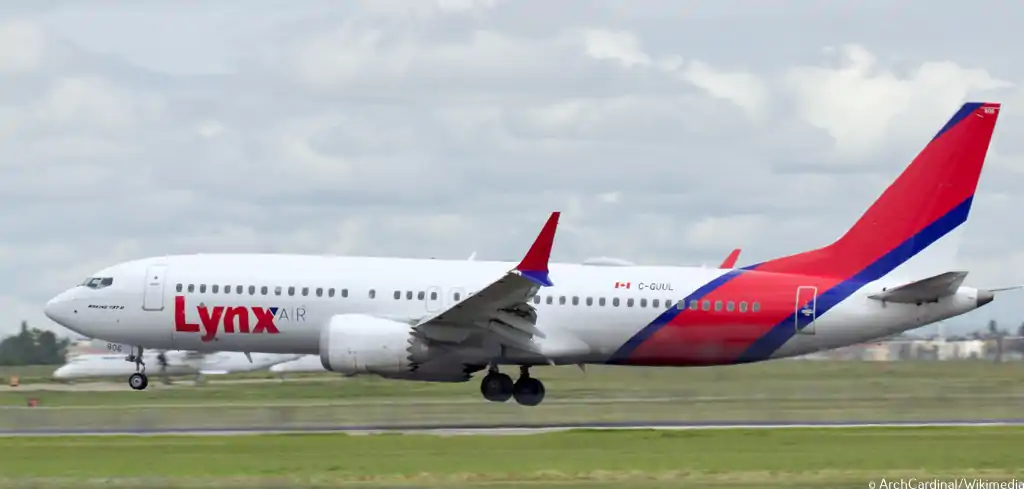
In a recent ruling by an Alberta judge, the fate of a longstanding agreement between Lynx Air and Boeing has been determined. The termination of purchase contract no. 04427 marks the end of a once-promising deal that now lies in the shadow of financial turmoil and operational challenges.
Agreement Termination Approved & Background
On April 2, Judge Jane Sidnell of the King's Bench of Alberta Court in Calgary approved an agreement between Lynx Air and Boeing to terminate their purchase contract for B737 MAX aircraft. This decision follows Lynx Air's filing for creditor protection and subsequent cessation of operations on February 26, 2024.
The purchase agreement, initially signed in October 2015 and later amended in 2018, involved Lynx Air's intention to acquire a total of forty B737 MAX aircraft, including both B737-8 and B737-8-200 variants. Additionally, Lynx Air had plans to lease six more aircraft as part of the agreement.
Operational Challenges and Financial Turmoil
Despite taking delivery of nine B737-8 aircraft under lease terms, Lynx Air faced significant challenges in fulfilling the terms of the purchase contract. The company encountered financial difficulties, leading to the decision to seek creditor protection and ultimately cease operations.
Sale Attempts and Unsuccessful Resolutions
In an effort to salvage the situation, Lynx Air explored options to sell its rights and interests in the MAX purchase agreement. However, faced with complexities and challenges in maximizing value for the airline, Lynx Air and Boeing jointly concluded that terminating the agreement was the most viable solution.
Terms of Termination Agreement
The termination agreement, dated March 21, 2024, outlines the terms of the settlement between Lynx Air and Boeing. While the exact compensation amount remains undisclosed, it was deemed satisfactory by all involved parties, including Lynx Air's monitor and senior creditor, Indigo Northern Ventures LP.
Status of Delivered Aircraft
Of the nine B737-8 aircraft that Lynx Air had taken delivery of, all were leased from various lessors. These aircraft are currently in operation, albeit under uncertain circumstances given Lynx Air's cessation of operations.
- C-GUUL (MSN 42846) - SMBC Aviation Capital;
- C-GULN (MSN 42845) - SMBC Aviation Capital;
- C-FULJ (MSN 42847) - SMBC;
- C-GJSL (MSN 44312) - High Ridge Aviation;
- C-FULI (MSN 44314) - Aergo Capital;
- C-FULH (MSN 44306) - AerDragon Aviation Partners;
- C-GLYX (MSN 66474) - BOC Aviation;
- C-GJHK (MSN 63383) - BOC Aviation; and
- C-FTHF (MSN 63382) - BOC.
Remaining Aircraft and Creditor Protection Period
The termination agreement indicates that Lynx Air has either assigned, transferred, or encumbered the purchase rights for three of the delivered aircraft. The remaining six aircraft, along with the undelivered orders, remain unencumbered. Lynx Air's creditor protection period is set to expire on April 15.
Conclusion
The termination of the purchase agreement between Lynx Air and Boeing underscores the challenges faced by airlines amidst economic uncertainties and operational disruptions. As Lynx Air navigates through its creditor protection period, the future of its remaining assets and the fate of the unfulfilled aircraft orders remain uncertain, casting a shadow over the once-promising partnership with Boeing.
With Inputs from ch-aviation

Read next
Is Vistara Facing Turbulence Amid Pilot Protests and Flight Cancellations?
Abhishek Nayar
08 Apr 2024
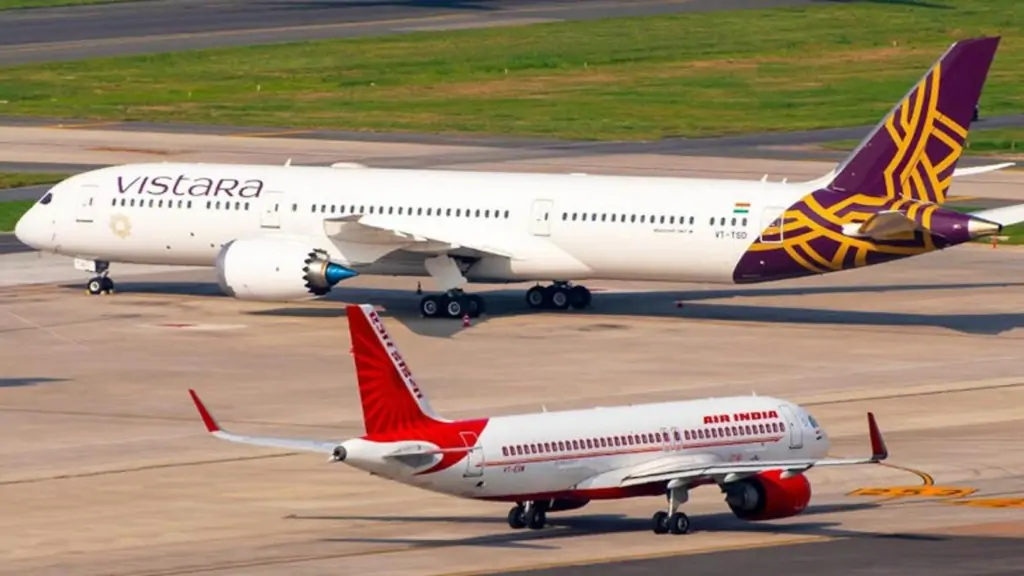
Vistara, one of India's prominent carriers, finds itself navigating through turbulent skies as it grapples with a series of challenges, including pilot protests, flight cancellations, and operational adjustments. Amidst growing concerns over crew availability and scheduling issues, the airline is exploring measures to mitigate disruptions and ensure smoother operations in the coming months.
Pilot Protests and Pay Revisions
In recent developments, Vistara has been forced to cancel approximately 20 flights per day, attributing the disruptions primarily to crew unavailability. The root cause of this shortage stems from a wave of sick leave taken by a portion of Vistara's pilots. According to reports, some pilots opted for sick leave as a form of protest against a downward revision in pay ahead of the anticipated merger with Tata-owned Air India later this year.
The impending merger has created a sense of uncertainty among Vistara's pilot workforce, leading to concerns over potential changes in remuneration and working conditions. The discontent among pilots has been exacerbated by the strain of a busy flight schedule, resulting in growing fatigue and dissatisfaction with the current operating environment.
Operational Challenges and Flight Cancellations
Vistara, jointly owned by the Tata group and Singapore Airlines, has been grappling with operational challenges since late March, with flight cancellations becoming a recurrent issue. Vinod Kannan, the chief executive of Vistara, acknowledged the shortfall in operational capacity, revealing that the airline typically operates around 350 flights per day but is now falling short by approximately 20 flights daily.
Kannan clarified that the decision to cancel flights was primarily aimed at providing a buffer of available crew, rather than being driven by other underlying reasons. The cancellations are intended to optimize crew allocation and alleviate the strain on existing resources, particularly amidst concerns raised by pilots regarding the demanding nature of their schedules.
Mitigating Disruptions: Adjusting Pilot Schedules
In response to the ongoing challenges, Vistara is contemplating adjustments to its pilot schedules for the upcoming month of May. Kannan indicated that the feasibility of cutting crew schedules would depend on various factors, including the preferences of pilots and the operational requirements necessitated by the airline's flight operations.
The proposed adjustments aim to strike a balance between operational efficiency and crew welfare, addressing the concerns raised by pilots while ensuring the continuity of services for passengers. By reassessing crew schedules and implementing strategic measures, Vistara endeavors to navigate through the current turbulence and emerge stronger in the face of adversity.
Looking Ahead: Charting a Course for Stability
As Vistara confronts the challenges posed by pilot protests and flight cancellations, the focus remains on fostering a conducive working environment and enhancing operational resilience. The airline's commitment to addressing the grievances of its workforce while maintaining service standards underscores its dedication to ensuring passenger satisfaction and long-term sustainability.
Amidst the evolving landscape of India's aviation sector, Vistara is poised to leverage its strategic partnerships and operational expertise to overcome the present hurdles and chart a course for stability and growth. With proactive measures and a collaborative approach, Vistara aims to navigate through the current headwinds and emerge as a resilient player in the competitive airline industry.
With Inputs from Reuters
Read next

As the world gradually emerges from the grips of the COVID-19 pandemic, African airlines are experiencing a remarkable resurgence in demand and capacity. With passenger traffic soaring and ambitious expansion plans underway, the continent's aviation industry is poised for a transformative journey ahead.
Surging Demand and Capacity
The International Air Transport Association (IATA) reports a staggering 20.7% increase in passenger traffic across African airlines compared to the same period last year. This surge in demand is accompanied by a robust expansion in capacity, with an impressive 22.1% yearly growth rate, propelling Africa's aviation sector into a new era of prominence.
Challenges and Opportunities
Despite the promising growth trajectory, African airlines face challenges such as fluctuating load factors and the potential impact of new taxes, particularly those imposed by European jurisdictions. However, industry experts, including Willie Walsh, Director General of IATA, remain optimistic about the region's prospects, citing resilient passenger demand and accelerated investments in airports and airlines.
Domestic Operations and Regional Connectivity
Domestic operations within Africa have witnessed remarkable growth, surpassing 13.7% compared to pre-pandemic levels. Moreover, the continent has seen a significant increase in international operations, particularly towards Asia and the Pacific, with demand surpassing 53.2%. Routes connecting Africa to South America have also experienced a notable uptick, signaling improved regional connectivity and opportunities for economic exchange.
Ethiopian Airlines: Leading the Way
Ethiopian Airlines, based in Addis Ababa, stands out as the continent's largest airline, with ambitious plans for expansion. The carrier is set to operate up to 78 destinations across Africa this year, showcasing its commitment to enhancing connectivity within the region. Furthermore, Ethiopian Airlines is expanding its reach to North America, with plans to add two additional destinations per year over the next few years, including cities like Denver, Minneapolis, and Montreal.
Conclusion
As African airlines continue to navigate the complexities of a post-pandemic world, they are poised to play an increasingly vital role in shaping the continent's economic and social landscape. With surging demand, ambitious expansion plans, and a resilient spirit, Africa's aviation industry is flying high into a promising future of growth and opportunity.
Read next

The International Air Transport Association (IATA) recently released a report showcasing a notable surge in passenger demand for February 2024, hinting at a potential resurgence in the aviation industry. With global passenger demand soaring, coupled with increased capacity and robust cargo markets, the aviation sector seems to be rebounding from the depths of the COVID-19 pandemic.
Passenger Demand on the Rise
According to the latest report by IATA, global passenger demand witnessed a significant uptick in February 2024 compared to the same period last year. The data, which represents about 83% of the world's carriers, reveals a 21.5% increase in passenger demand, indicating a strong resurgence in air travel.
International vs. Domestic Trends
The surge in demand was more pronounced in international routes, with a remarkable 26.3% year-on-year increase, while domestic routes saw a 15.0% rise. However, the capacity growth on domestic routes lagged behind international routes, resulting in higher average load factors for domestic flights.
North American Market Dynamics & Cargo Market Resilience
Despite a more modest growth rate compared to other regions, North America experienced an 8.9% increase in passenger demand. However, the region's market dynamics and slower recovery rate suggest potential challenges in achieving pre-pandemic levels of air travel activity.
In addition to the surge in passenger demand, the air cargo market also exhibited robust growth, marking the third consecutive month of double-digit year-on-year expansion. This resilience in the cargo sector has been instrumental in sustaining airlines' revenue streams, particularly during the pandemic-induced downturn in passenger travel.
Industry Optimism and Challenges
Willie Walsh, the Director General of IATA, expressed optimism about the industry's prospects in 2024, attributing the positive trajectory to accelerated investments in decarbonization and the resilience of passenger demand. However, Walsh cautioned against potential challenges, including geopolitical uncertainties and proposed tax increases that could impede the industry's recovery.
Conclusion
The latest report from IATA paints a promising picture for the aviation industry in 2024, with strong growth in both passenger demand and cargo markets. While challenges persist, including uneven recovery rates across regions and looming geopolitical uncertainties, the industry's resilience and adaptability offer hope for a robust comeback from the COVID-19 pandemic downturn. As airlines continue to navigate through uncertain terrain, the road to recovery appears to be paved with cautious optimism and strategic investments in sustainability and innovation.
Read next
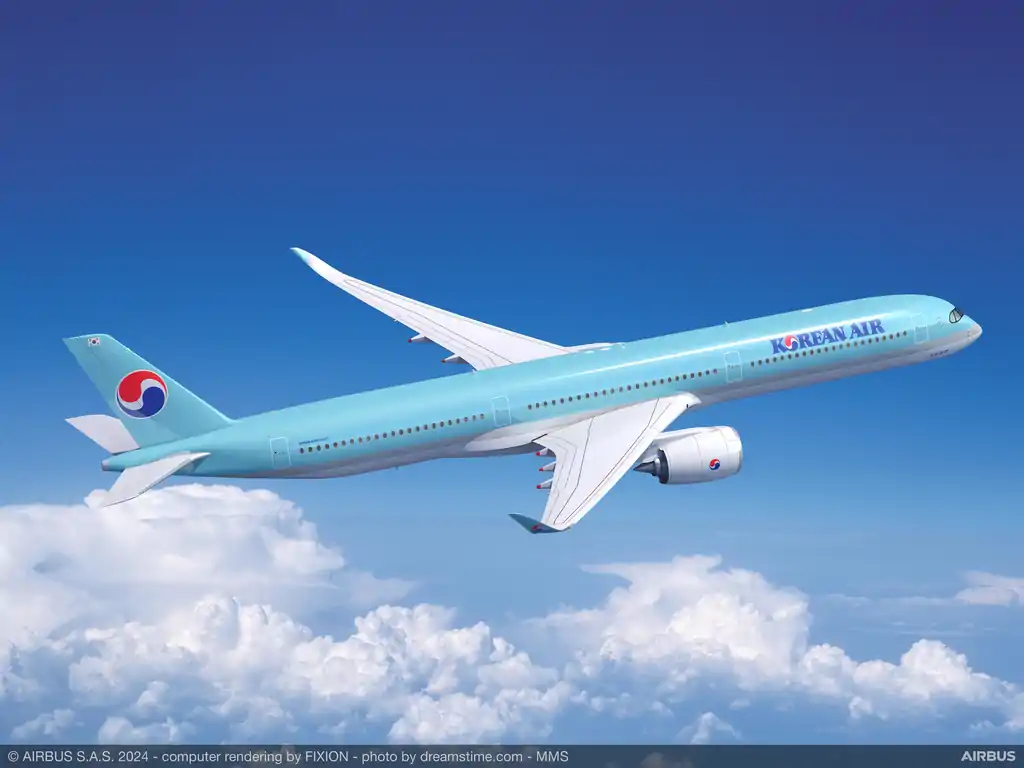
In a strategic move to enhance operational efficiency and elevate passenger experience, Korean Air has placed a firm order for thirty-three Airbus widebody aircraft, according to an announcement from the OEM. The order includes twenty-seven A350-1000s and six A350-900s, marking a significant step for the flag carrier towards fleet modernization and optimization.
Operational Efficiency and Passenger Experience Enhancement
Jason Yoo, executive vice president and chief safety and operating officer at Korean Air, expressed confidence in the introduction of the A350 series to their fleet. He highlighted the anticipation that these modern aircraft would drive operational efficiencies and enhance the overall travel experience for passengers. This move underscores Korean Air's commitment to staying at the forefront of innovation in the aviation industry.
Replacement of Aging Aircraft on Long-Haul Routes
The new widebodies are expected to replace existing aging aircraft on long-haul routes, aligning with Korean Air's long-term aircraft plan. This strategic decision not only ensures operational reliability but also demonstrates Korean Air's dedication to maintaining a modern and fuel-efficient fleet, crucial for long-haul operations.
Integration with Prospective Merger Partner
Korean Air's prospective merger partner, Asiana Airlines, already operates the A350 type, with a fleet of fifteen A350-900s and additional orders. The harmonization of fleets through the introduction of Airbus A350s will likely streamline operations and facilitate a smoother integration process between the two carriers, enhancing synergies and competitiveness in the market.
Fleet Simplification and Expansion
Korean Air currently operates a diverse range of aircraft types across its passenger-configured fleet. The addition of the A350 series complements its existing widebody fleet, which includes various Airbus and Boeing models. Additionally, Korean Air has additional Boeing 787 Dreamliners on order, indicating a blend of fleet simplification and expansion strategies aimed at optimizing operations and meeting evolving market demands.
Conclusion
Korean Air's firm order for thirty-three Airbus widebodies signifies a strategic move towards fleet modernization, operational efficiency, and enhanced passenger experience. With the introduction of the A350 series, Korean Air is poised to strengthen its position in the global aviation market while aligning with its long-term objectives. This significant investment underscores the airline's commitment to innovation and excellence in air travel.
With Inputs from ch-aviation
Read next
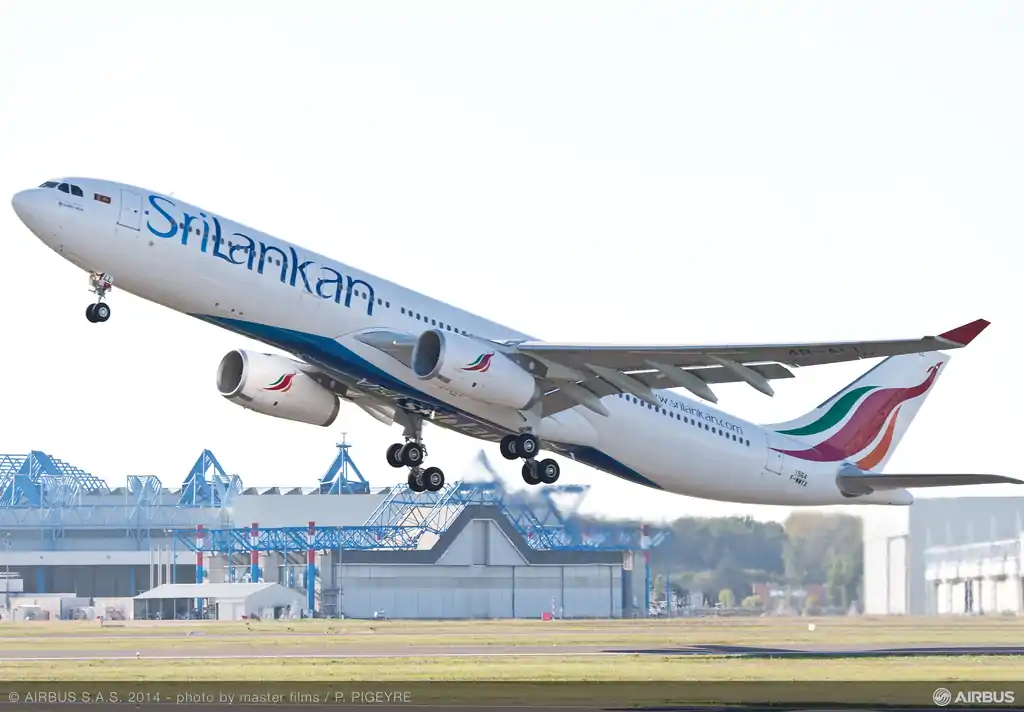
SriLankan Airlines, the flag carrier of Sri Lanka, has recently secured approval from the government to lease four aircraft in a move aimed at bolstering its fleet amidst ongoing challenges and discussions surrounding its privatization.
Government Approval, Financial Commitment & Lease Details
During a meeting held on April 1, the Sri Lankan government sanctioned two contracts for SriLankan Airlines to lease a total of four widebody aircraft. The decision, published on the government's website, signifies a substantial financial commitment of nearly USD 122 million over an eight-year term.
The approved contracts involve leasing two aircraft from ORIX Aviation for six years, with a monthly rate of USD 360,000 per aircraft, amounting to USD 51.84 million over the lease period. Additionally, two aircraft will be leased from Aergo Capital for eight years at a monthly rate of USD 365,000 per aircraft, totaling USD 70.08 million.
Aircraft Type and Operational Plans
Although the minutes of the meeting did not specify the aircraft type, SriLankan Airlines Chairman Ashok Pathirage revealed that the leased aircraft are A330s. Pathirage expressed hopes of having these aircraft operational for the airline by the end of the year. This move aligns with SriLankan Airlines' strategy to rebuild its fleet, which was previously comprised of 27 aircraft before being reduced to 17 due to various reasons, including the impacts of the COVID-19 pandemic.
Fleet Status and Replacement Strategy
The current operational fleet includes a mix of A320-200s, A320-200N, A321-200N, A330-200s, and A330-300s. However, several aircraft are out of service for reasons such as Pratt & Whitney engine issues, maintenance, and lease returns. With lease agreements for existing aircraft expiring in the coming years, the pressure to acquire replacements has intensified for SriLankan Airlines.
Privatization Efforts & Conclusion
Parallel to the efforts to strengthen its fleet, SriLankan Airlines is undergoing partial privatization. The government has initiated the privatization process, which is currently at the prequalification stage. The deadline for prospective buyers to submit expressions of interest has been extended multiple times, with the current deadline set for April 22, 2024.
The decision to lease four aircraft underscores SriLankan Airlines' commitment to adapt and thrive in a challenging aviation landscape. As discussions on privatization continue, securing additional aircraft signifies a step towards revitalizing the airline's operations and ensuring its competitiveness in the global market.
With Inputs from ch-aviation
Comment