
Malaysia Airlines' Struggles Trigger Safety Concerns and Operational Overhaul

Abhishek Nayar
30 Aug 2024

Malaysia Airlines, a carrier with a history marked by tragedy and turbulence, is once again under the spotlight. This time, the focus is on its operational and safety standards, leading to a significant regulatory action by Malaysia's civil aviation authority.
The recent decision to shorten Malaysia Airlines' Air Operator Certificate (AOC) from three years to one is a clear signal that the airline must address critical issues swiftly and effectively. This article delves into the factors behind this decision, the impact on the airline's operations, and the steps being taken to ensure the safety and reliability of Malaysia's national carrier.
Regulatory Clampdown: A Wake-Up Call for Malaysia Airlines
The Civil Aviation Authority of Malaysia (CAAM) launched a thorough investigation into Malaysia Airlines in June 2024, uncovering a series of concerning safety and maintenance issues. Among the most pressing findings were a shortage of skilled labor and mechanical components, both vital to maintaining a safe and efficient fleet. These issues were severe enough to prompt the reduction of the airline's AOC duration from three years to just one year, a significant move that underscores the seriousness of the situation.
Transport Minister Anthony Loke highlighted the gravity of the findings in a press conference, emphasizing that Malaysia Airlines must now submit monthly reports detailing the progress of its mitigation plan. The plan includes an aggressive recruitment drive to address the labor shortage and a strategic shift away from third-party maintenance services, allowing the airline to focus more on its in-house aircraft maintenance.
Operational Disruptions: Flight Reductions and Financial Implications
In response to the regulatory scrutiny, Malaysia Aviation Group (MAG), the parent company of Malaysia Airlines, has announced a temporary reduction in flights and routes across its carriers until December 2024. This decision, made after significant service disruptions earlier in the month, is expected to impact the airline's revenue, although MAG remains optimistic about its current financial position.
Aeroroutes, a leading tracker of airline schedule changes, reported that MAG had cut 31 weekly flights across 13 of its international routes during the week starting August 25th. While these reductions are likely to hit MAG's bottom line, Transport Minister Loke assured that the company's financial health remains robust. However, whether further financial support will be necessary remains in the hands of its sole shareholder, Khazanah Nasional, Malaysia's sovereign wealth fund.
Historical Challenges: A Decade of Struggle
Malaysia Airlines' recent challenges are set against a backdrop of a tumultuous decade. The airline has yet to fully recover from the twin disasters of 2014, which saw the tragic loss of flights MH370 and MH17. Following these incidents, the airline was delisted and underwent a major restructuring, leading to the formation of MAG under Khazanah Nasional's ownership. Despite these efforts, profitability has been elusive, with MAG only recently reporting its first net profit of 766 million ringgit ($176.4 million) for 2023, the first such achievement since 2010.
Looking Forward: Malaysia Airlines’ Road to Recovery
To address the ongoing challenges, MAG has committed to several immediate measures, including tackling supply chain disruptions, resolving technical and manpower constraints, and managing other post-pandemic challenges. The airline has also been affected by delays in the delivery of new aircraft, further complicating its operational capabilities.
With a fleet of just over 100 aircraft, Malaysia Airlines faces an uphill battle to restore confidence among regulators and passengers alike. The airline's future hinges on its ability to successfully implement its mitigation plan, improve its operational reliability, and ultimately regain the trust of its stakeholders.
Conclusion
Malaysia Airlines finds itself at a critical juncture, where the need for rigorous safety and operational standards has never been more apparent. The recent regulatory action serves as both a warning and an opportunity for the airline to rebuild and reestablish itself as a safe and reliable carrier. As the airline works to navigate these challenges, all eyes will be on its ability to deliver on its promises and ensure that it remains a cornerstone of Malaysia's aviation industry. The coming months will be crucial in determining whether Malaysia Airlines can soar once again or face further turbulence in its journey.
With Inputs from Reuters
Read next
China's COMAC C919 Gains Momentum: Air China and China Southern Join the Fleet
Abhishek Nayar
30 Aug 2024

China's aviation industry is taking significant strides as the homegrown COMAC C919 passenger jet expands its presence. Air China and China Southern Airlines have become the latest carriers to incorporate this groundbreaking aircraft into their fleets. This move not only reflects China's growing aerospace ambitions but also signals a shift in the global aviation landscape. Here's what you need to know about this development and its potential impact.
COMAC C919: A Game-Changer in Chinese Aviation
The COMAC C919, developed by the Commercial Aircraft Corporation of China (COMAC), is China's first domestically produced narrow-body passenger jet. Designed to compete with industry giants like Boeing and Airbus, the C919 has been making headlines since its maiden flight in 2017. With a seating capacity of up to 192 passengers, it is positioned to rival the Boeing 737 MAX and Airbus A320neo, two of the most popular aircraft in the world.
Breaking Into a Western-Dominated Market
The aviation industry has long been dominated by Western manufacturers. However, the introduction of the C919 marks a significant effort by China to challenge this status quo. Despite the challenges of breaking into a market dominated by Airbus and Boeing, COMAC is making steady progress. The company has already secured more than 1,000 orders for the C919, with China's three largest state-owned airlines—Air China, China Southern, and China Eastern—each ordering 100 units.
Air China and China Southern: The Newest Players in the C919 Game

On a pivotal Wednesday, Air China and China Southern Airlines received their first C919 jets at COMAC's Pudong base in Shanghai. This marks a major milestone, as these carriers become the second and third Chinese airlines to operate the C919, following China Eastern Airlines, which has been flying the jet since May 2023.

The C919 delivered to Air China comes equipped with 158 seats, including eight in business class and 150 in economy. Both Air China and China Southern are expected to receive two more C919 jets each by the end of the year, further expanding their fleets with this innovative aircraft.
A Strategic Expansion Amid Global Challenges
The expansion of the C919 fleet comes at a time when the global aviation market is grappling with aircraft shortages and ongoing challenges faced by Boeing following its safety crisis. COMAC's ambition to capture a share of this market, particularly in Southeast Asia and Saudi Arabia, is evident in its increased sales and production plans. According to Zhongtai Securities, COMAC aims to produce 100 aircraft annually by around 2030, with total production surpassing 1,000 by 2035.
However, industry experts caution that COMAC still faces significant hurdles. The C919 lacks key certifications from the United States and European Union, which are crucial for penetrating international markets. Despite this, COMAC's commitment to securing these certifications and improving the C919's efficiency indicates a long-term strategy to compete on a global scale.
The Road Ahead: What to Expect from COMAC and the C919

Looking forward, COMAC is not only focused on expanding its market share but also on enhancing its product offerings. The company is developing a wide-body aircraft design to complement the C919, further diversifying its portfolio. Additionally, the first C919 delivery to a private airline is anticipated by the end of the year, with Shanghai-based Suparna Airlines, a subsidiary of Hainan Airlines, set to receive its first unit. Suparna Airlines has ambitious plans to eventually transition its entire fleet to C919s.
The Global Market Outlook
As the global aviation industry evolves, COMAC's success will depend on its ability to meet international standards and adapt to market demands. A forecast by aviation consultancy Cirium predicts that by 2042, nearly 1,700 C919 jets will be delivered, giving the aircraft a 25% market share. While this is still behind Airbus's projected 45% and Boeing's 30%, it represents a significant achievement for a relatively new player in the market.
Conclusion: A New Era for Chinese Aviation
The delivery of the C919 to Air China and China Southern Airlines marks a new chapter in Chinese aviation. As COMAC continues to expand its production capabilities and market reach, the C919 is poised to become a key player in the global aviation industry. While challenges remain, the momentum behind the C919 suggests that China's aerospace ambitions are more than just a dream—they're becoming a reality.
As the world watches, the C919's journey could reshape the future of air travel, not just in China, but globally.
With Inputs from Reuters
Read next
Is Lufthansa Facing Turbulence? Examining the Challenges in its Transatlantic and Asian Markets
Abhishek Nayar
30 Aug 2024

Lufthansa, Germany's flagship airline, finds itself navigating turbulent skies as it contends with rising competition and falling ticket prices in its critical transatlantic and Asian markets. In a recent news conference held in Frankfurt, Lufthansa's Chief Financial Officer, Joerg Beissel, laid bare the challenges the airline is facing, highlighting the financial pressures that could reshape its operational strategies.
Rising Competition in the Transatlantic Market
The transatlantic corridor has long been a lucrative route for Lufthansa, but the landscape is changing. According to Beissel, the airline is grappling with declining ticket prices in this market, driven by intensified competition from both Chinese and U.S. carriers. U.S. airlines, in particular, have shifted their capacity from Chinese routes to North America, which has led to a significant increase in direct flights from the U.S. to popular European holiday destinations.
This shift has made it increasingly difficult for Lufthansa to fill its economy class seats without resorting to heavy discounts. The result is a double-edged sword: while the airline can maintain passenger volumes, the profit margins are being squeezed, putting additional pressure on the airline's bottom line.
Challenges in the Asian Market
Lufthansa's woes are not limited to the transatlantic routes. The airline's key Asian flights are also becoming less profitable as Chinese carriers aggressively expand their presence in the long-haul market. With more Chinese airlines offering direct flights to Europe, Lufthansa is losing its competitive edge in the region. This trend is exacerbating the financial strain on the airline, which is already facing increased operational costs.

Strategic Response and Turnaround Plans
In light of these challenges, Beissel emphasized the need for a "structural response" to achieve Lufthansa's goal of an 8% profit margin. The airline had already issued a warning last month about a potential decline in third-quarter earnings, attributing the expected drop to higher wage costs and the ongoing pressure on ticket prices.
Lufthansa's CEO, Jens Ritter, is spearheading a turnaround program aimed at revitalizing the brand and improving profitability. This program includes a commitment to invest €100 million ($111 million) annually in products and services, with a focus on enhancing the customer experience. Additionally, Lufthansa plans to reduce the number of flights and streamline its aircraft fleet, aiming for greater efficiency and cost savings.
To address seasonal fluctuations in demand, the airline is also exploring partnerships with other carriers, which could help mitigate some of the capacity challenges during peak travel periods.
The Impact of Higher Airport Costs
Adding to Lufthansa's financial challenges are the high airport costs in Germany, which have been a point of contention for several airlines, including budget carrier Ryanair. Ritter highlighted that Germany is one of the most expensive locations for airlines to operate, and he called on the government, airport managers, and other stakeholders to collaborate on making the country a more attractive destination for air travel.
The Road Ahead for Lufthansa
Lufthansa is at a crossroads, facing significant headwinds in both its transatlantic and Asian markets. The airline's leadership is acutely aware of the need for swift and decisive action to navigate these challenges. With a comprehensive turnaround plan in place, including service enhancements, fleet optimization, and strategic partnerships, Lufthansa aims to regain its footing and achieve its profitability goals.
However, the success of these efforts will depend on various factors, including the airline's ability to manage costs, navigate competitive pressures, and adapt to changing market dynamics. As Lufthansa charts its course forward, the aviation industry will be watching closely to see how one of Europe's largest airlines responds to these formidable challenges.
With Inputs from Reuters
Read next
Boeing's Delivery Delays Dent Ryanair's Growth: CEO O'Leary Expresses Frustration
Abhishek Nayar
30 Aug 2024
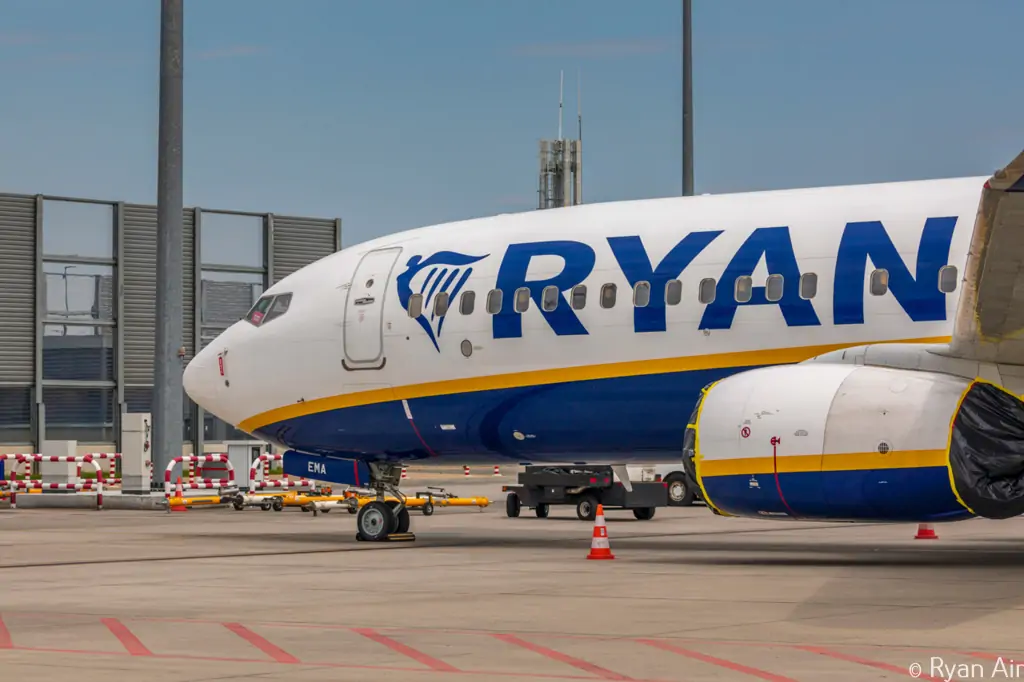
Ryanair Group's chief executive, Michael O’Leary, has not minced words regarding his dissatisfaction with Boeing. As the airline battles through an unexpectedly turbulent year, O'Leary's pointed remarks underscore the significant impact that Boeing's delivery delays are having on Ryanair's growth prospects. With missed delivery targets and the ripple effects of fewer available aircraft, Ryanair's projections for passenger numbers and revenue have taken a hit, setting the stage for a challenging fiscal year.
Boeing's Delivery Delays: A Stumbling Block for Ryanair
Ryanair’s ambitious growth plans have been undermined by Boeing’s inability to deliver aircraft on schedule. The low-cost carrier had initially planned to receive seven aircraft in July and ten in August 2024. However, the reality has fallen short, with only five planes arriving in July and a similar number expected for August. This shortfall has severely restricted Ryanair's ability to scale operations, particularly in the peak summer travel season.
O'Leary expressed his frustration, stating, "We were supposed to get seven in July. We got five. We were supposed to get ten in August. We're going to be lucky if we get five." The delays are not just an operational inconvenience; they have financial implications that are hard to ignore.
Financial Impact: A €500 Million Revenue Shortfall
The direct consequence of these delays is a significant reduction in Ryanair's revenue forecast for the current fiscal period. O’Leary indicated that the company expects to close the year with around €500 million ($556.3 million) less revenue than originally projected. This shortfall is particularly stark when considering Ryanair's strong performance in Q1 FY2025, where the airline posted revenues of €3.65 billion ($4 billion). The full-year revenue for FY2024 was a robust €13.4 billion ($14.9 billion).
Passenger Numbers and Revenue Projections: A Sobering Outlook
Originally, Ryanair had forecasted passenger traffic to grow by 8% year-on-year (YoY), aiming to carry around 200 million passengers in FY2025. However, this target was contingent on a stable delivery schedule for Boeing's 737 Max aircraft. With the current disruptions, the carrier now expects to fall short of its initial target of 205 million passengers.
The airline's Q1 FY2025 results painted a mixed picture. While traffic grew by 10% YoY, Ryanair’s yields fell by 6% YoY. The airline attributed this decline in part to 15% lower fares, driven by the absence of the first half of Easter from Q1 and unexpected price stimulation.
Ongoing Challenges: Uncertain Prospects Ahead
Looking ahead, Ryanair's outlook remains cautious. While demand has been robust in Q2 FY2025, the pricing environment is softer than anticipated, leading the airline to project lower revenues for the period compared to FY2024. O’Leary has warned that by the end of FY2025, average prices may be 5% lower YoY, adding to the financial pressure on the airline. In Q1 FY2025, the average fare was €49.07 ($54.61), which was already 15% lower than in the same period the previous year.
Despite receiving "modest amounts of compensation" from Boeing, O'Leary emphasized that Ryanair would prefer to have the aircraft rather than the monetary compensation. The delayed deliveries have not only impacted Ryanair's revenue but also hindered its ability to expand its network and capitalize on the growing demand for air travel.
Conclusion: A Challenging Year Ahead
As Ryanair prepares to release its Q2 FY2025 results on November 4, 2024, the airline is grappling with a series of challenges that threaten to derail its growth trajectory. Boeing's delivery delays have created a significant bottleneck, and the carrier's ability to navigate this turbulent period will be closely watched by investors and industry analysts alike. While Ryanair has shown resilience in the face of adversity, the road ahead is fraught with uncertainty, and the airline's performance in the coming months will be critical in determining its long-term success.
Read next
Will United' Flight Attendants Strike? The Fight for Fair Wages and Better Conditions Unfolds
Abhishek Nayar
30 Aug 2024

United Airlines flight attendants have sent a powerful message: they are ready to strike if necessary. In an overwhelming vote, nearly 100% of flight attendants supported authorizing a strike, a move not seen in nearly two decades. With demands for better pay and working conditions, the airline faces significant pressure as Labor Day travel looms. But will this vote lead to an actual strike? Here’s what you need to know.
The Flight Against Corporate Greed: What’s Driving the Discontent?
Ken Diaz, President of the Association of Flight Attendants' (AFA) United Chapter, voiced the frustrations of United’s flight attendants, highlighting the stark contrast between management’s compensation and the struggles of inflight workers. In a statement to Houston’s NBC affiliate KPRC, Diaz pointed out that while United’s management enjoys substantial pay increases, many flight attendants are struggling to make ends meet.
“The 99.99% yes vote is a clear reminder that we are unified in the fight against corporate greed and ready to fight for our fair share of the profits we create,” Diaz emphasized.
Negotiations at a Standstill: The Push for a New Contract
United Airlines has been in ongoing negotiations with the AFA to form a new collective bargaining agreement (CBA). According to the airline, these negotiations have been continuous, with sessions scheduled through November, facilitated by a federal mediator. Despite these efforts, the union is pushing for significant changes.
The AFA’s demands include a double-digit base pay increase, higher wages for all time worked (including time spent on the ground), retroactive pay to the amendable contract date, flexible schedules, enhanced job security, and improved retirement benefits.
“We deserve an industry-leading contract,” Diaz stated, signaling the union’s determination. “Our strike vote shows we’re ready to do whatever it takes to reach the contract we deserve.”

What’s Next? The Path to a Possible Strike
Despite the overwhelming strike authorization, United’s flight attendants must continue to work, as any industrial action requires approval from the National Mediation Board (NMB). If negotiations reach a deadlock, the union may request a release from mediation, triggering a 30-day “cooling-off” period before a potential strike.
Adding to the uncertainty is the AFA’s trademarked strike strategy known as CHAOS (Create Havoc Around Our System). This strategy could involve unpredictable and flexible industrial actions, making it difficult for United Airlines to anticipate the union’s moves. CHAOS could range from disrupting a single flight to grounding the airline’s entire system, keeping both management and passengers in the dark until the last moment.
Historical Context: A First in Two Decades
This strike authorization is particularly significant as it is the first time since 2005 that United’s flight attendants have voted on such a proposal. The previous vote occurred during a turbulent period when the airline was undergoing bankruptcy negotiations.
United is not alone in facing labor unrest. Flight attendants from other major airlines, including American Airlines, Alaska Airlines, and Southwest Airlines, have also recently voted to authorize strikes, reflecting a broader push for improved contracts across the industry.
Conclusion: High Stakes for United Airlines and Its Passengers
As the Labor Day travel season approaches, United Airlines faces a potential crisis. The flight attendants’ overwhelming support for a strike authorization sends a clear message: they are ready to take action if their demands are not met. The coming weeks will be crucial as both sides continue negotiations under the watchful eye of the NMB.
Passengers, too, are on edge, wondering if their travel plans will be disrupted. United Airlines must now balance the demands of its workforce with the need to maintain operations and customer satisfaction.
Will United Airlines be able to reach a deal with its flight attendants, or are passengers facing the possibility of chaos in the skies? Only time will tell.
Read next

In just two years since its launch, Akasa Air has made significant strides in the competitive Indian aviation industry. Despite facing challenges such as limited presence on profitable metro routes and rising operational costs, the airline remains optimistic about its future. With Founder and CEO Vinay Dube at the helm, Akasa Air is poised to overcome its initial hurdles and soar to new heights.
A Pandemic-Born Vision
The story of Akasa Air began in the unique circumstances brought on by the COVID-19 pandemic. The aviation industry was reeling from the impact of lockdowns, with a sharp decline in aircraft rentals and an increase in the availability of pilots, cabin crew, and engineers. For Dube, this was the perfect moment to launch a new airline. "That was literally the only circumstance under which I was willing to start an airline," he revealed in a recent interview with The Economic Times.
Rapid Expansion Amidst Early Challenges
Since its inception in 2021, Akasa Air has expanded at a breakneck pace, amassing a fleet of 24 aircraft in just two years. The airline's ability to secure the right assets at the right price has been crucial in managing costs, particularly in areas like fuel efficiency, engine maintenance, and aircraft leasing—expenses that account for about 70% of an airline's operational costs.
However, this rapid expansion has not come without challenges. The airline reported losses exceeding Rs 2,400 crore in its first two years, primarily due to its limited presence on profitable metro routes and the rising costs associated with hiring pilots. These losses, according to Dube, are typical of a young airline still in its gestation phase. "Every early-stage company loses cash," he emphasized, adding that the airline's focus on building a strong foundation will pay off in the long run.

Strategic Investments for a Tech-Driven Future
Akasa Air's growth strategy is heavily focused on leveraging technology to drive future success. The airline has established an integrated operations control centre in Mumbai, launched a training academy, and is developing an AI solution to enhance customer interactions. Co-founder Belson Coutinho highlighted the airline’s commitment to using customer data to provide personalized services, thereby enhancing brand loyalty.
Expanding Horizons and Strategic Partnerships
Akasa Air's strategy of expanding to leisure destinations like Srinagar has already begun to yield positive results. Chief Commercial Officer Praveen Iyer noted that these routes have proven profitable, and the airline is gradually increasing aircraft utilization, with planes now operating close to 13 hours daily.
In a further boost to its expansion plans, Akasa Air is reportedly in talks with a consortium of family offices, including those of Wipro’s Azim Premji and Manipal Group’s Ranjan Pai, to secure an additional $125 million in funding. This investment is expected to fuel the airline's growth as it moves towards its goal of achieving profitability within the next three years.
The Road to Profitability and Beyond
Despite the early losses, Dube remains optimistic about Akasa Air’s future. He reassured stakeholders that the initial investment of around Rs 250 crore from the family of the late stockbroker Rakesh Jhunjhunwala remains intact, underscoring the airline’s prudent financial management. With strategic investments in technology, long-term vendor agreements, and a solid growth plan, Akasa Air is well-positioned to achieve profitability by 2027 and go public by 2028.

Looking Ahead: A Bright Future for Akasa Air
As Akasa Air continues to build on its strong foundation, the future looks promising. The airline's ability to navigate the challenges of the early stages, combined with its focus on technology-driven growth and strategic expansion, positions it as a formidable player in the Indian aviation industry. With the support of visionary leadership and strategic investments, Akasa Air is set to soar higher, bringing affordable and reliable air travel to more destinations across India.
Conclusion: Soaring Towards Success
Akasa Air’s journey is a testament to the power of vision, strategic planning, and resilience. Born out of the challenges of a global pandemic, the airline has quickly established itself as a key player in the aviation industry. With a strong focus on technology, customer satisfaction, and strategic expansion, Akasa Air is on track to achieve its ambitious goals, turning early losses into long-term success.
With Inputs from Business Standard
Comment