
Revolutionizing Indian Cargo: SpiceXpress Unveils Boeing 737-800(BDSF) - A Hiatus Ends

Abhishek Nayar
21 Aug 2023
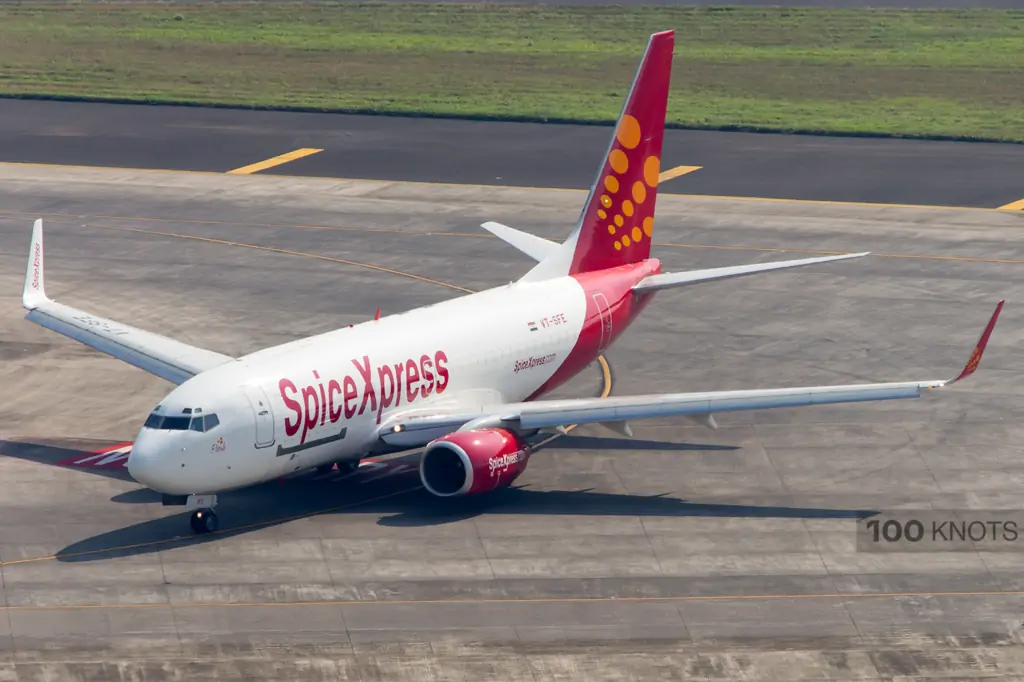
SpiceXpress, SpiceJet's cargo branch, is making headlines in the ever-changing world of cargo transportation with its latest acquisition - the Boeing 737-800(BDSF). After a nearly year-long break, the -800-freighter version has triumphantly returned to the Indian cargo market. SpiceXpress, noted for its dedication to efficiency and innovation, provides clients with a smooth and precise cargo monitoring experience.
The Resurgence of Boeing 737-800(BDSF)
SpiceXpress Takes the Lead
SpiceXpress has long been a frontrunner in the Indian cargo industry, and their latest move solidifies their position at the top. They have acquired an 18.9-year-old Boeing 737-800(BDSF) aircraft, which was originally operated by Virgin Australia (VA) and is currently owned by World Star Aviation, according to Cargo Facts.
This aircraft, with the registration N340WS and the manufacturer serial number (MSN) 34014, is undergoing a significant transformation at the Bedek Lingyun (Yichang) Aircraft Maintenance Engineering facility.
According to the Ch-aviation fleet ownership module, SpiceXpress expects to acquire further Boeing 737-800(BDSF) aircraft from World Star Aviation, which presently has two more units undergoing conversion at the Yichang facility.
These are expected to be the first 737-800 conversions from Israel Aerospace Industries that will operate in India. SpiceXpress, a SpiceJet subsidiary, previously operated two 737-800(BCF) aircraft, which were withdrawn in August and September 2022. As the Ch-aviation fleet advanced module stated, attention turned to the carrier's fleet of three 737-700(BDSF) aircraft.
A Technological Marvel
Cutting-Edge Conversion
What sets SpiceXpress apart from the competition is its relentless pursuit of cutting-edge technology. The Boeing 737-800(BDSF) is currently undergoing a passenger-to-freighter (P2F) conversion that will equip it with state-of-the-art features. This conversion will not only enhance its cargo-carrying capabilities but also make it more environmentally friendly, aligning with global sustainability goals.
Tracking Your Cargo with Precision
SpiceXpress prides itself on providing an exceptionally efficient door-to-door service. With the introduction of the Boeing 737-800(BDSF), this service will reach new heights. Customers will have the ability to accurately track their cargo's journey at every stage, from the moment it leaves the sender's location to its final destination. This level of transparency and control is a game-changer for the cargo industry.

The Impact on Indian Cargo
Efficiency and Speed
The reintroduction of the Boeing 737-800(BDSF) by SpiceXpress will have a profound impact on cargo transportation in India. Its efficiency and speed in delivering goods across the country will enable businesses to streamline their operations and meet customer demands more effectively.
Meeting the Growing Demand
In a world where e-commerce and online shopping are booming, the demand for efficient cargo services is at an all-time high. SpiceXpress is well-positioned to meet this growing demand and ensure that essential goods reach their destinations swiftly and securely.
Conclusion
SpiceXpress is ushering in a new era for cargo transportation in India with the introduction of the Boeing 737-800(BDSF). This move showcases their commitment to innovation and efficiency, setting a high standard for the industry. As businesses and consumers alike benefit from faster and more reliable cargo services, SpiceXpress is undoubtedly on the path to revolutionizing Indian cargo transport.
With Inputs from Aviation A2Z
Read next
Taking Flight: Air New Zealand and NMIT Join Forces to Transform Aviation Engineering Education
Abhishek Nayar
21 Aug 2023
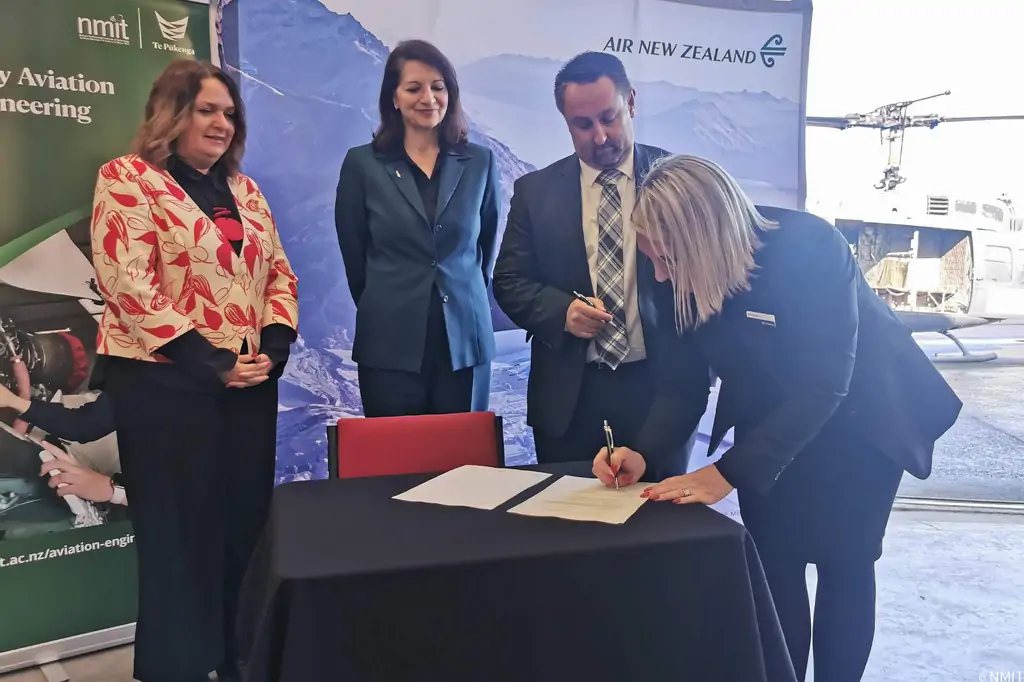
In a landmark development that is set to reshape the landscape of aviation education and employment in New Zealand, Air New Zealand and the Nelson Marlborough Institute of Technology (NMIT), also known as Te Pukenga, have joined hands.
This groundbreaking collaboration, solidified with the signing of a Memorandum of Understanding (MoU) on Saturday, August 19, 2023, aims to bridge the gap between aviation engineering education and industry demands.
A Vision Unveiled: The MoU Signing
Air New Zealand and NMIT Unite for Aviation Excellence
The MoU signing ceremony on August 19, 2023, marked the official commencement of this innovative partnership. Air New Zealand, the country's national airline, and NMIT, a renowned institution for higher education, have embarked on a mission to revolutionize aviation engineering education.
Addressing Skills Shortage in the Aviation Industry
One of the primary objectives of this collaboration is to address the growing skill shortage in the aviation industry. With rapid advancements in aviation technology, there is an increasing demand for highly skilled aviation engineers. Air New Zealand recognizes the need for a steady stream of talent to maintain its position as a leader in the aviation sector.
What Does the MoU Entail?
The MoU outlines several key areas of cooperation, including curriculum development, student mentorship programs, and access to state-of-the-art aviation facilities. Both parties are committed to nurturing the next generation of aviation engineers by providing them with a comprehensive and industry-relevant education.

NMIT: A Hub of Aviation Excellence
About NMIT
NMIT, also known as Te Pukenga, is a name synonymous with excellence in education. With a history spanning several decades, NMIT has consistently produced graduates who excel in their respective fields. The institution's aviation engineering program is no exception.
NMIT's Aviation Engineering Program
NMIT's aviation engineering program has earned a reputation for producing graduates who are not only well-versed in theory but also possess hands-on practical skills. The program's curriculum is designed to align seamlessly with the evolving needs of the aviation industry.
Tutors at NMIT / Te Pukenga Aviation School of Engineering train more than 150 students each year to build, repair, and maintain an array of aircraft. Reid Carnegie, Curriculum Area Manager for Engineering, Construction, and Infrastructure, stated, "It was great to be working closely with Air NZ to foster the industry's talent pipeline."
How Will Students Benefit?
Students aspiring to become aviation engineers stand to gain immensely from this collaboration. The partnership with Air New Zealand means that students will have access to real-world training opportunities, internships, and mentorship programs, thereby enhancing their employability upon graduation.
Beginning next year, a group of Year 12 and 13 students will have the opportunity to learn the concepts of aviation and engineering on remote controlled planes while completing NCEA.
Air New Zealand: Committed to Nurturing Talent
Air New Zealand's Role in the Partnership
Air New Zealand, with its rich history and commitment to excellence, is set to play a pivotal role in shaping the future of aviation engineering education in New Zealand. The airline is not just a partner but a mentor, providing valuable insights and industry expertise to students.
Real-World Exposure
Through this partnership, Air New Zealand will open its doors to students, allowing them to experience the inner workings of a world-class aviation organization. This exposure will be invaluable as students embark on their careers.

A Win-Win Situation
Mutual Benefits of the Collaboration
The collaboration between Air New Zealand and NMIT is a true win-win situation. While NMIT students gain access to top-notch aviation facilities and mentorship from industry experts, Air New Zealand secures a pipeline of skilled aviation engineers who are well-prepared to meet the demands of the modern aviation sector.
Comments
Air New Zealand's chief operating officer, Alex Marren, stated that "The airline now has more than 70 aircraft maintenance positions available around the country, in addition to its annual graduate recruitment program."
"The collaboration with NMIT will help students build a career path and make it easier for Air New Zealand to employ NMIT graduates."
"Having the engineering and maintenance workforce to meet our operational needs is critical." The worldwide employment market for aviation engineers is extremely competitive, and the memorandum of understanding will assist in ensuring that we cultivate local talent here in Aotearoa."
Conclusion
The partnership between Air New Zealand and NMIT represents a significant leap forward in the realm of aviation engineering education. Aspiring aviation engineers can now look forward to a holistic education that combines academic rigor with practical industry experience. This collaboration not only addresses the skills shortage in the aviation industry but also paves the way for a new generation of aviation professionals who are ready to soar to new heights.
With Inputs from Radio New Zealand, NMIT
Read next
Jalan Kalrock Committee Seeks Extension to Make Payments to CoC of Jet Airways

Radhika Bansal
19 Aug 2023
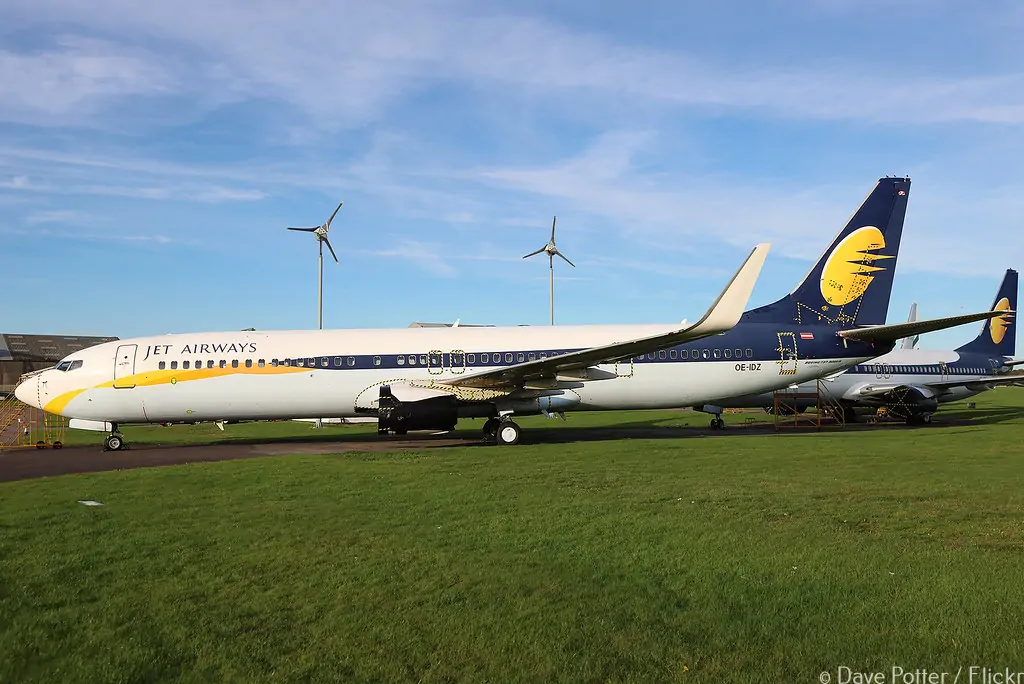
The Jalan Kalrock Committee has sought an extension to make payments to the Committee of Creditors of bankrupt airline Jet Airways. The National Company Law Appellate Tribunal (NCLAT) has asked the JKC to file an application stating the conditions for seeking an extension to make the payments. The committee has said that it will deposit INR 100 crore by August 31, and INR 100 crore by September 30 and the CoC can encash bank guarantee of INR 150 crore immediately.
The CoC had earlier said that it may not pursue its filed appeal with the NCLAT if the consortium paid the INR 350 crore due. “Once they deposit INR 350 crore, we may not be inclined to go ahead with the appeal,” the counsel informed the appellate tribunal, stating that "we also want the plan to work."
Matter with Creditors
The application filed by the State Bank of India, the primary lender, and others pertain to the transfer of ownership of the airline to JKC, the winning bidder for Jet Airways. The NCLAT on Friday, August 18 sought to know the conditions for JKC filing an extension appeal. Cash-strapped Jet Airways stopped flying on April 17, 2019.
On the other side, additional solicitor general N Venkatraman, representing the lenders, including State Bank of India (SBI), countered that the infusion of INR 350 crore is merely the first step towards payment of dues. He added that after this initial payment, three more tranches of money are to be paid to the lenders, with the final step being the transfer of equity shares.
Challenging JKC’s argument, Venkatraman stated that the bank guarantee of INR 150 crore cannot be considered a part of the INR 350 crore payment, as it was executed for a different segment of the resolution plan. On May 26, the NCLAT granted JKC 107 days to pay the lenders’ share. “The SRA (successful resolution applicant) is ready and willing to infuse the first tranche of INR 175 crore, and to demonstrate the bonafide of the SRA, it shall infuse INR 50 crore within 30 days and the rest within the allowed time,” noted the order. The court directed that, until this time (107 days, until August 30), the bank guarantee of INR 150 crore should not be invoked by SBI.
JKC was earlier allocated 180 days, from November 16, 2022, to May 15, 2023, to pay the dues to the lenders. The court observed, “After considering the facts and sequence of events in the present case, we are of the view that the SRA is entitled to exclusion of the period from November 16, 2022, till March 3, 2023, when this tribunal in the present appeal passed an order declining the interim relief as prayed by the lenders.”
This means that JKC has obtained an extension of over three months to deposit dues to the lenders since 107 days were excluded from the period of 180 days. NCLAT issued the order on JKC’s application to prevent SBI from invoking the guarantee. The public sector lender had told the tribunal in an earlier hearing that JKC had not paid dues that were due on May 15. JKC informed the court that on May 13, it received a letter from SBI, requesting the infusion of amounts referred to in the letter. SBI's letter further detailed the identified bank account and warned that if the payment obligations were not met by May 15, lenders might exercise their rights and remedies under the law, including the invocation of the performance bank guarantee.
The court noted that lenders should, instead of invoking the performance bank guarantee, take steps to aid the implementation of the Resolution Plan and achieve its objective. “The Resolution Plan has been approved with the intent and purpose to revive the corporate debtor (Jet Airways),” the court added. According to the resolution plan, JKC needed to deposit a PBG of INR 150 crore with the lenders in two tranches: the first of INR 47.5 crore upon approval of the resolution plan by the committee of creditors, and the second tranche of INR 102.5 crore on the "effective date" when all conditions precedent were fulfilled.
A refundable earnest deposit of INR 15 crore was made to the lenders in July 2020 when JKC submitted its resolution plan. The first performance bank guarantee tranche of INR 47.5 crore was deposited in October 2020 upon the committee of creditors approving the resolution plan. The remaining sum of INR 87.5 crore was deposited in the second PBG tranche on May 20 last year, termed the “effective date,” when all conditions were met.
Story so Far
On July 10, the CoC told the Supreme Court the airline be wound up as the resolution plan approved by the NCLT was not workable. A committee of creditors is formed once a company is admitted to insolvency. It is a body of financial creditors that represents the interest of stakeholders. The voting percentage in the panel is proportional to the amount a financial institution has lent to the company in insolvency.
The counsel informed that the consortium has, time and again, failed on its promise. The deadline to pay INR 350 crore was extended by the National Company Law Tribunal in May. Aviation safety regulator DGCA has renewed with conditions the Air Operator Certificate (AOC) of Jet Airways until September 3. The AOC was re-issued on May 20, 2022. However, since the airline did not start operations, it expired on May 19 this year.
Jet Airways, which stopped operations due to financial crunch, went through lengthy insolvency proceedings and the JKC emerged as the winning bidder. However, the transfer of ownership to JKC is yet to happen amid persisting differences with the airline's lenders. In October 2020, the airline's Committee of Creditors (CoC) approved the revival plan submitted by the consortium of Dubai-based Murari Lal Jalan and the UK's Kalrock Capital. In June 2021, JKC's bid was approved under the insolvency resolution process. However, the implementation of the plan is getting delayed. The consortium appointed Sanjiv Kapoor as its interim CEO in April 2022, who quit the carrier in April this year.
Read next
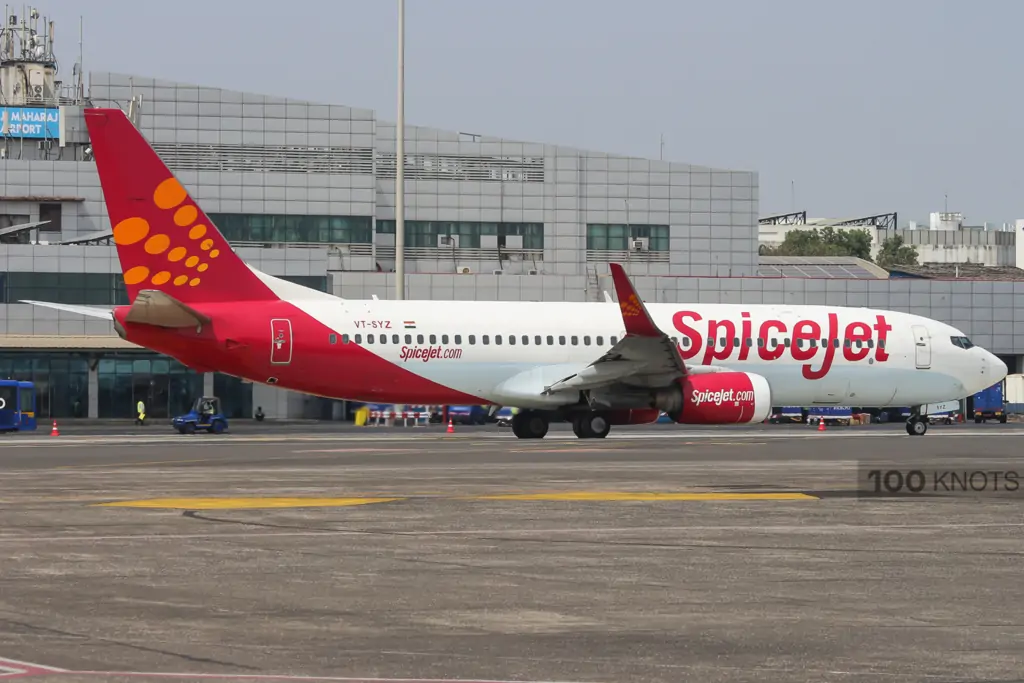
The National Company Law Tribunal (NCLT) on August 17 deferred the hearing of three insolvency pleas filed by aircraft lessors against SpiceJet. SpiceJet on Friday questioned the maintainability of the insolvency plea filed by Wilmington Trust SP Services (Dublin) Limited claiming that the company was just a trustee and not the operational creditor of SpiceJet.
Aircastle's insolvency pleas
SpiceJet had challenged the maintainability of Aircastle's first insolvency plea, in which a notice was issued in May. The low-cost airline had alleged that the plea had technical defects and is not maintainable. Aircastle had filed a response to SpiceJet's application questioning maintainability, the airline on August 17 sought time to file a rejoinder to the response. The case has now been adjourned to September 11.
In June 2023, Aircastle filed a second insolvency plea against SpiceJet. NCLT questioned the maintainability of the aircraft lessor's second insolvency petition against SpiceJet. The tribunal had asked Aircastle's lawyer to explain how the plea is maintainable with some legal precedents.
Today, Aircastle's lawyer cited certain judgments to argue that a second insolvency plea was indeed maintainable. However, SpiceJet objected to the same and sought time to counter Aircastle's argument. The tribunal accordingly adjourned the case. The case has now been adjourned to August 18.
Spicejet had specified two defaults about the validity of the power of attorney and affidavit, further stating that the airline was protected as the default occurred during the Covid time, where the law offers protection under Section 10A of the Insolvency and Bankruptcy Code, 2016.
Celestial Aviation Services’ plea
The lawyer for Celestial Aviation informed the NCLT that he needs some time to sort out certain technical issues that have arisen in his plea. He told the court that SpiceJet owed Celestial Aviation USD 29 million. The tribunal urged the parties to settle the plea without having to pursue litigation and adjourned it to September 11. Now Celestial Aviation Services Ltd is the fourth lessor that has filed an insolvency petition under Section 9 of the Insolvency and Bankruptcy Code, 2016, against the budget carrier. The Celestial Aviation matter is also listed for September 15.
Other insolvency pleas against SpiceJet
A total of five insolvency pleas were filed by lessors against SpiceJet. Two pleas are filed by aircraft lessor Aircastle and one plea by lessor Wilmington, while Celestial and Willis Lease Finance have filed one plea each. All the pleas are in different stages of hearing. However, notice has been issued in just one plea.
The NCLT on May 8 issued notice in Aircastle's first plea and sought the airline's response. SpiceJet had accordingly filed a response to the plea and Aircastle sought a short adjournment on May 25 to respond to the airline's reply. Subsequently, SpiceJet filed an application questioning the maintainability of Aircastle's insolvency plea. The airline also questioned the maintainability of Aircastle's second insolvency plea and Wilmington's plea.
SpiceJet’s Trouble with Other Lessors
SpiceJet is facing fresh trouble as two aircraft leasing companies, GASL Ireland and VS MSN, have secured a summary judgment worth USD 15 million against the airline in the London High Court. This judgment adds to the list of legal challenges for SpiceJet, as it has been revealed that at least three more cases have been filed against the airline in the commercial courts in London.
During the court proceedings, it was noted that SpiceJet made several attempts to delay the court's timetable. In one instance, the airline's legal team withdrew from the case, citing non-payment of fees. Subsequently, SpiceJet requested additional time, stating that they were in the process of hiring a new legal team. However, the court was unimpressed with these excuses and insisted that the proceedings must continue. As a result, a summary judgment was entered against the airline.
GASL Ireland and VS MSN are expected to seek enforcement of the UK court's judgment through the National Company Law Tribunal (NCLT) in India. Wilmington Services, another party that had obtained a summary judgment against SpiceJet in London, has already approached the NCLT in India.
Read next
Go First Airlines' Pay Woes Drive Employee Exodus Amidst Struggles to Take Flight
Abhishek Nayar
19 Aug 2023
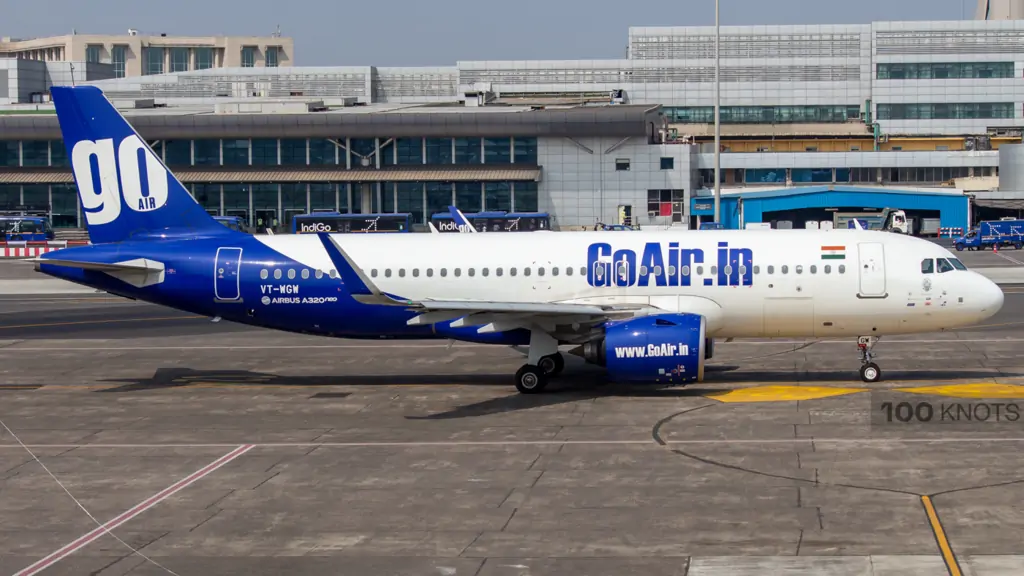
In the turbulent world of aviation, Go First Airlines is facing yet another challenge in its bid to resume operations. The airline, formerly known as GoAir, has hit a stumbling block that threatens its comeback: its dedicated workforce, left without pay for three long months, has started looking for alternative employment opportunities.
The Salary Standstill
Employees of Go First Airlines are grappling with frustration and uncertainty as the company grapples with a financial crisis that has led to the non-payment of salaries for the months of May, June, and July. This situation has unfolded despite earlier assurances from the company about retention bonuses and a swift return to normalcy.
Broken Promises
A high-ranking official at Go First Airlines, speaking to Moneycontrol, shed light on the disheartening situation. "We assured our employees that their dedication and hard work during these challenging times would be rewarded with retention bonuses. However, we have been unable to fulfill this commitment due to our financial constraints," the official lamented.
An Increasing Attrition Rate
The consequences of this prolonged salary crisis have been severe. Initially, in May, there was a rush among employees to explore job opportunities elsewhere, driven by the uncertainty surrounding their salaries. However, the attrition rate, though somewhat slowed, has remained significant.
"Around 20 people would quit every week," revealed the official. "While this rate is expected during times of crisis, it is a matter of concern. What's heartening, though, is that a substantial number of our employees who have dedicated five or more years to the airline chose to stay."
However, he claims that employee dissatisfaction has grown and resignations have increased since the beginning of this month. "Around 150 employees, including 30 pilots, 50 cabin crew members, and 50 ground handling and engineering employees, have put in their papers in the last two weeks," stated another airline official.
The Employee Dilemma
For many of Go First Airlines' employees, the decision to seek employment elsewhere hasn't been an easy one. The airline industry has been a part of their lives for years, and they have developed a strong bond with the company. However, the relentless financial strain has forced them to contemplate alternative career paths.

The Long Wait
The employees have been enduring a long and painful wait for their salaries. While some held onto hope that the situation would improve, others had to make pragmatic choices to secure their financial stability.
A third official stated that if employees' salaries are not paid immediately, a flood of resignations is inevitable. "None of the departments have been paid in three months, employee morale is at an all-time low, and a mass exodus is expected," claimed one executive.
The Impact on the Industry
The aviation sector in India, like many others, has been severely affected by the COVID-19 pandemic. The challenges faced by Go First Airlines highlight the broader issues affecting the industry, including the need for financial support and stability to retain skilled personnel.
Conclusion
In the world of aviation, where precision and reliability are paramount, the struggle of Go First Airlines to resume operations amidst a severe financial crisis is a poignant reminder of the challenges faced by the industry. Employees, who are the backbone of any airline, find themselves torn between loyalty to a company they have served for years and the pressing need for financial security.
While the attrition rate may have slowed, it is essential for Go First Airlines to address the concerns of its dedicated workforce promptly. The company's ability to bounce back and soar once again in the Indian skies may very well depend on its capacity to retain its experienced personnel and rebuild trust within its ranks.
With Inputs from Money Control
Comment