Rolls-Royce, the renowned UK aviation giant, has unveiled its financial results for the first half of 2024, showcasing a remarkable performance despite facing a challenging supply chain environment. The aircraft engine maker reported a substantial operating profit of £1.1 billion ($1.4 billion), reflecting a significant rise of £0.5 billion ($640 million) compared to the previous period.
A Strategic Success Amidst Challenges
Rolls-Royce attributes its positive financial results to a series of strategic initiatives and a comprehensive transformation program. These efforts have enabled the company to optimize its commercial operations and enhance cost efficiency, effectively mitigating the impact of inflation.
CEO Tufan Erginbilgic expressed his satisfaction with the company's performance, stating, "We are expanding the earnings and cash potential of the business in a challenging supply chain environment, which we are proactively managing. We are on track to deliver our mid-term targets."
Civil Aerospace Division: The Star Performer
The civil aerospace division of Rolls-Royce emerged as the standout performer in H1 2024, delivering an impressive operating margin of 18%. This growth was driven by higher aftermarket profits from large engine long-term service agreements (LTSA) and time-and-materials contracts. Additionally, the division saw stronger performance in business aviation for both original equipment and aftermarket services.
In a detailed statement, Rolls-Royce highlighted, "We continue to drive for improved commercial terms and lower costs across our widebody and business aviation contracts. This resulted in total contractual margin improvements of £431 million."
Trent XWB-97 Engines: A Market Leader
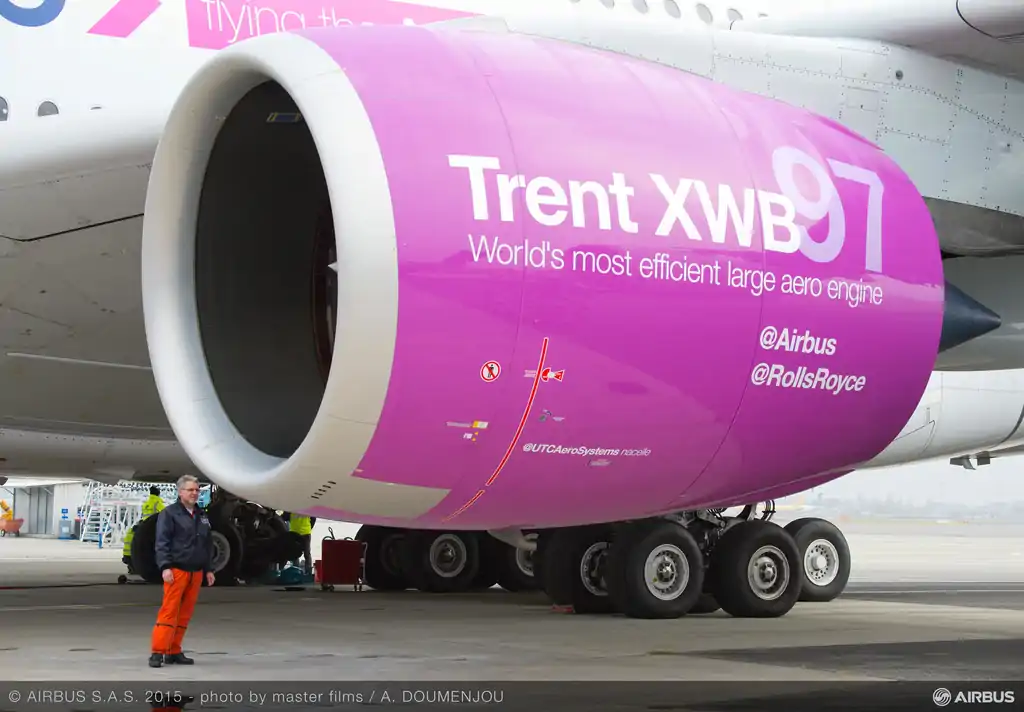
One of the key highlights for Rolls-Royce in H1 2024 was the success of its Trent XWB-97 engines, which secured 108 new orders, making it the best-selling engine in the first half of the year. The Trent XWB-97, a powerful 97,000lb thrust engine, powers the Airbus A350-1000 widebody aircraft and is the more powerful sister engine of the XWB-84, which powers the A350-900.
Investment in Innovation
In a bold move to enhance its engine capabilities, Rolls-Royce announced a £1 billion investment program aimed at upgrading its Trent XWB engines with a new disc alloy and improved aerodynamics. These upgraded engines have already undergone extensive testing on the A350, including 2,800 hot cycles, ensuring their reliability and performance.
Upward Financial Guidance
Buoyed by a strong first half, Rolls-Royce has raised its financial guidance for 2024. The company now anticipates an operating profit between £2.1 billion ($2.6 billion) and £2.3 billion ($2.9 billion) for the year, up from the previously projected range of £1.7 billion ($2.1 billion) to £2 billion ($2.5 billion).
However, the company also acknowledged the ongoing challenges posed by supply chain issues. Rolls-Royce's updated free cash flow guidance for 2024 includes a £150-200 million ($192-256 million) impact due to limited parts availability.
Managing Supply Chain Challenges
"We anticipate a continued impact to free cash flow for a further 18-24 months as supply chain challenges persist. We are actively managing these challenges and seek to mitigate the costs," Rolls-Royce stated.
Conclusion
Despite a turbulent supply chain environment, Rolls-Royce's strategic initiatives and robust performance in the civil aerospace sector have propelled the company to new heights in H1 2024. With a strong financial outlook and continued investment in innovation, Rolls-Royce is well-positioned to navigate the challenges ahead and achieve its mid-term targets.

Read next

In the high-stakes world of aviation, the safety of passengers and crew is paramount. Yet, an alarming issue threatens this safety—pilot fatigue. The Federation of Indian Pilots (FIP), representing over 6,000 pilots, has raised serious concerns about the impact of pilot fatigue and is urging the Civil Aviation Ministry to implement revised norms on flight duty and rest periods. This article delves into the pressing issue, the FIP's plea, and the potential consequences of inaction.
The Call for Revised Norms
The Federation of Indian Pilots (FIP) has been vocal about the need for updated regulations to address pilot fatigue. In a letter dated July 29, FIP President CS Randhawa appealed to Civil Aviation Minister K Rammohan Naidu, urging immediate action from the Directorate General of Civil Aviation (DGCA). The revised Civil Aviation Requirement (CAR) aims to extend rest periods for pilots, a move seen as crucial for combating fatigue. Despite this, the DGCA postponed the implementation of these norms, originally set to take effect from June 1.
The Alarming Reality of Pilot Fatigue
The FIP's concerns are backed by data. A recent study by the NGO Safety Matters Foundation highlights the severity of the issue. Conducted online from July 16-22, the survey included 530 respondents, predominantly experienced captains of medium short-haul flights. Key findings from the study include:
- Consecutive Night Flights: 83% of pilots reported concerns about fatigue due to back-to-back night flights.
- Extended Flight Duty Periods: 70% indicated that flight duty periods exceeding 10 hours significantly contribute to fatigue. This aligns with scientific recommendations from NASA and EASA, which advocate for a maximum of 10-hour duty periods.
- Roster Instability: 84% of pilots expressed worries about the rapid changes and direction of shift rotations, exacerbating fatigue.
The Deferred Decision
On March 26, the DGCA announced the deferral of the revised CAR's implementation, a decision met with widespread disappointment among pilots. This move came less than two weeks after the regulator assured airlines that there would be no deferral. The FIP's letter emphasizes that this delay not only endangers pilots but also compromises passenger safety.
Why Immediate Action is Crucial
The gravity of the fatigue issue cannot be overstated. Pilot fatigue poses significant risks, potentially leading to errors and accidents. The FIP's letter to the Civil Aviation Minister starkly warns that the DGCA's inaction jeopardizes both pilot and passenger safety. The call for implementing the revised CAR is not just about improving working conditions for pilots; it is about safeguarding the lives of everyone onboard.
Conclusion
Pilot fatigue is a critical issue that demands urgent attention. The Federation of Indian Pilots' call for the implementation of revised flight duty and rest period norms is a step towards enhancing safety in the skies. As passengers, we entrust our lives to the hands of pilots; ensuring they are well-rested and alert is non-negotiable. The Civil Aviation Ministry and DGCA must act swiftly to address these concerns, prioritizing safety over convenience.
Read next

Wizz Air, the prominent low-cost carrier, has navigated a turbulent quarter, ending on June 30, 2024, with a small but notable profit in Q1 FY2025. Despite facing significant challenges related to the Pratt & Whitney PW1100G engines, commonly known as the Geared Turbofan (GTF), the airline has demonstrated remarkable resilience.
CEO's Perspective on the Quarter
József Váradi, the Chief Executive Officer of Wizz Air, emphasized the strength of the airline's business model, stating, "Our performance this quarter reaffirms the resilience of our business model. Despite internal and external challenges, we have delivered results during this three-month period."
Operational Improvements and Performance Metrics
Wizz Air achieved a 99.8% completion rate and a 67.6% on-time performance rate in Q1 FY2025, marking a 7.1 percentage point improvement from the previous year. Váradi attributed this success to continuous investments in technology, staff training, and infrastructure enhancements. The airline successfully operates nearly 800 routes across more than 50 countries from 33 bases in Europe and the Middle East.
Navigating Engine Groundings and Passenger Growth
During the quarter, an average of 46 A320neo family aircraft were grounded due to the accelerated removals and inspections of PW1100G engines. Despite these setbacks, Wizz Air carried 15.3 million passengers in Q1 FY2025, a 0.5% year-on-year increase.
Financial Overview: Profit Amidst Rising Costs
Wizz Air reported a net profit of €1.2 million ($1.29 million) for the quarter, with revenues totaling €1.2 billion ($1.29 billion). This revenue was split between €701.8 million ($756.6 million) in passenger revenue and €557.5 million in ancillary revenue, both reflecting a 2% year-on-year increase.
In contrast, the airline's net profit in Q1 FY2024 was €61.1 million ($65.8 million), indicating a significant drop of 98% year-on-year. Costs rose by 5% year-on-year to €1.2 billion ($1.29 billion), but supplier compensations, including €91 million ($98.1 million) from Pratt & Whitney for engine groundings, helped mitigate the impact.
Fleet Management Challenges and Cost Efficiency
Wizz Air faced fleet management challenges, resulting in a "suboptimal fleet." The airline had to rely on older aircraft, extend leases, and wet lease aircraft, leading to higher operating costs and reduced efficiency. Despite this, the cost per available seat kilometer (CASK) was €0.43 ($0.46), with CASK excluding fuel at €0.27 ($0.29).
Looking Ahead: Stabilizing Capacity and Optimizing Operations
Váradi expressed optimism about the future, highlighting efforts to stabilize capacity and optimize operations. "We remain optimistic about the demand outlook, with both ticket and ancillary RASK expected to be up year-on-year while load factor is maintained above 90%."
Projected Growth and Financial Outlook
Wizz Air anticipates returning to annual capacity growth in FY2026, beginning in March 2025, supported by a pipeline of Airbus deliveries. The airline estimates that its capacity during both halves of FY2025 will remain flat year-on-year, with revenue per available seat kilometer (RASK) and CASK expected to increase mid-single digits and remain flat, respectively.
The low-cost carrier projects ending the current financial year with a net profit between €350 million ($377.4 million) and €450 million ($485.3 million).
Conclusion: A Testament to Resilience
Wizz Air's performance in Q1 FY2025 highlights the airline's ability to navigate significant challenges while maintaining operational efficiency and profitability. With strategic investments and a focus on optimization, Wizz Air is poised for a promising future in the competitive aviation landscape.
Read next
IAG Abandons Air Europa Acquisition: Regulatory Hurdles and Financial Prudence
Abhishek Nayar
03 Aug 2024
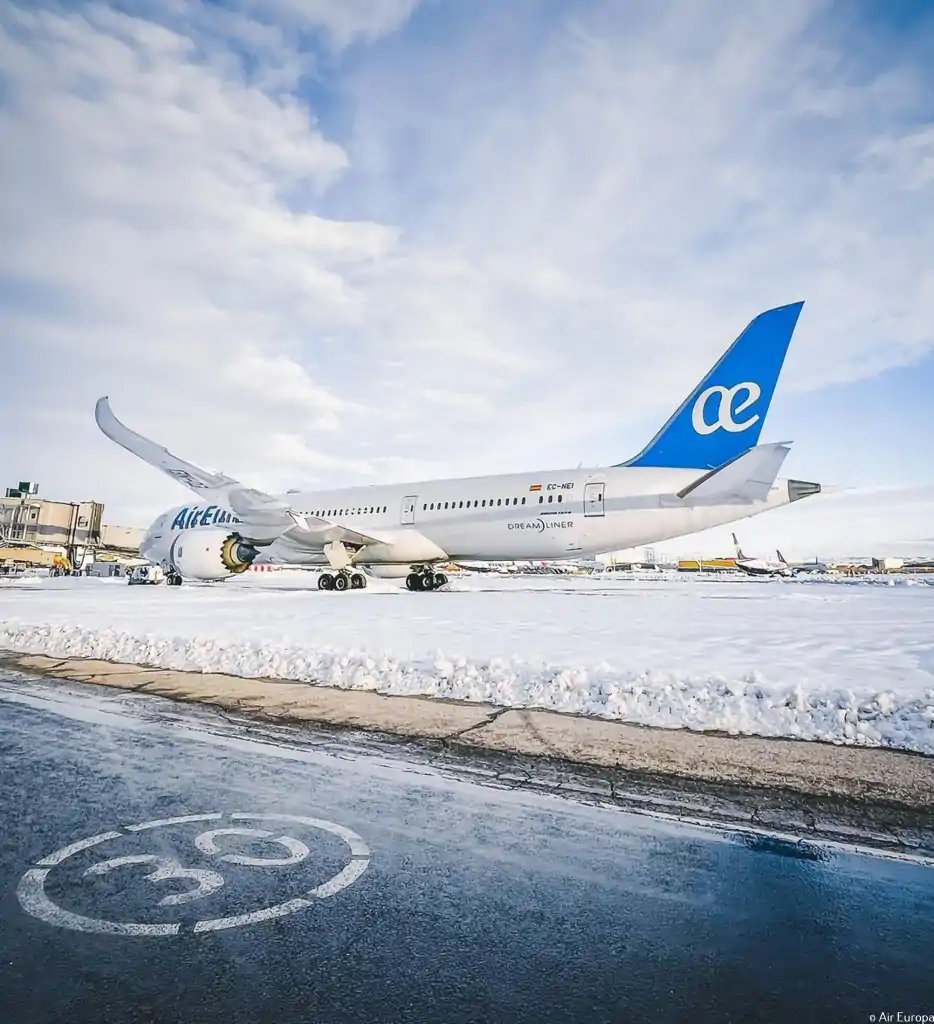
In a surprising turn of events, the International Airlines Group (IAG) has decided to abandon its ambitious plan to acquire Air Europa. The decision, influenced by regulatory challenges and financial reconsiderations, marks a significant shift in the landscape of European aviation. This article delves into the reasons behind the decision, the implications for both companies, and what lies ahead for IAG.
The Abandoned Acquisition Plan
IAG, the parent company of notable airlines such as Aer Lingus, British Airways, and Iberia, initially aimed to acquire the remaining 80% of Air Europa, adding to its existing 20% stake acquired in August 2022. The plan was to consolidate Air Europa into its portfolio, enhancing its competitive edge in the European market.
Regulatory Roadblocks
The European Union's regulatory framework played a crucial role in this decision. IAG's CEO, Luis Gallego, stated that the deal no longer made financial sense in the current regulatory environment. The European Commission, responsible for approving such deals to ensure fair competition, had expressed concerns about the potential impact on market competition. Key points of contention included:
- Domestic Routes and Short-Haul Flights: Reduced competition on certain domestic routes and short-haul flights within Europe and to the Middle East.
- Long-Haul Routes: Potential decrease in competition on long-haul routes between Spain and North and South America.
- Market Concentration: The Commission worried that eliminating Air Europa as an independent entity could negatively affect competition in already concentrated markets.
Financial Implications
The termination of the acquisition agreement with Air Europa’s parent company, Globalia, comes with a hefty price tag. IAG is required to pay €50 million ($54 million) to exit the deal. The planned additional investment in Air Europa was nearly €400 million ($430 million), which now remains unfulfilled.
Strategic Reassessment
Despite this setback, IAG remains optimistic about its future strategy. CEO Luis Gallego emphasized the group's commitment to strengthening its presence in Madrid and competing effectively from this hub. Gallego's statement underlined that the decision aligns with the best interests of IAG's shareholders, ensuring financial prudence and sustainable growth.
Exploring New Horizons
In light of the regulatory challenges in Europe, IAG is now considering potential acquisitions outside the continent. Luis Gallego hinted at possible ventures in South America, which could bolster the group's transatlantic operations. Additionally, TAP Air Portugal is also on the radar, showcasing IAG's proactive approach to expanding its global footprint.
Conclusion
The abandonment of the Air Europa acquisition underscores the complexities of large-scale mergers in the aviation industry, especially within the stringent regulatory environment of the European Union. While the decision may seem like a setback, it opens new avenues for IAG to explore and capitalize on opportunities beyond Europe. As the group continues to navigate these challenges, its strategic focus on financial stability and shareholder value remains unwavering.
Read next
Are Boeing 737 Max Engines Failing in India? Government Sets the Record Straight
Abhishek Nayar
03 Aug 2024
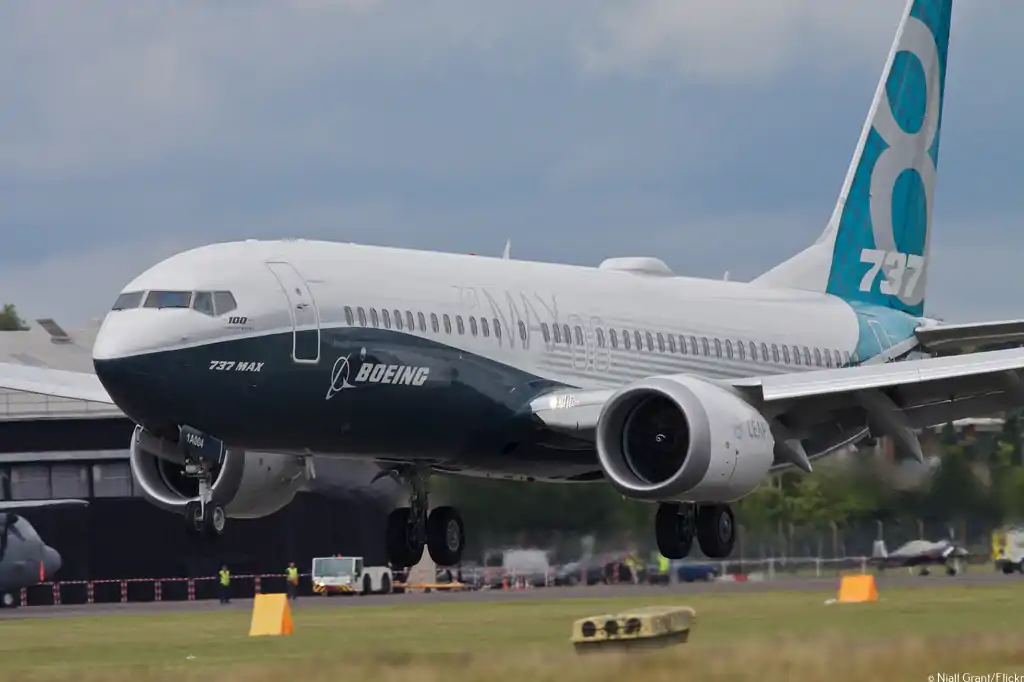
In a reassuring update from the government, it has been confirmed that no engine failures have been reported by Indian operators of the Boeing 737 Max aircraft recently. The Minister of State in the Ministry of Civil Aviation, Murlidhar Mohol, informed the Lok Sabha that out of the 56 Boeing 737 Max aircraft registered and operating in India, only one minor incident occurred in May 2024 involving SpiceJet.
The Incident: A Precautionary Landing
The incident involved the illumination of the Engine No. 2 oil filter bypass light on a SpiceJet Boeing 737 Max aircraft. The pilot in command, adhering to safety protocols, opted for a precautionary single-engine landing. The aircraft landed safely, and as reported by the airline, neither crew nor passengers experienced any discomfort during the event.
Government Measures for Passenger Safety
Minister Mohol detailed the extensive measures taken by the Directorate General of Civil Aviation (DGCA) to ensure passenger and aircraft safety. These measures include various inspections, both planned and unplanned, spot checks, night surveillance, and more. The DGCA's proactive approach ensures that any serious lapses or non-compliances are swiftly addressed.
Inspection and Audit Mechanisms
The DGCA's safety assurance mechanisms encompass a broad range of activities:
- Inspections and Audits: Both planned and spontaneous inspections and audits are conducted to ensure ongoing compliance with safety standards.
- Spot Checks and Night Surveillance: These unannounced checks help maintain high safety standards around the clock.
- Enforcement Actions: In cases of serious lapses or non-compliance, the DGCA enforces actions as outlined in the Enforcement Policy and Procedure Manual (EPPM). These actions may include suspension, cancellation, or financial penalties.
Annual Surveillance Plan
The DGCA publishes its Annual Surveillance Plan (ASP) on its website, providing transparency and detailed information about the planned surveillance activities for the year. This plan is an integral part of the DGCA's strategy to ensure continuous compliance with regulatory requirements by airlines and maintenance organizations.
Corrective Actions and Penalties
In instances of non-compliance, the DGCA mandates that the involved airlines or maintenance organizations implement necessary corrective actions. Should violations occur, the DGCA may initiate enforcement actions, including:
- Warnings
- Suspensions
- Cancellations of approvals, certificates, or licenses
- Financial Penalties
These stringent measures underscore the DGCA's commitment to maintaining the highest standards of aviation safety in India.
Conclusion
The government's recent update clarifies that the Boeing 737 Max aircraft operating in India are currently free from engine failure issues. The DGCA's robust surveillance and enforcement mechanisms play a critical role in ensuring passenger safety, reinforcing the reliability of India's aviation sector. This proactive approach provides passengers with confidence in the safety of air travel in India.
With Inputs from Economic Times
Read next
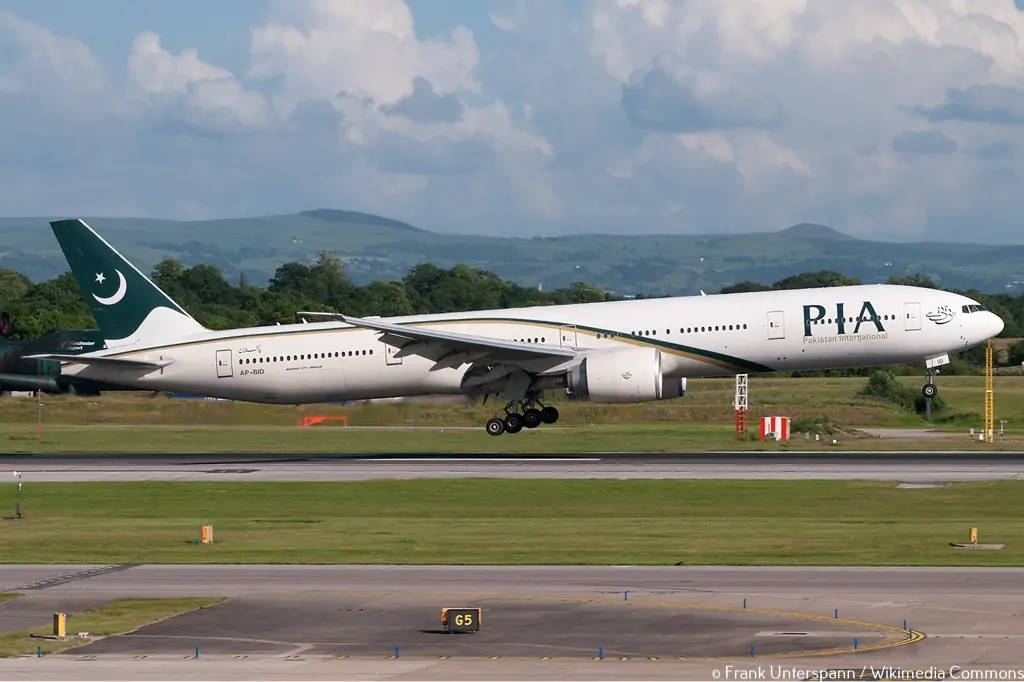
In a significant move to revitalize Pakistan International Airlines (PIA), the government of Pakistan has announced that it will accept partial cash payment for a majority stake in the airline, alongside allowing debt-funded investments. This development, reported by Express Tribune, outlines a novel approach to overcoming the financial challenges facing the national carrier.
A New Privatization Strategy
Partial Cash Payments and Deferred Investments
According to sources close to the matter, the draft agreements state that potential buyers will have the option to pay approximately one-third of the purchase price in cash. The remaining amount can be settled against PIA or government payables. This flexible payment strategy aims to attract investors by reducing the immediate financial burden.
Pausing Dividend Payments
An additional incentive for potential buyers is the provision to pause dividend payments for up to five years. This measure is designed to provide the new stakeholders with a financial cushion, allowing them to focus on restructuring and improving PIA’s operations without the pressure of immediate returns to shareholders.
The Delayed Privatization Process
Revised Timelines
The privatization of PIA has faced significant delays. Initially scheduled for February and then August, the target date has now been pushed to October. Despite these delays, progress is being made, with six parties shortlisted and currently conducting due diligence.
Circulating Draft Agreements
Draft copies of the proposed shareholders' agreement, sale purchase agreement, and subscription agreement are now circulating among the upper echelons of Pakistan’s civil service. Briefings have been provided to relevant parties, including members of the PIA Holding Company Limited (PIAHCL) board.

Key Provisions and Concerns
Spread of Capital Investment
One of the main features of the draft agreement is that the buyer can spread any capital investment in PIA over three years rather than the immediate term. While this clause provides flexibility for the investor, it has sparked concerns that PIA may not receive the upfront cash injection it desperately needs.
Debt-Funded Investments
The agreement allows the buyer to fund up to 70% of the required investment through debt. This provision has raised alarms that PIA’s assets, including its aircraft, could be used to secure these loans, potentially placing the airline at further financial risk.
Bank Guarantee
To safeguard the investment, the draft agreement proposes that the investment amount guarantee would be an irrevocable, unconditional, and on-demand bank guarantee in favor of PIAHCL, equal to one-third of the investment amount. This clause aims to ensure that the financial commitments made by the buyer are honored.
No-Sale Period
Another significant proposal is that the new buyer will not be allowed to sell its stake for a fixed term, likely between three to five years. This no-sale period is designed to ensure stability and commitment from the new owners. As a form of compensation, the buyer would not be required to make dividend payments during this period, a move that contradicts earlier plans to use privatization proceeds and dividends to pay down PIA’s debts.
Future Outlook
Financial Revival
The estimated investment required to get PIA back on track is around USD 700 million. The success of this privatization strategy hinges on finding a buyer willing to make this significant financial commitment. If successful, this approach could mark a turning point for PIA, helping the airline regain its footing in the competitive aviation industry.
Long-Term Stability
The proposals aim to ensure long-term stability and commitment from the new investors. However, the mixed reactions to the draft agreement highlight the challenges ahead. Balancing the need for immediate financial relief with long-term strategic investments will be crucial for the success of this privatization effort.
Conclusion
Pakistan’s innovative approach to privatizing PIA by accepting partial cash payments and allowing debt-funded investments is a bold move to attract investors while addressing the airline's financial woes. As the October target date approaches, all eyes will be on the shortlisted parties and their due diligence outcomes. The future of PIA hangs in the balance, with the potential for a significant turnaround if the right investor steps forward.
With Inputs from ch-aviation
Comment