
Fresh off its highest-ever revenue and profit figures in a financial year, the Singapore Airlines Group (SIA Group) has continued its remarkable momentum with impressive performance numbers in May. The group, which includes Singapore Airlines and its low-cost subsidiary Scoot, has consistently exceeded pre-pandemic traffic levels in recent months, cementing its position as a leader in the aviation industry.
Passenger Growth Surges Ahead
In May, the SIA Group carried an impressive 3.23 million passengers, marking a 14.3% increase from the 2.83 million passengers transported in May 2023. This figure also represents a 6% rise from the 3.05 million passengers carried in May 2019, demonstrating the group's robust recovery and growth trajectory post-COVID-19.
Load Factor Insights
Despite a slight year-on-year (YoY) drop in passenger load factor from 88.0% in May 2023 to 86.1% in May 2024, the group's load factor remains significantly higher than the 80.5% recorded in 2019. The YoY decline is attributed to a 12.6% increase in capacity, as measured by available seat kilometers (ASK), and a 10.2% rise in revenue passenger kilometers (RPK). This strategic capacity expansion has been managed carefully, allowing the group to anticipate further load factor improvements in the coming months.
Singapore Airlines: Leading the Charge
Singapore Airlines has shown exceptional performance, with passenger numbers rising by 19.2% in May 2024 compared to the previous year. The full-service carrier transported 2.17 million passengers at a load factor of 85.6%, up from 1.82 million in May 2023, though slightly down from last year's 87.2%. The airline's ability to add capacity on popular routes while maintaining high load factors highlights its strategic acumen in load management and market responsiveness.
Scoot: Consistent Growth and Expansion
Scoot, the group's low-cost carrier, continues to outpace its pre-pandemic performance. In May 2024, Scoot carried 1.06 million passengers, a 5.4% increase from the 1 million passengers transported in May 2023. Despite a 2.6 percentage point dip in load factor to 88.1%, Scoot's capacity expansion by 4.2% and a 1.2% increase in RPK underline its steady growth.
Geographical Load Factors and New Routes
Scoot's load factors varied across its three geographical segments, with the Rest of the World (including Australia) leading at 91.2%, followed by West Asia at 89.7% and East Asia at 86.8%. The introduction of passenger flights to Koh Samui, Thailand, utilizing its new Embraer E190-E2 aircraft, marks a significant milestone in Scoot's fleet expansion and route diversification.
Expanding Network and Reach
By the end of May, the SIA Group's passenger network encompassed 123 destinations across 36 countries and territories. Singapore Airlines served 77 destinations, while Scoot operated in 68, showcasing the group's extensive reach and connectivity. Additionally, the cargo network spanned 127 destinations in 37 countries and territories, further solidifying the group's global presence.
Conclusion: A Bright Horizon
The Singapore Airlines Group's exceptional performance in May 2024 is a testament to its strategic planning, capacity management, and market responsiveness. As the group continues to expand its network and optimize load factors, it is poised for continued growth and success, leaving the challenges of the COVID-19 era firmly in the past. With record-breaking revenues and a robust recovery trajectory, the SIA Group is not just soaring back to pre-pandemic heights but is well on its way to reaching new altitudes in the aviation industry.

Read next
Will IndiGo's New Pilot Training Partnership Shape the Future of Aviation in India?
Abhishek Nayar
22 Jun 2024
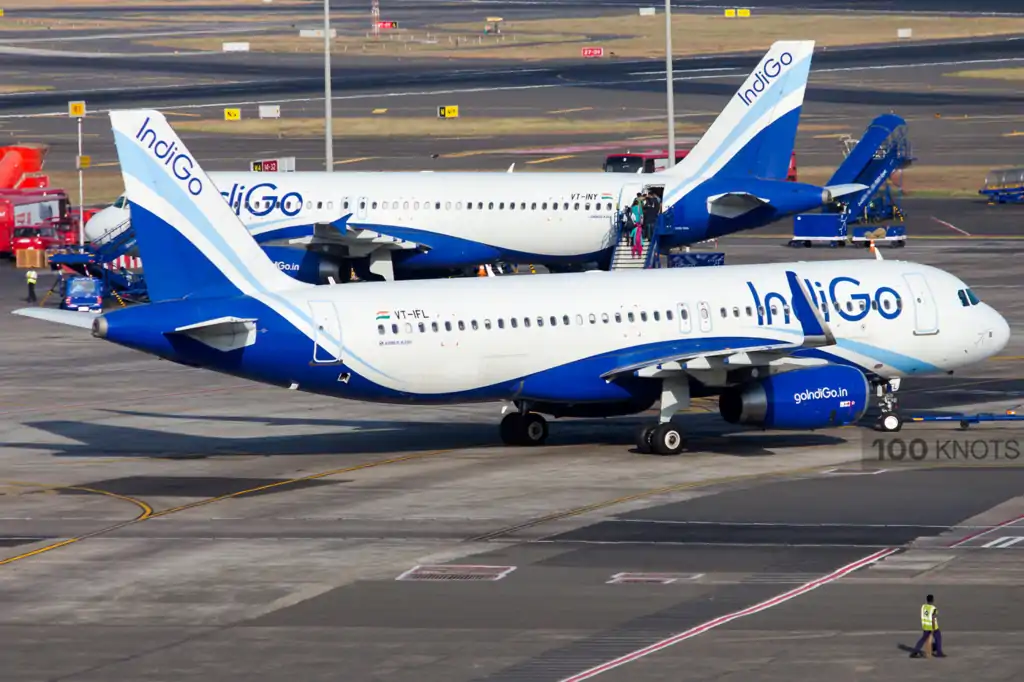
In a significant move to address the growing demand for skilled pilots in India, no-frills carrier IndiGo has announced a partnership with Garuda Aviation Academy. This collaboration aims to train fresh pilots under IndiGo's Cadet Pilot Program, a rigorous 21-month course designed to produce highly competent junior first officers ready to take the helm of the airline's expanding fleet.
A Comprehensive Training Program
Ground Schooling in Gurugram
The program begins with a three-month ground schooling phase at Garuda Aviation Academy's training center in Gurugram. This foundational stage focuses on imparting essential theoretical knowledge and preparing cadets for the practical challenges ahead.
Advanced Training in South Africa
Following the ground school, cadets will undergo 12 months of advanced flight training at 43 Air School in South Africa. Known for its excellence, 43 Air School has trained over 6,000 ab-initio pilots, making it a trusted partner in shaping the next generation of aviators.
A Proven Track Record
Over the past 13 years, IndiGo has established eight such partnerships, successfully inducting over 1,000 pilots through comprehensive training programs. These programs include acquiring a commercial pilot license and an A320 type rating, ensuring that cadets are thoroughly prepared for their roles as professional pilots.
Meeting the Soaring Demand for Pilots
Expanding Fleet and Regional Connectivity
IndiGo's partnership with Garuda Aviation Academy is not just about training pilots; it aligns with the central government's regional air connectivity scheme, the UDAN mission. This initiative aims to enhance connectivity with smaller and medium-sized towns and cities, reinforcing IndiGo's commitment to providing safe, affordable, and hassle-free travel for everyone.
Addressing the Pilot Shortage
India is on the cusp of an aviation boom, with domestic carriers, including IndiGo, Air India, and Akasa, ordering 1,120 aircraft since February last year. IndiGo alone has nearly 1,000 planes on order. According to CAPA data, India's commercial airlines are projected to nearly double their fleet size to 1,400 by the 2029-30 fiscal year. To fly these planes, the country will need at least 10,900 additional pilots by 2030, necessitating the training of approximately 1,600 new pilots annually.
Enhancing Professional Growth and Leadership
Captain Ashim Mittra, Senior Vice President for Flight Operations at IndiGo, emphasizes the program's focus on personal and professional growth. "This partnership with Garuda Aviation Academy will provide our people with unique learning opportunities and foster leadership skills, paving the way for a robust cadre of leaders within IndiGo," Mittra stated.
Conclusion
IndiGo's collaboration with Garuda Aviation Academy marks a significant step in addressing India's burgeoning demand for skilled pilots. By investing in comprehensive training programs, IndiGo is not only preparing for its future expansion but also contributing to the overall growth of India's aviation industry. As the airline continues to uphold its commitment to safe and affordable travel, this partnership is poised to shape the future of aviation in India, one pilot at a time.
Read next
Cathay Pacific's Skyward Surge: Passenger Numbers Soar and Cargo Flourishes
Abhishek Nayar
21 Jun 2024

Cathay Pacific has demonstrated impressive recovery and growth in the first half of 2024, as evidenced by its latest traffic figures. The Hong-Kong-based carrier, along with its subsidiary HK Express, has surpassed a significant milestone, carrying over 11.2 million passengers in the first five months of the year. This resurgence highlights the airline’s steady march towards full recovery post-pandemic.
Surpassing Milestones
In May 2024 alone, Cathay Pacific carried a total of 1,678,532 passengers, marking an 18.4% increase compared to May 2023. The month’s revenue passenger kilometers (RPKs), a measure of the number of kilometers traveled by paying passengers, also saw a 20.8% year-on-year increase. However, the passenger load factor, indicative of how full flights are, decreased by 4.8 percentage points to 80.3%, reflecting the airline's fleet expansion.
Year-to-Date Performance
From January to May 2024, Cathay Pacific and HK Express collectively carried 8,821,895 passengers. This represents a 40.7% increase compared to the same period in 2023. The available seat kilometers (ASKs), which measure total flight capacity, rose by 45.7%, while RPKs saw a 37.5% increase, underscoring the airline’s significant capacity growth and increased demand.
Passenger Trends and Insights
Cathay Pacific’s Chief Customer and Commercial Officer, Lavinia Lau, highlighted the seasonal variations in travel demand. "May was, as expected, a slightly quieter period for our travel business compared with previous months as demand slowed down, particularly on our regional routes," Lau explained. Despite a 4% decrease in passenger numbers from April due to the absence of long weekend holidays in Hong Kong, May 2024 saw an 18% increase in passenger numbers year-on-year.
Regional and Long-Haul Performance
Lau noted an uptick in demand from Southeast Asia due to school holidays, while long-haul routes benefitted from the return of students to Hong Kong and the Chinese Mainland from North America. Business travel also remained robust, supporting traffic on routes to the Chinese Mainland, North America, and the United Kingdom, with an impressive 90% load factor on US and Canada routes.
Cargo Operations: Strong and Steady
Cathay Pacific’s cargo division also reported positive figures, carrying 121,088 tons of cargo in May 2024, a 10.2% increase from May 2023. The month’s cargo revenue ton kilometers (RFTKs) grew by 3.8% year-on-year, although the cargo load factor decreased by 2.1 percentage points to 59.4%. Available cargo ton kilometers (AFTKs), reflecting capacity, increased by 7.5%.
Year-to-Date Cargo Performance
For the first five months of 2024, cargo tonnage reached 594,896 tons, up 10.2% from the same period in 2023. This growth was supported by an 11.8% increase in AFTKs and a 4.4% rise in RFTKs. Lau pointed out that cargo demand from Hong Kong and the Greater Bay Area remained strong, with significant contributions from regions such as the Chinese Mainland, Taiwan, and Southeast Asia.
Looking Ahead: Expansion and Optimism
Cathay Pacific remains optimistic about its future, planning further expansion for the remainder of 2024. “On the travel side, we achieved another milestone in our rebuilding journey as we reached 80% of our pre-pandemic passenger flights as a Group in the second quarter as planned,” Lau shared. The airline aims to reach 100% by the first quarter of 2025.
New Destinations and Routes
This year, Cathay Pacific has already added new destinations, including Chennai, Colombo, and Barcelona. HK Express has introduced flights to Beijing (Daxing), Bangkok (Don Mueang), Sanya, and Clark. By next year, Cathay Pacific plans to expand its network to 90 destinations, including the addition of Riyadh in October 2024.
Conclusion
Cathay Pacific’s robust performance in both passenger and cargo operations underscores its successful recovery and growth strategy. With continued expansion and strong market sentiment, particularly in Hong Kong and the Chinese Mainland, the airline is poised for a promising future. As it approaches pre-pandemic operational levels, Cathay Pacific’s journey is a testament to resilience and strategic planning in the aviation industry.
Read next
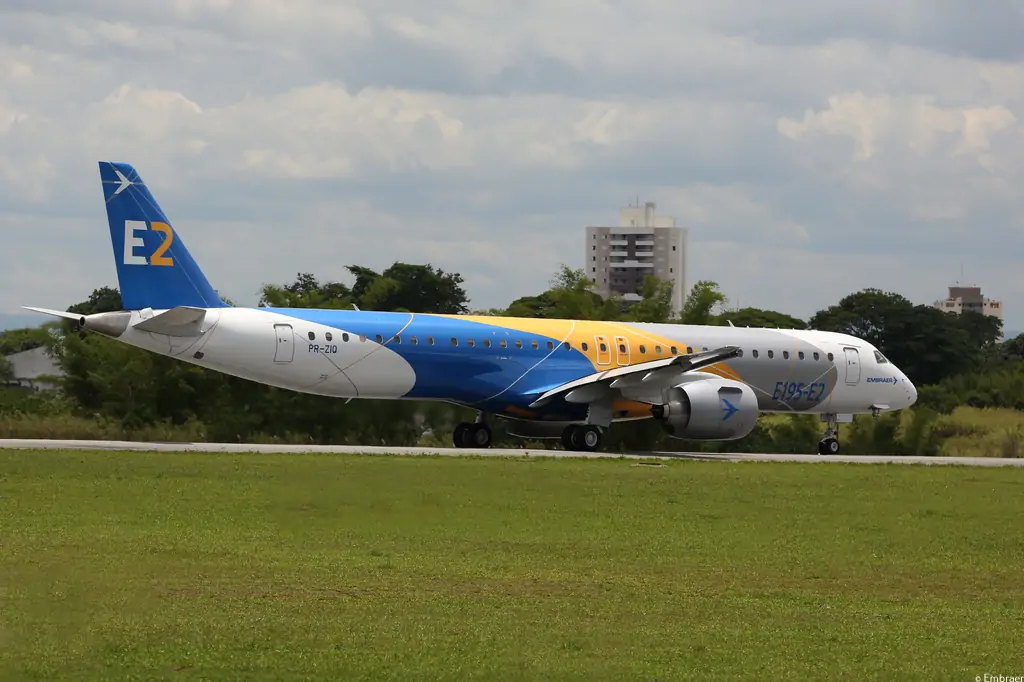
Embraer, the Brazilian aerospace company, is in discussions with LATAM Airlines Group SA and Gol Linhas Aereas Inteligentes SA (Gol) to sell its popular E2 regional jets. This potential deal could significantly improve connectivity between Brazilian cities, according to Chief Executive Officer Francisco Gomes Neto. The announcement is timely, given the surging demand for air travel in South America and the current aircraft supply constraints.
Addressing the Supply Gap: The E2 Advantage
The South American airline market is experiencing exponential growth in demand. However, airlines are struggling to expand their fleets due to the long order backlogs for Airbus and Boeing aircraft. Embraer’s E2 regional jets fill a crucial gap, offering a middle ground between smaller turboprop planes and larger narrow-bodied aircraft like the Airbus A320 and Boeing 737 MAX families.
“This is a moment where there is interest and more focus on this segment,” Neto said. With narrow bodies fully booked until the decade’s end, Embraer sees a significant growth opportunity.
Delivery Timelines: Embraer vs. Competitors
Embraer promises potential customers a quicker delivery timeline, with new orders likely to be fulfilled by 2025. In contrast, new Boeing 737 MAX orders might not be delivered until 2029. However, the entire aircraft manufacturing industry is grappling with supply constraints and delivery delays, and Embraer is no exception. Neto acknowledged that Embraer will continue to face delivery delays through 2024, with supply chain normalization expected by 2026.
Riding the Wave of Success
The talks with LATAM and Gol come as Embraer enjoys a period of prosperity. The company's shares have soared by more than 60% in 2024, and it aims to nearly double its annual revenues to $10 billion by 2030. Despite speculation, Embraer has downplayed reports of developing a larger narrowbody aircraft to compete with its rivals.
“Our teams are always studying alternatives for the future,” Neto said. “Our strategic plans until 2030 were made based on our current products, and at this moment there is no concrete plan to develop any aircraft in this segment.”
Focused on Growth and Efficiency
Embraer’s immediate goal is to boost sales and achieve cash-positive status by 2025. Neto highlighted the company’s improved efficiency and consistent delivery of better results year after year.
“The company has been much more efficient in recent years, delivering better results each year, and I think the market has recognized that,” Neto said. “Our shares were very cheap. Now they’re just cheap. So, we do have a great opportunity to grow.”
Conclusion: A Promising Future for Embraer and South American Carriers
Embraer’s E2 regional jets could be the answer to South American carriers' need for additional capacity amidst global supply constraints. As the company capitalizes on its current success and strategic advantages, it stands poised to play a pivotal role in the region's aviation market. For LATAM, Gol, and other carriers, partnering with Embraer could be a game-changer in enhancing connectivity and meeting the growing demand for air travel.
Read next
GE Aerospace Faces Persistent Supply Chain Struggles Amidst Boeing Slowdown
Abhishek Nayar
21 Jun 2024
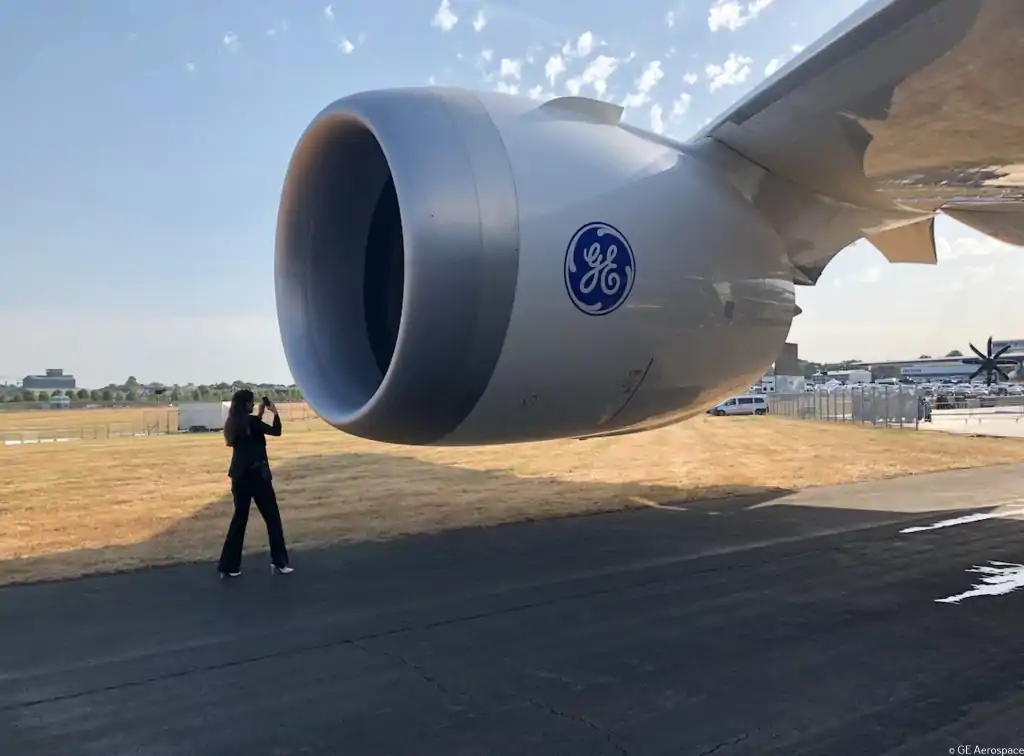
The global aerospace industry continues to grapple with supply chain disruptions that show no signs of abating. According to Russel Stokes, head of GE Aerospace's commercial engines and services, the challenges plaguing supply chains are expected to persist through next year, even as Boeing’s production rates slow down.
Collaboration with Boeing
GE Aerospace, a critical player in the aviation sector, co-produces the engines for Boeing and Airbus narrow-body jets through its CFM joint venture with France's Safran. This partnership supplies engines exclusively for Boeing's 737 MAX family. Despite aligning with Boeing's reduced production targets for this year, GE is working closely with its suppliers to prepare for an anticipated ramp-up in production in the future.
"A Challenged Environment"
Stokes expressed cautious optimism about long-term improvements in supply chain conditions. "I'm confident that over time things are going to get better," he remarked. "But...it's still a challenged environment for this year and probably next year." The sentiment underscores the ongoing difficulties in the aerospace sector, particularly with material availability and production bottlenecks.
Impact of Regulatory Scrutiny
Boeing's production slowdown has been exacerbated by increased regulatory scrutiny following an incident in January where a door plug blew off an Alaska Airlines jetliner mid-air. As a result, GE Aerospace has revised its LEAP jet engine production estimates downward for this year. While the production deceleration could allow the supply chain to catch up, there is also a risk it could further complicate an already strained system.
Pandemic’s Lingering Effects
The root of many of these issues can be traced back to the COVID-19 pandemic, which led to a significant drop in air travel demand and the subsequent layoffs across the aviation industry. These disruptions have had a lasting impact, making it challenging to scale up jet production and increasing turnaround times in jet engine repair shops.
Engine Repair Delays: A Major Constraint
Engine repair delays have emerged as a significant constraint for the aviation industry. Some airline CEOs have highlighted these delays as a critical issue, impacting fleet readiness and operations. GE Aerospace's dominance in the engine market for narrowbody jets and its strong position in widebodies underscores the importance of resolving these delays.
Innovative Solutions to Supply Chain Bottlenecks
To address the persistent supply chain challenges, GE Aerospace has taken several innovative steps. The company has deployed 500 engineers to work directly at supplier and sub-supplier sites and is leveraging artificial intelligence to navigate through bottlenecks. Additionally, GE plans to implement a technology used to identify forged artwork to detect chemical anomalies in metal parts, aiming to reduce turnaround times at its repair shops by 30% from the previous year.
Meeting Airline Demand
Despite the challenges, GE Aerospace remains committed to supporting airlines' needs for more engines. Stokes emphasized, "We're doing everything that we can in support of that." This commitment highlights GE's proactive approach to mitigating supply chain issues and meeting the demands of the aviation industry.
The Road Ahead
As GE Aerospace navigates through these turbulent times, the company’s efforts to innovate and adapt will be crucial in overcoming the supply chain hurdles. While the environment remains challenging, the steps taken today could pave the way for a more resilient and efficient future in aerospace manufacturing and services.
With Inputs from Reuters
Read next
What Does Korean Air's New Contract with Boeing Mean for the Aviation Industry?
Abhishek Nayar
21 Jun 2024

In an exciting development for the aviation industry, Korean Air has signed a new contract with Boeing to supply additional fuselage and wing structures for various aircraft models. This agreement, set to begin in 2025, extends their current partnership and highlights Korean Air's pivotal role in advanced aerospace manufacturing.
A Deepening Partnership
Expanding the Agreement
Korean Air's recent regulatory filing on June 17, 2024, revealed the new four-year contract with Boeing. This agreement includes the supply of fuselage and wing structures for the B737, B767, B777, and B787 models. While the exact value of the contract remains undetermined due to fluctuating aircraft sales, Korean Air estimates it to be worth approximately KRW900 billion (USD652 million) based on Boeing's projections and market analysis.
Expertise in Aerospace Manufacturing
Korean Air Aerospace, the company's manufacturing division, brings extensive experience and advanced capabilities to the table. Known for non-autoclave curing, integral carbon-fibre parts, and automation, Korean Air has been a trusted supplier for Boeing since 2005. Their production of B787 parts, including carbon-fibre composite skins with integrated stringers for the aft fuselage, underscores their expertise and innovation.
Beyond Boeing: A Diversified Portfolio
Collaboration with Airbus
Korean Air Aerospace's capabilities extend beyond Boeing. They maintain significant contracts with Airbus, producing essential components like wingtips, tip extensions, and winglets for the A320 and A330 models. This diversification not only demonstrates their broad expertise but also enhances their reputation as a leading aerospace manufacturer.
Military and Space Ventures
In addition to commercial aviation, Korean Air Aerospace is involved in the military and space sectors. Their work includes manufacturing eight AH-6 helicopter fuselages for Boeing Defense, Space & Security. This venture into military and unmanned aerial vehicles showcases their versatility and commitment to advancing aerospace technology across various domains.
Implications for the Aviation Industry
Strengthening Global Supply Chains
The renewed contract between Korean Air and Boeing reinforces the stability and reliability of global aerospace supply chains. As airlines and aircraft manufacturers navigate post-pandemic recovery, such partnerships are crucial for meeting the increasing demand for new aircraft and maintaining rigorous production schedules.
Innovation and Technological Advancements
Korean Air's advanced manufacturing techniques, particularly in carbon-fibre composites and automation, set a high standard for the industry. Their contributions not only support Boeing's aircraft production but also drive technological advancements that benefit the broader aerospace sector.
Conclusion
Korean Air's new contract with Boeing marks a significant milestone in their long-standing partnership. With an estimated value of KRW900 billion, this agreement underscores Korean Air Aerospace's pivotal role in the aviation industry. Their expertise in advanced manufacturing, coupled with a diversified portfolio that includes Airbus and military projects, positions them as a key player in global aerospace supply chains. As the industry continues to evolve, the contributions of companies like Korean Air will be instrumental in shaping the future of aviation.
With Inputs from ch-aviation
Comment