Soaring to New Heights: Korean Air and Asiana Airlines Finalize Merger Amid Global Scrutiny

Abhishek Nayar
05 Dec 2024
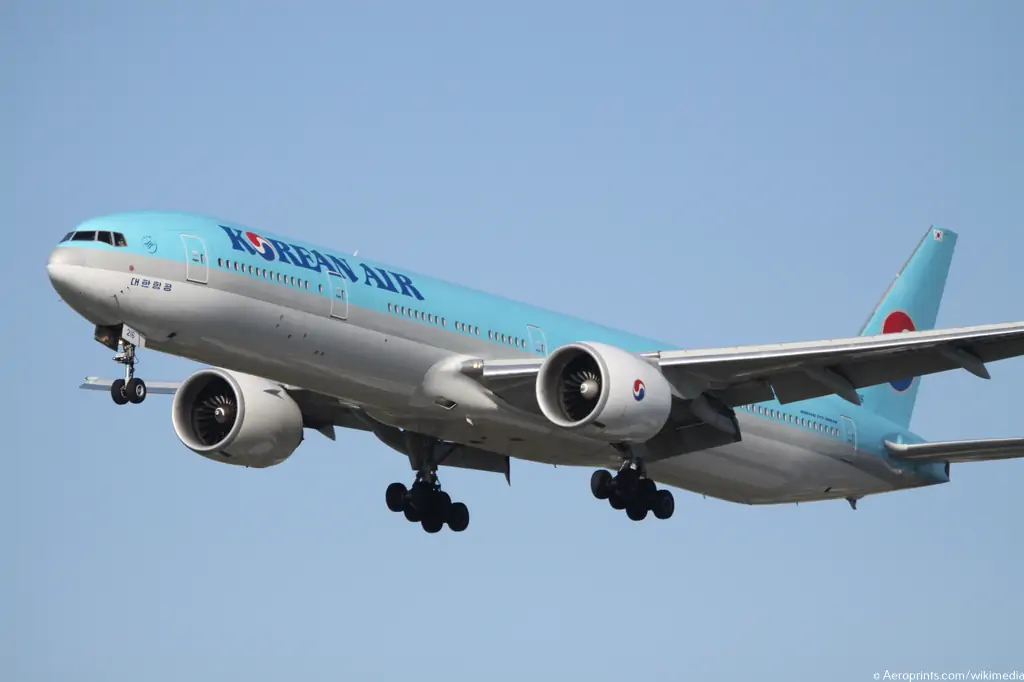
After years of negotiations and regulatory reviews, Korean Air and Asiana Airlines are on the cusp of finalizing their historic merger. The deal, initiated in 2020, has now cleared the final major hurdle, gaining approval from the United States Department of Justice (DOJ). This landmark agreement will solidify Korean Air's position as one of the top ten global airlines, reshaping South Korea’s aviation landscape.
A Strategic Acquisition to Boost South Korea’s Aviation Industry
In November 2020, Korean Air, under its parent company Hanjin Kal, announced plans to acquire Asiana Airlines for KRW 1.8 trillion ($1.2 billion). The move was driven by the airline's mission to strengthen South Korea’s competitive edge in the global aviation market. With this merger, the combined entity seeks to address challenges posed by maintaining two flag carriers in a nation with fewer than 100 million people.
Aiming High:
- Korean Air aims to rival global giants like Lufthansa, Air France, and Singapore Airlines.
- The merger promises job security for employees across both carriers and related industries.

Navigating Regulatory Challenges: A Global Balancing Act
Over the past three years, Korean Air faced intense scrutiny from regulators worldwide, including the European Commission (EC) and the DOJ, to ensure fair competition and consumer protection.
European Commission Approval
The EC granted final approval in November 2023, contingent on conditions to alleviate concerns over reduced competition.
Key Remedies:
- T’Way Air was supported to launch flights from Seoul to major European hubs like Barcelona, Frankfurt, Paris, and Rome.
- Air Incheon acquired cargo assets from Asiana Airlines, including aircraft and customer contracts.
US DOJ's Green Light

The DOJ’s approval followed careful evaluation to address potential monopolistic outcomes on South Korea–US routes.
- To satisfy US competition concerns, Korean Air agreed to lease at least four Boeing 787-9 aircraft to Air Premia, a rising South Korean carrier.
- Air Premia plans to use these aircraft to expand routes to the Americas and Southeast Asia, enhancing competition in critical markets.
T’Way Air and Air Premia: Rising Stars in the Wake of the Merger

Smaller carriers like T’Way Air and Air Premia have emerged as key players thanks to the divestments mandated by regulators.
- T’Way Air: Expanded its long-haul network to Europe, increasing competition and connectivity.
- Air Premia: With its all-787-9 fleet, the airline is poised for growth, introducing new transcontinental routes by 2025.
These developments highlight how strategic remedies can foster healthy competition, benefiting travelers and the broader industry.
Why the Merger Matters: A Global Perspective
The merger aligns with global aviation trends, where smaller markets often sustain a single dominant carrier to maximize efficiency and competitiveness. South Korea’s aviation industry, previously disadvantaged by supporting two national carriers, now has the potential to thrive against international heavyweights.
What Travelers Can Expect
- Enhanced Connectivity: Expanded route networks and streamlined operations.
- Improved Services: Korean Air’s larger fleet and resources will lead to better amenities and flight options.
- Competitive Fares: Increased market competition ensures affordability for consumers.
Looking Ahead: Finalizing the Transition
Korean Air plans to complete the transaction by December 11, 2024, marking the culmination of a four-year journey. The merger represents a bold step forward, promising a new era of growth and innovation for South Korea’s aviation sector.
The Takeaway
This merger isn’t just a business transaction; it’s a transformation that could redefine global aviation dynamics. By addressing competition concerns and fostering collaboration among airlines, Korean Air is setting the stage for a stronger, more competitive future in the skies.
Stay tuned as the dust settles and South Korea's aviation industry prepares for takeoff on a global scale.
Read next
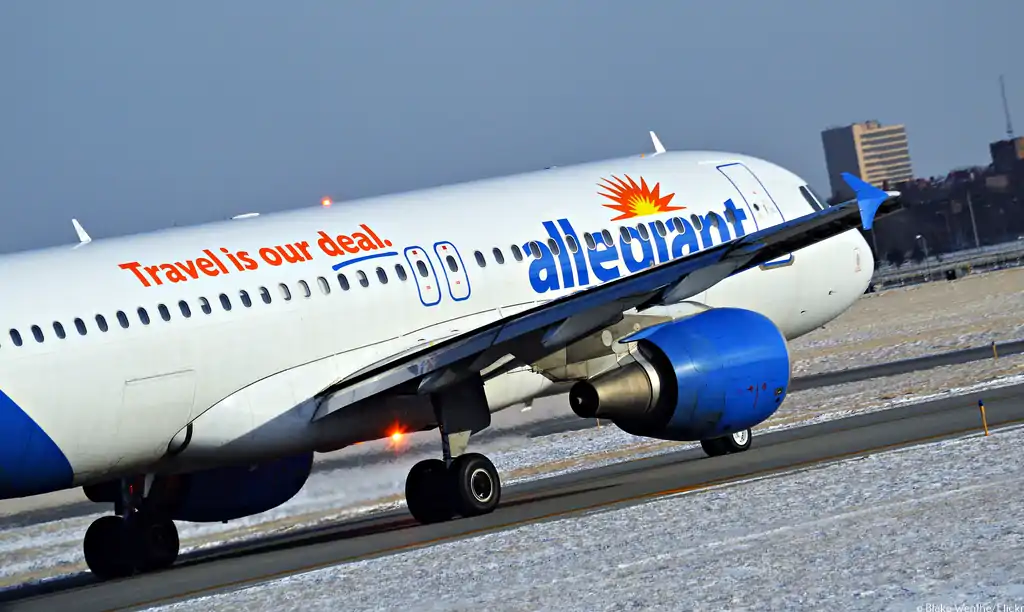
As the festive season approaches, turbulence looms for Allegiant Air as its pilots edge closer to striking over long-standing labor disputes. With a picket line already formed and overwhelming support for strike authorization, customers are left wondering: will Allegiant pilots ground flights this holiday season?
A Two-Year Mediation Stalemate
The conflict traces back four years to the beginning of negotiations between Allegiant Air and its pilots, represented by Teamsters Local 2118. The union, which represents 1,300 pilots nationwide, has been in mediation under the National Mediation Board for two years. Allegiant pilots, citing stagnant negotiations, have declared their readiness to strike—a move that could severely impact the low-cost airline's operations.
On Tuesday, roughly 30 pilots picketed at Des Moines International Airport, displaying signs such as “Buckle Up Allegiant, No More Free Rides” and “Allegiant Pilots Ready to Strike.” This demonstration follows a November vote where more than 97% of Allegiant pilots authorized union leaders to call a strike.
What’s Holding Back the Strike?
Despite the show of unity, pilots cannot strike immediately due to the federal Railway Labor Act, which governs airline workers. Under this law, a strike can only occur if mediators declare an impasse in negotiations—a rare occurrence. If the National Mediation Board were to approve strike action, a mandatory 30-day cooling-off period would follow, ensuring no stoppage until after the holiday season.
Pilots Speak Out: “We Deserve Better”
Pilot Tyler Heavey, speaking on behalf of the Allegiant Pilots Association, emphasized the inequities faced by Allegiant pilots compared to peers in the industry. Key concerns include subpar compensation, daily work rules, and inadequate retirement benefits. “We are fighting for an industry-standard contract that values our work and contributions to the success of Allegiant,” Heavey said.
Allegiant pilots claim they are among the most overworked and underpaid in the industry. The union argues that these conditions are unsustainable and undermine the pilots’ well-being and morale.
Allegiant’s Offer: Is It Enough?

Allegiant Air, on the other hand, has proposed what it describes as a “competitive package” to address pilot grievances. The airline’s offer includes:
- Hourly Pay Increase: A 50% average increase in hourly wages, scaling to 70% over five years.
- Retirement Benefits: A 50% rise in direct contributions.
- Quality of Life: Enhanced scheduling policies honoring seniority and improving work-life balance.
- Retention Bonuses: First-year officers would see an 82% pay increase, while other pilots receive a 35% boost, with senior captains eligible for bonuses exceeding $100,000.
Despite these terms, Allegiant claims the union has failed to engage on key economic issues in nearly two years. “We remain hopeful that the union will choose to engage with us at the table,” the airline stated.
What’s at Stake?
If the pilots strike, Allegiant could face operational paralysis, leaving customers scrambling during peak travel seasons. The situation underscores a larger industry trend where airline workers are demanding better pay and conditions amidst a pilot shortage.
While Allegiant asserts that its offer aligns with industry standards, the union maintains that pilots deserve more to reflect their contributions to the airline’s success.
Conclusion: Will There Be a Resolution?
As negotiations continue under the watchful eye of federal mediators, the possibility of a strike remains uncertain. What’s clear is that Allegiant pilots are standing firm for their demands, and the airline must navigate this labor dispute carefully to avoid disruption.
With the clock ticking, passengers, pilots, and the airline await the outcome of mediation. Will Allegiant reach an agreement that keeps flights in the air, or will the pilots’ demands ground the airline? Only time will tell.
Read next

Since its inaugural flight to Mumbai in 1965, Saudia, the national flag carrier of Saudi Arabia, has established itself as a trusted name in the Indian aviation market. With over five decades of seamless operations, the airline remains a preferred choice for millions of Indian travelers seeking direct connectivity to Saudi Arabia and beyond. Operating 54 weekly flights across six major Indian cities—Delhi, Mumbai, Bangalore, Hyderabad, Cochin, and Kozhikode—Saudia has cemented its position as a leading Gulf carrier in the region.
India: A Pillar of Saudi Vision 2030
India plays a crucial role in Saudi Arabia's Vision 2030, a transformative initiative aimed at diversifying the Kingdom’s economy. Saudia’s goal of attracting 7.5 million Indian visitors annually by 2030 aligns with Saudi Arabia’s ambition of positioning itself as a global tourism hub. By leveraging India’s immense potential for inbound tourism, the airline is poised to bridge the gap between the two nations, fostering stronger ties and mutual growth.
Revolutionizing Travel for Indian Passengers
Saudia is committed to redefining the travel experience for its Indian passengers by offering a blend of tradition and innovation.
Enhanced Connectivity and Services
- Increased flight frequencies to cater to growing passenger demand.
- Tailored services for tourism, business, and religious travel, including Hajj and Umrah pilgrimages.
Innovative Digital Solutions
To elevate passenger convenience, Saudia has introduced the BETA version of the Travel Companion (TC) platform. Powered by AI, this cutting-edge tool provides:
- Personalized travel solutions.
- Seamless hotel, transportation, and activity bookings through trusted providers.
This ensures a hassle-free journey from booking to boarding.
Revamped Loyalty Program
The updated AlFursan loyalty program offers:
- Simplified reward management.
- Efficient tracking of mileage.
- Streamlined upgrades for frequent flyers.
These initiatives reflect Saudia's focus on delivering a superior and user-friendly travel experience.
A Modern Fleet for a Seamless Journey
Saudia’s ambitious fleet expansion, featuring 105 new aircraft, is set to meet growing travel demands while enhancing passenger comfort and connectivity. This modernization effort underlines the airline’s commitment to sustainability, efficiency, and service excellence.
Connecting Cultures and Opportunities
With its strategic focus, Saudia is not only bridging India and Saudi Arabia but also creating pathways for cultural exchange, business collaborations, and tourism. The airline’s pivotal role in connecting Indian travelers to the Kingdom supports Saudi Arabia’s vision of welcoming 330 million visitors annually by 2030.
A Bright Future for Saudia in India
Saudia’s strengthened presence in India signifies a partnership rooted in trust, vision, and shared aspirations. By expanding operations, embracing innovation, and aligning with Saudi Vision 2030, the airline is set to redefine air travel for Indian passengers.
As Saudia takes flight towards a brighter future, Indian travelers can look forward to unmatched connectivity, world-class services, and a seamless travel experience.
For more details, visit Saudia Airlines Official Website
Read next

Airbus delivered more than 80 jets in November, marking a sharp increase in its delivery pace as the planemaker regains momentum after a challenging summer. According to industry sources, this marks at least a 25% year-on-year jump in deliveries for the month, and potentially Airbus's best November since 2018, when it delivered 89 jets.
The recovery follows a critical agreement between Airbus and engine maker CFM, allowing short-term engine supplies to flow more smoothly. This deal, first reported by Reuters, addresses supply-chain disruptions that had plagued the company for much of the year.
Tracking Airbus’s Delivery Targets
By November's end, Airbus had delivered around 640 jets in 2024. To meet its full-year target of “around 770” deliveries, the planemaker would need to deliver approximately 110 aircraft in December. While this target remains ambitious, Airbus has a precedent: it delivered 112 jets in December 2023. Analysts now speculate Airbus could aim for 765 to 770 jets by year-end, with many noting the cautious language in its forecast allows flexibility to slightly underperform without alarming investors.
The Role of Engine Supplies
CFM, co-owned by GE Aerospace and Safran, played a pivotal role in Airbus's recovery. The engine maker recently agreed to prioritize Airbus over airline repair demands temporarily, ensuring Airbus could accelerate its deliveries for the remainder of the year. This compromise underscores the challenges of balancing engine supply for new aircraft production against maintenance needs for existing fleets.
Safran CEO Olivier Andries confirmed this shift, noting that the pendulum would likely swing back toward airline maintenance in January 2025. This short-term prioritization is critical to Airbus's end-of-year push, but it has raised concerns among some analysts about the profitability impacts on engine manufacturers, as aftermarket services typically yield higher margins than new engine deliveries.
Comparison with Boeing

Airbus’s sharp recovery contrasts starkly with its U.S. competitor, Boeing, which is still grappling with the aftermath of a significant strike and regulatory scrutiny. Estimates suggest Boeing delivered only around 12 jets in November, far behind Airbus’s output. Boeing’s slower recovery highlights Airbus’s dominant position in the market, even as both manufacturers contend with supply-chain difficulties.
Challenges and Risks Ahead
Despite its strong November performance, Airbus faces ongoing challenges. The supply chain remains fragile, and Airbus’s production lines are sold out, leaving little room for additional sales to capitalize on its market position. Sustaining the November pace—averaging four jets per day—through December is crucial but challenging. Analysts like Rob Morris of Cirium Ascend question whether Airbus can maintain this rhythm without exhausting its inventory or overburdening suppliers.
Industry Implications
The agreement between CFM and Airbus reflects broader tensions in the aviation supply chain. While the temporary shift in priorities benefits Airbus, it also highlights the delicate balancing act required to meet the demands of airlines, engine manufacturers, and planemakers. Additionally, this realignment raises questions about how engine makers will navigate profitability and customer satisfaction in the aftermarket.
Can Airbus Achieve Its Year-End Goal?
Airbus’s November rebound has boosted confidence in its ability to meet—or at least approach—its revised delivery targets. However, with supply constraints and a high bar set for December, the coming weeks will test whether Airbus can sustain its momentum or if its supply chain pressures will resurface. As 2024 concludes, the aviation industry will closely watch Airbus’s final tally and its impact on global market dynamics.
With Inputs from Reuters
Read next

The flight attendants of Alaska Airlines, represented by the Association of Flight Attendants-CWA (AFA), have resumed negotiations with the carrier after rejecting a three-year tentative labor agreement earlier this year. The union seeks to address key grievances, including pay and work conditions, following a landmark rejection of an average 32% pay increase offer that incorporated legally binding boarding pay.
The Background: Why Was the Deal Rejected?
In August, flight attendants turned down a proposal that included:
- A 32% average pay hike over three years.
- Boarding pay, a first for unionized U.S. flight attendants. Despite its groundbreaking nature, the union deemed it insufficient, indicating deeper concerns among members about their overall compensation and working conditions.
A Key Sticking Point: How Are Flight Attendants Paid?
Unlike many jobs, flight attendants in the U.S. are compensated hourly only after the aircraft's cabin doors close. This excludes pre-boarding tasks, which can significantly extend their workday without corresponding pay. The inclusion of boarding pay in the rejected offer marked a significant step, but members may be seeking more robust and equitable terms.
The Stakes: Why This Negotiation Matters
This negotiation is pivotal not only for Alaska Airlines but also for the industry:
- Setting Precedents: A favorable agreement could pressure other airlines to adopt similar changes.
- Worker Morale and Retention: Competitive terms are essential to retaining experienced flight attendants.
- Operational Stability: Prolonged disagreements could lead to disruptions, including strikes, especially after union members authorized potential strike actions earlier.
The Way Forward
Negotiators are revisiting terms with a mediator, aiming to find a middle ground that satisfies both parties. The AFA plans to survey members to identify and prioritize unresolved issues, ensuring that future proposals align more closely with their expectations.
Conclusion: A Defining Moment for Industry Labor Relations
The outcome of these talks could redefine labor standards for flight attendants across the U.S. With Alaska Airlines navigating the fine line between operational costs and fair compensation, the industry watches closely as both sides work toward a resolution.
With Inputs from Reuters
Read next
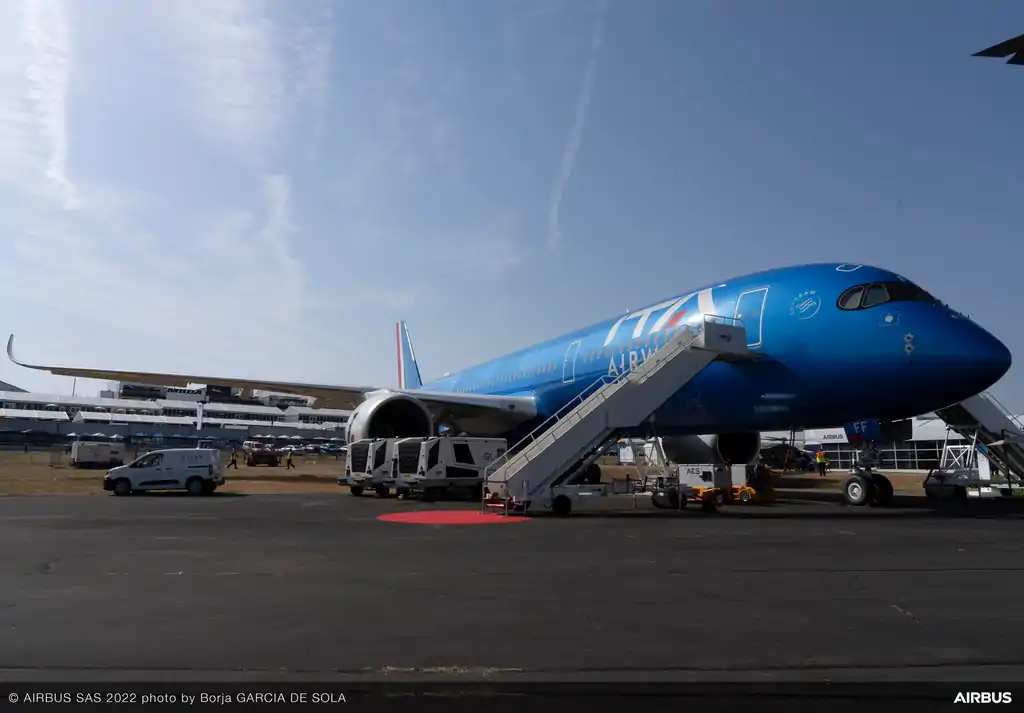
Lufthansa's acquisition of a minority stake in ITA Airways, the successor to Italy’s iconic Alitalia, has sparked interest across the aviation industry. With the European Commission giving its stamp of approval after rigorous antitrust scrutiny, this strategic move is poised to shift the dynamics of European air travel. But what does this mean for competition and passengers?
Lufthansa’s Bold Step into Southern Europe

In a €325 million ($343.6 million) deal, Lufthansa secured a 41% share in ITA Airways, aiming to strengthen its foothold in the lucrative southern European aviation market. ITA Airways, which emerged from the ashes of Alitalia, represents a critical piece of Italy’s air travel infrastructure. For Lufthansa, this minority stake is a stepping stone toward potential majority control, a move that could realign market shares in the region.
European Commission’s Conditions: Leveling the Playing Field
To address concerns over market dominance, Lufthansa and Italy’s Ministry of Economy and Finance agreed to a series of measures to preserve competition:
Enhanced Access for Competitors
The agreement allows rival carriers such as EasyJet, IAG (owner of British Airways), and Air France-KLM to expand their operations in Italy. For instance:
- EasyJet will launch short-haul flights from Rome and Milan to key Central European destinations.
- IAG and Air France-KLM are granted opportunities to improve connections and offer more direct flights between Italy and North America.
Slot Transfers at Milan Linate Airport
To reduce Lufthansa-ITA’s dominance, the parties committed to transferring take-off and landing slots at Milan’s congested Linate Airport. These slots will help competitors establish their presence in one of Europe’s busiest city airports.
Passenger Benefits: More Options, Better Connectivity
For travelers, these measures promise significant benefits:
- Increased Route Choices: Passengers flying to and from Italy can look forward to expanded options with more direct and connecting flights.
- Improved Competition: Enhanced rivalry is likely to drive down ticket prices and boost service quality.
- Stronger Transatlantic Links: Non-stop flights to North America could increase, catering to both leisure and business travelers.
What the European Commission Says
The European Commission emphasized that its approval hinged on ensuring fair competition. It highlighted that the new arrangements maintain the independence of rival airlines while ensuring they remain viable competitors. The approval underscores the absence of "significant competition concerns" after the remedies were applied.
Implications for Lufthansa and ITA Airways

This acquisition not only solidifies Lufthansa’s position in southern Europe but also sets the stage for ITA Airways’ growth under the Lufthansa Group’s expertise. With potential synergies, ITA could see improved operations, better fleet utilization, and expanded international reach. However, Lufthansa must tread carefully to maintain balance in its commitments to regulators and stakeholders.
What’s Next? A Changing Skyline for European Aviation
As competitors gear up to capitalize on the newly available routes and slots, passengers can expect a more vibrant and competitive European aviation market. Meanwhile, Lufthansa’s strategic partnership with ITA Airways may inspire other legacy airlines to rethink their approaches to expansion in Europe.
Will this carefully negotiated agreement usher in a new era of competitive air travel in Europe? Only time will tell. For now, travelers and industry watchers alike can anticipate a dynamic reshaping of the European aviation landscape.
With Inputs from Reuters
Comment