
The Boeing 797: A Comprehensive Look at Aviation's Most Anticipated Aircraft That Never Took Flight

Pragya Chauhan
17 Jul 2025

The aviation industry has long awaited a revolutionary aircraft that could bridge the gap between narrow-body and wide-body jets, and the Boeing 797 promised to be exactly that solution. Originally conceived as the New Midsize Airplane (NMA), this ambitious project represented Boeing's answer to the "middle of the market" segment—a space that existing aircraft couldn't efficiently serve. With its innovative design featuring composite construction, elliptical cross-section, and advanced engine technology, the 797 was envisioned to transform airline operations by offering the economics of single-aisle aircraft with the comfort and capacity of twin-aisle jets. However, despite years of development, industry interest, and significant investment in research, this groundbreaking aircraft remains one of aviation's most fascinating "what if" stories.
The Genesis of the Middle Market Solution
The concept for the Boeing 797 emerged from a clear market need identified in 2015. Boeing recognised that airlines were struggling with a significant gap in their fleets between the narrow-body 737 MAX and the larger 787 Dreamliner. This "middle of the market" segment required an aircraft that could efficiently serve routes with passenger loads of 200-275 passengers over distances of 4,000-5,000 nautical miles.
The proposed aircraft would feature a unique seven-abreast seating configuration similar to the 767, but with modern composite construction and advanced aerodynamics. Boeing's initial vision included two variants: a 225-seat model with a 5,000 nautical mile range and a 275-seat version capable of 4,500 nautical mile journeys. The estimated price point of $65-75 million positioned it strategically between existing narrow-body and wide-body aircraft.

Technical Innovation and Design Philosophy
Advanced Composite Construction
The 797's design philosophy centred on the extensive use of composite materials throughout the entire airframe. This approach would have provided significant weight savings compared to traditional aluminium construction while enabling the aircraft's distinctive elliptical cross-section. The composite fuselage design was intended to reduce aerodynamic drag by approximately 20% compared to conventional cylindrical designs of similar capacity.
Revolutionary Engine Technology
Powering the 797 required developing entirely new engine technology. The aircraft demanded engines producing 45,000-50,000 pounds of thrust with bypass ratios exceeding 10:1 and overall pressure ratios of at least 50:1. This thrust requirement fell into a previously neglected category—more powerful than modern single-aisle engines but less than current wide-body powerplants.
Three major engine manufacturers initially competed for the contract: CFM International, Pratt & Whitney, and Rolls-Royce. However, the development challenges and market uncertainties led to significant complications in the engine selection process, with Rolls-Royce eventually withdrawing from consideration.
Market Dynamics and Industry Response
Airline Interest and Market Projections
Multiple major airlines expressed strong interest in the 797 concept. United Airlines, Delta Air Lines, Alaska Airlines, and Emirates were among the carriers that saw potential in the aircraft's capabilities. These airlines viewed the 797 as an ideal replacement for ageing 757 and 767 fleets, particularly for transatlantic and transcontinental routes.
Market forecasts varied significantly, with estimates ranging from 2,000 to 5,000 aircraft over 20 years. Boeing consistently projected demand at the higher end of this range, believing the 797 could enable new route structures similar to how the 787 opened previously uneconomical long-haul connections.
Competitive Pressures
The 797's development timeline coincided with Airbus's aggressive expansion of the A321 family, particularly the A321XLR variant. This narrow-body aircraft, while not matching the 797's capacity, offered similar range capabilities at a lower development cost and faster time-to-market. The A321XLR's success significantly impacted Boeing's market projections and contributed to growing uncertainty about the 797's viability.

The Decline and Suspension
Technical and Financial Challenges
By 2019, several factors began undermining the 797 program. The 737 MAX crisis forced Boeing to reassess its development processes and resource allocation. The company realised that any new aircraft design must prioritise flight control systems and pilot interaction—lessons learned from the MAX incidents.
Additionally, the estimated development costs escalated to $25 billion, representing a massive financial commitment during a period when Boeing faced significant expenses related to the MAX crisis and 777X delays.
Strategic Pivot
In January 2020, Boeing announced a "clean sheet reevaluation" of the entire project. The company acknowledged that market conditions had shifted, particularly following Airbus's successful launch of the A321XLR. Boeing's new leadership under CEO David Calhoun decided to focus on existing products while conducting comprehensive market studies.
The final blow came in June 2022 when Boeing officially announced that NMA development would not proceed "for at least a couple of years" until next-generation engines and digital development tools reached sufficient maturity.
Legacy and Future Implications
Lessons Learned
The 797 program, despite never reaching production, provided valuable insights into modern aircraft development. Boeing's experience highlighted the importance of engine technology readiness, market timing, and the need for sustainable development costs in an increasingly competitive environment.
The program also demonstrated how external factors—such as the MAX crisis and competitive responses—can fundamentally alter market dynamics and project viability.
Impact on Future Development
Boeing's decision to suspend the 797 has significant implications for the future of the middle market segment. While the company has not abandoned the concept entirely, the focus has shifted toward developing a next-generation narrow-body aircraft that could compete more directly with Airbus's A321 family.
The 797's innovative design concepts, particularly its composite construction and advanced systems integration, will likely influence future Boeing aircraft development programs.

Bottom Line
The Boeing 797 represents one of the most ambitious and ultimately unrealised projects in modern aviation history. While the aircraft never progressed beyond the conceptual stage, its development story illustrates the complex interplay of technology, market dynamics, and strategic decision-making that defines the aerospace industry. The 797's promise of bridging the middle market gap with innovative design and advanced technology captured the imagination of airlines and aviation enthusiasts alike, but ultimately fell victim to changing market conditions, competitive pressures, and the harsh realities of aircraft development economics.
Although the 797 may never grace the skies, its legacy lives on in the lessons learned and the continuing quest to serve the middle market segment more effectively. As Boeing looks toward future aircraft development, the insights gained from the 797 program will undoubtedly influence the next generation of commercial aviation, ensuring that while this particular dream may have been deferred, the pursuit of innovation in aircraft design continues unabated.
Read next

As GPS jamming and spoofing incidents surge globally, particularly in conflict zones around Ukraine and the Middle East, the aviation industry faces an urgent need for alternative navigation systems.
Airbus's Silicon Valley innovation centre, Acubed, has partnered with Google spinout SandboxAQ to test a groundbreaking quantum sensing technology that uses Earth's magnetic field signatures for aircraft navigation. After over 150 hours of flight testing, their MagNav system has proven capable of pinpointing aircraft locations with remarkable accuracy while remaining completely immune to electronic warfare attacks that plague traditional satellite-based systems.
The GPS Vulnerability Crisis
For decades, satellite-based Global Positioning Systems have been the backbone of aerospace navigation. However, the increasing sophistication of GPS jamming and spoofing attacks has exposed a critical vulnerability in modern aviation infrastructure. These attacks, particularly prevalent in conflict zones around the Middle East, Ukraine, and Russia, pose significant risks to both military and civilian aircraft operations.
GPS jamming occurs when positioning signals are deliberately blocked, preventing aircraft from determining their location. Spoofing represents an even more dangerous threat, as it involves broadcasting false signals that can trick navigation systems into displaying incorrect locations. Both techniques have become increasingly common as various military forces attempt to disrupt enemy targeting systems, inadvertently affecting civilian aviation in the process.

Acubed- Airbus's Silicon Valley Innovation Hub
Acubed, Airbus's Silicon Valley innovation centre, has positioned itself as a pioneer in addressing these challenges by employing world-class experts and committing to unreasonable goals. Founded in 2015, Acubed serves as the Silicon Valley innovation centre of Airbus, providing a lens into the future for the industry and transforming risk into opportunity to build the future of flight now.
In the post-COVID years, Acubed has refined its mission to focus on artificial intelligence and autonomy — how those technologies will be applied in aviation, and how they can help the parent company build a competitive advantage. Acubed drives innovation by focusing on technical domains where Silicon Valley enjoys a clear competency advantage, such as in artificial intelligence, autonomy, data analytics, rapid prototyping and digital communication.
The innovation centre operates as a project-focused operation that employs the brightest minds to work at speed in order to help Airbus deliver impact at a global scale. Among their various initiatives, their Advanced Digital Design and Manufacturing (ADAM) project aims to forecast the future of digital manufacturing and design in the aerospace sector and identify innovative technologies that will lead Airbus into the next era of aviation.
The Quantum Sensing Revolution
Acubed's team is exploring how quantum computing and quantum sensing can tackle challenges such as improved flight path trajectory optimisation for fuel efficiency and sustainability, and the development of a safe, unjammable GPS alternative based on magnetic navigation. This exploration has led to a groundbreaking partnership with SandboxAQ, a Google spinout specialising in artificial intelligence and quantum technologies.
The collaboration has resulted in the development of MagNav, a quantum-sensing device that represents a fundamental shift in navigation technology. Because quantum sensors capture data at such a detailed level, SandboxAQ has paired its sensing technology with AI to filter out irrelevant noise and more effectively interpret magnetic data.

How Quantum Navigation Actually Works
Quantum sensing technology operates on principles that sound like science fiction but are grounded in solid physics. The device, approximately the size of a toaster, contains a sophisticated laser system that manipulates individual photons and electrons to detect magnetic field variations.
The Technical Process
The quantum sensing process begins when a laser fires a photon at an electron within the device. This forces the electron to absorb the photon energy, elevating it to an excited state. When the laser deactivates, the electron returns to its ground state, releasing the stored photon energy. This release produces a unique electromagnetic signature that corresponds to the strength and characteristics of Earth's magnetic field at that specific location.
Earth's Magnetic Fingerprint
Every square meter of Earth possesses a distinct magnetic signature created by the interaction between charged iron particles in the planet's molten core and the minerals present in the crust. This geological process has created a natural navigation system that has existed for millions of years, waiting for technology advanced enough to read it accurately.
The quantum device captures these magnetic signatures and feeds them into an artificial intelligence algorithm running on a single Graphics Processing Unit (GPU). The AI system compares the detected signature against comprehensive magnetic signature maps, returning precise location coordinates.

Real-World Testing and Performance
Acubed conducted extensive testing of the MagNav system, accumulating over 150 hours of flight time across the continental United States using their "flight lab" – a specially equipped Beechcraft Baron aircraft. The testing campaign was designed to evaluate the system's performance under various flight conditions and geographical locations.
Accuracy Benchmarks
The Federal Aviation Administration requires aircraft to determine their position within 2 nautical miles (approximately 2.3 statute miles) during flight operations. The quantum sensing system exceeded these requirements significantly:
- 100% accuracy within 2 nautical miles: The system consistently met FAA requirements throughout all test flights
- 64% accuracy within 550 meters: The system achieved sub-quarter-nautical-mile precision more than half the time
- Consistent performance: The technology maintained accuracy across diverse geographical regions and flight conditions
Advantages Over Traditional GPS
The quantum sensing approach offers several crucial advantages over satellite-based navigation systems:
Immunity to Electronic Warfare- Unlike GPS, which relies on digital signals transmitted from satellites, quantum sensing operates as a completely analogue system. This fundamental difference makes it essentially immune to jamming and spoofing attacks. The magnetic field signatures cannot be artificially generated or manipulated by hostile actors, providing a level of security that GPS cannot match.
Independence from External Infrastructure- The quantum navigation system generates all positioning information internally, eliminating dependence on satellite constellations or ground-based transmission stations. This self-reliance ensures continued operation even if GPS satellites are compromised or disabled.
Immediate Spoofing Detection- When used in conjunction with traditional GPS, quantum sensing can serve as a verification system, immediately alerting pilots when GPS signals are being spoofed by comparing the two navigation sources.

Beyond Aviation: Expanding Applications
The applications for quantum sensing technology extend far beyond aerospace navigation. Industry experts predict significant growth in the quantum sensing market, with estimates suggesting it could reach between $1 billion and $6 billion by 2040.
Defence Applications- Military applications include submarine detection capabilities, as quantum sensors can detect the minute magnetic disturbances created by large metal objects moving through water. The technology can also identify underground tunnels and bunkers by detecting magnetic anomalies in the Earth's field.
Healthcare Innovations- In medical applications, quantum sensors can detect extremely faint magnetic signals generated by the human brain and heart. This capability could revolutionise the diagnosis of neurological and cardiac conditions, providing non-invasive alternatives to current testing methods.
Industrial and Scientific Uses- Quantum sensing technology has potential applications in geological surveys, mineral exploration, and environmental monitoring. The precision of magnetic field detection could improve our understanding of Earth's internal structure and help locate natural resources.
Implementation Challenges and Future Outlook
While the technology shows tremendous promise, several challenges remain before widespread adoption:
Certification and Regulatory Approval- Aviation authorities require extensive testing and certification before approving new navigation systems for commercial use. The quantum sensing technology must undergo rigorous evaluation to ensure it meets safety standards and reliability requirements.
Cost and Manufacturing- Current quantum sensing devices are expensive to produce and require specialised components. Scaling production to meet commercial aviation demand will require significant investment in manufacturing infrastructure and cost reduction initiatives.
Integration with Existing Systems- Modern aircraft contain complex integrated navigation systems. Quantum sensing technology must be seamlessly integrated with existing avionics without disrupting current operations or requiring extensive pilot retraining.

The Road Ahead
This is not Acubed's first evaluation of quantum technologies, as they previously partnered with qBraid to explore how quantum computing may address aerospace's most computationally intensive problems. The quantum sensing project represents part of a broader strategy to leverage quantum technologies across multiple aerospace applications.
SandboxAQ plans to target defence customers initially, where the security advantages of quantum sensing provide immediate value. Following military adoption, the technology will transition to commercial aviation as GPS tampering concerns continue to grow.
The development timeline suggests that quantum sensing technology is no longer a distant future concept. Industry experts emphasise that practical applications are emerging now, not decades away. The successful flight testing by Acubed and SandboxAQ demonstrates that the technology has moved from laboratory curiosity to a viable commercial product.
Bottom Line
The collaboration between Acubed and SandboxAQ represents a pivotal moment in aviation navigation technology. By harnessing quantum physics to read Earth's magnetic signatures, they've developed what may be the first truly novel absolute navigation system in half a century.
The quantum sensing approach addresses critical vulnerabilities in GPS systems while providing superior accuracy and immunity to electronic warfare tactics. With successful testing demonstrating consistent performance within FAA requirements and even achieving sub-quarter-nautical-mile precision, the technology proves that Earth's magnetic field can indeed serve as a reliable navigation foundation.
As GPS jamming and spoofing threats continue to escalate globally, quantum sensing offers a timely solution that could revolutionise not just aviation safety, but also defence capabilities and medical diagnostics. The technology's transition from research labs to real-world flight testing signals that the quantum sensing revolution is no longer a question of if, but when, making this magnetic navigation breakthrough a game-changer for the aerospace industry and beyond!
Read next

The Directorate General of Civil Aviation (DGCA) has released a fresh batch of medical assessment guidelines. The new notice, dated July 15, 2025, promises to make medical assessments more streamlined while ensuring that pilots remain as fit as a fiddle.
New Regulations
The DGCA has issued revised guidelines for medical assessments in respect of Class 1, 2, and 3 medical examinations, effective September 1, 2025. These changes specifically target the periodicity, schedule, and validity requirements for different categories of aviation professionals.

Key Changes
The most significant updates pertain to the frequency of medical examinations required for pilots and aviation professionals. However, it's crucial to understand that the validity periods for medical examinations themselves remain unchanged – Class 1 assessments are still valid for 1 year, and Class 2 assessments remain valid for 2 years.
Important Clarification: What Changed
The real game-changer lies in the validity of the CA-35 form, not the medical examination schedule itself. Previously, the CA-35 form (issued after medical examination) permitted flying for approximately 90 days. Under the new rules:
Class 1 Medical CA-35: Now valid for the full 3-year interval between medical assessments (for pilots up to age 40)
Class 2 Medical CA-35: Now valid for 4 years (for pilots up to age 40)
This means pilots can exercise all DGCA license privileges for these extended periods without needing frequent CA-35 renewals.
The new guidelines establish clear age-based categories with specific renewal requirements:

For Class 1 Medical Assessments
• Initial/Re-initial medicals: Mandatory for all incomplete, invalid, special, post-temporary unit review, post-permanent unit review, appeal, delayed, or age-specific periodic medical examinations
• Up to 40 years (Renewals): Required every 3 years
• 41-50 years of age (Renewals): Must be completed every alternate year
• 51-65 years of age (Renewals): Annual medical examinations become mandatory
For Class 2 Medical Assessments
• Initial applications: Mandatory for those applying for DGCA licenses
• Up to 40 years (Renewals): Required every 4 years
• 41-50 years of age (Renewals): Must be completed every 4 years
• 51-65 years of age (Renewals): Required every alternate year
Important Procedural Updates
The DGCA has also introduced several procedural changes that affect both medical examiners and license holders:
Mandatory Assessment Scenarios
The new guidelines specify that medical assessments become mandatory in two critical situations:
• When any abnormality or disability is detected during medical examination proceedings
• When DGCA empanelled medical examiners, centres, or hospitals deem it necessary to issue a medical assessment
Certification Requirements
A notable addition is that applicants can directly apply for a Class 1 initial medical examination based on a Fit Medical Certificate (CA-35) issued by a Class 2 medical examiner, streamlining the certification process.
What Remains Unchanged
Despite the updates, several aspects of the medical assessment system remain consistent:
• Class 3 and Cabin Crew Medical Examinations: All existing rules, regulations, and modalities continue to apply without modification
• Issue and renewal policies: For various DGCA licenses, ratings, and other certifications, remain as per current policies
• Validity periods: The fundamental validity periods for medical examinations in each category stay the same as per existing DGCA regulations
Quality Control Measures
The DGCA has reinforced its commitment to maintaining high standards through enhanced oversight mechanisms:
• Random scrutiny: The authority reserves the right to conduct random scrutiny of submitted medical applications
• Retroactive applicability: Any observations, remarks, or disposals made during random checks will apply from the date of medical assessment issuance
• Examiner accountability: Medical examiners at IAF boarding centres and aeromedical evaluation centres must exercise due caution to ensure CA-35 accuracy, particularly when medical assessments are not mandatory
Digital Integration and Future Updates
The DGCA has indicated that Civil Aviation Requirements (CARs) and respective modalities in the eGCA module concerning medical examinations for license holders will be updated accordingly. These changes will be communicated through the official DGCA website, ensuring transparent and accessible information for all stakeholders.
Bottom Line
The DGCA's updated medical assessment guidelines represent a comprehensive overhaul designed to enhance aviation safety while streamlining administrative processes.
The age-based renewal system ensures that older pilots undergo more frequent medical evaluations, reflecting the increased health monitoring needs that come with advancing age. With mandatory assessments for abnormalities and enhanced quality control measures, the new framework balances safety requirements with practical implementation considerations. These changes, effective from September 1, 2025, will impact thousands of aviation professionals across India, reinforcing the DGCA's commitment to maintaining the highest safety standards in Indian aviation.
All stakeholders should prepare for these transitions and stay updated through official DGCA communications for any additional modifications to the medical assessment procedures.
Read next

Following the devastating crash of flight AI171 on June 12, 2025, Air India has embarked on a carefully orchestrated recovery strategy that prioritizes passenger safety while gradually restoring international connectivity. The airline's methodical approach includes a phased resumption of services, beginning with a restructured Ahmedabad-London route that will operate three times weekly starting August 1, 2025.
This measured response reflects the carrier's commitment to rebuilding traveller confidence through enhanced safety protocols and operational transparency, as the aviation industry watches closely to see how one of India's flagship carriers navigates this critical period of recovery and renewal.
Understanding the June 12 Accident
The tragic events of June 12, 2025, fundamentally altered Air India's operational landscape when flight AI171, a Boeing 787 Dreamliner bound for London Gatwick, crashed shortly after departing from Ahmedabad. The incident resulted in the loss of 241 lives, with only one survivor, marking one of the most devastating aviation accidents in recent Indian history.
This tragedy prompted Air India to implement an immediate operational pause, suspending multiple international routes to conduct comprehensive safety assessments across its entire fleet. The airline's leadership recognised that rebuilding passenger confidence would require more than just resuming flights – it would demand a complete evaluation of safety protocols, maintenance procedures, and operational standards.

Strategic Route Restoration: A Measured Approach
Ahmedabad-London: The First Step Forward
Air India's decision to resume the Ahmedabad-London route represents a strategic choice that balances operational necessity with safety considerations. The new service configuration will operate 3 times weekly to London Heathrow, replacing the previous five-times-weekly schedule to London Gatwick.
The route selection isn't arbitrary – the Ahmedabad-London corridor serves a significant diaspora population and maintains crucial business connections between India's commercial hub in Gujarat and the UK's financial centre. By choosing this route for initial restoration, Air India demonstrates its commitment to maintaining vital international links while operating under enhanced safety protocols.
Adjustments Across the Network
The airline's recovery plan extends beyond the flagship Ahmedabad-London route, encompassing systematic adjustments across its international network:
Delhi-Paris: Service frequency has been reduced from twelve weekly flights to seven, maintaining connectivity to this important European hub while allowing for more manageable operational oversight during the recovery phase.
Delhi-Milan: Operations have been scaled back from four weekly flights to three, reflecting the airline's balanced approach to capacity management during the transitional period.
Mumbai and Delhi to New York (JFK): Both routes have been adjusted from daily operations to 6 flights per week, demonstrating the airline's commitment to maintaining transatlantic connectivity while ensuring operational reliability.
These modifications represent temporary measures designed to facilitate the airline's return to full operations by October 1, 2025, while maintaining essential international connectivity for passengers and cargo.

Comprehensive Safety Overhaul
Fleet-Wide Inspections
Air India's response to the June incident has included exhaustive safety reviews of its entire fleet, with particular attention to the Boeing 787 aircraft series. These inspections go beyond routine maintenance checks, incorporating advanced diagnostic procedures and collaborative assessments with international aviation safety experts.
The airline has partnered with global regulatory bodies and independent safety consultants to ensure that all aircraft meet or exceed international safety standards before returning to service. This collaborative approach demonstrates Air India's commitment to transparency and industry best practices during the recovery process.
Enhanced Safety Protocols
The safety review process has resulted in the implementation of additional safety measures and operational procedures. These enhancements include:
- Advanced pre-flight inspection protocols that exceed standard requirements
- Enhanced crew training programs focusing on emergency response procedures
- Improved maintenance scheduling to ensure optimal aircraft condition
- Strengthened communication systems between flight crews and ground operations
Industry and Passenger Response
Rebuilding Trust Through Transparency
Air India's communication strategy during this recovery period has emphasised transparency and regular updates to passengers and stakeholders. The airline has acknowledged the challenges it faces while consistently reinforcing its commitment to safety and service quality.
The carrier has expressed gratitude to passengers for their patience and understanding during this difficult period, recognising that rebuilding trust requires both words and actions. This approach reflects a mature understanding of the relationship between airline operations and public confidence.
Market Positioning During Recovery
The aviation industry is closely monitoring Air India's recovery strategy, as it represents a significant test case for how major carriers can navigate operational crises while maintaining market position. The airline's measured approach to capacity restoration, combined with its focus on safety enhancements, provides a framework that other carriers may study and adapt.

Timeline for Full Restoration
Air India has established October 1, 2025, as the target date for the complete restoration of its international flight schedule. This timeline provides sufficient opportunity for:
- Complete fleet safety verification across all aircraft types
- Comprehensive crew retraining on enhanced procedures
- Operational system testing to ensure seamless service delivery
- Market confidence is rebuilding through demonstrated safety performance
The phased approach allows Air India to address any unforeseen challenges while maintaining momentum toward full operational restoration.
Future Outlook and Industry Implications
Setting New Standards
Air India's recovery process may establish new benchmarks for how airlines respond to major safety incidents. The comprehensive nature of the safety review, combined with the transparent communication strategy, could influence industry standards for crisis management and operational recovery.
Strengthening Global Connectivity
Despite the current operational constraints, Air India's commitment to maintaining international connectivity serves broader strategic objectives. The airline's network plays a crucial role in connecting India with global markets, supporting both business travel and diaspora communities worldwide.
Bottom Line
Air India's methodical approach to recovering from the June 12 tragedy demonstrates the complex balance between operational necessity and safety imperatives in modern aviation. The airline's decision to resume operations with a three-times-weekly Ahmedabad-London service represents the first step in a carefully planned recovery strategy that prioritises passenger safety above rapid capacity restoration.
Through comprehensive fleet inspections, enhanced safety protocols, and transparent communication, Air India is working to rebuild both its operational capabilities and passenger confidence. The systematic reduction of flight frequencies across multiple routes, from Delhi-Paris to Mumbai-New York, reflects a conservative approach that allows for proper oversight during the recovery phase. With a target date of October 1, 2025, for full service restoration, Air India's recovery plan serves as a significant test case for the aviation industry's ability to navigate major operational crises while maintaining essential international connectivity. The success of this measured approach will likely influence future industry standards for crisis management and operational recovery, making Air India's journey back to full operations a closely watched development in global aviation.
Read next

The aviation industry is abuzz with concern as U.S. President Donald Trump’s announcement of a 50% tariff on Brazilian exports, effective August 1, 2025, threatens to upend aircraft deliveries worldwide. International Air Transport Association (IATA) Director?General Willie Walsh sounded the alarm at a media roundtable in Singapore, warning that this move could ripple through the entire aerospace sector—beyond just the major manufacturers—prompting airlines to rethink taking delivery of new jets.
IATA Chief’s Stern Warning
Willie Walsh underscored that airlines’ hesitation to accept new airplanes stems directly from tariff?induced cost uncertainty. He emphasized that such tariffs would not only amplify Boeing and Airbus pricing debates but would also “impact all aspects of the aerospace industry and have an impact on most, if not all, airlines”.
With aircraft representing massive capital investments and long?term fleet planning, a sudden 50% levy on Brazilian?built jets turns delivery contracts into potential financial sinkholes. Airlines are now left juggling contractual obligations against the risk of absorbing unforeseen multimillion?dollar surcharges on each plane.
Embraer’s Dire Forecast
Embraer CEO Francisco Gomes Neto drew parallels between the looming tariff impact and the COVID?19 pandemic’s devastation. He cautioned that a 50% duty would amount to a “trade embargo” on regional jets destined for U.S. carriers, risking order cancellations, deferred deliveries, and “tough consequences for Embraer’s U.S. suppliers”.
According to Gomes Neto, the United States accounts for 45% of Embraer’s commercial?jet exports and 70% of its executive jet sales. Imposing a 50% tariff would tack on roughly $9?million per aircraft, rendering models like the E1 narrow?body jet commercially unfeasible for U.S. purchasers.
Broader Industry Implications
The proposed tariffs don’t solely threaten Brazilian manufacturers. Airlines have longstanding delivery schedules with Boeing and Airbus as well, many of whose production lines incorporate Brazilian?made components. A tariff?driven surge in costs could spur airlines to defer or cancel deliveries across all OEMs, straining manufacturer?airline relationships and cascading into secondary markets for used jets.
Furthermore, U.S. suppliers within Embraer’s supply chain—ranging from avionics specialists to engine component makers—face reduced orders if Embraer’s deliveries to U.S. airlines dwindle. This interdependency underscores Walsh’s point that the tariff shock could reverberate far beyond Brazil itself.
Diplomatic and Negotiation Efforts
Recognizing the stakes, Brazil’s Vice?President Geraldo Alckmin announced urgent government efforts to resolve the dispute before the August 1 deadline. He signaled openness to requesting an extension if necessary, aiming to safeguard Brazilian exports and stave off significant economic fallout.
Meanwhile, industry groups and trade associations are preparing lobbying campaigns in Washington, D.C., to argue that such tariffs jeopardize U.S. jobs tied to the aerospace sector and violate World Trade Organization rules on fair trade.
What Comes Next?
Negotiations Under Pressure
Brazil and the U.S. will engage in high?level talks in the coming weeks. An extension or rollback of the tariff decision hinges on swift diplomatic progress.
Airline Delivery Strategies
Carriers may invoke force majeure clauses or negotiate temporary price adjustments with OEMs to mitigate tariff costs. Some may opt for leasing arrangements over outright purchases to retain fleet flexibility.
Supply?Chain Realignment
Airbus, Boeing, and Embraer could accelerate efforts to localize Brazilian production or source components from tariff?exempt countries, reducing exposure to U.S. duties.
Market Volatility
Stock prices for Embraer and related suppliers have already shown volatility, and further swings are likely as the industry digests new developments.
Long?Term Trade Policy Impact
This dispute may set a precedent for future use of tariffs as leverage in geopolitical negotiations, affecting not only aviation but other high?value sectors.
TL;?DR
- What’s Happening? U.S. President Trump’s 50% tariff on Brazilian exports, effective August?1, 2025, creates cost uncertainty that could deter airlines from accepting new aircraft deliveries.
- Industry Reaction: IATA’s Willie Walsh warns of broad aerospace ramifications; Embraer’s CEO likens potential revenue hit to COVID?19 downturn.
- Economic Stakes: Each tariff?affected jet may incur an extra ~$9?million, risking cancellations and deferred deliveries.
- Diplomatic Moves: Brazil seeks urgent talks and deadline extensions to avert economic harm.
- Outlook: Airlines may renegotiate contracts, adjust fleet strategies, and OEMs could reshuffle supply chains to navigate the tariff threat.
With Inputs from Reuters
Read next
How SriLankan Cargo Quietly Just Set a New Global Benchmark in Air Freight Quality

Abhishek Nayar
17 Jul 2025
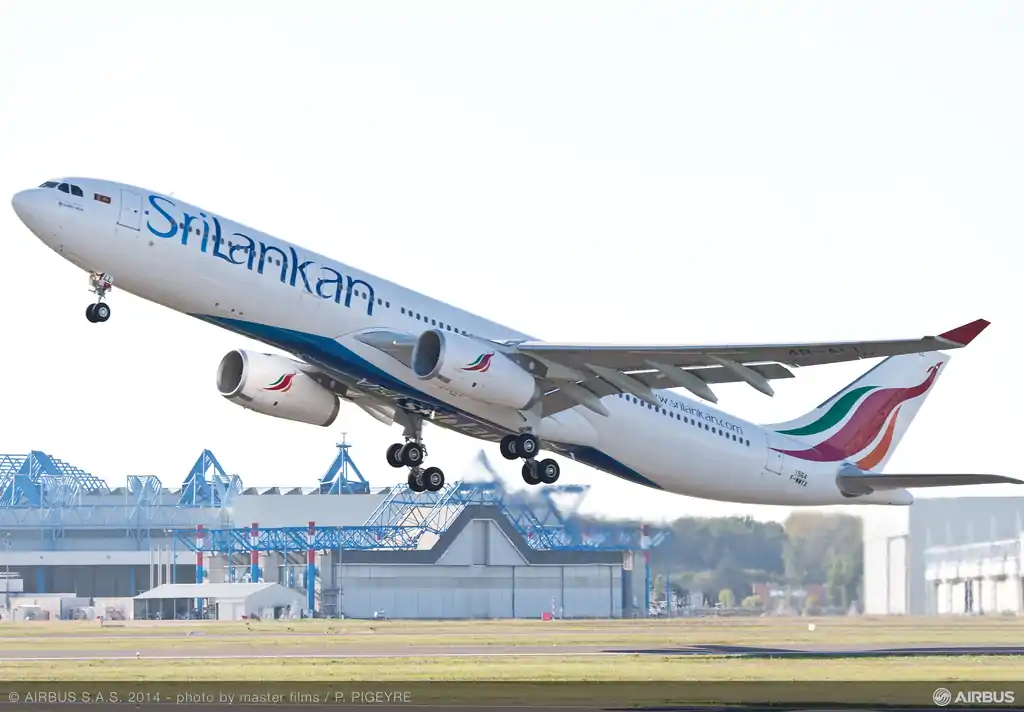
In a game-changing move for South Asia’s logistics industry, SriLankan Cargo, the dedicated freight division of SriLankan Airlines, has achieved the prestigious ISO 9001:2015 Quality Management System (QMS) certification for its cargo ground handling operations at Bandaranaike International Airport (BIA).
Awarded by the Sri Lanka Standards Institution (SLSI) — an internationally accredited body — this recognition affirms that SriLankan Cargo’s entire workflow, from warehouse management to documentation, now operates at globally benchmarked levels of excellence.
This isn’t just a badge. It’s a bold statement.
What’s ISO 9001:2015, and Why Should You Care?

The ISO 9001:2015 standard is the gold standard for organizational quality. It focuses on:
- Customer satisfaction
- Leadership and accountability
- Risk-based thinking
- Continuous process improvement
This certification means that SriLankan Cargo isn’t just efficient — it’s consistent, data-driven, and globally competitive. From moving a priceless painting to a crate of fresh mangoes, every shipment now benefits from rigorously audited systems.
Leadership Speaks: Passion Behind the Process

Chaminda Perera, Head of Cargo at SriLankan Airlines, captured the sentiment perfectly:
“Achieving ISO 9001:2015 is a testament to our dedication to maintaining world-class standards in cargo ground handling. It reflects the tireless efforts of our cargo and ground operations teams to ensure efficient and customer-focused service delivery…”
Translation: This isn’t luck — it’s a strategy built on training, innovation, and meticulous quality control.
From Ice to Ivory — What This Certification Covers
ISO 9001:2015 certification applies to the entire cargo journey, including:
- Export acceptance & import delivery
- Transit cargo processing
- Handling of special cargo (live animals, perishables, dangerous goods, valuables)
- Warehousing & documentation control
It assures clients, partners, and governments that operations are safe, smart, and scalable — critical for a country like Sri Lanka aiming to be a regional logistics superhub.
A Cargo Network That Quietly Connects the World
Think SriLankan Cargo is just island-bound? Think again. Its cargo network spans:
- 30+ online destinations in 21 countries
- Hundreds more via offline partner networks
- On-road logistics to reach beyond its own air routes
And with top-tier cold storage, specialized cargo gear, and fast processing, it offers a one-stop shop — whether you’re shipping orchids to Osaka or diamonds to Dubai.
Explore more here.
Why This Matters for Sri Lanka
Sri Lanka’s ambition to become a regional logistics and transshipment hub just got a major boost. With the ISO 9001:2015 badge now on its cargo wing, SriLankan Airlines can:
- Attract more high-value cargo traffic
- Build international trust and long-term logistics contracts
- Support national economic development goals
This isn’t just a win for the airline — it’s a win for the island nation’s global brand.
TL; DR — Why You Should Pay Attention
- SriLankan Cargo is now ISO 9001:2015 certified for ground handling at BIA.
- Certification confirms world-class standards in cargo processing, safety, and documentation.
- The airline offers seamless cargo movement across Asia, the Middle East, Europe, and Australia.
- Certification covers special cargo, imports/exports, warehousing, and quality control.
- Reinforces Sri Lanka’s ambition to be a regional logistics hub.
- Visit here
Final Word:
While the world watches aviation headlines dominated by flashy fleet upgrades and new routes, SriLankan Cargo just pulled off a silent revolution — one ISO seal at a time.
This isn’t just logistics. This is precision aviation craftsmanship.
Comment