

India's domestic aviation market has experienced remarkable growth over the past decade, establishing itself as one of the world's largest airline markets by passenger volume. India is today the world's third-largest airline market by seat capacity, behind only the U.S. and China.
As the country's aviation network continues to expand, understanding the longest domestic routes becomes crucial for both passengers and industry stakeholders seeking to comprehend the scope and scale of India's aerial connectivity.
Based on Cirium aviation analysis data, we examine the 5 longest domestic flight routes operating within India, providing detailed insights into distance, operating airlines, aircraft configurations, and operational patterns that define these critical air corridors.
Complete Route Analysis Table
| Rank | Airline | Origin | Destination | Distance (Miles) | Flight Number | Aircraft Type | Seats | Departure Terminal | Arrival Terminal | Departure Time | Arrival Time | Block Time (Minutes) | Operating Days | Operations/Week |
|---|---|---|---|---|---|---|---|---|---|---|---|---|---|---|
| 1 | Air India (AI) | Delhi (DEL) | Port Blair (IXZ) | 1,542 | AI 485 | Airbus A320 | 150 | 3 | - | 05:45 | 09:25 | 220 | Mon, Tue, Thu, Fri, Sat, Sun | 6 |
| 2 | IndiGo (6E) | Delhi (DEL) | Tiruvanathapuram (TRV) | 1,382 | 6E 2156 | Airbus A320 | 186 | 1 | 1 | 20:10 | 23:30 | 200 | All days | 7 |
| 3 | Air India (AI) | Delhi (DEL) | Tiruvanathapuram (TRV) | 1,382 | AI 2617 | Airbus A320 | 180 | 3 | 1 | 03:25 | 06:50 | 205 | All days | 7 |
| 4 | IndiGo (6E) | Bangalore (BLR) | Jammu (IXJ) | 1,353 | 6E 6495 | Airbus A320 | 186 | 1 | - | 07:05 | 10:20 | 195 | Mon, Wed, Fri | 3 |
| 5 | IndiGo (6E) | Delhi (DEL) | Madurai (IXM) | 1,291 | 6E 6064 | Airbus A320 | 232 | 1 | - | 05:15 | 08:25 | 190 | Mon, Wed, Fri, Sun | 4 |
Detailed Analysis of India's Top 5 Longest Domestic Routes
1. Delhi to Port Blair (1,542 Miles) - Air India AI 485
The longest domestic route in India spans 1,542 miles, connecting the national capital Delhi with Port Blair, the capital of the Andaman and Nicobar Islands. Operated by Air India flight AI 485, this route utilises an Airbus 320 aircraft configured with 150 seats. The flight departs from Terminal 3 at Delhi's Indira Gandhi International Airport at 05:45 and arrives in Port Blair at 09:25, with a total block time of 220 minutes (3 hours 40 minutes). This route operates 6 days a week, serving as a crucial link between mainland India and the strategically important island territory.
The Delhi-Port Blair route serves both tourism and administrative purposes, connecting India's political centre with the remote island territory. The flight covers a distance of approximately 2,496 km and takes around 3.5 hours, with Air India being the main operator on this route. This route is particularly significant for passengers travelling to the pristine beaches and coral reefs of the Andaman Islands, while also facilitating essential administrative connections between the central government and the Union Territory administration.

2. Delhi to Thiruvananthapuram- IndiGo 6E 2156 (1,382 Miles)
The second-longest domestic route connects Delhi with Thiruvananthapuram (Trivandrum), Kerala's capital city, covering 2,224 miles. Air India operates this route with flight AI 2156 using an Airbus A320 aircraft with 186 seats. The evening departure at 20:10 from Terminal 1 arrives in Trivandrum at 23:30, with a block time of 3 hours and 20 minutes. This daily service operates throughout the week, providing consistent connectivity between India's political and administrative centres.
This route serves a diverse passenger base, including government officials, business travellers, and tourists heading to Kerala's southern regions. The route's strategic importance lies in connecting the national capital with Kerala's seat of government, facilitating official travel and strengthening administrative ties between the central and state governments.
3. Delhi to Thiruvananthapuram- Air India AI 2617 (1,382 Miles)
Air India operates a similar service on the Delhi-Trivandrum route with flight AI 2617, also covering 1,382 miles but with different timing and operational characteristics. This early morning service departs at 03:25 from Terminal 3 and arrives at 06:50, with a slightly longer block time of 205 minutes. The aircraft used is also an Airbus A320, configured with 180 seats, operating daily throughout the week.
The dual service on this route demonstrates the high demand for connectivity between Delhi and Kerala's capital. The early morning departure caters to passengers who prefer to arrive in Trivandrum during morning hours, allowing for full day utilisation upon arrival. This scheduling strategy maximises passenger convenience and operational efficiency.
4. Bangalore to Jammu - IndiGo 6E 6495 (1,353 Miles)
IndiGo's service from Bangalore to Jammu represents the fourth-longest domestic route at 1,353 miles. Flight 6E 6495 operates using an Airbus 320 aircraft with 186 seats, departing from Terminal 1 in Bangalore at 07:05 and arriving in Jammu at 10:20. With a block time of 195 minutes, this route operates three days a week (Monday, Wednesday, Friday), reflecting specific market demand patterns.
This route serves a unique market segment, connecting India's IT capital with Jammu, the winter capital of Jammu and Kashmir. The route facilitates connectivity between South India's technology hub and the northern region, supporting both business travel and tourism. Besides leisure passengers visiting Kashmir's scenic destinations, this route supports India's tech and business ecosystem by providing connectivity between Bangalore's corporate sector and the emerging opportunities in Jammu and Kashmir. The limited frequency suggests specialised demand, possibly catering to tourism, business development, or administrative travel.
5. Delhi to Madurai - IndiGo 6E 6064 (1,291 Miles)
Rounding out the top 5 is IndiGo's Delhi to Madurai route, covering 1,291 miles. Flight 6E 6064 operates using an Airbus 320 aircraft with a high-density configuration of 232 seats. The early morning departure at 05:15 from Terminal 1 arrives in Madurai at 08:25, with a block time of 190 minutes. This route operates four days a week, providing regular connectivity between India's capital and Tamil Nadu's cultural capital.
The Delhi-Madurai route serves both business and pilgrimage markets, connecting the national capital with one of Tamil Nadu's most important cultural and religious centres. Madurai, known as the "Athens of the East," is famous for the historic Meenakshi Amman Temple and serves as a major pilgrimage destination. The route facilitates travel for devotees, cultural tourists, and business travellers, while also supporting trade connections between North India and Tamil Nadu's textile and agricultural sectors.

Future Outlook
These longest domestic routes play a crucial role in India's aviation network by connecting major metropolitan areas with regional centres, facilitating economic development, tourism growth, and cultural exchange. The routes demonstrate India's vast geographic diversity and the aviation industry's role in making distant destinations accessible within reasonable travel times.
As India's economy continues to grow and urbanisation spreads to tier-2 and tier-3 cities, these long-haul domestic routes are likely to see increased demand.
The success of these routes also paves the way for potential new long-distance domestic connections, particularly as airports in smaller cities upgrade their infrastructure to handle larger aircraft.
The data reflects a mature approach to route planning, with airlines carefully balancing capacity, frequency, and market demand to optimise these challenging long-distance domestic operations that require significant fuel investment and operational expertise.
Bottom Line
As the country's aviation market continues its upward trajectory, these longest domestic routes will remain essential components of India's air transportation infrastructure, facilitating economic growth, tourism development, and national integration.
Analysis based on Cirium aviation data and industry sources (for scheduled flights in August 2025), reflecting current operational patterns and market dynamics in India's domestic aviation sector.

Read next
Spirit Airlines Plans to Lay Off Upto 270 Pilots, Demote 140 Captains to First Officers

Pragya Chauhan
29 Jul 2025

Spirit Airlines, the ultra-low-cost carrier that emerged from bankruptcy protection just months ago, has announced another wave of significant workforce reductions that will impact hundreds of pilots.
The airline confirmed it will lay off 270 pilots and downgrade 140 captains to first officers, marking the second major pilot reduction in two years as the carrier continues to struggle with financial pressures despite completing its restructuring process.
Spirit Airlines Lay Offs
Spirit Airlines said on Monday it will furlough about 270 pilots while demoting another 140, as the carrier looks to scale down its workforce.
The furloughs are set to take effect on November 1, 2025, while the downgrades from captain to first officer will take effect on October 1, according to communications from the Air Line Pilots Association, the union representing Spirit's aviators.
This latest announcement represents a significant blow to Spirit's pilot workforce, affecting more than 400 aviation professionals in total. "We know how hard this news hits, and there's no dressing that up", acknowledged the airline in communications to affected pilots. The timing of these cuts is particularly striking, coming just months after Spirit successfully exited bankruptcy protection in March 2025. The airline had hoped that its financial restructuring would provide the stability needed to avoid such drastic workforce reductions.
A Pattern of Pilot Reductions
This is not Spirit's first major pilot furlough in recent years.
Spirit Airlines is cutting hundreds of pilot jobs for the second time in two years, highlighting the ongoing challenges facing the budget carrier.
Previously, the airline had announced plans to furlough approximately 330 pilots effective January 31, 2025, as reported in late 2024, demonstrating a concerning pattern of workforce reductions.
The repeated nature of these cuts suggests that Spirit's financial challenges extend beyond the immediate aftermath of its bankruptcy filing and point to deeper structural issues within the airline's operations and market position.
Financial Context
Spirit Airlines' current pilot reductions must be understood within the context of its recent financial turmoil. Spirit Airlines filed for Chapter 11 bankruptcy protection after having struggled with losses, growing debt and a failed merger during the post-pandemic travel lull. The airline had been particularly hard hit by mounting financial pressures, with Spirit losing more than $2.5 billion since the start of 2020 and facing looming debt payments totaling more than $1 billion.
Spirit's financial struggles stem from a combination of challenges including increased pilot wages, a costly engine recall impacting much of its fleet, and growing competition from other budget carriers. The failed merger attempt with JetBlue Airways, which was blocked by federal regulators, further complicated the airline's financial position and limited its strategic options.
Despite emerging from bankruptcy in March 2025, Spirit completed a consensual, deleveraging transaction that equitized approximately $795 million of funded debt and received a $350 million equity investment from existing investors. However, the current pilot cuts suggest that even with this financial restructuring, the airline continues to face operational challenges requiring workforce adjustments.
Impact on Operations and Schedule
The pilot furloughs and downgrades are directly tied to Spirit's need to align its workforce with a reduced flight schedule. The cash-strapped budget carrier looks to scale down its workforce to match a downsized schedule, indicating that the airline is planning significant reductions in its flight operations.
This operational scaling back represents a strategic shift for Spirit, which had previously focused on rapid expansion to compete with other low-cost carriers. The workforce reductions suggest the airline is now prioritizing financial stability over growth, at least in the near term.
The downgrades from captain to first officer are particularly significant as they represent not just job losses but also reductions in responsibility and compensation for experienced pilots. These downgrades can have long-term career implications for affected aviators, potentially impacting their future advancement opportunities within the industry.
Industry-Wide Implications
Spirit's ongoing pilot reductions occur against the backdrop of a complex aviation labor market. While some major carriers have been hiring pilots aggressively in recent years, Spirit's situation highlights the challenges facing budget airlines in particular. The ultra-low-cost carrier model, which relies on high aircraft utilization and minimal operational costs, leaves little room for financial flexibility during challenging periods.
The repeated workforce reductions at Spirit may also signal broader challenges within the budget airline sector, as carriers struggle to balance competitive pricing with operational sustainability. Other low-cost carriers are closely watching Spirit's situation, as it may provide insights into the long-term viability of the ultra-low-cost model in the current aviation environment.
Looking Ahead
For the hundreds of pilots affected by these cuts, the future remains uncertain. While furloughed pilots typically retain recall rights and may be brought back as operations expand, the repeated nature of Spirit's reductions raises questions about the timeline for any recovery in pilot employment at the carrier.
The aviation industry's pilot shortage, which has been widely reported in recent years, may provide some opportunities for displaced Spirit pilots to find positions with other carriers. However, the transition process can be lengthy and challenging, particularly for pilots who must adapt to different aircraft types and operational procedures.
Spirit's pilot workforce reductions serve as a stark reminder of the ongoing volatility in the aviation industry, even as air travel demand has largely recovered from pandemic-era lows. For an airline that emerged from bankruptcy with hopes of renewed stability, the continued need for significant workforce cuts underscores the challenging path ahead for both the carrier and its employees.
As Spirit continues to navigate its post-bankruptcy landscape, the success of these operational adjustments will likely determine whether the airline can achieve the financial stability necessary to avoid future workforce reductions and provide long-term career security for its remaining pilots.
Read next

India's vast aviation network encompasses routes spanning thousands of kilometres, from major metropolitan connections to short regional hops that serve crucial connectivity needs through the UDAN (Ude Desh ka Aam Nagrik) Scheme.
According to Cirium Aviation Analysis data, several domestic routes in India operate over remarkably short distances. These ultra-short routes, although covering minimal distances, play a vital role in India's transportation infrastructure.
Particularly for island territories, mountainous regions, and areas where geographical constraints make air travel the most practical option, such as in Northeast India.
India's 5 Shortest Domestic Routes (By Distance)
Complete Route Analysis Table
| Rank | Marketing Airline | Operating Airline | Flight Number | Origin | Destination | Distance (Miles) | Aircraft | Seats | Departure Time | Arrival Time | Block Time (Minutes) | Operating Days | Operations/Week |
|---|---|---|---|---|---|---|---|---|---|---|---|---|---|
| 1 | Alliance Air (9I) | Alliance Air (9I) | 9I423 | ZER | HGI | 43 | Dornier 228 | 16 | 1305 | 1335 | 30 | Mon | 1 |
| 2 | Alliance Air (9I) | Alliance Air (9I) | 9I732 | IMF | IXS | 59 | ATR72-600 | 70 | 1145 | 1230 | 45 | Wed, Sat | 2 |
| 3 | Alliance Air (9I) | Alliance Air (9I) | 9I742 | DMU | IMF | 78 | ATR72-600 | 70 | 1245 | 1330 | 45 | Tue, Thu | 2 |
| 4 | IndiaOne Air (I7) | IndiaOne Air (I7) | I7104 | PYB | VTZ | 88 | Cessna Grand Caravan EX | 9 | 1310 | 1410 | 60 | All Days | 7 |
| 5 | Alliance Air (9I) | Alliance Air (9I) | 9I851 | DEL | HSS | 89 | ATR42/72 | 48/70 | 0930 | 1010 | 40 | Fri, Sun | 2 |
Detailed Route Analysis
1. Alliance Air's ZER-HGI Route: India's Shortest Flight (43 Miles)
The shortest domestic flight route in India is operated by Alliance Air (9I) between Ziro Airport (ZER) in Arunachal Pradesh and Hollongi Airport (HGI) in Itanagar, covering a distance of just 43 miles. This ultra-short route operates flight 9I 423 using a Dornier 228 (D28) aircraft with a capacity of 16 passengers.
Route Characteristics:
- Distance: 43 miles
- Flight Duration: 30 minutes block time
- Aircraft: Dornier 228-202K (16 seats)
- Schedule: Once weekly operation on Mondays
- Departure: 13:05, Arrival: 13:35

2. Alliance Air's IMF-IXS Sector (59 Miles)
The second shortest route connects Imphal Airport (IMF) to Silchar Airport (IXS), operated by Alliance Air using ATR-72 aircraft. This 59-mile route serves as a crucial link in Northeast India's aviation network.
Route Characteristics:
- Distance: 59 miles
- Flight Duration: 50 minutes block time
- Aircraft: ATR-72 (70 seats)
- Schedule: Six days of weekly operation
- Departure: 11:45, Arrival: 12:30
3. Alliance Air's DMU-IMF Connection: Dimapur to Imphal (78 Miles)
Alliance Air's third route in the top five connects Dimapur (DMU) to Imphal (IMF) over 78 miles, operating twice weekly with ATR-72 aircraft.
Route Characteristics:
- Distance: 78 miles
- Flight Duration: 45 minutes block time
- Aircraft: ATR-72 (70 seats)
- Schedule: Twice weekly (Tuesdays and Thursdays)
- Departure: 12:45, Arrival: 13:30
This route (flight 9I 742) serves specific market needs with its limited frequency, likely catering to business travel or government requirements between these regional centres.

4. IndiaOne Air's PYB-VTZ Route: Jeypore to Visakhapatnam (88 Miles)
IndiaOne Air (I7) operates the fourth shortest route between Jeypore (PYB) and Visakhapatnam (VTZ), covering 88 miles with daily operations.
Route Characteristics:
- Distance: 88 miles
- Flight Duration: 60 minutes block time
- Aircraft: CNF configuration (9 seats)
- Schedule: Daily operations
- Departure: 13:10, Arrival: 14:10
Flight I7 104 operates daily using a 9-seat aircraft, suggesting this route serves as a vital connectivity link for the region, possibly supporting business travel or providing essential transportation where surface alternatives are limited.
5. Alliance Air's DEL-HSS Service: Delhi to Hisar (89 Miles)
Rounding out the top five, Alliance Air operates between Delhi (DEL) and Hisar (HSS) over 89 miles.
Route Characteristics:
- Distance: 89 miles
- Flight Duration: 40 minutes block time
- Aircraft: ATR42/72
- Schedule: Twice weekly (Fridays and Sundays)
- Departure: 9:55 AM, Arrival: 10:35 AM
Flight 9I 851 operates with limited frequency, suggesting specialised market requirements or seasonal operations.
Strategic Importance of Short-Haul Routes
Regional Connectivity Benefits
These ultra-short routes serve several critical functions in India's aviation ecosystem:
Geographic Constraint Solutions: Many short routes overcome natural barriers like mountains, rivers, or difficult terrain where surface transportation is impractical or time-consuming.
Remote Area Access: Short flights often connect remote locations that lack adequate surface transportation infrastructure.
Time Efficiency: Despite short distances, these flights can save significant travel time compared to surface alternatives, particularly in geographically challenging regions.
Economic Development: Air connectivity supports local economic development by facilitating business travel, tourism, and cargo movement in underserved regions.
Operational Considerations
Airlines operating these short routes face unique challenges:
- Aircraft Selection: Smaller aircraft like Dornier 228s and ATR series are preferred for their efficiency on short sectors and ability to operate from smaller airports.
- Frequency Optimisation: Limited frequencies reflect market size constraints while maintaining essential connectivity.
- Cost Management: Short routes require careful cost management due to fixed operational costs being spread over a minimal flight time.

Market Analysis and Passenger Demographics
The passenger demographics for these ultra-short routes typically include:
- Government Officials: Many routes serve administrative connectivity needs
- Business Travellers: Time-sensitive passengers requiring efficient transportation
- Medical Emergency Transport: Critical for areas with limited healthcare infrastructure
- Tourism Connectivity: Supporting tourism in remote or geographically challenging destinations
Fleet Deployment Strategy
Airlines operating India's shortest routes demonstrate strategic fleet deployment:
- Dornier 228: Ideal for 43-mile routes with 16-seat capacity
- ATR-72: Versatile for 59-78 mile routes with 70-seat capacity
- Smaller Regional Aircraft: 9-seat configurations for specialised markets
This fleet diversity allows operators to match aircraft capacity with market demand while maintaining operational efficiency.
Bottom Line
India's 5 shortest domestic flight routes, led by Alliance Air's 43-mile ZER-HGI service, demonstrate the aviation industry's adaptability in serving diverse connectivity needs. These routes, while brief in duration, play crucial roles in connecting remote areas, overcoming geographical challenges, and supporting regional economic development.
Alliance Air dominates this segment with 4 of the five shortest routes, highlighting the carrier's commitment to regional connectivity and specialised market service.
The variety in aircraft types, from 9-seat configurations to 70-seat ATR aircraft, shows how airlines optimise equipment selection for specific route requirements.
As India continues developing its regional aviation infrastructure, these ultra-short routes serve as essential building blocks in the country's comprehensive air transportation network, ensuring that even the most remote locations maintain vital connectivity to the broader Indian aviation system.
Read next

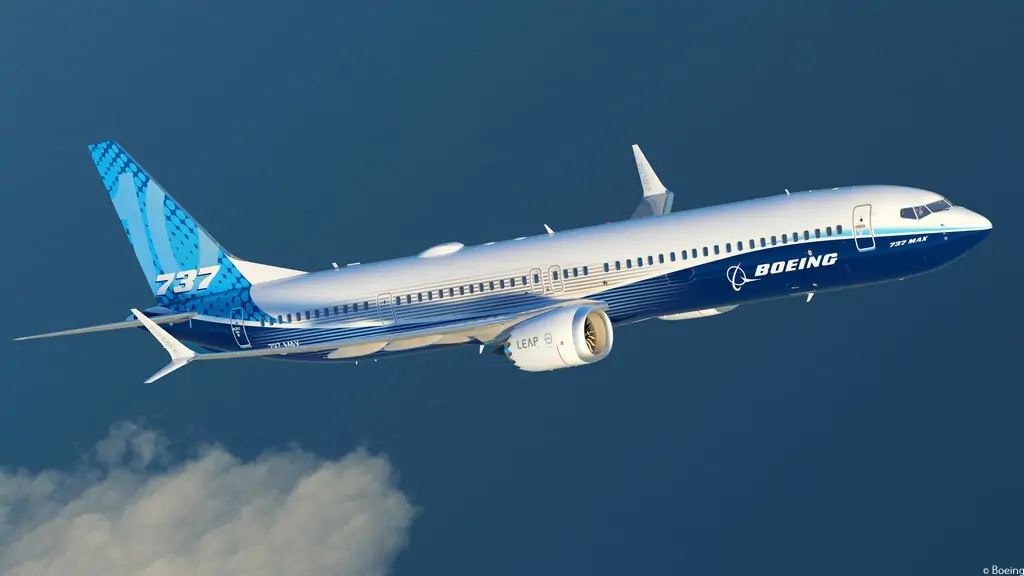
Boeing’s dreams of ramping up 737 MAX output have hit a regulatory speed bump. Here’s the inside story…
Why the 38 Plane Per Month Cap Exists
- Alaska Airlines Incident: In January 2024, a mid air emergency on an Alaska Airlines 737 MAX 9 revealed four missing bolts on a critical door plug. That scare shattered confidence and led the FAA to cap production at 38 jets a month.
- Quality Assurance, Front and Center: This isn’t just about screws. The FAA wants to make sure every nut, bolt, and factory process lives up to the highest safety bar before letting Boeing crank out more planes.
A Thorough Supply Chain Scrutiny
FAA Administrator Bryan Bedford has made it clear: before lifting the cap, the agency will inspect Boeing’s entire supply chain. He praised Boeing’s cultural shifts but stressed that long term trends—healthy workforce, solid safety culture, and “real factory improvements”—must be proven first.
- Boots on the Ground: Expect more FAA personnel inside Boeing’s factories, verifying that every station meets strict quality control standards.
- Extended Oversight: The FAA recently renewed Boeing’s Organization Designation Authorization (ODA) for three years—shorter than Boeing’s desired five—signalizing “good progress, but not mission accomplished.”
Boeing’s Optimistic Takeoff Plan
Despite cautious regulators, Boeing CEO Kelly Ortberg remains upbeat:
- 42 Jets by Year End? Boeing claims it’s “pretty confident” it can increase 737?MAX output to 42 per month—and eventually to 47 by December?2025—once the FAA gives the green light.
- Incremental Increases: Ortberg envisions rate hikes in five jet steps, with at least six months between each bump, to ensure stability and maintain quality.
Eyes on the MAX 7 and MAX 10

While the production cap debate rages, the FAA is also reviewing certification of the smallest and largest MAX variants. Getting MAX 7 and MAX 10 right the first time could speed approvals—and build trust.
What’s Next?
- Supply Chain Assessment: FAA audits suppliers and quality control processes.
- Culture & Workforce Metrics: Boeing must show sustained safety improvements on the shop floor.
- Factory Performance: Lower defect rates, higher on time deliveries, and transparent reporting.
- Regulatory Decision: Only after all boxes are ticked will the FAA consider any rate increase.
Boeing may be itching to press “turbocharge,” but for now the FAA holds the throttle. Patience and proof will determine when—or if—the cap lifts.
TL; DR
- FAA’s 38?plane cap follows a 2024 Alaska Airlines emergency due to missing bolts.
- Administrator Bedford demands a full supply chain review, cultural shifts, and factory improvements.
- Boeing aims for 42 jets/month, with incremental five jet increases spaced six months apart.
- Certification of MAX?7 and MAX?10 is under FAA review.
- Final decision hinges on sustained quality improvements and proven safety culture.
With Inputs from Reuters
Read next
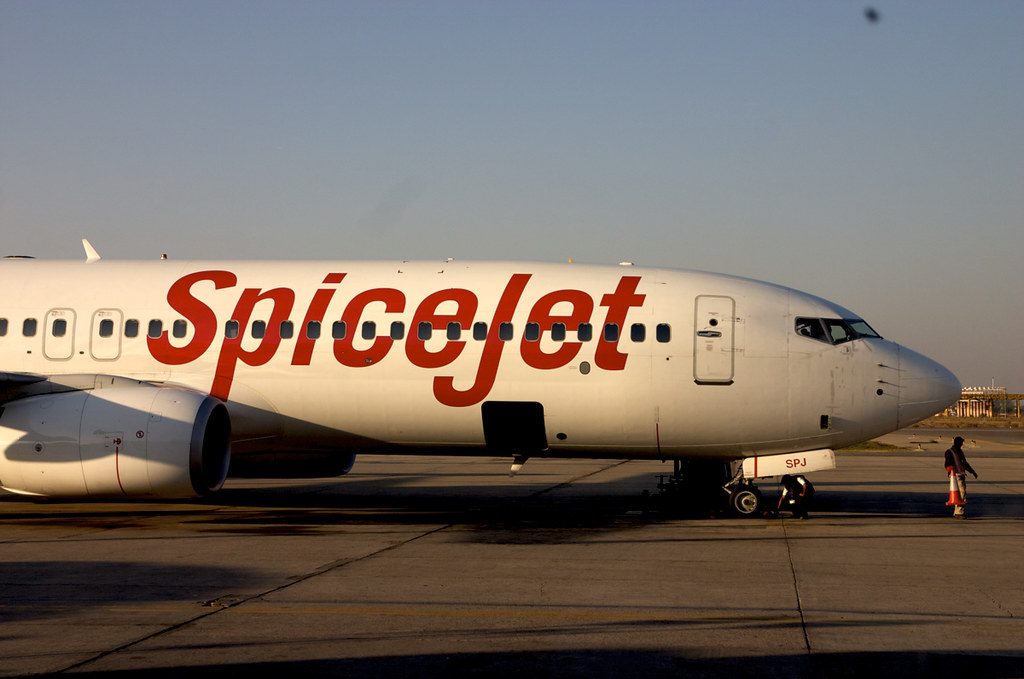
SpiceJet continues to maintain an international presence in August 2025, operating 815 flights across multiple international destinations with a total capacity of 178,060 seats!
According to Cirium Aviation Analysis data, the airline's international network demonstrates a focused approach on key Middle Eastern and Southeast Asian markets, utilising exclusively Boeing 737 aircraft variants to serve destinations from nine Indian cities.
SpiceJet Fleet & Deployment
SpiceJet's international operations in August 2025 showcase a standardised fleet strategy, exclusively deploying Boeing 737 variants across all international routes. The airline primarily utilises 3 aircraft configurations:
- Boeing 737-800 Winglets Pax/BBJ2: The workhorse of SpiceJet's international fleet, handling the majority of routes
- Boeing 737-700 Passenger: Deployed on select routes with lower capacity requirements
- Boeing 737 MAX 8 Passenger: Used strategically on high-density routes
This fleet standardisation enables SpiceJet to optimise maintenance costs, crew training, and operational efficiency while maintaining consistent service standards across its international network.
Route Network Analysis
Primary International Destinations
SpiceJet's August 2025 international network is strategically concentrated on 4 primary destinations:
- Dubai (DXB) - The dominant international hub
- Bangkok (BKK) - Southeast Asian gateway
- Al Fujairah (FJR) - Secondary UAE destination
- Kathmandu (KTM) - South Asian connection
Dubai emerges as the clear focal point of SpiceJet's international strategy, accounting for the vast majority of international operations. This concentration reflects the strong India-UAE corridor demand driven by business travel, tourism, and the substantial Indian expatriate community in the UAE.

Indian Departure Cities
The airline operates international services from 9 Indian cities, demonstrating a multi-hub strategy:
- Delhi (DEL)
- Mumbai (BOM)
- Kozhikode (CCJ)
- Ahmedabad (AMD)
- Kochi (COK)
- Amritsar (ATQ)
- Jaipur (JAI)
- Trichy (TXM)
- Patna (PNQ)
Detailed Route Operations
| Origin | Destination | Aircraft Type | Number of Flights |
|---|---|---|---|
| Ahmedabad (AMD) | Dubai (DXB) | B737-700 Passenger | 4 |
| Ahmedabad (AMD) | Dubai (DXB) | B737-800 Winglets Pax/BBJ2 | 31 |
| Amritsar (ATQ) | Dubai (DXB) | B737-800 Winglets Pax/BBJ2 | 27 |
| Bangkok (BKK) | Delhi (DEL) | B737-800 Winglets Pax/BBJ2 | 25 |
| Mumbai (BOM) | Dubai (DXB) | B737-800 Winglets Pax/BBJ2 | 62 |
| Kozhikode (CCJ) | Dubai (DXB) | B737-800 Winglets Pax/BBJ2 | 31 |
| Kozhikode (CCJ) | Al Fujairah (FJR) | B737-800 Winglets Pax/BBJ2 | 11 |
| Kochi (COK) | Dubai (DXB) | B737-800 Winglets Pax/BBJ2 | 31 |
| Kochi (COK) | Al Fujairah (FJR) | B737-800 Winglets Pax/BBJ2 | 12 |
| Delhi (DEL) | Bangkok (BKK) | B737-800 Winglets Pax/BBJ2 | 25 |
| Delhi (DEL) | Dubai (DXB) | B737-MAX 8 Passenger | 58 |
| Delhi (DEL) | Dubai (DXB) | B737-800 Winglets Pax/BBJ2 | 4 |
| Delhi (DEL) | Kathmandu (KTM) | B737-800 Winglets Pax/BBJ2 | 28 |
| Dubai (DXB) | Ahmedabad (AMD) | B737-700 Passenger | 4 |
| Dubai (DXB) | Ahmedabad (AMD) | B737-800 Winglets Pax/BBJ2 | 31 |
| Dubai (DXB) | Amritsar (ATQ) | B737-800 Winglets Pax/BBJ2 | 27 |
| Dubai (DXB) | Mumbai (BOM) | B737-800 Winglets Pax/BBJ2 | 62 |
| Dubai (DXB) | Kozhikode (CCJ) | B737-800 Winglets Pax/BBJ2 | 31 |
| Dubai (DXB) | Kochi (COK) | B737-800 Winglets Pax/BBJ2 | 31 |
| Dubai (DXB) | Delhi (DEL) | B737-MAX 8 Passenger | 58 |
| Dubai (DXB) | Delhi (DEL) | B737-800 Winglets Pax/BBJ2 | 4 |
| Dubai (DXB) | Trichy (TXM) | B737-800 Winglets Pax/BBJ2 | 31 |
| Dubai (DXB) | Jaipur (JAI) | B737-800 Winglets Pax/BBJ2 | 22 |
| Dubai (DXB) | Patna (PNQ) | B737-800 Winglets Pax/BBJ2 | 31 |
| Al Fujairah (FJR) | Kozhikode (CCJ) | B737-800 Winglets Pax/BBJ2 | 11 |
| Al Fujairah (FJR) | Kochi (COK) | B737-800 Winglets Pax/BBJ2 | 12 |
| Jaipur (JAI) | Dubai (DXB) | B737-800 Winglets Pax/BBJ2 | 22 |
| Kathmandu (KTM) | Delhi (DEL) | B737-800 Winglets Pax/BBJ2 | 28 |
| Patna (PNQ) | Dubai (DXB) | B737-800 Winglets Pax/BBJ2 | 31 |
| Trichy (TXM) | Dubai (DXB) | B737-800 Winglets Pax/BBJ2 | 31 |
| TOTAL FLIGHTS | 815 |
Market Analysis and Strategic Insights
High-Frequency Corridors
The Mumbai-Dubai route stands out as SpiceJet's flagship international service, operating 62 flights each direction during August 2025, totalling 124 flights on this corridor.
This represents the highest frequency deployment, reflecting the strong commercial ties between India's financial capital and the UAE's primary business hub.
The Delhi-Dubai route, primarily served by Boeing 737 MAX 8 aircraft with 58 flights each way, demonstrates SpiceJet's commitment to optimising fuel efficiency on high-volume routes. The deployment of newer, more efficient aircraft on this sector indicates the route's strategic importance and profitability potential.
Regional Connectivity Strategy
SpiceJet's approach to connecting tier-2 and tier-3 Indian cities directly to Dubai showcases a sophisticated understanding of regional travel patterns.
Cities such as Kozhikode, Kochi, Amritsar, Jaipur, Trichy, and Patna maintain direct Dubai connections with 22-31 flights each, eliminating the need for passengers to transit through major Indian hubs.
This strategy is particularly evident in Kerala, where both Kozhikode and Kochi maintain substantial Dubai connectivity (31 flights each), along with unique Al Fujairah services. This reflects the strong historical ties between Kerala and the Gulf region, driven by the large Malayali expatriate community in the UAE.

Capacity Deployment and Market Positioning
The total capacity deployment of 137,596 available seat-kilometres and 188,207,060 available seat-kilometres demonstrates SpiceJet's significant commitment to international markets.
With 178,060 total seats offered across all international routes, the airline maintains a substantial international presence despite operating as a mid-tier carrier in the Indian aviation market!
Unique Route Characteristics
Several routes stand out for their strategic significance:
- Delhi-Kathmandu (28 flights each way): Serves the important India-Nepal corridor, catering to business, religious tourism, and family connections
- Al Fujairah connections: The Kozhikode-Al Fujairah (11 flights) and Kochi-Al Fujairah (12 flights) routes represent niche market positioning, serving specific regional demands
- Bangkok connectivity: The Delhi-Bangkok route (25 flights each way) maintains SpiceJet's presence in Southeast Asian markets
Future Outlook
SpiceJet's international network in August 2025 positions the airline as a significant player in key regional corridors, particularly the India-Middle East market. The concentration on Dubai connectivity from multiple Indian cities aligns with broader market trends and passenger preferences.
The airline's strategy of serving both metropolitan and regional markets provides competitive differentiation, offering direct international connectivity to passengers who might otherwise need to transit through major hubs. This approach not only captures price-sensitive passengers but also provides schedule convenience.
Bottom Line
SpiceJet's international operations in August 2025 reflect a mature, strategically focused approach to international aviation. With 815 total flights distributed across proven high-demand corridors, the airline demonstrates operational efficiency while maintaining a significant market presence. The emphasis on Dubai connectivity, combined with selective operations to Bangkok and Kathmandu, represents a pragmatic balance between market opportunity and operational efficiency.
The airline's multi-city connectivity strategy, particularly strong in serving regional Indian markets, positions SpiceJet uniquely in the competitive landscape. As the Indian aviation market continues to evolve, SpiceJet's focused international network appears well-positioned to serve key passenger segments while maintaining operational sustainability in an increasingly competitive environment.
Comment