

In the dynamic and safety-critical world of aviation, providing accurate and comprehensive data to pilots is vital. While traditional Notices to Air Missions (NOTAMs), which are alphanumeric messages with constraints, have been the standard means of conveying important information to aviators, a more detailed and illustrative approach has emerged to assist pilots in developing more accurate mental models of critical data. This innovative method is known as an AIP Supplement, and it is included in the Aeronautical Information Publication (AIP).
The Evolution of AIP Supplements
The AIP is a comprehensive document published by aviation authorities around the world. It contains essential information for pilots, air traffic controllers, and other aviation professionals. The AIP covers a wide range of topics, including airspace structure, airport facilities, air navigation aids, and flight procedures.
While NOTAMs have traditionally been used to convey time-sensitive information, they have limitations when it comes to providing detailed and illustrative data. AIP Supplements were introduced to address these limitations and enhance the quality of aeronautical information available to the aviation community.
NOTAMs and AIP Supplements are used to make temporary modifications to the information contained in AIP, like AIP Canada. While NOTAMs are used for dynamic changes and have a message length restriction, AIP Supplements are used for longer-term changes (3 months or more) or shorter occurrences when the inclusion of an illustration or other pertinent information is necessary to explain what is going on more accurately.
AIP Supplements: Structure and Content
AIP Supplements are designed to provide detailed information and illustrations to assist pilots in better understanding critical data. These supplements are typically structured to include the following components:
Title and Identification: Each AIP Supplement begins with a clear title and identification number for easy reference.
Effective Date: The supplement specifies its effective date, ensuring that pilots are aware of when the information becomes applicable.
Objective: A clear statement of the supplement's objective is provided to convey the purpose and importance of the information it contains.
Background: AIP Supplements often include background information to provide context for the data presented. This may include the reasons for the supplement's issuance and any relevant historical information.
Detailed Information: The core of the supplement consists of detailed information presented in a structured and organized manner. This information can cover a wide range of topics, including changes to airspace structure, new procedures, or alterations to airport facilities. To enhance clarity, this section may include charts, diagrams, and illustrations.
References: AIP Supplements provide references to related documents, such as NOTAMs or regulatory documents, allowing pilots to access additional information if needed.
Contact Information: In case pilots require further clarification or have questions related to the supplement, contact information for the relevant authorities or agencies is provided.
Contributions to Aviation Safety
AIP Supplements significantly contribute to aviation safety in several ways:
Improved Situational Awareness: By offering detailed and illustrative information, AIP Supplements help pilots develop a clearer mental picture of critical data, enhancing their situational awareness during flights.
Reduced Ambiguity: AIP Supplements reduce ambiguity and misunderstanding by presenting information in a structured and organized format. This clarity is essential for making informed decisions in the cockpit.
Timely Updates: While NOTAMs remain vital for conveying time-sensitive information, AIP Supplements allow for more comprehensive and less time-sensitive updates, ensuring that pilots have access to accurate data even when time is not of the essence.
Regulatory Compliance: Pilots are required to adhere to regulations and procedures outlined in the AIP. AIP Supplements ensure that this information is readily available and easily accessible.
Conclusion
In the ever-evolving field of aviation, the need for accurate and comprehensive information is paramount. AIP Supplements have emerged as a valuable tool for providing detailed and illustrative data to assist pilots in developing more accurate mental models. These supplements, included in the Aeronautical Information Publication, enhance situational awareness, reduce ambiguity, and contribute to overall aviation safety. As aviation authorities continue to prioritize safety, AIP Supplements will remain a critical component of the information ecosystem, ensuring that the skies remain safe for all.
With Inputs from Nav Canada, AIP Canada Supplement

Read next

The United States Congress has approved the collaborative effort between GE Aerospace and Hindustan Aeronautics Limited (HAL) to manufacture fighter jet engines for the Indian Air Force. This agreement, which was initially formulated during Prime Minister Narendra Modi's visit to the US in June, is poised to elevate the defence cooperation between India and the US. The partnership entails the local production of F-414 jet engines for the light combat aircraft (LCA) Mk2, which is under development.
With an estimated value of around USD 1 billion, the deal involves an 80% transfer of technology (ToT). This arrangement is expected to result in a substantial increase in indigenous content for the new fighter jet, reaching approximately 75%. This figure stands in stark contrast to the 55-60% indigenous content of LCA Mk-1A and 50% in the existing variants, reported Hindustan Times (HT).
“It is all clear from the legislative end. The sale was approved before Prime Minister Narendra Modi’s visit itself. But, as per the process, the State Department notified the House and Senate Foreign Relations Committee on July 28. There has been no objection. The administration can go ahead with the next steps," an official familiar with developments on Capitol Hill was quoted as saying by Hindustan Times.
The final agreement with GE Aerospace is anticipated to cover the production of 99 F-414 engines under licence and is likely to be finalised during the current fiscal year. The first batch of these engines is projected to be manufactured in India three years from now. The scope of ToT encompasses 11 critical areas, a marked departure from a decade ago when discussions between GE and India’s Aeronautical Development Agency (ADA) first began. In the past, only 58% of technology transfer was agreed upon, withholding key engine technologies from India's access.
The F-414 engine itself is an evolution of the F-404 engine, which currently powers the LCA Mk1 and Mk1A. The Indian Air Force had earlier signed a contract for 83 Mk-1A jets in February 2021, which brought the total orders of LCA variants to 123. The earlier LCA Mk-1s are in varying stages of operational clearance. The forthcoming LCA Mk-2 is poised to play a pivotal role in the Indian Air Force's future combat capabilities, and there are plans to build 130 of these fighter jets.
IAF’s 40 earlier LCA Mk-1s ordered are in the initial operational clearance (IOC) and the more advanced final operational clearance (FOC) configurations. The LCA Mk-2 will form an important element of IAF’s future combat capabilities as India is planning to build around 130 such fighter jets.
Upgraded LCA Mk2
Last year, the government gave its nod to developing the LCA Mk-2 and sanctioned INR 10,000 crore for the project. The Mk-2 fighter will be the most advanced LCA variant to be designed and developed indigenously. Apart from the more powerful GE-414 engine, it will be equipped with superior radar, better avionics and electronics, and will be capable of carrying a higher weapons payload.
Under the deal, the complex engine technologies that will be transferred to India include machining and coating for single crystal turbine blades, fabrication of powder metallurgy discs, inertia friction welding for fan and afterburner, laser drilling technology for combustor, special coatings for corrosion and erosion, machining and coating of ceramic matrix composites for nozzle guide vanes. flaps and other parts, machining of thin-walled titanium casing, polymer matrix composites for bypass duct and bottle boring of shafts, the officials said.
The LCA Mk2 will have improved range, enhanced survivability, better situational awareness for pilots, network-centric capabilities, and the ability to quickly switch from one role to another, the officials added. The 17.5-tonne fighter will have a maximum speed of 1.8 Mach, compared to the 13.5-tonne LCA Mk-1A which has a top speed of 1.6 Mach. The new aircraft will come with a payload capacity of 6.5 tonnes (compared to 3.5 tonnes for the Mk1A) and it will carry a mix of weapons including beyond visual range air-to-air missiles, air-to-ground missiles, heavy precision-guided weapons and conventional bombs.
Benefits of the Deal
The deal also includes the co-production of 99 jet engines, which will cost less because of the technology transfer. The partnership is considered a “big game changer” as it forms the basis for future indigenous engines that will power military jets. US-based GE Aerospace is regarded as the world's leading provider of jet engines, components and systems for commercial and military aircraft. The deal becomes all the more significant because the US never shares similar tech, even with its closest allies. The fact that Washington is willing to share such information with New Delhi suggests that it has high hopes from India in the region.
The approval by Congress paves the way for the implementation of the agreement with HAL, which includes unprecedented technology transfer, manufacturing of jet engines in India and licensing arrangements. GE Aerospace, which has been working with India for more than four decades, will also get a boost to its facilities here, including providing engines, avionics, services, engineering, manufacturing, and local sourcing. The US giant has previously said it would continue to collaborate with the Indian government on the AMCA Mk2 engine programme.
An anonymous source familiar with developments within Capitol Hill, the headquarters of the US Congress, told HT that all legislative requirements have been met. The approval process was initiated before Prime Minister Narendra Modi's visit, and the necessary notifications were made to the House and Senate Foreign Relations Committee on July 28. With no objections raised during the subsequent 30 days, the deal received the green light. Discussions surrounding the agreement are expected to progress during President Biden's visit to India for the upcoming G20 Summit in September.
While a US administration official refrained from confirming the status of the Congressional process, they expressed optimism about the forward momentum of the agreement. “We are working towards and expecting the necessary steps on both sides to be able to move forward on this historic agreement,” the official commented.
(With inputs from Hindustan Times)
Read next
Jet Airways gets INR 100 Crore from Jalan Kalrock Consortium for its Revival Plan

Radhika Bansal
01 Sep 2023
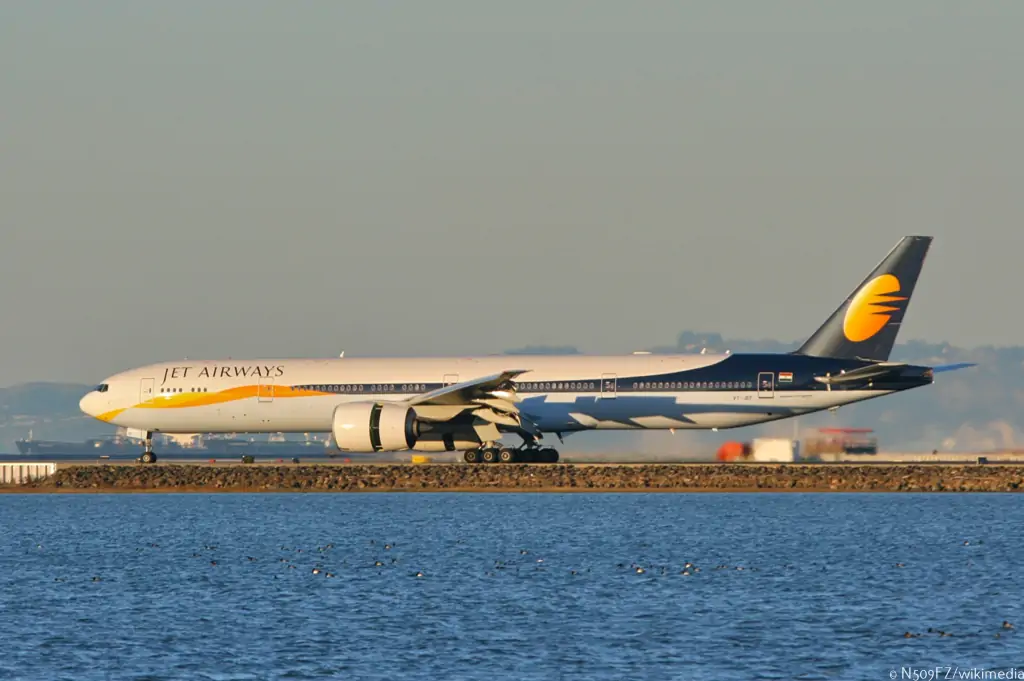
Jalan Kalrock Consortium, the successful bidder for financially challenged Jet Airways, stated in a press release issued on August 31 that it has deposited INR 100 crore into the airline. This action follows the National Company Law Appellate Tribunal's (NCLAT) directive permitting the execution of the revival strategy.
With this recent contribution, JKC's total investment in Jet Airways has reached INR 250 crore, the consortium noted. The consortium's commitment now revolves around providing the remaining INR 100 crore by September 30 to take control of the airline.
On August 28, the NCLAT granted an extension of time to Jet Airways' successful resolution applicant, the Jalan Kalrock Consortium, to make a payment of INR 350 crore to its lenders. JKC expressed gratitude to stakeholders for their unwavering support and expressed confidence in the triumphant revival of Jet Airways.
On August 21, JKC informed the court of its intention to deposit INR 100 crore by August 31 and another INR 100 crore by September 30. The consortium urged the Committee of Creditors (CoC) to encash a performance bank guarantee (PBG) of INR 150 crore towards the remaining amount. However, the CoC of Jet Airways argued that the performance bank guarantee was a backup and could not be utilized at this stage. The case is scheduled for further consideration on October 4.
“We thank all our stakeholders for their continued support. We are confident that this progress will lead to a successful resurgence of Jet Airways and we look forward to bringing the JOY back to our guests”, the consortium's statement added.
Timeline for JKC
On July 31, the JKC announced that the Directorate General of Civil Aviation (DGCA) had renewed the airline's air operator certificate. The Air Operator Certificate (AOC) was re-issued on May 20, 2022. However, since the airline did not start operations, AOC expired on May 19, 2023. In a statement, the Jalan-Kalrock Consortium (JKC) said it has "successfully obtained renewal for AOC of Jet Airways from the Directorate General of Civil Aviation (DGCA) on July 28, 2023".
A committee of creditors is formed once a company is admitted to insolvency. It is a body of financial creditors representing the interests of stakeholders. The voting percentage on the panel is proportional to the amount a financial institution has lent to the company in insolvency.
On January 13, the NCLT allowed the transfer of the beleaguered airline to the consortium led by London-based Kalrock Capital and UAE-based entrepreneur Murari Lal Jalan. However, the CoC took the matter to the NCLAT, opposing the transfer.
Jet Airways was grounded in April 2019 due to mounting losses and a debt of about INR 8,000 crore. In October 2020, the airline's CoC approved the revival plan submitted by the Jalan-Kalrock consortium. The airline’s lenders called the Committee of Creditors (CoC) had approved the resolution plan jointly submitted by Dubai-based businessmen Murari Lal Jalan and German serial entrepreneur Florian Fritsch in October 2020. JKC emerged as the winning bidder for the grounded Jet Airways after an insolvency resolution process. However, the ownership transfer to JKC is yet to happen amid persisting differences between JKC and the lenders of the airline.
Read next
Airbus Unveils Cutting-Edge A321XLR Facility in Hamburg: A Glimpse into the Future of Aerospace Innovation
Abhishek Nayar
01 Sep 2023
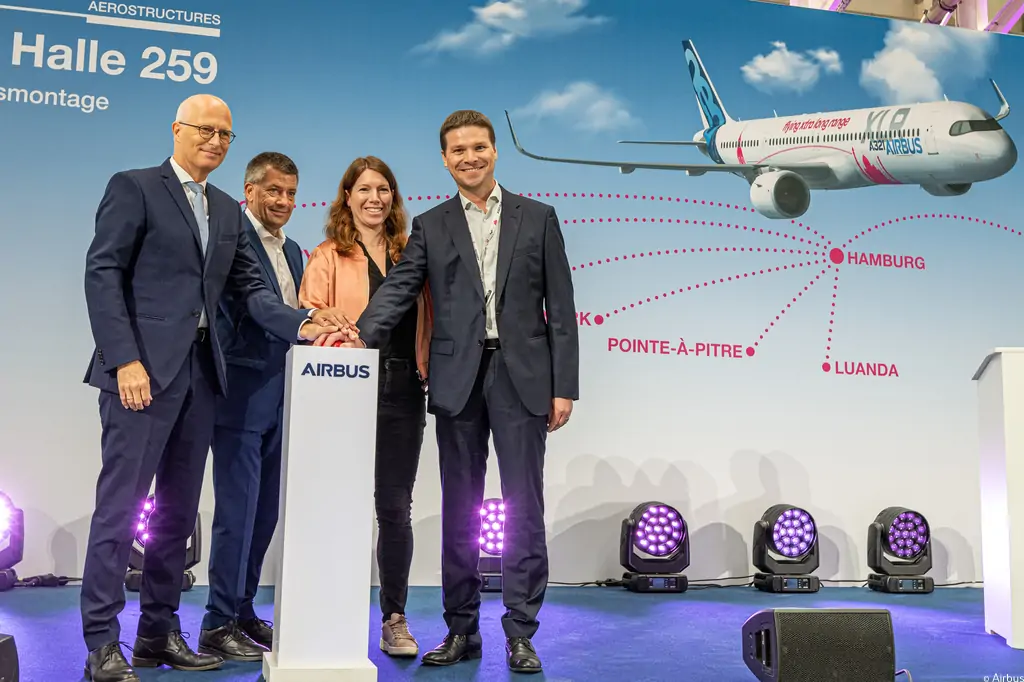
In a groundbreaking move, Airbus, one of the leading names in the aerospace industry, has recently unveiled its plans to establish a dedicated A321XLR facility in Hamburg, Germany. This monumental announcement signifies a major stride towards revolutionizing the world of aviation.
The Genesis of Airbus A321XLR
Setting the Stage for Innovation

The Airbus A321XLR project has been in the works for quite some time. With the demand for long-range narrow-body aircraft soaring, Airbus recognized the need to create a more efficient, cost-effective, and environmentally friendly option. This recognition laid the foundation for the A321XLR, a remarkable aircraft designed to meet the evolving needs of the aviation market. According to the latest statement, Airbus expects the A321XLR to enter service in early 2024, with 27 airlines or lessors having ordered 570 aircraft of the type.
The Role of Hamburg, Germany
Hamburg, Germany, long renowned as an aerospace hub, has been chosen as the site for this groundbreaking facility. The city's reputation for excellence in aviation production, coupled with its strategic location, makes it an ideal choice for Airbus's ambitious project.
The New A321XLR Equipping Hangar

A Glimpse into the Future
The heart of this new facility is undoubtedly the state-of-the-art A321XLR equipping hangar. Airbus has spared no expense in ensuring that this hangar is equipped with cutting-edge technology and automation. This investment will result in increased production efficiency and a reduction in manufacturing costs, ultimately benefiting both the company and its customers.
The A321XLR hangar, designated H259, features a manufacturing space of 9,600 m2 (103,333.5 ft). The hangar "is equipped with a full range of state-of-the-art technologies for operations and manufacturing, such as automated logistics, fully digital systems, and test stations that can output the status of each fuselage section," and it will receive rear fuselage components for the largest A320neo family aircraft.
Inauguration Day
The A321XLR equipping hangar officially opened its doors on August 30, 2023, in a ceremony attended by prominent figures in the aviation world. Hamburg's First Mayor, Peter Tschentscher, along with Germany's Aerospace Coordinator, Anna Christmann, graced the event with their presence. Their attendance underscored the significance of this momentous occasion and the collaborative effort involved in bringing this facility to life.
Impact on the Aerospace Industry

Redefining Long-Range Travel
The Airbus A321XLR represents a paradigm shift in long-range travel. With its extended range and improved fuel efficiency, this aircraft will enable airlines to explore new routes and expand their reach. Passengers can look forward to more direct flights to exotic destinations, making their travel experiences more convenient and enjoyable.
Economic Implications
The establishment of the A321XLR facility in Hamburg will have far-reaching economic implications. It will create job opportunities, stimulate local businesses, and solidify Hamburg's position as a global aerospace leader. Furthermore, the increased production capacity will likely translate into more competitive pricing for airlines and, by extension, more affordable air travel for passengers.
Sustainability and Innovation
A Greener Tomorrow
Airbus has made a strong commitment to sustainability. The A321XLR is designed to be more eco-friendly, with reduced carbon emissions and noise levels. This aligns with the global aviation industry's efforts to mitigate its environmental impact and move towards a more sustainable future.
Technological Advancements
The A321XLR facility is a testament to the relentless pursuit of technological advancements in aerospace. The incorporation of automation and cutting-edge manufacturing processes demonstrates Airbus's dedication to staying at the forefront of innovation.

Comments
"With our new, state-of-the-art equipment installation hangar, we are now expanding our capacity to manufacture A321 fuselages and making an important contribution to supporting our ramp-up," remarked André Walter, Airbus's head of Commercial Aircraft Production in Germany.
Tschentscher went on to say that the A321XLR will establish "new standards in terms of sustainability, efficiency, and range" for the Airbus A320 family. "The start of production in the new equipment installation hangar is an important project for Hamburg as the world's third largest civil aviation centre," stated Tschentscher.
Conclusion
In conclusion, Airbus's establishment of a dedicated A321XLR facility in Hamburg, Germany, marks a pivotal moment in the world of aviation. This facility, equipped with a cutting-edge equipping hangar, promises to reshape long-range travel, boost the local economy, and advance sustainability in the aerospace industry. As Airbus leads the way in innovation, the future of aviation has never looked more promising.
With Inputs from Airbus
Read next
Uncovering the Mystery: EASA's Intervention in Airbus A330 and A340 Landing Gear Quality Irregularities
Abhishek Nayar
01 Sep 2023

Precision is essential in the field of aviation safety. Any irregularities in the manufacturing process of aircraft components can potentially lead to catastrophic consequences. The European Union Aviation Safety Agency (EASA) recently found itself compelled to intervene following notifications of irregularities in the quality manufacturing of the Airbus A330 and A340 main landing gear (MLG).
Understanding the Issue

EASA's most recent airworthiness directive (AD) has shed light on a concerning problem regarding the MLG axles of the Airbus A330 and A340 aircraft. The directive highlights "occurrences of quality non-conformity on MLG axles where the high-velocity oxygen-fuel coating on the bearing journal runout areas had excessive coating compared to the drawing limits." The AD impacts all Airbus A330ceo and A330neo aircraft, as well as all A340-300 Manufacturer Serial Numbers (MSN).

The Consequences of Excessive Coating
The presence of excessive coating on these critical components could have dire consequences. It "could result in spalling of the protective coating, exposing the base material and allowing corrosion to develop." Such corrosion could weaken the structural integrity of the axles, posing a severe safety risk.
The Domino Effect
If not corrected in a timely manner, this issue has the potential to escalate. The airworthiness directive warns that if left unaddressed, it "could lead to an MLG axle failure, possibly resulting in MLG collapse, with subsequent damage to the aeroplane and injury to occupants." The prospect of an MLG collapse is undoubtedly a nightmare scenario for both airlines and passengers alike.
Airbus's Response
As one of the world's leading aircraft manufacturers, Airbus has been quick to respond to the EASA directive. The company is actively collaborating with airlines and maintenance teams to identify affected aircraft and implement corrective measures promptly. Safety is their top priority, and they are committed to resolving this issue efficiently.
Airlines' Responsibilities
Airlines operating the A330 or A340-300 will be required to examine MLGs with item Number (P/N) 55-2117042-00, with EASA releasing a list of 59 aircraft that had the impacted item put on them at the time of production.
Inspections must be performed within 24 months of the part's introduction into service date. Following that, operators will be obliged to examine the damaged portion at no more than 24-month intervals. If any inconsistencies are discovered during such inspections, airlines should contact SAFRAN Landing Systems before the following flight to receive instructions on how to amend the condition. It is vital that airlines prioritize passenger safety and adhere to the highest standards of maintenance and quality control.
If an airline's Manufacturer Serial Number (MSN) matches the list of MSNs published by EASA, the concerned component must be replaced within 150 months of the part's entrance into service. The European regulator has stated that replacing the entire MLG with an MLG with a serviceable part - that is, one that is not impacted by the AD - satisfies the directive's criteria.
Conclusion
The discovery of irregularities in the quality manufacturing of the Airbus A330 and A340 main landing gear is a matter of utmost concern for the aviation industry. EASA's intervention highlights the critical importance of stringent quality control measures in aircraft production. Timely corrective action is imperative to ensure the safety of passengers and the continued airworthiness of these aircraft.
Read next
Overwhelming Support: American Airlines Flight Attendants Vote Over 99% in Favor of Strike Authorization
Abhishek Nayar
01 Sep 2023
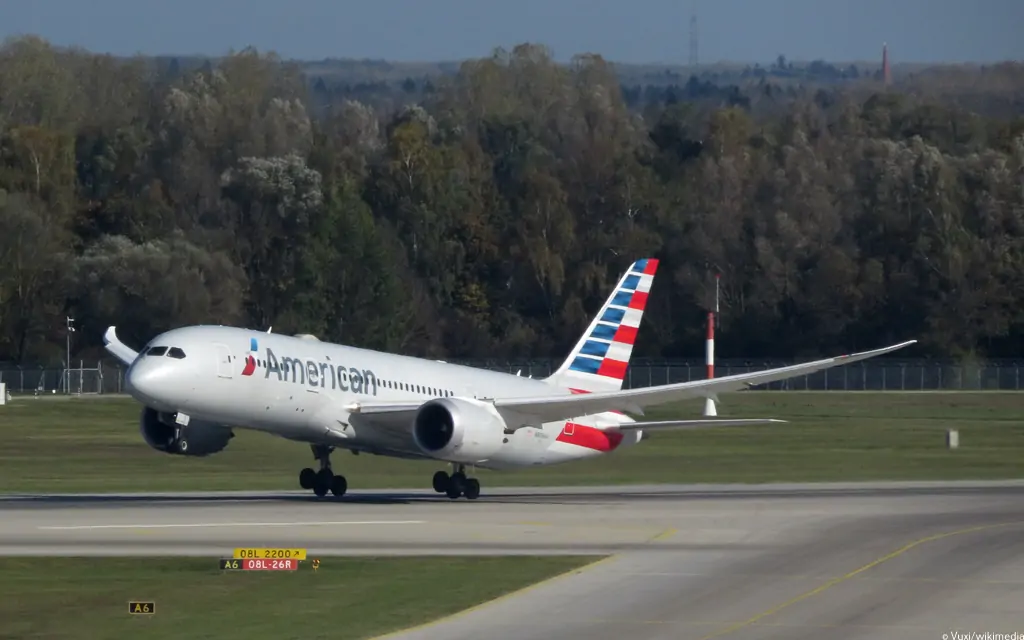
In a significant development, the Association of Professional Flight Attendants (APFA) announced on Wednesday, August 30, 2023, that American Airlines flight attendants have voted to authorize a strike if the corporation refuses to agree to "reasonable" contract terms. This decision comes after months of negotiations and tensions between the airline and its flight attendants.
Understanding the APFA
Before we dive into the strike authorization, let us first understand what the Association of Professional Flight Attendants (APFA) is and why their decisions hold substantial weight in the aviation industry.
Who Is APFA?
The APFA is a labor union representing more than 26,000 flight attendants at American Airlines. They play a crucial role in advocating for the rights and interests of cabin crew members, including matters related to their employment contracts, working conditions, and compensation.
The Strike Authorization Vote
Overwhelming Support for a Strike
In a remarkable show of solidarity, an overwhelming 99.47% of the flight attendants represented by APFA voted in favor of authorizing a strike. This resounding support for strike action sends a strong message to American Airlines regarding the dissatisfaction of its flight attendants with their current employment terms.
If the corporation and the union are unable to reach an agreement through federal mediation, APFA may request a 30-day cooling-off period, after which the attendants may initiate a strike.
The discussions take place while union workers, such as pilots, employees, and delivery drivers, enjoy increased negotiating leverage in the face of a tight labor market and a surge in popular support for unions.
High Voter Turnout
It's worth noting that more than 93% of eligible American Airlines cabin crew members participated in the vote. This high voter turnout underscores the level of engagement and determination among the flight attendants to secure better working conditions and contracts.

Why the Strike Authorization?
Contract Disputes
The primary reason behind the strike authorization is the ongoing contract disputes between American Airlines and its flight attendants. Negotiations have been underway for months, but an agreement has yet to be reached.
"Flight attendants are fired up and ready for a contract. "They (the company) ignore this strike vote at their peril," APFA national president Julie Hedrick said in a statement.
Demanding "Reasonable" Terms
Flight attendants, represented by APFA, are demanding what they consider "reasonable" contract terms. These terms likely include improvements in wages, benefits, and working conditions, reflecting the evolving nature of the airline industry.
What's Next?
Negotiations Continue
Despite the strike authorization, negotiations between American Airlines and APFA are expected to continue. Both parties may return to the bargaining table in an attempt to reach a mutually acceptable agreement that averts a strike.
Impact on Passengers
For travelers planning to fly with American Airlines in the coming weeks, it is essential to stay updated on the situation. While a strike has not been initiated yet, there is a possibility of disruptions to flight schedules if an agreement is not reached.
Conclusion
The authorization of a strike by American Airlines flight attendants, as represented by APFA, highlights the growing concerns within the aviation industry regarding worker rights and employment terms. The overwhelming support for strike action demonstrates the resolve of flight attendants to secure better contracts. As negotiations continue, both the airline and its cabin crew members face the challenge of finding common ground.
Comment