
Vietnam Airlines’ 9 Trillion Power-Up: Are 50 New Jets About to Invade the Skies?

Abhishek Nayar
16 May 2025

Vietnam Airlines has just secured a massive green light from its shareholders: a 9?trillion dong (US?$347?million) charter?capital boost rang in at an extraordinary meeting on May?15, 2025. This lifeline isn’t just padding the balance sheet—it’s the ticket to a brand?new fleet of 50 narrow?body aircraft, with options on both the Airbus?A320?Neo and Boeing?737?MAX families.
A 9?Trillion Lifeline: Why It Matters
- Debt Relief & Growth Fuel: While Vietnam Airlines trimmed its COVID?era losses in 2023, it’s still navigating a post–pandemic recovery. This capital injection reduces debt strain and unlocks funds for future expansion.
- Government?Backed Support: The State Capital Investment Corporation (SCIC) is expected to lead the first tranche of share purchases, reinforcing government backing for the flag carrier’s turnaround.
Fifty Jets for Tomorrow’s Skies
What’s on the shopping list?
50 narrow?body jets, equally open to A320?Neos, 737?MAXs, or even China’s up?and?coming C919…
CEO Lê?H?ng?Hà confirmed that Vietnam Airlines will launch a formal Request for Proposals (RFP) to satisfy domestic rules and keep the door open to any bidder—from Airbus and Boeing to upstart COMAC.
Why narrow?bodies?
- High?Frequency Regional Routes: Perfect for booming Southeast Asian sectors.
- Fleet Renewal: Phasing out aging ATR?72 turboprops and older A321 variants.
Money Talks: Funding Partners Lined Up
Just weeks ago, Vietnam Airlines inked a non?binding MOU with Vietcombank to fund exactly these narrow?body acquisitions, reinforcing confidence among investors and analysts.
- Vietcombank’s Role: Expected to provide long?term financing, tapping into its track record of backing both wide?body and narrow?body deals.
- Citibank & Others: Separate agreements (totalling over $560?million) showcase the carrier’s pull in international capital markets.
The Great Manufacturer Face?Off
- Airbus A320?Neo: Known for fuel efficiency and a broad Asia?Pacific support network.
- Boeing 737?MAX: Poised to deliver on range and per?seat economics… if delivery snafus stay resolved.
- COMAC C919: China’s wildcard—could land a breakthrough order if pricing and performance convince Hanoi.
Which jet will clinch the deal? Stay tuned to see if European efficiency beats American muscle—or if a Chinese contender steals the spotlight.
What Comes Next?
- RFP Launch: Likely within Q3?2025, kicking off technical evaluations.
- Negotiation & Financing Finalization: Vietcombank and others will structure loan packages.
- Delivery Rollout: First jets could arrive by late 2026, just in time for peak travel demand.
Fasten Your Seatbelts
Vietnam Airlines is betting big on post?pandemic travel rebounds and regional growth. With a ?9?trillion capital raise and 50 new jets, the national carrier is positioning itself at the heart of Asia’s aviation resurgence. Will this gamble pay off, or could delivery delays and fierce competition throw turbulence into its flight path? Only time—and the next board meeting—will tell.
With Inputs from Reuters
Read next
The Sky’s New Brain: How GenAI Is Taking Flight at Bengaluru’s BLR Airport
Abhishek Nayar
16 May 2025

In a bold leap toward the future of aviation, Bangalore International Airport Limited (BIAL)—the operator of Kempegowda International Airport Bengaluru (BLR Airport)—has partnered with KPMG in India to bring Generative AI (GenAI) into the cockpit of airport operations. This isn’t just about automation—it’s about building a smarter, more responsive, and sustainable airport ecosystem that could set a global benchmark.
Forget traditional tech upgrades—this is a digital transformation on autopilot.
What is GenAI and Why Does it Matter?
Unlike conventional AI, Generative AI doesn’t just analyze—it creates, predicts, and adapts. With its ability to process vast amounts of real-time data and extract actionable insights, GenAI is revolutionizing industries from healthcare to film—and now, aviation.
At BLR Airport, this means:
- Forecasting operational bottlenecks before they happen.
- Enhancing passenger experience through predictive and adaptive intelligence.
- Automating routine tasks to free up human resources for critical decision-making.
- Maintaining consistent efficiency across every touchpoint—from baggage handling to security checkpoints.
Inside the Partnership: BIAL x KPMG in India
This isn’t just a collaboration—it’s a strategic fusion of aviation vision and technological precision. The GenAI platform under development is tailored specifically to BIAL’s operational DNA. It will integrate with the airport’s existing digital architecture, offering a highly scalable and secure solution that adapts to growing passenger and cargo demands.
According to George Fanthome, Chief Digital and Information Officer at BIAL:
“Our association with KPMG in India is a significant step in unlocking the immense potential of GenAI at Kempegowda International Airport… This platform, centre on data privacy, responsible AI, and scalability, positions us as a ‘Future Ready’ airport.”
The Tech Behind the Transformation

The GenAI platform isn’t just smart—it’s self-evolving. Designed to:
- Recognize operational patterns and anticipate disruptions.
- Enable data-led decision intelligence across airport departments.
- Maintain stringent data privacy standards and robust cybersecurity protocols.
- Ensure responsible AI practices aligned with global norms.
The platform will power real-time support across airport functions, enabling intelligent automation of critical tasks like scheduling, crowd management, predictive maintenance, and more.
A First-Class Passenger Experience
For travelers, the impact will be subtle yet powerful:
- Faster check-ins.
- Shorter queues.
- Smarter gate assignments.
- Instant support via AI-driven chatbots.
- And yes, even on-time baggage arrivals (finally!).
As Girish Nair, Partner and Head of Aviation at KPMG in India, notes:
“This project firmly positions BIAL as an industry leader. GenAI holds the power to redefine not just airport operations, but the entire travel experience.”
Setting Global Standards from India’s Silicon Valley
Kempegowda International Airport has long been a tech-forward hub—being one of the first airports in India to implement facial recognition for boarding and real-time baggage tracking. But with GenAI, BIAL is positioning itself as a trailblazer, ready to inspire global airports to rethink their playbook.
The move comes at a time when global aviation is actively seeking smart, sustainable solutions to manage increasing air traffic, climate challenges, and security concerns. Bengaluru’s leap into GenAI could very well become the new gold standard.
Final Approach: The Sky Is Not the Limit
This isn’t just about deploying AI—it’s about pioneering a new philosophy of airport management: one that thrives on predictive insights, real-time adaptation, and seamless passenger journeys.
With its eye firmly on the horizon, Kempegowda International Airport is no longer just a stopover. It’s fast becoming a destination of innovation, where the future of global air travel is being written—one data point at a time.
Stay tuned—because the next time you fly from Bengaluru, the airport might just know what you need before you do.
Read next
Get ready for a flight of fancy—one that you may not board until 2027 or beyond.
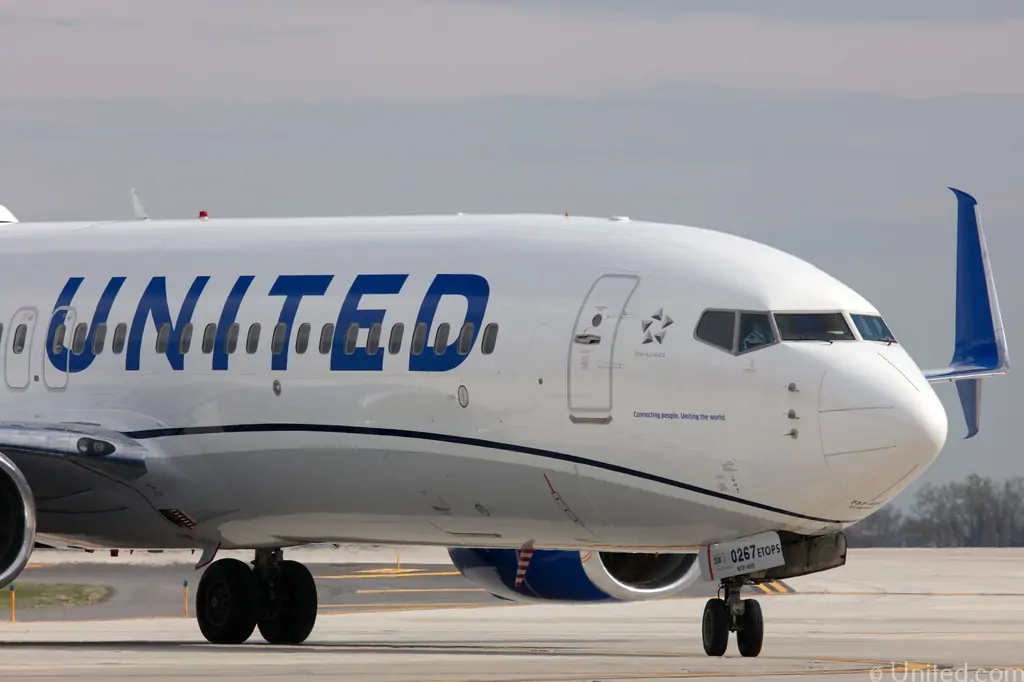
Boeing’s 737 MAX 10 can’t clear the runway until its smaller sibling, the MAX 7, earns FAA approval—and that’s proving to be a slow taxi. The Federal Aviation Administration (FAA) has capped MAX production at 38 jets per month after a mid-air incident in 2024, and it still needs to sign off on an engine de-icing fix for the MAX 7 before turning its attention to the MAX 10.
Why the MAX 7 Holds the Keys

- Sequential Certification: FAA rules require the MAX 7 certification to finish first.
- Technical Hurdles: Boeing withdrew a waiver request in January 2024, forcing a redesign of the de-icing system.
- Regulatory Scrutiny: Post-incident investigations have authorities keeping a close watch on every nuts-and-bolts tweak.
MAX 9: The Interim Stepping Stone

United has wisely shifted gears to taking deliveries of the slightly smaller MAX 9 while it waits for the 10 to clear all hurdles. “In supply chain terms, we want to make sure we get our aircraft so we’ve committed to the MAX 9,” said Andrew Nocella, United’s Chief Commercial Officer.
- Fleet Continuity: MAX 9s keep United’s network humming.
- Flexibility: United can later convert those MAX 9 orders into MAX 10s—once the runway lights turn green.
Orders on Hold: A 2017 Gamble

Back in 2017, United placed a blockbuster order for the MAX 10, betting on its extra seats and longer range to drive revenue. But today’s delays mean the airline may miss out on being one of the first customers to fly this newcomer.
Ripples Across the Industry
United isn’t alone. Alaska Airlines already warned that it won’t see its MAX 10s until at least mid-2026, and other carriers are scrambling to adjust capacity plans around shifting delivery dates. Boeing’s largest customer for the MAX 10—United ordered 277 jets—now faces a multi-year waiting game.
Supply Chain Snarls: More Than Just Paperwork
Beyond certification, parts shortages continue to plague Boeing. Engines, interiors, avionics—all are battling global supply chain snarls. Even United’s sleek new 787 -9 cabin “should have been announced six months ago,” Nocella quipped, lamenting that “I don’t have a crystal ball, I can’t tell you when it’s going to be fixed”.
What Comes Next?
- Watch the FAA: Approval of the MAX 7 de-icing fix is the critical milestone.
- Production Pace: Boeing must balance quality improvements with pressure to ramp up output.
- Industry Adaptation: Airlines may lean more heavily on existing fleets or pivot to Airbus alternatives if delays drag on.
Whether you’re an aviation enthusiast marking calendars for that extra row of legroom or a frequent flyer planning tomorrow’s trip, keep one eye on the MAX 10 saga—it’s shaping up to be a long taxi to takeoff.
With Inputs from Reuters
Read next
Riyadh Rolls the Dice: PIF’s AviLease Picks 30 Boeing 737 MAX for Global Takeoff
Abhishek Nayar
15 May 2025
In a headline-grabbing move, AviLease — the Riyadh-based aircraft lessor owned by Saudi Arabia’s Public Investment Fund (PIF) — has inked a deal for up to 30 Boeing 737 MAX jets. The firm commitment for 20 737-8s, with options on 10 more, marks AviLease’s first direct purchase from Boeing and underscores the kingdom’s ambitions to supercharge its aviation sector.
Deal Details: Engines, Options, and Ambitions
- Firm Order: 20 Boeing 737-8 MAX jets
- Options: Rights to acquire 10 additional aircraft
- Delivery Window: Through 2032, aligning with Vision 2030’s expansion of Saudi aviation capacity.
Edward O’Byrne, AviLease CEO, hailed the transaction as a “milestone” that complements AviLease’s multi-channel growth strategy — from sale-and-leaseback to M&A — by now adding direct OEM purchasing to its toolkit.
Market Reaction: Boeing Shares Take Flight
Investors wasted no time rewarding Boeing. Its stock jumped over 2% on the day of the announcement, extending a four-session rally that has lifted shares nearly 10% amid easing U.S.-China trade tensions and other big orders from carriers like IAG.
What’s fueling this optimism? Beyond fresh orders, Boeing reported delivering 45 commercial jets in April — almost double last year’s tally and topping March’s output — signaling strong production momentum.
Strategic Implications: Beyond Passenger Seats
This order coincides with U.S. President Donald Trump’s Middle East tour, with Boeing CEO Kelly Ortberg in tow. The White House touted a staggering $600 billion in Saudi investments, including a near-$142 billion defense sale, making aviation deals part of a broader U.S.-Saudi economic reset.
Meanwhile, Boeing is also eyeing Saudi integration into the F-15EX fighter jet supply chain — a move Michael Strosnider discussed on Saudi state TV, suggesting deeper industrial ties on the horizon.
What’s Next: From Vision to Runway
- Fleet Expansion: AviLease will bolster its roster of 200 owned and managed aircraft, leased to 48 airlines globally.
- Sustainability Push: The 737 MAX’s fuel-burn improvements align with airlines’ net-zero goals and AviLease’s promise of “high-efficiency solutions.”
- Market Positioning: PIF’s backing positions AviLease to challenge established lessors — a calculated bet on Saudi Arabia’s Vision 2030 to serve 330 million passengers annually by decade’s end.
Final Approach: A High-Stakes Game
By placing its first direct Boeing order, AviLease isn’t just filling hangars — it’s signaling Saudi Arabia’s readiness to play at the highest levels of global aviation finance. With jets rolling off assembly lines through 2032 and PIF’s deep pockets, this partnership could reshape who you spot on your next flight’s leasing papers. Fasten your seatbelts: the Saudi-U.S. aerospace alliance is cleared for takeoff.
With Inputs from Reuters
Read next

In an assertive show of confidence in Boeing’s delivery cadence, Southwest Airlines has converted nine of its 737-7 options during the first quarter of 2025—and tacked on three more in April—bringing a dozen fresh firm commitments for the “baby MAX” series. All 12 jets are slated to join the fleet in 2026, underpinning Southwest’s bullish stance on Boeing’s ability to catch up on production and certification hurdles.
Building the MAX Empire

After this latest conversion, Southwest’s orderbook looks nothing short of massive:
- 305 firm-ordered 737-7s
- 196 firm-ordered 737-8s
- 171 remaining options, convertible into either variant
That inventory gives Southwest unparalleled flexibility to tailor its fleet mix as market dynamics and aircraft performance data roll in.
CFO Tom Doxey’s Sunshine Report
During the airline’s April investor call, Executive Vice-President and CFO Tom Doxey struck an upbeat tone:
“While we are not updating our previous assumption of thirty-eight B737-8 deliveries this year, we are increasingly optimistic about what we are seeing at Boeing and their ability to deliver. As we shared in January, we anticipate retiring roughly 50 aircraft during 2025.”
That optimism comes despite Southwest taking only 17 737-8s so far in 2025, demanding faith in Boeing’s catch-up plan for the remaining deliveries.
Production vs. Expectation
Southwest’s initial 2025 MAX roadmap aimed for 73 total deliveries—43 of the new 737-7s and 30 737-8s. To date, the airline is still short 63 jets originally penciled in for 2024, a gap it has pushed into this year and beyond. This production lag has forced Southwest to recalibrate, yet its fresh commitments underscore a long-term strategy that prizes the MAX family for its fuel efficiency and commonality benefits.
The Certification Curveball

One caveat remains: the 737-7 is yet to secure Federal Aviation Administration certification. Boeing’s final regulatory go-ahead is expected in the coming months, clearing the path for those 2026 deliveries to roll out on time. Any further delay could ripple through Southwest’s fleet-planning curve, but so far, the airline is banking on Boeing’s technical teams to hit the mark.
Eyes on 2026: Seventy-Six New Birds
Counting all firmed options, Southwest now projects 76 new MAX arrivals—remarkably, all currently designated as -7s—to enter service in 2026. This influx will not only replace aging 737-300 and -700 Classic models but also support network growth across secondary markets that have flocked to Southwest’s low-fare, point-to-point model.
Why It Matters for Flyers & Investors
- Fleet Modernization: More MAXs mean lower fuel burn and smoother rides.
- Route Flexibility: New 7-series jets free up larger -8s for higher-density lanes.
- Investor Confidence: Southwest’s willingness to firm more options signals faith in Boeing—and in its own growth trajectory.
Will Boeing come through on its promise of on-time certification and delivery? If it does, Southwest will be poised to reap significant efficiency gains—and perhaps even steal a march on competitors still grappling with MAX delays. Stay tuned as this LCC’s high-stakes bet takes flight.
With Inputs from ch-aviation
Read next
Couture at 40,000 Feet: How Saudia Is Redefining Inflight Luxury with Style, Culture, and Global Awards
Abhishek Nayar
14 May 2025

When fashion royalty meets the skies, magic happens. And that’s exactly what Saudia, the national flag carrier of Saudi Arabia, is delivering at cruising altitude. This year, Saudia has soared beyond expectations, clinching multiple top-tier accolades at the TravelPlus Airline Amenity Awards and the Onboard Hospitality Awards — all on the world stage at the World Travel Catering & Onboard Services Expo 2025 in Hamburg, Germany.
The awards recognize more than just plush amenity kits and designer uniforms. They are a nod to Saudia's all-in commitment to luxury, heritage, and innovation, transforming a flight into an unforgettable sensory experience.
ELIE SAAB Takes Flight: A Fusion of Fashion and First-Class

Imagine opening an amenity kit mid-flight to find ELIE SAAB’s iconic elegance carefully folded into your travel essentials. That’s the new reality for Saudia’s premium passengers.
The airline's exclusive collaboration with Lebanese haute couture powerhouse ELIE SAAB has resulted in a stunning new collection of amenity kits — a first for the luxury fashion brand in the aviation sector.
The kits earned three Gold Awards at the TravelPlus Airline Amenity Awards 2025:
- Business Class: Middle East
- First Class: Unisex Kit Middle East
- Business Class: Amenity Kit Program for the Rest of the World
Designed with meticulous detail and filled with luxurious contents, the kits are not just functional but collectible — representing the pinnacle of inflight glamour. Saudia is turning what was once a minor detail into a statement of prestige.
Coffee With Culture: The Saudi Coffee Cup Wins Gold
Luxury doesn’t end with designer pouches. Saudia is also turning heads — and warming hearts — with its Saudi Coffee Cup initiative, which took home Gold for First Class Glassware.
Crafted in partnership with the Culinary Arts Commission under the Kingdom’s Ministry of Culture, the initiative pays homage to Saudi Arabia’s diverse regions through beautifully handcrafted coffee cups. The cups are a part of Saudia’s mission to blend heritage with hospitality, serving not just beverages, but a taste of Saudi tradition — quite literally.
Each sip becomes a storytelling moment, a cultural immersion thousands of feet above the ground.
Five-Star Prestige: Among the World’s Elite
Adding to the glimmering list of honors, Saudia was one of just five airlines globally to receive the TravelPlus Passenger Amenities Five Star Rating 2025. This is not just a badge — it's an elite recognition of excellence in passenger care and product innovation.
This accolade places Saudia in the uppermost echelon of international airlines, affirming its unwavering pursuit of guest comfort, luxury, and holistic onboard experience.
Uniformly Exceptional: Cabin Crew Style Gets the Spotlight
The Onboard Hospitality Awards 2025 also gave a nod to Saudia’s taste in fashion-forward functionality by awarding a Highly Commended status in the Best Service Equipment: Crew category.
Why? Their new cabin crew uniforms blend modern aesthetics with operational performance. It’s not just about looking good — it’s about enabling crew members to deliver exceptional service seamlessly.
From fabric choice to design utility, every thread serves a purpose — echoing Saudia’s brand DNA of fusing beauty with practicality.
A Vision Elevated: What Saudia’s Success Means for Aviation

Rossen Dimitrov, Saudia’s Chief Guest Experience Officer, captures the essence of this winning streak:
“These awards are more than just trophies; they represent our relentless pursuit of excellence. From ELIE SAAB collaborations to culturally rich initiatives like the Saudi Coffee Cup, we’re redefining inflight luxury by combining timeless design with forward-thinking innovation.”
At a time when many airlines are focusing solely on technology and cost-efficiency, Saudia is proving that style, soul, and storytelling still matter — especially at 40,000 feet.
The Final Word: Luxury, Redefined — One Flight at a Time
In a crowded sky of global carriers, Saudia is carving a path all its own — one that respects culture, champions design, and celebrates the passenger experience as an art form.
If you thought flying was just about reaching your destination, Saudia invites you to rethink the journey.
Because when fashion houses fly, culture is served in porcelain, and uniforms feel like couture — you’re not just a passenger.
You’re a guest of honor in the sky.
Ready to fly in style? You might want to choose Saudia for your next trip — because luxury has officially taken off.
Comment