
What’s Cooking at 35,000 Feet? Discover Akasa Air’s Revamped In-Flight Menu

Abhishek Nayar
15 Jun 2024
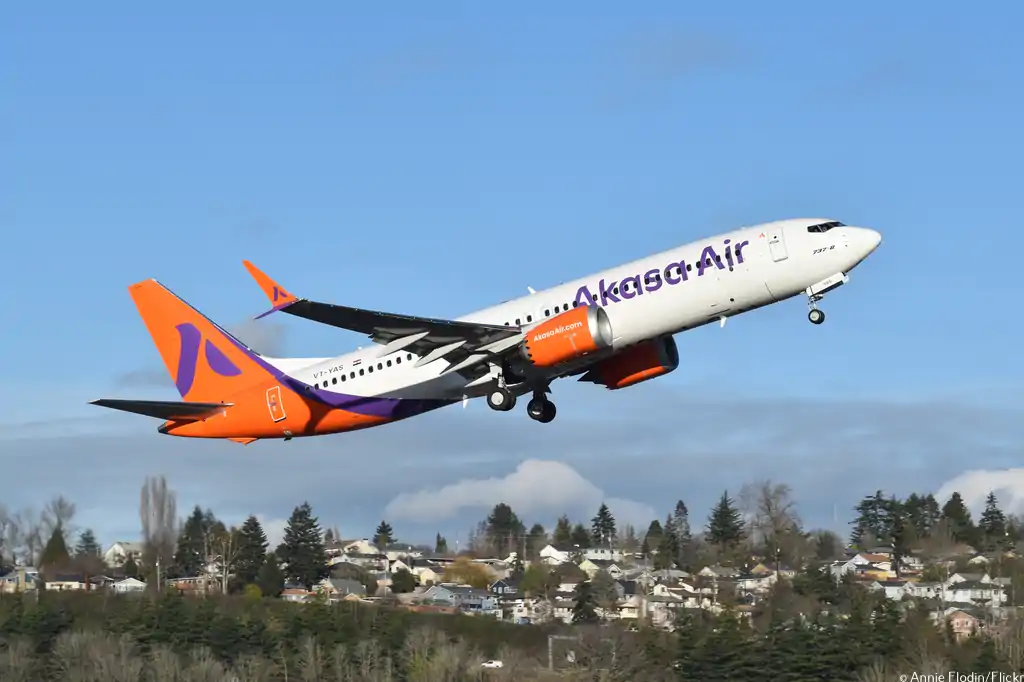
Flying at high altitudes often comes with a distinct culinary experience, and Akasa Air is setting new standards with its recently revamped in-flight menu. Announced on June 13, 2024, the enhanced offerings at Café Akasa promise to take passengers on a delightful gastronomic journey, blending global cuisines with traditional Indian flavors. Here’s an in-depth look at what’s new and exciting aboard India’s fastest-growing airline.
A Fusion of Flavors
Diverse Meal Options
Akasa Air’s new menu features over 45 unique meal options, catering to a wide array of dietary and culinary preferences. From hearty fusion meals to light snacks, the airline has ensured there’s something for everyone. Notably, the menu includes industry-first offerings like the Chaat-buster Box, Kosha Chicken Malabari Wrapper, and Khow Suey Chicken, reflecting a harmonious blend of global and regional flavors.
Signature Dishes

To highlight the rich culinary heritage of India, the new menu includes items like:
- Chaat-buster Box: A vibrant mix of flavors that brings the street food experience to the skies.
- Malabari Wrapper: A delicious wrap inspired by the coastal flavors of Malabar.
- Khow Suey Chicken: A comforting Burmese-inspired noodle dish.
Healthy and Refreshing Choices
Salads and Light Meals
For health-conscious travelers, Café Akasa offers thoughtfully curated options like:
- Fruit and Feta Fiesta Salad
- Chicken Shawarma Salad
- Lean Bean Protein Salad
These choices ensure passengers can maintain their healthy lifestyles even while traveling.
Beverage Selections
The beverage menu has also seen a refreshing update. Starting July, passengers can enjoy:
- Basil Shikanji: A cool and refreshing drink perfect for summer travels.
- Mango Kombucha: An industry-first offering that combines the goodness of kombucha with the tropical taste of mango.
Additionally, traditional beverages like masala tea, hot chocolate, green tea, and coffee are available to satisfy varied preferences.
Ready-to-Eat Options and Festive Meals

Convenient and Delicious
For those who prefer ready-to-eat meals, Café Akasa includes options such as:
- Tomato Cheese Pasta
- Veg Fried Rice
- Khow Suey
- Hyderabadi Veg Biryani
- Chicken Curry Rice
These meals are perfect for travelers looking for quick and flavorful options.
Celebrating Festivities in the Sky
Akasa Air regularly introduces special meals inspired by regional specialties during festivals and special occasions. For instance, a special Mother’s Day meal included Masala Paneer Paratha with Mango Chutney and Sooji Halwa. Passengers can also pre-book cakes to celebrate birthdays and other milestones during their flights.
Commitment to Sustainability
Eco-Friendly Practices
In line with its commitment to sustainability, Akasa Air uses 100% recyclable packaging made from ethically sourced paper. The wooden cutlery provided onboard is biodegradable, ensuring that the airline’s environmental impact is minimized. Moreover, by allowing passengers to pre-book meals, Akasa Air effectively reduces food wastage.
High Hygiene Standards
Each meal is prepared following the highest hygiene and quality standards, ensuring a safe and enjoyable dining experience for all passengers.
Conclusion
Akasa Air’s revamped in-flight menu at Café Akasa is a testament to the airline’s dedication to providing a superior flying experience. With a diverse array of meal options, innovative fusion dishes, healthy choices, and a strong commitment to sustainability, passengers are sure to enjoy a memorable culinary journey at 35,000 feet. Whether you’re a foodie looking for new flavors or a health-conscious traveler, Café Akasa has something to make your journey delightful.
Read next
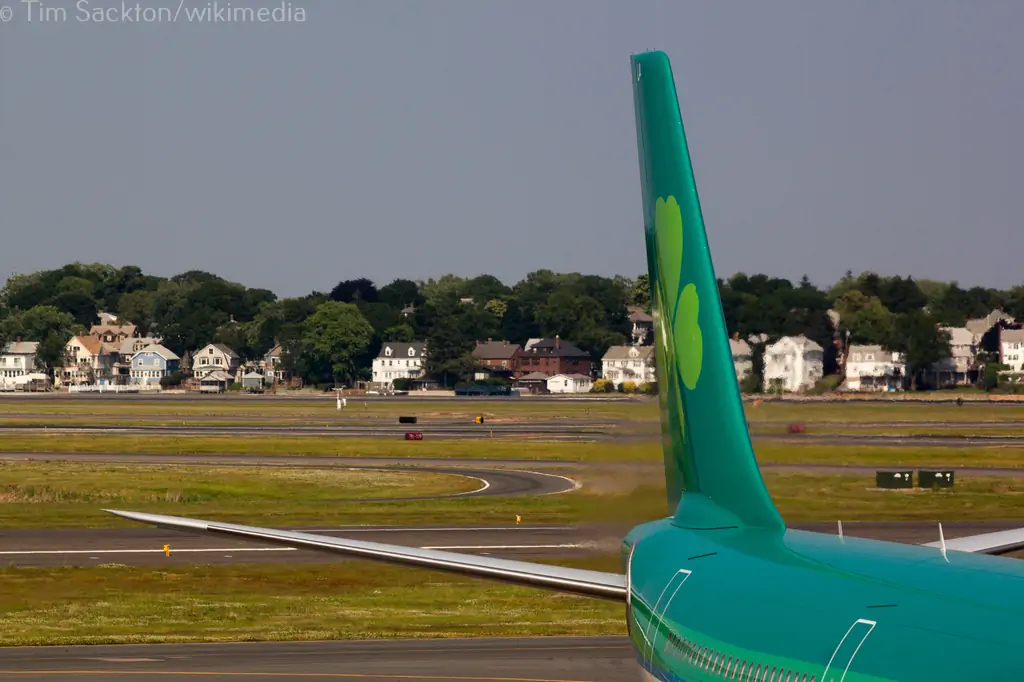
Aer Lingus and the Irish Airline Pilots' Association (IALPA) are at loggerheads, pushing the Irish airline towards a potentially crippling strike. With negotiations breaking down and tensions escalating, the threat of industrial action looms large as both parties grapple over a contentious pay dispute. The impending ballot result could spell significant disruption for the airline and its passengers, especially with the peak summer travel season on the horizon.
Breakdown of Talks: A Missed Opportunity
Negotiations between Aer Lingus and IALPA came to an abrupt halt after a series of intense discussions. Starting on Tuesday morning and concluding by 14:30, the talks failed to produce a breakthrough. Aer Lingus accused the union of demanding an "unsustainable level of increase" in pay, exceeding 20%. IALPA, on the other hand, rejected these claims, emphasizing their preference for direct negotiations over third-party mediation.
Stark Differences in Pay Proposals
The core of the dispute revolves around significant differences in pay proposals. IALPA is demanding a 23.8% pay rise, citing that pilots have not received a raise since 2019. This stands in stark contrast to the Labor Court's recommendation of a 9.25% increase as an interim settlement. Aer Lingus has labeled IALPA's demands as excessive and unsustainable, further accusing the union of rejecting any discussion on increasing productivity or flexibility in exchange for the proposed pay hike.
IALPA’s Stand: Why the Union is Holding Firm
IALPA's stance is clear: direct negotiations are the only viable path forward after 20 months of unsuccessful processes. The union argues that returning to third-party mediation or the Workplace Relations Commission, as suggested by Aer Lingus, would be counterproductive given the lack of progress to date. This firm stance reflects the union's commitment to securing what it views as a fair and overdue pay adjustment for its members.
Potential Impact of a Pilot Strike
With approximately 800 pilots represented by IALPA, a strike could have a profound impact on Aer Lingus operations. The timing couldn't be worse, as the airline prepares for the busy summer travel season. The ballot results, expected on June 12th, are likely to favor strike action, and the union would be required to give seven days' notice before any industrial action commences.
Strategic Consequences for Aer Lingus
The pay dispute has already had tangible consequences for Aer Lingus. The airline has had to forgo two of its new Airbus A32XLR aircraft this year, ceding them to fellow IAG-carrier Iberia. This not only delays Aer Lingus's expansion plans but also marks a significant operational setback, as it loses the opportunity to be the launch customer for the much-anticipated A321XLR.
The Road Ahead: What’s Next for Aer Lingus and IALPA?
The future remains uncertain as Aer Lingus and IALPA stand at a critical juncture. With no agreement in sight and a strike seemingly imminent, both parties must weigh the long-term consequences of their actions. For Aer Lingus, the challenge is to navigate this dispute without severe disruption to its services and reputation. For IALPA, the goal is to secure fair compensation for its members without causing irreparable damage to the airline they serve.
Conclusion
As Aer Lingus and IALPA brace for the ballot results, the stakes couldn't be higher. The outcome will not only determine the immediate future of the airline's operations but also set a precedent for labor relations in the industry. Whether through renewed negotiations or a potential strike, the resolution of this pay dispute will have far-reaching implications for all stakeholders involved.
Read next

In a resolute move to bolster consumer protection, the United States Department of Transportation (DOT) has decisively rejected Airlines for America's (A4A) plea to delay the implementation of a crucial rule mandating the disclosure of flight change fees and baggage charges before ticket booking. This article delves into the intricate details of the DOT's stance, the implications for airlines and passengers, and the ongoing legal tussle between the regulatory body and the aviation industry.
The Rule: Enhancing Transparency for Consumers
Dubbed 'The Ancillary Service Fees Rule,' this regulation aims to eliminate hidden costs and provide transparency for airline passengers. Effective from July 1, this rule requires airlines to disclose all additional fees upfront, enabling passengers to make informed decisions. While airlines have until October 30 to share ancillary fee data with ticket agents and until April 30, 2025, to comply with other requirements, the foundational change starts this summer.
DOT's Unyielding Position
Blane Workie, the Assistant General Counsel for the Office of Aviation Consumer Protection at the DOT, led the department's rebuttal against A4A's petition. She emphasized the rule's legality and its critical role in protecting consumers from unfair and deceptive airline practices. Workie highlighted the DOT's commitment to promoting the interests of American consumers, businesses, and workers, stating that delaying the rule's effective date was against the public interest.
“The Department is committed to taking actions to promote the interests of American workers, businesses, and consumers,” Workie asserted, underscoring the DOT's unwavering stance.
The Legal Battle: DOT vs. A4A
A4A, representing major airlines, argued that the DOT had overstepped its statutory authority, violating the Administrative Procedure Act (APA). They claimed the rule would cause irreparable harm to airlines, estimating costs between $5 million and $10 million for data sharing and platform adjustments, excluding labor costs. A4A anticipated that the Fifth Circuit Court of Appeals would side with them, halting the rule's enforcement.
However, the DOT countered that A4A's chances of prevailing in court were slim, having meticulously adhered to APA standards. The department dismissed the association's cost estimates as speculative and unconvincing. Furthermore, the DOT pointed out that A4A's criticism of the department's benefit estimates contradicted their own speculative harm assessments.
Consumer Advocacy and Historical Context
The origins of this rule trace back to persistent consumer complaints about escalating fees, highlighted during the Advisory Committee on Aviation Consumer Protection (ACACP) meeting in June 2015. Consumer advocates stressed the need for transparency, a sentiment that continued to echo until the DOT published its notice of proposed rulemaking (NPRM).
A4A argued that consumers were aware of varying airline fees and policies, suggesting that reasonable consumers did not assume the standard fare was the final price. However, the DOT remained unconvinced, stating that without this rule, passengers could not accurately compare flight costs, leading to potential exploitation.
The Public Interest and Final Verdict
In concluding its response, the DOT emphasized the rule's public interest, aiming to safeguard US-based consumers from deceptive airline practices. The department asserted that A4A had failed to demonstrate substantive irreparable harm to airlines, nor did they effectively balance the harms and public interest. Therefore, the DOT stood firm in its decision, refusing to delay the rule's implementation.
What This Means for Passengers
For passengers, this rule represents a significant step towards transparency and fairness in the airline industry. By ensuring all fees are disclosed before booking, travelers can avoid unexpected costs and make more informed choices. The DOT's steadfast defense of this rule highlights its dedication to protecting consumer rights and fostering a more transparent marketplace.
Conclusion
The DOT's rejection of A4A's petition underscores a critical shift towards greater transparency in the airline industry. As the legal battle unfolds, the department's unwavering commitment to consumer protection remains evident. For travelers, this rule promises a fairer, clearer flying experience, aligning with broader efforts to safeguard consumer interests in the aviation sector.
Read next

It has taken about six months, but the ripple effects of China's reopening are now significantly impacting other Asian travel destinations, including Singapore Changi Airport. In a remarkable turnaround, Changi Airport handled more passengers in the first quarter of this year than in the same period before the pandemic. This milestone positions the airport to finally break free from the shadows of COVID-era travel restrictions.
Changi's Positioning: At the Heart of Asia-Pacific
Strategically located at Asia's crossroads, Singapore Changi Airport (SIN) is primed to be the premier hub for the Asia-Pacific region. This advantage is bolstered by its home airline, Singapore Airlines, which has set a high standard for post-COVID recovery. For the fiscal year ending March 31, 2024 (FY2023/24), Changi Airport recorded 62.5 million passenger movements. This is a 47% increase from the 42.6 million passengers in 2022/23 and 94% of the 66.3 million passengers in 2018/19.
A Dramatic Recovery: From Record Lows to Near-Pre-Pandemic Highs
The contrast in Changi Airport's passenger traffic over the past few years is stark. In 2020/21, the airport handled a mere 1.1 million passengers, followed by just 5.2 million in 2021/22. The recovery began in earnest with 42.6 million passengers in 2022/23. Had passenger traffic remained at 2018/19 levels, the airport would have processed 198.9 million passengers over three years, compared to the actual 48.9 million.
Financial Growth: Surpassing Expectations
Changi Airport Group (CAG) recently released its financial results for FY2023/24, revealing robust growth. Total revenue reached S$2.72 billion ($2 billion), with EBITDA (earnings before interest, tax, depreciation, and amortization) at S$1.20 billion ($0.9 billion) and a profit attributable to shareholders of S$431 million ($319 million). These figures represent year-on-year increases of 45%, 60%, and a staggering 1,206%, respectively.
Factors Fueling the Surge: Events and Liberalized Visa Requirements
The steady passenger demand throughout the fiscal year gained significant momentum in the last quarter, surpassing pre-COVID levels. This boost was partly due to Singapore hosting major events, such as the Formula 1 Grand Prix and Taylor Swift concerts, along with the liberalization of visa requirements between China and Singapore.
Connectivity: Asia's Most Connected Airport
As Asia's most connected airport, Changi links Singapore to 150 cities worldwide, with nearly 100 airlines operating over 6,800 weekly flights. Despite the optimistic outlook for aviation, CAG CEO Lee Seow Hiang emphasized the volatile and rapidly changing nature of the industry, referencing the severe impact of the pandemic on Changi Airport.
Future Investments: Building for Tomorrow
To maintain its edge, Changi Airport is committed to continuous investment in its infrastructure. This includes developing Terminal 5, with construction set to begin in 2025. "To stay ahead, Changi Airport will continue to invest to keep its fundamentals strong and to remain attractive as an air hub," said Lee Seow Hiang. He acknowledged the collective efforts of the airport community and thanked all partners involved.
Financial Resilience: Prudent Management Amid Expansion
CAG's revenue growth of 45% year-on-year to S$2.72 billion ($2 billion) was complemented by a 20% increase in operating expenses to S$2.23 billion ($1.7 billion). This rise was driven by increased passenger traffic and the full restoration of operations across all four terminals. In November 2023, Terminal 2 (T2) reopened after 3.5 years of extensive expansion, enhancing the airport's capacity to 90 million passengers annually.
Significant Investments: Ensuring Robust Infrastructure
During FY2023/24, CAG invested over S$800 million ($592 million) in upgrades, maintenance, and the expansion of T2, alongside the Changi East development, which includes Terminal 5. The Group ended the financial year with cash and cash equivalents of S$2.11 billion ($1.6 billion) and remains committed to prudent financial management to support ongoing and future investments.
Conclusion: A Resilient Path Forward
Changi Airport's impressive rebound from the pandemic's impact underscores its resilience and strategic importance in the global aviation network. As it continues to invest in infrastructure and leverage its strategic location, Changi Airport is poised to reinforce its position as a leading international air hub, navigating the volatile aviation landscape with agility and foresight.
Read next
In a significant move to address ongoing safety concerns, Federal Aviation Administration (FAA) Administrator Mike Whitaker announced before the U.S. Senate Commerce Committee that the agency will maintain an elevated on-site presence at Boeing and its key supplier, Spirit AeroSystems. This decision follows a series of troubling incidents, most notably the January 5th in-flight emergency involving an Alaska Airlines Boeing 737 MAX 9, which prompted a reevaluation of the FAA’s oversight approach.
The Permanent "Audit Plus Inspection" Approach
In his testimony, Whitaker emphasized that the FAA has permanently adopted an enhanced oversight strategy, described as the "audit plus inspection" approach. This method supplements traditional audits with increased in-person inspections, particularly at critical points in the production process. The aim is to ensure a more robust and proactive oversight mechanism, which is deemed essential following the January incident.
Boeing’s Comprehensive Quality Improvement Plan
On May 30, Boeing submitted a detailed quality improvement plan to the FAA. This followed Whitaker’s directive in late February for Boeing to develop a comprehensive strategy within 90 days to tackle "systemic quality-control issues." The plan outlines several key initiatives aimed at overhauling Boeing’s safety culture and production processes.
Key Focus Areas: Training, Culture, and Technology
Whitaker’s testimony highlighted several critical areas where Boeing must implement changes:
- Enhanced Employee Training: Boeing has committed to significantly improving training programs to ensure employees are well-versed in safety and quality protocols.
- Encouraging Reporting Without Reprisal: Boeing aims to create an environment where employees feel safe to report concerns without fear of retaliation.
- Increased Supplier Oversight: Ensuring that suppliers adhere to stringent quality standards is a priority, reflecting lessons learned from past lapses.
- State-of-the-Art Technology: Boeing plans to incorporate advanced technology in tool and parts management to streamline production and minimize errors.
Monitoring and Implementation
The FAA will closely monitor Boeing’s implementation of these changes. Aviation safety inspectors will oversee each of Boeing’s sub-teams responsible for executing the key focus areas of the quality improvement plan. This granular level of oversight is intended to ensure that the changes are not only implemented but sustained over the long term.
Production Constraints and Future Outlook
Following the January incident, Whitaker imposed a ban on increasing production of Boeing’s best-selling 737 MAX until further notice. Despite Boeing’s recent efforts, Whitaker indicated that approval to boost production levels is not anticipated "in the next few months." This cautious approach underscores the FAA’s commitment to safety and quality assurance over production pressures.
Conclusion: A Shift in Safety Culture
The FAA’s intensified oversight and Boeing’s comprehensive response reflect a pivotal moment for the aviation giant. As Whitaker noted, there must be a fundamental shift in Boeing’s safety culture to address systemic quality assurance and production issues effectively. The steps outlined, if implemented thoroughly, have the potential to restore confidence in Boeing’s commitment to safety and quality. The aviation industry and the flying public will be watching closely as these changes take shape, hopeful for a future where safety is uncompromised.
With Inputs from Reuters
Read next
What’s Next for Go First? Unraveling the Turbulence in India's Aviation Sector
Abhishek Nayar
14 Jun 2024

The saga of Go First, one of India’s prominent airlines, has taken several dramatic turns, leaving many wondering about the future of the once-thriving carrier. Recent developments have further complicated the airline's insolvency resolution process, raising questions about the fate of its assets, creditors, and stakeholders. Here's a deep dive into the unfolding events.
Extension Granted: A Temporary Reprieve
The National Company Law Tribunal (NCLT) has granted Go First an additional 60-day extension to complete its insolvency proceedings, pushing the deadline to June 3. This comes after the initial deadline of April 4 was extended on April 8, providing a temporary respite for the airline and its creditors. However, this extension has done little to alleviate the overarching challenges.
The Aircraft Deregistration Blow
In a significant setback, the Delhi High Court allowed lessors to deregister and reclaim 54 of Go First’s planes earlier this year. This move has severely undermined the airline’s valuation prospects, making it challenging for creditors to recover their dues. With a diminished fleet, the potential for a viable resolution appears increasingly bleak.
A Bid Withdrawn: Busy Bee Airways Steps Back
The resolution process encountered another hurdle when Busy Bee Airways, led by EaseMyTrip's Nishant Pitti, withdrew its bid to acquire Go First. Initially, Busy Bee Airways, with significant backing from SpiceJet Chief Ajay Singh, had submitted a bid in February. This withdrawal signifies a loss of a potentially crucial lifeline for Go First, exacerbating the uncertainty surrounding its future.
Grounded Operations and Engine Troubles
Go First halted its operations on May 3, 2023, following a series of crippling issues with Pratt & Whitney engines that led to the grounding of many aircraft. The decision to suspend flights and pursue voluntary insolvency was approved by the NCLT on May 10, 2023. These engine problems have been a significant factor contributing to the airline's financial woes.
Financial Strain: The Debt Burden
The airline owes over Rs 6,200 crore to its creditors, with major secured creditors including Central Bank of India, Bank of Baroda, and IDBI Bank, holding admitted claims of Rs 1,934 crore, Rs 1,744 crore, and Rs 75 crore, respectively. The immense debt burden and the lack of operational revenue streams present a daunting challenge for the resolution process.
Looking Ahead: Uncertainty Looms
As Go First navigates through its insolvency proceedings, the future remains uncertain. The airline’s ability to restructure its debts, retain its assets, and potentially resume operations is fraught with complexities. Stakeholders, including employees, creditors, and passengers, are left in a state of limbo, hoping for a resolution that minimizes losses.
Conclusion
The unfolding situation with Go First is a stark reminder of the volatile nature of the aviation industry. As the airline grapples with its financial and operational hurdles, the resolution process will be closely watched by industry experts and stakeholders alike. Whether Go First can emerge from this turbulence remains an open question, one that holds significant implications for the broader Indian aviation sector.
Comment