
What’s Next for Go First? Unraveling the Turbulence in India's Aviation Sector

Abhishek Nayar
14 Jun 2024

The saga of Go First, one of India’s prominent airlines, has taken several dramatic turns, leaving many wondering about the future of the once-thriving carrier. Recent developments have further complicated the airline's insolvency resolution process, raising questions about the fate of its assets, creditors, and stakeholders. Here's a deep dive into the unfolding events.
Extension Granted: A Temporary Reprieve
The National Company Law Tribunal (NCLT) has granted Go First an additional 60-day extension to complete its insolvency proceedings, pushing the deadline to June 3. This comes after the initial deadline of April 4 was extended on April 8, providing a temporary respite for the airline and its creditors. However, this extension has done little to alleviate the overarching challenges.
The Aircraft Deregistration Blow
In a significant setback, the Delhi High Court allowed lessors to deregister and reclaim 54 of Go First’s planes earlier this year. This move has severely undermined the airline’s valuation prospects, making it challenging for creditors to recover their dues. With a diminished fleet, the potential for a viable resolution appears increasingly bleak.
A Bid Withdrawn: Busy Bee Airways Steps Back
The resolution process encountered another hurdle when Busy Bee Airways, led by EaseMyTrip's Nishant Pitti, withdrew its bid to acquire Go First. Initially, Busy Bee Airways, with significant backing from SpiceJet Chief Ajay Singh, had submitted a bid in February. This withdrawal signifies a loss of a potentially crucial lifeline for Go First, exacerbating the uncertainty surrounding its future.
Grounded Operations and Engine Troubles
Go First halted its operations on May 3, 2023, following a series of crippling issues with Pratt & Whitney engines that led to the grounding of many aircraft. The decision to suspend flights and pursue voluntary insolvency was approved by the NCLT on May 10, 2023. These engine problems have been a significant factor contributing to the airline's financial woes.
Financial Strain: The Debt Burden
The airline owes over Rs 6,200 crore to its creditors, with major secured creditors including Central Bank of India, Bank of Baroda, and IDBI Bank, holding admitted claims of Rs 1,934 crore, Rs 1,744 crore, and Rs 75 crore, respectively. The immense debt burden and the lack of operational revenue streams present a daunting challenge for the resolution process.
Looking Ahead: Uncertainty Looms
As Go First navigates through its insolvency proceedings, the future remains uncertain. The airline’s ability to restructure its debts, retain its assets, and potentially resume operations is fraught with complexities. Stakeholders, including employees, creditors, and passengers, are left in a state of limbo, hoping for a resolution that minimizes losses.
Conclusion
The unfolding situation with Go First is a stark reminder of the volatile nature of the aviation industry. As the airline grapples with its financial and operational hurdles, the resolution process will be closely watched by industry experts and stakeholders alike. Whether Go First can emerge from this turbulence remains an open question, one that holds significant implications for the broader Indian aviation sector.
Read next
Alaska Airlines Faces Uphill Battle in Costly Trademark Dispute with Virgin Group
Abhishek Nayar
13 Jun 2024
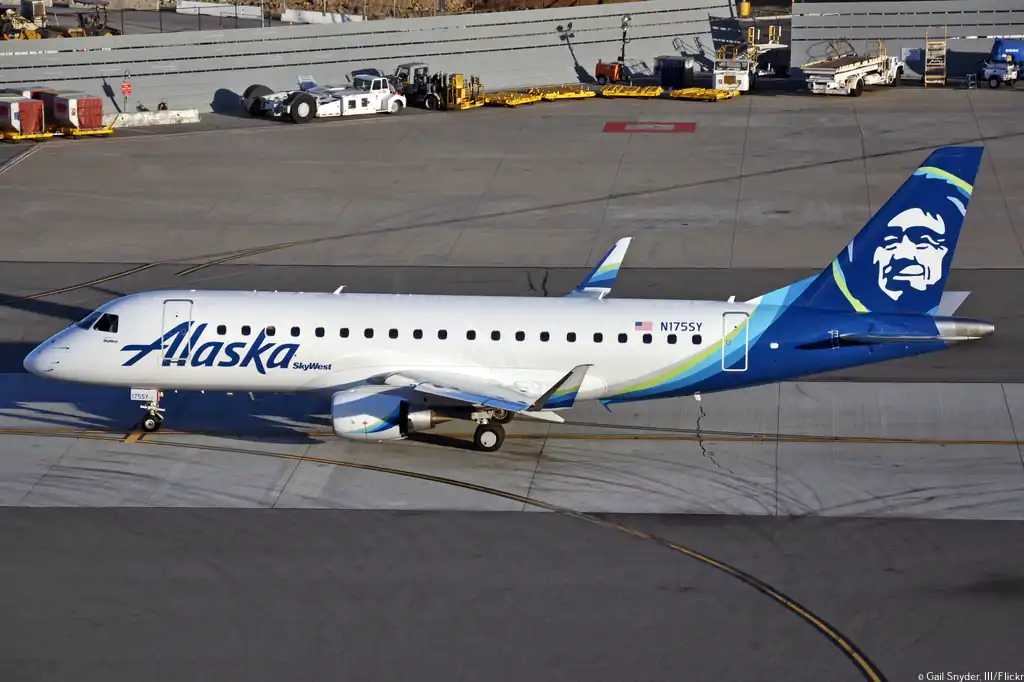
Alaska Airlines faced a significant legal blow on Tuesday, following the rejection of its appeal in a high-stakes trademark case against Virgin Group. The dispute centers on a 2014 trademark license agreement, resulting in Alaska potentially shelling out approximately $160 million over the coming years.
The Heart of the Dispute: The 2014 Agreement
The controversy dates back to a 2014 agreement between Virgin Group and Virgin America Inc. This deal was later inherited by Alaska Airlines' parent company when it acquired Virgin America in 2016. Under the terms of this agreement, Virgin Group is entitled to an $8 million annual "minimum royalty" payment, regardless of whether Alaska Airlines uses the Virgin branding.
Virgin Group's Successful Legal Argument
Virgin Group, represented by its units Virgin Aviation TM Ltd and Virgin Enterprises Ltd., argued that the payment was a flat fee for the right to use the Virgin brand, not contingent upon actual use. London's High Court upheld this interpretation last year, affirming that Alaska Airlines is liable for the payments until 2039.
Alaska Airlines' Appeal and Its Downfall
Alaska Airlines contended that the ongoing payments for a trademark they no longer intend to use were "commercially nonsensical." However, the Court of Appeal in London dismissed this argument. Judge Stephen Phillips, in his written ruling, supported Virgin's stance, reinforcing that the agreement's terms were clear and binding.
Implications for Alaska Airlines
This ruling means Alaska Airlines is obligated to continue paying $8 million annually to Virgin Group, accumulating to an approximate total of $160 million by 2039. This financial burden, though a small fraction of Alaska Airlines' annual revenue, still represents a significant and seemingly unnecessary cost, especially given the airline's stance that it has no plans to use the Virgin brand.
The Broader Impact on Trademark Licensing
This case underscores the critical importance of thoroughly understanding and negotiating trademark licensing agreements. For corporations, especially in the aviation industry where mergers and acquisitions are common, it highlights the potential long-term financial commitments that can outlast the operational use of the trademark itself.
Looking Ahead: Strategic Adjustments for Alaska Airlines
As Alaska Airlines absorbs this financial hit, the company might need to strategize ways to mitigate the impact. Whether through renegotiation attempts with Virgin Group or operational adjustments, Alaska Airlines will likely seek methods to cushion the financial strain imposed by this ruling.
Conclusion
The Court of Appeal's decision marks a significant moment in corporate trademark law, particularly in the context of mergers and acquisitions. For Alaska Airlines, the ruling is a reminder of the enduring nature of contractual obligations and the intricate complexities of trademark licensing agreements. As the airline navigates this challenge, the aviation industry will undoubtedly watch closely to see how Alaska Airlines manages this substantial financial commitment.
With Inputs from Reuters
Read next

In a critical move for European aviation, Lufthansa's ambition to acquire a significant stake in Italy’s state-owned airline, ITA, is facing intense scrutiny from EU antitrust regulators. As the decision deadline looms, questions about the future of long-haul flights and competitive dynamics in the European market hang in the balance.
Lufthansa’s Strategic Acquisition Plan
Lufthansa, Germany's largest airline, has set its sights on a 41% stake in ITA Airways, the successor to Alitalia. This acquisition forms part of a broader strategy to expand its footprint in Southern Europe. Despite offering multiple concessions, Lufthansa’s proposals have not fully alleviated regulatory concerns.
Concessions on the Table
To address the European Commission’s concerns, Lufthansa has made several concessions:
- Temporary Non-Integration: Lufthansa has pledged not to integrate ITA into its joint venture with United Airlines and Air Canada for a period of two years.
- Short-Haul Route Competition: Lufthansa has agreed to retain some competing ITA short-haul routes to Germany, Belgium, Switzerland, and Austria.
- Airport Slot Divestiture: To mitigate dominance concerns at Milan Linate Airport, Lufthansa has offered to cede 40 slots to low-cost carriers easyJet and Volotea.
EU Concerns: Dominance and Market Impact
The European Commission's primary concerns revolve around the impact of this deal on both short-haul and long-haul flights. ITA's significant presence at Milan Linate Airport, a major hub, exacerbates worries about potential market monopolization. Regulators fear that reduced competition could lead to higher prices and fewer choices for consumers.
Unyielding Position
Despite the ongoing negotiations and the EU's stringent review process, insiders suggest that Lufthansa is unlikely to offer further remedies. The German airline has already made three offers and introduced several tweaks but remains steadfast in its current proposal. This position underscores Lufthansa’s strategic calculations and confidence in the concessions already made.
Awaiting the Verdict
The European Commission, acting as the EU competition watchdog, is expected to deliver its verdict by the end of the month. This decision will be pivotal, not only for Lufthansa and ITA but also for the broader competitive landscape of the European aviation sector.
Market Implications
If the deal is approved, Lufthansa’s influence in the European market will significantly increase, potentially altering competitive dynamics. However, a rejection could force Lufthansa to reconsider its strategy and potentially explore other partnerships or market entries.
Conclusion
As Lufthansa navigates the complex regulatory environment to secure its stake in ITA, the stakes are high. The European Commission's forthcoming decision will either pave the way for a major shake-up in the aviation market or maintain the status quo, preserving existing competitive structures. For now, the aviation industry watches and waits, with bated breath, for the final call from Brussels.
With Inputs from Reuters
Read next
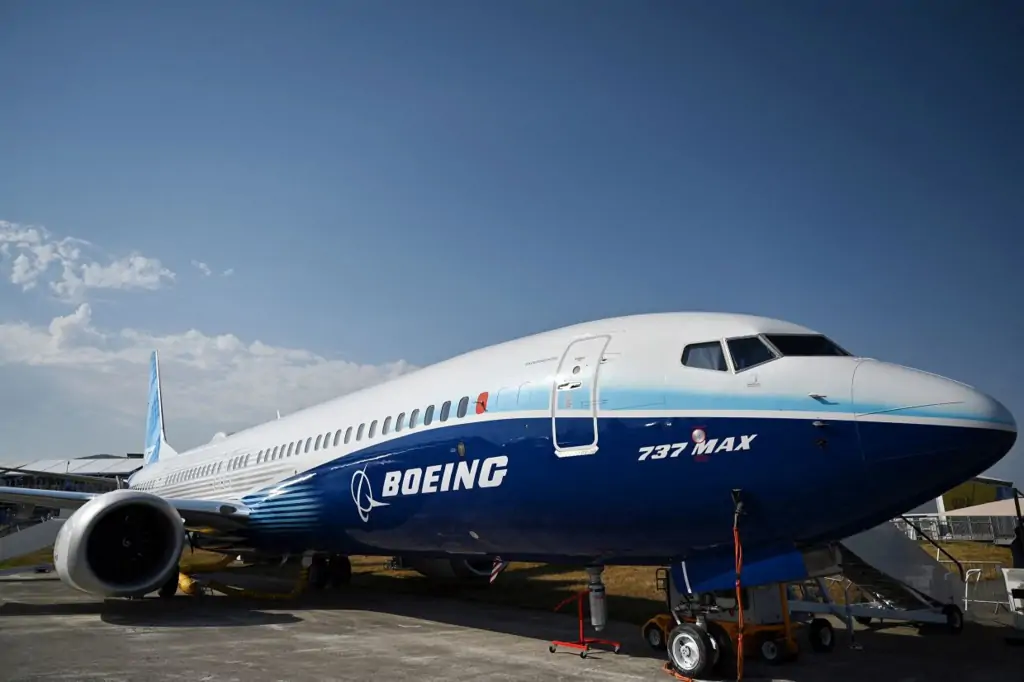
In a recent announcement, Boeing revealed a significant drop in its commercial plane deliveries for May. The company handed over just 24 aircraft, a stark contrast to the 50 jets delivered during the same month in the previous year. This decline highlights ongoing challenges within the company as it operates a slower assembly line to address outstanding work and enhance manufacturing quality.
Production Cuts and Quality Control
Boeing has been deliberately reducing the production of its MAX single-aisle jets. This strategic slowdown follows the January 5 incident where a door plug on a 737 MAX 9 jet blew out mid-air, prompting increased scrutiny from regulators. In response, Boeing has focused on improving manufacturing quality to prevent such issues from recurring.
Despite these efforts, the company managed to deliver 19 MAX jets in May, which, although an improvement from April’s figures, still marks a 45% decrease compared to the 35 jets delivered in May 2023. Reports from April indicated that Boeing's monthly output had plummeted to single digits by late March, well below the Federal Aviation Administration’s (FAA) cap of 38 jets per month.
Financial Implications and Wall Street Watch
Aircraft deliveries are a critical metric for Wall Street, as planemakers collect the majority of their payment upon delivering jets to customers. Therefore, Boeing's reduced delivery numbers could raise concerns among investors about the company's near-term financial performance and its ability to meet revenue targets.
Order Activity: A Mixed Bag

On a positive note, Boeing reported four new gross orders in May, all for the 787-10 Dreamliners from Eva Air. This brings Boeing's gross order total for the year to 142. However, after accounting for cancellations and conversions, the net total stands at 103 orders. Further adjustments for backlog quality leave Boeing with an adjusted net order figure of 130 airplanes for the year so far. The company's backlog also saw a slight decline, from 5,646 to 5,625 as of May 31.
Comparing with Airbus: The Competitive Landscape
Boeing's performance can be better understood in the context of its main competitor, Airbus. Earlier this month, Airbus reported delivering 53 aircraft in May, a 16% decrease from the same month in 2023. This brings Airbus’s total deliveries for the year to 256, highlighting the competitive and fluctuating nature of the aviation industry.
Future Outlook: Challenges and Opportunities
Boeing’s recent struggles underscore the broader challenges faced by the aviation industry, including regulatory scrutiny and the need for stringent quality control. However, the company’s ability to secure new orders, particularly for its Dreamliners, suggests that there are opportunities for growth and recovery.
Industry Implications
The fluctuations in delivery numbers and the ongoing efforts to improve manufacturing processes at Boeing reflect broader trends in the aviation industry. As companies like Boeing and Airbus navigate these challenges, their strategies and performance will likely continue to evolve, influencing the competitive dynamics of the market.
Conclusion: A Watchful Eye on Boeing
As Boeing strives to balance quality control with production demands, the coming months will be crucial in determining its trajectory. Investors, regulators, and industry watchers will undoubtedly keep a close eye on the company’s performance, looking for signs of recovery and stability. For now, Boeing’s journey through these turbulent times remains a key topic of interest in the aviation sector.
With Inputs from Reuters
Read next
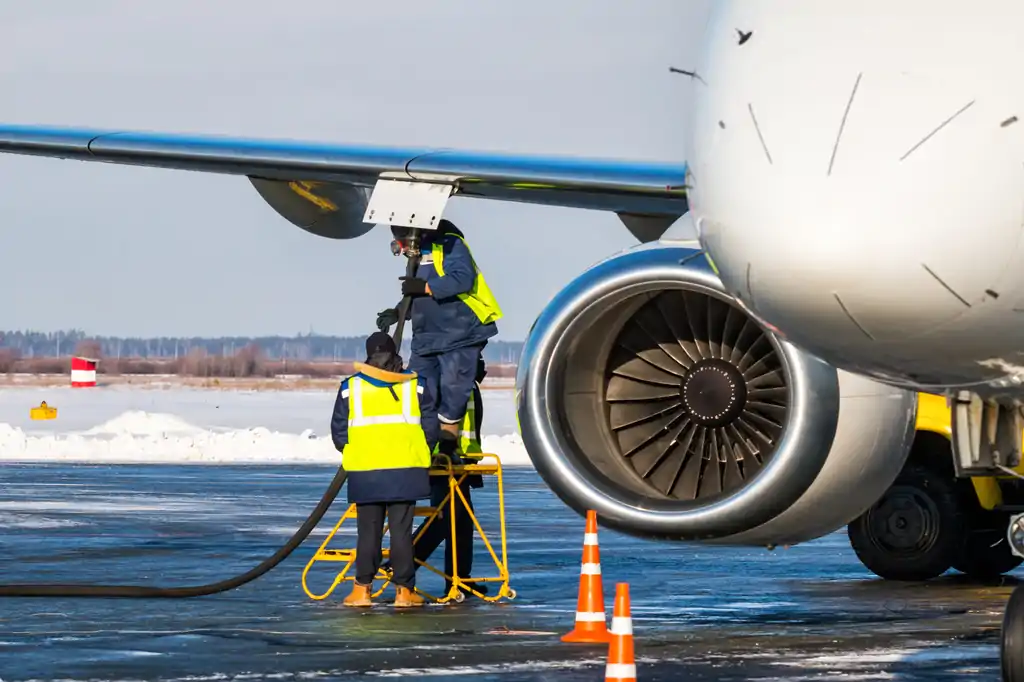
As Europe sets its sights on ambitious net zero targets by 2050, the aviation sector faces a significant challenge: reducing its carbon footprint. With air travel contributing a substantial share of global emissions, industry leaders stress the necessity of investing in synthetic aviation fuels (e-SAFs) alongside biofuel-based sustainable aviation fuels (SAFs).
The Promise and Limitations of Biofuel-Based SAF
Biofuel-based SAF, derived from organic materials like used cooking oil and wood chips, is currently the most viable green solution for aviation. Capable of reducing emissions by up to 80%, these fuels represent a significant step towards decarbonization. However, the availability of organic feedstocks is limited, restricting the potential supply of biofuel-based SAF.

Despite its environmental benefits, biofuel-based SAF constitutes a mere 0.2% of global jet fuel consumption. The high cost—three to five times that of traditional jet fuel—further hampers widespread adoption. To meet the growing demand and stringent blending mandates, the aviation industry must look beyond biofuels.
Enter Synthetic SAF: A Cleaner, Costlier Alternative
Synthetic SAFs, or e-SAFs, offer a promising alternative. Produced from hydrogen or captured carbon, e-SAFs are even cleaner than their biofuel counterparts. However, their production is currently limited to a handful of refineries, and the fuel remains substantially more expensive—up to ten times the cost of conventional jet fuel.
The Need for Increased Investment and Government Support
For e-SAFs to become a cornerstone of Europe's green aviation strategy, substantial investment and government support are essential. Uwe Gaudig of the Griesemann group emphasizes the need for e-SAF to meet both immediate blending mandates and long-term decarbonization goals. Yet, the industry's progress is hindered by financial and regulatory uncertainties.
Government subsidies under new EU rules aim to promote green fuel usage, but industry leaders argue that more is needed. Beyond financial incentives, stable regulations and clear guarantees are crucial for fostering investor confidence and enabling the sector's growth.
Challenges in Scaling Up Production
Scaling up e-SAF production involves significant challenges. Thorsten Herdan of SAF maker HIF highlights the need for funding to enhance fuel quality. However, fluctuating legislation often deters potential investors. Airbus' sustainability head, Julie Kitcher, points to the necessity of expanding renewable electricity and electrolyzer infrastructure to lower production costs and increase fuel availability.
Marte van der Graaf of Transport and Environment notes that only a few e-SAF projects in Europe are likely to secure funding by 2028. The lack of final investment decisions (FIDs) prevents these projects from moving forward, stalling the sector's progress.
Conclusion: A Collaborative Effort for a Sustainable Future
To achieve its net zero ambitions, Europe must prioritize the development and deployment of synthetic aviation fuels. This requires a concerted effort from both the public and private sectors. Enhanced government support, stable regulatory frameworks, and substantial investments in infrastructure are critical to overcoming the challenges facing e-SAF production.
By addressing these hurdles, Europe can ensure that its aviation industry not only meets immediate blending mandates but also contributes significantly to global decarbonization efforts. The journey towards sustainable aviation is complex, but with the right investments and policies, Europe can lead the way in creating a greener, cleaner future for air travel.
With Inputs from Reuters
Read next
Can India Make Air Travel More Affordable Amid Rapid Growth and Rising Fares?
Abhishek Nayar
13 Jun 2024

As India's aviation sector continues to soar, the country's new aviation minister, Kinjarapu Ram Mohan Naidu, is setting his sights on making air travel more accessible for the common citizen. In a recent statement, Naidu expressed his commitment to addressing the rising cost of airfare, a pressing issue given the sector's remarkable growth and the surge in demand for air travel.
India: The Fastest Growing Aviation Market
India has earned the title of the world's fastest-growing aviation market, a status reflected in its impressive domestic air traffic statistics. In 2023 alone, the number of domestic passengers surged by 23%, reaching a record 153 million. Analysts predict this figure could double to 300 million passengers by 2030, underlining the immense potential of the Indian aviation sector.
Challenges Behind Rising Airfares
Despite the booming market, Indian carriers are grappling with global supply chain disruptions that have delayed plane deliveries. These delays are a significant factor contributing to higher airfares, as they restrict the availability of flights, creating a supply-demand imbalance.
"The prices of tickets have risen for whatever reason ... I really want to delve into this issue (and) how to make them a little more accessible, available for the people of this country," Naidu stated in an interview with ET Now news channel. His comments reflect a growing concern among policymakers about the affordability of air travel for India's burgeoning middle class.
Government Intervention: A Double-Edged Sword?
In February, an Indian parliamentary panel recommended that the government consider implementing guidelines to control sudden spikes in airfares. The proposal included the possibility of a route-specific fare ceiling, aiming to prevent excessive fare increases on popular routes. While this approach could protect consumers from price gouging, airlines argue that fares are inherently driven by market dynamics of supply and demand.
Industry Giants and Expanding Infrastructure
IndiGo and Tata Group's airlines, which dominate the Indian market with a combined share of approximately 90%, have placed substantial orders for new aircraft. These investments are critical as the government continues to expand airport infrastructure to accommodate the increasing number of passengers.
The Minister's Next Steps
Naidu has pledged to hold a "special meeting" at the ministry to explore solutions for making air travel more affordable. While specifics of the meeting's agenda remain unclear, it is expected to involve discussions with industry stakeholders to find a balanced approach that addresses both the airlines' operational challenges and passengers' concerns over rising fares.
The Road Ahead
The task of making air travel more affordable in India is complex, requiring a nuanced understanding of the market forces at play and the operational realities of airlines. As the sector prepares for an unprecedented expansion, finding a solution that benefits both consumers and carriers will be crucial for sustaining growth and ensuring that air travel remains a viable option for millions of Indians.
Engaging the public and industry experts in this conversation will be essential. The outcome of these discussions could set a precedent for how rapidly growing markets worldwide tackle similar challenges. As Minister Naidu delves into this critical issue, the aviation world watches closely, eager to see how India's approach could reshape the future of air travel.
With Inputs from Reuters
Comment