Which Aircraft Will Take Flight with El Al Israel Airlines: Boeing or Airbus?

Abhishek Nayar
02 Mar 2024

El Al Israel Airlines, the national carrier of Israel, is on the brink of a significant decision regarding its short-haul aircraft procurement. The CEO, Dina Ben-Tal Ganancia, revealed that negotiations with both Boeing and Airbus are underway. However, amidst the complexities of the supply chain and the recent conflict in Gaza, the decision has been postponed. As the airline strives to modernize its fleet, the question looms: which aircraft manufacturer will secure the deal?
Navigating Delays Amidst Conflict
The ongoing conflict in Gaza has posed challenges for El Al's decision-making process. CEO Dina Ben-Tal Ganancia acknowledged that the war has affected negotiations, with both Boeing and Airbus showing hesitance to engage fully amid the geopolitical tensions. Despite these hurdles, El Al remains committed to reaching a decision this year.
Supply Chain Struggles
Another obstacle in El Al's path towards fleet modernization is the turmoil in the global supply chain. The aviation industry has been grappling with disruptions caused by the COVID-19 pandemic, further compounded by geopolitical tensions and trade disputes. These challenges have led to delays in aircraft deliveries and complicated negotiations for airlines worldwide, including El Al.
The Decision Dilemma: Boeing vs. Airbus
El Al's CEO revealed that the decision between Boeing and Airbus hangs in the balance, with both manufacturers offering compelling options. While Boeing is renowned for its 737 series, Airbus boasts its A320 family, each with its unique features and advantages. The choice between the two giants of the aviation industry is not a simple one, as El Al weighs factors such as performance, cost, and compatibility with its existing fleet.
The Need for Fleet Modernization
El Al's decision to procure new short-haul aircraft underscores the airline's commitment to modernizing its fleet and enhancing its operational efficiency. As air travel continues to recover from the impact of the pandemic, investing in newer, more fuel-efficient aircraft becomes imperative for airlines to remain competitive in the market.
Conclusion
As El Al Israel Airlines navigates through geopolitical tensions and supply chain challenges, the decision regarding its short-haul aircraft procurement remains pivotal. With negotiations ongoing between Boeing and Airbus, the airline is on the cusp of a significant milestone in its fleet modernization efforts. The choice between the two aircraft manufacturers will shape El Al's operations for years to come, impacting its efficiency, competitiveness, and service quality. The aviation world watches eagerly as El Al prepares to answer the question: which aircraft will take flight?
With Inputs from Reuters
Read next
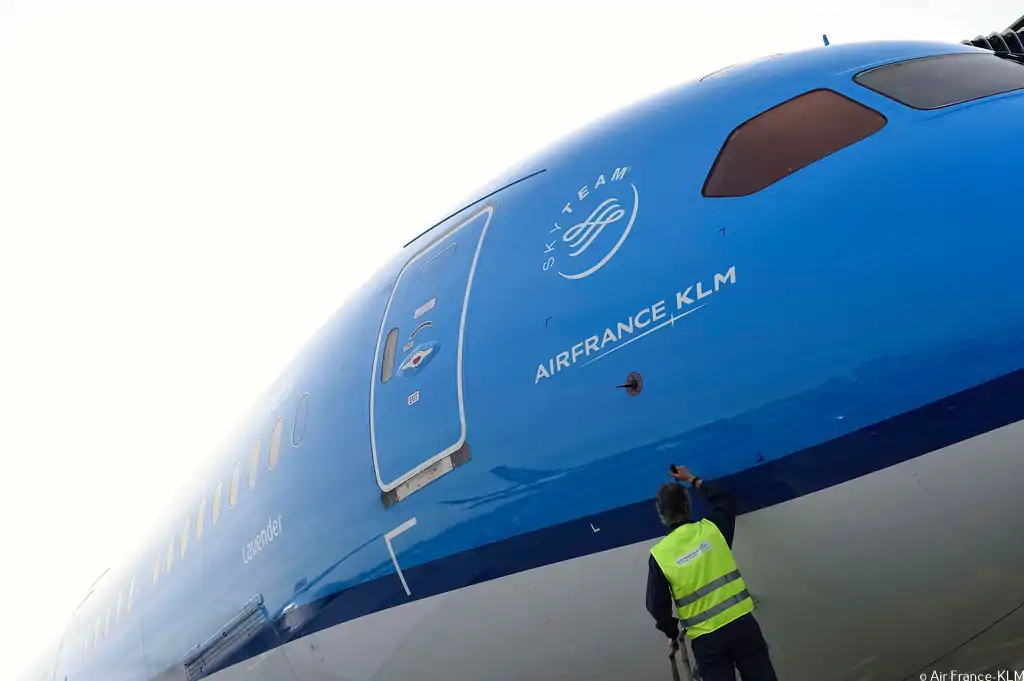
In a twist that caught many investors off guard, Air France-KLM recently reported an unexpected loss in the final quarter of 2023. Despite robust demand projections for the aviation sector in Europe, the Franco-Dutch airline group faced a tumultuous period marked by escalating costs and disruptions, largely attributed to geopolitical tensions in the Middle East.
Financial Performance and Market Reaction
The airline's quarterly loss, coupled with higher operational costs and supply chain constraints, triggered a sharp decline in its shares, plummeting by 10% during early Thursday trade. While the full-year results painted a more optimistic picture with record revenue and improved operating profit, the fourth-quarter setback highlighted the challenges facing the industry amidst a volatile geopolitical landscape.
Factors Contributing to Loss
Air France-KLM cited a 3.5% increase in unit costs, partially offset by lower fuel prices, as the primary driver behind its unexpected quarterly loss. The conflict in the Middle East further exacerbated the situation, leading to disruptions in flight schedules and operational challenges. Despite initial assurances of minimal impact, the airline acknowledged a slight drop in demand for routes serving destinations around Israel.
Operational Disruptions and Recovery Efforts
The suspension of flights to and from Tel Aviv until late January added to the operational disruption costs, amounting to an increase of 70 million euros during the period. However, the resumption of services with three weekly trips signaled a gradual recovery from the setbacks faced earlier.
Supply Chain Constraints and Maintenance Delays
A scarcity of spare parts and a shortage of engineering labor posed additional hurdles for Air France-KLM, contributing to maintenance delays and increased operational expenses. These challenges underscored the broader issue of supply chain disruptions plaguing the aviation sector, further compounded by geopolitical tensions and ongoing global uncertainties.
Debt Reduction and Financial Outlook
Despite the setbacks, Air France-KLM managed to make significant strides in debt reduction, paying down 1.3 billion euros of debt accumulated during the pandemic-induced travel shutdown. The outstanding net debt now stands at 5 billion euros, reflecting the company's commitment to strengthening its financial position amidst a challenging operating environment.
Conclusion
Air France-KLM's unexpected loss in the last quarter of 2023 serves as a sobering reminder of the inherent volatility and uncertainties facing the aviation industry. While demand projections remain strong, ongoing geopolitical tensions and supply chain constraints continue to pose significant challenges for airlines worldwide. As the industry navigates through these turbulent times, resilient strategies and proactive measures will be essential to ensure long-term sustainability and resilience.
With Inputs from Reuters
Read next
Are Rolls-Royce's Jet Engines Up to Par? Emirates President Tim Clark Raises Concerns
Abhishek Nayar
02 Mar 2024
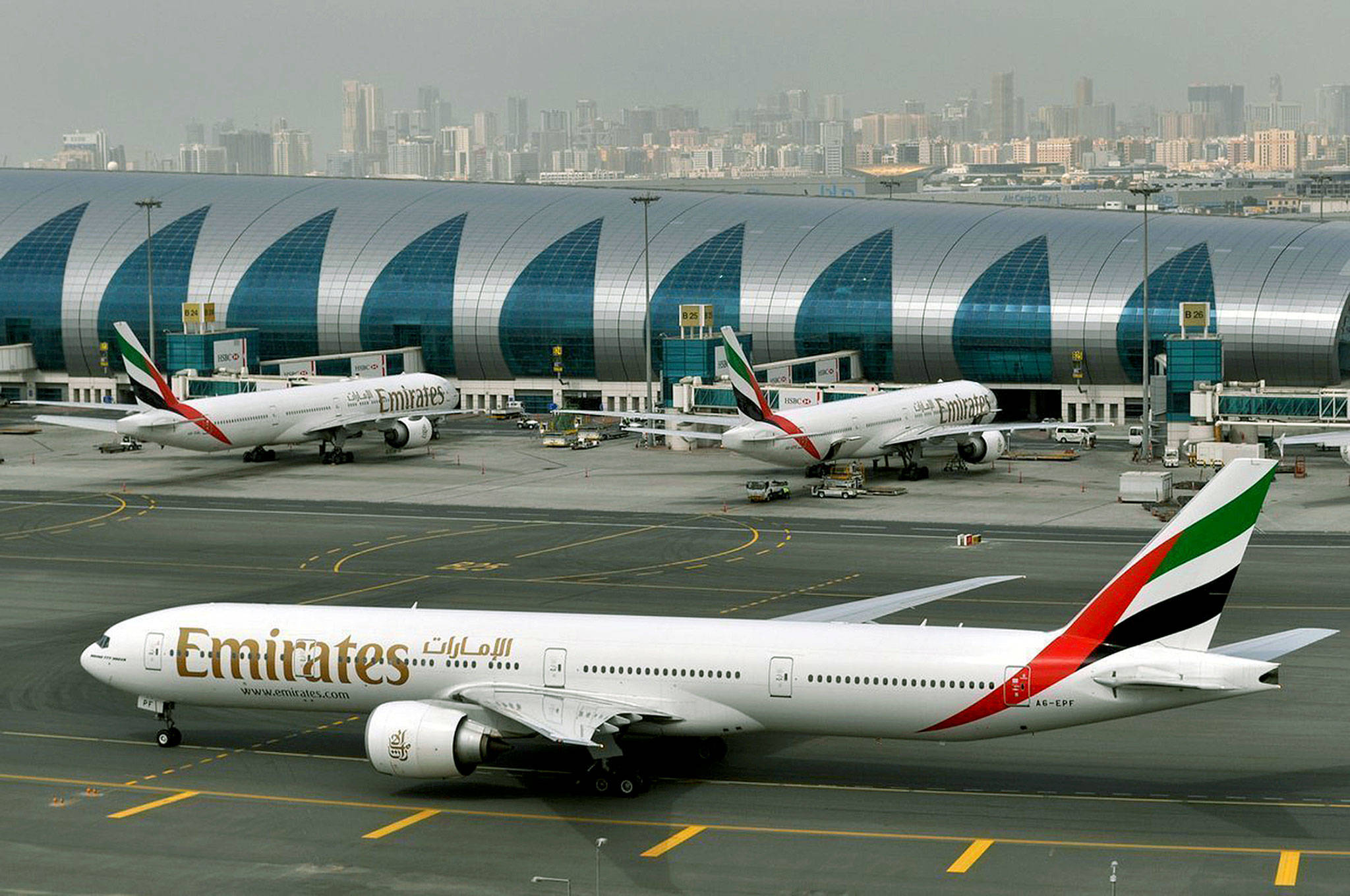
Emirates Airlines, one of the world's leading carriers, is hesitant to commit to purchasing Rolls-Royce's Trent XWB-97 jet engines until it is assured of their durability. This cautious stance, voiced by Emirates President Tim Clark, underscores the critical importance of engine reliability in the aviation industry.
Background & Emirates' Concerns
Rolls-Royce's Trent XWB-97 engines have been under scrutiny due to previous concerns raised by Tim Clark regarding their durability. Despite assurances from Rolls-Royce about improvements, Emirates remains vigilant about the performance and reliability of these engines.
Emirates President Tim Clark expressed skepticism about the Trent XWB-97 engines, emphasizing the need for thorough testing to ensure their durability. This cautious approach reflects Emirates' commitment to safety and reliability, values that are paramount in the aviation industry.
Rolls-Royce's Response & Importance of Engine Durability
In response to Emirates' concerns, Rolls-Royce stated last year that it was implementing measures to enhance the durability of the Trent XWB-97 engines. However, Emirates remains cautious and insists on concrete evidence of improved performance before making any purchasing decisions.
The reliability of jet engines is crucial for airlines like Emirates, which operate extensive global networks. Engine failures can disrupt schedules, incur significant costs, and, most importantly, jeopardize passenger safety. Therefore, Emirates' insistence on durable engines is understandable and reflects its commitment to maintaining operational excellence.
The Path Forward
As Emirates continues to evaluate the performance of Rolls-Royce's Trent XWB-97 engines, the aviation industry will closely monitor developments. The outcome of Emirates' assessment could influence other airlines' decisions regarding engine procurement and shape future developments in engine technology.
Conclusion
Emirates' cautious approach to purchasing Rolls-Royce's Trent XWB-97 engines highlights the airline's unwavering commitment to safety and reliability. As the aviation industry strives for continuous improvement, the durability of jet engines remains a critical factor in ensuring smooth operations and passenger satisfaction. Only time will tell whether Rolls-Royce's efforts to enhance the Trent XWB-97 engines meet Emirates' rigorous standards.
With Inputs from Reuters
Read next

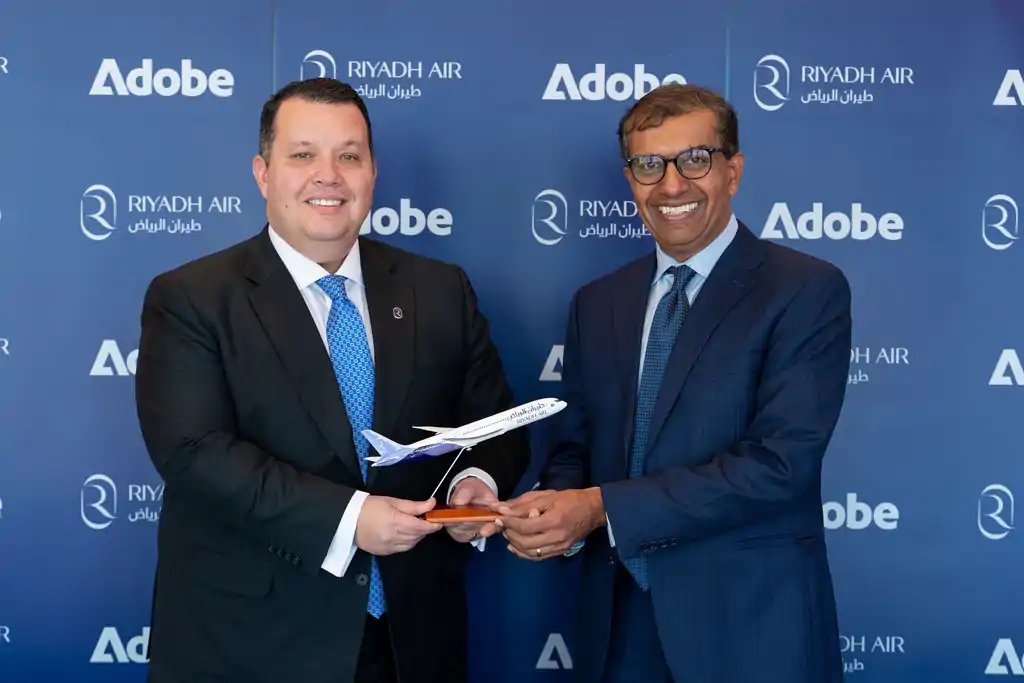
Riyadh Air has selected Adobe to sharpen its digital footprint.
Adobe's technology will be used by Riyadh Air to offer a seamless, end-to-end travel experience to the guests traveling globally to and from Saudi Arabia, as well as those traveling domestically within the Kingdom, the airline said in a statement.
As the lead systems integrator, IBM Consulting will employ Adobe’s Experience Cloud technologies to create a cohesive and tailored travel journey for Riyadh Air guests.
Within Adobe Experience Cloud, Adobe Real-Time Customer Data Platform (CDP) will play a critical role in delivering highly personalized experiences to customers. Adobe Real-Time CDP will manage Riyadh Air’s first-party customer data and combine it with data from its partners to create a unified view of each customer, that always respects privacy and consent. Based on this unified profile, Riyadh Air will be able to use other applications and services within Experience Cloud and Adobe Firefly to deliver personalized experiences, powered by generative AI and machine learning.

Riyadh Air will use Adobe Sensei GenAI capabilities within Adobe Experience Cloud to create the vast variations of on-brand copy required to deliver personalized campaigns at scale. Real-time insights and interactions, powered by Adobe Experience Platform, will ensure Riyadh Air will be able to offer travelers in the moment communications on their preferred channel. These insights will also be used to empower teams to understand the type of experiences and content that resonate with its culturally diverse and global guests.
With plans to carry its first passengers in 2025, Riyadh Air aims to connect the Kingdom to more than 100 destinations around the world, supporting both the National Aviation Strategy’s and National Tourism Strategy ambitions to bring 330 million annual visitors to the Kingdom by 2030.
“We’re on a mission to shape the future of travel and meet guest’s expectations of their travel experience," said Adam Boukadida, chief financial officer at Riyadh Air. “Through our strategic partnership with Adobe, we will be able to create incredible, personalized experiences for our guests at every stage and every moment of their journey, from planning their trips towards booking and boarding their flight and towards the arrival destination across the world.”
“As a new digitally native airline, Riyadh Air has an opportunity to push the boundaries of what’s possible when it comes to delivering personalized, real-time digital experiences for air travelers,” said Anil Chakravarthy, president, Digital Experience Business at Adobe. "The airline’s vision, combined with the power of Experience Cloud and generative AI, holds the promise of setting entirely new standards for digital experiences in the travel industry and beyond.”
The airline says it is expected to add USD20 billion to the Kingdom’s non-oil GDP growth, and create more than 200,000 direct and indirect jobs around the globe.
Read next

Ethiopian Airlines Group, the largest airline group in Africa has launched a brand new e-commerce logistics facility inside the Ethiopian Cargo & Logistics premises.
The facility, which is dedicated to e-commerce, mail, and courier logistics services is aimed at bridging logistical gaps and positioning Addis Ababa, Ethiopia, as the cross-border e-commerce logistics hub for Africa and beyond, the airline said in a statement.
Marking the unveiling of the new facility, Ethiopian Airlines Group CEO Mesfin
Tasew said, "The inauguration of this cutting-edge e-commerce logistics facility is a significant breakthrough for Ethiopian Airlines Group and the entire African economy. We have implemented high-end technologies in the infrastructure that revolutionize the way goods are transported and delivered in the e-commerce industry in Africa. Through this facility, Ethiopian Airlines paves the way for the development of e-commerce services in Ethiopia and the African continent. Built on 15,000 square meters of area, the facility boasts a capacity to handle 150,000 tons annually. We are glad to witness that our investment of 55 million USD has indeed paid off and enabled us to set the e-commerce industry in the continent to follow the global trend.”
This e-commerce Logistics Facility is equipped with state-of-the-art technology and meticulously implemented systems; as a result, the facility will offer a range of services including consolidation, deconsolidation, sortation, repacking, labeling and customers can now track and trace their shipments effortlessly from anywhere, the airline said.
Read next
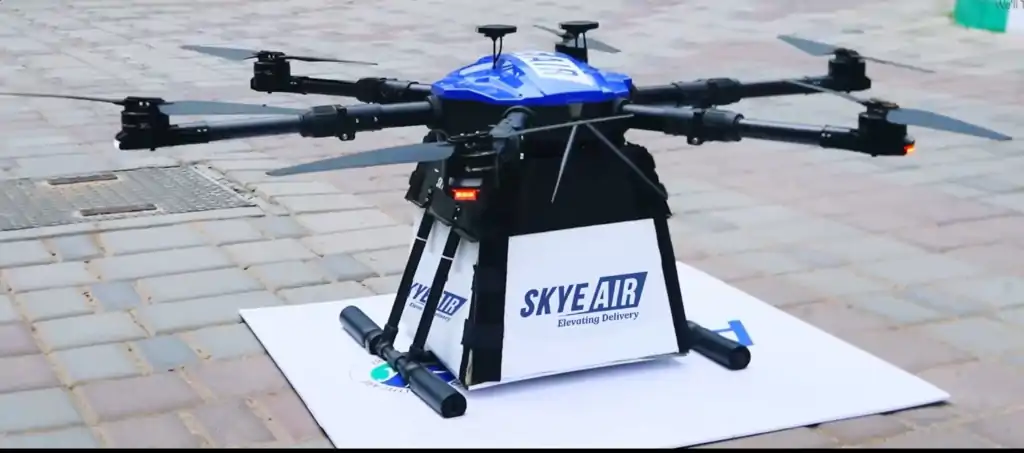
Skye Air Mobility has won multiple contracts from government healthcare service providers nationwide, the firm said in a statement.
These include AIIMS Deoghar (Jharkhand), Regional Institute of Medical Sciences (Manipur), AIIMS Patna (Bihar), AIIMS Jodhpur (Rajasthan), AIIMS Rajkot (Gujarat), AIIMS Bhubaneswar (Odisha), AIIHPH Kolkata (West Bengal), Central Leprosy Teaching & Research Institute Chengalpattu (Tamil Nadu), Regional Leprosy Training & Research Institute Bankura (West Bengal) and Regional Leprosy Training & Research Institute Aska (Odisha).
Leveraging state-of-the-art drone technology, Skye Air is hopes to revolutionize healthcare delivery in these esteemed institutions, the firm said.
Ankit Kumar, Founder & CEO of Skye Air Mobility, conveyed profound enthusiasm regarding the transformative impact of the acquired contracts, stating, "We are elated to collaborate with these esteemed healthcare institutions and the Ministry of Health and Family Welfare. Skye Air is committed to harnessing drone technology not merely as a technological advancement but as a strategic initiative towards revolutionizing healthcare in India. These contracts present a substantial opportunity to synergize with leading healthcare institutions, aligning our efforts with the visionary goals of the Ministry. Moreover, through initiatives like 'Drone Didi,' our dedication to women empowerment takes flight, as we equip and empower women to become drivers of change in the aviation sector, thereby fostering inclusive growth and opportunity in India”
“Our avant-garde drone technology is poised to revolutionize healthcare accessibility, transcending geographical barriers and making a tangible impact on lives across diverse regions. This announcement not only positions India as a global leader in drone innovation but also underscores collaborative efforts for a paradigm shift in healthcare accessibility," Kumar added.
StarLiner & Artemis drone will help in timely transport of medical supplies in temperature-controlled boxes.
Comment