
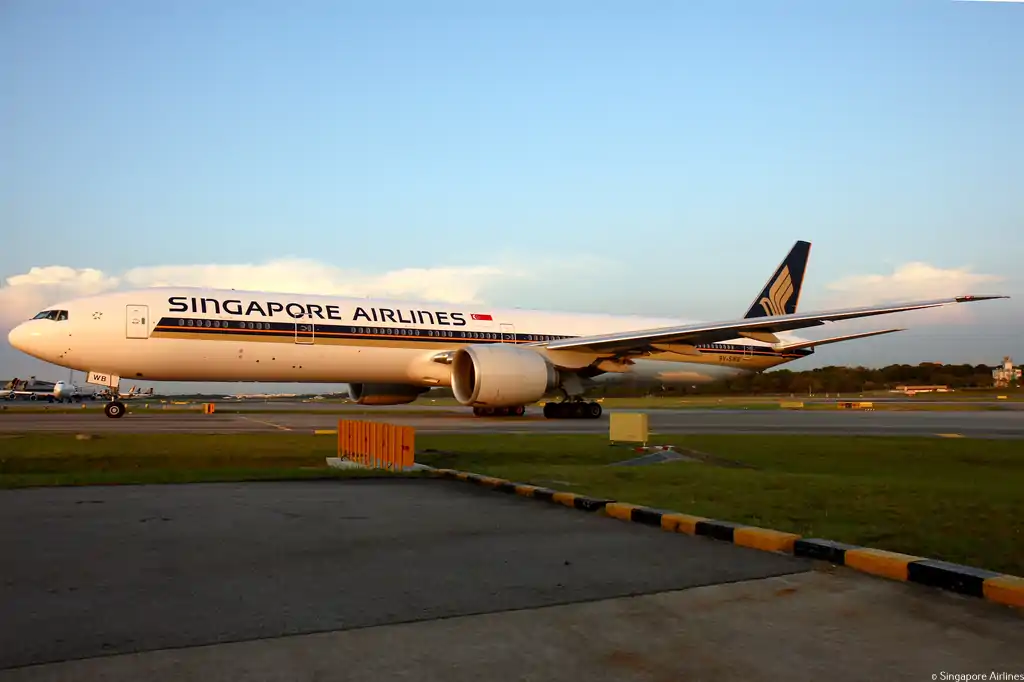
Singapore Airlines (SIA) remains optimistic about receiving its first Boeing 777-9 aircraft by late 2025, despite delays faced by other operators. At a recent results briefing on May 16, SIA’s chief executive Goh Choon Phong addressed the timeline for the highly anticipated widebody aircraft and highlighted the airline’s contingency plans.
Delivery Timeline and Expectations
Goh Choon Phong expressed confidence that SIA will receive its 777-9s next year. He acknowledged the challenges Boeing faces but emphasized that SIA’s strong relationship with the airframer has been instrumental in managing these issues. Goh stated, “Based on our understanding, we are expecting the 777-9s to still be delivered next year.”
Flexibility with Existing Fleet and Industry-Wide Delays
To mitigate potential delays, SIA has the advantage of flexibility within its current fleet. The airline’s fleet of 777-300ERs provides a buffer, ensuring that operations can continue smoothly if the 777-9 deliveries are delayed further. Goh highlighted this strategic advantage, noting the importance of maintaining operational resilience.
SIA’s confidence contrasts with the caution expressed by other major airlines. Lufthansa recently adjusted its delivery expectations, forecasting the arrival of its first 777-9 in 2026, a year later than anticipated. Similarly, Emirates, a significant 777X customer, now expects its first delivery in early 2026 instead of late 2025. These delays stem from ongoing certification issues and supply chain disruptions faced by Boeing.
Commitment to New Products and Importance of the 777-9
Despite the delays, SIA remains committed to launching new long-haul cabin products on the 777-9s. Goh reassured that the airline has used the additional time effectively to refine and update its planned features. He stated, “Yes, we were meant to get the 777s earlier: last year was when we were planning to launch it. Rest assured that while we had a delay, we have been making full use of the delay to ensure that any features that we had planned before, will continue to be updated.”

For SIA, the Boeing 777-9 is not just about fleet renewal but also about enhancing its product offerings. The new aircraft will debut SIA’s latest first- and business-class cabins, aimed at elevating the passenger experience on long-haul flights. Goh’s comments underline the airline’s strategic focus on maintaining its competitive edge through innovation and premium service offerings.
Conclusion
While industry-wide delays for the Boeing 777-9 have caused concern among many operators, Singapore Airlines remains hopeful for an on-time delivery in late 2025. The airline’s proactive measures, including leveraging its existing fleet and updating product features, position it well to navigate these challenges. As the situation evolves, SIA’s strong partnership with Boeing and its adaptive strategies will be crucial in ensuring a smooth transition to the new aircraft.
With Inputs from Flight Global

Read next
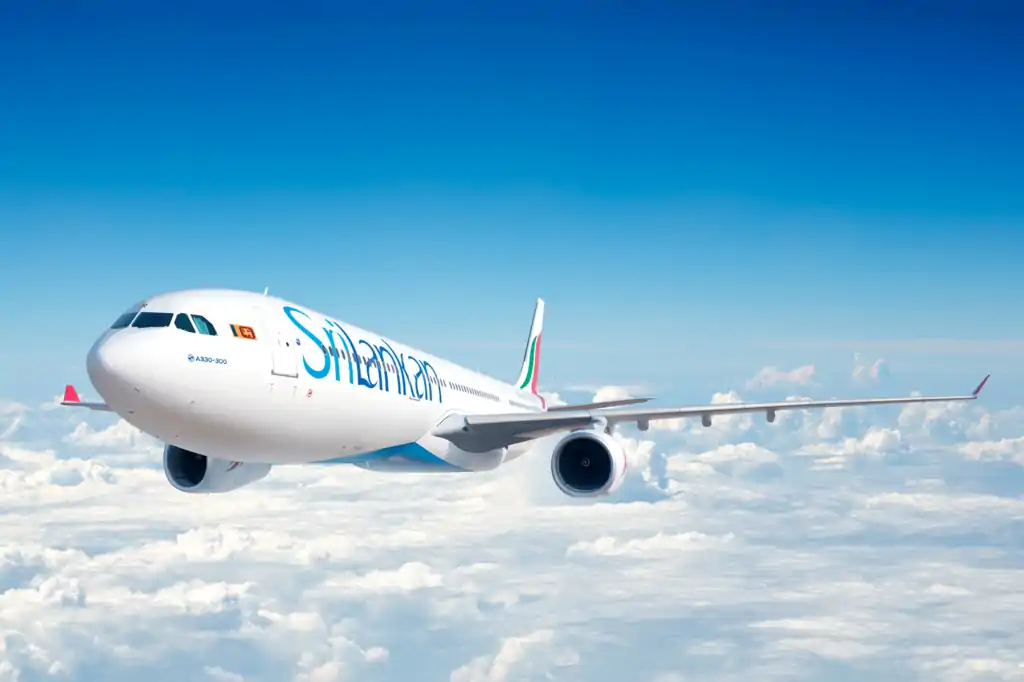
In an ambitious move to enhance the airfreight industry, SriLankan Cargo has joined forces with CargoAi, a leader in digital freight solutions. This partnership is set to transform the air cargo landscape, offering unprecedented ease and efficiency in booking and payment processes.
A New Era of Airfreight Booking and Payments
The integration of SriLankan Cargo's services into CargoAi's digital ecosystem is a game-changer. Users now have access to streamlined online booking and instant cross-border payment capabilities. This innovative approach promises greater transparency and speed, revolutionizing how airfreight services are accessed and managed.
Chaminda Perera, Head of Cargo at SriLankan Airlines, emphasized the significance of this collaboration, stating, "Our partnership with CargoAi marks another significant stride in our digitalization journey, aimed at expanding our horizons. We will be able to enhance the visibility of our inventory and offer customers a convenient airfreight booking experience. We are looking forward to extending our market reach and engaging with businesses of all scales with CargoAi."
Enhanced Payment Processes and Security
CargoAi’s platform simplifies payment processes by offering multiple payment methods, from local transfers to credit card payments. This reduces the reliance on cash transactions, enhancing both security and efficiency. The integration includes CargoAi’s CargoWALLET, which automates the reconciliation process, thus eliminating time-consuming manual tasks.

No More Bank Guarantees or Subscriptions for Forwarders
One of the most notable benefits for freight forwarders is the elimination of bank guarantees and yearly subscriptions. With everything seamlessly integrated into CargoMART, forwarders can reduce overhead costs and administrative burdens, allowing them to focus on their core business operations.
Matt Petot, CEO of CargoAi, expressed his excitement about the partnership, stating, "Our collaboration with SriLankan Cargo marks a significant milestone in our mission to revolutionize the air cargo industry. By leveraging technology to streamline processes and enhance user experience, we are paving the way for a more efficient and sustainable future in airfreight logistics."
Expanding Market Reach and Engagement
The partnership is poised to significantly expand SriLankan Cargo's market reach, supporting forwarders that were previously untapped. This collaboration not only enhances visibility but also engages businesses of all scales, making airfreight services more accessible and efficient.
Commitment to Innovation and Customer Satisfaction
This partnership underscores the commitment of both SriLankan Cargo and CargoAi to driving innovation and delivering unparalleled value to their customers. By combining their strengths, they are reshaping the airfreight landscape and setting new standards for efficiency, reliability, and customer satisfaction.
The integration of cutting-edge digital solutions by CargoAi and the extensive reach of SriLankan Cargo signifies a transformative shift in airfreight logistics. Together, they are paving the way for a more streamlined, transparent, and secure airfreight experience for users worldwide.
Read next
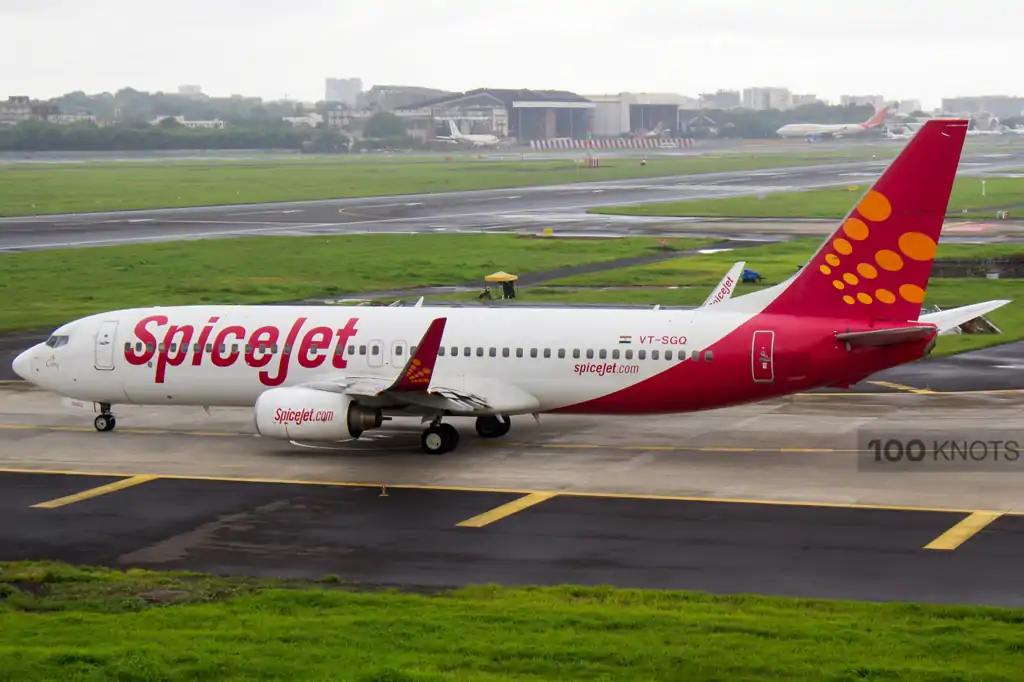
In a significant legal turn, the Delhi High Court recently set aside a previous order that had upheld an arbitral award in favor of Kalanithi Maran, the former promoter of SpiceJet, against the current management of the airline. This decision marks a crucial moment in the long-standing legal battle between Maran and Ajay Singh, the current chairman and managing director of SpiceJet.
Background of the Dispute
The Initial Transfer and Financial Troubles
The dispute traces back to January 2015, when Ajay Singh, the co-founder and current head of SpiceJet, repurchased the struggling airline from Kalanithi Maran. Maran, through his investment vehicle Kal Airways, transferred a 58.46% stake in the airline to Singh for a nominal sum of Rs 2, along with a debt liability of Rs 1,500 crore. This transaction was aimed at rescuing SpiceJet from severe financial distress, which had led to its grounding.
Claims and Counterclaims
As part of the transaction, Maran and Kal Airways claimed they had paid SpiceJet Rs 679 crore for issuing warrants and preference shares. However, by 2017, Maran approached the Delhi High Court, alleging that SpiceJet had neither issued the convertible warrants and preference shares nor refunded the money.
Arbitral Tribunal's 2018 Award
Tribunal's Findings
In 2018, an arbitral tribunal ruled on the matter, directing Ajay Singh-led SpiceJet to refund Rs 579 crore to Maran, including Rs 308 crore towards warrants and Rs 270 crore towards Compulsorily Redeemable Preference Shares (CRPS), along with an 18% interest rate. Additionally, the tribunal awarded Rs 29 crore in penal interest to Singh and SpiceJet. However, Maran's larger claim for damages amounting to Rs 1,323 crore was rejected.
Single Judge's Endorsement
On July 31, 2023, a single judge bench of the Delhi High Court upheld the tribunal’s decision, refusing to interfere with the arbitral award, which necessitated SpiceJet to pay the substantial refund along with the hefty interest rate.
Appeal and High Court's Reversal
Objections and Arguments
Ajay Singh and SpiceJet appealed against the single judge’s order, primarily objecting to the 18% interest rate mandated by the tribunal. Their legal team argued that this interest rate was exorbitant and burdensome, given the financial context and the airline's ongoing recovery efforts.
Division Bench's Decision
On a recent Friday, a bench comprising Justices Yashwant Varma and Ravinder Dudeja allowed the appeals filed by Singh and SpiceJet, effectively setting aside the July 31, 2023 order. The bench stated, "The appeals stand allowed. Consequently, the July 31, 2023 order (of the single judge) is set aside."
Implications of the High Court's Decision
Financial Reprieve for SpiceJet
This reversal offers a significant reprieve for SpiceJet, alleviating the immediate financial burden imposed by the arbitral award. The annulment of the interest component, in particular, provides the airline with critical relief as it continues to stabilize its operations and finances.
Continuing Legal Uncertainties
Despite this victory, the legal tussle between Maran and SpiceJet is far from over. The ongoing dispute over the issuance of warrants and preference shares, and the associated financial claims, suggests that further legal proceedings and negotiations are likely.
Conclusion
The Delhi High Court's recent decision to set aside the arbitral award in favor of Kalanithi Maran against SpiceJet is a pivotal development in the protracted legal battle between the airline’s past and current promoters. While this ruling eases the immediate financial pressure on SpiceJet, it also underscores the complex and ongoing nature of corporate disputes in the aviation sector. As the situation continues to evolve, stakeholders will be closely monitoring the potential implications for both parties involved.
Read next

Lufthansa's strategic bid to acquire a 41% stake in ITA Airways, the state-owned successor to Alitalia, is encountering significant turbulence from the European Union's antitrust regulators. The deal, aimed at bolstering Lufthansa's presence in the Italian market, faces potential obstruction unless substantial remedies are offered to mitigate competition concerns.
EU Competition Concerns
Short-Haul Routes and Market Power
The European Commission, wary of reduced competition, has flagged potential issues particularly concerning short-haul routes connecting Italy to other European countries. There is apprehension that the merger could lead to a dominance in these routes, negatively impacting consumer choices and fares.
Additionally, the Commission is concerned about ITA's market power at Milan Linate airport, where the combined entity could exert significant control, potentially stifling competition.
Long-Haul Routes and Joint Ventures
Lufthansa's proposed acquisition also raises alarms about competition on long-haul routes. The fear is that integrating ITA into Lufthansa's existing joint venture with United Airlines and Air Canada could further limit competitive options for passengers traveling to and from Italy.
Remedies on the Table
Short-Haul Route Adjustments
In response to the Commission's concerns, Lufthansa has proposed several remedies. Key among them is maintaining some competing ITA short-haul routes. This move is aimed at ensuring that competition remains robust in crucial markets including Germany, Belgium, Switzerland, and Austria.
Interlining Agreements
Lufthansa has also signaled its willingness to enter into interlining agreements with rival airlines. Such agreements facilitate cooperation among airlines on passenger itineraries involving multiple carriers, thereby enhancing connectivity and options for travelers.
Long-Haul Operations Independence
To address long-haul competition concerns, Lufthansa has proposed that ITA remain independent of its joint venture with United Airlines and Air Canada for a period of two years post-acquisition. This measure is intended to prevent the consolidation from reducing competitive dynamics on transatlantic routes.
Airport Slot Concessions
Recognizing the potential dominance at Milan Linate airport, Lufthansa has offered to relinquish 40 airport slots to low-cost carriers easyJet and Volotea. This concession is designed to foster competition by enabling these airlines to expand their operations at the strategically important airport.
The Path Forward
Stakeholder Feedback
The European Commission is currently seeking feedback from various stakeholders, including rival airlines, consumer advocacy groups, travel organizations, and pilot associations. These stakeholders have until May 19 to provide their input on the proposed remedies.
Awaiting the Verdict
With the Commission's decision deadline set for July 4, Lufthansa has a narrow window to enhance its remedies and address the regulators' concerns comprehensively. Failure to do so could result in the deal being blocked, significantly impacting Lufthansa's expansion strategy and the broader trend of consolidation in the European airline industry.
Rome's Stance
Commitment to the Deal
Despite the regulatory hurdles, the Italian government remains committed to the transaction. A senior Italian official has confirmed that Rome is not exploring alternative options and is optimistic about the ongoing EU investigation reaching a favorable conclusion.
Conclusion
Lufthansa's ambition to acquire a significant stake in ITA Airways is a high-stakes maneuver with the potential to reshape the competitive landscape of European aviation. As the clock ticks down to the EU Commission's decision, all eyes are on the proposed remedies and whether they will be sufficient to clear the regulatory runway for this major industry consolidation.
With Inputs from Reuters
Read next

The Federal Aviation Administration (FAA) has announced that it has not approved any expansions of United Airlines' routes or fleet and is mandating the presence of FAA personnel during the final inspections of new aircraft intended to replace older models. This statement comes in response to United Airlines' earlier communication to its employees suggesting progress in restarting certification activities for new aircraft and routes.
United Airlines' "Good News" Met with FAA Clarification
On Thursday, United Airlines communicated to its employees that it had received "good news" from the FAA, indicating that the airline could begin the process of restarting its certification activities. This announcement was met with a swift clarification from the FAA, which emphasized that no expansions had been approved and that a comprehensive evaluation of United's safety compliance was still ongoing.
The Catalyst: March Safety Incidents and Increased Oversight
In March, the FAA increased its oversight of United Airlines following a series of safety incidents. This enhanced scrutiny led to a halt in some of United's certification activities as the FAA initiated a formal evaluation under the Certificate Holder Evaluation Program (CHEP). The program aims to ensure that the Chicago-based carrier adheres to all safety regulations, effectively manages risks, and continuously identifies and mitigates hazards.
United's Response and Ongoing Evaluation
In its email to employees, United Airlines expressed optimism about the FAA allowing the company to restart the certification process, attributing this development to the proactive safety measures the airline has implemented. However, the FAA's statement makes it clear that the evaluation process is far from over and that safety will dictate the timeline for its completion.
United Airlines acknowledged the ongoing presence of FAA personnel in its operations, indicating a collaborative approach to resolving the safety concerns raised. The airline also noted the FAA's review of its work processes, manuals, and facilities as part of the ongoing evaluation.
Impact on United's Operations
The increased oversight and halted certifications have had tangible effects on United's operations. Last month, the airline delayed the launch of two new international routes, citing the pause on some certifications by the FAA. This delay underscores the significant impact of regulatory scrutiny on United's expansion plans.
The Road Ahead: Ensuring Compliance and Safety
The FAA's decision to require the presence of its personnel during United's final aircraft inspections highlights the seriousness of the safety concerns and the regulator's commitment to ensuring compliance. United Airlines, for its part, appears committed to addressing these concerns and working closely with the FAA to meet safety standards.
As the evaluation under the CHEP continues, both the FAA and United Airlines are focused on the shared goal of enhancing safety and restoring confidence in the airline's operations. The aviation community and United's customers will be closely watching the developments to see how the airline navigates this challenging period and meets the stringent safety requirements set forth by the FAA.
With Inputs from Reuters
Read next

Island Aviation Services Limited (IASL), operating as Maldivian, is seeking expressions of interest (EOIs) from lessors for an exciting leasing opportunity. The national airline of the Maldives is on the lookout for one Airbus A319-100 or one A320-200 on an operating lease for a three-year term, with a targeted delivery by September 2024. This initiative was recently announced in the Maldives Government Gazette on May 13, 2024.
Key Preferences for Lessors
Engine and Maintenance Requirements
Maldivian has set forth a preference for lessors who can provide replacement or spare engines at no additional cost, aside from maintenance reserves aimed at engine performance restoration and Engine LLP (Life Limited Parts) replacement. This clause is a significant advantage for lessors as it underscores Maldivian’s commitment to maintaining high operational standards while managing costs effectively.
Aircraft Specifications and Condition
The airline’s criteria for the leased aircraft include:
- A fully equipped galley.
- Freedom from all major maintenance events from the date of delivery.
- Delivery with Maldivian’s livery already painted.
- At least 5,000 cycles remaining on each engine LLP until discard.
- A seating configuration of at least 180 seats for the A320-200 or 150 seats for the A319-100.
These stringent requirements ensure that Maldivian will be receiving aircraft that are not only operationally efficient but also ready for immediate service, minimizing downtime and operational disruptions.
Eligibility and Submission Requirements
Who Can Apply?
The opportunity is open to a wide range of entities including:
- Aircraft owners
- Lessors
- Airlines
- Commercial banks
- Financial institutions
- Entities managed or wholly owned directly or indirectly by such businesses
However, aircraft brokers and other intermediaries are excluded from participating in this leasing offer.
Detailed Financial and Organizational Data
Prospective lessors are required to provide comprehensive organizational data. This includes audited financial statements for the past two years or, for newly formed businesses, a certified certificate of net worth. Additionally, a detailed package of documents, records, and manuals must be provided prior to delivery, along with specifics regarding the minimum redelivery conditions.
Proposal Submission and Timeline
Electronic Submission
EOIs must be submitted electronically by 1630L (1130Z) on May 29, 2024. The electronic submission ensures a streamlined and efficient process, allowing Maldivian to handle the influx of proposals effectively.
Evaluation and Notification
Maldivian intends to complete its evaluation of the offers promptly and notify the successful applicant by mid-June 2024. This rapid turnaround time highlights the urgency and importance of this acquisition to Maldivian’s operational strategy.
Conclusion
This leasing opportunity represents a strategic move by Maldivian to enhance its fleet and maintain its service quality. By setting clear and high standards for potential lessors, the airline aims to ensure that it partners with entities capable of meeting its operational needs efficiently. As the submission deadline approaches, the aviation industry will be keenly watching to see which lessor secures this coveted deal and helps Maldivian achieve its operational goals.
With Inputs from ch-aviation
Comment