
A Historic Win for Flight Attendants: American Airlines’ New Contract Sets Industry Precedent

Abhishek Nayar
14 Sep 2024

In a monumental shift for airline labor relations, American Airlines (AA) and the Association of Professional Flight Attendants (APFA) have ratified a new collective bargaining agreement that will significantly improve the working conditions and pay for nearly 28,000 flight attendants. The new contract, which takes effect on October 1st, 2024, promises industry-leading benefits and sets a new benchmark for future negotiations in the aviation industry.
Overwhelming Support: Flight Attendants Approve the New Contract
The APFA, the union representing AA’s flight attendants, revealed that the new agreement received overwhelming support from its members. According to the union, 95% of eligible flight attendants voted, with a staggering 87% in favor of the new terms. This resounding approval is a clear indication of how crucial these changes were for the workforce, who had been pushing for better compensation and working conditions for years.
Significant Pay Raises: A Game-Changer for AA Flight Attendants
One of the most celebrated aspects of the new contract is the substantial pay increase. Julie Hedrick, National President of APFA, emphasized the key financial benefits of the agreement. Flight attendants will receive an immediate 20.5% pay increase. Beyond that, the contract outlines annual raises of 2.75%, followed by 3% for the next two years, and 3.5% for the final year. These raises collectively add approximately $4.2 billion to the flight attendants' compensation package.
Historic Change: Paid Boarding for the First Time
For the first time in American Airlines' history, flight attendants will now be paid during passenger boarding, marking a groundbreaking shift in how airlines compensate their staff. Previously, flight attendants were only paid once the aircraft doors were closed. This long-standing issue has been a major point of contention, not just at American Airlines but across the entire industry.
Delta Airlines was the first to break this trend in 2022 by offering its nonunionized cabin crew 50% extra pay during boarding, setting the stage for the current change at AA. Now, with American Airlines making this change, the pressure is on other airlines to follow suit.
Averting a Strike: How Tensions Led to a Breakthrough
Negotiations between American Airlines and the APFA had reached a tense standstill earlier this year, bringing the possibility of a strike closer than ever. Flight attendants were dissatisfied with the airline's initial offer of an 18% pay hike and 2% annual raises, rejecting it outright and demanding a 33% pay increase along with 6% annual raises.
The standoff even drew the attention of President Joe Biden, who warned that a strike could have been “devastating for the industry and consumers.” Fortunately, the new agreement, backed by key political figures like Julie Su, Acting Secretary of Labor, and Transportation Secretary Pete Buttigieg, helped to avert a potentially disruptive labor action.
Improved Working Conditions: Addressing Long-Standing Issues
The contract doesn’t just offer financial benefits; it also tackles several key working conditions. New provisions include improved scheduling, rescheduling, and reserve work rules, which were major pain points for flight attendants. With more predictable schedules and fairer work assignments, flight attendants will enjoy a more balanced work-life dynamic, improving their overall job satisfaction.

Industry Impact: A Blueprint for Future Negotiations
American Airlines’ new agreement is expected to have ripple effects throughout the aviation industry. It follows a similar pattern to Southwest Airlines’ recent deal, which offered its flight attendants a 33% pay increase over five years. The AA deal now sets a high bar, with unions at other airlines, including United Airlines, poised to leverage this contract in their own ongoing negotiations.
American Airlines’ Response: CEO Celebrates the Milestone
Robert Isom, CEO of American Airlines, expressed his excitement and gratitude for reaching an agreement that both the company and flight attendants can be proud of. In a statement, Isom said:
“It’s an exciting day for American's nearly 28,000 flight attendants and our entire airline. Reaching an agreement for our flight attendants has been a top priority, and today, we celebrate achieving this important milestone. Both the APFA and company negotiating teams had a shared mission of delivering an agreement our flight attendants have earned, and I greatly appreciate their work and relentless focus.”
Isom also thanked APFA President Julie Hedrick for her leadership and credited Secretary Pete Buttigieg and other government partners for their support during the negotiation process.
Addressing Economic Realities: Flight Attendants' Fight for Fair Wages
Before this contract, many flight attendants, especially those just starting out, were struggling financially. Reports indicated that some entry-level flight attendants were living below the poverty line. The lack of pay raises since 2019 had left many frustrated and feeling undervalued. The new agreement is expected to rectify these financial inequities and provide much-needed relief to the workforce.
Looking Ahead: What’s Next for the Aviation Industry?
With this new contract in place, American Airlines’ flight attendants have secured industry-leading pay and benefits. This deal will likely serve as a reference point for other airlines and unions as they enter negotiations. It remains to be seen how quickly other airlines will follow suit, but one thing is clear—American Airlines’ flight attendants have set a new standard for the industry.
Read next
What Makes SriLankan' 'Colours of Jaffna' Campaign an Award-Winning Success?
Abhishek Nayar
14 Sep 2024

SriLankan Airlines recently secured a prestigious Gold Award in the "Marketing-Carrier" category at the Pacific Asia Travel Association (PATA) Gold Awards 2024, held in Bangkok on August 28, 2024. This accolade reaffirms the airline's global appeal and creative marketing prowess. Their campaign, 'Colours of Jaffna', is groundbreaking, marking the first time a Sri Lankan entity has exclusively spotlighted the vibrant northern region of Jaffna. Let’s delve into the details that made this campaign stand out.
A New Perspective on Jaffna’s Appeal
The ‘Colours of Jaffna’ campaign is a visual celebration of the city’s cultural and natural beauty. For the first time, a Sri Lankan marketing effort focused solely on Jaffna, bringing its rich heritage, stunning landscapes, and lively festivities to a global audience.
This campaign came at an ideal time, with CNN recently recognizing Jaffna as one of Asia's most underrated places. The campaign captured the city’s diverse appeal, from its serene waterfronts and historic forts to the vibrant colours of temple interiors, festivals, and cuisine. The combination of captivating visuals and a rhythmic soundtrack highlighted the unique blend of calmness and vibrant energy found in the heart of Jaffna.
Massive Social Media Success
One of the key factors contributing to the success of 'Colours of Jaffna' was its remarkable reach on social media. The campaign gathered over 14 million impressions across various platforms and secured more than 500,000 engagements, making it one of the most successful campaigns in the history of SriLankan Airlines.
This social media buzz helped raise awareness not only about Jaffna but also about Sri Lanka’s diverse tourism offerings. It encouraged travellers to view the island from a fresh perspective and explore the lesser-known northern region.
PATA Gold Award: A Mark of Excellence

Out of 100 global entries, SriLankan Airlines was one of 24 honorees chosen by a panel of 23 industry experts. The airline's innovative approach to marketing, combined with its ability to present Sri Lanka in novel perspectives, secured them the prestigious award. Saminda Perera, SriLankan Airlines' Head of Marketing, expressed his gratitude by acknowledging the efforts of his team, the management, and valued partners.
“Our aim has always been to present Sri Lanka in ways that surprise and delight travellers, and to have those efforts recognized on an international stage is incredibly rewarding,” Perera said.
A Perfect Collaboration: SriLankan Holidays and Jetwing Hotels
Complementing the success of the campaign, SriLankan Holidays, the airline’s leisure division, introduced a range of holiday packages that offer travellers an immersive experience in Jaffna. These packages were launched in partnership with Jetwing Hotels, which served as the exclusive hospitality partner.
Jetwing Hotels, another proud recipient from Sri Lanka at the PATA Gold Awards 2024, was honored in the “Climate Change Initiative” category for its pioneering efforts toward sustainability. This collaboration further amplifies the appeal of visiting Jaffna, providing a seamless and enriching travel experience for international tourists.
Why ‘Colours of Jaffna’ Resonated Globally
The campaign’s success can be attributed to a few key elements:
- Uniqueness of the Destination: Jaffna is still relatively undiscovered by the global tourism market, and the campaign's focus on its rich cultural heritage and untapped natural beauty made it intriguing.
- Striking Visual Storytelling: The contrasting, yet harmonious, colour palette of Jaffna was a visual treat, with imagery and videography that kept viewers engaged.
- Music that Echoes Jaffna’s Spirit: The soundtrack that accompanied the visuals reflected the rhythmic pulse of the city, creating an emotional connection with the audience.
- Timeliness: With CNN naming Jaffna as a must-visit destination, the campaign’s launch was perfectly timed to tap into growing global curiosity about the region.
The Future of Travel Marketing for SriLankan Airlines

The success of 'Colours of Jaffna' is not just a milestone for SriLankan Airlines but also a sign of the airline’s innovative approach to marketing Sri Lanka’s lesser-known gems. With a renewed focus on presenting the country through fresh perspectives, SriLankan Airlines is set to continue pushing boundaries in the travel industry, cementing its position as a leader in creative marketing.
Want to Experience Jaffna?
The success of 'Colours of Jaffna' is only the beginning. Travellers who are curious about Jaffna's vibrant culture can explore SriLankan Holidays' exclusive packages. To watch the stunning video and get a glimpse of Jaffna's beauty, visit the official campaign link here.
Read next
China Development Bank Takes Step Towards a Fuel-Efficient Future with 80 Airbus A320neo Planes
Abhishek Nayar
13 Sep 2024
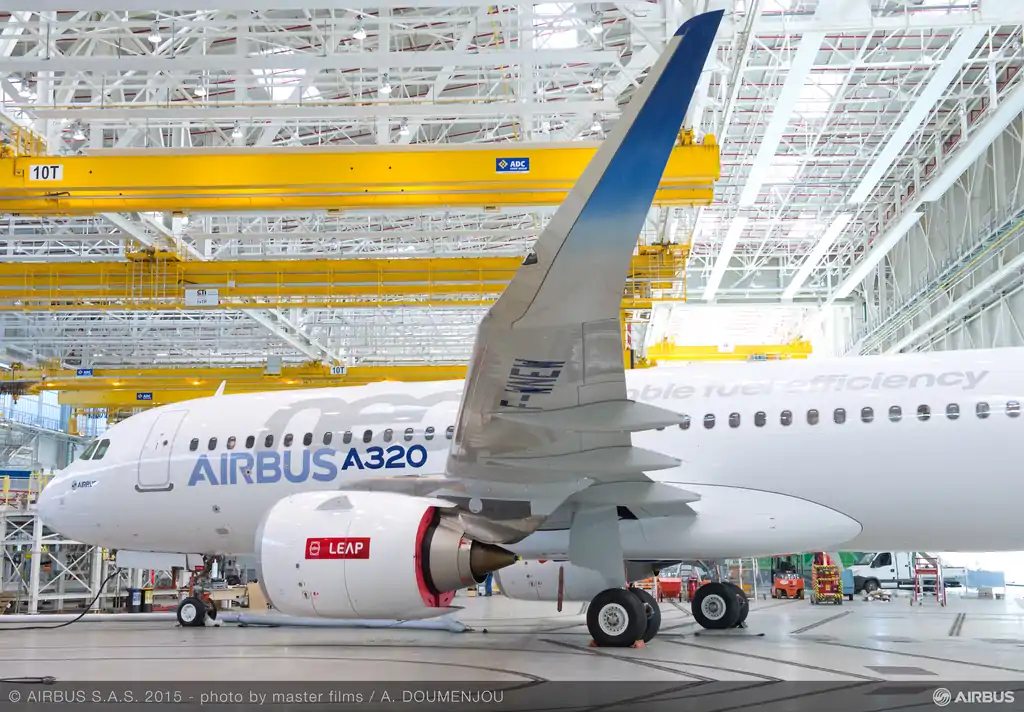
On Thursday, China Development Bank Financial Leasing made headlines with the announcement of a major deal to purchase 80 Airbus A320neo planes. Set for delivery between 2030 and 2032, this acquisition is a bold step aimed at optimizing the fleet structure of its aviation division. The move is designed to increase the proportion of next-generation aircraft that offer both high fuel efficiency and strong market penetration, according to a statement filed with the Hong Kong Stock Exchange.
Why This Purchase Matters
In the context of increasing global concerns over sustainability and fuel efficiency, this acquisition reflects China Development Bank Leasing’s proactive approach to modernizing its fleet. The A320neo family of aircraft is known for its reduced fuel consumption and emissions, making it a favorite for airlines looking to cut operational costs while staying competitive.
Key Highlights:
- Fleet Optimization: This purchase is part of a larger strategy to enhance the efficiency and market readiness of the company’s aviation unit.
- Fuel-Efficient Technology: Airbus A320neo aircraft are renowned for offering around 15% better fuel efficiency compared to their predecessors.
- Delivery Timeline: The delivery of these aircraft will span from 2030 to 2032.
Airbus: A Struggle to Meet Growing Demand

European aircraft manufacturer Airbus, despite being a leader in next-gen aviation, is facing significant supply chain challenges. These problems have affected not only Airbus but the entire aviation industry, resulting in delays in production and delivery. The company has been striving to meet the surging global demand for more fuel-efficient planes, particularly the A320neo model, which is highly favored by airlines.
Industry-Wide Supply Chain Challenges:
- Material Shortages: Like many industries, aviation is struggling with shortages of essential materials, which has impacted Airbus’s ability to meet its delivery schedules.
- Labor Constraints: Post-pandemic labor shortages have also contributed to delays, exacerbating the supply chain crunch.
The A320neo: Why It’s a Game-Changer

The A320neo is a cornerstone of Airbus's success, delivering fuel efficiency, lower operational costs, and superior environmental performance. Its advanced engine options and sharklet wingtips make it a desirable aircraft for airlines committed to reducing their carbon footprint.
Advantages of the Airbus A320neo:
- Lower Emissions: The A320neo can reduce CO? emissions by up to 5,000 tonnes per aircraft annually.
- Increased Range: The aircraft offers longer ranges, allowing airlines to serve more destinations efficiently.
- Strong Market Penetration: With over 8,500 orders to date, the A320neo has become a trusted workhorse for both low-cost carriers and full-service airlines.
What This Means for the Aviation Industry
China Development Bank Leasing’s commitment to modernizing its fleet with A320neo planes is a clear signal of the aviation industry's shift towards sustainable operations. With the global market for air travel expected to grow in the coming decade, airlines and lessors are increasingly prioritizing fuel efficiency and operational cost reductions. This purchase also highlights the growing importance of next-gen aircraft in meeting the demands of both airlines and environmentally-conscious travelers.
Conclusion: A Significant Step Forward
This purchase of 80 Airbus A320neo planes marks a significant milestone for China Development Bank Financial Leasing. Not only does it position the company as a leader in fleet modernization, but it also reflects the broader industry trend toward more sustainable and efficient aviation. As Airbus works to overcome its supply chain struggles, the race for the future of air travel is well underway, and fuel-efficient planes like the A320neo are set to play a pivotal role.
With Inputs from Reuters
Read next

In the aftermath of the COVID-19 pandemic, the global aerospace industry is grappling with a perfect storm of challenges. Executive Chairman Greg Hayes of aerospace and defense leader RTX sounded the alarm during the Global Aerospace Summit, warning that supply chains are far from recovery. His message, echoed by industry peers, highlights how labor shortages and geopolitical risks are shaking the foundations of the aviation sector, just as demand for new aircraft and engine production soars.
The Lingering Aftershocks of COVID-19 on Supply Chains
Despite a resurgence in air travel and demand for new aircraft, the aerospace industry continues to feel the ripple effects of the pandemic. Key production lines are suffering from parts shortages and a critical lack of qualified labor.
Greg Hayes of RTX stressed that the supply chain disruption, which started during the pandemic, is far from resolved. "The supply chain has not recovered," Hayes stated at the summit hosted by the U.S. Chamber of Commerce, underscoring the significant delays the industry continues to face. Aerospace companies are scrambling to keep up with the growing backlog of orders for new planes, while simultaneously maintaining the older fleets still in operation.
Labor Exodus and the Search for Skilled Workers
The aviation industry experienced an exodus of skilled labor during the pandemic, and this loss continues to haunt production facilities. The struggle to replace the highly specialized workforce in a rapidly growing industry is proving to be an enormous hurdle.
“Today, it’s still a huge challenge to find qualified folks to work on some of these products,” Hayes noted, highlighting the stark contrast between the surging demand for jets and the sluggish recovery of the labor market. This shortage is compounded by the global demand for similar parts in repair shops, as airlines work to maximize the operational capacity of their fleets.
Olivier Andries, CEO of French aerospace giant Safran, emphasized the industry’s unprecedented pressures: “We are in a period where there has never been such a tension between very strong demand and a supply chain that has been under pressure and suffered many shocks.”
Geopolitical Tensions Add Fuel to the Fire
Geopolitical instability is exacerbating supply chain vulnerabilities. RTX’s Greg Hayes warned of the potential fallout from rising tensions between the U.S. and China. The company, which currently relies on 2,000 suppliers in China, is actively seeking alternatives in the event of sudden political deterioration.
“We're also trying to minimize the geopolitical risk by saying, ‘OK, we've got 2,000 suppliers in China today. What happens if...?’” Hayes said, emphasizing the need for dual sourcing to protect against potential disruptions. With the memory of Russia's invasion of Ukraine still fresh, which led to a swift exit from Russian suppliers, aerospace companies are acutely aware of how quickly geopolitical shifts can upend global trade.
The Energy Crisis and Raw Material Shortages
Adding to the industry’s woes are the surging costs of raw materials and energy. Higher energy prices, a result of the Russia-Ukraine war, have significantly impacted manufacturing and production capabilities. The aerospace sector, which relies on precision manufacturing and high-quality materials, is facing steep cost increases that further strain supply chains.
Andries pointed out that these shocks to the industry, from labor shortages to supply disruptions, will persist for several years, predicting further challenges well into 2025.
The Balancing Act: Meeting Demand While Navigating Uncertainty
As airlines ramp up operations to meet the booming demand for travel, aerospace companies are caught in a precarious balancing act. On one hand, the demand for new planes and engines has never been higher; on the other, the supply chain is buckling under the pressure of labor and parts shortages.
At the heart of the struggle is the challenge of ramping up production fast enough to meet demand while ensuring the reliability and safety of the parts being produced. RTX’s Hayes revealed that his company closely monitors its 14,000 suppliers around the world, not only for their ability to deliver quality parts but also for their financial stability and staffing levels.
“We monitor them every single day,” Hayes said, highlighting how crucial supplier relationships are in keeping aerospace manufacturing on track.
Looking Ahead: Navigating a Fragile Recovery
The aerospace industry is navigating uncharted waters. While air travel demand continues to rebound, the global supply chain remains fragile, and companies are racing to find solutions to ensure consistent production and delivery. With the added complexity of geopolitical risks and rising costs, aerospace companies must remain agile and prepared for whatever challenges lie ahead.
As the world anticipates more demand for planes, engines, and parts, the industry’s ability to recover and adapt will be tested in the coming years. Solutions like dual sourcing, skilled labor recruitment, and alternative supplier strategies will be essential for ensuring the long-term resilience of the aviation sector.
In this period of unprecedented tension between demand and supply, the aerospace industry’s ability to soar above these obstacles will define the future of aviation.
With Inputs from Reuters
Read next
Is Frontier Airlines Set for a Third-Quarter Turnaround? Here’s What You Need to Know
Abhishek Nayar
13 Sep 2024
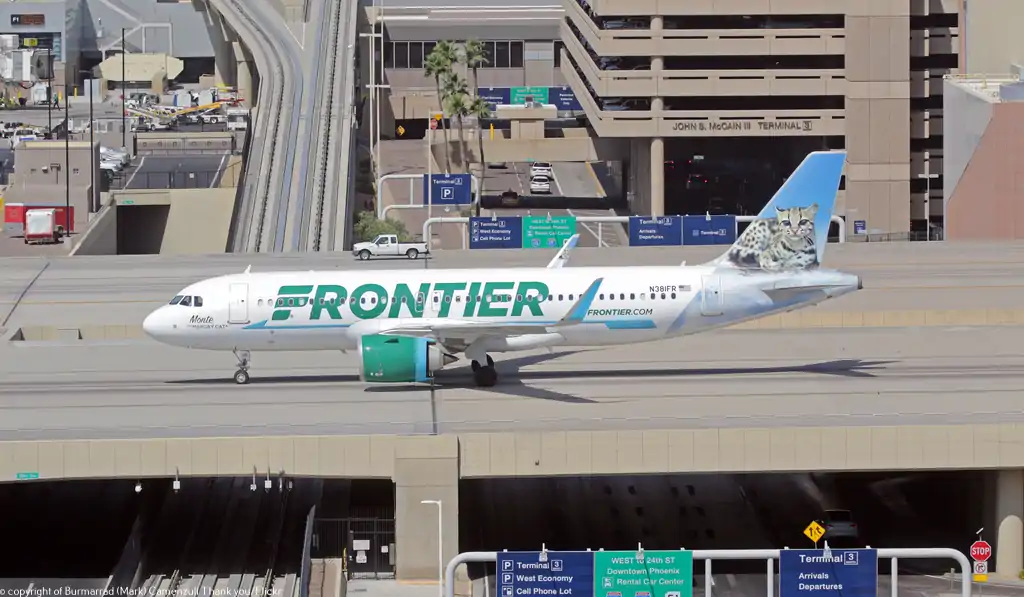
In a significant update that sent shares soaring by 11%, Frontier Airlines revealed its expectation of improved third-quarter margins. The no-frills U.S. carrier's decision to slash capacity appears to be paying off, effectively offsetting the challenges posed by weakening domestic travel demand. But what exactly is behind this sudden shift? Let’s dive into the details.
Margin Forecast Boosts Investor Confidence
In its latest forecast, Frontier raised its adjusted pre-tax margin outlook to a range of down 2% to flat. This is a significant improvement from its earlier prediction of down 4% to down 6%. Such an upgrade suggests that the airline is effectively managing its resources, even as it navigates a tricky domestic market where travel demand has been moderating.
Strategic Capacity Cuts Drive Results
A notable shift in Frontier’s strategy has been the reduction of its capacity growth forecast. Initially, the airline had projected a growth rate of 4% to 6%, but it has now revised this to between 4% and 5%. This decision reflects a broader trend among airlines, which had ramped up seat capacity post-COVID, only to find that domestic demand wasn't keeping pace.
By adjusting its capacity, Frontier is avoiding over-saturating the market with seats, a move that is critical in a price-sensitive environment. Overcapacity tends to push airfares down, especially in the lower-cost segment, where competition is fierce.
Changes in Flight Network Set to Bring High-Fare Gains

One of the most significant drivers behind Frontier’s improved outlook is the carrier's targeted approach to expanding in more lucrative markets. CEO Barry Biffle highlighted in April that the airline planned to add flights to “high-fare” markets. These are destinations where competition is thinner, and Frontier can charge higher prices.
By moving into markets where they face less pressure from other carriers, the airline expects to benefit from higher margins. This strategy is particularly beneficial as it allows Frontier to move away from the highly competitive, low-margin domestic routes that have been underperforming due to subdued demand.
Capacity vs. Demand: A Delicate Balance Post-Pandemic
The entire airline industry has faced a complex challenge in the aftermath of the COVID-19 pandemic. Many airlines, including Frontier, added more seats in an attempt to capture demand as travel restrictions eased. However, this led to an oversupply in the domestic market, putting pressure on airfares, especially in the budget sector.
Now, Frontier’s capacity cuts indicate a more cautious approach. This shift is essential as airlines must find a balance between maintaining operational efficiency and not flooding the market with excess capacity.
Can Frontier Sustain Its Momentum?
The airline’s proactive approach in trimming capacity and tapping into higher-fare markets bodes well for its future. However, the big question remains—will this strategy allow Frontier to continue improving margins in the long term? While the third quarter looks promising, the broader economic landscape and fluctuating travel demand could still pose challenges.
Conclusion: A Strategic Shift Paying Off
Frontier Airlines has made a bold move by adjusting its capacity forecasts and focusing on high-fare markets. These changes are not only improving its third-quarter outlook but also signaling a potential shift in how the airline operates in the future. As the airline continues to fine-tune its operations, all eyes will be on whether it can maintain this momentum and thrive in a post-pandemic world.
With investor confidence rising and shares gaining, Frontier’s strategic shift could be the key to overcoming the current headwinds in the domestic travel market.
With Inputs from Reuters
Read next
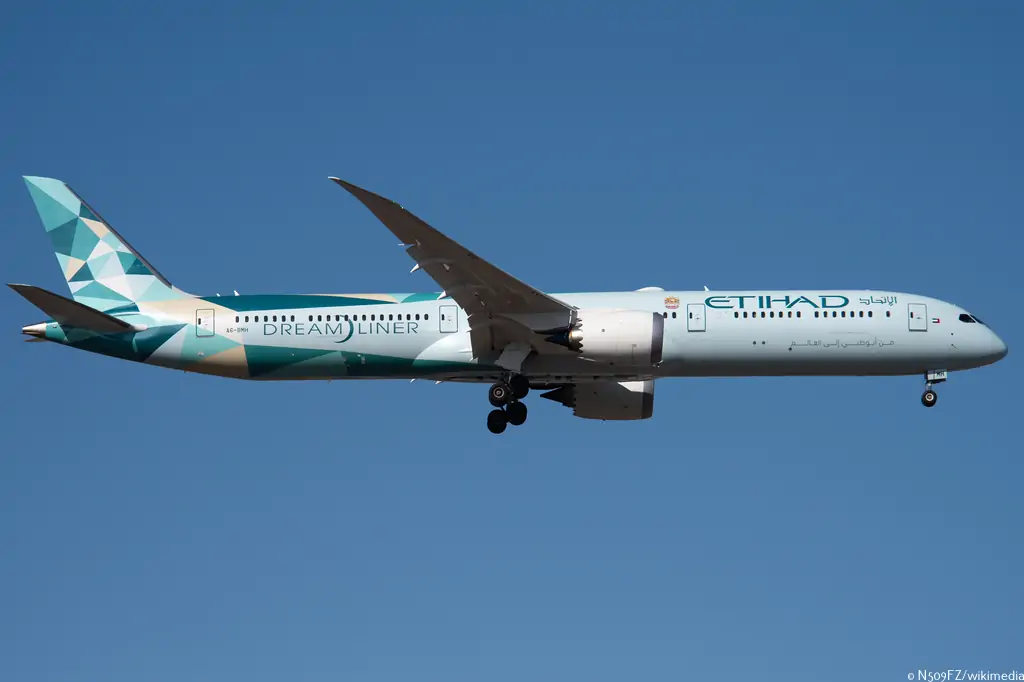
Etihad Airways, Abu Dhabi's flagship carrier, is set to soar into new territory with plans to make its stock market debut no sooner than 2025. This move could mark the first IPO by a major Gulf airline, placing Etihad in the spotlight as the UAE capital intensifies its efforts to become a global travel hub. With strong financial results expected in 2024 and an ambitious growth strategy, Etihad aims to solidify its role as a key player in international aviation.
Etihad’s IPO Ambitions: A Strategic Move
Listing Plans Delayed for Financial Strength
Initially considering an IPO in 2023, Etihad has opted to delay its stock market debut until it can present robust 2024 financial results. This decision reflects the airline's focus on showcasing sustainable profitability to potential investors. Furthermore, geopolitical instability in the region has played a role in postponing the listing, according to sources familiar with the matter.
Etihad’s IPO would not only be a milestone for the airline but also a significant event for the Middle Eastern aviation sector. It follows regional government initiatives aimed at diversifying economies away from fossil fuels by privatizing state assets.
From Crisis to Recovery: Etihad’s Journey
Past Strategy and Setbacks
Founded in 2003, Etihad spent years building a global network by acquiring minority stakes in other carriers, aiming to compete with its Gulf rivals, Emirates and Qatar Airways. However, this aggressive expansion backfired when several of its partner airlines faced financial difficulties, leading Etihad to scale back its operations significantly.
Management Shake-up and a New Vision
A turning point came with a leadership change and the appointment of CEO Antonoaldo Neves, under whom Etihad began a remarkable transformation. Under Neves' leadership, the airline adopted its "Journey 2030" strategy, which focuses on bolstering Abu Dhabi’s role as a key connector between Asia and Europe.
"Journey 2030": A Blueprint for Growth
Fleet and Network Expansion

Etihad has set its sights on expanding its destination network to over 125 airports by 2030, up from around 70 today. To support this, the airline plans to increase its fleet to over 160 aircraft, nearly doubling its current count of 90 planes. However, delays from Airbus and Boeing in delivering new aircraft pose challenges to these growth plans, forcing Etihad and other airlines to adjust their short-term strategies.
Strengthening Abu Dhabi as a Global Hub
The airline's growth aligns with Abu Dhabi's broader ambitions to strengthen its position as a premier international travel hub. The recent opening of a multibillion-dollar terminal at Zayed International Airport, which tripled the airport's annual passenger capacity to 45 million, is a key component of this plan.
Neves emphasized the importance of delivering exceptional customer service and achieving sustainable profitability as the foundation for Etihad’s contribution to Abu Dhabi's aspirations. The airline’s increasing passenger numbers and profitability reflect its progress towards these goals.
Financial Performance: Setting the Stage for 2025 IPO
Impressive Profit Growth
Etihad’s financial performance has seen a sharp uptick in recent years. The airline posted a 48% increase in half-year after-tax profits, with passenger numbers rising 38% to 8.7 million. This followed two consecutive years of net profits in 2022 and 2023, underscoring the airline's recovery from previous setbacks.
Improving Governance and Transparency
Neves has been focused on improving governance, transparency, and Etihad's balance sheet in preparation for a potential IPO. These efforts aim to reassure investors and enhance the airline’s market appeal. While ADQ, Etihad’s owner, has yet to make a final decision on the listing, the groundwork is being laid for a successful public offering.
Etihad in a Booming Gulf Aviation Market
Riding the Wave of Travel Demand
The Gulf region is experiencing a surge in international travel demand following the pandemic. Governments are capitalizing on this trend to reform their economies, and airlines are at the heart of these efforts. Etihad’s potential listing would add to a growing list of IPOs in the region, including Flynas in Saudi Arabia, which is eyeing a listing this year. Dubai's Emirates has also been exploring the possibility of an IPO since 2021.
Competition with Regional Airlines
While Etihad seeks to establish itself as a leader in the global aviation market, it faces stiff competition from regional heavyweights like Emirates and Qatar Airways. However, the airline’s strategic focus on sustainability, profitability, and customer experience positions it well to compete and potentially outshine its rivals.
Conclusion: The Sky’s the Limit for Etihad
As Etihad Airways prepares for its anticipated IPO in 2025, the airline is undergoing a remarkable transformation. With an ambitious growth strategy, improved financial performance, and a vision to make Abu Dhabi a premier travel hub, Etihad is well-positioned to attract investor interest and take flight as a global aviation leader. The next few years will be critical in determining the airline’s future, but if current trends continue, Etihad is set to soar to new heights in the world of aviation.
With Inputs from Reuters
Comment