
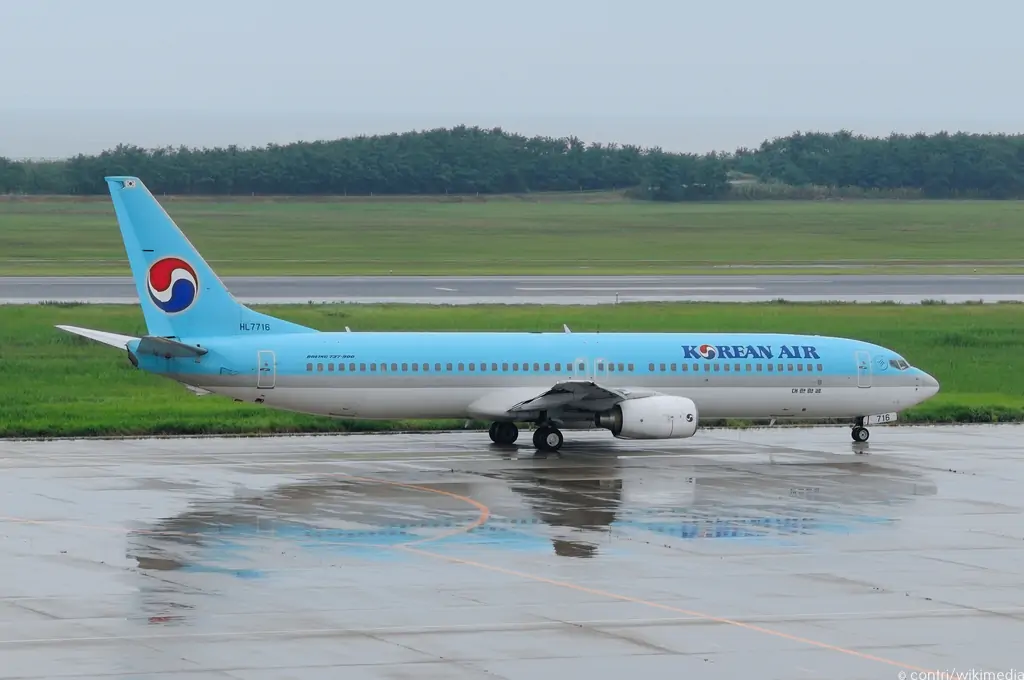
In the ever-evolving landscape of global aviation, the Asia-Pacific region has witnessed a gradual but uncertain recovery for its international airlines throughout 2023. Despite the removal of travel restrictions and the reintegration of China into global aviation, the road to pre-COVID traffic levels remains elusive, as evident from the November results.
November 2023: Progress and Puzzles
According to Association of Asia Pacific Airlines (AAPA)'s analysis, the international airlines of Asia-Pacific carried 25.1 million passengers in November 2023, marking a robust 77% growth from the same period in 2022. However, this figure falls short of the 30 million passengers carried in 2019, indicating that a complete recovery to pre-pandemic levels is still distant. The cumulative data for January to November reveals that the airlines transported 250 million passengers, significantly surpassing the 90 million in 2022 but remaining below the 328 million in 2019.
September saw international traffic reach 81% of 2019 levels, a figure that marginally increased to 83% in October and held steady in November. While this signals progress, it is essential to note that five million fewer international passengers traveled on Asia-Pacific airlines in November 2023 compared to 2019. The passenger load factors, at 79.6%, also lagged slightly behind the 80.6% recorded in 2019.
AAPA Director General's Insight
AAPA Director General Subhas Menon, a consistent voice in forecasting the industry's trajectory, maintains that a full recovery is not anticipated until 2024. The trends observed in 2023, he suggests, point towards a later recovery in the year. Menon highlights the significant growth between January and November 2023, attributing it to pent-up demand in the post-pandemic recovery period. Despite global economic slowdowns and geopolitical tensions, Menon remains optimistic about the positive outlook for air travel demand, emphasizing a return to pre-pandemic levels in 2024.
Cargo Growth Amid Passenger Challenges
While passenger numbers continue to grapple with the effects of the pandemic, the cargo sector presents a contrasting picture. November witnessed a notable growth in cargo volumes, propelled by increased demand for consumer goods ahead of the year-end festivities. International air cargo demand, measured in freight tonne kilometers (FTK), surged by 8.4% compared to November 2022. However, the international freight load factor eased slightly to 62%, reflecting an 11% expansion in offered freight capacity.
Looking Ahead: December and Beyond
As the year draws to a close, December's passenger numbers are anticipated to provide insights into the industry's trajectory. Hopes are high for a substantial jump on the road to recovery, but the journey for Asia-Pacific airlines appears to be an ongoing challenge. Intensifying competition, coupled with vigilance over costs amidst oil price fluctuations and exchange rate volatility, underscores the complexities that airlines in the region continue to navigate.
Conclusion
The tale of Asia-Pacific airlines in 2023 is one of resilience and adaptation. While the passenger sector grapples with the remnants of the pandemic, the cargo sector offers a glimmer of hope. AAPA's data paints a detailed picture of the industry's progress and challenges, with the outlook for a full recovery in 2024 remaining cautiously optimistic. As the world watches and waits, the skies above the Asia-Pacific region continue to be a dynamic arena where airlines strive to soar above the challenges and reach new heights.

Read next

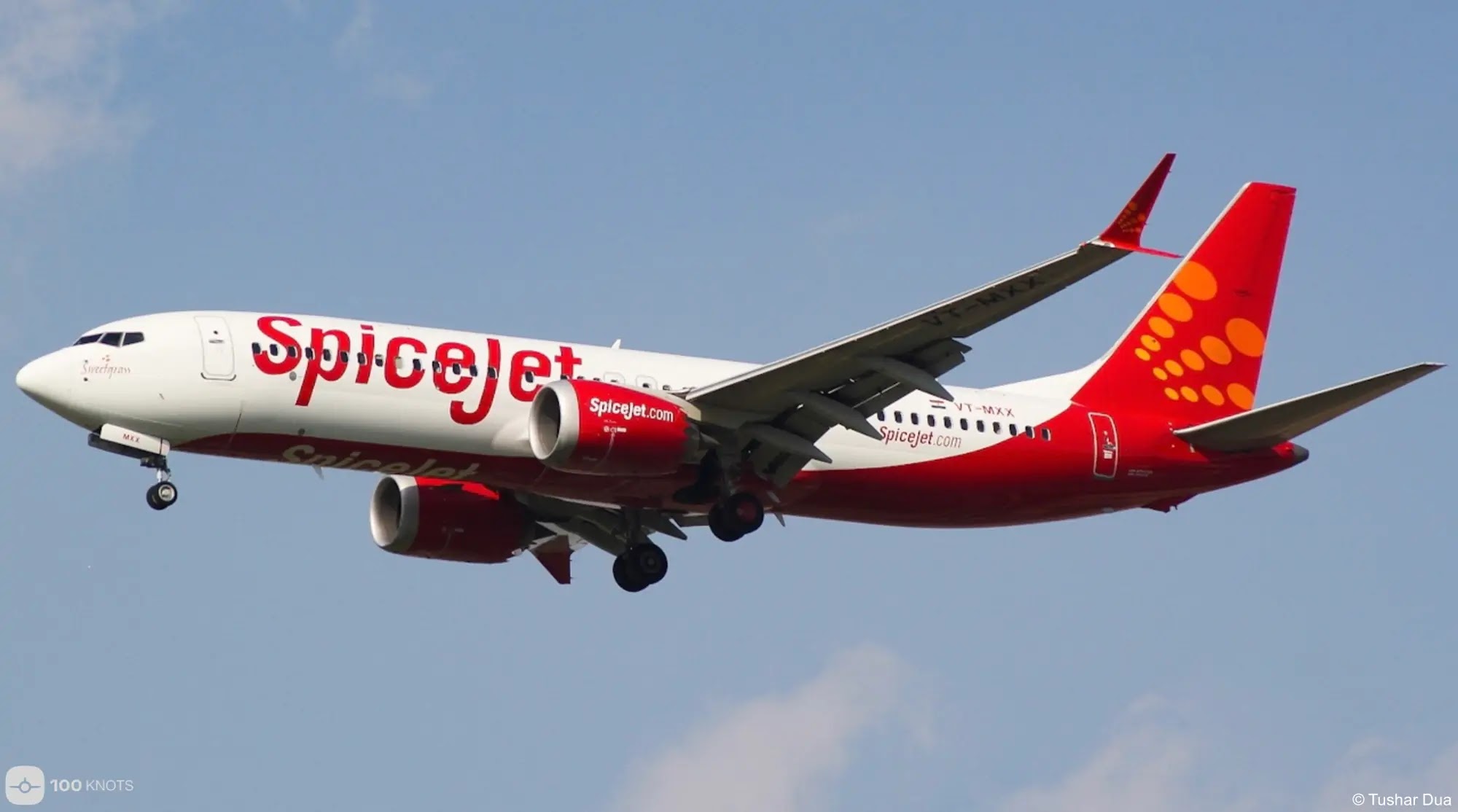
SpiceJet to fly to Lakshadweep, Ayodhya soon.
SpiceJet has exclusive rights to fly to Lakshadweep and will be launching flights to Agatti Island soon, the airline's chairman Ajay Singh, told its Annual General Meeting on Wednesday.
The budget airline will also start flights to Ayodhya and the funds it is hopeful of getting soon will be used to bolster the airline's network.
Laskhadeep has been in the limelight this month after PM Narendra Modi's visit and remarks by some Maldives government official about the same.
The current Maldives government is said to pro-China and Modi's visit was seen by some to push Indians to travel to Lakshadweep and bypass Maldives.
Cash-strapped SpiceJet got a lifeline in the form of investment from a clutch of funds and high net-worth individuals last month. The Rs 2,254-crore investment is expected to be pumped in over the next few months by 64 investors including funds like Elara India Opportunities Fund, Aries Opportunities Fund and Prabhudas Lilladher, Nexus Global and Mumbai-based businessman Harihara Mahapatra and Arjun Juneja of Mankind Pharma.
Singh's 56.5 % stake in SpiceJet will be reduced and could fall to around 45%.
Read next
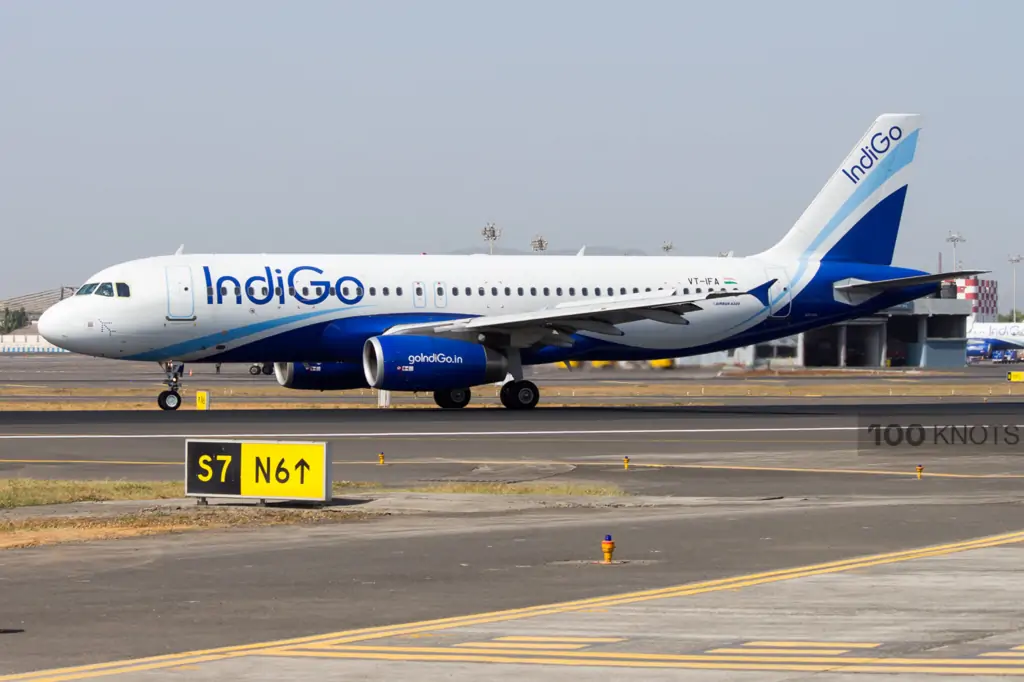
IndiGo's special flight to Gondia cleared.
Aviation regulator DGCA has cleared IndiGo's special visual flight range or VFR operations to Gondia airport.
"As a step forward towards addressing the issue of flight delays, diversions and cancellations due to low visibility at small airports, the Directorate General of Civil Aviation (DGCA) has approved the commencement of special VFR operations to/from Gondia airport in Maharastra, India. IndiGo has received this approval for its ATR 72-600 type of aircraft. This is only the second instance when any scheduled airline operator has been granted approval for commencement of special VFR operations to/from any VFR airport," the regulator said in a Wednesday statement.
The flight operations at VFR airports are limited by visibility constraints and minimum visibility criteria of 5,000 metres is required to be fulfilled for any flight to take-off from or land at that airport. Special VFR operations refers to operating in weather conditions where the visibility is less than the minimum visibility criteria for VFR operations i.e. 5,000 metres. The ATR 72-600 type of aircraft will now be able to take-off from and land at Gondia airport in reduced visibility up to 3,200 meters, thus enhancing availability of Gondia airport for flight operations.
The standard operating procedure (SOP) of IndiGo for conduct of special VFR operations at Gondia airport has been approved after comprehensive evaluation of safety risk assessment and mitigation process. The feedback mechanism has also been incorporated in regulator’s approval process and the submission of feedback by the airline operator for first 30 flights operating under special VFR procedures has been mandated for analysis and review, it added.
For the first time, such approval was granted to IndiGo for commencement of special VFR operations to/from Deoghar airport in Jharkhand, India last year on 15th of November 2023.
DGCA it feels such approval for scheduled airline operator to operate flight in reduced visibility at VFR airports and airports covered under UDAN / RCS Scheme would not only enhance the availability and accessibility of these airports but may also address the issue of flight delays, diversions and cancellations due to low visibility significantly. This will also pave the way for enhancing connectivity for other such smaller airfields thereby, promoting UDAN / RCS Scheme of Government of India.
Read next
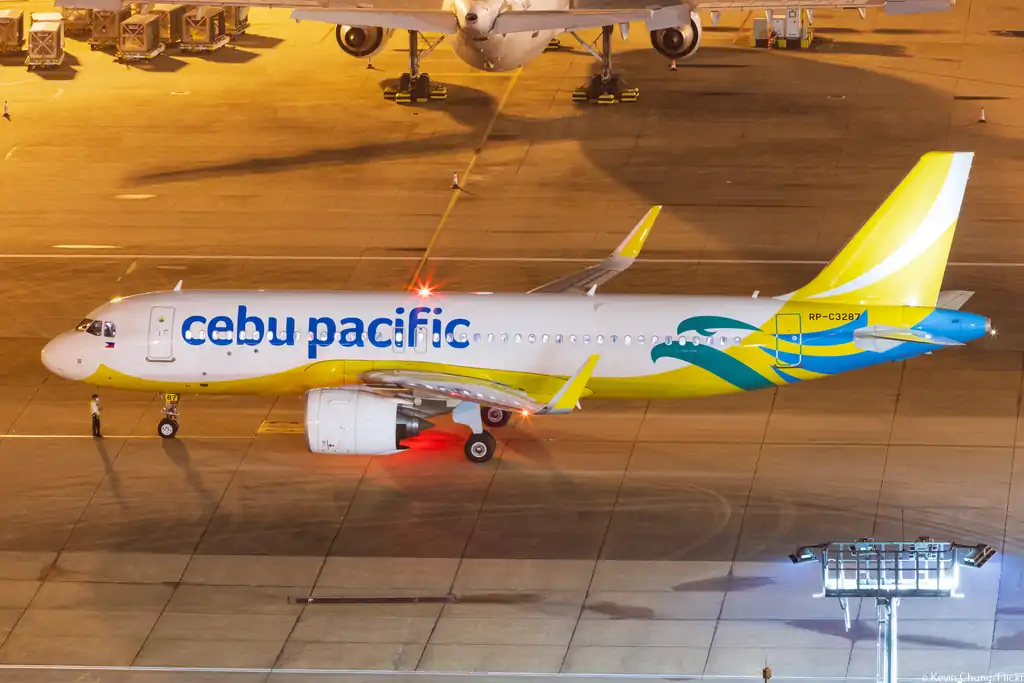
Cebu Pacific Air, one of the Philippines' prominent low-cost carriers, has confirmed ongoing discussions with aircraft manufacturers Airbus and Boeing regarding a substantial aircraft order. The announcement came through a filing with the Philippines Stock Exchange (PSE) on January 8, 2024. This move aims to address speculations circulating in local media about an impending large-scale aircraft acquisition.
Confirmation of Negotiations
In the filing, Cebu Pacific's parent company, Cebu Air, Inc., asserted the authenticity of the news regarding discussions and considerations for the aircraft order. Chief Commercial Officer Alexander Lao had earlier informed The Philippine Star that the carrier was in the final stages of the order process, anticipating its placement in the first half of 2024. Notably, this prospective order is projected to be the most significant aircraft acquisition in the history of the Philippines' aviation sector.
Scope of the Order
In October of the preceding year, reports suggested that Cebu Pacific was contemplating an order ranging between 100 and 150 aircraft. CEO Mike Szucs had emphasized that the carrier intended to issue a request for proposal (RFP) and would ultimately select a single manufacturer for the order. The decision to issue an RFP was characterized as the initial step in a meticulous evaluation process, involving technical and economic assessments of Boeing's and Airbus's narrowbody aircraft.
Financial Considerations and Supply Chain Challenges
To fund the aircraft acquisition, Cebu Pacific plans to utilize its cash reserves for the initial down payments. Subsequently, the carrier is expected to secure financing from both local and foreign financial institutions to cover the remaining balance. Despite being an exclusive Airbus operator presently, Szucs has previously expressed openness to placing an order with Boeing if it proves superior operationally and financially.
The airline is presently grappling with challenges in its existing fleet. According to data from ch-aviation fleets, 12 of Cebu Pacific's aircraft are currently out of service due to various reasons. Supply chain issues have also led to maintenance delays, with Szucs highlighting the impact of the engine recall notice issued by Pratt & Whitney, necessitating the grounding of several A320neo aircraft in the airline's fleet.
Mitigating Challenges: Damp-Lease Agreement and Network Adjustments
To address the maintenance and operational challenges, Cebu Pacific has adopted strategic measures. The airline recently entered into a damp-lease agreement with Bulgaria Air, securing two A320-200s for deployment on domestic trunk routes. These aircraft were ferried to Manila in early January, contributing to the carrier's efforts to optimize its network amidst the ongoing challenges.
Conclusion
As negotiations with Airbus and Boeing progress, the Philippine aviation community eagerly awaits further developments in Cebu Pacific's ambitious plans for a substantial aircraft order, poised to reshape the dynamics of the country's airline industry.
With Inputs from ch-aviation
Read next

Maldivian, the state-owned airline of the Maldives, is set to expand its fleet with the addition of a new widebody aircraft. Following the recent decision by President Mohamed Muizz to enhance the airline's capabilities for operations to Europe and China, Maldivian has issued a Request for Proposals (RFP) for the dry lease of a single Boeing B787-8. This move comes on the heels of a similar RFP for an Airbus A330-200 earlier this month.
Key Requirements for B787-8 Lease
In its detailed RFP, Maldivian has outlined specific criteria for potential lessors interested in providing a B787-8 for a six-year dry lease. The eligible aircraft must be configured with a minimum of 270 seats, including 15-20 in Business Class. Additionally, the aircraft should have a Maximum Take Off Weight of 227 Tons and possess 180 minutes ETOPS certification. While specific age, hours, or cycle preferences were not explicitly mentioned, the airline will give preference to newer aircraft, awarding more points to such airframes.
Delivery Timeline and Base
Maldivian expects to take delivery of the B787-8 in the second quarter of 2024. However, the airline is open to considering delivery dates beyond this timeline. The chosen aircraft will be based out of Maldivian's hub in Malé, strategically positioning the airline for its planned European and Chinese operations.
Support Package and Spare Engine
To facilitate the seamless entry into service of the new aircraft, Maldivian has specified that the lessor must provide a training or additional support package. Additionally, the airline has expressed a preference for lessors that can include a spare engine at no extra cost. While Maldivian favors the General Electric GEnx engine type, it is also willing to accept the Rolls-Royce Trent 1000.
Submission Deadline, Process and Strategic Expansion Decision
Interested parties are required to submit their bids by 1430 local time (0930 UTC) on January 25, 2024. To participate in the RFP, respondents must also provide an expression of interest by mailing a completed EOI form.
The issuance of this RFP aligns with President Mohamed Muizz's strategic decision to equip Maldivian with two widebody aircraft for expanded operations. This move indicates the airline's commitment to strengthening its international presence and connectivity, particularly in key markets like Europe and China.
Conclusion
Maldivian's decision to seek a B787-8 through a competitive RFP process reflects the airline's proactive approach to fleet expansion and strategic positioning in the global aviation market. As the carrier aims to enhance its long-haul capabilities, the successful completion of this lease agreement will mark a significant milestone in Maldivian's journey toward becoming a key player in international air travel. Interested lessors now have until January 25, 2024, to submit their proposals and vie for the opportunity to partner with Maldivian in its ambitious growth plans.
With Inputs from ch-aviation
Read next
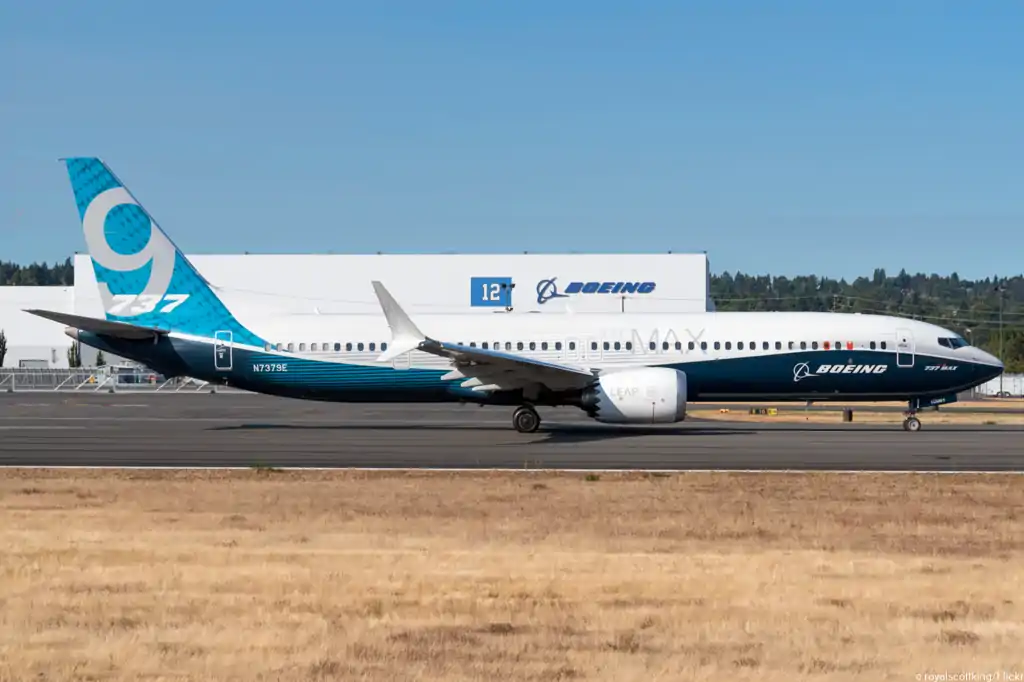
The Federal Aviation Administration (FAA) is under intense scrutiny regarding its oversight of aircraft manufacturer Boeing, particularly in the aftermath of the emergency landing of an Alaska Airlines 737 MAX 9 on Friday. The incident has triggered concerns about the safety of Boeing's 737 MAX series, bringing the FAA's oversight practices into question.
FAA Administrator Testifies Amidst Growing Concerns
Mike Whitaker, who assumed the role of FAA head in late October, is scheduled to testify before the U.S. House Transportation and Infrastructure Committee on February 6. The hearing, initially planned before the Alaska Airlines incident, is expected to cover a broad spectrum of aviation safety issues. The 737 MAX is likely to be a focal point of the discussion, reflecting the escalating concerns surrounding the aircraft.
FAA's Recent Challenges and Criticisms
The FAA, which operated without a permanent administrator for 18 months before Whitaker's confirmation, has faced criticism for a series of near-miss aviation safety incidents, persistent air traffic control staffing shortages, and a pilot messaging database outage in January 2023 that affected 11,000 flights. These challenges have raised questions about the agency's effectiveness in ensuring the safety of the nation's airspace.
Senator Blumenthal Calls for Transparency
Democratic Senator Richard Blumenthal has called on the FAA to provide detailed answers regarding its handling of the Alaska Airlines incident. Emphasizing the need for a thorough investigation, Blumenthal expressed concerns about the broader pattern of safety issues surrounding Boeing's 737 MAX fleet. He urged the FAA to go beyond the grounding order and ensure comprehensive measures to enhance aviation safety.
737 MAX 9 Grounding and Congressional Interest

In response to the Alaska Airlines incident, the FAA grounded 171 MAX 9 airplanes, indicating they would remain grounded until the agency is satisfied with Boeing's inspection and maintenance instructions. Republican Senator J.D. Vance has urged the Senate Commerce Committee to hold a hearing, emphasizing the importance of a comprehensive explanation from both Boeing and the FAA to prevent future incidents.
FAA Scrutiny of Boeing's Quality
The FAA has been actively scrutinizing Boeing's quality control and other issues in recent years, especially in the aftermath of the two fatal crashes in 2018 and 2019. Following the crashes, the FAA grounded the 737 MAX for 20 months, mandating significant software and training improvements. The agency continues to inspect each 737 MAX individually before issuing airworthiness certificates, highlighting its commitment to rigorous safety standards.
Ongoing Concerns and NTSB Criticism
Alaska Airlines and United Airlines, the two U.S. operators of the 737 MAX 9, reported finding loose parts on multiple grounded aircraft, adding to the growing concerns about the aircraft's safety. National Transportation Safety Board Chair Jennifer Homendy criticized the FAA's decision not to require retrofitting airplanes with recorders capable of capturing 25 hours of data, citing the loss of critical information in the Alaska Airlines emergency landing.
Conclusion
As the FAA faces questioning over its oversight of Boeing and the safety of the 737 MAX series, it is clear that aviation safety remains a top priority. The upcoming congressional hearing and ongoing investigations underscore the need for transparency, accountability, and continuous improvement in ensuring the safety of air travel. The FAA's actions and responses in the aftermath of the Alaska Airlines incident will undoubtedly shape the future of its oversight practices and the public's confidence in the aviation industry.
With Inputs from Reuters
Comment