
Avelo Airlines Emerges as a Pinnacle of Reliability in the US Aviation Landscape

Abhishek Nayar
13 Jan 2024
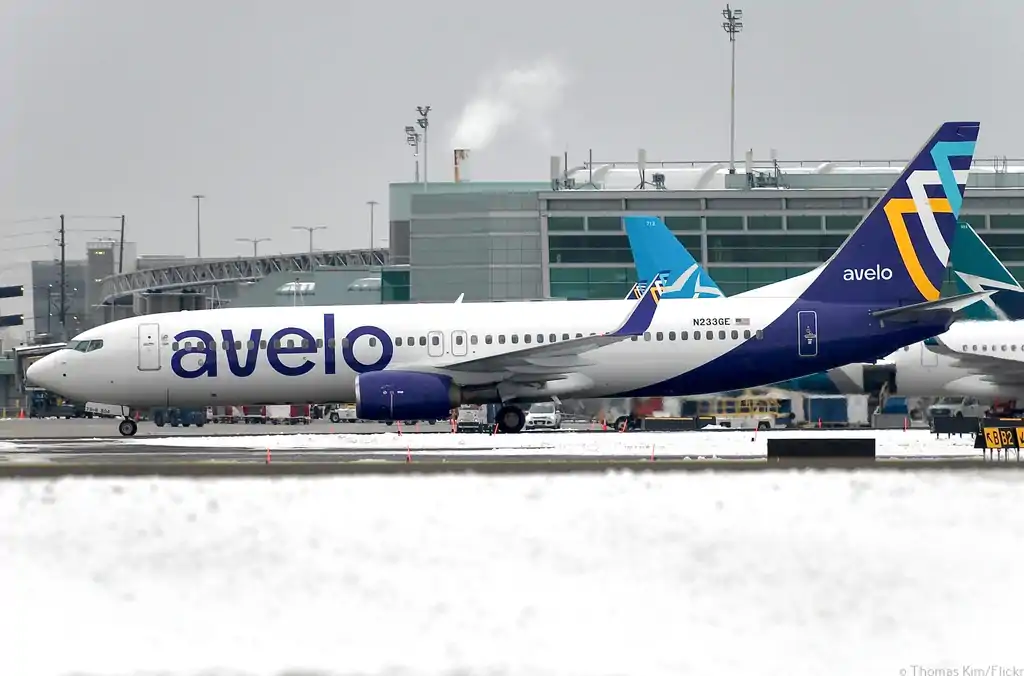
As the aviation industry continues to evolve, Avelo Airlines stands out as a beacon of reliability, marking its presence as one of the United States' most trusted carriers in 2023. With impressive statistics on low cancellation rates and substantial growth in passenger numbers, Avelo has not only secured its position in the market but has also redefined the flying experience for millions of travelers.
Unprecedented Reliability Metrics
Avelo Airlines, according to Anuvu, a prominent market research firm in the aviation and marine industry, achieved an unprecedented feat by reporting the lowest flight cancellation rate in the history of US carriers. In 2023, the airline proudly showcased a cancellation rate of just 0.18%, significantly below the industry average of 1.3%. This accomplishment reflects Avelo's commitment to operational excellence and sets a new standard for reliability in the aviation sector.
On-Time Performance and Passenger Satisfaction
The accolades don't stop there. Avelo secured the second position in on-time performance, trailing only behind Delta Air Lines. The airline managed to arrive at its destinations within 15 minutes of the expected arrival time, demonstrating a remarkable 77.7% on-time arrival rate. This is a substantial improvement compared to 2022 when Avelo held the fourth position in this category.
Unprecedented Growth and Expanded Reach
Since its launch in April 2021, Avelo has experienced remarkable growth, carrying nearly four million Americans. In 2023 alone, the airline transported over 2.3 million customers, signifying an impressive 85% increase compared to the previous year. The carrier now serves 44 destinations across 23 states and Puerto Rico, with ten new destinations added in 2023.

Avelo's commitment to unlocking a new era of convenience for travelers is evident in its expansion strategy. The airline operates nonstop flights, a feature highly appreciated by passengers, especially at smaller regional airports. Additionally, Avelo's easy-to-navigate itinerary changes and cancellations, free from hidden fees, make it a preferred choice for many travelers.
Enhanced Passenger Experience
Avelo focuses on providing an elevated economy experience with at least one-third of its seats offering extra legroom (32 to 36 inches). This enhanced experience includes benefits such as advance seat assignment, priority boarding, checked bags, and even the option to bring a pet into the cabin. These value-added features contribute to making the journey more enjoyable for Avelo's passengers.
Fleet Expansion and Employee Growth
Avelo currently operates 16 Boeing aircraft, a mix of the 737-800 and 737-700 models. Looking ahead, the airline aims to add five more 737s in the coming year. The growth is not limited to the fleet; Avelo has expanded its bases to include Philadelphia (PHL), Wilmington, DE (ILG), Raleigh Durham (RDU), and Las Vegas (LAS) in 2023, complementing existing bases at Los Angeles Burbank (BUR), New Haven (HVN), and Orlando, FL (MCO).
With over 1,000 staff at the beginning of 2024, including 175 pilots and 225 flight attendants, Avelo continues to invest in its team to ensure the highest standards of safety and service.
Conclusion
Avelo Airlines' remarkable achievements in 2023 position it as a reliable and customer-centric carrier, setting a new industry benchmark for cancellation rates and on-time performance. As the airline continues to grow its network, enhance passenger experience, and invest in its fleet and personnel, Avelo is poised to play a pivotal role in shaping the future of air travel in the United States.
Read next
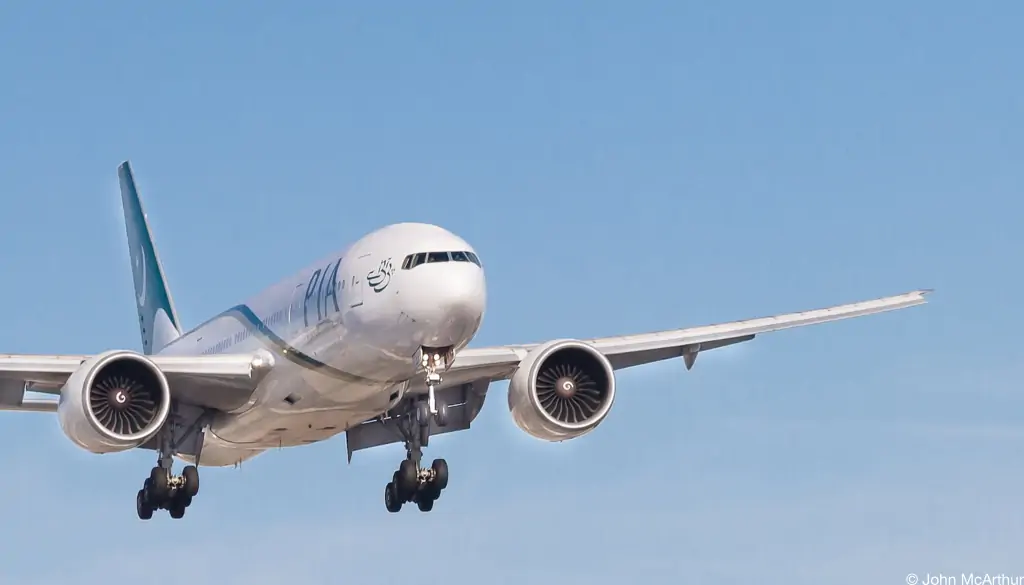
In a significant move aimed at revamping its aviation sector, the Privatization Commission (PC) of Pakistan has given the green light to the sale of a 51% stake in Pakistan International Airlines (PIA). The decision, made during the January 10, 2024 PC board meeting, is part of a broader strategy to attract foreign investment and restructure the national carrier. The meeting, chaired by Privatization Minister Fawad Hasan Fawad, also endorsed the division of PIA's debts and assets into separate corporate entities, with recommendations provided by a consortium led by Ernst & Young.
Financial Advisory Consortium's Recommendations
The approval for the majority stake sale comes on the heels of recommendations put forth by a financial advisory consortium, led by Ernst & Young. The consortium's proposals include not only the sale of a controlling interest in PIA but also the elimination of three-quarters of the airline's substantial PKR825 billion rupees (USD2.9 billion) in liabilities. This ambitious move aims to make PIA more appealing to potential investors and streamline its financial standing.
Foreign Investment Opportunities
Despite regulations in the Civil Aviation Authority Act that prevent a foreign entity from taking majority control of a local airline, the Pakistani government is exploring avenues for foreign investment in PIA. The Act allows a foreign buyer to partner with a local entity, providing a workaround to the ownership restrictions. Recent discussions with the Qatari government indicate a potential interest in acquiring the majority stake in PIA, signaling an openness to foreign collaboration.
Debt Restructuring Challenges & Impact on PIA's Future
The proposal to segregate PIA's debts and assets faces challenges, particularly concerning the approximately PKR280 billion (USD995 million) owed to domestic financial institutions. This portion of the debt includes obligations to government entities, banks, lessors, fuel companies, and other creditors. The terms of these loans and the ongoing interest rates remain contentious points, raising questions about how these financial commitments will be treated in the restructuring process.
The approval of the stake sale and debt restructuring plan marks a critical juncture for PIA, with the potential to redefine its future trajectory. Privatization is seen as a means to inject fresh capital, enhance operational efficiency, and bring in managerial expertise. However, the success of this strategy hinges on navigating the complexities of debt restructuring and attracting a suitable investor to take the reins of the national carrier.
Conclusion
As Pakistan moves forward with the privatization of PIA, the aviation industry watches closely to see how the sale of a majority stake and the restructuring of debts will shape the future of the national airline. The involvement of a foreign investor, potentially from Qatar, adds an international dimension to the transformation. The outcome will not only impact the aviation landscape in Pakistan but also serve as a case study for other countries seeking to restructure state-owned enterprises in a globalized economic environment.
With Inputs from ch-aviation
Read next
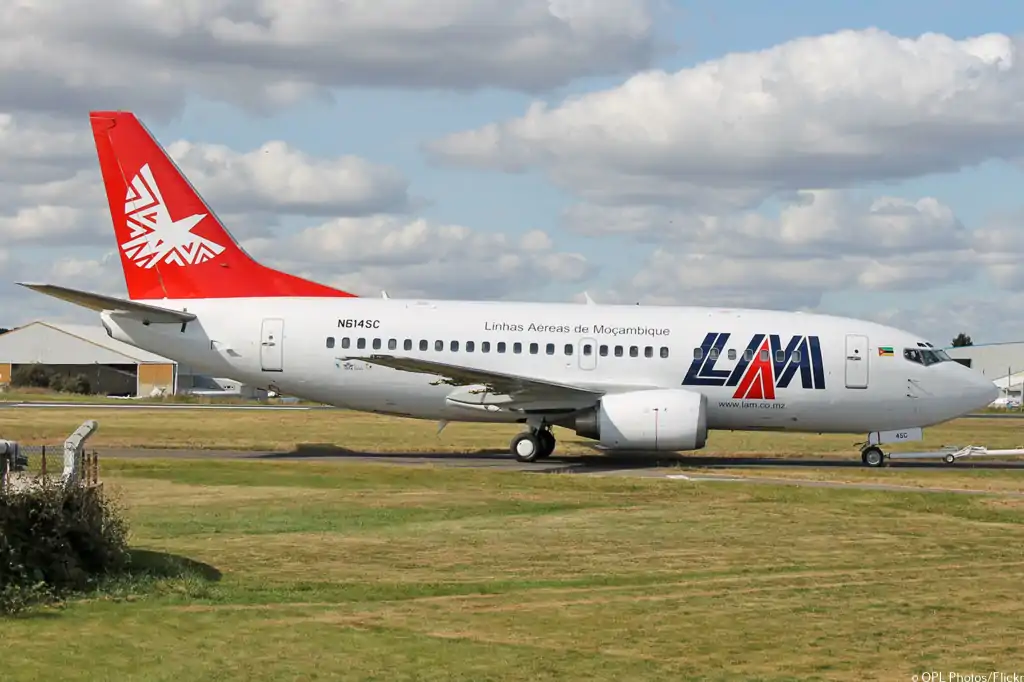
The aviation industry is currently witnessing a tense standoff between Boeing and Linhas Aéreas de Mocambique (LAM), the state-owned national carrier of Mozambique. Boeing claims LAM owes $4.5 million for alleged missed payments on a parts supply contract, while LAM asserts its debt is only $729,000 for late contract rents.
Background & LAM's Perspective
The roots of the dispute can be traced back to a contract signed in 2014, where Boeing was supposed to supply parts to LAM. However, disagreements have arisen regarding the timely return of over 30 items or parts, leading Boeing to issue an invoice on December 20, 2023, demanding reimbursement of $3,487,851.
LAM contends that delays were not their fault but were caused by forwarding agents and customs provisions. Sources from the Mozambican carrier argue that amendments to customs procedures have been made to streamline the process, deflecting blame from LAM. The carrier has even offered to settle the debt through phased payments, a proposal rejected by Boeing.
Government Intervention & Financial Implications
The conflict has escalated to involve the General Inspectorate of Mozambique’s Ministry of Transport and Communications. Documents from January reveal conflicting statements, with Boeing claiming all items were returned, while LAM maintains the responsibility lies with forwarding agents and customs issues.
The stakes are high for LAM, as Boeing refuses to release $23.5 million in credit from a separate 2013 contract until the parts supply invoice is settled. This credit was intended to assist LAM in acquiring new jets and expanding its operations. The financial constraints faced by LAM have also resulted in delayed deliveries of three B737-7s, scheduled for 2015, 2016, and 2017, with additional purchase rights for three B737NGs.
Revival Attempts and Debt Reduction
In an effort to revitalize the struggling national carrier, the Mozambican government enlisted Fly Modern Ark to manage LAM. Recent data from October indicates a positive trend, with LAM's debt decreasing from approximately MZN25.28 billion meticais (USD400 million) to MZN18.33 billion (USD290 million).
Conclusion
The Boeing-LAM dispute underscores the complexities of international business contracts in the aviation sector. As both parties stand firm on their positions, the resolution remains uncertain. The outcome of this conflict will not only impact the financial stability of LAM but also has broader implications for the Mozambican aviation industry. As stakeholders await a resolution, the aviation community will be closely watching the developments in this high-stakes confrontation.
With Inputs from ch-aviation
Read next
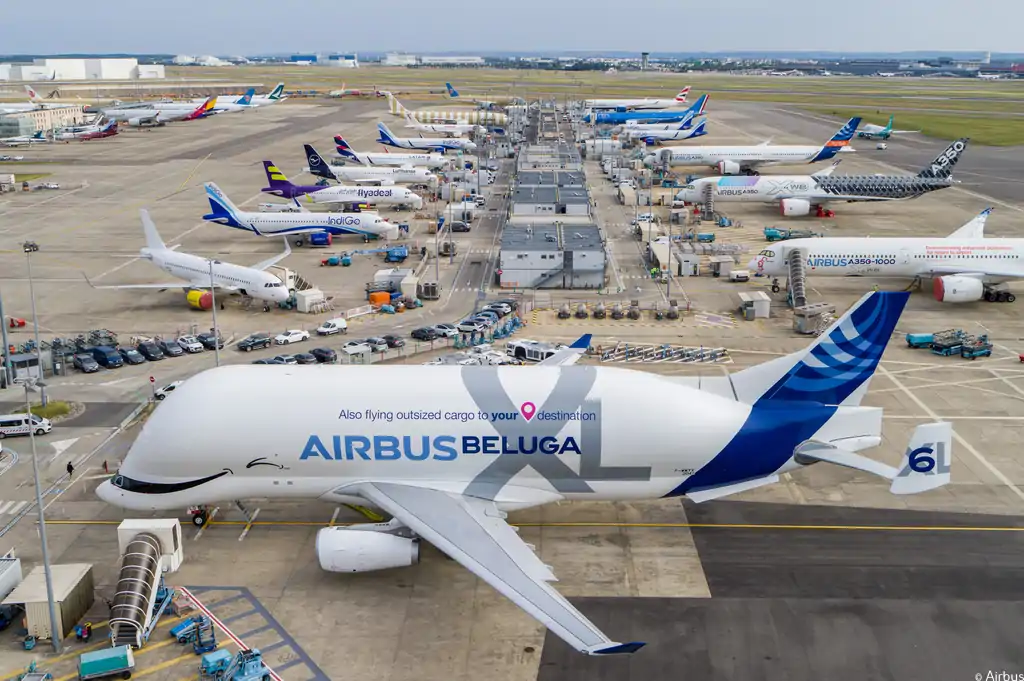
Airbus, the European aerospace giant, has reported a stellar performance in 2023, securing record annual jet orders and confirming an 11% increase in deliveries, thus maintaining its position as the leading aircraft manufacturer for the fifth consecutive year. This success comes as airlines rush to update their fleets, capitalizing on increased travel demand.
Order Details & CEO's Perspective
According to Airbus, the company has secured a remarkable 2,319 gross orders and 2,094 net orders after cancellations. This substantial order volume demonstrates the continued trust of airlines in Airbus products. The company delivered a total of 735 airplanes in 2023, contributing to a robust order backlog that now stands at 8,598 aircraft.
Airbus CEO Guillaume Faury expressed satisfaction with the company's performance, highlighting the challenges faced at the beginning of the year due to tight supply chains. Faury mentioned the achievement of "increased flexibility and capability" in the industrial system, showcasing Airbus's ability to adapt and overcome obstacles. He expressed confidence in meeting the target of assembling 75 A320neo family jets per month by 2026.
Outlook, Challenges, 2024 Targets & Supply Chain Dynamics
While acknowledging the surge in orders beyond pre-pandemic levels, Faury tempered expectations regarding the possibility of reaching the record delivery levels seen in 2019. The CEO attributed this cautious approach to the ongoing challenges in the supply chain, noting improvements but emphasizing the need for continued vigilance.
Airbus plans to announce its 2024 targets in February, reflecting the company's strategic outlook and expectations for the coming year. Faury highlighted the ongoing tension in the supply chain, emphasizing that improvement is evident but cautioning that challenges persist as Airbus ramps up production in 2024.

Industry Recovery, Commitment & Boeing's Standing
Christian Scherer, CEO of Airbus's core commercial aircraft business, remarked on the unexpectedly swift recovery of the aviation industry from the COVID-19 pandemic, particularly in the large widebody segment. He emphasized the responsibility of living up to the commitment to deliver the existing backlog of 8,600 aircraft on time and with high quality.
In comparison, Boeing, Airbus's major rival, is still recovering from setbacks such as the safety grounding of its 737 MAX and subsequent production issues. Boeing reported 528 aircraft deliveries in 2023 and booked 1,314 net new orders after accounting for cancellations. Airbus's strong performance further solidifies its position as the top player in the global aerospace market.
Future Prospects and A321XLR
Scherer noted that Airbus is sold out for single-aisle jets until the end of the decade and for widebodies until 2028. He reaffirmed that the highly anticipated A321XLR, Airbus's latest and longest-range single-aisle jet, is scheduled for its first delivery in the second quarter of the coming year, further adding to the company's positive outlook.
Conclusion
Airbus's record annual jet orders and sustained manufacturing lead against Boeing underscore its resilience and adaptability in a challenging market. As the aerospace industry continues its recovery, Airbus's strategic vision, commitment to quality, and ability to navigate supply chain complexities position the company for continued success in the years ahead.
With Inputs from Reuters
Read next
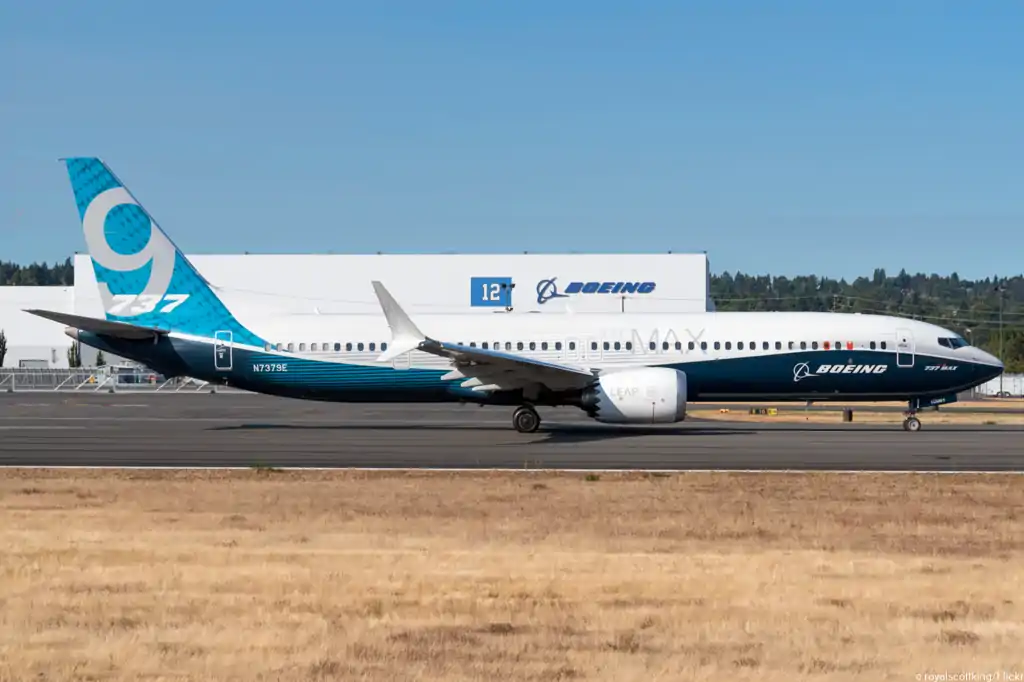
In recent events, a cabin blowout at 16,000 feet has triggered the grounding of more than 170 Boeing 737 MAX jets, leading to widespread frustration among airlines. This incident has exposed Boeing's struggle to address a series of safety and supply crises, leaving industry officials and experts concerned about the company's ability to contain these issues.
Airlines Bear the Brunt & CEO Acknowledges Mistakes
Alaska Airlines and United Airlines, collectively holding 70% of the MAX 9 fleet, have been forced to cancel hundreds of flights. With provisional checks revealing loose bolts in some grounded planes, the return to service faces potential delays, impacting the earnings of both carriers. Analysts have already adjusted first-quarter profit estimates for Alaska and United, underscoring the financial toll of Boeing's ongoing challenges.
Boeing CEO Dave Calhoun, in a Tuesday address to staff, admitted mistakes and expressed being "shaken to the bone." He emphasized the need for Boeing to earn back the confidence of customers and stakeholders. Calhoun's acknowledgment reflects a recognition of the severity of the situation, but the true test lies in the actions Boeing takes to rectify the issues.
Industry-Wide Frustration & Calls for Action
Frustration with Boeing had been mounting prior to the recent safety incident. Delays in aircraft deliveries due to production problems have plagued Boeing, making it challenging for airlines to meet growing demand. While Airbus faced its own challenges in 2022, the aviation industry's overall supply chain struggles persist due to parts and labor shortages.
American Airlines' pilots’ union spokesman, Dennis Tajer, expressed concerns over a "deeper systemic problem at Boeing." Some airlines, including American, have publicly voiced their discontent, with American Airlines CEO Robert Isom urging Boeing's senior management to "get their act together." The dissatisfaction has led to contemplation of direct approaches to Boeing's board or even industry-wide initiatives, although no concrete steps have been taken.
Impact on Airlines and Market Dynamics
United Airlines, compelled to ground 79 jets, faces frustration with a supplier linked to its corporate roots. The incident may prompt increased pressure for Boeing to offer discounts to secure new sales. However, the tight market for new planes, coupled with long lead times, suggests that prices may rebound after a temporary dip.
Southwest Airlines' Dilemma

Even Boeing's loyal customer, Southwest Airlines, experienced setbacks last year, trimming growth plans due to delivery delays. The recent incident may further affect the certification of the smaller MAX 7, potentially forcing Southwest to adjust its plans again. This underscores the ripple effects of Boeing's challenges across the aviation industry.
Conclusion
Boeing finds itself in a precarious position as it grapples with safety concerns and supply chain issues. The impact on airlines, ranging from cancellations and financial losses to potential shifts in growth plans, highlights the urgency for Boeing to address these challenges promptly. The aviation industry is watching closely as Boeing works to regain trust and stability in the wake of these setbacks.
With Inputs from Reuters
Read next
SpiceJet Faces Insolvency Challenge as Alterna Capital Partners Joins Lessor Queue
Abhishek Nayar
12 Jan 2024
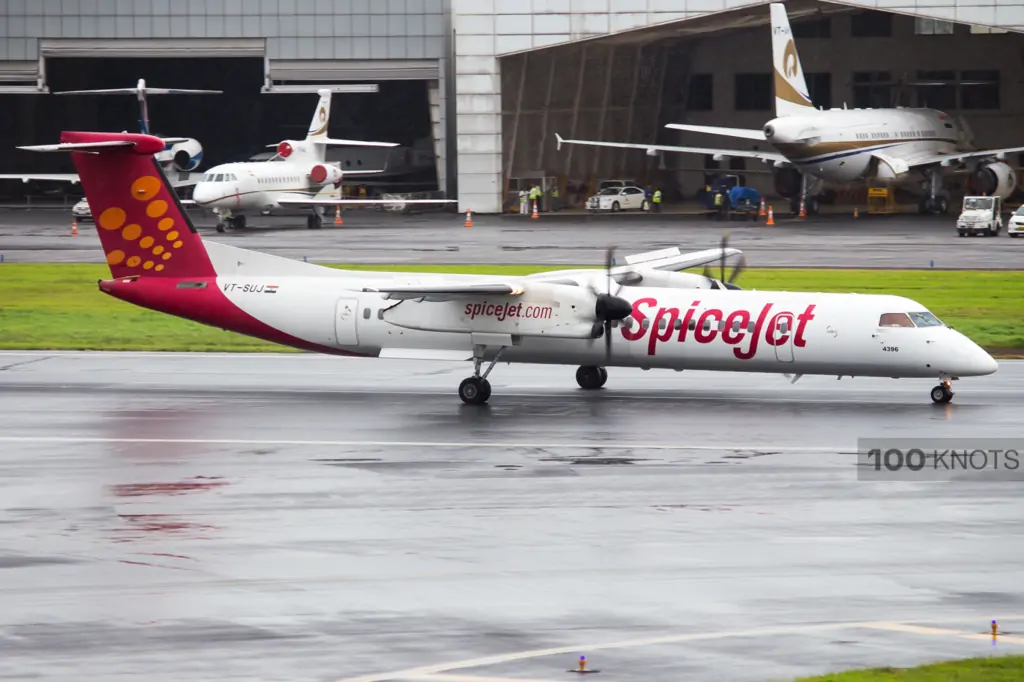
In a new twist to the ongoing financial challenges faced by SpiceJet, Alterna Capital Partners has entered the fray seeking the insolvency of the Indian airline. Alterna, through a special purpose vehicle (SPV), is attempting to enforce a UK High Court judgement, adding to the growing list of lessors pursuing insolvency petitions against SpiceJet.
Alterna's Claim and Background
The matter at hand, titled Alterna Aircraft V B Limited v. SpiceJet Limited, was filed on December 23 and was brought before the Delhi bench of the National Company Law Tribunal (NCLT) on January 4. The lessor is seeking to recover a substantial sum of USD 11.1 million and GBP 265,000 (USD 337,850) awarded by the UK High Court on March 2, 2023. The dispute centers around two Boeing 737-800 aircraft, one of which is currently stored at Hyderabad International.
Legal Proceedings and Arguments
Kevic Setalvad, representing Alterna in Delhi, informed the NCLT that SpiceJet had neither appealed the UK court's order nor made the required payments. Setalvad argued that, as per India's Insolvency and Bankruptcy Code (IBC), the judge's order had "attained finality," categorizing the award as a financial debt. Consequently, Alterna sought the declaration of SpiceJet's insolvency to facilitate the recovery of the outstanding amount.
In response, SpiceJet's counsel, Krishnendu Datta, contended that Alterna's petition was not maintainable under the IBC and should be dismissed. Datta emphasized that the IBC is not a vehicle for the direct recovery of funds.
Lessor Landscape at NCLT
Alterna Capital Partners joins other lessors, including Aircastle, Celestial Aviation Services, and Wilmington Trust SP Services, in seeking insolvency petitions against SpiceJet. Aircastle, currently with three separate petitions, and Wilmington Trust with two, are part of the legal challenge landscape surrounding the Indian carrier. SpiceJet has previously settled some claims and successfully defended against others, showcasing the complexity of its financial situation.
High Court Lawsuits and Overall Impact
In addition to the NCLT proceedings, lessors have initiated four lawsuits against SpiceJet in Delhi's High Court, aiming to enforce orders or recover assets. Approximately half of SpiceJet's fleet, consisting of 65 aircraft, is leased from a total of 13 lessors, underscoring the significance of the legal challenges faced by the airline.
Upcoming Hearing and Conclusion
Alterna Aircraft V B Limited v. SpiceJet Limited is scheduled for a hearing on February 8, where the NCLT will weigh the arguments presented by both parties. The outcome of this case may have broader implications for SpiceJet's financial stability and the resolution of similar disputes with other lessors.
As SpiceJet navigates this intricate legal landscape, the aviation industry will closely watch the developments, anticipating the potential ripple effects on the leasing sector and the broader implications for airline insolvency proceedings in India.
With Inputs from ch-aviation
Comment