

On Tuesday, a U.S. bankruptcy court gave Brazilian carrier Gol Linhas Aéreas Inteligentes the green light on its Chapter 11 restructuring plan, officially clearing the runway for the airline to emerge from bankruptcy protection on June 6, 2025. This milestone marks the culmination of a process that began in early 2024, when heavy indebtedness, pandemic-induced traffic declines and Boeing delivery delays grounded one of Brazil’s largest airlines.
Debt Detox: Shaving Off Nearly $2.5 Billion
At the heart of Gol’s turnaround lies a hefty debt-reduction strategy. By converting or extinguishing up to $1.6 billion of pre-Chapter 11 funded debt and up to $850 million of other obligations, Gol expects to wipe out roughly $2.45 billion from its balance sheet—setting the stage for a leaner, more buoyant capital structure.
Fueling the Future: Fleet Upgrades and Exit Financing
While pruning liabilities, Gol hasn’t let its fleet go stale. In 2024 alone, the airline overhauled more than 50 engines, and it’s on track to add five Boeing 737 MAX jets by year-end to boost capacity and efficiency. To bankroll its post-bankruptcy growth, Gol pulled in another $125 million of exit financing from senior secured noteholders in early May—bringing total exit funding to at least $1.375 billion and reinforcing creditor confidence as June approaches.
Share Surge and Shareholders
News of the plan’s approval sent Gol’s shares rocketing—climbing more than 12% in São Paulo trading on Tuesday, comfortably outperforming the broader Bovespa index’s modest gains. Abra Group, which also backs Avianca, will emerge from restructuring as Gol’s largest indirect stakeholder, holding firm to its strategic position—and setting the scene for fresh capital raises at a planned general meeting later this month.
Eyes on Azul: Merger Hopes on Hold
As Gol charts its path out of Chapter 11, rival Azul Linhas Aéreas finds itself navigating choppier skies. Ongoing financial hurdles at Azul may delay—or even derail—the non-binding merger memorandum the two carriers signed earlier this year. That deal envisioned a combined entity with independent operations; for now, both airlines continue separate talks with investors to secure long-term sustainability.
What’s Next?
- General Meeting: Shareholders will vote on a planned capital increase at the end of May.
- June 6: Official exit from Chapter 11, unlocking full operational freedom.
- Post-Exit Growth: A leaner debt profile, fresh aircraft deliveries and renewed investor backing aim to restore Gol to competitive heights—and deliver passengers the seamless, reliable service they expect.
Stay tuned as Gol gears up for its grand return to the skies—this June 6, Brazil’s blue-and-white fleet looks set to take off with newfound momentum!
With Inputs from Reuters

Read next

When Airbus’s Asia-Pacific president Anand Stanley hinted at talks with Malaysian carriers over the A220, aviation circles took notice. Malaysia—home to some 150 Airbus jets already in service—is Airbus’s third-largest Asia-Pacific market after China and India, and the company believes there’s room for growth. “We see a lot of potential demand coming from Malaysia,” Stanley told Bernama, underscoring ongoing but as-yet-unconfirmed negotiations.
The A220 Appeal: Right-Sized for Regional Routes

What makes the A220 such an enticing prospect for Malaysian operators?
Fuel Efficiency & Costs
- Designed for 100–150 passengers, the A220 boasts up to 25% lower fuel burn per seat than older single-aisle jets, translating to lower operating costs on regional hops.
Passenger Comfort
- Wider seats and larger windows than direct competitors (like the Boeing 737 MAX), plus a quieter cabin, could be a game-changer for travelers on short to medium routes.
Range & Versatility
- With a range of up to 3,450 nautical miles (6,400 km), the A220 can tackle thin-route markets—from Kuala Lumpur to Yangon or even Perth—while still handling busy domestic trunk sectors.
Could these features give the A220 an edge over existing fleets? Malaysia’s carriers certainly have options—but the A220’s sweet spot capacity and economics make it a compelling case.
Malaysia’s Existing Airbus Fleet: A Strong Foundation
Malaysia Airlines and AirAsia, the nation’s flagship and leading low-cost carrier respectively, already lean heavily on Airbus products:
- AirAsia operates one of the world’s largest Airbus A320neo/A321neo narrow-body fleets, plus A330s for its medium-haul network.
- Malaysia Airlines’ long-haul backbone consists of A330s and the incoming A330-900neo, part of a 20-aircraft order aimed at service entry by 2028 (with two already flying and eight more due this year).
This familiarity with Airbus systems—from pilot training to maintenance infrastructure—could smooth a potential A220 introduction.
What’s Next? Timeline and Expectations
While Stanley stopped short of a firm delivery schedule, he noted that Airbus is “still only in conversations,” and declined to comment on timing. Industry analysts suggest:
Short-Term Discussions (2025–2026):
- Finalizing letters of intent with at least one major carrier—likely AirAsia or Malaysia Aviation Group.
Medium-Term Deliveries (2027–2028):
- First A220s could roll out of Airbus’s Mirabel (Canada) or Mobile (USA) lines and begin Malaysia-based operations, joining or complementing existing regional fleets.
Keep an eye on upcoming airshows (e.g., Singapore Airshow 2026) for any surprise announcements.
Beyond the A220: A Holistic Fleet Renewal
Malaysia Aviation Group (MAG), Malaysia Airlines’ parent, isn’t just eyeing the A220. Its broader fleet strategy includes:
20 A330-900neo Wide-Bodies:

- Avolon-leased and manufacturer-direct jets set to arrive by 2028, aimed at long-haul comfort and efficiency,
30 Boeing 737 MAX Narrow-Bodies:

- Ordered for 2029 delivery to strengthen domestic and regional networks, highlighting MAG’s “both-sides-of-the-aisle” approach.
This multi-platform mix suggests that Malaysian carriers are hedging their bets—balancing fleet commonality with the pursuit of optimized performance across all market segments.
Feeling the Breeze of Change
Could the nimble A220 reshape Malaysia’s point-to-point network, tapping underserved cities and boosting frequencies on core routes? Early signs—150 Airbus jets already aloft, 400 potential additional orders forecast—point to a market primed for innovation.
As 2025 unfolds, keep your eyes skyward: the next chapter in Malaysian aviation might just feature the distinctive silhouette of the A220, ferrying passengers in comfort and style across the region.
With Inputs from Reuters
Read next
Azul’s Solo Flight Scrubbed: Brazil Bets on a Billion-Reais Jetstream for All
Abhishek Nayar
21 May 2025
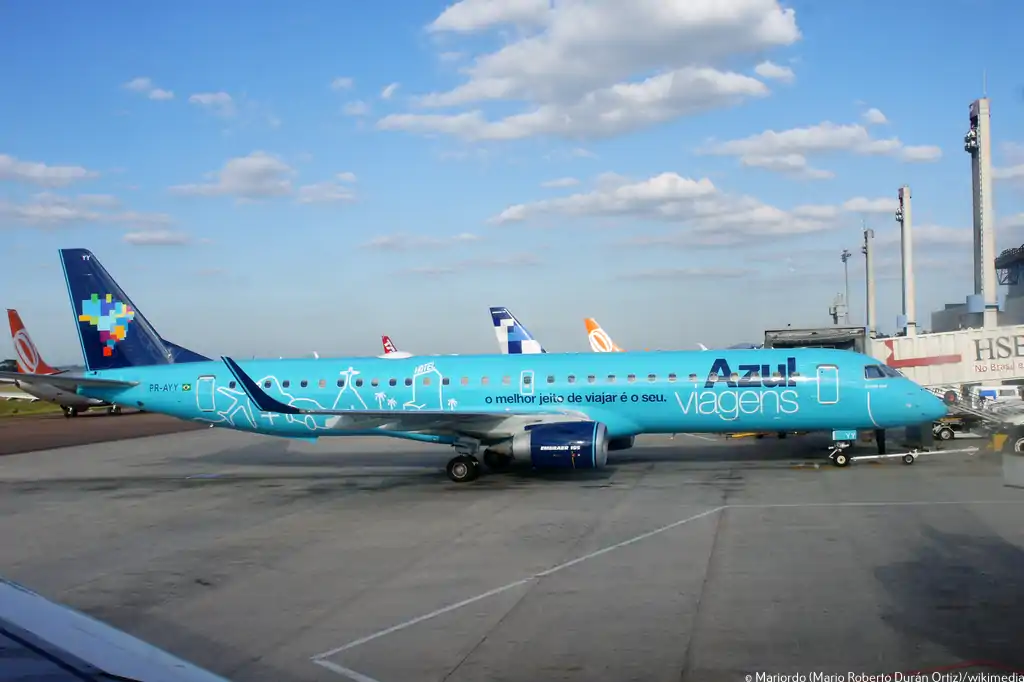
Brazil’s Tourism Minister, Celso Sabino, made it clear on May 19, 2025, in Rio de Janeiro that there will be no exclusive bailouts for Azul Linhas Aéreas—despite the carrier’s rocky finances. “The Brazilian government does not intend to grant any kind of benefit to a particular company. The government thinks of the sector as a whole,” Sabino emphasized at the sidelines of a tourism event.
Why Azul Is Struggling
Azul has been navigating choppy waters this year. In Q1 2025, the airline reported an adjusted net loss of 1.82 billion reais (approximately $325 million), a steep decline from a 324 million-real loss a year earlier. This deepening red ink underscores the balance-sheet pressures Azul faces as it restructures debt and fights for liquidity.
A Reminder of Past Lifelines
This isn’t the first time the government has stepped in to steady the aviation sector. On January 3, 2025, Brazil struck deals with Azul and rival Gol to settle some 7.5 billion reais in overdue tax obligations—granting discounts and extended installment plans to keep them aloft. But that support was broad, not bespoke.
Enter the “National Aviation Fund”
Rather than handing Azul its own parachute, Sabino revealed that a “national aviation fund” will be operational in the first half of 2025, unleashing billions of reais to boost the entire industry. Designed as a sector-wide safety net, the fund’s primary mission is to guarantee loans for:
- Aircraft and engine acquisitions
- Fleet modernizations across Brazilian carriers
- Potential expansion into underserved domestic and regional routes
How the Fund Works
- Loan Guarantees: Airlines can secure favorable financing terms when purchasing new jets.
- Equity Participation: The fund may co-invest in strategic fleet upgrades.
- Liquidity Backstop: In times of cyclical downturns, carriers can tap the fund to shore up working capital.
What It Means for Airlines
- Level Playing Field: No airline gets a VIP pass—large and small carriers alike can apply.
- Capital Access: Easier credit lines spur fleet renewals, potentially lowering operating costs.
- Competitive Dynamics: With new planes and engines, regional operators can challenge legacy hubs.
Will this one-size-fits-all approach satisfy Azul’s urgent needs? Its management team has been vocal about securing targeted liquidity measures; now they must pivot to tapping a communal reservoir.
Looking Beyond Azul
While Azul will no longer receive bespoke relief, the aviation fund could prove transformational for Brazil’s under-served markets—extending connectivity to remote cities from Manaus to Mossoró. By democratizing access to low-interest financing, the government aims to:
- Stimulate intra-Brazil tourism
- Reduce airfare volatility
- Enhance resilience against global fuel-price swings
It’s a bet on collective lift rather than a solo rescue: airlines that capitalise on the fund may emerge leaner, greener, and more competitive on international routes.
Final Boarding Call
Azul may have to chart a new path without a solo-sponsor guarantee, but Brazil’s billion-reais fund promises to refuel the entire sector. Whether it’s the start of a high-altitude recovery or just a smoother cruise for well-positioned carriers will depend on how quickly—and creatively—airlines leverage this communal lifeline. As the first disbursements flow in H1 2025, all eyes will be on board.
With Inputs from Reuters
Read next
Vietnam Airlines’ 9 Trillion Power-Up: Are 50 New Jets About to Invade the Skies?
Abhishek Nayar
16 May 2025

Vietnam Airlines has just secured a massive green light from its shareholders: a 9?trillion dong (US?$347?million) charter?capital boost rang in at an extraordinary meeting on May?15, 2025. This lifeline isn’t just padding the balance sheet—it’s the ticket to a brand?new fleet of 50 narrow?body aircraft, with options on both the Airbus?A320?Neo and Boeing?737?MAX families.
A 9?Trillion Lifeline: Why It Matters
- Debt Relief & Growth Fuel: While Vietnam Airlines trimmed its COVID?era losses in 2023, it’s still navigating a post–pandemic recovery. This capital injection reduces debt strain and unlocks funds for future expansion.
- Government?Backed Support: The State Capital Investment Corporation (SCIC) is expected to lead the first tranche of share purchases, reinforcing government backing for the flag carrier’s turnaround.
Fifty Jets for Tomorrow’s Skies
What’s on the shopping list?
50 narrow?body jets, equally open to A320?Neos, 737?MAXs, or even China’s up?and?coming C919…
CEO Lê?H?ng?Hà confirmed that Vietnam Airlines will launch a formal Request for Proposals (RFP) to satisfy domestic rules and keep the door open to any bidder—from Airbus and Boeing to upstart COMAC.
Why narrow?bodies?
- High?Frequency Regional Routes: Perfect for booming Southeast Asian sectors.
- Fleet Renewal: Phasing out aging ATR?72 turboprops and older A321 variants.
Money Talks: Funding Partners Lined Up
Just weeks ago, Vietnam Airlines inked a non?binding MOU with Vietcombank to fund exactly these narrow?body acquisitions, reinforcing confidence among investors and analysts.
- Vietcombank’s Role: Expected to provide long?term financing, tapping into its track record of backing both wide?body and narrow?body deals.
- Citibank & Others: Separate agreements (totalling over $560?million) showcase the carrier’s pull in international capital markets.
The Great Manufacturer Face?Off
- Airbus A320?Neo: Known for fuel efficiency and a broad Asia?Pacific support network.
- Boeing 737?MAX: Poised to deliver on range and per?seat economics… if delivery snafus stay resolved.
- COMAC C919: China’s wildcard—could land a breakthrough order if pricing and performance convince Hanoi.
Which jet will clinch the deal? Stay tuned to see if European efficiency beats American muscle—or if a Chinese contender steals the spotlight.
What Comes Next?
- RFP Launch: Likely within Q3?2025, kicking off technical evaluations.
- Negotiation & Financing Finalization: Vietcombank and others will structure loan packages.
- Delivery Rollout: First jets could arrive by late 2026, just in time for peak travel demand.
Fasten Your Seatbelts
Vietnam Airlines is betting big on post?pandemic travel rebounds and regional growth. With a ?9?trillion capital raise and 50 new jets, the national carrier is positioning itself at the heart of Asia’s aviation resurgence. Will this gamble pay off, or could delivery delays and fierce competition throw turbulence into its flight path? Only time—and the next board meeting—will tell.
With Inputs from Reuters
Read next
The Sky’s New Brain: How GenAI Is Taking Flight at Bengaluru’s BLR Airport
Abhishek Nayar
16 May 2025

In a bold leap toward the future of aviation, Bangalore International Airport Limited (BIAL)—the operator of Kempegowda International Airport Bengaluru (BLR Airport)—has partnered with KPMG in India to bring Generative AI (GenAI) into the cockpit of airport operations. This isn’t just about automation—it’s about building a smarter, more responsive, and sustainable airport ecosystem that could set a global benchmark.
Forget traditional tech upgrades—this is a digital transformation on autopilot.
What is GenAI and Why Does it Matter?
Unlike conventional AI, Generative AI doesn’t just analyze—it creates, predicts, and adapts. With its ability to process vast amounts of real-time data and extract actionable insights, GenAI is revolutionizing industries from healthcare to film—and now, aviation.
At BLR Airport, this means:
- Forecasting operational bottlenecks before they happen.
- Enhancing passenger experience through predictive and adaptive intelligence.
- Automating routine tasks to free up human resources for critical decision-making.
- Maintaining consistent efficiency across every touchpoint—from baggage handling to security checkpoints.
Inside the Partnership: BIAL x KPMG in India
This isn’t just a collaboration—it’s a strategic fusion of aviation vision and technological precision. The GenAI platform under development is tailored specifically to BIAL’s operational DNA. It will integrate with the airport’s existing digital architecture, offering a highly scalable and secure solution that adapts to growing passenger and cargo demands.
According to George Fanthome, Chief Digital and Information Officer at BIAL:
“Our association with KPMG in India is a significant step in unlocking the immense potential of GenAI at Kempegowda International Airport… This platform, centre on data privacy, responsible AI, and scalability, positions us as a ‘Future Ready’ airport.”
The Tech Behind the Transformation

The GenAI platform isn’t just smart—it’s self-evolving. Designed to:
- Recognize operational patterns and anticipate disruptions.
- Enable data-led decision intelligence across airport departments.
- Maintain stringent data privacy standards and robust cybersecurity protocols.
- Ensure responsible AI practices aligned with global norms.
The platform will power real-time support across airport functions, enabling intelligent automation of critical tasks like scheduling, crowd management, predictive maintenance, and more.
A First-Class Passenger Experience
For travelers, the impact will be subtle yet powerful:
- Faster check-ins.
- Shorter queues.
- Smarter gate assignments.
- Instant support via AI-driven chatbots.
- And yes, even on-time baggage arrivals (finally!).
As Girish Nair, Partner and Head of Aviation at KPMG in India, notes:
“This project firmly positions BIAL as an industry leader. GenAI holds the power to redefine not just airport operations, but the entire travel experience.”
Setting Global Standards from India’s Silicon Valley
Kempegowda International Airport has long been a tech-forward hub—being one of the first airports in India to implement facial recognition for boarding and real-time baggage tracking. But with GenAI, BIAL is positioning itself as a trailblazer, ready to inspire global airports to rethink their playbook.
The move comes at a time when global aviation is actively seeking smart, sustainable solutions to manage increasing air traffic, climate challenges, and security concerns. Bengaluru’s leap into GenAI could very well become the new gold standard.
Final Approach: The Sky Is Not the Limit
This isn’t just about deploying AI—it’s about pioneering a new philosophy of airport management: one that thrives on predictive insights, real-time adaptation, and seamless passenger journeys.
With its eye firmly on the horizon, Kempegowda International Airport is no longer just a stopover. It’s fast becoming a destination of innovation, where the future of global air travel is being written—one data point at a time.
Stay tuned—because the next time you fly from Bengaluru, the airport might just know what you need before you do.
Read next
Get ready for a flight of fancy—one that you may not board until 2027 or beyond.
Boeing’s 737 MAX 10 can’t clear the runway until its smaller sibling, the MAX 7, earns FAA approval—and that’s proving to be a slow taxi. The Federal Aviation Administration (FAA) has capped MAX production at 38 jets per month after a mid-air incident in 2024, and it still needs to sign off on an engine de-icing fix for the MAX 7 before turning its attention to the MAX 10.
Why the MAX 7 Holds the Keys

- Sequential Certification: FAA rules require the MAX 7 certification to finish first.
- Technical Hurdles: Boeing withdrew a waiver request in January 2024, forcing a redesign of the de-icing system.
- Regulatory Scrutiny: Post-incident investigations have authorities keeping a close watch on every nuts-and-bolts tweak.
MAX 9: The Interim Stepping Stone

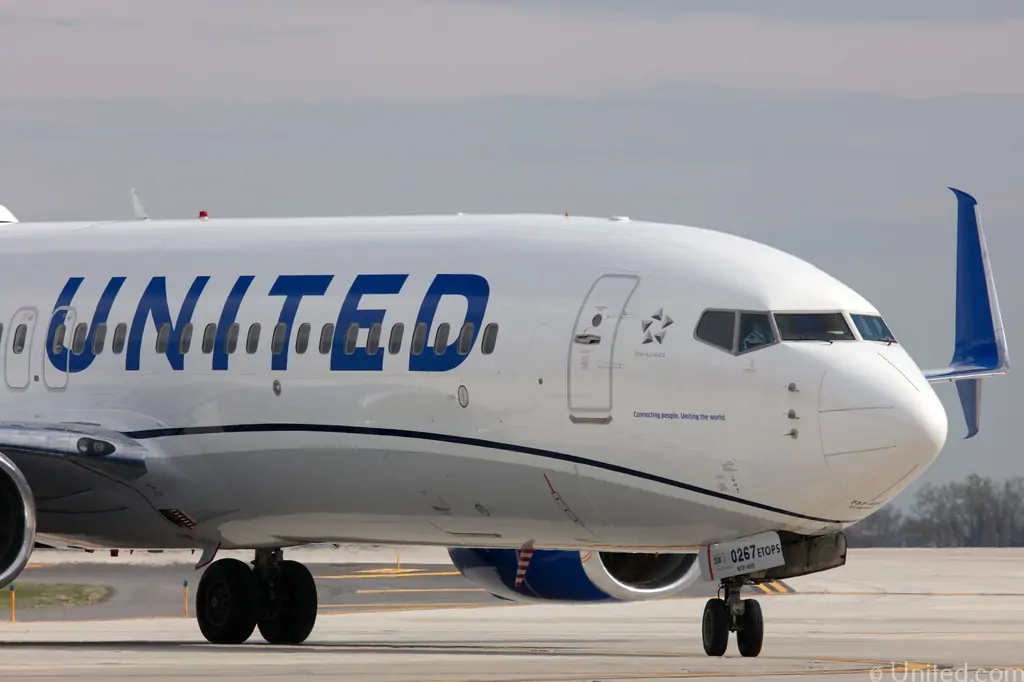
United has wisely shifted gears to taking deliveries of the slightly smaller MAX 9 while it waits for the 10 to clear all hurdles. “In supply chain terms, we want to make sure we get our aircraft so we’ve committed to the MAX 9,” said Andrew Nocella, United’s Chief Commercial Officer.
- Fleet Continuity: MAX 9s keep United’s network humming.
- Flexibility: United can later convert those MAX 9 orders into MAX 10s—once the runway lights turn green.
Orders on Hold: A 2017 Gamble

Back in 2017, United placed a blockbuster order for the MAX 10, betting on its extra seats and longer range to drive revenue. But today’s delays mean the airline may miss out on being one of the first customers to fly this newcomer.
Ripples Across the Industry
United isn’t alone. Alaska Airlines already warned that it won’t see its MAX 10s until at least mid-2026, and other carriers are scrambling to adjust capacity plans around shifting delivery dates. Boeing’s largest customer for the MAX 10—United ordered 277 jets—now faces a multi-year waiting game.
Supply Chain Snarls: More Than Just Paperwork
Beyond certification, parts shortages continue to plague Boeing. Engines, interiors, avionics—all are battling global supply chain snarls. Even United’s sleek new 787 -9 cabin “should have been announced six months ago,” Nocella quipped, lamenting that “I don’t have a crystal ball, I can’t tell you when it’s going to be fixed”.
What Comes Next?
- Watch the FAA: Approval of the MAX 7 de-icing fix is the critical milestone.
- Production Pace: Boeing must balance quality improvements with pressure to ramp up output.
- Industry Adaptation: Airlines may lean more heavily on existing fleets or pivot to Airbus alternatives if delays drag on.
Whether you’re an aviation enthusiast marking calendars for that extra row of legroom or a frequent flyer planning tomorrow’s trip, keep one eye on the MAX 10 saga—it’s shaping up to be a long taxi to takeoff.
With Inputs from Reuters
Comment