
Can Jet Airways Finally Take Off Again? Supreme Court Set to Deliver Verdict on Ownership Transfer

Abhishek Nayar
08 Nov 2024

Jet Airways, one of India’s most prominent airlines before its grounding in 2019, has been battling its way through a complex insolvency resolution process. With the Supreme Court scheduled to pronounce its verdict this Thursday on the ongoing dispute over the airline's ownership, the future of Jet Airways hangs in the balance.
The case involves the State Bank of India (SBI) and other creditors challenging the National Company Law Appellate Tribunal (NCLAT) decision to approve the transfer of Jet Airways to the Jalan Kalrock Consortium (JKC). Here’s a deep dive into the case, the challenges at play, and what this decision could mean for the aviation industry and India’s troubled airline sector.
The Legal Battle: SBI vs. JKC
The controversy centers around the resolution plan approved by the NCLAT in March 2023, which transferred Jet Airways' ownership to the Jalan Kalrock Consortium. This decision came after a prolonged insolvency process that began in 2019 when the airline grounded its operations due to a financial crisis.
SBI, Punjab National Bank (PNB), and JC Flowers Asset Reconstruction Private Limited, all major creditors of Jet Airways, have been vocal in their opposition to the resolution plan. The banks argue that the JKC has failed to meet its financial obligations, including the infusion of Rs.350 crore within the stipulated period of 180 days from the effective date, as outlined in the resolution plan. The creditors further claim that the consortium did not fulfill other key commitments, such as paying Rs.150 crore in cash and mortgaging three properties in Dubai, all of which were conditions for the airline’s revival.
On the other hand, the Jalan Kalrock Consortium contends that the lenders are unjustifiably delaying the process and hindering the airline's revival. The consortium argues that the resolution plan was contingent on factors beyond their control, such as security clearances and procedural hurdles, and that they had made all necessary efforts to fulfill their obligations.
The Role of the NCLAT
In its March 2023 decision, the NCLAT upheld the resolution plan and approved the transfer of ownership to the Jalan Kalrock Consortium. The appellate tribunal directed that the transfer of ownership be completed within 90 days and ordered that the Rs.150 crore performance bank guarantee (PBG) provided by the consortium be adjusted against the first tranche payment of Rs.350 crore.
The NCLAT’s decision followed a similar verdict by the National Company Law Tribunal (NCLT) Mumbai in January 2023. The verdict was seen as a significant step forward in the revival of Jet Airways, with the airline eyeing a potential relaunch in 2024.
What’s at Stake?
The stakes are incredibly high for both sides. For the lenders, it’s about ensuring they recover their dues and protect the interests of public and private stakeholders. The banks have voiced concerns over the consortium’s ability to meet the conditions of the resolution plan, especially given Jet Airways’ longstanding financial instability.
For the Jalan Kalrock Consortium, the fight is about taking control of an airline that has been grounded for nearly five years and ensuring its revival. The consortium claims that they have fulfilled their financial commitments and that the delays in the process were due to external factors, not their inability to meet the obligations.
Jet Airways' future rests on the resolution of this dispute. If the Supreme Court rules in favor of the creditors, it could delay or even derail the airline’s revival plans. On the other hand, if the court upholds the NCLAT’s decision, the consortium will likely proceed with taking control of the airline and continuing with its plans to relaunch operations.
Jet Airways’ Revival: A Glimmer of Hope?
Despite the ongoing legal battles, there is still hope for Jet Airways’ revival. The Jalan Kalrock Consortium claims that they have completed a significant infusion of Rs.350 crore, fulfilling their financial commitment as per the court-approved resolution plan. In addition, Jet Airways stated in September 2023 that the consortium had completed an additional Rs.100 crore infusion into the airline.
The revival plan includes plans for Jet Airways to re-enter the aviation market in 2024, a move that could help revitalize the Indian aviation sector, which has faced numerous challenges in recent years. The re-launch would be a significant milestone, not only for the airline but also for the industry, which has been struggling with high operational costs, competition, and a demand for new talent.
The Verdict: What Comes Next?
The Supreme Court’s decision on Thursday will be crucial in determining the future of Jet Airways and its efforts to get back in the air. If the court rules in favor of the Jalan Kalrock Consortium, it could pave the way for a new chapter in Jet Airways’ history. However, if the court sides with the creditors, the airline’s future could be uncertain, with a possible liquidation or further delays to the revival process.
While the legal battle continues, one thing is certain—Jet Airways’ journey is far from over. Whether it takes off again as a new player in the aviation sector or faces a more uncertain future depends largely on the outcome of this critical court decision.
Conclusion
Jet Airways’ long-awaited return to the skies hinges on a critical Supreme Court verdict. As the legal battle continues, both creditors and the Jalan Kalrock Consortium are fighting for what they believe is right for the airline and the industry. The outcome of the case will have far-reaching consequences for Jet Airways, its stakeholders, and the future of India’s aviation market. The coming days will reveal if Jet Airways can reclaim its place in the Indian aviation sector or if it will face another setback.
Read next

Akasa Air, India’s newest budget airline, continues to push boundaries and expand its reach, despite significant financial challenges. The airline, backed by the late stock market mogul Rakesh Jhunjhunwala under SNV Aviation, recently released its first full-year financial results, revealing a notable increase in revenue and a doubling of its net losses. In this article, we dive into the factors behind Akasa Air’s financial trajectory, focusing on its rapid expansion, operational strategy, and future prospects.
Rising Losses but Expanding Horizons
In FY24, Akasa Air reported a substantial net loss of Rs.1,670 crore, up from Rs.744.5 crore in the previous fiscal year. Despite this increase in losses, the airline achieved an impressive revenue growth of over four times, reaching Rs.3,069.58 crore compared to Rs.698.67 crore in FY23. This rapid rise in revenue reflects the airline’s ambitious expansion strategy, marking its first full fiscal year since launching operations in August 2022.
Revenue Gains Outpaced by Soaring Expenses
While Akasa Air has shown robust revenue growth, the costs associated with scaling up its network have been significant. Total expenses in FY24 surged to Rs.4,814.4 crore, more than triple the previous year's Rs.1,522 crore. The steep increase in expenses was primarily driven by fleet expansion, brand-building initiatives, and substantial hiring efforts.
In an effort to expand its workforce, the airline onboarded approximately 1,400 new employees, bringing its total staff strength to 3,800. Employee benefit costs surged from Rs.232.4 crore to Rs.774.9 crore, underscoring the airline’s commitment to establishing a strong talent pool for long-term growth.
Increased Financial Obligations Impacting Profitability
Higher aircraft lease obligations and interest expenses also contributed significantly to the airline’s losses. Interest and other finance costs nearly tripled, reaching Rs.406.1 crore from Rs.141.18 crore in the previous year. According to Akasa Air’s Chief Financial Officer Ankur Goel, these rising costs are tied to lease obligations and accounting standards that impact the airline’s balance sheet.
Strategic Growth with Revenue per Available Seat Kilometer (RASK) Gains
Akasa Air's Chief Financial Officer, Ankur Goel, noted that the airline’s capacity tripled in FY24, driving a 10% increase in Revenue per Available Seat Kilometer (RASK), an essential metric for measuring an airline’s revenue performance. He expressed confidence that RASK would continue to grow annually, bolstered by increased internal capabilities, stronger brand presence, and higher airport visibility.
Goel outlined ambitious plans to boost Akasa Air’s fleet capacity by 50-55% in FY25, anticipating a corresponding 50% increase in revenue. This fleet expansion is integral to the airline’s growth strategy, aiming to capture a larger market share in India’s dynamic aviation sector.
Maintaining Liquidity and Future Outlook
The airline’s management remains optimistic about Akasa Air’s future, emphasizing their focus on liquidity and strategic investments. In its annual report, Akasa Air’s leadership team expressed confidence that it would continue meeting liabilities, maintaining asset value, and fulfilling financial commitments as per the projections.
Although losses have surged, the airline’s proactive investments in fleet, workforce, and brand-building initiatives are aimed at setting a strong foundation for sustainable growth. The management’s emphasis on long-term stability indicates that Akasa Air is ready to navigate these turbulent financial phases while remaining focused on capturing opportunities in the rapidly evolving Indian aviation landscape.
Conclusion
Akasa Air’s journey through FY24 reflects both the challenges and the potential of a rapidly expanding airline in a competitive market. While losses have doubled due to increased spending, the airline’s solid revenue growth, strategic investments, and long-term vision suggest a promising future. As Akasa Air continues to expand its fleet and workforce, the airline's leadership believes it is on track to achieve financial stability, positioning itself as a key player in India’s aviation sector. For now, Akasa Air’s ascent is an exciting story of growth, resilience, and determination—poised to navigate the skies of India’s aviation industry with eyes set on success.
With Inputs from The Economic Times
Read next

In an unexpected turn of events, Italy’s Treasury has temporarily halted the sale of a minority stake in ITA Airways to Lufthansa due to a pricing disagreement. The deal, which would give Lufthansa a significant foothold in southern Europe, is now at a standstill as both parties try to resolve the valuation dispute. Here’s what you need to know.
The Dispute Over Price
Italy’s Treasury had planned to sell a 41% stake in ITA Airways, the successor to the bankrupt Alitalia, to Lufthansa for 325 million euros (approximately $354 million). This transaction, however, hit a roadblock when the Treasury decided it would not "undersell" the national airline, according to a source close to the matter. The Italian economy ministry and Lufthansa are reportedly debating a 10-million-euro discrepancy in the sale price.
A second source indicated that the final price might be influenced by a future deal for a second stake sale, expected to take place in a few years. Both sources have chosen to remain anonymous, given that they aren’t authorized to publicly discuss these negotiations.
Why Italy Wants to Hold Its Ground
For Italy, the sale of ITA Airways is not merely a business transaction; it represents a significant strategic move in the aviation sector. ITA Airways, a state-owned entity, was established to revitalize Italy’s national carrier after Alitalia's collapse. With Lufthansa poised to enter the Italian market, Italy’s Treasury appears intent on securing what it sees as a fair price, determined to prevent what it perceives as an “underselling” of its national airline.
The Italian economy ministry's stance reflects broader national concerns about maintaining control and influence over a vital transport asset. Selling a portion of ITA to Lufthansa offers potential growth opportunities, but Italy wants to ensure its interests are preserved, especially if future expansion of Lufthansa’s stake is on the table.
Lufthansa’s Antitrust Concessions

As part of the agreement, Lufthansa pledged concessions to receive antitrust approval from the European Union. These concessions included offering flight slots to competitors, ensuring that competition in the Italian market would not be hindered. According to a Lufthansa spokesperson, the company is committed to following through with these terms.
However, the document outlining these antitrust remedies, due for submission to the European Commission on Monday, was reportedly delayed because of the pricing dispute. Without this essential step, regulatory approval remains uncertain, further complicating the deal.
What’s Next? A Timeline in Limbo
The halt on the sale has created a significant delay in Lufthansa’s plans to expand its reach in southern Europe. This strategic acquisition would have given Lufthansa a competitive advantage in a high-demand region, connecting northern and southern Europe through its vast network. Yet, with the Treasury unwilling to compromise on price, the process could take longer than anticipated.
The timeline for the next phase is equally uncertain. If Italy’s Treasury and Lufthansa can bridge the 10-million-euro gap, the sale might proceed as planned. However, this delay means that Lufthansa’s strategic objectives are on hold, leaving both the German airline and Italian stakeholders in a state of limbo.
Market Implications: Who Benefits from the Delay?
As discussions linger, competitors are eyeing the southern European market. With Lufthansa’s anticipated acquisition on pause, other airlines may seize the opportunity to expand their operations in the region. Italy’s decision to pause the deal may benefit competing carriers, while Lufthansa faces increasing pressure to resolve the dispute swiftly to avoid further regulatory or market complications.
Final Thoughts
Italy’s decision to hold off on the ITA Airways sale underscores a broader question of national interest and valuation. With the Treasury standing firm on its price expectations, Lufthansa may be forced to adjust its approach or risk missing out on a prime opportunity in Europe’s lucrative south.
For now, all eyes are on both the Italian Treasury and Lufthansa. Will they come to an agreement that aligns national interests with corporate ambitions?
With Inputs from Reuters
Read next
Star Air Soars to New Heights: Plans Fleet Expansion with Focus on “Connecting Real India”
Abhishek Nayar
06 Nov 2024

As regional connectivity in India continues to see strong demand, Star Air, the aviation division of the Sanjay Ghodawat Group (SGG), is making headlines with its ambitious fleet expansion strategy. With the goal of serving more of India’s underserved cities, the airline aims to grow its fleet to 25 aircraft over the next 36 months, a move expected to transform air travel accessibility for Tier 2 and Tier 3 cities across the country.
A Bold Expansion Plan for Regional Connectivity
Star Air's expansion involves adding two new Embraer E175 aircraft by the end of the current fiscal year (FY25), followed by four more in FY26. This will bolster the airline’s existing fleet of nine aircraft, which includes four E175s and five Embraer E145s. By expanding its fleet, Star Air is reaffirming its commitment to the Government of India’s UDAN (Ude Desh ka Aam Naagrik) initiative, aimed at democratizing air travel for smaller cities and towns. Through this strategic investment, Star Air aspires to connect even more parts of “Real India” with cost-effective and comfortable air travel options.
Aligning with India’s Vision of UDAN
Star Air’s fleet expansion reflects the company’s dedication to the UDAN scheme, which has sought to connect India’s underserved regions to mainstream cities. These new E175s will allow Star Air to increase deployed capacity and improve efficiency on both existing and future routes. As Capt. Simran S Tiwana, CEO of Star Air, highlights, “The addition of these new Embraer E175 aircraft marks a pivotal step in our journey. As we expand our fleet to 25 aircraft, we reaffirm our commitment to reaching more underserved markets and setting new standards in air travel.”
By connecting more Tier 2 and Tier 3 cities, Star Air is helping to transform the travel landscape, enabling faster and more affordable air travel for regions that have historically lacked access to quality air transportation options.
Why the E175? Fuel Efficiency and Passenger Comfort

The Embraer E175 is known for its superior fuel efficiency, lower operating costs, and enhanced passenger comfort, all factors that align well with Star Air’s goals of expanding affordable, high-quality air travel. As these new E175s join the fleet, passengers can look forward to smoother flights with lower carbon footprints, aligning with global trends toward sustainability in aviation.
The E175’s size and design make it ideal for regional routes, allowing Star Air to scale operations cost-effectively while ensuring a comfortable and reliable travel experience.
From 1.3 Million Passengers to New Heights: Star Air’s Track Record and Future Prospects
Since its inception in 2019, Star Air has built a solid reputation by flying over 1.3 million passengers across 22 destinations, particularly in states such as Karnataka, Andhra Pradesh, Gujarat, Madhya Pradesh, Rajasthan, Uttar Pradesh, and Maharashtra. The airline’s commitment to affordability and reliability has enabled it to meet the needs of passengers who might otherwise be limited to lengthy train journeys or unaffordable flights.
With its goal of reaching a 25-aircraft fleet within the next three years, Star Air is preparing to accommodate an even larger passenger base. As more people seek to travel between India’s smaller cities, Star Air’s expanded fleet will be poised to meet this growing demand, while setting new standards in comfort, reliability, and cost-effectiveness in regional air travel.
Connecting the Future: A Roadmap for Regional Air Travel in India
Star Air’s plan to expand its fleet is a major step toward creating a more connected, accessible India. By adding advanced aircraft and refining its network to include more underserved routes, the airline is establishing itself as a leading force in India’s aviation sector. This growth is not just about increasing numbers but about creating lasting connections, bridging the gap between urban and rural areas, and supporting India’s regional economic growth.
With Star Air’s fleet expansion, travelers from across India can look forward to more routes, more comfort, and more efficient journeys. As the airline continues to set new standards, it’s clear that Star Air’s commitment to “Connecting Real India” will only grow stronger, making air travel an accessible reality for more Indians than ever before.
Read next
Will India’s Aviation Sector Soar to New Heights with a Skilled Workforce?

Jaideep Mirchandani
06 Nov 2024
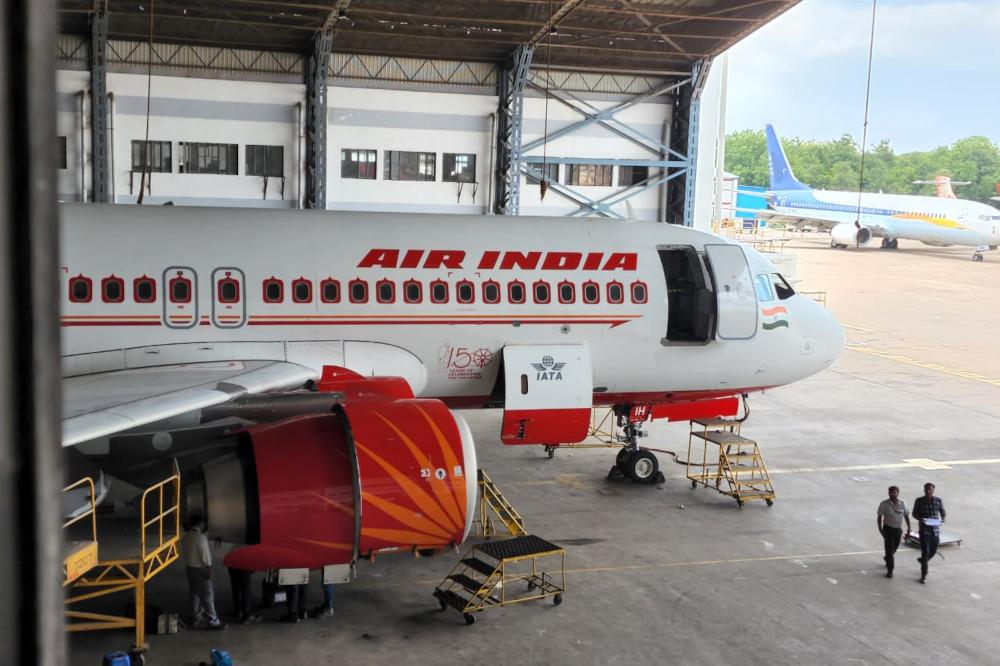
India’s aviation industry is growing at an unprecedented pace, driven by a flourishing middle class, enhanced connectivity, and ambitious government targets. With India already the third-largest domestic aviation market globally, the country’s future promises vast opportunities, especially for those looking to become pilots, aircraft maintenance engineers (AMEs), and other essential aviation personnel.
Yet, as growth accelerates, so does the challenge of maintaining a skilled workforce, poised to meet the increasing demands of the sector. Here’s a closer look at the current landscape, key challenges, and the potential solutions that could propel India’s aviation sector to new heights.
India’s Booming Aviation Market: What’s Fueling Growth?
India’s aviation industry has seen remarkable expansion over the past decade, with a 15% year-on-year increase in air passengers, reaching 376 million in FY24. This growth is attributed to several factors, including rising disposable incomes, an expanding middle class, and strategic government initiatives like the Regional Connectivity Scheme (RCS-UDAN), which has made air travel accessible to a broader segment of the population.
Governmental support has been crucial: the number of operational airports in India more than doubled, from 74 in 2014 to 157 by 2024. With ambitious targets to further increase this to 350-400 airports by 2047, India is positioning itself to become one of the most connected aviation markets in the world.
The Growing Demand for Pilots and AMEs: A Closer Look
With fleet expansions by major Indian carriers and projected increases in passenger volumes, airlines need a substantial boost in their workforce. Industry projections suggest that up to 1,000 new pilots will be required annually over the next five years. As of 2023, India employs around 10,000 pilots, including 67 foreign nationals, to meet the demand for flights across domestic and international routes.
As the Directorate General of Civil Aviation (DGCA) highlights, maintaining and expanding this workforce will be critical. Increased flight duty time limitations and ongoing demand for qualified pilots, cabin crew, and aircraft maintenance engineers (AMEs) mean that shortages could become a significant obstacle to sustained growth.
Bridging the Talent Gap: Domestic Training and International Collaborations
To address workforce shortages, the Indian aviation industry is focusing on nurturing a skilled domestic talent pool through collaborations between local and international training institutions. Establishing training programs that meet both DGCA and global aviation standards, such as those set by ICAO and EASA, is vital for ensuring that future professionals are well-prepared.
Indian carriers are taking steps to address these needs by launching their own training academies. Air India’s newly announced pilot training institution in Amaravati, for example, is set to train around 180 pilots annually. This effort complements initiatives from international aviation schools that are establishing operations in India, bringing experienced pilots and advanced training techniques to aspiring professionals.
The Role of Advanced Training in Building a Skilled Workforce
High-quality training is essential in the aviation industry, where pilots and AMEs must meet rigorous standards of skill and resilience. Students pursuing a career in aviation require access to advanced simulators, hands-on experience, and comprehensive career guidance. According to DGCA data, there are 35 DGCA-approved Flight Training Organizations (FTOs) across 53 locations in India. These FTOs are crucial in developing talent pipelines that meet industry needs.
Furthermore, the DGCA’s issuance of regulations under CAR-147 (Basic) aims to approve Basic Maintenance Training Organizations. This ensures that training quality aligns with international benchmarks, contributing to a more competent and reliable workforce. In a positive development, India issued a record 1,622 commercial pilot licenses in 2023, including 292 for women, reflecting the industry’s growing diversity and capacity.
Meeting MRO Needs: The Importance of Maintenance, Repair, and Overhaul Services
With India’s aviation fleet expanding, so too does the need for Maintenance, Repair, and Overhaul (MRO) services. According to Boeing, South Asia will require 37,000 pilots and 38,000 maintenance technicians over the next two decades. Expanding MRO capabilities, especially in high-traffic regions, is essential to support this demand. Collaborations such as Airbus’ aviation school in Hyderabad are equipping future AMEs with aircraft-specific training, helping to align India’s training standards with global competencies.
MRO services, along with skilled AMEs, will be critical for the sector's long-term sustainability and operational efficiency, ensuring that aircraft are well-maintained and ready to meet passenger demand.
Future Prospects: How India Can Prepare for the Next Chapter of Growth
India’s aviation sector has immense potential, but it faces significant challenges, particularly in workforce development and infrastructure expansion. Strengthening partnerships between Indian and international institutions and setting up state-of-the-art training academies can bridge the skills gap, ensuring that the industry remains competitive and safe. Enhancing recruitment, training, and retention strategies for pilots, AMEs, and other essential roles will be instrumental in sustaining India’s aviation growth story.
To ensure future growth, the industry must focus on:
- Enhanced Training Standards: Aligning with global benchmarks to produce top-quality professionals.
- Increased Access to Training: Establishing more academies and making training financially accessible for aspiring aviators.
- Support for MRO Services: Expanding MRO capabilities to handle the surge in new aircraft and passenger traffic.
As India’s aviation sector soars, the need for a highly trained, skilled workforce has never been more crucial. Addressing this demand today will ensure that the nation remains at the forefront of the global aviation industry, prepared to meet future challenges and opportunities alike.
Read next
SpiceJet Faces Costly Consequences: HC Orders INR 317 Million Payment to Service Providers Over Termination Dispute
Abhishek Nayar
05 Nov 2024
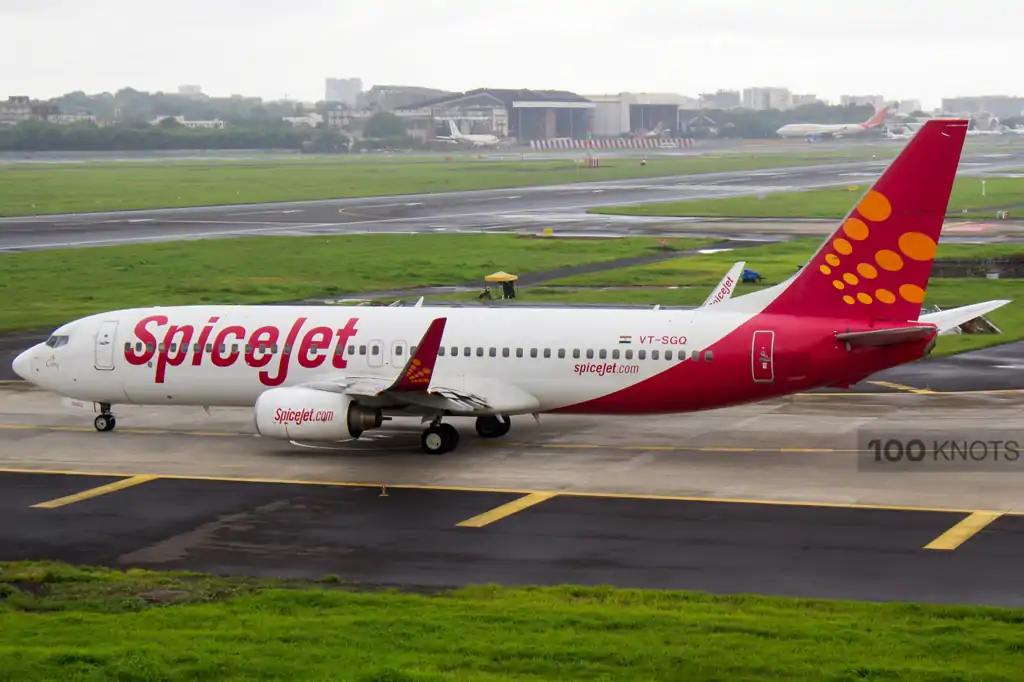
In a pivotal judgment, the Delhi High Court has ordered Indian airline SpiceJet to pay INR 317 million (USD 3.77 million) plus interest to Aerocare Aviation Services Pvt. Ltd. and other associated plaintiffs. Justice Neena Bansal Krishna delivered the verdict on September 30, bringing an eight-year dispute to a close.
The ruling found SpiceJet guilty of “fraudulently and illegally” terminating its agreement with the plaintiffs for managing Hajj flights in 2016. The plaintiffs argued that they had been deeply invested in planning and coordinating Hajj operations for the airline, which abruptly terminated the agreement at a critical stage.
SpiceJet’s Entry into the Hajj Market: A Brief History
SpiceJet first attempted to break into the Hajj charter market in 2012 but was unsuccessful due to its lack of experience. By 2016, the airline decided to make another attempt and sought assistance from Aerocare Aviation and associated companies, which had an established presence in managing Hajj operations. In March 2016, both parties signed a letter of intent, and Aerocare immediately began organizing flights, coordinating agents in Saudi Arabia, hiring crews, securing aircraft, and finalizing ground handling logistics.
The Agreement Breakdown: Reasons Given by SpiceJet
In July 2016, just before the Hajj season began, SpiceJet terminated the agreement, citing two primary reasons. Firstly, it argued that the Hajj Committee of India (HCoI) had classified Aerocare as a “subcontractor,” which was not permissible for the flight approvals granted. However, the plaintiffs promptly clarified their role as “service providers” rather than subcontractors, a distinction accepted by the HCoI.
Secondly, SpiceJet pointed to concerns raised by the HCoI regarding Aerocare’s affiliation with Dynamic Airways, a U.S.-based airline criticized for poor Hajj flight management in 2014. The plaintiffs quickly met with the HCoI chairman, who confirmed that their rebuttal addressed the concerns satisfactorily. Despite this, SpiceJet still opted to withdraw, citing regulatory advice.
Court Ruling: A Legally Binding Contract or Mere Intent?
Justice Krishna meticulously reviewed the evidence, including correspondences, agreements, and the letter of intent signed in March. She ruled that the letter of intent was not simply a preliminary document but a legally binding contract under which Aerocare had provided extensive services. "Not only from the language of the letter of intent but from the acts of the parties, there is not an iota of doubt that the parties had entered into a binding contract," she stated. The judge emphasized that SpiceJet had “ridden piggyback” on the plaintiffs’ resources, expertise, and networks to secure the Hajj charter rights before terminating the agreement.
Judge’s Critique: SpiceJet’s “Ploy” to Avoid Payment
Justice Krishna dismissed SpiceJet’s arguments about subcontracting and unfitness for Hajj operations, calling them a "ploy" to avoid payments owed to the plaintiffs. She noted that SpiceJet had no legal or contractual impediment preventing it from proceeding with the contract, and the airline’s abrupt termination of services violated its obligations under the binding agreement. Krishna highlighted how SpiceJet had exploited the plaintiffs' manpower and reputation to enter a market it couldn’t penetrate alone, ultimately abandoning them once the groundwork was complete.
Compensation Awarded: Interest-Backed Payment to Plaintiffs
In her final judgment, Justice Krishna awarded Aerocare and associated plaintiffs INR 317 million in damages. SpiceJet must also pay an 8% annual interest on this amount from the claim’s filing date in August 2016 until the payment date, further increasing the financial penalty. Bhuvan Mishra, counsel for the plaintiffs, celebrated the decision as a significant affirmation of accountability in corporate dealings, highlighting the importance of transparency and fairness in partnerships.
The Bigger Picture: Industry Implications
This judgment underscores the importance of contractual adherence in India’s competitive aviation sector. The case also puts a spotlight on the Hajj operations segment, a resource-intensive market overseen by India’s Ministry of Civil Aviation and the Hajj Committee of India (HCoI). As airlines strive to tap into this sector, they are reminded of the rigorous standards required for service providers and the potential legal consequences of non-compliance.
Conclusion: SpiceJet’s Financial and Reputational Setback
The SpiceJet judgment serves as a cautionary tale about the risks associated with breaching agreements, especially in a sector as complex as Hajj operations. For Aerocare and other plaintiffs, the ruling brings long-awaited justice, with an 8% annual interest further compensating them for years of litigation. As SpiceJet faces financial repercussions and reputational damage, this case reaffirms the legal enforceability of letters of intent and underlines the judicial system’s role in protecting service providers from unfair business practices.
With Inputs from ch-aviation
Comment