
Could Airports Soon Think (and Act) for Themselves—with a Human Guardian?

Jaideep Mirchandani
15 Aug 2025

Imagine arriving at an airport that doesn't just process you but anticipates your needs, adjusts in real time, and responds to the unexpected—all while keeping a human eye firmly in control. Sounds futuristic? It isn’t. This is the brave new world of agentic AI with human oversight—and airports are already turning the page.
Agentic AI vs Traditional AI: What’s the Difference?
- Traditional AI handles recommendations—it might suggest when to open more security lanes based on historical data.
- Agentic AI, however, takes action: it executes decisions and monitors outcomes live, acting as both brains and hands in the system. It’s proactive, adaptive, and built for dynamic environments like airports.
Global Trends: Who’s Leading the Charge?
Singapore’s Changi Airport
Under its “SMART Airport Vision,” Changi is experimenting with agentic AI to smooth passenger journeys. If a flight delays or a passenger falls ill, the system might automatically launch clean-up crews, trigger service recovery actions, or make timely announcements—minimizing friction and human workload.
Hyderabad’s Rajiv Gandhi International Airport
India’s first AI-powered digital twin arrived in late 2024, courtesy of GMR Airports. This virtual replica oversees airside, landside, and terminal operations in real time through its AI-enabled Airport Predictive Operation Centre (APOC). It delivers:
- Intelligent crowd and queue management
- Behavior analytics for both efficiency and security
- Virtual simulations for scenario planning
- Smart traffic and IoT-driven parking controls
India’s Bold Move: Delhi’s UTAM System
Launched in March 2025, Delhi Airport’s Unified Total Airside Management (UTAM) platform shifts operations into the future. Developed in-house by DIAL (with WAISL), UTAM unites airlines, ground handlers, and airport authorities in one collaborative domain, powered by AI, ML, IoT, and radar systems.
Key UTAM features include:
- Mile View 10-40-70: Real-time aircraft tracking within 10, 40, and 70-mile radii
- Vehicle and Equipment Tracking: Monitors baggage trolleys, fuel trucks, and ground equipment with path deviation alerts
- Flight Hovering & Parking Monitoring: Identifies hovering aircraft and optimizes stand usage
- Safety Mechanisms: Alerts for vehicle over-speeding, geofence violations, and playback review for incident analysis
- Collaborative Efficiency: Enhances turnaround speed, minimizes delays, and improves stakeholder coordination
India’s first-of-its-kind UTAM pilot rolled out with Akasa Airlines, with phased rollouts planned across other carriers over the following months.
The Sky One Vision: Agenting with a Safety Net
Jaideep Mirchandani, Group Chairman of Sky One, envisions airports employing agentic AI as intelligent assistants—not replacements. These AI agents will:
- Analyze live CCTV, baggage scanners, and terminal data
- Flag erratic behavior or anomalies early
- Forecast passenger flows and manage checkpoints dynamically
- Allocate staff and infrastructure in real time
But according to Mirchandani, human perceptiveness remains irreplaceable. Final decisions—especially in high-stakes scenarios—must remain human-led. Mirchandani underscores: the future lies in teamwork—agentic AI plus human oversight.
Benefit | Why It Works |
Enhanced Safety | Identifies threats before they escalate |
Operational Efficiency | Reduces delays, streamlines traffic and terminal flow |
Superior Passenger Experience | Shorter queues, smoother transfers, less waiting |
Adaptability | Responds dynamically to real-time conditions |
Security and Oversight | Human-in-the-loop ensures ethical, informed control |
Wrapping Up
Agentic AI is not sci-fi—it’s here, reshaping airports from Dubai to Delhi. Systems like UTAM and digital twins bring agility, safety, and smoother journeys to life. But as far as the future goes, humans aren’t stepping off the runway. Instead, they’re confident copilots ensuring that AI agitation leads not to chaos—but to a better travel experience.
TL; DR
- Agentic AI acts, not just advises; now seeing real rollout in airports.
- Changi is experimenting with proactive systems for delays and service recovery.
- Hyderabad rolled out India’s first AI airport digital twin via GMR’s APOC.
- Delhi UTAM system—launched March 2025—integrates AI, ML, IoT, radar for airside efficiency, safety, and stakeholder coordination.
- Sky One’s Jaideep Mirchandani champions AI augmentation, not replacement, with human oversight as the final caller.
Read next
North Atlantic Tracks (NATs): Navigating the World’s Busiest Oceanic Highways

Sakshi Jain
14 Aug 2025
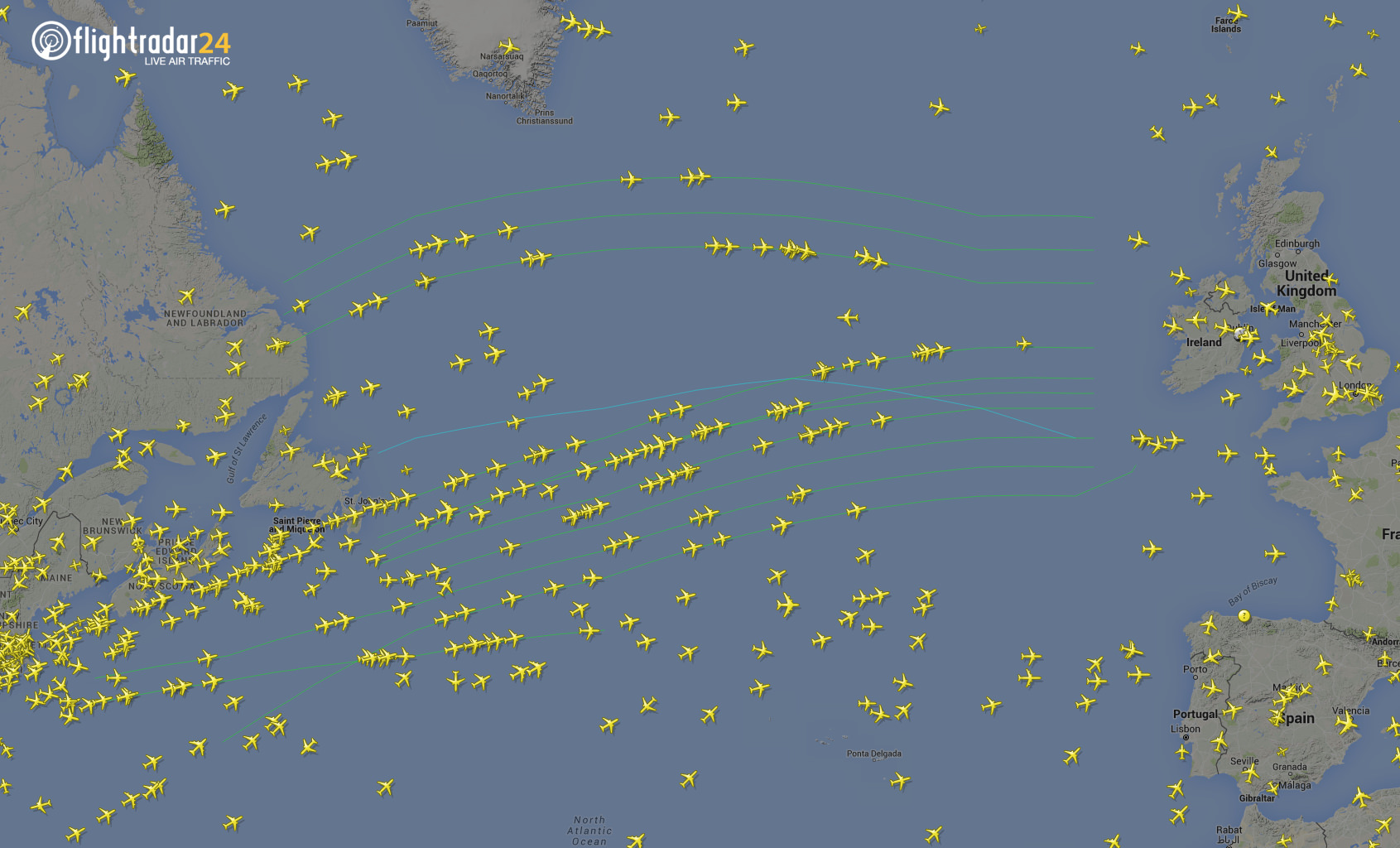
Have you ever wondered what happens in the cockpit during those long hours crossing the Atlantic Ocean? What challenges do pilots face when flying over thousands of miles of open water with no radar coverage and limited communication options? How do thousands of aircraft safely navigate the same airspace daily without collision?
The North Atlantic Tracks (NAT) represent one of aviation’s most complex and regulated airspace systems, where precise navigation, strict adherence to procedures, and advanced communication systems are essential for safe passage.
This article examines the operational intricacies of flying the North Atlantic, from the regulatory framework and track system to emergency procedures and daily operational challenges that pilots encounter on these critical transoceanic routes.
Background
The North Atlantic aviation corridor has evolved dramatically since the first transatlantic flight in 1919. Commercial traffic began increasing significantly after World War II, leading to growing concerns about aircraft separation and collision risk. In response, the first occasional North Atlantic Tracks were implemented in 1961, becoming a daily feature by 1965.
Interestingly, these aviation routes were based on established shipping lanes dating back to 1898, demonstrating the enduring importance of these ocean corridors for transportation.
North Atlantic Tracks (NATs) are flight routes in the North Atlantic that are strategically designed to take advantage of the jet stream, specifically the strong tailwinds it provides for eastbound flights. The jet stream’s position and strength vary, so NATs are adjusted daily to maximize speed and fuel efficiency.
Eastbound flights typically experience tailwinds from the jet stream, while westbound flights often encounter headwinds. NATs are structured to utilize these wind patterns, with tracks optimized for eastbound and westbound traffic separately.

Regulations
The North Atlantic airspace is divided into two distinct categories: the NAT High Level Airspace (HLA) and non-HLA regions. The NAT HLA, spanning from Flight Level 285 to 420, operates under stringent regulations due to the absence of ATC radar coverage and high traffic density. This airspace is managed by six different Flight Information Regions and Oceanic Control Areas: Shanwick (UK/Ireland), Gander (Canada), Reykjavik (North), Bodø (far northeast), New York Oceanic, and Santa Maria, with a small section controlled by Nuuk.
The regulatory requirements are extensive, mandating specific onboard equipment including communication systems, navigation equipment, and datalink capabilities. Aircraft must carry at least two forms of long-range communication, with HF radio serving as the primary communication method. The strict accuracy requirements for navigation reflect the critical nature of precise positioning in this high-density, radar-free environment.
Organized Track System
The heart of North Atlantic operations lies in the Organized Track System (OTS), which is recalculated twice daily based on optimal jet stream positions.
Typically, 5 to 6 tracks are published, with westbound tracks utilized during daytime hours and eastbound tracks used overnight. Peak westbound traffic crosses 030° west between 1130 and 1900 UTC, while eastbound flow is heaviest between 0100 and 0800 UTC.
While flight planners can choose random routes, the organized tracks offer the most efficient routing when combined with optimal flight levels. However, these tracks can become congested during peak periods, requiring careful coordination and sometimes accepting suboptimal altitudes for routing efficiency.
Communication Systems
Communication in the NAT HLA relies heavily on HF radio systems, with frequencies changing daily and nightly based on ionospheric conditions. Solar storms, such as those experienced in May 2024, can significantly disrupt HF communications, creating operational challenges for pilots and controllers.
The Oceanic Clearance process represents a critical operational component, requiring pilots to request clearance 60-90 minutes before entering NAT HLA. Using Controller Pilot Data Link Communications (CPDLC), crews specify entry points, estimated times of arrival, requested flight levels, and Mach numbers. This “texting” system between ATC and aircraft uses standardized message formats for clearances and requests, supplementing voice communications.

Operational Challenges
The North Atlantic presents unique operational challenges, particularly regarding turbulence. Research from the University of Reading indicates that severe clear air turbulence duration has increased by approximately 55% over the past 40 years, partly attributed to changing jet stream patterns. This turbulence, combined with limited communication capabilities, requires pilots to follow strict contingency procedures for emergency situations and weather deviations.
Navigation accuracy is paramount, with Gross Navigation Errors (GNE) resulting in substantial fines for operators. Permitted deviations are minimal: speed changes of less than 0.02 Mach, altitude deviations under 300 feet for turbulence accommodation, and Strategic Lateral Offset Procedures (SLOP) allowing 0-2.0 nautical mile right-of-track offsets for wake turbulence avoidance.
Emergency Procedures
The oceanic environment offers limited diversion options, with primary alternate airports including Shannon (EINN), Keflavik (BIKF), various Canadian facilities (Gander, Goose Bay, St. Johns, Stephenville), and Lajes (LPLA). The Extended-range Twin-engine Operational Performance Standards (ETOPS) approval requirements ensure aircraft can safely reach these distant alternates in case of engine failure or other emergencies.
Standard Operational Procedures (SOPs)
A typical North Atlantic crossing begins with comprehensive pre-flight planning, including weather analysis, NOTAM review, and alternate airport assessment. Additional fuel is often carried to accommodate lower altitude assignments and potential weather deviations. During flight preparation, crews verify all required systems, particularly communication and navigation equipment essential for oceanic operations.
In-flight procedures include route plotting (increasingly done electronically), clearance requests within 90 minutes of entry, and continuous monitoring throughout the crossing.
Crews maintain position reports over designated waypoints, conduct GPS position confirmations every 10 minutes after waypoint passage, and manage frequency changes as they transition between different oceanic control areas.

Future Developments
The North Atlantic airspace is evolving, with plans to accommodate new users beyond traditional commercial aircraft by 2026. High-altitude balloons, Unmanned Aircraft Systems (UAS), and Urban Traffic Management (UTM) operations may soon share this historically exclusive airspace, requiring new procedures and technologies to maintain safety standards.
Bottom Line
Flying the North Atlantic Tracks represents one of aviation’s most demanding operational environments, requiring exceptional precision, communication discipline, and procedural adherence. The combination of high traffic density, absent radar coverage, challenging weather conditions, and limited diversion options creates a unique operational context that demands the highest professional standards from flight crews.
As technology evolves and new users enter this airspace, the fundamental principles of precise navigation, clear communication, and strict procedural compliance will remain essential for maintaining the safety record of this vital aviation corridor. The North Atlantic continues to serve as a testament to aviation’s ability to safely manage complex operations in challenging environments, connecting continents through the skill and professionalism of pilots who navigate these invisible highways in the sky.
Read next

The Parliamentary Standing Committee on Transport, Tourism and Culture is set to intensify its oversight of key public sector undertakings (PSUs) in the aviation sector, amid growing concerns about operational efficiency, safety standards, and financial performance of these critical infrastructure entities.
Key PSUs Under Focus
The committee's scrutiny will primarily focus on major aviation PSUs including the Airports Authority of India (AAI), Air India (post-divestment monitoring), and other government-controlled entities that play crucial roles in India's aviation ecosystem. AAI, a Category-1 Public Sector Enterprise under the Ministry of Civil Aviation, currently manages a total of 137 airports, including 34 international airports, 10 Customs Airports, 81 domestic airports, and 23 Civil enclaves at Defense airfields.
The Airports Authority of India, being the largest aviation PSU, will face particular scrutiny given its expansive role in managing civil aviation infrastructure across the country. AAI manages 125 airports with the responsibility of creating, upgrading, maintaining and managing civil aviation infrastructure, making it a critical component of India's aviation growth strategy.
Recent Aviation Safety Concerns
Top officials from the Civil Aviation Ministry and major airline operators were recently questioned by the members of a parliamentary panel over the fatal Air India crash in Ahmedabad and the steep spike in Kashmir airfares following the April Pahalgam terror attack. This heightened scrutiny reflects the committee's proactive approach to aviation safety and regulatory oversight.
The committee's renewed focus comes in the wake of several aviation incidents that have raised questions about safety protocols and regulatory compliance across the sector. In light of the recent emergency landing in Ahmedabad and the fatal helicopter crash in Uttarakhand's Kedarnath, the Parliamentary Standing Committee is likely to summon airlines and probe aviation safety.
Areas of Parliamentary Oversight
The committee's examination is expected to cover several critical areas:
1.Financial Performance: Assessment of revenue generation, cost management, and capital expenditure efficiency of aviation PSUs, particularly in the post-COVID recovery phase.
2.Infrastructure Development: Evaluation of airport modernization projects, runway upgrades, and terminal expansions being undertaken by AAI across its network of airports.
3.Safety Standards: Review of safety protocols, incident response mechanisms, and compliance with international aviation safety standards.
4.Operational Efficiency: Analysis of air traffic management capabilities, passenger handling efficiency, and overall service quality metrics.

Committee Structure and Process
The Committee consists of forty-five (45) Members of Parliament i.e. fifteen (15) from Rajya Sabha and thirty (30) from Lok Sabha, providing comprehensive representation for thorough examination of aviation sector issues.
The parliamentary panel's approach typically involves calling senior officials from the PSUs, ministry representatives, and industry stakeholders to provide detailed briefings on operational performance, challenges, and future plans.
Strategic Importance
This oversight exercise assumes particular significance given the aviation sector's strategic importance to India's economic growth and connectivity goals. The committee's scrutiny will likely examine how effectively these PSUs are contributing to the government's vision of making India a global aviation hub.
The panel is expected to assess whether current PSU structures and governance frameworks are adequate for meeting the sector's rapidly evolving demands, especially in the context of increasing private sector participation and technological advancement.
Expected Outcomes
The committee's findings are likely to result in specific recommendations for improving PSU performance, enhancing safety protocols, and ensuring better utilization of public resources. These recommendations could influence policy decisions regarding future investments, restructuring initiatives, and regulatory reforms in the aviation sector.
The scrutiny process will also provide valuable insights into how India's aviation PSUs can better align their operations with national transportation policies and contribute more effectively to the country's aviation growth trajectory.
Read next
SpiceJet Signs Strategic Lease Agreement to Induct 5 Boeing 737 Ahead of Winter 2025

Pragya Chauhan
13 Aug 2025
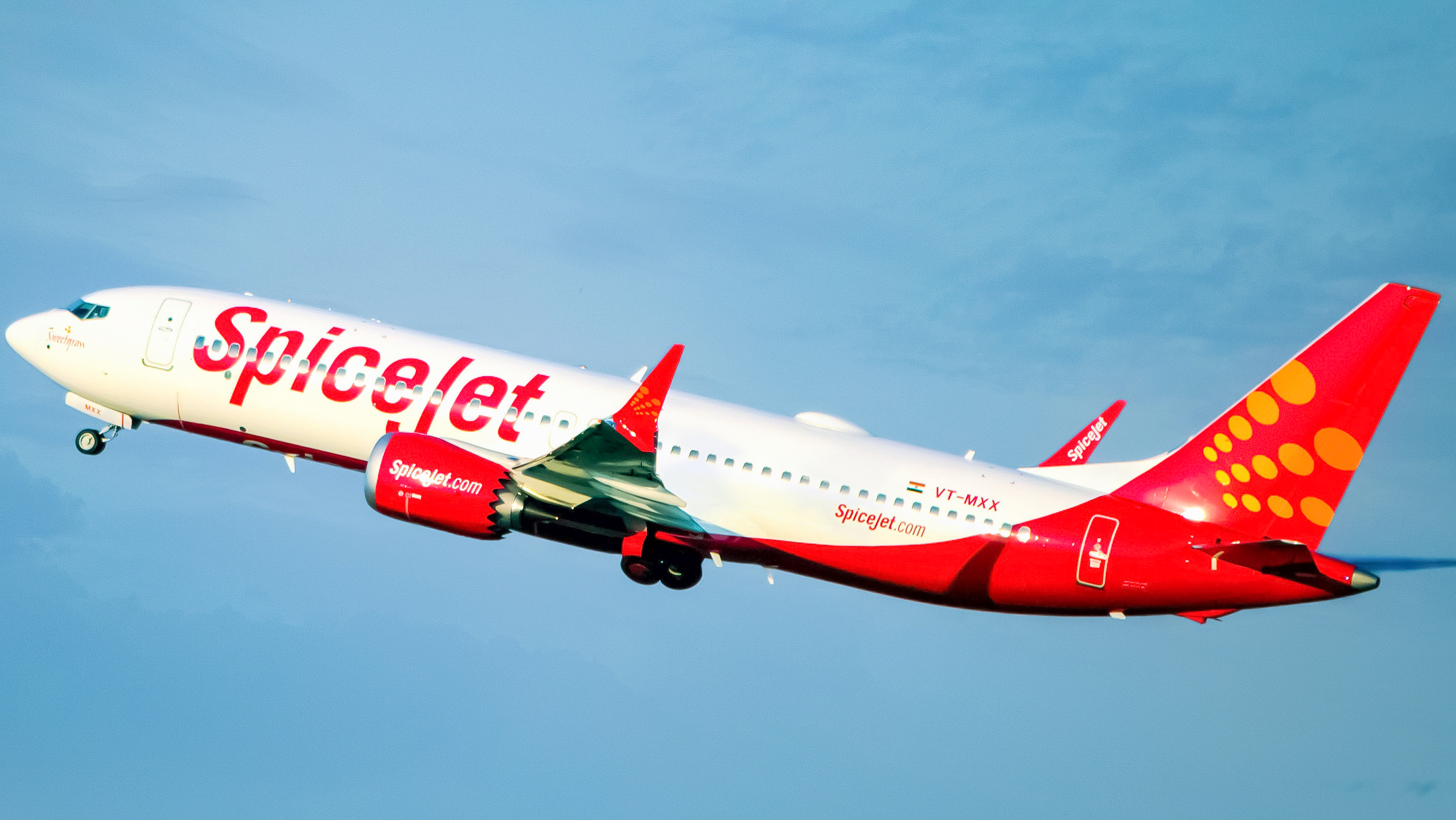
SpiceJet has announced a significant milestone in its fleet expansion strategy, signing a lease agreement to induct an additional 5 Boeing 737 into its fleet ahead of the winter 2025 schedule, taking the total number of new additions announced in recent months to 10. This strategic move comes as the budget carrier positions itself to capitalize on the peak winter travel season and meet growing passenger demand across its route network.
SpiceJet Operational Details
The aircraft are scheduled to start arriving in early October 2025, with most of these aircraft joining the fleet in October, while a few are scheduled to arrive a couple of weeks earlier. This timing aligns perfectly with the commencement of the winter 2025 schedule, traditionally the busiest period for Indian aviation as travelers take advantage of favorable weather conditions and holiday seasons.
The induction strategy has been carefully planned to maximize operational efficiency. The aircraft, inducted under damp lease arrangements, will serve high-demand winter routes and remain in operation through the early summer season of 2026 before exiting in May. This seasonal approach allows SpiceJet to optimize capacity during peak demand periods while maintaining cost efficiency during leaner months.
Damp Lease Arrangement
SpiceJet has opted for a damp lease model for these aircraft acquisitions, which offers several operational advantages. Under this arrangement, operational crew will be shared between the operator and SpiceJet. This model provides the airline with greater flexibility in crew management while reducing the immediate burden of recruiting and training additional personnel.
The damp lease structure is particularly beneficial for airlines looking to rapidly scale operations without the long-term commitments associated with dry leases or aircraft purchases. For SpiceJet, which has been working to stabilize its operations after facing financial constraints, this arrangement provides an optimal balance between expansion and risk management.

Current Fleet
SpiceJet's fleet expansion comes against the backdrop of a complex fleet management situation. The airline's total fleet comprises 34 Boeing B737 aircraft, 24 Bombardier Q400 regional aircraft, and 1 Boeing B737 Freighter. However, due to financial constraints and legal challenges, a significant portion of this fleet remains grounded.
The airline has 7 grounded Boeing 737 MAX aircraft, with plans to bring 3 of these back into service by April 2025. SpiceJet announced plans to bring back into operations 10 of its grounded aircraft, including four Boeing B737 Max, by mid-April, demonstrating the airline's aggressive recovery strategy.
The fleet composition includes various Boeing 737 variants:
- Boeing 737-800: The workhorse of SpiceJet's domestic operations
- Boeing 737-900ER: Used for high-density domestic routes
- Boeing 737 MAX 8: Modern fuel-efficient aircraft currently being restored to service
- Bombardier Q400: Regional turboprops serving smaller cities under the UDAN scheme
- Boeing 737-800 BCF: SpiceJet became the first South Asian carrier to induct the Boeing Converted Freighter into its fleet in September 2019
Since October 2024, the airline has expanded its fleet by 10 aircraft—three previously grounded planes that were reactivated and seven newly leased ones. The addition of five new Boeing 737s represents a substantial increase in the airline's active fleet size, marking a significant step in its recovery trajectory.
Strategic Context and Market Position
This fleet expansion comes at a crucial time for SpiceJet, which has been working to rebuild its operational capacity after facing significant challenges. The airline is implementing a multi-pronged approach to fleet restoration and expansion.
The timing of this announcement also coincides with India's aviation sector experiencing robust growth, with domestic travel demand showing strong recovery patterns post-pandemic. The winter season traditionally sees increased leisure travel, making it an optimal time for capacity expansion.
Financial Recovery
SpiceJet's fleet expansion is backed by a comprehensive financial recovery plan. On September 12, 2024, SpiceJet announced that its shareholders approved a fund raising initiative of ?3,000 crore (US$350 million) through Qualified Institutional Placement (QIP) shares to pay pending dues amid financial challenges and legal battles.
The airline's downturn was primarily attributed to two consecutive events: the Boeing 737 MAX groundings and the COVID-19 pandemic. However, with funds now being realized, the airline plans to return to the market with full capacity and fleet expansion. The airline will clear a debt of ?750 crore as part of its recovery strategy.
To facilitate the restoration of its MAX fleet, SpiceJet recently entered into services agreements with StandardAero Inc., a leading US-based engine maintenance, repair, and overhaul (MRO) provider, and CFM International, Inc., the original equipment manufacturer for LEAP-1B engines. This decision follows SpiceJet's agreement with the US-based engine maintenance company to restore its grounded MAX fleet.

Fleet Modernisation
This Boeing 737 induction is part of SpiceJet's broader fleet modernization and expansion strategy. The airline is simultaneously working on multiple fronts to enhance its operational capabilities. SpiceJet plans to bring 3 of its 7 grounded Boeing 737 MAX aircraft back into service by April 2025, which would further strengthen its capacity.
The airline has also been working on resolving technical and regulatory issues with its MAX fleet. To facilitate the restoration of its MAX fleet, SpiceJet recently entered into services agreements with StandardAero Inc., a leading US-based engine maintenance, repair, and overhaul (MRO) provider, and CFM International, Inc., the original equipment manufacturer for LEAP-1B engines.
Market Impact
The addition of five Boeing 737 aircraft will enable SpiceJet to expand its route network and increase frequencies on existing popular routes. The Boeing 737 family is well-suited for the Indian market, offering optimal capacity for domestic and short-haul international routes while maintaining fuel efficiency standards crucial for low-cost carrier operations.
This fleet expansion positions SpiceJet to better compete with other major players in the Indian aviation market, including IndiGo, Air India, and Vistara. The increased capacity will allow the airline to capture a larger share of the growing domestic travel market and potentially explore new route opportunities.
Read next
DGCA Issues Show Cause Notice to IndiGo Over Critical Simulator Training Lapses Affecting 1,700 Pilots
Pragya Chauhan
12 Aug 2025

The Directorate General of Civil Aviation (DGCA) has issued a show cause notice to IndiGo Airlines following the discovery of serious lapses in simulator training procedures that affected approximately 1,700 pilots. The notice, issued on Tuesday, August 12, 2025, highlights critical safety concerns related to inadequate training for operations at challenging airports.
Details of the Violation
According to aviation industry sources, the DGCA investigation revealed that nearly 1,700 IndiGo pilots, including both pilots-in-command and first officers, underwent Category C or critical airfield training using simulators that were not qualified for operations at specific high-risk airports. The affected airports include:
- Calicut (Kozhikode) Airport - Known for its challenging tabletop runway
- Leh Airport - Located at high altitude with difficult terrain approaches
- Kathmandu Airport - Featuring complex mountain approaches
Category C training is specifically designed for airports with challenging operational conditions, requiring specialized simulator qualifications that can accurately replicate the unique characteristics and hazards of these airfields.
Investigation Background
The show cause notice was issued following an extensive scrutiny of training records and analysis of replies received from IndiGo last month. The DGCA's investigation process involved:
- Record Review: Comprehensive examination of pilot training documentation
- Simulator Qualification Assessment: Verification of simulator capabilities against required standards
- Compliance Evaluation: Analysis of training procedures against regulatory requirements
Regulatory Response and Timeline
The aviation watchdog has given IndiGo a 14-day deadline to respond to the notice, with warnings of potential enforcement action if the airline fails to provide satisfactory explanations and corrective measures. This timeline reflects the seriousness with which the DGCA views these training lapses.
The regulator expects IndiGo to:
- Provide detailed explanations for the training lapses
- Present corrective action plans
- Demonstrate compliance with future training requirements
- Address potential safety implications
Safety Implications
The use of non-qualified simulators for Category C training raises significant safety concerns, particularly for operations at challenging airports. Proper simulator training is crucial for:
- Risk Mitigation: Preparing pilots for unique airport hazards
- Emergency Response: Training for airport-specific emergency scenarios
- Regulatory Compliance: Meeting mandatory training standards
- Operational Safety: Ensuring pilots are adequately prepared for challenging conditions

Industry Impact
This development affects one of India's largest airlines and highlights broader concerns about training standards across the aviation industry. IndiGo operates extensive domestic and international routes, making proper pilot training essential for maintaining safety standards.
The incident also underscores the DGCA's commitment to stringent oversight of airline training programs, particularly for operations at airports with special operational requirements.
Background on DGCA's Role
The Directorate General of Civil Aviation serves as India's primary aviation safety regulator, responsible for:
- Oversight of airline operations and safety standards
- Certification of pilots, aircraft, and training facilities
- Investigation of safety violations
- Enforcement of aviation regulations
What's Next
IndiGo now faces the challenge of responding comprehensively to the DGCA's concerns within the stipulated timeframe. The airline's response will likely need to address:
- Immediate Corrective Actions: Steps taken to rectify the training deficiencies
- Pilot Retraining Programs: Plans for proper Category C training using qualified simulators
- System Improvements: Enhanced procedures to prevent future lapses
- Safety Assurance: Demonstration that current operations remain safe
The aviation industry will be closely watching how this situation unfolds, as it could set important precedents for training standards and regulatory enforcement across India's rapidly growing aviation sector.
This incident serves as a reminder of the critical importance of maintaining rigorous training standards in aviation, where safety margins cannot be compromised, especially when operating to airports with challenging conditions that demand specialized pilot preparation.
Comment