FAA Delays Certification of Boeing 737 MAX 7 Amid Ongoing Safety Concerns

Abhishek Nayar
21 Dec 2023
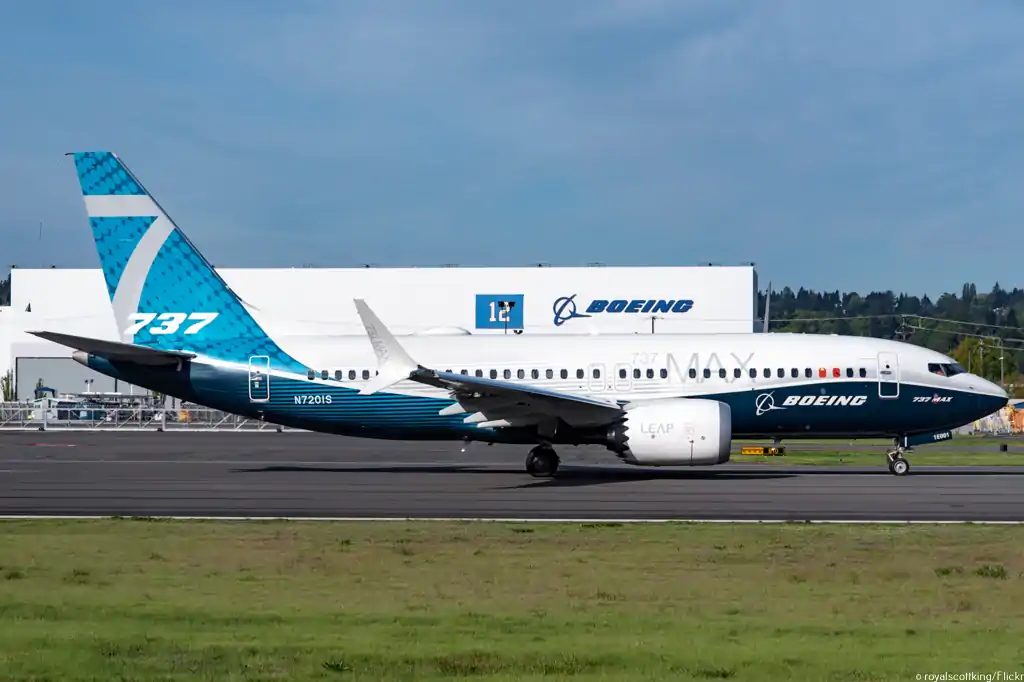
In a recent statement, Federal Aviation Administration (FAA) Administrator Michael Whitaker revealed that the agency has no "specific timetable" for the certification of the Boeing 737 MAX 7. This comes as a departure from Boeing's earlier expectations of certification by the end of the current year. The delay is attributed to unresolved safety issues, prompting a thorough review to ensure the aircraft's safety before approval.
Certification Process Challenges
- Data-Driven Safety Assurance: According to Whitaker, the FAA will certify the MAX 7 when they have all the necessary data to deem it safe. The emphasis is on a meticulous and data-driven approach to ensure comprehensive safety assessments are conducted.
- Ongoing Briefings and Issue Resolution: Whitaker underscored the importance of staying informed on the certification process's status. He is actively engaged in receiving briefings to understand emerging issues not only with the MAX 7 but also with other projects under the FAA's purview.
- Unchanged Boeing Schedule vs. FAA Caution: Despite Boeing's executives maintaining an unchanged schedule in October, Whitaker emphasized that the FAA will determine the certification timeline based on when all safety requirements are met.
Company and Airline Perspectives
- Boeing's Pursuit of Exemptions: Boeing is currently seeking exemptions related to the MAX 7's engine nacelle inlet structure and engine anti-ice system. The exemptions, if granted until May 31, 2026, would facilitate certification while design changes are made to address safety concerns.
- Southwest Airlines' Expectations: Southwest Airlines, the largest customer for the MAX 7, anticipates FAA certification by April. However, this expectation might be subject to change given the ongoing safety assessments and the FAA's cautious approach.
Regulatory Landscape Changes
- Key Flight Control Design Changes: The FAA announced that it would categorize certain flight control design changes as "major," particularly those related to systems implicated in the two fatal MAX crashes in 2018 and 2019. This underscores a stricter regulatory stance on safety measures.
- Legislative Reforms: In late 2020, Congress passed legislation reforming the FAA's certification process. The reforms include mandatory disclosure of safety-critical information and a heightened focus on oversight to prevent lapses like those identified in the MAX development.
- FAA's Vigilance Post-MAX Crashes: Whitaker acknowledged a "heightened level of vigilance" at the FAA following the MAX crashes. This underscores the agency's commitment to learning from past mistakes and continuously improving the certification process.
Conclusion
The FAA's cautious approach to certifying the Boeing 737 MAX 7 reflects a commitment to prioritizing safety over timelines. With ongoing safety concerns and the need for design changes, the aviation industry, including Boeing and its customers, must navigate these challenges while keeping the lessons from the MAX crashes in mind. The FAA's vigilance and commitment to continuous improvement signal a determined effort to enhance aviation safety in the face of evolving technologies and regulatory landscapes.
With Inputs from Reuters
Read next

In a significant development, the General Court of the European Union has nullified the European Commission's 2020 decision to greenlight 7 billion euros ($7.67 billion) in state aid for Air France. The aid package was designed to mitigate the economic impact of the COVID-19 pandemic on the French airline. This decision comes in the wake of legal challenges initiated by Ryanair, Europe's largest budget airline, against various state aid packages extended to airlines across the continent.
Background
The global aviation industry has been grappling with unprecedented challenges due to the COVID-19 pandemic. Governments worldwide have intervened to support their struggling airlines, offering financial assistance to prevent widespread bankruptcies and job losses. The European Commission, in 2020, approved a 7-billion-euro ($7.67 billion) aid package for Air France as part of broader efforts to stabilize the European aviation sector.
Legal Battle Unfolds
Ryanair, known for its aggressive stance against state aid to competitors, has been at the forefront of legal challenges. The Irish low-cost carrier filed numerous cases against state aid granted to various European airlines, arguing that such support distorts competition and creates an uneven playing field.
Court Ruling
The EU General Court's decision to annul the approval of the Air France state aid is a notable victory for Ryanair. The court concluded that the European Commission had not adequately justified its approval of the aid package, opening the door for potential distortions in competition within the aviation sector. This ruling sends a clear signal that regulatory bodies must rigorously assess and justify state aid decisions, especially when faced with objections from industry competitors.
Ryanair's Response

In response to the court's decision, Ryanair issued a statement welcoming the ruling as a triumph for fair competition and consumers across the European Union. The budget airline has consistently advocated for a level playing field, asserting that state aid should not be used to give certain carriers an unfair advantage over others.
Implications for the Aviation Industry
The nullification of the Air France state aid approval has broader implications for the European aviation industry. Regulators may now face increased scrutiny in evaluating and justifying state aid packages. This ruling may prompt a reevaluation of aid granted to other airlines, potentially reshaping the dynamics of competition within the sector.
Conclusion
The EU General Court's decision to annul the approval of state aid for Air France marks a pivotal moment in the ongoing legal battles between airlines amid the COVID-19 pandemic. As the aviation industry continues its recovery, the ruling underscores the importance of fair competition and transparent regulatory processes in shaping the future of European air travel. The fallout from this decision is likely to influence how governments and regulatory bodies approach financial support for struggling airlines in the post-pandemic era.
With Inputs from Reuters
Read next
Kempegowda International Airport Clinches 'Best Domestic Airport' Title at Travel + Leisure India’s Best Awards 2023
Abhishek Nayar
21 Dec 2023

In a momentous triumph, Kempegowda International Airport Bengaluru (BLR Airport) has been crowned the 'Best Domestic Airport' at the 12th edition of the Travel + Leisure India’s Best Awards 2023. The prestigious accolade was bestowed upon the airport during a ceremony held at the ITC Maurya in New Delhi.
The Travel + Leisure India’s Best Awards are widely recognized across India and South Asia, serving as a distinguished acknowledgment of excellence in travel, hospitality, and lifestyle. This annual reader’s choice award celebrates the crème de la crème of establishments in the hospitality industry.
A Testament to Excellence
BLR Airport's relentless pursuit of excellence in transforming passenger experiences played a pivotal role in securing this coveted title. The airport's overarching goal is not merely to serve as a transit point but to evolve into a destination in its own right. The management at BLR Airport is committed to continuous improvement and innovation, ensuring that the airport stays abreast of evolving customer needs and leverages emerging technologies to enhance the overall passenger experience.
Hari Marar, the Managing Director & CEO of Bangalore International Airport Limited (BIAL), expressed his gratitude for the national recognition, stating, "We are honored to be recognized nationally as the best domestic airport in the country. At BLR Airport, we are dedicated to continually improving service standards. This award acknowledges the hard work of our entire airport community, and we are grateful to our growing and dedicated passengers for their vote of confidence and continued support.”
A Commitment to Transformation
BLR Airport's commitment to transformation is underscored by its proactive approach to updating its offerings. The airport consistently adapts to the latest trends and technologies, ensuring that passengers benefit from a seamless and state-of-the-art travel experience. This commitment was particularly evident during the challenging voting process for the Travel + Leisure India’s Best Awards this year.
Record-breaking Support
The voting process, which extended over three months, culminated in a record-breaking 523,270+ votes. In this remarkable achievement, BLR Airport distinguished itself among other leading airports, solidifying its position as a frontrunner in the industry. The overwhelming support from passengers reflects their confidence in BLR Airport's dedication to providing top-notch services and setting industry benchmarks.
Looking Ahead
As BLR Airport basks in the glory of being named the 'Best Domestic Airport,' the management remains forward-looking. The airport's commitment to excellence serves as a foundation for future endeavors, as it continues to evolve, adapt, and elevate the travel experience for its passengers. With an unwavering focus on service standards, innovation, and customer satisfaction, Kempegowda International Airport Bengaluru is set to remain a beacon of excellence in the aviation landscape.
Conclusion
In summary, the 'Best Domestic Airport' title at the Travel + Leisure India’s Best Awards 2023 is not just a recognition of past achievements but a testament to BLR Airport's ongoing commitment to excellence and innovation in the realm of travel and hospitality.
Read next
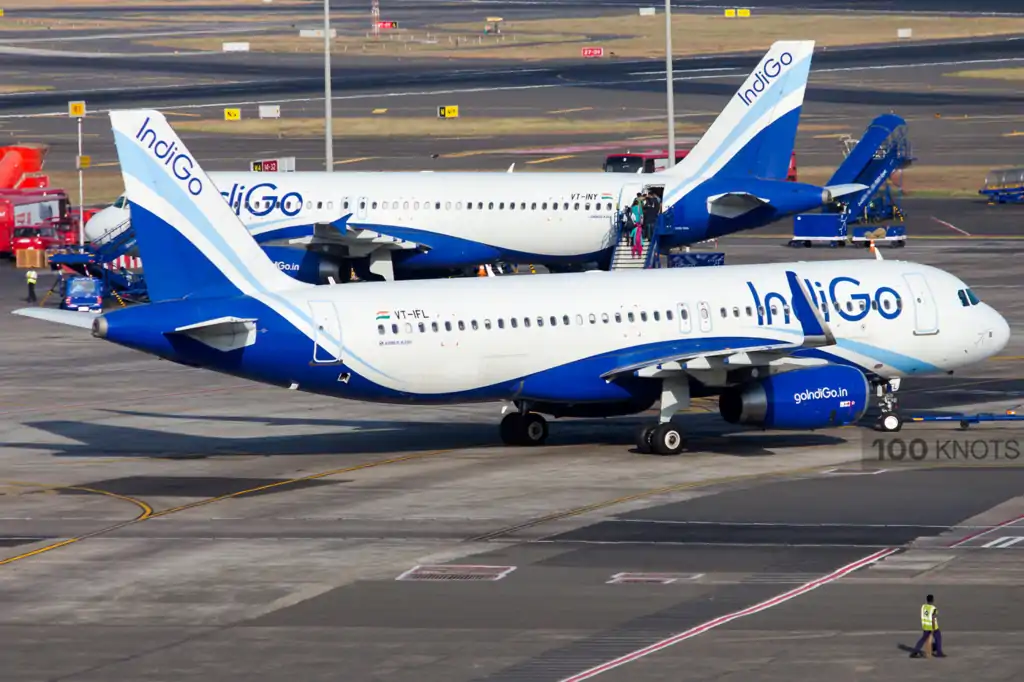
In the dynamic landscape of Indian aviation, IndiGo, the country's largest airline, has soared to unprecedented heights in 2023. Boasting remarkable achievements in passenger traffic, daily flights, and network expansion, the low-cost carrier has now etched its name in history by becoming the first Indian airline to fly 100 million passengers in a calendar year.
Unprecedented Growth
IndiGo's growth trajectory has been nothing short of phenomenal. Surpassing the scale of operations of its counterparts, the airline has achieved a significant milestone by flying 22% more passengers in 2023 than the previous year. Pieter Elbers, the CEO of IndiGo, expressed his delight, attributing this success to customer trust, hard work, and the execution of a meticulously crafted strategy.
Market Dominance and International Expansion
IndiGo commands over 60% of India's domestic market share, an impressive feat that underscores its dominance. The airline's international network has witnessed rapid expansion, with the addition of 20 international routes in just six months. Presently, IndiGo serves 118 destinations, including 32 international locations, firmly placing it among the top ten airlines globally by passenger traffic.
Exclusive Routes and Operational Milestones
A common sight at Indian airports, departure and arrival boards are overwhelmingly filled with IndiGo flights. Many of the routes operated by the carrier are exclusive, devoid of competition from rival airlines. Earlier this year, IndiGo achieved another milestone by becoming the first Indian airline to operate over 2,000 flights in a single day, encompassing scheduled passenger and cargo flights, as well as military charters.
Global Recognition and Market Valuation
IndiGo's impact extends beyond Indian borders, earning it a position among the ten largest airlines globally by passenger traffic. In terms of market valuation, the airline holds the 6th position worldwide, with its parent company, Interglobe Aviation, commanding an impressive valuation of $13.8 billion—outshining some renowned global names. Notably, this valuation surpasses that of the U.S. carrier United Airlines.
Challenges Amid Success
Despite these achievements, IndiGo faces challenges, notably with several of its Airbus A320-family jets grounded due to engine issues. The airline has navigated this setback by wet leasing aircraft and extending the lifespan of older planes. While the grounding of additional aircraft due to Pratt & Whitney engine issues may impact operations in the coming months, IndiGo's leading position in the Indian aviation sector remains unchallenged.
Conclusion
IndiGo's journey in 2023 is a testament to its resilience, strategic prowess, and unwavering commitment to connecting people and aspirations. As the first Indian airline to achieve the monumental feat of flying 100 million passengers in a calendar year, IndiGo continues to redefine the benchmarks of success in the aviation industry. With its robust market position, expansive network, and global recognition, IndiGo is not just an airline; it is a symbol of India's aviation prowess on the world stage.
Read next
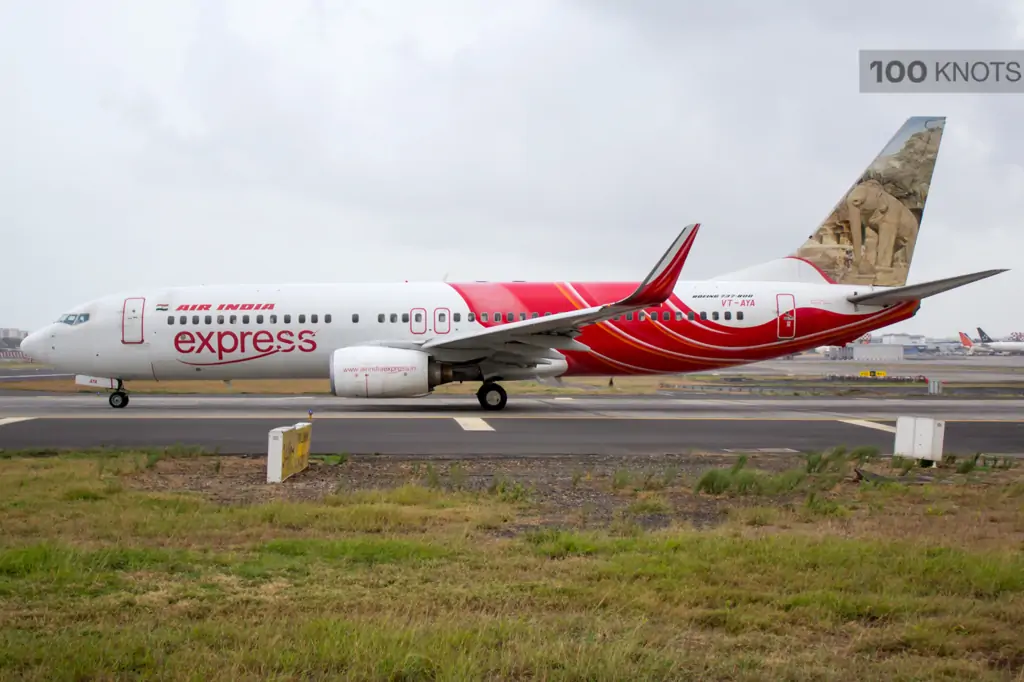
Air India Express is making significant strides in its fleet development, aligning with its strategic plans to enhance operational capabilities and customer experience. The airline has recently inked a sale and leaseback deal with Griffin Global Asset Management and Bain Capital for the acquisition of ten Boeing 737 MAX aircraft, marking a pivotal step in the carrier's comprehensive transformation.
Sale and Leaseback Deal
The sale and leaseback arrangement, a common practice in the aviation sector, involves Air India Express selling the aircraft to Griffin Global Asset Management and Bain Capital, only to lease them back for operational use. This financial maneuver allows the airline to unlock substantial cash while retaining the ability to utilize the newly acquired Boeing narrowbody planes.
Strategic Partnership with Griffin Global Asset Management
Griffin Global Asset Management, a reputable player in commercial aircraft leasing and alternative asset management, is a key partner in this venture. With offices in Dublin, Puerto Rico, and Los Angeles, Griffin brings profound expertise to the table, making them an ideal collaborator for Air India Express in financing and leasing these ten aircraft.
Modernizing the Fleet for Enhanced Experience
Nipun Aggarwal, Chief Commercial & Transformation Officer of Air India, and Director of Air India Express, emphasized the importance of fleet modernization as a pivotal element in the ongoing transformation of the Air India group. The new Boeing 737 MAX aircraft are seen as significant enhancements, promising customers a differentiated flying experience, improved reliability, and enhanced cost efficiency.

Delivery Schedule and Expansion Plans
The first aircraft from the deal was already delivered in November, with the remaining nine set to join the fleet in the coming months, spanning the fourth quarter of 2023 and the first quarter of 2024. This acquisition is part of the broader fleet expansion plan for Air India Express, which includes the arrival of a total of 55 Boeing 737 MAX aircraft over the next 11–15 months.
Strategic Move: Leveraging Undelivered MAXs
Air India Express seized a strategic opportunity in acquiring some of the Boeing 737 MAX aircraft originally intended for Chinese carriers. With delays in recertification by Chinese regulators following the two fatal crashes, these undelivered MAXs, meant for airlines like Air China, China Eastern, and Shanghai Airlines, became available, allowing Air India Express to bolster its fleet efficiently.
Privatization and Renewed Focus
The recent developments highlight the transformation of Air India Express following its privatization. The airline, once overlooked as a state carrier, has undergone a rebranding and initiated a major fleet development program. The focus on fleet expansion is a testament to its commitment to growth and competitiveness in the dynamic aviation industry.
Upcoming Phases and Collaborative Growth
This acquisition of ten Boeing 737 MAX aircraft represents the initial phase of Air India Express's broader fleet expansion plan. In total, the airline is set to receive 190 737 MAX aircraft as part of a larger order with Boeing. The expansion necessitates the induction of over 300 pilots in the coming months, supporting both domestic and international growth for the carrier.
Conclusion
In summary, Air India Express's strategic moves in fleet development, particularly the recent sale and leaseback deal for Boeing 737 MAX aircraft, signal a new era for the airline. As it embraces modernization and expansion, the carrier is poised to provide an elevated flying experience while positioning itself as a competitive player in the evolving aviation landscape.
Comment