

Overview
Date & Flight: On 24 July 2024, a Bombardier CRJ200LR (registration 9N AME) operated by Saurya Airlines crashed shortly after takeoff from Tribhuvan International Airport, Kathmandu, during a ferry flight to Pokhara for scheduled maintenance. Of 19 people aboard (17 passengers, including technical staff, 2 crew), 18 died; only the captain survived.
Investigation and Analysis
Flight Recorders
Both the Flight Data Recorder (FDR) and Cockpit Voice Recorder (CVR) were recovered and analyzed in Singapore under the oversight of Nepal's Aircraft Accident Investigation Commission (AAIC), alongside experts from Canada and the U.S. National Transportation Safety Board.
Preliminary Findings (September 2024)
The report noted an excessive pitch rate of approximately 8.6°/second during rotation—nearly triple the safe limit (~3°/s).
Within seconds of liftoff, the aircraft exhibited erratic roll movements: briefly right-wing down, then left, then right again and finally impacted the ground with its right wing. Stick-shaker warnings activated multiple times.
The airline had failed to comply with proper loading procedures, including weighing and securing baggage and cargo. Weight-and-balance standards were disregarded.
Final Report (Released 14 July 2025)
The Aircraft Accident Investigation Commission attributed the crash to the crew applying pitch control inputs too early and at too low a speed (before reaching proper rotation speed), causing a deep aerodynamic stall immediately after takeoff.
Investigators confirmed the crew used incorrect V-speeds (decision speed V1; rotation speed VR) derived from a faulty speed record card, which had duplicated values and did not correspond to the actual takeoff weight (~18,137 kg instead of 18,500 kg). Specifically, takeoff speeds of V1 = 114 kt and VR = 118 kt were used, whereas correct values should have been V1 117–118 kt and VR 122–123 kt depending on the weight.
The commission also identified serious lapses in cargo and baggage handling, including unsecured baggage that may have shifted during rotation, exacerbating control issues.
Regulatory Oversight Issues
The AAIC called out regulatory shortcomings, noting that the Civil Aviation Authority of Nepal (CAAN) granted approval for the non?scheduled ferry flight without verifying full compliance with documentation requirements.

Safety Recommendations
The final report issued recommendations directed at both the airline and regulator:
All Nepali carriers must review and correct speed record cards and RTOW (reduced takeoff weight) tables to ensure accuracy.
Strict compliance with cargo and baggage policies is mandatory: all items must be weighed, properly distributed, and secured according to standard handling procedures.
The CAAN must reform its non?scheduled and ferry flight approval processes, ensuring complete documentation and oversight before granting permission.
Key Findings Summary
| Factor | Details |
|---|---|
| Incorrect V speeds | Crew used speeds for wrong weight (17,500 kg instead of real ~18,137 kg); speed card duplicated wrong entries. |
| Excessive pitch rate | Approximately 8.6°/s—far above safe limit—triggering aerodynamic stall. |
| Cargo negligence | Weight and balance procedures ignored; baggage possibly unsecured and shifted. |
| Regulatory lapse | CAAN granted ferry flight permission without ensuring procedural compliance. |
Conclusion
The final AAIC report, released 0n 19th July 2025, concludes that the Saurya Airlines CRJ200 crash resulted from a combination of faulty documentation, operational negligence, and regulatory oversight failures. Using incorrect V speeds, combined with an abnormal pitch rate below proper rotation speed led to aerodynamic stall immediately after takeoff. The airline’s poor handling of cargo, and CAAN’s inadequate checks on non-scheduled flight permissions, were also critical factors in this tragic accident.
Saurya Airlines has committed to implementing the AAIC’s recommendations. Aviation authorities and operators have been urged to enforce stricter compliance and review internal procedures to prevent recurrence.

Read next
Understanding FAA Part 107 Regulations on Small Unmanned Aircraft Systems

Editorial Team
19 Jul 2025
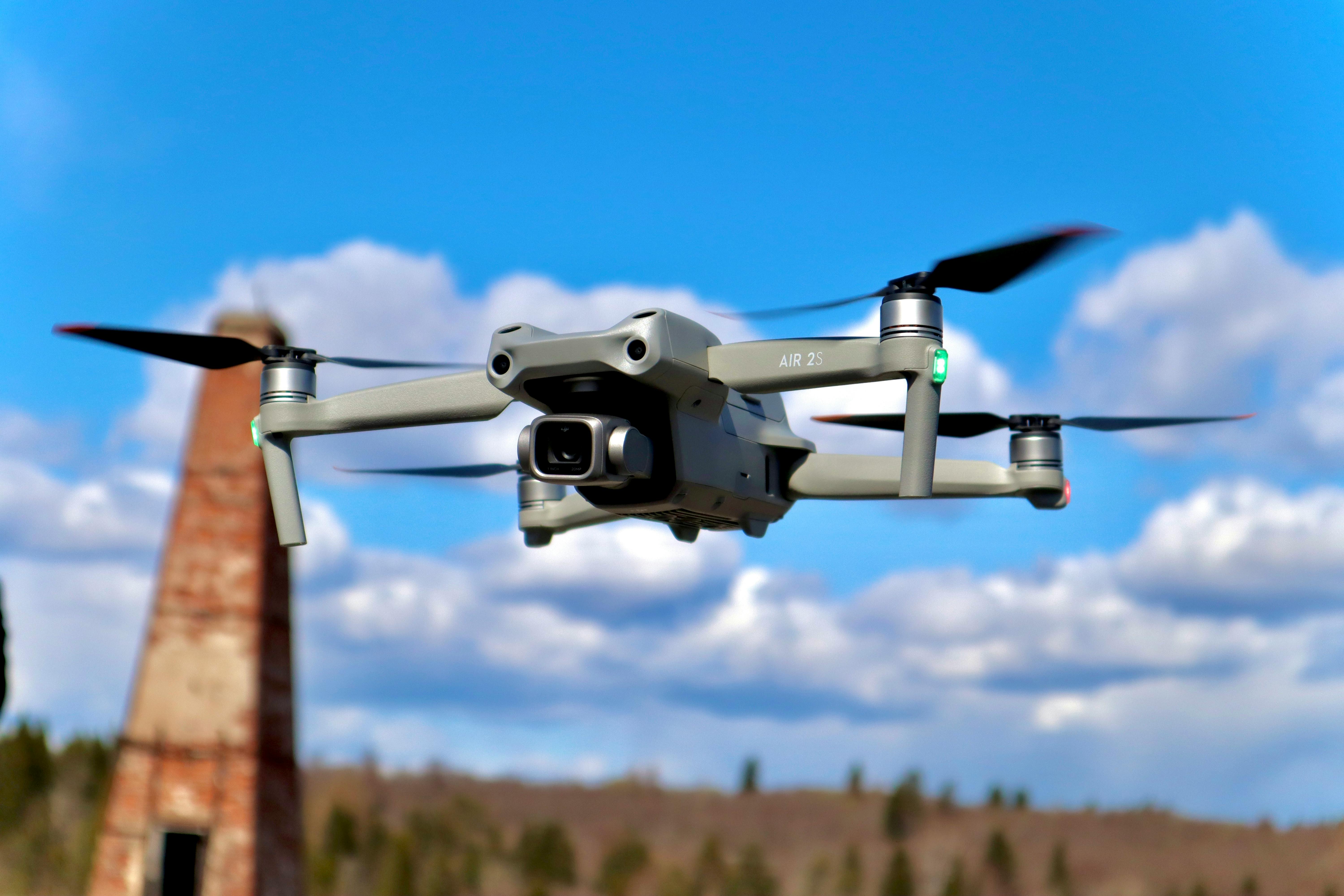
The skies above America have become increasingly crowded with small unmanned aircraft systems, commonly known as drones. As these versatile machines proliferate across commercial, recreational, and educational sectors, ensuring their safe integration into the national airspace has become a critical priority. The Federal Aviation Administration's Part 107 regulations serve as the cornerstone framework governing small drone operations, establishing essential guidelines that protect both aerial traffic and ground-based communities. Recent research findings, however, suggest that compliance challenges persist, highlighting the ongoing importance of understanding and adhering to these vital safety protocols.
Overview
The Part 107 regulations, formally titled "Small Unmanned Aircraft Systems," represent the FAA's comprehensive approach to managing drone operations within the United States airspace. These rules apply to the registration, certification, and operation of civil small unmanned aircraft systems weighing less than 55 pounds, including all attached equipment and payload.
Key Definitions and Scope
Under Part 107, several critical terms define the regulatory landscape:
- Small unmanned aircraft refers to any unmanned aircraft weighing less than 55 pounds at takeoff
- Small unmanned aircraft system (small UAS) encompasses the aircraft itself, plus all associated elements, including communication links and control components
- The remote pilot in command is the individual responsible for the safe operation of the drone
- A visual observer serves as an additional set of eyes to assist the remote pilot
The regulations specifically exclude air carrier operations, aircraft subject to other federal statutes, and operations conducted under special exemptions or Part 91 regulations with airworthiness certificates.

Remote Pilot Certification Requirements
Eligibility and Prerequisites
To legally operate a small UAS for commercial purposes, individuals must obtain a remote pilot certificate with a small UAS rating. The eligibility requirements include:
- Minimum age of 16 years
- English language proficiency in reading, speaking, writing, and understanding
- Physical and mental fitness with no conditions that would interfere with safe operation
- Aeronautical knowledge demonstration through either passing an initial knowledge test or completing approved training
Knowledge Areas and Testing
The aeronautical knowledge test covers 13 essential areas:
- Applicable regulations and operational limitations
- Airspace classification and operating requirements
- Aviation weather sources and effects
- Aircraft loading considerations
- Emergency procedures
- Crew resource management
- Radio communication protocols
- Performance determination
- Effects of drugs and alcohol
- Aeronautical decision-making
- Airport operations
- Maintenance and inspection procedures
- Night operations
Recency Requirements
Remote pilots must maintain current knowledge by accomplishing one of the following within 24 calendar months:
Passing a recurrent aeronautical knowledge test
Completing recurrent training
For licensed pilots, completing training while maintaining flight review currency

Operational Rules and Limitations
Flight Altitude Restrictions
Part 107 establishes a maximum altitude of 400 feet above ground level for drone operations. However, exceptions allow flights up to 400 feet above structures when operating within a 400-foot radius of those structures. This limitation aims to maintain separation from manned aircraft operating in higher altitudes.
Speed and Visibility Requirements
Operational limitations include:
- Maximum ground speed of 87 knots (100 mph)
- Minimum flight visibility of 3 statute miles
- Cloud clearance requirements of 500 feet below and 2,000 feet horizontally from clouds
Visual Line of Sight Operations
Remote pilots must maintain unaided visual contact with their aircraft throughout the entire flight (corrective lenses are permitted). This requirement ensures operators can:
- Monitor aircraft location and orientation
- Observe the surrounding airspace for traffic and hazards
- Determine that the aircraft poses no danger to people or property
- Maintain situational awareness for safe operations
Airspace Authorisation Requirements
Drone operations in controlled airspace require prior authorisation:
- Class B, C, and D airspace requires Air Traffic Control approval
- Surface areas of Class E airspace designated for airports require authorisation
- Operations must not interfere with airport traffic patterns
- Prohibited and restricted areas require permission from the controlling agencies

Operations Over Human Beings
Part 107 establishes four categories for operations over people, each with specific requirements:
Category 1 Operations
- Aircraft must weigh 0.55 pounds or less
- No exposed rotating parts that could cause lacerations
- No sustained flight over open-air assemblies without additional requirements
Category 2 Operations
- Aircraft must not cause injury equivalent to 11 foot-pounds of kinetic energy transfer
- Requires FAA-accepted declaration of compliance
- Must display appropriate labelling
- Includes manufacturer support and notification requirements
Category 3 Operations
- Aircraft must not exceed 25 foot-pounds of kinetic energy transfer potential
- Similar compliance and labelling requirements as Category 2
- Prohibited over open-air assemblies
- Limited operations over people with specific restrictions
Category 4 Operations
- Requires an airworthiness certificate under Part 21
- Must comply with approved flight manual limitations
- Extensive maintenance and record-keeping requirements
- Highest level of operational capability
Night Operations and Equipment Requirements
Lighting Requirements
Night operations demand specific equipment:
- Anti-collision lighting is visible for at least 3 statute miles
- Sufficient flash rate to avoid collisions
- Remote pilots may reduce but not extinguish lighting when safety requires
Training Requirements
Night operations require remote pilots to have completed initial knowledge testing or training after April 6, 2021, ensuring familiarity with night-specific challenges and procedures.
Safety Reporting and Compliance
Incident Reporting
Remote pilots must report safety events within 10 calendar days involving:
- Serious injury or loss of consciousness
- Property damage exceeding $500 (repair costs or fair market value)
Inspection and Documentation Requirements
Operators must:
- Carry remote pilot certificates during operations
- Present certificates to authorised officials upon request
- Make records available for FAA inspection
- Allow testing and inspection of aircraft and crew

Recent Safety Concerns: Altitude Violations Study
Research Findings
A recent FAA-funded study conducted by Embry-Riddle Aeronautical University has revealed concerning trends in drone operations. Analysing 6,037 flights with altitude data, researchers discovered significant violations of altitude restrictions:
- 573 flights reached between 400 and 500 feet
- 781 flights exceeded 500 feet
- Drones operated in manned aircraft airspace for approximately 10% of observed flight time
Risk Areas and Implications
The study identified particular risks near airports and heliports:
- Small UAS detected within 0.5 nautical miles of heliports
- Many heliports lack representation on aeronautical charts
- Urban heliports often remain hidden within metropolitan areas
Regulatory Implications
These findings suggest the need for enhanced education, enforcement, and possibly updated regulations as drone operations continue expanding, particularly for beyond-visual-line-of-sight operations and commercial applications.
Waiver Provisions and Exceptions
Available Waivers
The FAA may issue certificates of waiver for deviations from specific regulations, including:
- Operations from moving vehicles (with restrictions)
- Visual line of sight requirements (with limitations)
- Altitude limitations
- Operations over people
- Multiple aircraft operations
Waiver Requirements
Waiver requests must include:
- Complete operational descriptions
- Safety justifications
- Demonstration of equivalent safety levels
- Compliance with any additional FAA-imposed limitations
Future Considerations and Compliance
Evolving Technology
As drone technology advances, Part 107 regulations continue evolving to address:
- Remote identification requirements
- Advanced air mobility integration
- Autonomous flight capabilities
- Urban air mobility operations
Industry Impact
The regulations significantly impact various industries:
- Real estate and construction benefit from aerial imaging capabilities
- Agriculture utilises drones for crop monitoring and treatment
- Emergency services employ drones for search and rescue operations
- Infrastructure inspection relies on drone accessibility and safety

Conclusion
The Part 107 regulations represent a comprehensive framework designed to safely integrate small unmanned aircraft systems into the national airspace while protecting public safety and enabling beneficial drone operations. Key requirements include obtaining proper certification, maintaining operational limitations such as the 400-foot altitude ceiling and visual line-of-sight requirements, and adhering to specific protocols for operations over people and in controlled airspace. Recent research highlighting altitude violations underscores the critical importance of compliance and education within the drone community.
As the industry continues expanding with new technologies and applications, understanding and following these regulations becomes increasingly vital for maintaining safety and advancing the beneficial uses of drone technology. Remote pilots must remain current with requirements, maintain proper documentation, and prioritise safety in all operations to ensure the continued growth and acceptance of small UAS operations in American airspace.
Read next

The landscape of modern warfare is undergoing a fundamental transformation, with Unmanned Aerial Vehicles (UAVs) emerging as the defining technology of contemporary combat operations. Recognising this shift, the United States military has undertaken an ambitious campaign to significantly enhance its drone capabilities through comprehensive policy reforms and strategic initiatives.
Breaking Down Bureaucratic Barriers
Defence Secretary Pete Hegseth has introduced groundbreaking changes designed to streamline drone acquisition processes and eliminate the red tape that has historically slowed military innovation. These reforms represent a significant departure from traditional procurement methods, empowering field commanders with unprecedented authority to acquire the tools they need for modern combat scenarios.
The new framework grants tactical-level commanders, specifically those holding colonel rank or its naval equivalent, the ability to directly purchase unmanned systems for their units. This decentralised approach marks a revolutionary shift from the centralised procurement processes that have dominated military acquisitions for decades. Brigade commanders in the Army, regiment leaders in the Marine Corps, and wing commanders in the Air Force now possess the autonomy to identify, evaluate, and procure drone technologies that best serve their operational requirements.

Expanding the Industrial Base
A crucial component of this transformation involves significantly broadening the roster of approved drone manufacturers. The Pentagon's initiative aims to incorporate hundreds of American-made systems into its approved inventory, fostering competition and innovation within the domestic drone manufacturing sector. This expansion represents more than just increasing options; it constitutes a strategic investment in American industrial capabilities and technological sovereignty.
The restructuring includes transferring oversight of the military's drone approval system from the Defence Innovation Unit to the Defence Contract Management Agency. This organisational change addresses previous bottlenecks that prevented newer platforms from receiving timely evaluations, ensuring that cutting-edge technologies can reach frontline units more rapidly.
Learning from Global Conflicts
The urgency behind these reforms becomes clear when examining recent combat experiences, particularly the ongoing conflict in Ukraine. Ukrainian forces have demonstrated the transformative power of unmanned systems, with tactical drones accounting for an estimated 60-70% of all Russian battlefield casualties. This remarkable effectiveness has fundamentally altered military thinking about the role of unmanned systems in modern warfare.
Ukraine's approach to drone warfare offers valuable lessons for American military planners. The country's domestic production capabilities have grown exponentially, from manufacturing 600,000 units in 2023 to an impressive 2.2 million in 2024. Perhaps most significantly, 96% of all drones deployed by Ukrainian forces in 2024 were domestically produced rather than imported, demonstrating the strategic importance of indigenous manufacturing capabilities.
Strategic Priorities and Timeline
The Pentagon's initiative establishes clear priorities and ambitious timelines for implementation. Every ground combat squad is expected to receive low-cost, expendable drones by the end of 2026, with particular emphasis on units assigned to the Indo-Pacific theatre. This geographic focus reflects broader strategic considerations regarding potential future conflicts and the unique operational challenges of the Pacific region.
One-way attack drones have been specifically identified as priority weapon systems, recognising their proven effectiveness in contemporary combat operations. These expendable platforms offer commanders cost-effective solutions for precision strikes while minimising risk to personnel and expensive assets.
Addressing Capability Gaps
The comprehensive nature of these reforms acknowledges significant shortfalls in current American drone capabilities. While adversaries collectively produce millions of inexpensive drones annually, the United States has struggled to match this production capacity. The initiative directly addresses this disparity by simultaneously expanding manufacturing capacity and streamlining acquisition processes.
The emphasis on small unmanned aerial systems reflects their unique advantages in modern combat: affordability, expendability, and tactical flexibility. These characteristics make them particularly valuable for sustained operations where traditional, more expensive systems might prove prohibitively costly to employ at scale.
Looking Forward
This transformation represents more than just technological advancement; it embodies a fundamental shift in military philosophy toward more agile, responsive procurement processes. By empowering field commanders with direct acquisition authority and expanding the industrial base, the Pentagon is positioning itself to better adapt to rapidly evolving battlefield requirements.
The success of these initiatives will likely depend on effective implementation and the ability to maintain quality while scaling production. As the military moves forward with these ambitious plans, the integration of unmanned systems into American military doctrine will undoubtedly continue evolving, potentially reshaping the nature of future conflicts and America's approach to national defence.
The drone revolution in military affairs has arrived, and the United States is positioning itself to lead this transformation through innovative policies, expanded manufacturing capabilities, and empowered field commanders ready to embrace the future of warfare.
Read next
Mumbai Takes Flight: India's First Offshore Airport to Rise from the Arabian Sea
Pragya Chauhan
18 Jul 2025

Maharashtra's ambitious offshore aviation hub promises to revolutionize air travel in India's financial capital
Mumbai's aviation landscape is poised for a dramatic transformation as Maharashtra Chief Minister Devendra Fadnavis announced that the groundbreaking Vadhavan offshore airport project could commence construction by 2026. Speaking at a prestigious aviation conference in Mumbai last Friday, Fadnavis revealed that this extraordinary venture would establish the Mumbai Metropolitan Region's third major airport, joining the existing Chhatrapati Shivaji Maharaj International Airport and the soon-to-be-operational Navi Mumbai International Airport.
A Vision Takes Flight
The Vadhavan airport represents more than just infrastructure expansion—it embodies India's bold leap into next-generation aviation technology. With an estimated investment of Rs 76,220 crore (approximately $9.1 billion), this project would create India's first offshore airport, positioning the nation among the select few countries worldwide to achieve such an engineering marvel.
The ambitious initiative was first unveiled by Prime Minister Narendra Modi in November 2023, signaling the central government's commitment to addressing Mumbai's acute aviation capacity constraints. Since then, the project has gained significant momentum, with Maharashtra's state government appointing specialized agencies to develop the comprehensive Detailed Project Report (DPR).
Addressing Critical Infrastructure Needs
Mumbai's current aviation infrastructure operates under enormous strain. The city's primary airport functions with a single runway system, creating bottlenecks that affect millions of passengers annually. This congestion translates into delayed flights, limited slot availability, and restricted growth potential for one of Asia's busiest aviation hubs.
The situation becomes even more pressing when considering Mumbai's role as India's commercial capital. The city handles nearly 50 million passengers annually, yet its infrastructure capacity lags behind global financial centers. The Vadhavan project directly addresses this gap, promising to unlock Mumbai's aviation potential while establishing new benchmarks for sustainable airport development.
Engineering Excellence on the High Seas
The Vadhavan offshore airport will rise from the Arabian Sea, approximately 170 kilometers north of Mumbai in Palghar district. This strategic location offers several advantages: minimal land acquisition challenges, reduced noise pollution for urban areas, and the potential for unlimited expansion possibilities.
Chief Minister Fadnavis emphasized the project's synergy with existing infrastructure developments, stating, "When we can reclaim land and build an offshore port at Vadhavan, why not build an offshore airport as well." This philosophy reflects the government's integrated approach to coastal development, maximizing the benefits of marine engineering expertise.
The technical feasibility studies are already underway, exploring innovative solutions for offshore runway construction and comprehensive airport infrastructure. Engineers are examining various models, including artificial island creation and floating platform technologies, drawing inspiration from successful international projects like Japan's Kansai International Airport and Hong Kong International Airport.

Strategic Integration with Maritime Development
The airport project benefits from its proximity to the Vadhavan Port, India's largest upcoming seaport approved by the Union Cabinet in June 2024. This maritime facility, managed by Vadhavan Port Project Limited (VPPL)—a joint venture between Jawaharlal Nehru Port Authority (74% stake) and Maharashtra Maritime Board (26% stake)—will create a comprehensive logistics ecosystem.
The dual development of port and airport facilities promises unprecedented multimodal connectivity, potentially establishing Vadhavan as a major transshipment hub for both cargo and passengers. This integrated approach could significantly reduce transportation costs and improve efficiency for international trade operations.
Economic and Environmental Implications
The Vadhavan airport project represents a substantial economic catalyst for Maharashtra and the broader western Indian region. Construction activities alone will generate thousands of jobs, while the operational phase promises to create a new aviation cluster supporting airlines, ground handling companies, and ancillary services.
Environmental considerations remain paramount in the project's development. Offshore construction minimizes ecological disruption to coastal ecosystems while offering opportunities for innovative sustainable technologies. The project team is exploring renewable energy integration, advanced waste management systems, and carbon-neutral operational protocols.
Timeline and Future Prospects
With construction potentially beginning in 2026, the Vadhavan airport could become operational by the early 2030s, perfectly timed to meet Mumbai's projected aviation demand. The project's phased development approach allows for gradual capacity expansion, ensuring infrastructure growth aligns with passenger volume increases.
As Maharashtra moves forward with this transformative project, the Vadhavan offshore airport stands ready to redefine India's aviation infrastructure standards. This engineering marvel will not only solve Mumbai's immediate capacity challenges but also position the region as a global aviation hub, strengthening India's connectivity with international markets while showcasing the nation's technological capabilities on the world stage.
The success of this venture could inspire similar offshore developments across India's extensive coastline, potentially revolutionizing how the nation approaches large-scale infrastructure projects in the decades ahead.
Read next

The Federal Aviation Administration (FAA) has proposed an $88,108 civil penalty against Bridgewater State University in Massachusetts, citing alleged failures in maintaining mandatory pilot training records.
According to the FAA, the university — which operates an FAA-approved pilot school — failed to properly document critical student training information. The agency alleges that required logs for nine students were incomplete, lacking records of course attendance, subjects covered, flight training received, as well as the names and grades of tests administered.
In addition, the FAA contends that the university did not maintain documentation verifying that its assistant chief instructor had completed either an approved training syllabus or a certified flight instructor refresher course, both of which are regulatory requirements.
Bridgewater State University has requested a meeting with the FAA to review and discuss the matter further.
Bridgewater State University (BSU), located in Bridgewater, Massachusetts, operates one of the few public university-affiliated flight training programs in the north-eastern United States. The university's aviation science program is well-regarded for producing professional pilots, and its flight school is part of the College of Continuing Studies.
Here are key details about BSU’s flight school:
Program Overview
- Degree Offered: Bachelor of Science in Aviation Science
- Concentrations: Professional Pilot or Aviation Management
- Flight Training: Conducted under Part 141 FAA certification through the university’s partnership with a certified flight training provider.
Facilities
- Flight training is conducted at New Bedford Regional Airport (EWB), about 30 miles south of the main campus.
- The facility includes briefing rooms, classrooms, flight simulators, and maintenance services.
Fleet and Equipment
- BSU’s flight school operates a modern fleet of training aircraft, primarily composed of Cessna 172s, known for their reliability and suitability for pilot training.
- Advanced aviation simulators are also used for ground training and procedural practice.
FAA-Approved Program
- The university maintains an FAA-approved pilot school status under 14 CFR Part 141.
- BSU also participates in the Restricted ATP (R-ATP) program, allowing eligible graduates to qualify for an Airline Transport Pilot certificate with reduced flight hours (1,000 instead of 1,500).
Partnerships and Affiliations
- Bridgewater State University maintains partnerships with regional airlines and industry organizations to support career pathways and internship opportunities for students.
- The university is a member of organizations such as the University Aviation Association (UAA).
Read next

MUMBAI, JULY 16 — An IndiGo Airbus A320neo, operating flight 6E 6271 from Delhi to Goa, was diverted to Mumbai on Wednesday evening following a suspected mid-air engine issue. The aircraft, registered VT-IZB, landed safely at Chhatrapati Shivaji Maharaj International Airport, where a full emergency had been declared in anticipation of its arrival.
The incident occurred during the aircraft’s routine evening service between Indira Gandhi International Airport (DEL)and Manohar International Airport (GOX). According to flight tracking data from Flightradar24, the aircraft departed Delhi at 20:16 IST, later than its scheduled time of 19:30.
While cruising at 34,000 feet, approximately 130 nautical miles north of Mumbai, the flight crew reportedly experienced an issue with one of the aircraft’s engines. As per a report from The Aviation Herald, the crew declared a full emergency at 21:35 IST, and the aircraft landed safely on Runway 27 at 21:52 IST.
All Passengers Safe, SOPs Followed
There were 173 passengers onboard. IndiGo confirmed that the decision to divert was made in line with standard operating procedures (SOPs). Passengers were safely disembarked, and an alternate aircraft was arranged to complete the journey to Goa.
In a statement to The Times of India, an IndiGo spokesperson said:
“A technical snag was detected on flight 6E 6271 while flying from Delhi to Manohar International Airport, Goa, on July 16. Following procedures, the aircraft was diverted and landed at Chhatrapati Shivaji Maharaj International Airport, Mumbai.”
Despite the full emergency declaration, Mumbai airport operations remained unaffected, and normal traffic flow resumed shortly after the landing. The emergency status was withdrawn following the aircraft’s safe arrival.

Aircraft to Undergo Inspection
The aircraft involved in the incident is an Airbus A320neo powered by Pratt & Whitney PW1127G-JM engines, part of the GTF (Geared Turbofan) family. These engines have been under scrutiny in recent years due to reliability concerns affecting operators worldwide.
Delivered to IndiGo in 2018, the aircraft is 6.8 years old and has clocked over 21,400 flight hours across 12,000+ flights, as per data from ch-aviation. While predominantly deployed on domestic sectors, the aircraft has also served international destinations including Dubai, Sharjah, and Bangkok.
IndiGo confirmed that VT-IZB will remain grounded pending a full technical inspection and maintenance clearance before returning to active service.
Comment