
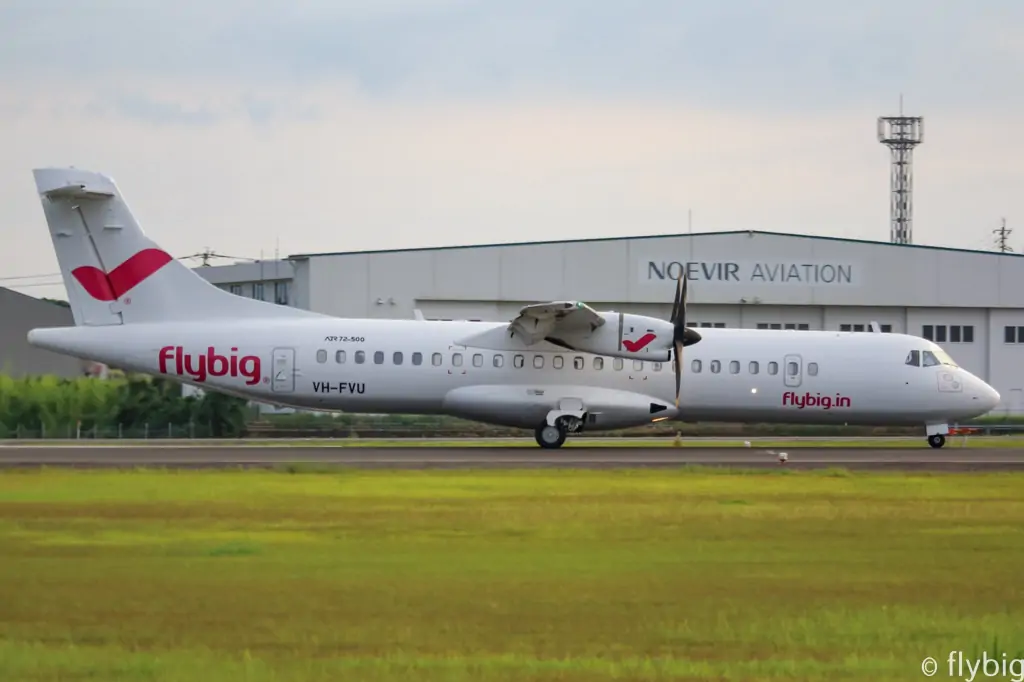
flybig has secured a strategic investment from Royal Bengal Holding Inc, a recently established company using a suburban bungalow in Florida as its registered address. The size and nature of the investment, as well as its terms and conditions, remain undisclosed.
"This strategic investment will be a significant boost to the network expansion of flybig," said the Indian regional carrier's chairman, Sanjay Mandavia, in a statement. "With Royal Bengal Holding Inc's support, we will be able to expand our operations and provide even more connectivity to underserved areas of the country."
According to US company records, Royal Bengal Holding Inc registered as a for-profit entity in December 2022, with a private residence in Coral Springs, Florida, used as the registered address. Its sole director is Sanjay Singh, who is also listed as a director of seven other companies, including Royal Bengal Logistics Inc., and North America Aerospace LLC. "We believe flybig has tremendous potential in the Indian aviation market, especially with its focus on regional operations," said Singh in a statement provided by flybig.
flybig is a regional airline based in Gurugram, a satellite city just southwest of Delhi. According to its website, the flybig business model revolves around India's Ude Desh ka Aam Naagrik (UDAN) scheme, a subsidiary program of the Regional Connectivity Scheme, which seeks to improve regional airport infrastructure and bolster regional aviation.
flybig presently operates across 14 routes within India, linking Agartala, Dibrugarh, Guwahati, Imphal, Donyi Polo, Kolkata, Pasighat, Patna, Rupsi, and Tezu. The airline operates three ATR - Avions de Transport Régional turboprops, including one ATR72-500 and two ATR72-600s all of which are leased from Aviation and DAE Capital.
Flybig operates first flight on non-UDAN route
flybig, in association with the Assam government launched its services on the Guwahati-Dibrugarh-Guwahati route, which is the first flight on a non-UDAN route under the state’s viability gap funding (VGF) scheme.
Assam tourism minister Jayanta Malla Baruah flagged off the inaugural flight between Guwahati and Dibrugarh from the LGBI Airport here with 64 passengers onboard the aircraft. Notably, the flight will depart for Dibrugarh from the LGBI Airport here at 9.35 am every day and arrive here from Dibrugarh at 4.30 pm on the same day.
In a further push to intra-state air connectivity, the Assam government inked a Memorandum of Understanding with Big Charter Private Limited ( or Flybig) in March this year. Under the signed understanding, a decision was made to operate flights between Guwahati-Dibrugarh-Guwahati and Guwahati-Silchar-Guwahati routes daily. Assam has a total of six-to-seven operational airports. While the flight operations will be in line with the centre's UDAN scheme, the state government will provide viability gap funding to the carrier operator.
According to official sources, Flybig will be supported by Assam Tourism Development Corporation Limited (ATDCL) through VGF funding. The weekly operation of flights in both sectors will be mutually decided by both parties.
It may be recalled that ATDCL had, on behalf of the state government, inked MoU with Big Charter Private Limited (Flybig) in March for the launch of air services in the non-UDAN section in the Guwahati-Dibrugarh-Guwahati and Guwahati-Silchar-Guwahati routes daily. Throwing light on the VGF provision, Baruah said the Assam government would, by the scheme, provide Rs 4000 against each passenger if there are less than 40 passengers in a single flight on these two non-UDAN routes.
About UDAN RCS
The Ministry of Civil Aviation's flagship programme, Regional Connectivity Scheme UDAN (Ude Desh ka Aam Nagrik), has already completed five years. The first flight was launched in April 2017. The scheme was initiated in October 2016 to fulfil the aspirations of the common citizen, with an enhanced aviation infrastructure and air connectivity in tier II and tier III cities. The government has approved the 'Revival of unserved and under-served airports' scheme for the revival and development of 100 unserved and under-served airports, helipads and water aerodromes by 2024. It is an ongoing scheme where bidding rounds are conducted occasionally to cover more destinations or stations and routes.

Read next
Jet Airways' Offices & Founder's Residences Raided By CBI In Alleged Bank Fraud Case
Radhika Bansal
06 May 2023
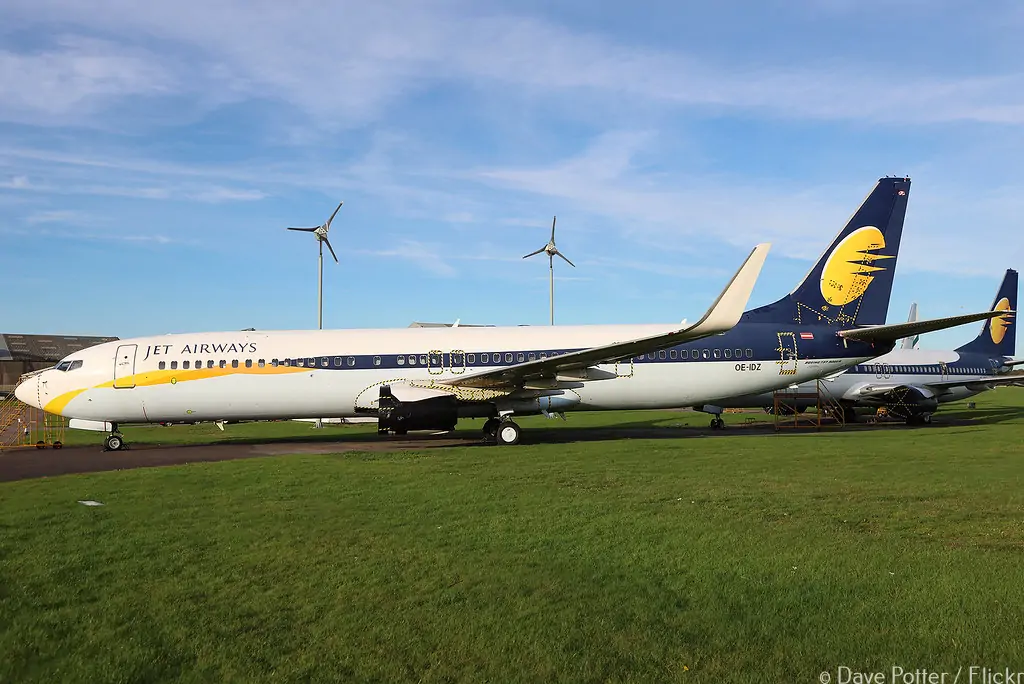
The Central Bureau of Investigation (CBI) on May 5 searched seven locations including offices of Jet Airways, and its founder Naresh Goyal in connection with an alleged INR 538-crore bank fraud case, officials told news agency PTI. Sources indicate that the raids at seven locations were not connected to the new owners of Jet Airways, the Jalan Kalrock Consortium, which maintains an office in Gurgaon and is working to revive the airline that was grounded in April 2019 due to financial difficulties.
The CBI searches were spread across the residences and offices of Goyal, his wife Anita, and former airline director Gaurang Ananda Shetty. The officials added that the agency has registered a new case of alleged bank fraud of INR 538 crore on a Canara Bank complaint.
According to the FIR accessed, a senior official of the bank complained to the CBI in November 2022. The agency initiated the action on the bank's complaint which alleged that it sanctioned credit limits and loans to Jet Airways (India) Ltd (JIL) to the tune of INR 848.86 crore of which INR 538.62 crore is outstanding.
It is observed that during 2011-18, INR 14,552.44 crores was given as a loan to JLL and in return, INR 13529.62 crores was received from JLL. Provision was created for the loans given to JLL for a year every year where the closing balance of loan amount was INR 1282.39 crore in FY 2011-12 and by FY 2019-20 it was INR 2547.83 crores which included the principal amount along with interest charged by JIL to JLL," the complaint alleged.
The complaint said the account was declared fraud on July 29, 2021. Later, the bank alleged that the forensic audit of JIL showed that it paid related companies INR 1,410.41 crore out of total commission expenses, thus siphoning off funds from JIL. Among other allegations, it surfaced during the forensic audit that funds were also siphoned off through Jet Lite (India) Ltd ( JLL) by way of making advance and investing and subsequently writing off of the same by making provisions.

The FIR reads, "As per the sample Agreement of Jet Airways (India) Ltd (JlL), it was noted that the expenses of General Selling Agents (GSA) were to be borne by GSA itself and not by JIL." However, it was observed that JIL has paid various expenses amounting to INR 403.27 crore which is not in tune with the GSA. It said personal expenses such as salaries of staff, phone bills and vehicle expenses among others of the Goyal family were paid by JIL."
The JIL diverted the funds for the subsidiary JLL in the form of loans and advances and investments extended. "The provisions were made by JIL mainly due to continued losses by JLL and JLL's inability to turn around with its business operation," the FIR reads ahead. Jet Airways (India) Ltd has been dealing with Canara Bank since 2005, and all the exposures to the accused company are under State Bank of India (SBI)-led consortium arrangements.
Canara Bank's Allegations
Canara Bank has alleged that this transaction delineated that the JIL was transferring borrowed funds to subsidiary/Group companies by whatever modalities and not utilising funds for the intended purpose and that the company also siphoned off funds through payments made to professional and consultancy expenses. The bank cited these transactions to allege that they were made "towards cheating and misappropriation of funds" by the borrower by "misappropriation and siphoning off funds" borrowed from banks "being utilised for purposes unrelated to the operations of the borrower, to the detriment of the financial health of the entity and/or the lender".
As per the bank’s complaint, when Goyal’s companies started defaulting on repayment of loans availed from the consortium, the bank roped in a forensic auditor that thoroughly scrutinised all the transactions and documentation processed between April 1, 2011, and June 19, 2019. The forensic audit report was submitted on February 10, 2021, pointing out “glaring irregularities”.
The bank alleged that Jet Airways was transferring borrowed funds to subsidiary/group companies through various ways, instead of using them for the intended purpose. During the review period, INR 1,152.62 crore was paid for professional and consultancy services. Of these, alleged suspicious transactions to the tune of INR 197.57 crore were identified in the case of the connected entities. Besides, over INR 420 crore was paid to the entities whose nature of the business was different from the service description in their invoices raised on Jet Airways. The account involving INR 728.66 crore was declared a fraud and reported to the Reserve Bank of India on July 29, 2021. It included INR 538.62 crore concerning Canara Bank.
Jet Airways History
Jet Airways shuttered operations back in April 2019. After flying for over 25 years, the once-storied Jet Airways went into an insolvency resolution process and the Jalan Kalrock Consortium (JKC) emerged as the winning bidder in June 2021. However, the ownership transfer process has been facing headwinds for long.
Goyal had stepped down from the post of Jet Airways Chairman in March last year, paving the way for lenders to bail out the financially troubled airline he had set up 25 years ago. As per the case, the company had been doing business with Jet Airways since 1994. The complainant has said that the accused hid the financial crisis in their company and assured the travel agency that they would not suffer any loss. The travel agency sold Manchester-Mumbai flight tickets at cheaper rates, on the assurances of the accused. However, in January 2019, some Jet flights got cancelled, forcing the complainant to approach the accused.
The complainant alleged that the accused continued to assure them about their financial health. This money, they claimed, would be siphoned off to India to pay back dues, the travel company said, adding that they incurred losses because of the assurances.
The airline's air operator certificate was revalidated by aviation safety regulator DGCA in May 2022, following which it announced its plans to recommence operations in September 2022, but the relaunch was delayed.
Read next

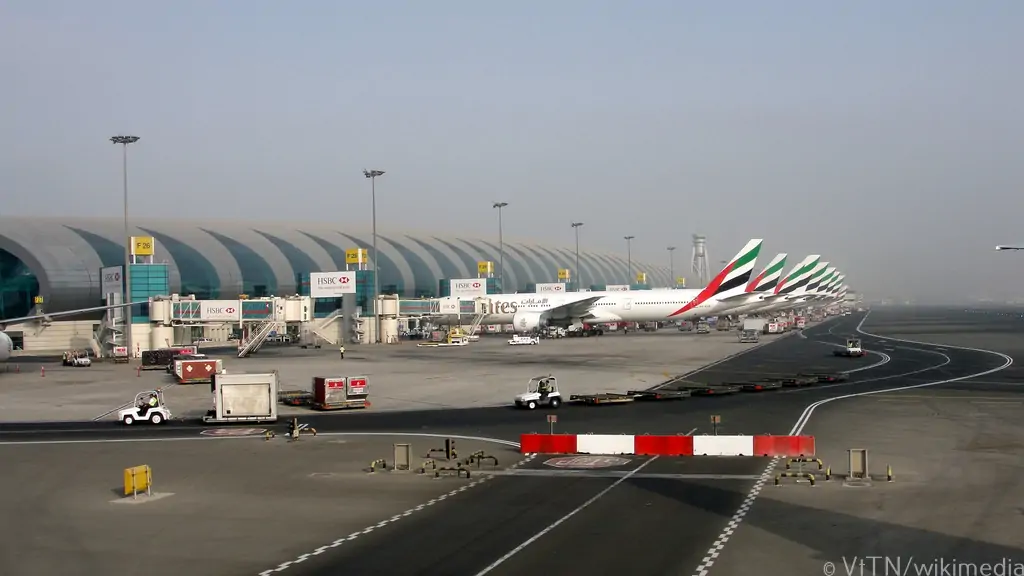
Mergers and acquisitions are not a new phenomenon in the ever-changing environment of the airline sector. Indeed, the aviation business has witnessed some of the greatest mergers and acquisitions, resulting in the establishment of giant carriers. Emirates and Etihad Airways are two of the Middle East's largest airlines. Given their comparable business strategies, it is natural to wonder what an Emirates-Etihad combination could potentially entail.
Background
Emirates was established in 1985 and is based in Dubai, United Arab Emirates. The airline has expanded rapidly throughout the years, and it presently serves over 150 destinations on six continents. Etihad Airways, on the other hand, was established in 2003 and is based in Abu Dhabi, UAE. The airline serves approximately 110 locations worldwide.
Emirates vs. Etihad: A Comparative Analysis of Two Prominent Airlines
When it comes to air travel, there are many alternatives available, but Emirates and Etihad are two of the most popular airlines that are frequently contrasted. Both airlines provide excellent service and seek to provide their clients with an outstanding flying experience. However, there are significant distinctions to consider while deciding between Emirates and Etihad.
- Destinations and the Fleet:
- Cabin Services and Amenities:
- In-Flight Entertainment:
- Food and Beverage Options:
- Loyalty Schemes:
- Security and Safety:
- Customer Support:
- Cost Comparison:
Why a Merger Makes Sense
A combination between Emirates and Etihad Airways makes sense for a number of reasons. For starters, both airlines compete in a highly competitive sector and have comparable business structures. A merger would increase operational efficiency, allowing the two airlines to simplify operations and save on expenses.
The Potential Advantages of a Merger
A merger between Emirates and Etihad Airways might benefit both airlines in a variety of ways. For starters, uniting the two airlines would result in the Middle East's largest airline, with a fleet of over 350 aircraft and a global network. This would allow the “united airline” to provide customers with additional locations, flying alternatives, and improved connectivity.
Obstacles to a Merger
While a merger between Emirates and Etihad Airways might offer some advantages, it would also present significant problems. For starters, the two airlines have different organizational structures and cultures, which may complicate a merger. Emirates is recognized for centralised decision-making and a tight hierarchy, whereas Etihad Airways boasts a more decentralized organization that fosters innovation and cooperation.
How a Merger Might Appear
A merger between Emirates and Etihad Airways might take numerous forms. A full merger, in which the two airlines join to establish a single corporation, is one possibility. Because the two airlines could pool resources such as planes and employees, this might result in considerable operational efficiency and cost savings.
Conclusion
Finally, a merger between Emirates and Etihad Airways might have substantial ramifications for the Middle Eastern aviation business. While a merger may result in increased operational efficiency and cost savings, there are various issues to consider. These include variances in organizational structure, prospective employment losses, and changes in the industry's competitive landscape.
With Inputs from Live and Let’s Fly, Travel Daily Media, Reuters
Read next
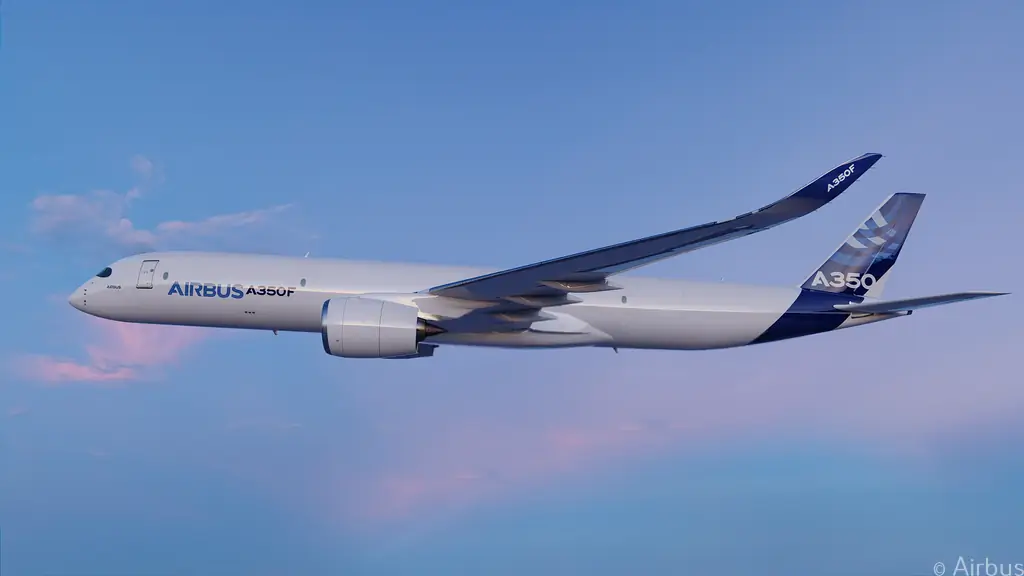
Airbus, the European aircraft manufacturer, recently announced a postponement of the A350 Freighter delivery from late 2025 to early 2026. This delay has disappointed both Airbus and its customers, who had been looking forward to the arrival of the new aircraft.
Reasons for the Delay
There are various causes for the A350 Freighter's delivery delay. To begin, Airbus had various technological issues throughout the aircraft's development phase, which caused some delays in the testing and certification procedures. Furthermore, the ongoing epidemic has produced severe delays in the worldwide supply chain, affecting aircraft component manufacture and delivery. Finally, the regulatory licencing and certification procedures for new aircraft can be lengthy and unpredictable, adding to the delay.
Present Situation
The Airbus A350 Freighter is a new aircraft in the A350 family, developed to meet the increasing need for air freight transportation. The A350 Freighter was originally slated to be delivered to clients by the end of 2025; however, Airbus has revealed a few-month delay in delivery. This delay has generated consternation in the aviation sector, with many questioning what caused it and how it would affect the industry.
"We are in the execution phase of the programme, we are in the development phase, and we are starting the initialization of the product, so we are constantly updating the planning, and what we have said today reflects a slight slippage of the overall planning," said Xavier Tardy, Airbus' interim Chief Financial Officer (CFO), during the company's Q1 2023 results presentation. Tardy, on the other hand, stated that there would be no change "in the program's thinking, just that the entry into service is now slightly pushed into the beginning of 2026."
The planemaker stated that it was on track with its other programme milestones, while the A321XLR's mid-2024 launch date remains unchanged. Nonetheless, it observed difficulties in the supply chain without "specifically putting it on the shoulders of one or more suppliers."
The Effect on Airbus and Its Customers
The A350 Freighter delivery delay has a substantial impact on both Airbus and its clients. Airbus will incur additional expenditures as a result of the delay, including increased development costs and potential fines for late deliveries. Furthermore, the delay would have an impact on the air cargo market, as many companies were anxiously anticipating the new aircraft to meet their expanding cargo transportation demands. This delay may result in a scarcity of available cargo planes, raising the cost of air freight transportation. Customers who have already ordered the A350 Freighter may need to look at other solutions to suit their transportation needs.
Conclusion
To summarise, Airbus's delay in delivering the A350 Freighter is a big setback for the aviation sector, which is already experiencing several hurdles as a result of the ongoing epidemic. The reasons for the delay are numerous, ranging from technological difficulties to supply chain delays to regulatory clearances. Airbus, its clients, and the air freight sector as a whole will all suffer as a result of the delay. Nonetheless, Airbus is working nonstop to overcome these obstacles and deliver the new plane as soon as feasible.
With Inputs from AeroTime
Read next
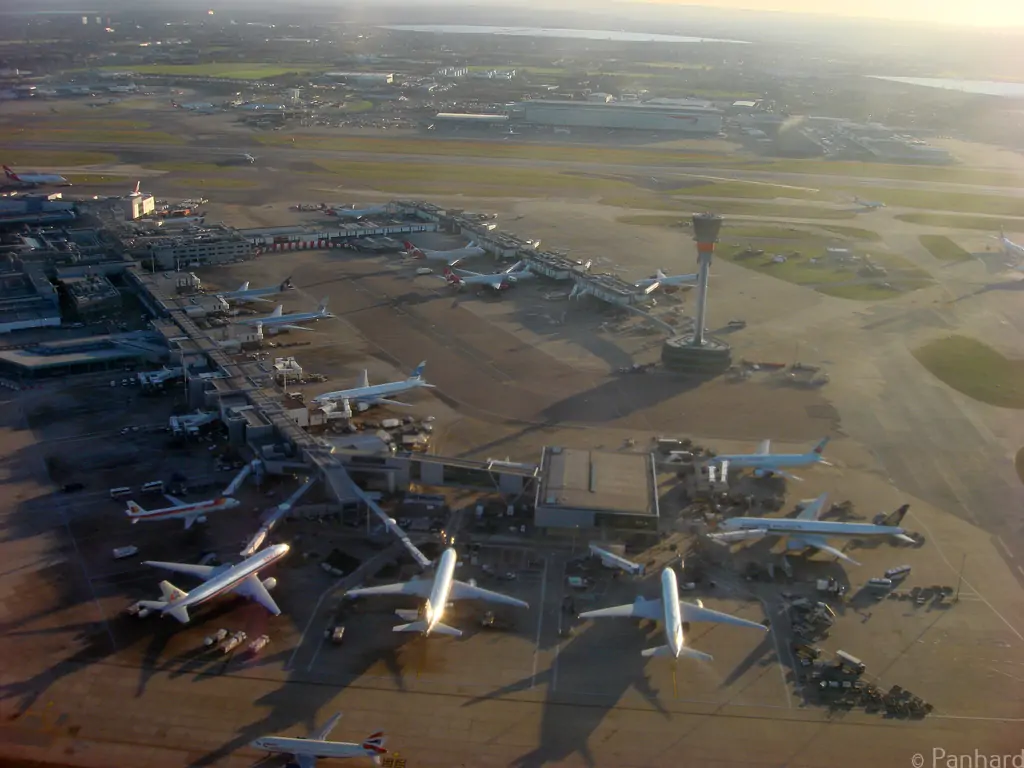
According to the International Aviation Transport Association (IATA), worldwide aviation traffic is presently 88% of what it was in 2019. This is a major improvement over the depths of the COVID-19 epidemic, when aviation traffic came to a halt. While the epidemic is not yet over, the aviation sector has demonstrated tremendous resilience, adaptation, and drive to recover.
The Road to Recovery
The COVID-19 epidemic has had a severe effect on the aviation sector, resulting in enormous income and employment losses. At the height of the epidemic, governments closed their borders, imposed travel restrictions, and grounded planes, bringing air traffic to a near standstill. The aviation sector, on the other hand, has demonstrated amazing resilience, adaptation, and resolve to revive. With the introduction of vaccinations, the relaxation of restrictions, and the reopening of borders, air travel has resumed.
Current Scenario
It's been a long three years, but if returning to pre-pandemic levels is the goal, the finish line is in sight. According to the International Air Transport Association (IATA), worldwide passenger traffic in March was 88% of what it had been in 2019.
Global traffic is at 88% of what it was in March 2019.
"More importantly, domestic and international ticket sales indicate that strong growth will continue into the peak Northern Hemisphere summer travel season."
Factors Influencing the Recovery
Several reasons are propelling global air traffic recovery. The distribution of vaccinations, first and foremost, has given people the confidence to travel again. As more people are immunized, the likelihood of COVID-19 transmission and severe disease diminishes, making air travel safer. Second, the relaxation of travel restrictions and the reopening of borders have made it easier to resume air travel. Third, the pent-up demand for travel, particularly leisure travel, has resulted in an increase in reservations. Fourth, the widespread use of digital health cards, such as the IATA Travel Pass, has made it simpler for travellers to meet entrance criteria and health regulations.
Implications for the Aviation Industry
The revival of global air traffic has profound implications for the aviation sector. For starters, it boosts airline earnings, which have been adversely affected by the pandemic. Second, it generates job possibilities for thousands of individuals employed in the aviation business, ranging from pilots and flight attendants to ground crew and maintenance personnel. Third, it aids the revival of other sectors that rely on air travel, such as tourism and hospitality. Fourth, it highlights the aviation industry's tenacity and adaptation, which have demonstrated its capacity to withstand even the most severe problems.
Future Obstacles
While the resurgence of global aviation travel is encouraging, it is not without complications. The pandemic's continued impact, including the introduction of novel strains, unequal vaccination delivery, and the possibility of additional outbreaks, remains a major worry. Furthermore, the aviation sector is confronted with structural issues such as rising fuel prices, environmental concerns, and the need to invest in new technologies and infrastructure.
Conclusion
The return of global air traffic is a great omen for the aviation sector, which has demonstrated amazing resilience, adaptation, and tenacity in overcoming the COVID-19 epidemic. While there are certainly hurdles ahead, the overall trend is good, driven by vaccine deployment, relaxation of travel restrictions, and pent-up demand for travel. The recovery of global air traffic boosts airline profits, offers employment opportunities, aids the recovery of other industries, and reflects the aviation industry's tenacity, adaptability, and drive. To tackle the challenges ahead and develop a sustainable and resilient future, the sector must continue to adapt and innovate.
With Inputs form Business Traveller
Read next

Himalaya Jet, a new British long-haul airline, met with Boeing recently to discuss their future intentions. This conference was regarded as an important step forward in Himalaya Jet's ambitions to establish itself as a key participant in the aviation market.
Himalaya Jet and Boeing Overview
Himalaya Jet is a new British airline that began operations in 2022. It intends to offer premium long-haul service to Asia, the Middle East, and North America. The airline will be situated at London's Heathrow airport and will begin operations in late 2023.
Current Scenario
The Gurung family, which owns the controlling share in Himalaya Jet, a brand-new UK-based startup airline, recently visited the Boeing headquarters. Boeing is supporting Himalaya Jet's aviation journey, which is set to begin operations later this year. The airline plans to be a premium supplier of long-haul flights to Nepal and India from Europe and eventually from the United States and Australia.
On April 26th, the Gurung Family, which controls luxury enterprises throughout the world and just became a co-owner of the Miss World pageant, paid a visit to Boeing headquarters to discuss the airline's future. Miss Shree Saini (Miss America) and M. AC Sherpa (Honorary Consular General of Nepal for Washington, Seattle) supported the Gurung Family throughout their visit. The tour, according to the airline, provided a simulated personalized experience centred around the Himalayas. Following some progressive conversations, Boeing arranged a dinner.
Himalaya Jet is marketing itself as a premium long-haul point-to-point operator, connecting Europe (London and Paris) to the Himalayan Region, which includes India (Delhi and Mumbai) and Nepal (Kathmandu). In the next few years, the airline hopes to increase its flights to the United States and potentially Australia, particularly from Kathmandu. Himalaya Jet aims to make it easier to fly to the Himalayan regions by providing greater direct connectivity.
Why Did Himalaya Jet Select Boeing
Several considerations influenced Himalaya Jet's choice to cooperate with Boeing. First and foremost, the airline was pleased by Boeing's track record of safety and dedication to sustainability. Because of its superior composite materials and unique design, the company's new 787 Dreamliner aircraft, for example, is one of the most fuel-efficient planes in the world.
Himalaya Jet and Boeing's Future Collaboration
Himalaya Jet and Boeing met to discuss the airline's future ambitions and how Boeing might assist in achieving them. The two corporations talked about everything from aircraft purchases to finance and maintenance.
Himalaya Jet and Boeing's Future Collaboration
Himalaya Jet and Boeing met to discuss the airline's future ambitions and how Boeing might assist in achieving them. The two corporations talked about everything from aircraft purchases to finance and maintenance.
Analysis of the Collaboration's Impact on the Airline Industry
Himalaya Jet and Boeing's collaboration is likely to have a substantial influence on the aviation sector. For starters, it will give Himalaya Jet access to some of the world's most modern planes, allowing the airline to deliver a premium service to its clients. This will most likely appeal to high-end travellers ready to pay a premium for luxury and comfort.
Himalaya Jet's Potential Market Competitive Advantage
Himalaya Jet's collaboration with Boeing may provide the airline with a substantial competitive advantage in the industry. The 787 Dreamliner is one of the most modern and inventive planes in the world, and Himalaya Jet will be able to separate itself from other airlines that provide less advanced jets by adopting this aircraft.
The Economic Impact of the Countries Involved
Himalaya Jet and Boeing's collaboration is also intended to benefit the economies of the countries involved. Boeing's aircraft orders and continuing maintenance will create employment and produce cash in both the UK and the US.
Himalaya Jet and Boeing Face Difficulties
Despite the potential benefits of the relationship, Himalaya Jet and Boeing will face a number of hurdles. One of the most significant difficulties is the present aviation business slowdown caused by the COVID-19 outbreak. This has resulted in a dramatic decrease in air travel, putting several airlines and aircraft manufacturers in financial jeopardy.
Considerations for Safety and Sustainability
Himalaya Jet and Boeing will prioritize safety and sustainability in their collaboration. Both organisations have a solid reputation for safety and are devoted to sustainability, and their cooperation must reflect these principles.
Conclusion
The Himalaya Jet and Boeing meeting is a big breakthrough in the aviation business. The collaboration between these two organisations has the potential to have a significant influence on the industry, pushing innovation and competitiveness while also offering new prospects for growth and development.
With Inputs from AeroTime
Comment