
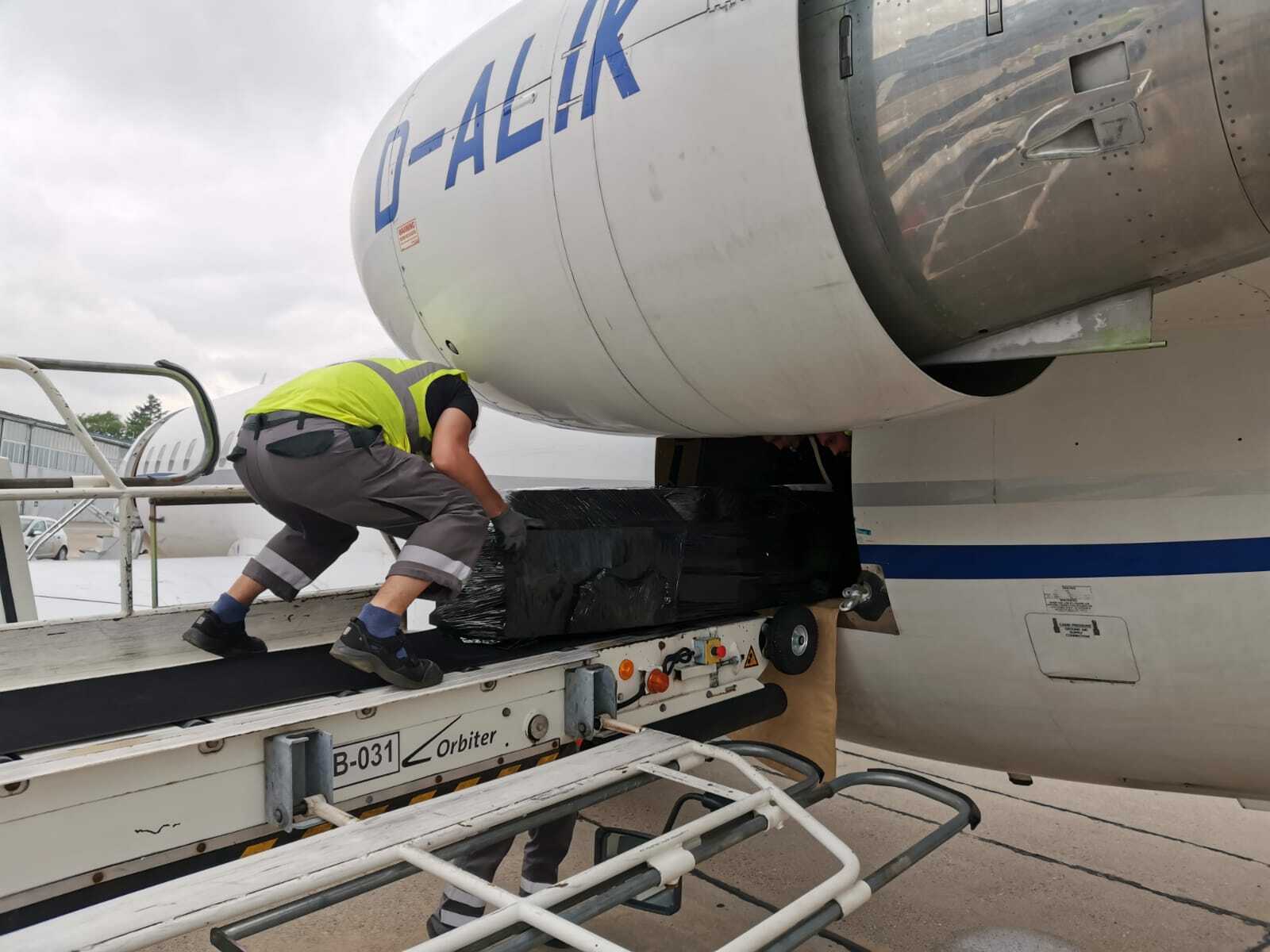
When grief-stricken families need to transport their loved ones across borders or within India, they encounter a maze of regulations. This article examines the regulatory framework governing air transportation of human remains in India, exploring the Aircraft (Public Health) Rules 1954 and airline-specific policies that ensure the deceased reach their final destination safely and legally.
Aircraft (Public Health) Rules 1954
The Aircraft (Public Health) Rules 1954, Part IV (Rules 41-49), establishes India’s comprehensive framework for transporting human remains by air. These regulations prioritize public health while facilitating the movement of the deceased across international borders.
Prohibited Diseases and Entry Restrictions
Rule 41 strictly prohibits the importation of bodies or human remains from individuals who died of yellow fever, plague, anthrax, glanders, or other government-notified diseases. However, properly cremated ashes are exempt from this restriction, acknowledging cremation’s role in eliminating infectious agents.
Advance Notification
Rules 42-43 mandate that both consignees and air transport services provide health officers with at least 48 hours’ advance notice when importing human remains. This notification system enables proper preparation and inspection procedures at airports. Special provisions exist for deaths occurring during flight, requiring immediate radio communication with destination health officers.
Packaging and Certification Standards
Rule 45 outlines meticulous packaging requirements. Cremated remains must be placed in sealed urns with appropriate outer packaging. Uncremated remains require hermetically sealed zinc or metal shells enclosed in hardwood coffins, further protected by zinc-lined wooden cases filled with carbolic powder-impregnated sawdust. These specifications ensure containment of potentially harmful substances during transport.
Documentation and Transit Protocols
Rules 46-47 require comprehensive certification from municipal or governmental authorities, endorsed by Indian diplomatic representatives. Packages must remain sealed throughout transit and cannot be opened without written health officer permission. This chain of custody protects public health while maintaining evidentiary integrity.

Airline-Specific Policies: IndiGo and Air India
IndiGo CarGo
IndiGo applies differential weight classifications for domestic transport: remains of persons aged 10 years or below are charged at 50kg, while those above 10 years are charged at 100kg (including coffin weight). International shipments accept maximum weights of 200kg, with actual weight charges applying beyond 100kg.
IndiGo requires extensive documentation, including death certificates, police no-objection certificates, embalming certificates, and coffin maker certifications. International transport demands additional clearances from destination authorities, health departments, and appropriate embassies or consulates. The airline prohibits previously used coffins, ensuring hygienic standards.
Air India Cargo
Air India Cargo transports human remains in two forms: bodies in coffins and cremated ashes in urns.
Their documentation requirements mirror IndiGo’s but include additional provisions for foreign nationals, such as FRRO certificates and WHO guideline compliance certificates. Air India emphasises proper cushioning for funeral urns to prevent spillage from breakage and requires comprehensive labelling including shipper/consignee details, handling instructions, and orientation markers. Like IndiGo, they prohibit used coffins and maintain strict packaging standards.

Disease-Specific Restrictions
Both airlines align with Rule 41’s disease restrictions, but Air India specifically notes that bodies of individuals who died from Hepatitis B, Hepatitis C, or HIV-positive persons may be transported, reflecting updated medical understanding of disease transmission risks.
Bottom Line
The air transportation of human remains in India operates within a robust regulatory framework that balances public health protection with compassionate facilitation of final journeys. The Aircraft (Public Health) Rules 1954 provide foundational standards that airlines like IndiGo and Air India have adapted into comprehensive operational policies.
While the bureaucratic requirements may seem overwhelming during times of grief, these regulations ensure that the deceased reach their destinations safely while protecting public health. For families navigating this difficult process, understanding these requirements in advance can help transform what might otherwise be a nightmarish bureaucratic ordeal into a more manageable farewell journey.

Read next
IndiGo Flight Carrying Assam CM Safely Diverted Due to Weather Conditions

Pragya Chauhan
26 Aug 2025
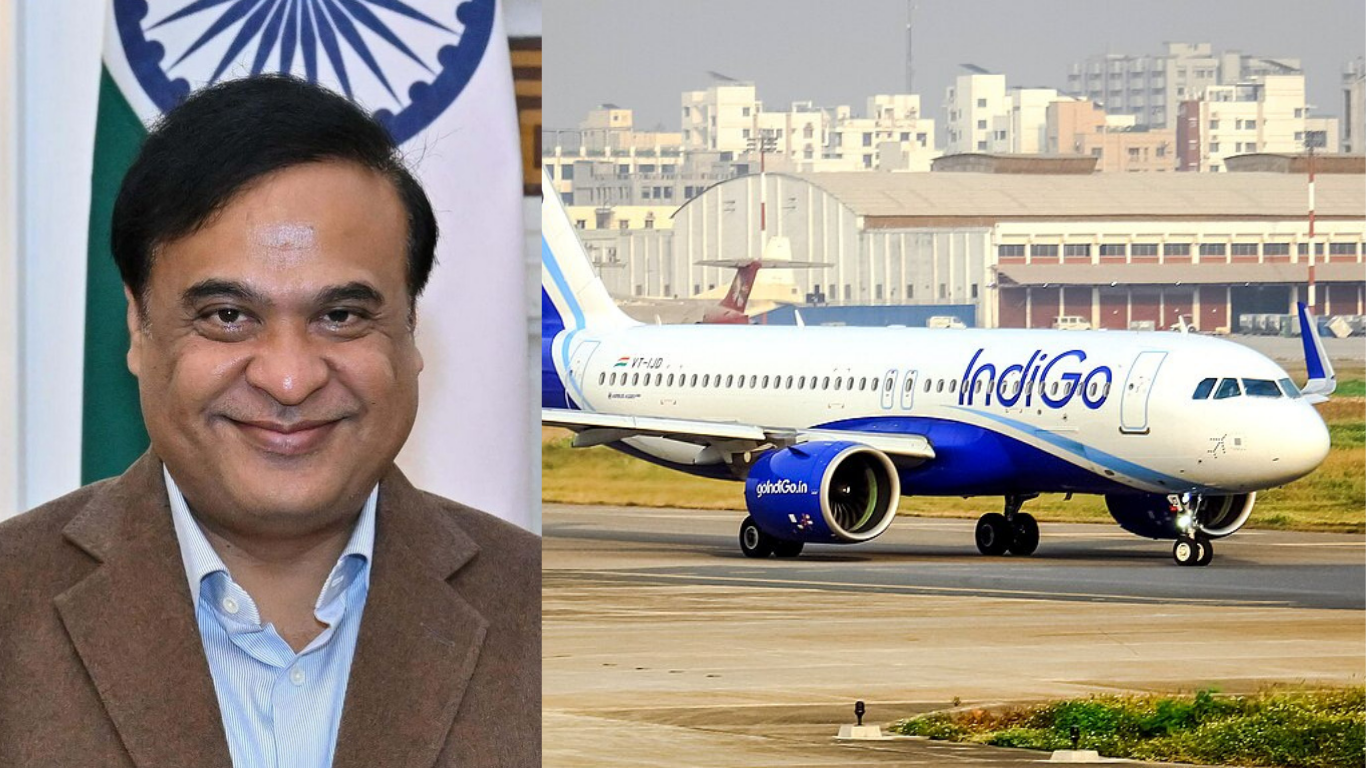
A routine domestic flight took an unexpected turn on Sunday evening when an IndiGo aircraft carrying Assam Chief Minister Himanta Biswa Sarma was forced to divert from its planned route due to challenging weather conditions. The flight, originally scheduled to travel from Dibrugarh to Guwahati, was redirected to Agartala's Maharaja Bir Bikram (MBB) Airport as a safety precaution.
Flight Diversion
The IndiGo flight was operating on a standard domestic route within the northeastern region of India when adverse weather conditions over Guwahati made it unsafe to proceed with the original flight plan. Aviation authorities and the flight crew made the decision to divert the aircraft to ensure the safety of all passengers aboard, including the Chief Minister.
The diversion was executed smoothly, with the aircraft landing safely at Maharaja Bir Bikram Airport in Agartala, Tripura. This alternate airport served as a secure holding location while weather conditions in the Guwahati area were monitored and assessed.
Safety Protocols
While the situation did not require emergency intervention, precautionary monitoring measures were implemented throughout the diversion process. Airport authorities at both the original destination and the diversion airport maintained close coordination to ensure passenger safety and comfort during the unexpected delay.
The incident highlights the robust safety protocols that Indian aviation authorities maintain, particularly for flights carrying high-profile passengers. Standard operating procedures were followed meticulously, demonstrating the aviation industry's commitment to prioritizing safety over schedule adherence.

Weather Conditions
The northeastern region of India is known for its unpredictable weather patterns, particularly during certain seasons. Guwahati, being a major aviation hub in the region, occasionally experiences weather conditions that can impact flight operations. These conditions can include heavy rainfall, thunderstorms, low visibility, or strong winds that make landing procedures hazardous.
Such weather-related diversions are not uncommon in Indian aviation, especially in regions prone to sudden atmospheric changes. Airlines maintain comprehensive contingency plans for such scenarios, including pre-identified alternate airports and established protocols for passenger care during extended delays.
Successful Continuation
After monitoring weather conditions at Guwahati, aviation meteorologists and air traffic controllers determined that conditions had improved sufficiently for safe flight operations. The IndiGo flight was subsequently cleared to depart from Agartala and continue its journey to the original destination.
The aircraft successfully completed its journey, landing safely in Guwahati once weather conditions normalized. All passengers, including Chief Minister Himanta Biswa Sarma, reached their destination without any safety concerns or incidents.
Aviation Safety Standards in Focus
This incident serves as a reminder of the stringent safety standards maintained by Indian airlines and aviation authorities. The decision to divert rather than attempt a potentially risky landing demonstrates the industry's unwavering commitment to passenger safety over operational convenience.
Modern aviation protocols require pilots and air traffic controllers to err on the side of caution when weather conditions present any potential risk. This conservative approach to flight safety has contributed significantly to the excellent safety record of Indian commercial aviation in recent years.
Bottom Line
The successful handling of this flight diversion showcases the effectiveness of India's aviation safety infrastructure and emergency response protocols. While such diversions can cause inconvenience and delays, they represent the aviation industry's primary commitment to ensuring that all passengers reach their destinations safely.
The incident concluded without any safety concerns, allowing the Chief Minister and fellow passengers to continue their journey once conditions permitted. This routine yet professionally managed diversion exemplifies the high standards of safety and operational excellence that characterize modern Indian aviation operations.
Read next
Will Lufthansa’s Frankfurt Brain-Steal Leave SWISS and Austrian Just Serving Coffee?

Abhishek Nayar
26 Aug 2025
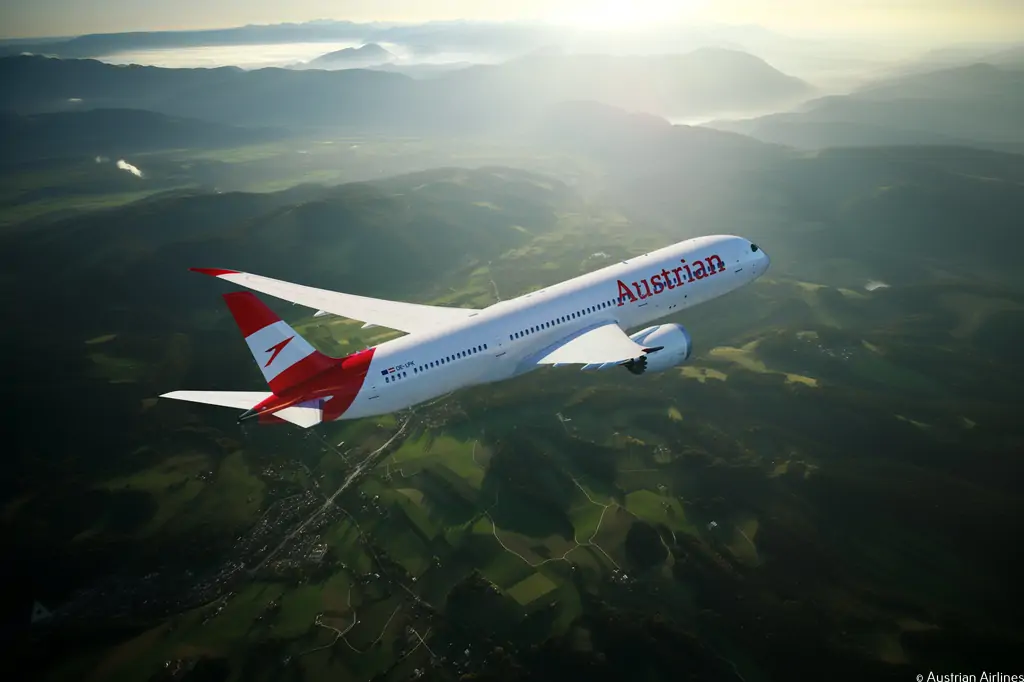
Lufthansa Group is quietly rearranging the chessboard — and this time the top of the board (Frankfurt) wants to call more of the moves. According to a report in Handelsblatt, the airline group plans to centralize control of key functions currently run by its European “network” airlines (SWISS, Austrian, Brussels) and turn their role more squarely toward delivering the on-board customer experience. The change is due to take effect early next year (2026), the memo to staff reportedly says.
This isn’t a tweak. It’s a handover of strategic control: supply capacity, network planning and sales would move to the Group level — leaving local carriers primarily responsible for crew, cabins and passenger-facing service. The stated goals: improved efficiency, stronger profitability and better customer satisfaction.
What’s changing — in plain language
- Centralized decision-making: Route maps, how many seats to fly, pricing and sales strategy will be coordinated from Lufthansa Group’s headquarters rather than decided by each carrier.
- Local remit narrowed: SWISS, Austrian and Brussels would focus on operations and the passenger experience — cabins, in-flight service, ground handling at their hubs.
- Timing: The internal memo reported by Handelsblatt points to implementation starting early 2026.
(Industry commentary and internal briefings picked up by aviation outlets suggest the program behind this push has been internally referred to as a major group-wide reorganization — described in some coverage as “Matrix Next Level.”)
Why Lufthansa says this makes sense

From the Group’s vantage point, centralization promises simple math: fewer duplicated teams, unified network planning that avoids overlapping wings, coordinated sales and loyalty offers, and potential cost savings on procurement and systems. Lufthansa has argued for years that scale and coordination across its brands can deliver stronger margins — and after several years of turbulence in aviation, leadership is under pressure to show results.
A company spokesperson told reporters the move is part of an effort to “increase efficiency, profitability and customer satisfaction,” and declined further comment.
Why staff, unions and national pride might bristle
Centralizing strategic control often runs into three practical and political problems:
- Local autonomy and identity: Airlines such as SWISS and Austrian trade partly on national identity, premium product differences, and locally tailored networks. Handing network and sales control to Frankfurt risks diluting that identity — and has already triggered public concern in Switzerland and Austria.
- Jobs and decision-making: Centralization can mean cuts or relocations for corporate teams in Zurich, Vienna or Brussels, and lower influence for local management — a flashpoint for unions and politicians. Aviation restructurings historically attract scrutiny from both labor and regulators.
- Operational friction: In theory central network planning reduces duplication; in practice it can slow responses to local market changes and creates a single “choke point” for decisions that were previously handled locally and quickly.
What passengers could feel (or not)
- Possibly clearer fares and fewer overlapping routes — passengers might see more consistent pricing and fewer duplicated flights within the Group. That would be a win for those who just want to get from A to B without breaking the bank.
- Product differences might remain — for now. Even if network and sales sit at Group level, SWISS or Austrian could still deliver differentiated in-flight products (seating, catering, service ethos) — at least initially. But the longer-term risk is product homogenization.
- Customer experience promises vs. reality. Lufthansa says centralization will boost passenger satisfaction; the test will be whether streamlined planning actually improves reliability, fares, and loyalty benefits — not just corporate efficiency.
How this fits a bigger picture: consolidation and scale
Lufthansa’s move is consistent with broader consolidation in Europe’s airline market. The Group has been active in strategic stakes and partnerships (for example, investments in ITA and airBaltic were part of a multi-pronged growth and consolidation play). Centralizing these functions could be the next logical step in aligning various investments and brands under a single commercial and operational strategy.

The political dimension: expect noise
When national carriers lose seats at decision-making tables, governments and local stakeholders often raise alarms. SWISS in particular is both a profit center and a politically sensitive asset — and any perceived erosion of its independence will likely draw scrutiny in Bern and beyond. That political pressure could temper how far and fast Lufthansa’s centralization travels.
Bottom line: efficiency at what cost?
Centralizing network planning, sales and capacity control is one of the fastest ways to squeeze costs and align strategy across a group the size of Lufthansa’s. But there’s a trade-off: potential loss of local agility, national brand identity and employee influence. Whether passengers ultimately benefit depends on execution — and whether Frankfurt can make the numbers add up without turning distinct European carriers into interchangeable cabins with different liveries.
If the Group pulls this off, executives will point to streamlined operations and healthier margins. If it stumbles, the story will be about stripped autonomy, angry staff, and a one-size-fits-all offering that disappoints loyal SWISS and Austrian flyers.
TL; DR
- Lufthansa Group plans to centralize control of supply capacity, network planning and sales for SWISS, Austrian, Brussels and others, per Handelsblatt; changes start early 2026.
- The local airlines would be left mainly handling onboard operations and passenger service, while strategic decisions move to Frankfurt.
- Group says move aims to boost efficiency, profitability and customer satisfaction; spokesperson declined further comment.
- Concerns: loss of local autonomy, political backlash in Switzerland/Austria, potential job relocations and slower local responses.
- Context: fits a wider strategy of consolidation and scale pursued by Lufthansa in Europe.
With Inputs from Reuters
Read next
Sky Stakes and Suitcases of Cash: Why Korean Air Just Bet 50 Billion on Boeing and the US Aviation Complex
Abhishek Nayar
26 Aug 2025

Korean Air pulled off one of the boldest airline moves of the year on August 25 — a mammoth commitment that reads like a corporate love letter to Boeing and a handshake across the Pacific with US aerospace suppliers. The headline number is eye watering: roughly USD 50 billion committed to new jets, spare engines and a multi decade engine care deal. But beneath that dollar figure lies a deliberate strategy to streamline operations, power international growth and paint the carrier as a serious global contender after the Asiana integration.
What exactly was announced

Korean Air said it intends to acquire 103 next generation Boeing jets plus spare engines and long-term engine support. The package splits roughly into three parts: about USD 36.2 billion for the aircraft themselves, roughly USD 690 million for 19 spare engines from GE Aerospace and CFM International, and about USD 13 billion for a 20-year engine maintenance program with GE Aerospace. The purchase list includes 20 Boeing 777-9s, 25 Boeing 787-10s, 50 Boeing 737-10s and eight Boeing 777-8F freighters with phased deliveries running through the end of 2030.
The announcements were formalized at a signing ceremony in Washington D C on August 25 where Korean Air leadership and senior executives from Boeing and GE Aerospace were present. The move drew attention not only for its scale but because it coincided with high level US Korea economic engagement, underscoring how aircraft deals double as industrial diplomacy.
Why the timing matters
A few context points explain why Korean Air chose now. First, the Asiana integration has reshaped Korea’s airline landscape and created an urgent case for fleet rationalization and capacity planning. Second, aircraft backlogs and global delivery windows mean making big commitments now locks in capacity and modernization over the next decade. Third, this is a strategic nudge to deepen commercial ties with the US aerospace sector especially Boeing and GE, helping secure supply chain predictability and long-term maintenance relationships.
The fleet logic boiled down

Korean Air’s order is as much about simplification as expansion. By standardizing long term operations around a small handful of efficient families the airline expects to capture economies of scale in maintenance, training and procurement. The plan mixes big widebody jets for long haul routes with larger narrowbody types for regional and medium haul work, and adds dedicated freighters to fuel cargo growth. That combination is meant to improve fuel efficiency, reduce carbon emissions per seat and create a smoother passenger experience across classes.
Engines and the long-term care plan
Korean Air will also buy 19 spare engines split across GE Aerospace and CFM International and has signed a 20-year engine maintenance contract with GE Aerospace covering 28 aircraft. That maintenance contract in particular is a bet on operational stability: long term service deals help airlines manage costs, reduce downtime and guarantee parts and technical support in a more predictable way. For GE and CFM this is a major commercial win as the market for long term engine services grows more strategic than ever.
What this means for passengers and routes
Expect a gradual refresh of Korean Air’s long-haul cabins and a potential reshuffle in route planning. Younger, more fuel efficient widebodies like the 777-9 and 787-10 will help open or deepen long haul leisure and premium markets while the 737-10 fleet will be the backbone of denser regional and short haul services. Cargo focused 777-8F freighters will boost freight capability at a time air cargo demand remains a high margin business for many carriers.
The geopolitical footnote
Large aircraft transactions rarely sit in a vacuum. This order was announced in a setting that highlights how commercial aerospace is linked to industrial policy and diplomatic priorities. The deal supports US aerospace jobs and supply chains and reinforces Korea US industrial ties. That interplay of commerce and policy helps explain why governments often welcome big aircraft commitments.
The bottom line
This is not a one quarter stunt. Korean Air has just sketched a blueprint for the next decade and beyond: a leaner fleet, reinforced partnerships with US aerospace industry leaders, and a multi-layer investment in engines and maintenance to secure operational resilience. The USD 50 billion headline will grab headlines, but the real payoff will be unlocked over years of deliveries, fleet integration and route optimization.
TL; DR
- Korean Air committed about USD 50 billion to new aircraft, spare engines and engine care.
- Order breakdown: 103 Boeing jets including 20 777-9s, 25 787-10s, 50 737-10s and 8 777-8F freighters with deliveries through 2030.
- Deal includes 19 spare engines and a 20-year maintenance agreement with GE Aerospace covering 28 aircraft.
- The signing took place in Washington DC on August 25 and was attended by senior executives from Korean Air Boeing and GE.
- Strategic aims: fleet simplification, fuel efficiency gains, stronger ties with US aerospace industry and support for post Asiana integration growth.
With Inputs from Korean Air
Read next
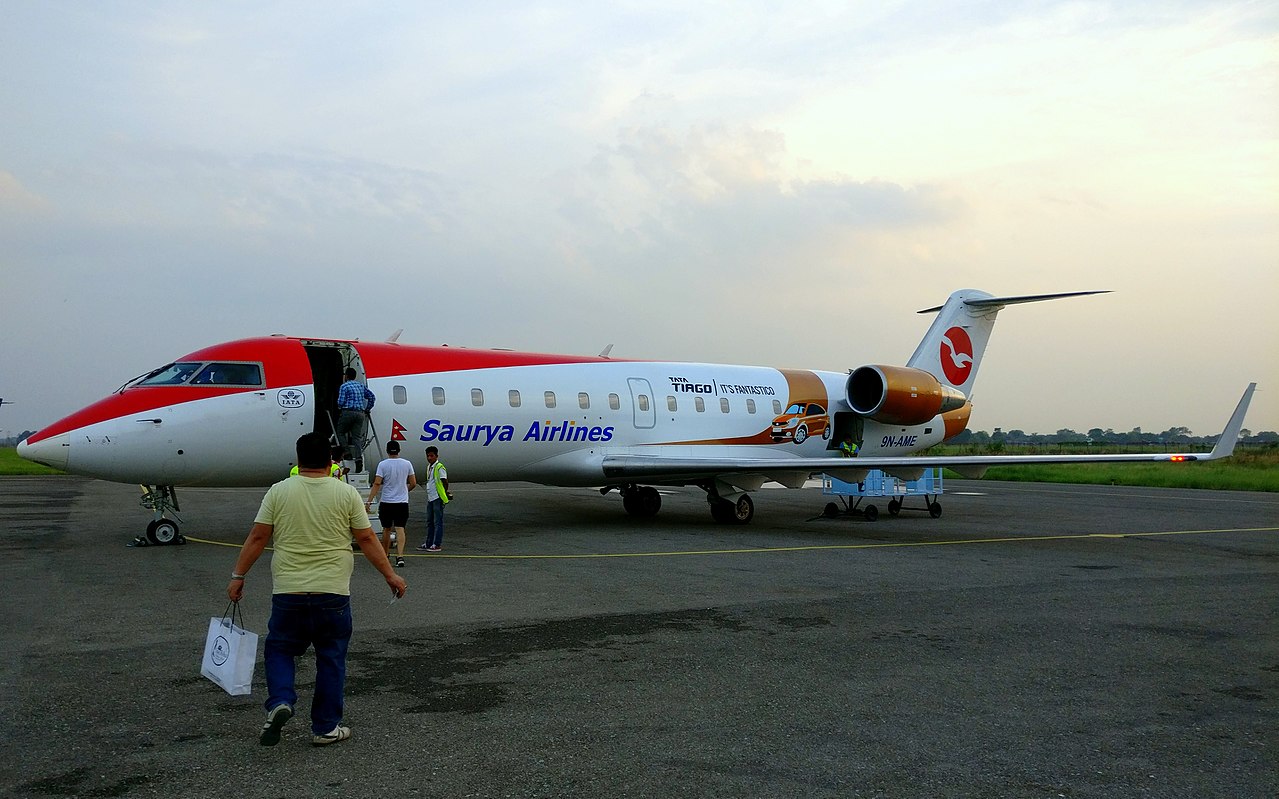
The European Union Air Safety List represents one of the most stringent aviation safety mechanisms globally, designed to protect passengers by restricting unsafe airlines from operating within EU airspace.
This comprehensive safety framework has significantly impacted Nepal's aviation sector, with all 20 certified airlines from the country currently banned from EU operations. The ban stems from systemic safety oversight deficiencies identified by European aviation authorities, highlighting the ongoing challenges faced by Nepal's civil aviation regulatory framework. This article examines the EU's air safety mechanisms, legal procedures, and the specific case of Nepal's aviation ban.
What is the EU Air Safety List?
The EU Air Safety List is a regulatory mechanism established by the European Union to maintain aviation safety standards across its member states. The list contains two separate categories: Annex A includes all airlines banned from operating in Europe, while Annex B includes airlines that are restricted from operating under certain conditions in Europe.
Both lists are updated regularly and published in the Official Journal of the European Union.
The European Union publishes this list of air carriers that are banned from entering the airspace of any of its member states, usually for failing to meet EU regulatory oversight standards. The first version was published in 2006, based on Regulation No. 474/2006 of the European Commission, issued on 22 March of that year. The current version was published on 3 June 2025, reflecting the dynamic nature of aviation safety oversight.


Annex A and Annex B
The EU Air Safety List operates through a dual-classification system designed to address different levels of safety concerns:
Annex A represents the most severe category, containing airlines completely prohibited from operating within EU airspace. These carriers are deemed to pose significant safety risks that cannot be mitigated through operational restrictions. All Nepalese airlines currently fall under this category.
Annex B includes airlines subject to operational restrictions rather than complete bans. These carriers may operate under specific conditions, such as using particular aircraft types or adhering to enhanced safety protocols. This annex allows for graduated responses to safety concerns while maintaining some level of operational flexibility.
Legal Procedure
The process by which an air carrier is listed is laid out in Regulation (EC) No 2111/2005 of the European Parliament and Council. It involves consultation among the regulatory agencies of the member states, the institutions of the European Community, the authorities with responsibility for regulatory oversight of the air carrier concerned, and the air carrier itself.
The procedure ensures due process by granting each air carrier the right of appeal before being listed. The list undergoes periodic review, allowing for the removal of restrictions when safety standards are adequately addressed. Recent examples include the removal of Pakistani International Airlines from the list in November 2024 after passing safety audits and the lifting of bans on various Indonesian airlines in 2018.

Airlines Banned in Nepal
Nepal faces a complete aviation ban from the European Union, with all carriers certified by the Civil Aviation Authority of Nepal (CAAN) prohibited from operating in EU airspace. This comprehensive ban affects 20 airlines, ranging from major carriers to specialised helicopter services.
Table of Banned Nepalese Airlines
| Airline Name | AOC Number | ICAO Code | Certification Date |
|---|---|---|---|
| Air Dynasty Heli S. | 035/2001 | Unknown | March 2001 |
| Altitude Air | 085/2016 | Unknown | August 2016 |
| Buddha Air | 014/1996 | BHA | January 1996 |
| Fishtail Air | 017/2001 | Unknown | January 2001 |
| Summit Air | 064/2010 | Unknown | June 2010 |
| Heli Everest | 086/2016 | Unknown | August 2016 |
| Himalaya Airlines | 084/2015 | HIM | August 2015 |
| Kailash Helicopter Services | 087/2018 | Unknown | August 2018 |
| Makalu Air | 057A/2009 | Unknown | - |
| Manang Air Pvt | 082/2014 | Unknown | August 2014 |
| Mountain Helicopters | 055/2009 | Unknown | - |
| Prabhu Helicopters | 081/2013 | Unknown | August 2013 |
| Nepal Airlines Corporation | 003/2000 | RNA | March 2000 |
| Saurya Airlines | 083/2014 | Unknown | August 2014 |
| Shree Airlines | 030/2002 | SHA | March 2002 |
| Simrik Air | 034/2000 | Unknown | March 2000 |
| Simrik Airlines | 052/2009 | RMK | - |
| Sita Air | 033/2000 | Unknown | March 2000 |
| Tara Air | 053/2009 | Unknown | - |
| Yeti Airlines | 037/2004 | NYT | March 2004 |
The ban encompasses both fixed-wing aircraft operators and helicopter services, indicating systemic concerns about Nepal's aviation safety oversight rather than issues with specific carriers.

Bottom Line
The European Union's comprehensive ban on all Nepalese airlines represents a significant challenge for Nepal's aviation industry and broader connectivity goals. This blanket prohibition reflects deep-seated concerns about the country's aviation safety oversight capabilities rather than isolated incidents with individual carriers. The ban affects not only commercial passenger services but also specialised operations, including helicopter services, crucial for tourism and emergency services in Nepal's mountainous terrain. While the EU's safety-first approach protects passengers, it also highlights the urgent need for Nepal to strengthen its civil aviation regulatory framework, enhance safety oversight mechanisms, and demonstrate sustained compliance with international aviation standards to eventually regain access to European airspace.
Comment