
Indian Government Denies United-Emirates Codeshare Flights on Indian Routes

Radhika Bansal
08 Jun 2023
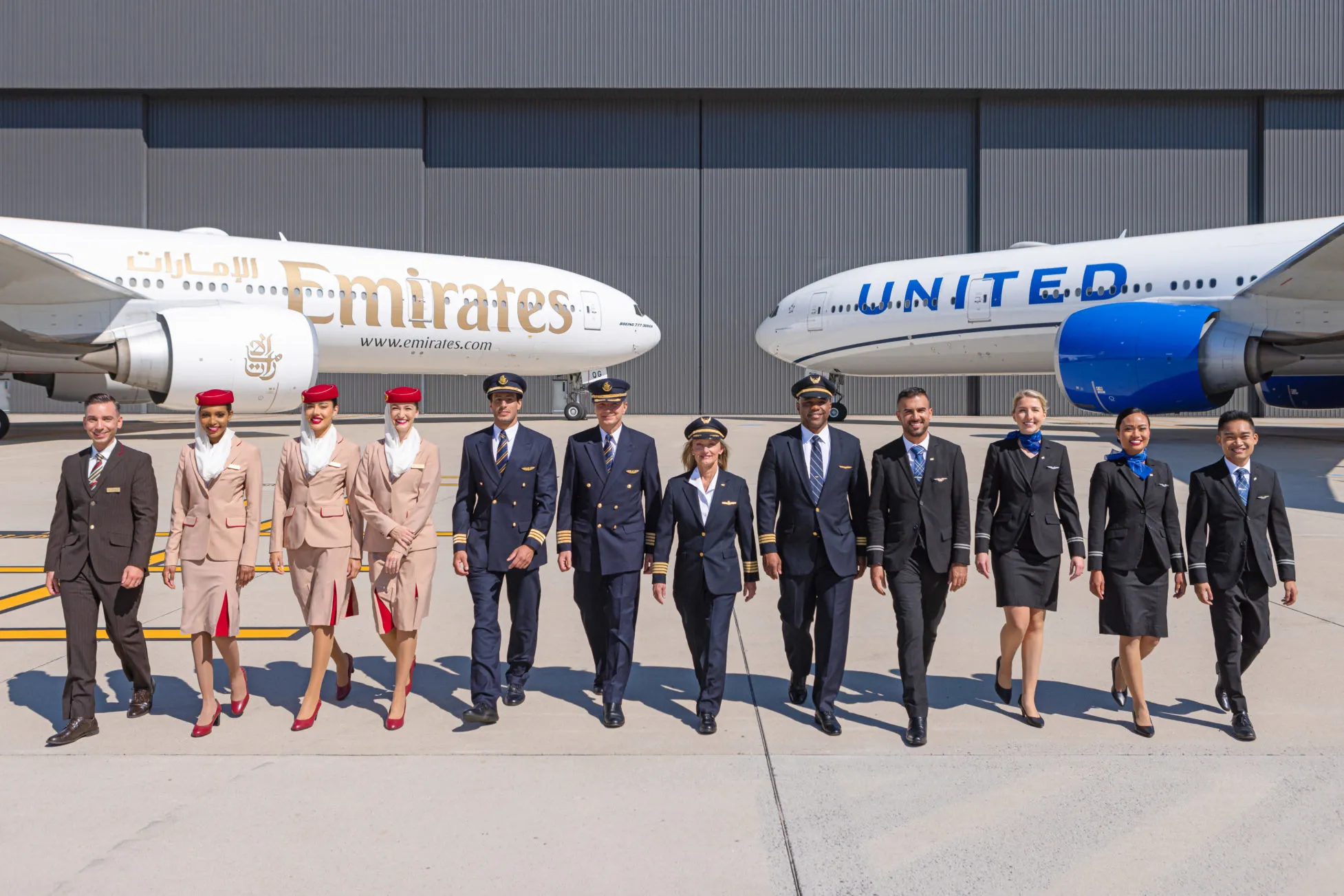
The Indian government has denied an application by United Airlines to codeshare with Emirates on routes between the UAE and India claiming the proposed arrangement falls outside the existing United Arab Emirates (UAE)-India bilateral air services agreement, which does not allow for codeshare services by airlines with second-party airlines. Code-sharing is a normal practice in the airline industry and allows airlines to jointly market a route, helping them to expand their network and help fill their planes.
Emirates provides scheduled passenger flights between its Dubai hub and the Indian cities of Delhi International, Kolkata, Ahmedabad, Mumbai International, Hyderabad International, Bangalore International, Chennai, Kochi International, and Thiruvananthapuram. It is the largest operator on the country pair and offers 61,206 seats per week each way across these routes on a total of 342 weekly flights.
In September 2022, United Airlines and Emirates announced a commercial agreement that resulted in United starting scheduled services between Newark and Dubai to feed traffic to and from 100 plus routes operated by Emirates and its low-cost sister carrier, flydubai. "Our hub Dubai essentially becomes a gateway for United to reach Asia, Africa and the Middle East," said Emirates president Tim Clark at the time.
"United approached the Indian government asking for permission to put their code on our flights from India but hasn’t been allowed by the government to do so," Clark told media in Istanbul this week. "India has always been a bit mysterious when it comes to giving access to Emirates. This stance doesn’t help anybody as it (India) is a country with high GDP growth and a large non-resident Indian population who wants to travel. I don’t think this stance does anybody a favour."
UAE Attempts to Change Bilateral Air Agreement
The UAE is attempting to alter a 2014 air services agreement with India, which presently limits the number of weekly seats an airline can operate between the two countries. The current weekly cap is 66,000, which Emirates wants to increase by 50,000. Thus far, the Indian government has shown little interest in altering the present arrangements, which provide a degree of protection to India-based carriers. Two months ago, Campbell Wilson, the CEO of Air India urged the government not to "open the floodgates" to foreign airlines, arguing that it was in the national interest to protect his airline.
While travel demand is on the rise, India has relatively less direct international air connectivity and overseas traffic is catered to mostly by foreign carriers with connecting flights. Against this backdrop, the government is working on developing an international aviation hub in the country while Air India and IndiGo are also expanding their international operations.
In other news, the Dubai government made an effort to make some changes in their bilateral air services agreement. But the Indian government also turned down this request of the Dubai government. They proposed so that the airlines of Dubai can penetrate well in India and get a better approach than before.
Emirates - United Codeshare
The two airlines announced a codeshare deal in September 2022, under which the US carrier could sell seats on Emirates flights. The American airline can do it on 27 destinations and 8 of these are coming under India. Another segment of the deal is that United Airlines can put their codes on the Emirates aircraft. This will allow the airline to get a share of all the sold tickets. This is a huge step to increase the airlines’ visibility and network all around. As a part of the codeshare application, United Airlines requested clearance to place its UA code on “Emirates flights operating from Dubai to points in the UAE and points beyond the UAE across Africa, Middle East, India, and other points in South East Asia, and to facilitate international air travel between these points and the U.S. and points beyond the US.”
Read next
Shares of HAL Surges Over 3% as GE to Reportedly Co-Produce Jet Engines in India
Radhika Bansal
08 Jun 2023
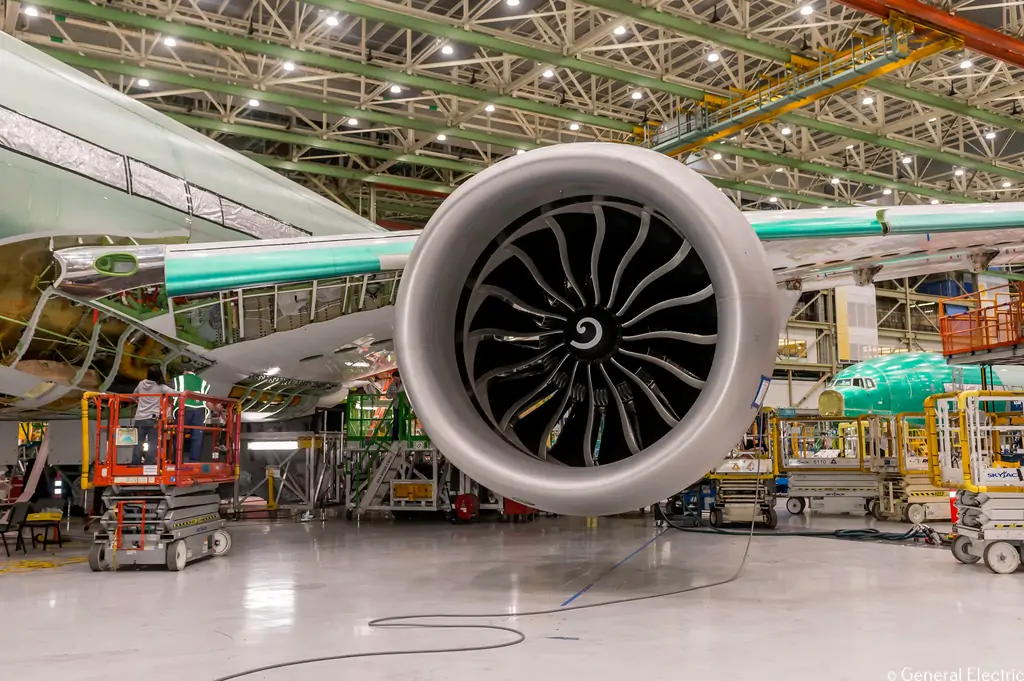
Shares of Hindustan Aeronautics Ltd (HAL) surges over 3% on June 7 as General Electric (GE) will reportedly be entering into a pact with HAL to co-produce jet engines in India. At 09:40 am, the defence company’s stock was quoting at INR 3,500.90, up 2.45%. The stock was trading with volumes of 43,733 shares so far on June 7, as compared with its five-day average of 67,071 shares, implying a fall of 35%.
The Biden administration has given permission, for GE to co-produce the engines in India, ahead of PM Modi's visit to the US later this month. The American defence company will be agreeing with India's Hindustan Aeronautics Limited (HAL) to co-produce jet engines in the South Asian nation. The technology will power India's fighter jet program once the Memorandum of Understanding (MoU) is operationalised.
GE and HAL had agreed to manufacture jet engines in 2012, but the deal could not take off as the government wanted higher levels of technology transfer, as per the report. It added that an agreement on higher levels of technology transfer has been agreed upon and no other ally has this kind of an agreement with the US. Modalities of technology transfer, timelines and payment mechanisms are being discussed before the final agreement is inked during the Prime Minister's visit to Washington DC between June 21 and 24, 2023, the report said.
The central government is yet to announce a site for the co-production of GE jet engines in India. However, HAL already has an engine division in Koraput, Odisha and this could be one of the locations under consideration. Sources have also said that 500-600 Indian Micro, Small & Medium Enterprises (MSMEs) could benefit from this agreement.
Discussions on possible collaboration on jet engines took place in February during NSA Ajit Doval's meeting with his counterpart Jake Sullivan. While the deal will need the approval of the US Congress, an agreement has been reached at the highest political level. The deal contours were reviewed by Defence Minister Rajnath Singh and US Secretary for Defence Lloyd Austin, during the latter's visit to India this week.
HAL's Profitability and Order Book
ICICI Securities pointed out that HAL has a healthy order book of around INR 82,000 crore which is 3 times its FY23 revenues, led by large-scale orders in manufacturing aircraft and helicopters. The order book of HAL provides high revenue visibility in the medium to long term while indicating HAL’s strong competitive and strategic positioning. During the year fresh contracts of around INR 26,000 crore were received which includes manufacturing contracts for 70 HTT -40, 6 Do-228 Aircraft and PSL V launch vehicles. The Government of India’s (GoI) increased focus on indigenisation with the Make in India policy and mandatory offset policy for defence procurement by GoI, augur well for the company’s future growth.
HAL, the largest defence PSU in India, is engaged in designing, developing, manufacturing, repairing, overhauling, upgrading and servicing a wide range of products including aircraft, helicopters, aero-engines, avionics, accessories and aerospace structures.
During the March quarter, the company reported an 8.8% YoY decline in its net profit to INR 2,831.18 crore from INR 3,105.17 crore in the same period last year. The company’s revenue from operations surged 8% YoY to INR 12,495 crore as against INR 11,558 crore in the same period last year. The company’s EBITDA (earnings before interest, tax, depreciation and amortisation) surged by 29% in the January to March period of FY24 as against INR 2,495 crore in the same period last year.
About HAL
The state-owned aerospace and defence firm, whose customers include the Indian Army, Navy and Air Force, and aerospace corporations Airbus and Boeing, said its order book position stood at INR 817.84 billion for the quarter. HAL is engaged in the design, development, manufacture, repair, overhaul, upgrade and servicing of a wide range of products including, aircraft, helicopters, aero-engines, avionics, accessories, aerospace structures and Industrial Marine Gas turbines.
The Indian government currently owns a 71.65% stake in HAL as of March-end, according to exchange data, having sold 3.5% of its holdings in a deal that fetched it INR 28.67 billion in the last fiscal year. Hindustan Aeronautics Limited (HAL) is an Indian public-sector aerospace and defence company, headquartered in Bangalore. Established on 23 December 1940, HAL is one of the oldest and largest aerospace and defence manufacturers in the world. HAL began aircraft manufacturing as early as 1942 with licensed production of Harlow PC-5, Curtiss P-36 Hawk and Vultee A-31 Vengeance for the Indian Air Force.
HAL currently has 11 dedicated Research and development (R&D) centres and 21 manufacturing divisions under 4 production units spread across India. HAL is managed by a board of directors appointed by the President of India through the Ministry of Defence, Government of India. HAL is currently involved in designing and manufacturing of fighter jets, helicopters, jet engines and marine gas turbine engines, avionics, software development, spares supply, overhauling and upgrading of Indian military aircraft. The HAL HF-24 Marut fighter bomber was India’s first indigenous fighter aircraft.
Read next

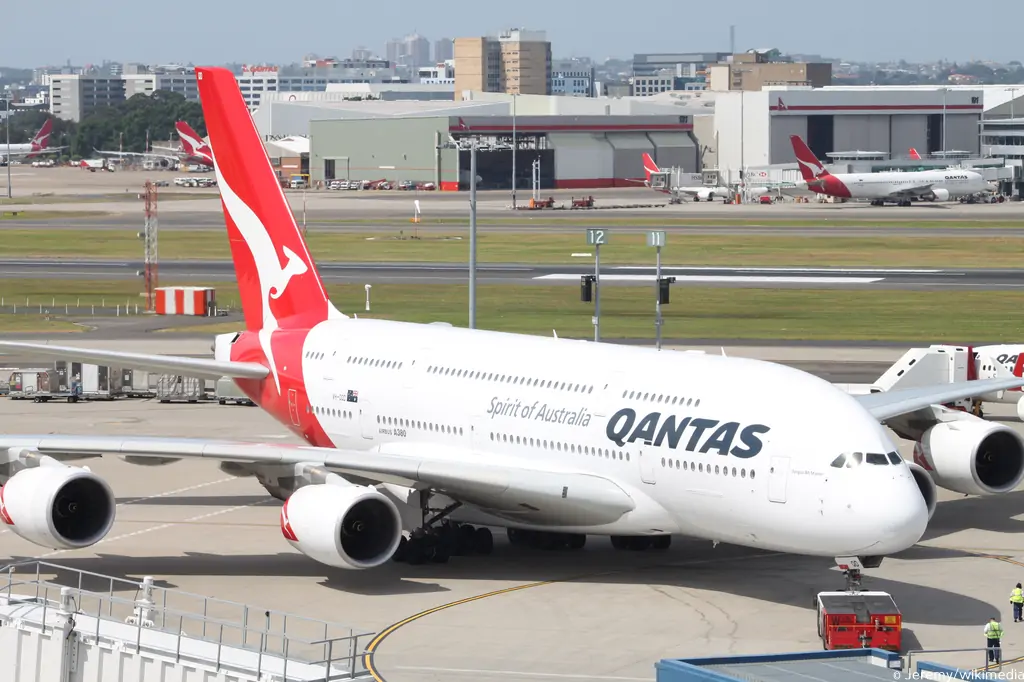
People all around the world have long been fascinated by air travel, and the Airbus A380 has been heralded as the future of commercial aviation. The A380 aspired to transform long-haul travel by providing passengers with unrivalled comfort and elegance because of its large size and remarkable capacity. Despite its initial promise, the A380 faced a number of issues that prevented it from becoming a standard in airline fleets.
The Airbus A380's Rise and Fall
Initial Hopes and Lofty Aspirations
There are numerous aircraft that have left an everlasting impression on the world. The Airbus A380 is one such aircraft. It debuted in 2005 as a technological marvel that promised to revolutionize air travel and enthralled both airlines and customers. Despite its early enthusiasm and lofty goals, the A380 never attained the degree of success that Airbus had hoped for. Its popularity has declined further in recent years, with the COVID-19 epidemic exacerbating the situation. Qantas, one of the world's largest airlines, has announced the future of the A380 in its fleet, providing insight into the industry's direction.
Obstacles and Setbacks
Throughout its lifespan, the A380 experienced a number of noteworthy obstacles. One of the major challenges was the limited number of airports that could accommodate such a huge aircraft. The A380's operational flexibility was hampered as a result, making it less enticing to carriers. Furthermore, the global financial crisis of 2008, as well as rising fuel prices, decreased demand for the superjumbo. Airlines began favouring smaller, more fuel-efficient aircraft that provided greater flexibility and cost benefits.
The COVID-19 Pandemic's Impact
Airlines' Response and A380 Storage
The COVID-19 pandemic, which emerged in 2020, had a significant influence on the aviation sector. As travel restrictions were enforced across the world, airlines were obliged to ground a large number of their fleets. The A380 was particularly susceptible due to its high operational expenses and lack of demand. Many airlines stored their A380s for an extended period of time in order to reduce the cost burden and uncertainty posed by the epidemic.
Shifting Market dynamics
The pandemic transformed the aviation scene, with travellers favoring shorter flights and more direct routes. The A380 was further marginalized by this shift in demand since its high capacity was less suited to the shift in market conditions. Airlines began looking into fleet renewal options, seeking smaller, more fuel-efficient aircraft with better operational flexibility. The A380's future became more dubious.
Qantas' CEO Announcement
Vanessa Hudson, Qantas' next CEO, made an important declaration in light of the shifting market landscape and the challenges posed by the A380. Hudson indicated during the International Air Transport Association's Annual General Meeting in Istanbul that Qantas' A380 fleet will be retired over the following decade. This decision represents the airline's strategy shift towards more efficient and environmentally friendly aircraft alternatives.
The Future of Qantas' A380
Replacement Plans
The decision by Qantas to retire its A380s marks a new chapter in the airline's fleet plan. The airline plans to replace these superjumbos with next-generation, fuel-efficient aircraft that are more environmentally friendly. This decision follows a wider industry trend in which airlines want smaller, more adaptable aircraft that can react to shifting market needs.
Prospects for the Industry and Future Retirements
The decision by Qantas raises concerns about the A380's future in the airline sector. With other airlines facing comparable issues and considering fleet modernization, the possibility of further A380 retirements grows. While the A380 will continue to service certain routes for the time being, industry analysts believe that its overall presence will gradually shrink as airlines convert to more efficient and economically feasible alternatives.
Conclusion
The Airbus A380, once envisioned as the pinnacle of air travel, has endured multiple challenges during the course of its existence. The COVID-19 outbreak exacerbated its already dwindling popularity, prompting airlines like Qantas to declare their intentions to abandon their A380 fleet. While the A380 will be remembered for its contributions to aviation history, its days as a prominent aircraft are numbered. The industry's emphasis has turned towards smaller, more efficient planes that provide greater flexibility and sustainability.
With Inputs from Australian Aviation
Read next
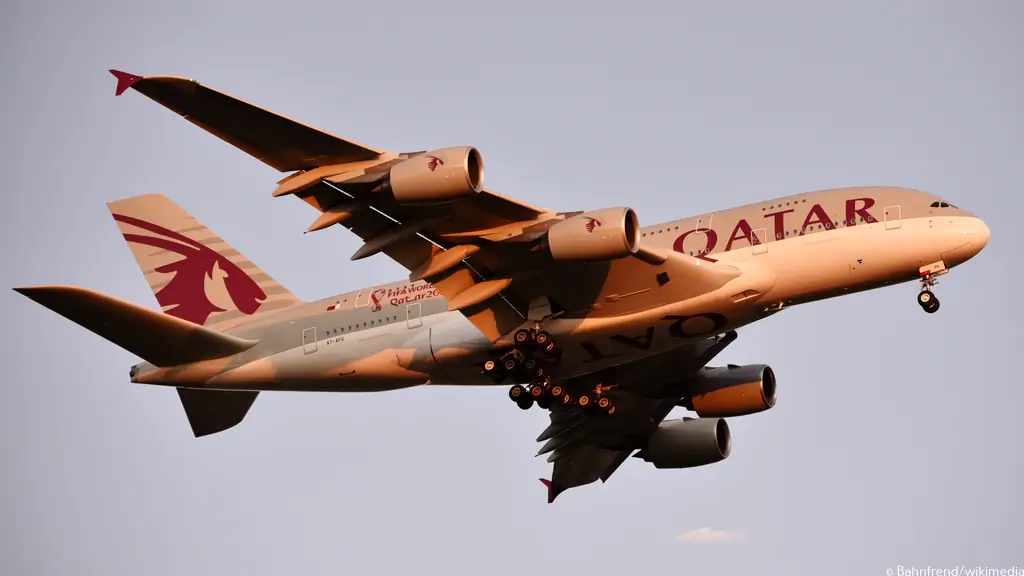
Qatar Airways, known for its world-class service and dedication to creating outstanding travel experiences, is expanding its summer operations by operating its largest aircraft, the Airbus A380, to Paris Charles de Gaulle Airport (CDG). This smart decision intends to accommodate the peak summer season's increased demand while also providing travellers with exceptional comfort and elegance throughout their journey.
Summer Operations at Qatar Airways
Qatar Airways, as a prominent global airline, is always striving to optimize its operations in order to meet the changing travel patterns and preferences of its passengers. The summer season, which is marked by increased vacation travel and holiday locations, experiences a substantial increase in air travel demand. Qatar Airways utilizes many techniques to manage this influx, including the deployment of larger aircraft and the adjustment of flight schedules.
The Airbus A380: Qatar Airways' Flagship Aircraft
As Qatar Airways' flagship aircraft, the Airbus A380 holds a unique position in its fleet. The A380 establishes new norms in aviation excellence with its tremendous capacity and exceptional passenger experience. Qatar Airways takes pride in providing its clients with the highest level of comfort, sophistication, and technological innovation, and the A380 perfectly represents these principles.
Qatar Airways' Decision to Operate the A380 to Paris CDG
Paris CDG, one of Europe's busiest airports, acts as a gateway to France and connects travellers to destinations all over the world. The decision by Qatar Airways to operate A380 flights to Paris CDG arises from the airport's importance as a major travel hub. The airline's goal is to provide customers with a pleasant and seamless flight while capitalizing on the high demand for travel to and from Paris.
Flight Schedule and Frequency
Qatar Airways will begin operating the Airbus A380 on Monday, Friday, Saturday, and Sunday flights between Doha and Paris CDG starting July 1st. This enhanced schedule offers customers additional alternatives for comfortably planning their vacations and coincides with Qatar Airways' commitment to flexibility and customer satisfaction. Travellers may now select from a broader choice of departure dates while still maintaining seamless connectivity to their final destinations.
Improved Passenger Experience
Passengers flying on Qatar Airways' Airbus A380 to Paris CDG can enjoy unrivalled comfort and elegance. The A380 features cabins, captivating décor, and cutting-edge services, all of which contribute to a genuinely unique flying experience. Every traveller may experience a voyage adapted to their tastes and needs, from sumptuous First-Class suites to comfortable lie-flat Business Class seats and smartly constructed Economy Class cabins.
Advantages of Flying on an Airbus A380
Flying aboard the Airbus A380 has various benefits that enhance the trip experience. The innovative air circulation systems on board guarantee a pleasant and healthy cabin atmosphere, reducing travel fatigue. Furthermore, the A380's quiet engines and cutting-edge technologies greatly minimize noise and vibrations, giving passengers a pleasant and peaceful journey.
Conclusion
Qatar Airways' choice to use the Airbus A380 on flights between Doha and Paris CDG during the busy summer season demonstrates the airline's dedication to satisfying customer demand and offering an extraordinary travel experience. Passengers may look forward to the A380's comfort, luxury, and cutting-edge technology, as well as the enhanced flight schedule and greater seat capacity. Qatar Airways' A380 flights to Paris CDG, whether for business or pleasure, offer an amazing voyage.
Read next

The drone sector in India is rapidly expanding, with applications in agriculture, infrastructure, surveillance, and delivery services. As the demand for drone services grows, the necessity for well-trained drone pilots becomes critical. Recognizing this requirement, Airbus developed a thorough training programme to help aspiring drone pilots improve their skills and capabilities.
Overview of the Training Course
The drone industry in India is quickly growing, creating new opportunities in a variety of industries. With the growing need for competent drone pilots, Airbus, a well-known aerospace corporation, has taken an important step towards satisfying those demands. Airbus will provide a five-day drone pilot training course at their Bengaluru Training Centre beginning June 26, 2023.
"Building on Airbus' growing presence in delivering high-quality state-of-the-art pilot and maintenance training in India, a broadening of the scope into drone training is a demonstration of our commitment to supporting the upskilling of India's aviation infrastructure development," Laurie Alder, Head of Customer Services, Airbus India, and South Asia, said of the launch. We think that this training will equip aspiring drone pilots in the country with industry-specific skills and knowledge of safe drone operations, allowing them to advance their careers in this quickly increasing sector."
Course Curriculum
The training course includes both theoretical and practical courses. Theoretical training will be provided by DGCA-approved Airbus instructors on topics such as drone rules, basic concepts of flight, ATC protocols, maintenance, operations, and aerodynamics. These training sessions provide students with the solid foundation of knowledge required to operate drones safely and efficiently.
Advantages of the Training Course
The Airbus drone pilot training course has a number of advantages for both prospective drone pilots and the industry as a whole. The training provides participants with the competence needed to operate drones successfully and ethically by improving their abilities. This skill adds to the overall safety and efficiency of drone operations in India.
India's Drone Industry Expands
In recent years, India's drone business has grown significantly. The government has implemented progressive legislation and regulations to encourage the use of drones in a variety of industries. Drones are revolutionizing old practices and throwing up new opportunities in everything from agriculture and logistics to surveillance and filmmaking.
The Importance of Drone Training in the Micro and Small Category
The Airbus training course focuses on commercial drones in the micro and small categories. These drones are often lightweight, adaptable, and simple to control, making them appropriate for a variety of businesses. Airbus meets the particular needs and aspirations of the Indian market by providing specialized training for micro and small category drones.
Conclusion
The Airbus drone pilot training course in India is a crucial step towards satisfying the country's burgeoning drone sector's talent demands. Airbus helps prospective drone pilots with the skills and knowledge needed to flourish in their jobs by delivering thorough theoretical and practical training. As India adopts drone technology, the training course is critical to ensuring safe and effective drone operations in a variety of businesses.
With Inputs from Airbus
Read next

Japan Airlines (JAL) made a phenomenal announcement in November 2022 that sent ripples throughout the aviation industry. Starting in April 2024, the renowned airline desires to launch Airbus A321 Passenger to Freighter (P2F) cargo flights. This development marked a big step forward in JAL's ongoing efforts to optimize and grow its cargo operations. As a result of their dedication, the first aircraft planned for JAL has begun its conversion process in Singapore.
Japan Airlines (JAL): Background
Before we delve into the recent announcement, let us take a minute to appreciate Japan Airlines' (JAL) heritage and prominence. JAL, founded in 1951, has developed into one of the world's premier airlines, renowned for its dedication to excellence and client satisfaction. JAL has prioritized passenger services throughout the years but has also recognized the need for a robust freight network to meet the shifting needs of industries across the globe.
Airbus A321 P2F Cargo Flights Announced
In 2015, Airbus announced the P2F conversion programme for the A320 and A321 in collaboration with ST Engineering and Elbe Flugzeugwerke (EFW). The first modified A321P2F flight took place in January 2020, and the aircraft was afterwards handed over to Qantas (QF). The vessel can transport 14 full-size cargo containers on its main deck and up to 10 on its lower deck. It can carry a payload of up to 27 tons.
Commencement of Conversion Work in Singapore
The first aircraft earmarked for JAL's Airbus A321 P2F cargo fleet has begun its conversion process in Singapore, making their ambition a reality. Singapore, known for its expertise in aircraft modifications, is an appropriate location for this huge operation. Skilled engineers and technicians are methodically converting the passenger aircraft into cutting-edge cargo, ensuring that it meets severe safety and operational criteria.
The flights will be operated by JAL in collaboration with Yamato Holdings, a Japanese logistics company. The airline will operate four domestic flights from Tokyo (NRT/HND) to Kitakyushu (KKJ), Sapporo (CTS), and Okinawa (OKA), as well as a link between OKA and KKJ. Each day, there will be 21 flights.
Benefits of Conversion
Japan Airlines (JAL) will benefit substantially from the conversion of Airbus A321 aircraft into freighters. For starters, this conversion enables JAL to maximize asset utilization by reusing passenger jets that may have reached the end of their commercial service life. JAL extends the life of these aircraft by transforming them into freighters, allowing them to carry more cargo.
Increased Flexibility and Efficiency
One of the most noticeable benefits of the Airbus A321 P2F conversion is the increased efficiency and flexibility it provides to JAL's cargo operations. The ideal size of the A321 enables cost-effective operations on routes with modest cargo demand. Furthermore, the aircraft's fuel economy contributes to a more environmentally friendly approach to freight transportation, which is consistent with JAL's commitment to sustainability.
Potential Obstacles and Considerations
While the Airbus A321 P2F conversion offers various benefits, it is critical to recognize potential obstacles and concerns. Maintenance expenses, regulatory compliance, and market changes must all be carefully controlled to maintain JAL's cargo business' long-term viability. JAL can address these difficulties proactively by regularly monitoring and adjusting to industry developments and client expectations, allowing them to preserve their competitive advantage in the cargo market.
Conclusion
Japan Airlines' debut with Airbus A321 P2F freight flights ushers in a new chapter in the company's history. JAL displays its commitment to innovation and answering the increasing demands of the cargo market with the start of conversion work in Singapore. The addition of modified A321 freighters not only enhances JAL's cargo network but also positions the airline as a dependable and long-term partner for enterprises throughout the world. JAL's transformational project aims to develop a more efficient, flexible, and customer-centric cargo operation that contributes to the growth and success of industries globally.
With Inputs from AirwaysMag
Comment