

The International Air Transport Association (IATA) recently released a report showcasing a notable surge in passenger demand for February 2024, hinting at a potential resurgence in the aviation industry. With global passenger demand soaring, coupled with increased capacity and robust cargo markets, the aviation sector seems to be rebounding from the depths of the COVID-19 pandemic.
Passenger Demand on the Rise
According to the latest report by IATA, global passenger demand witnessed a significant uptick in February 2024 compared to the same period last year. The data, which represents about 83% of the world's carriers, reveals a 21.5% increase in passenger demand, indicating a strong resurgence in air travel.
International vs. Domestic Trends
The surge in demand was more pronounced in international routes, with a remarkable 26.3% year-on-year increase, while domestic routes saw a 15.0% rise. However, the capacity growth on domestic routes lagged behind international routes, resulting in higher average load factors for domestic flights.
North American Market Dynamics & Cargo Market Resilience
Despite a more modest growth rate compared to other regions, North America experienced an 8.9% increase in passenger demand. However, the region's market dynamics and slower recovery rate suggest potential challenges in achieving pre-pandemic levels of air travel activity.
In addition to the surge in passenger demand, the air cargo market also exhibited robust growth, marking the third consecutive month of double-digit year-on-year expansion. This resilience in the cargo sector has been instrumental in sustaining airlines' revenue streams, particularly during the pandemic-induced downturn in passenger travel.
Industry Optimism and Challenges
Willie Walsh, the Director General of IATA, expressed optimism about the industry's prospects in 2024, attributing the positive trajectory to accelerated investments in decarbonization and the resilience of passenger demand. However, Walsh cautioned against potential challenges, including geopolitical uncertainties and proposed tax increases that could impede the industry's recovery.
Conclusion
The latest report from IATA paints a promising picture for the aviation industry in 2024, with strong growth in both passenger demand and cargo markets. While challenges persist, including uneven recovery rates across regions and looming geopolitical uncertainties, the industry's resilience and adaptability offer hope for a robust comeback from the COVID-19 pandemic downturn. As airlines continue to navigate through uncertain terrain, the road to recovery appears to be paved with cautious optimism and strategic investments in sustainability and innovation.

Read next
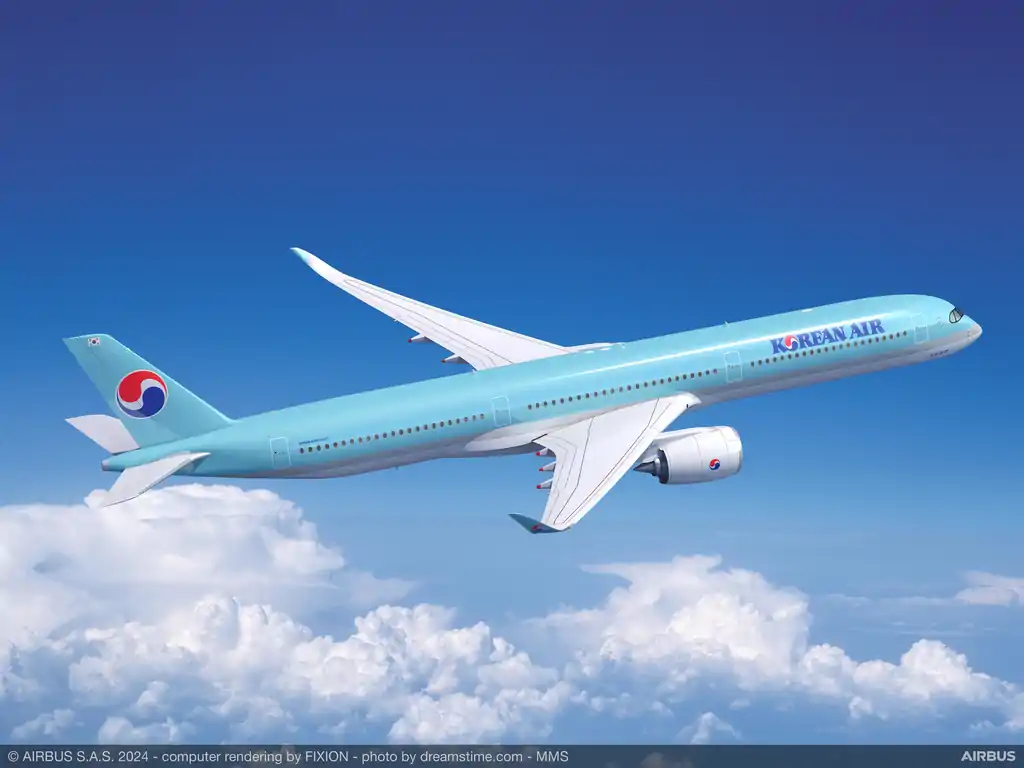
In a strategic move to enhance operational efficiency and elevate passenger experience, Korean Air has placed a firm order for thirty-three Airbus widebody aircraft, according to an announcement from the OEM. The order includes twenty-seven A350-1000s and six A350-900s, marking a significant step for the flag carrier towards fleet modernization and optimization.
Operational Efficiency and Passenger Experience Enhancement
Jason Yoo, executive vice president and chief safety and operating officer at Korean Air, expressed confidence in the introduction of the A350 series to their fleet. He highlighted the anticipation that these modern aircraft would drive operational efficiencies and enhance the overall travel experience for passengers. This move underscores Korean Air's commitment to staying at the forefront of innovation in the aviation industry.
Replacement of Aging Aircraft on Long-Haul Routes
The new widebodies are expected to replace existing aging aircraft on long-haul routes, aligning with Korean Air's long-term aircraft plan. This strategic decision not only ensures operational reliability but also demonstrates Korean Air's dedication to maintaining a modern and fuel-efficient fleet, crucial for long-haul operations.
Integration with Prospective Merger Partner
Korean Air's prospective merger partner, Asiana Airlines, already operates the A350 type, with a fleet of fifteen A350-900s and additional orders. The harmonization of fleets through the introduction of Airbus A350s will likely streamline operations and facilitate a smoother integration process between the two carriers, enhancing synergies and competitiveness in the market.
Fleet Simplification and Expansion
Korean Air currently operates a diverse range of aircraft types across its passenger-configured fleet. The addition of the A350 series complements its existing widebody fleet, which includes various Airbus and Boeing models. Additionally, Korean Air has additional Boeing 787 Dreamliners on order, indicating a blend of fleet simplification and expansion strategies aimed at optimizing operations and meeting evolving market demands.
Conclusion
Korean Air's firm order for thirty-three Airbus widebodies signifies a strategic move towards fleet modernization, operational efficiency, and enhanced passenger experience. With the introduction of the A350 series, Korean Air is poised to strengthen its position in the global aviation market while aligning with its long-term objectives. This significant investment underscores the airline's commitment to innovation and excellence in air travel.
With Inputs from ch-aviation
Read next
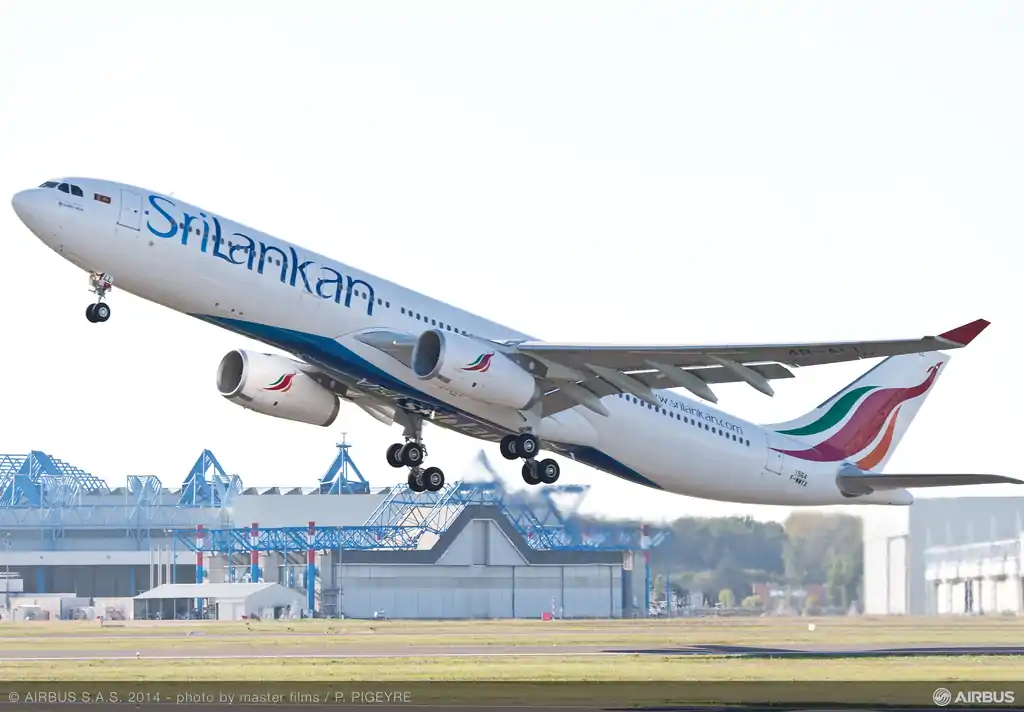
SriLankan Airlines, the flag carrier of Sri Lanka, has recently secured approval from the government to lease four aircraft in a move aimed at bolstering its fleet amidst ongoing challenges and discussions surrounding its privatization.
Government Approval, Financial Commitment & Lease Details
During a meeting held on April 1, the Sri Lankan government sanctioned two contracts for SriLankan Airlines to lease a total of four widebody aircraft. The decision, published on the government's website, signifies a substantial financial commitment of nearly USD 122 million over an eight-year term.
The approved contracts involve leasing two aircraft from ORIX Aviation for six years, with a monthly rate of USD 360,000 per aircraft, amounting to USD 51.84 million over the lease period. Additionally, two aircraft will be leased from Aergo Capital for eight years at a monthly rate of USD 365,000 per aircraft, totaling USD 70.08 million.
Aircraft Type and Operational Plans
Although the minutes of the meeting did not specify the aircraft type, SriLankan Airlines Chairman Ashok Pathirage revealed that the leased aircraft are A330s. Pathirage expressed hopes of having these aircraft operational for the airline by the end of the year. This move aligns with SriLankan Airlines' strategy to rebuild its fleet, which was previously comprised of 27 aircraft before being reduced to 17 due to various reasons, including the impacts of the COVID-19 pandemic.
Fleet Status and Replacement Strategy
The current operational fleet includes a mix of A320-200s, A320-200N, A321-200N, A330-200s, and A330-300s. However, several aircraft are out of service for reasons such as Pratt & Whitney engine issues, maintenance, and lease returns. With lease agreements for existing aircraft expiring in the coming years, the pressure to acquire replacements has intensified for SriLankan Airlines.
Privatization Efforts & Conclusion
Parallel to the efforts to strengthen its fleet, SriLankan Airlines is undergoing partial privatization. The government has initiated the privatization process, which is currently at the prequalification stage. The deadline for prospective buyers to submit expressions of interest has been extended multiple times, with the current deadline set for April 22, 2024.
The decision to lease four aircraft underscores SriLankan Airlines' commitment to adapt and thrive in a challenging aviation landscape. As discussions on privatization continue, securing additional aircraft signifies a step towards revitalizing the airline's operations and ensuring its competitiveness in the global market.
With Inputs from ch-aviation
Read next
Is Cebu Pacific's Flight to Efficiency Taking Off with Avolon's A330neo Deal?
Abhishek Nayar
06 Apr 2024
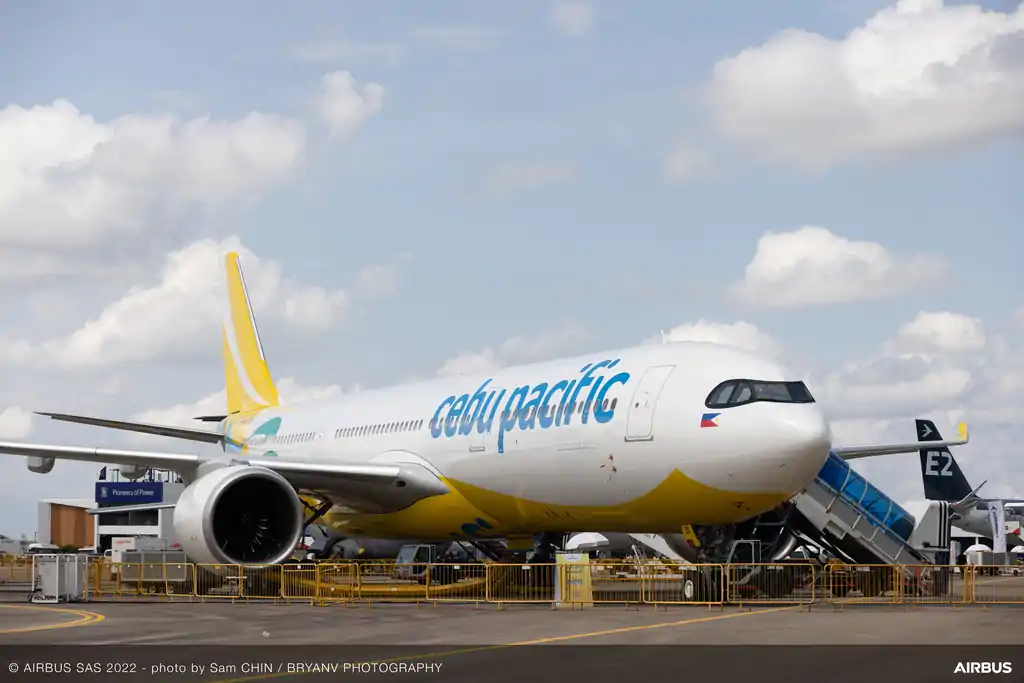
Avolon, a leading aircraft leasing company, recently announced a significant sale and leaseback agreement with Cebu Pacific, a prominent low-cost carrier based in the Philippines. The deal involves four state-of-the-art Airbus A330neo aircraft, marking another milestone in the long-standing partnership between Avolon and Cebu Pacific.
Enhancing Cebu Pacific's Fleet
These Airbus A330neo aircraft represent the latest advancement in aviation technology, offering a range of over 13,300 kilometers (7,200 nautical miles) and boasting a remarkable 25% reduction in fuel consumption and CO2 emissions compared to their predecessors, the A330ceo. This enhanced efficiency aligns perfectly with Cebu Pacific's commitment to sustainability and reducing its carbon footprint.
Expanding Horizons: Cebu Pacific's Route Network
Cebu Pacific has ambitious plans for its new fleet additions. The airline intends to utilize these cutting-edge aircraft to expand its route network, particularly in the Asia and Middle East regions. By leveraging the increased range and efficiency of the A330neo, Cebu Pacific aims to offer more destinations to its customers while maintaining cost-effectiveness and environmental responsibility.
Avolon's Continued Support
Paul Geaney, Avolon's President and Chief Commercial Officer, expressed optimism about the future of air travel in Asia and highlighted Avolon's commitment to supporting its customers through innovative solutions like sale and leaseback transactions. With the demand for widebody aircraft expected to rise steadily in the coming years, Avolon stands ready to assist airlines like Cebu Pacific in achieving their growth objectives while navigating the evolving landscape of the aviation industry.
A Partnership for Progress
The sale and leaseback agreement between Avolon and Cebu Pacific not only underscores the strength of their partnership but also reflects a shared vision for the future of air travel—one that prioritizes efficiency, sustainability, and customer satisfaction. As Cebu Pacific takes delivery of these new Airbus A330neo aircraft, passengers can look forward to more options, enhanced connectivity, and a greener flying experience.
Conclusion
With Avolon's support and the introduction of the state-of-the-art Airbus A330neo to its fleet, Cebu Pacific is poised to embark on a new chapter of growth and innovation. As the aviation industry continues to evolve, partnerships like this one demonstrate a commitment to meeting the demands of a changing world while striving for excellence in every aspect of air travel.
Read next
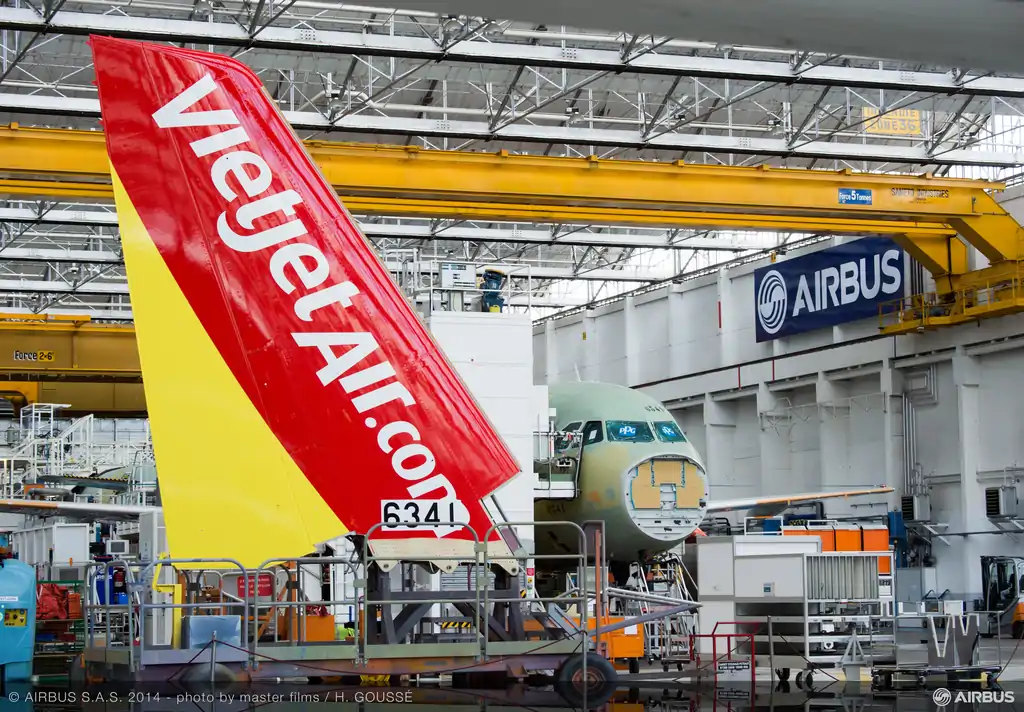
In recent years, VietJet Aviation Joint Stock Company (VietJet) has emerged as a formidable player in the aviation industry, revolutionizing air travel with its innovative strategies and aggressive marketing campaigns. With a focus on providing affordable flights, VietJet has rapidly expanded its routes, making travel more accessible for millions of passengers. Let's delve into the remarkable journey and achievements of VietJet in 2023.
Unprecedented Growth, Profitability & Diversified Revenue Streams
In a recent announcement, VietJet revealed its outstanding financial performance in 2023, showcasing a before-tax consolidated profit of US$24.4 million. The airline's success story is underpinned by its robust revenue of $2.35 billion, marking a significant year-on-year increase. Notably, VietJet’s air transport revenue surged by 62%, reflecting its dominance in the market.
VietJet’s success is not solely reliant on-air transport revenue. The airline has diversified its income sources, with ancillary and cargo revenue amounting to nearly $840.7 million. This diversified approach not only strengthens VietJet’s financial position but also enhances its resilience in the face of market fluctuations.
Financial Stability, Strategic Investments & Expanding Horizons
With total assets reaching approximately $3.5 billion and a debt-to-equity ratio of 2, VietJet exemplifies financial stability. The airline's prudent financial management is evident from its high credit rating and substantial cash reserves of $203.6 million. VietJet’s strategic investments in fleet renewal and expansion have played a pivotal role in driving its international growth trajectory.
VietJet’s expansion efforts in 2023 were nothing short of impressive. The airline operated 133,000 flights, carrying 25.3 million passengers, including 7.6 million on international routes. VietJet launched 33 new domestic and international routes, significantly enhancing connectivity and accessibility for travelers.
Penetrating New Markets, Driving Tourism and Trade
One of VietJet’s remarkable achievements in 2023 was its entry into the Australian market. Within a span of 12 months, VietJet successfully launched flights to five major Australian cities from Ho Chi Minh City, opening up new avenues for travelers. Additionally, VietJet’s foray into India with new routes has facilitated convenient and affordable travel options for passengers.
VietJet’s strategic route expansions have not only catered to passenger demand but also stimulated tourism, business, and trade activities. The airline's initiatives to connect Vietnam to destinations like India, Australia, Mongolia, Japan, and China have fostered bilateral relations and economic opportunities.
Conclusion
As VietJet continues to soar to new heights, its innovative approach and relentless pursuit of excellence redefine the aviation landscape. With a commitment to affordability, accessibility, and customer satisfaction, VietJet remains a trailblazer in the industry, driving positive socio-economic impacts and empowering travelers worldwide. As we look ahead, VietJet’s journey promises to inspire and revolutionize air travel for years to come.
Read next
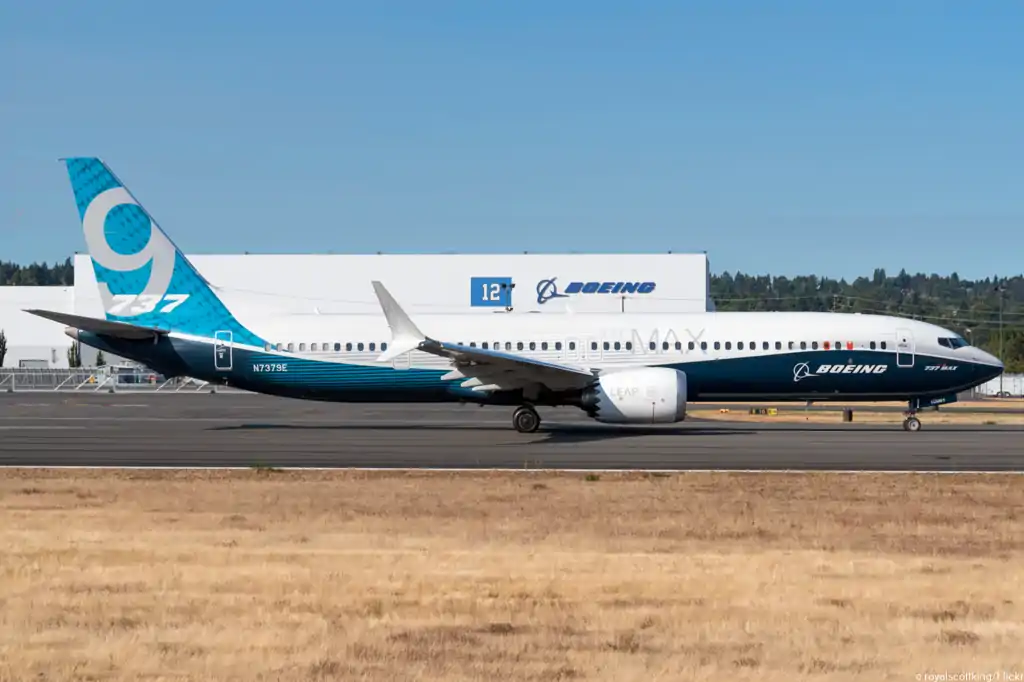
The aviation industry has been rocked by a series of setbacks, primarily stemming from incidents involving Boeing aircraft. From safety concerns to legal battles, the aerospace giant is facing significant challenges. Amidst this turbulence, the question looms: Can Boeing bounce back and restore confidence in its products?
Alaska Airlines: Seeking Compensation
In January, an Alaska Airlines Boeing 737 MAX 9 experienced a blowout of an exit door plug, leading to a forced diversion. While no fatalities occurred, the incident triggered a wave of lawsuits and demands for compensation from both passengers and airlines. Alaska Airlines, in particular, received $160 million from Boeing in the first quarter, though it asserts that more compensation is necessary to offset the grounding's impact on its operations.
Boeing's Financial Fallout and Leadership Changes
The fallout from the blowout incident has been severe for Boeing. The grounding of 65 planes significantly affected the company's first-quarter results. Additionally, the company underwent significant leadership changes as a result of the crisis. Both the CEO and CEO of Boeing Commercial Airplanes are set to be replaced by the end of 2024.
Airlines' Responses and Future Plans
While some airlines, like American Airlines and Japan Airlines, have made sizable aircraft orders, others are reevaluating their strategies. United Airlines, for instance, has opted to focus on the MAX 9 rather than the MAX 10, reflecting a shift in priorities. However, delays in aircraft deliveries have forced some airlines, including Southwest, to revise expansion plans and even pause hiring.
Investigations and Regulatory Scrutiny
The blowout incident prompted investigations by the FBI and the DOJ, raising concerns about potential criminal actions. Passengers were notified of the ongoing investigation, indicating the seriousness of the matter. Meanwhile, the FAA has taken a cautious approach, limiting Boeing's monthly manufacturing and overseeing production to ensure compliance with safety standards. The duration of these measures remains uncertain, contingent upon Boeing's ability to implement changes in its safety culture.
Conclusion
As Boeing grapples with the aftermath of recent events, the road to recovery appears arduous. Rebuilding trust in its products and addressing regulatory concerns will be paramount. While the company faces formidable challenges, its ability to adapt and enact meaningful changes may ultimately determine its future in the aviation industry. Only time will tell if Boeing can overcome these setbacks and regain its standing as a leader in aerospace innovation.
Comment