
Is Vietnam Airlines' Fleet Safe? The Impact of Pratt & Whitney Engine Issues

Abhishek Nayar
05 Mar 2024
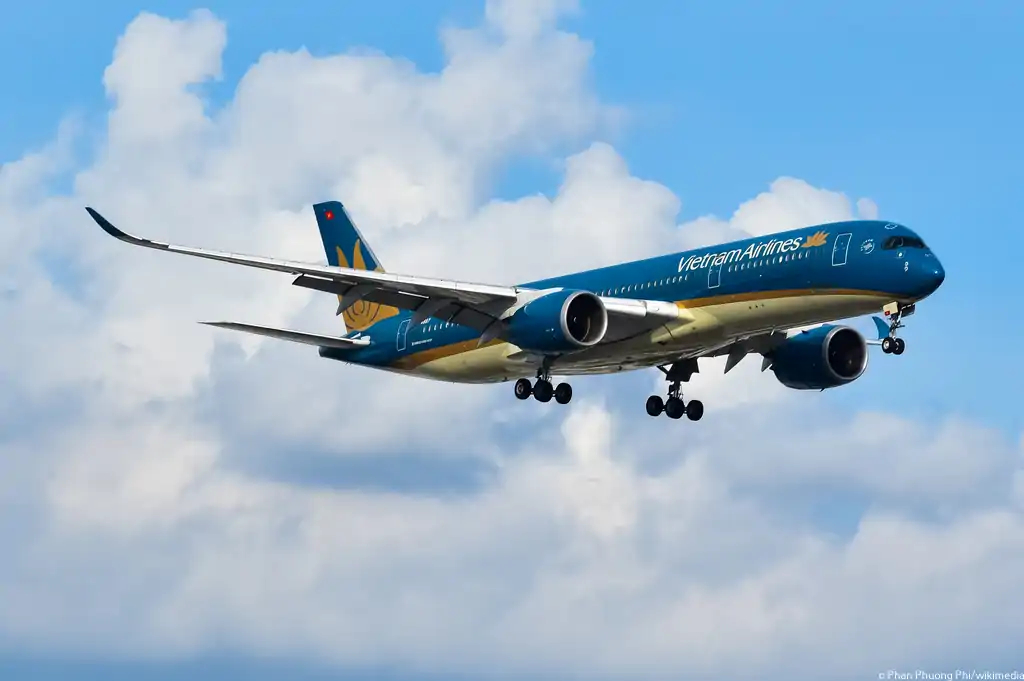
In a recent move, Vietnam Airlines, the flag carrier of Vietnam, has announced plans to ground twelve of its Airbus A320neo family aircraft due to engine problems. This decision comes amidst a broader concern surrounding Pratt & Whitney PW1100 GTF engines, affecting airlines globally.
Grounding Due to Engine Issues & Impact on Fleet and Operations
Vietnam Airlines Chief Executive Le Hong Ha disclosed that the airline will temporarily ground twelve Airbus A320neo family aircraft, all equipped with Pratt & Whitney PW1100 GTF engines. These planes are expected to remain inactive for up to 300 days, doubling the expected maintenance time due to ongoing supply chain disruptions.
This grounding represents nearly 20% of Vietnam Airlines' entire domestic fleet, which currently consists of 107 aircraft. Notably, twenty of the carrier's A321-200N jets are powered by the affected engines, highlighting the significant scale of the issue.
Global Reach of the Problem & Scope of Scheduled Engine Inspections
The engine issues plaguing Vietnam Airlines are not isolated incidents. Pratt & Whitney's GTF engine problem, originating in July 2023 due to manufacturing defects in certain engine parts, has reverberated throughout the aviation industry. This problem has affected numerous airlines and aircraft leasing companies worldwide.
RTX Corporation, the parent company of Pratt & Whitney, estimates that scheduled engine inspections, potentially lasting up to 60 days each, are scheduled to occur between 2023 and 2026. During this period, an estimated 350 aircraft could be grounded annually. However, a surge in grounding instances could lead to up to 650 affected aircraft during the first half of 2024 alone.
Manufacturing Timeline, Global Impact, Industry Response and Future Outlook
The affected GTF engines were manufactured between October 2015 and September 2021. To date, nearly 3,000 engines globally, representing over 90% of the GTF engines in service, may be impacted by the manufacturing defects.
The widespread impact of Pratt & Whitney's GTF engine issues underscore the need for comprehensive solutions to address manufacturing defects and ensure the safety and reliability of aircraft worldwide. As airlines grapple with maintenance challenges and operational disruptions, industry stakeholders are closely monitoring developments to mitigate further risks.
Conclusion
In summary, Vietnam Airlines' decision to ground a dozen aircraft due to engine problems sheds light on a broader industry issue affecting airlines globally. With Pratt & Whitney engines at the center of attention, addressing manufacturing defects and ensuring the airworthiness of aircraft remains a top priority for aviation stakeholders.
Read next

In a potentially groundbreaking move, Etihad Airways, the pride of the United Arab Emirates' aviation sector, is contemplating an Initial Public Offering (IPO). This decision, spearheaded by the airline's parent company, ADQ, could mark a significant milestone not only for Etihad but for the entire Gulf region's aviation industry. Coupled with Saudi Arabia's flynas also gearing up for an IPO, it underscores a dynamic shift in the region's skies.
Etihad Airways' IPO Aspirations

Etihad Airways, based in Abu Dhabi, has long been a symbol of excellence in the Gulf's aviation sector. Now, under the stewardship of ADQ, the airline is on the brink of a historic transformation. Discussions are underway with various banks, hinting at a potential IPO as early as this year. ADQ's exploration of both traditional IPO and direct listing avenues highlights the strategic considerations at play.
Implications for the UAE Economy
An IPO for Etihad Airways could serve as a catalyst for the UAE's economic diversification efforts. By leveraging the national airline to stimulate the domestic stock market, the UAE aims to reduce reliance on oil production and foster a more robust and dynamic economy. The move aligns with broader initiatives aimed at positioning the UAE as a global economic hub.
Flynas: Saudi Arabia's Aviation Aspirations

Not to be outdone, Saudi Arabia's low-cost carrier, flynas, is also eyeing an IPO in 2024. Backed by billionaire Prince Alwaleed Bin Talal and with the support of prominent investment banks, flynas is poised to make its mark on the Saudi stock market. The move reflects Saudi Arabia's ambitions to diversify its economy and expand its presence in the global aviation industry.
Emirates' Previous Considerations

While Etihad Airways and flynas chart their IPO courses, Emirates, another titan in the Gulf's aviation landscape, has previously contemplated a similar move. Although the Dubai government had considered listing state-backed companies, including Emirates, on the local stock exchange, concrete steps towards an IPO have yet to materialize. Nonetheless, the prospect remains on the radar, signaling ongoing developments in the region's aviation sector.
Conclusion
The potential IPOs of Etihad Airways and flynas represent significant milestones in the Gulf region's aviation landscape. As these airlines explore opportunities to go public, they pave the way for increased market participation, economic diversification, and global competitiveness. With the UAE and Saudi Arabia at the forefront of these initiatives, the skies of the Gulf region are set for a transformative journey towards new horizons.
Read next
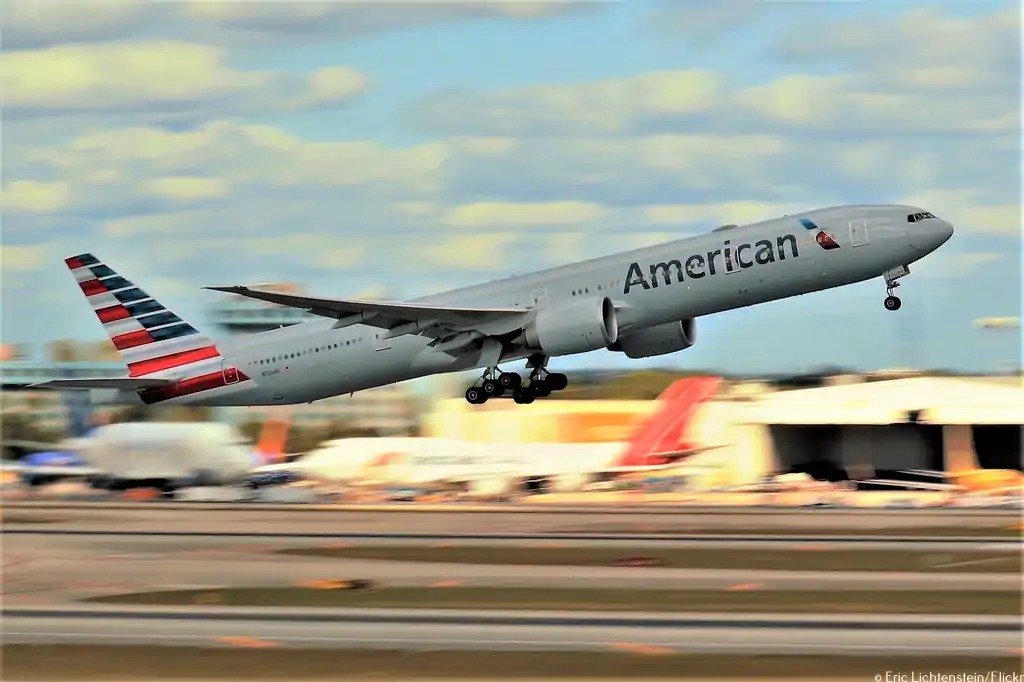
Flight attendants, the frontline ambassadors of the aviation industry, are gearing up for a showdown as they prepare to take their grievances to the heart of Wall Street. With issues ranging from stagnant wages to unresolved contractual disputes, the inflight workers of American Airlines are poised to make their voices heard in a protest scheduled for Monday, coinciding with the airline's Investor Day. Amidst simmering tensions and escalating demands, the stage is set for a pivotal moment in the ongoing battle for fair treatment and equitable compensation.
Background: The Struggle for Fair Wages
For years, reports have circulated detailing the financial hardships faced by many flight attendants, exacerbated by low wages that fail to keep pace with the rising cost of living. Last month saw crews picketing at various bases across the country, underscoring the urgency of their plight. Despite American Airlines' assertion of offering an "industry-leading" contract proposal last September, flight attendants remain unsatisfied, citing significant gaps in addressing key demands, including substantial pay raises.
The Planned Protest: A Show of Unity
As revealed in an internal memo obtained by View From The Wing, flight attendants, organized under the Association of Professional Flight Attendants (APFA), are set to convene on Wall Street for a coordinated protest. The directive, urging attendants to don their uniforms and gather near Joe and Juice on Broad Street, signifies a united front in their quest for a better collective bargaining agreement. The memo, shrouded in secrecy, emphasizes discretion in inviting fellow workers and prohibits social media postings to maintain the element of surprise.
Chants and Signs: Amplifying Their Message
With slogans like "AA: No Retro Pay / No Way!" and "AA Makes Billions - We Can't Make Rent!", flight attendants aim to amplify their message of discontent during the protest. These rallying cries encapsulate the frustration felt by many inflight workers grappling with financial insecurity amidst the airline's profitability. The demand for immediate action on contract negotiations reverberates through the streets of New York City, serving as a stark reminder of the disparity between corporate profits and employee well-being.
Legal Battles and Negotiation Stalemates
The path to resolution has been marred by legal hurdles and negotiation stalemates, with APFA's request for a strike authorization denied by the National Mediation Board last November. Despite this setback, the union remains undeterred, pushing for a thirty-day cooling-off period to escalate pressure on American Airlines. With a status conference scheduled for next week, both parties are bracing for a showdown that could potentially alter the trajectory of their protracted dispute.
Looking Ahead: The Prospect of Industrial Action
As tensions escalate and negotiations reach an impasse, the specter of industrial action looms large over American Airlines. APFA's recent distribution of strike booklets to its members serves as a stark reminder of the imminent possibility of a walkout. With preparations underway for a potential strike, flight attendants are steadfast in their resolve to fight for equitable treatment and a fair contract that reflects their invaluable contributions to the airline industry.
Conclusion: A Call for Fairness and Equity
The upcoming protest in New York City represents more than just a gathering of disgruntled employees; it symbolizes a collective call for fairness, equity, and respect in the workplace. As American Airlines' flight attendants prepare to take flight in protest, their message reverberates far beyond the confines of Wall Street, resonating with workers across industries grappling with similar challenges. In the battle for a new collective bargaining agreement, the stakes are high, but the resolve of inflight workers remains unwavering as they stand united in pursuit of a brighter future.
Read next

Lufthansa's ambitious bid for a minority stake in ITA Airways has ignited concerns within the European Union's antitrust watchdog. As the German carrier seeks to secure a significant 41% share in the Italian state-owned rival, valued at €325 million, it faces hurdles posed by EU competition regulations. The European Commission has embarked on a thorough investigation, prompted by fears that the acquisition may compromise competition in both short-haul and long-haul passenger air transport services.
The Antitrust Challenge
The European Commission's scrutiny stems from apprehensions surrounding the potential reduction in market competition should Lufthansa's bid proceed unchecked. The investigation, initiated in January, delves into the intricacies of how the acquisition could impact various air routes, both within Europe and beyond. Of particular concern is the possibility that the merger could result in a diminished landscape for consumer choice and competitive pricing.
The Question of Entity Treatment
Crucially, the Commission is also evaluating whether Lufthansa, ITA Airways, and their associated partners—namely United Airlines and Air Canada—should be treated as a unified entity post-merger. This consideration is pivotal in determining the extent of regulatory oversight and the necessary measures to preserve fair competition within the aviation sector.
Anticipated Regulatory Action & Remedies in Focus
Sources close to the matter suggest that Lufthansa is bracing for an impending statement of objections from the European Commission, detailing specific concerns by mid-March. This development underscores the gravity of the regulatory challenges facing the airline giant as it navigates the intricate landscape of EU antitrust scrutiny.
In response to mounting regulatory pressure, Lufthansa is prepared to proffer targeted remedies aimed at assuaging competition concerns raised by the European Commission. Drawing parallels with past antitrust cases, particularly the Korean Air and Asiana deal, Lufthansa may need to explore concessions such as relinquishing slots, traffic rights, or even aircraft assets to facilitate the entry of competitors into overlapping routes.
Past Efforts and Future Strategies
Despite having previously proposed remedies during the preliminary stages of the EU watchdog's review, Lufthansa's overtures were rebuffed due to inadequacies in addressing regulatory apprehensions. As the stakes escalate with the imminent issuance of a statement of objections, the airline faces a critical juncture in its strategic approach. The efficacy of its proposed remedies will be scrutinized against the backdrop of preserving market competitiveness and safeguarding consumer interests.
Conclusion
Lufthansa's bid for a minority stake in ITA Airways stands at a crossroads, with the specter of EU antitrust intervention looming large. The forthcoming statement of objections from the European Commission signals a pivotal phase in the regulatory saga, wherein the efficacy of proposed remedies will be tested against the backdrop of ensuring a level playing field in the aviation industry. As stakeholders await further developments, the outcome of this high-stakes antitrust battle will reverberate across the aviation landscape, shaping the contours of competition and consolidation within the sector.
Read next
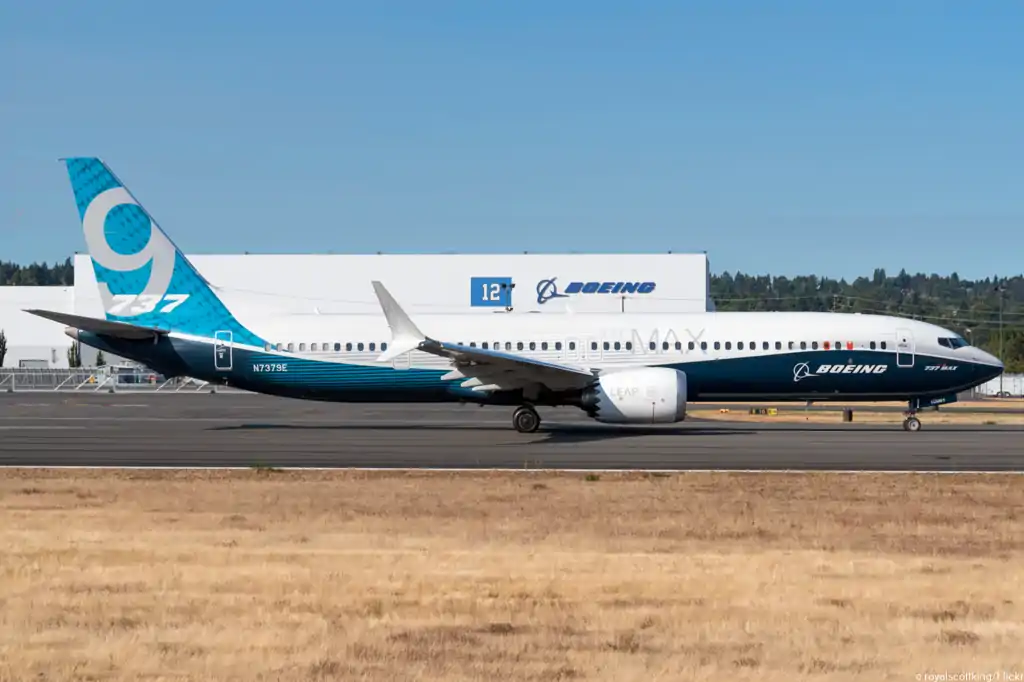
The Federal Aviation Administration (FAA) has announced its decision to enforce a remedy for a potential design flaw in the Boeing 737 MAX aircraft, a move aimed at ensuring the continued safety of air travel. This latest development, disclosed in a recent report by the Seattle Times, underscores the FAA's commitment to proactive oversight and underscores ongoing efforts to address concerns within the aviation industry.
Mandate for Resolution & Scope of FAA Directives
The FAA's directive pertains to an identified issue that could hypothetically lead to the disabling of the jet's engine anti-ice system. While the likelihood of such an event occurring remains remote, the FAA deems it necessary to implement a fix as a precautionary measure. This action follows a separate directive issued last year, which imposed restrictions on the utilization of the engine anti-icing system on the 737 MAX.
In February, the FAA issued two airworthiness directives specifically addressing conditions affecting the Boeing 737 MAX, as well as outlining inspection and repair protocols for the Boeing 787 Dreamliner. These directives underscore the FAA's rigorous approach to ensuring the safety and reliability of commercial aircraft.
787 Dreamliner Concerns & Boeing's Response
Notably, airlines have reported a distinct issue with a system on Boeing's 787 Dreamliner fleet, resulting in what the FAA describes as "relatively minor" damage to engine inlets on approximately two dozen aircraft currently in service. Boeing has acknowledged these concerns and has been actively engaged in addressing them.
Boeing, in response to the recent developments, has emphasized its commitment to safety and transparency. The aerospace giant stated that it initially identified the MAX issue during a comprehensive review of flight deck systems in 2021. Subsequently, Boeing issued directives to operators in November 2022, outlining measures to mitigate any potential risks associated with the identified design flaw. The company has underscored that the issue is exceedingly rare and has never been observed throughout decades of service across Boeing's aircraft models, including the predecessor 737 NG series.
Safety Assurance
Both Boeing and the FAA have reiterated that the identified concerns do not pose immediate threats to flight safety, as extensive engineering analyses have been conducted to assess the potential risks. Nevertheless, the proactive measures taken by both entities underscore their unwavering commitment to ensuring the safety and reliability of commercial aviation.
Conclusion
The FAA's mandate for a fix to address the identified design flaw in the Boeing 737 MAX reflects a proactive approach to aviation safety. As stakeholders collaborate to implement necessary remedies and enhancements, passengers can rest assured that the skies remain one of the safest modes of travel. This latest development serves as a testament to the aviation industry's ongoing dedication to maintaining the highest standards of safety and reliability.
With Inputs from Reuters
Read next
Has Boeing's Crisis Sparked a Reshuffle with Spirit AeroSystems Purchase Talks?
Abhishek Nayar
04 Mar 2024
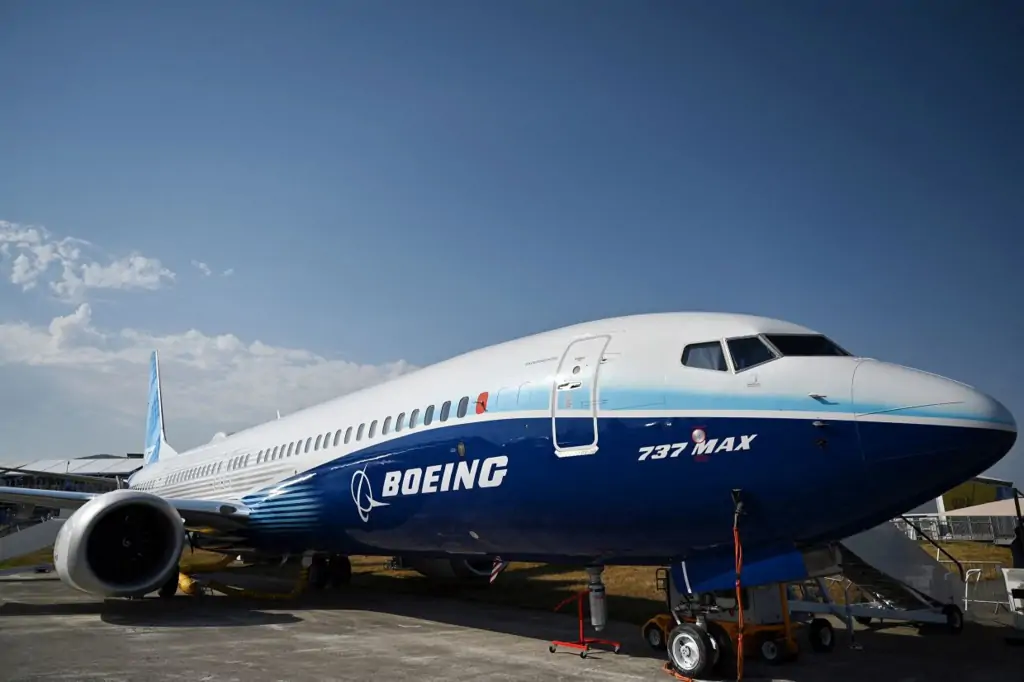
In recent weeks, Boeing has found itself grappling with a multifaceted crisis, triggered by a mid-air panel blowout and exacerbated by ongoing concerns regarding aviation safety and production quality. As the aviation giant navigates these challenges, it has initiated talks to potentially acquire its former subsidiary, Spirit AeroSystems, in a bid to regain control over its manufacturing operations and address pressing issues.
The Genesis of Boeing's Crisis
The latest crisis plaguing Boeing stems from a mid-air incident on January 5th, wherein a panel blew off at 16,000 feet, raising significant safety concerns. This event has underscored broader issues surrounding the company's safety record, particularly in the wake of two fatal crashes involving the 737 MAX aircraft in 2018 and 2019.
Boeing's Response: Talks of Acquisition and Production Delays
In response to the escalating crisis, Boeing has embarked on strategic maneuvers, including discussions to reacquire Spirit AeroSystems, its former subsidiary. This potential reintegration aims to bolster aviation safety, enhance quality control, and address concerns raised by regulators and industry stakeholders.
Furthermore, Boeing has announced delays in its plans to ramp up production of the 737 jetliner. These delays are attributed to efforts to regain industry confidence, ensure adherence to stringent regulatory standards, and implement improved oversight mechanisms.
Spirit AeroSystems: A Key Player in Boeing's Strategy
Spirit AeroSystems, a major manufacturer of aircraft structures, has emerged as a focal point in Boeing's strategy to overcome its current challenges. The potential acquisition of Spirit could afford Boeing greater control over manufacturing processes, thereby mitigating quality issues and streamlining production.
Challenges and Opportunities
While the prospect of acquiring Spirit AeroSystems presents strategic advantages for Boeing, it also entails financial considerations and operational complexities. Spirit's recent struggles, including cash flow problems and quality issues, necessitate a comprehensive evaluation of the potential benefits and risks associated with the acquisition.
Navigating Regulatory Scrutiny and Stakeholder Concerns
Against the backdrop of heightened regulatory scrutiny and stakeholder concerns, Boeing faces the imperative of restoring trust and credibility within the aviation industry. Addressing safety deficiencies, enhancing quality assurance measures, and fostering transparency are paramount to rebuilding confidence among customers, regulators, and the general public.
Conclusion: A Path Forward for Boeing
As Boeing confronts its current crisis, the proposed acquisition of Spirit AeroSystems represents a pivotal juncture in its strategic trajectory. By consolidating control over manufacturing operations and prioritizing safety and quality, Boeing endeavors to emerge from this challenging period stronger and more resilient.
However, the road ahead remains fraught with challenges, requiring concerted efforts to navigate regulatory complexities, address operational deficiencies, and rebuild trust. Ultimately, Boeing's ability to effectively manage this crisis and execute its strategic initiatives will shape its trajectory in the aviation industry for years to come.
With Inputs from Reuters
Comment