
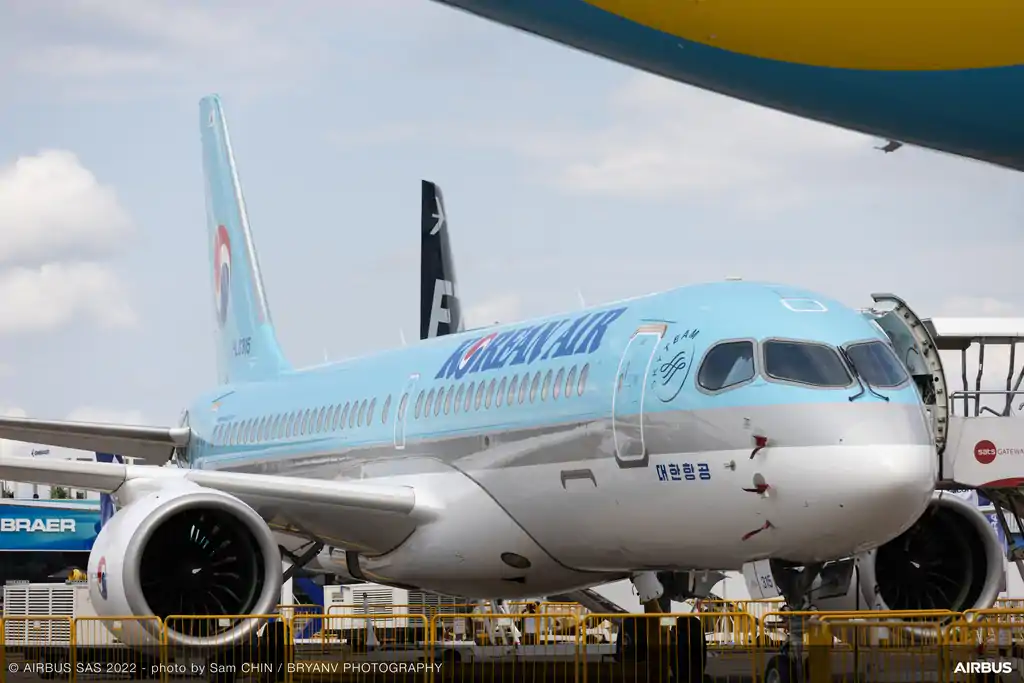
Korean Air, the flagship carrier of South Korea, reported a 12% decline in its operating profit for the second quarter of 2024, amounting to 413.4 billion won ($300 million). This downturn is attributed to escalating fuel and labor costs, according to the airline's announcement on Wednesday. The figure fell short of the consensus estimates of 468 billion won, compiled by market tracker FnGuide.
Record Revenue Yet Below Expectations
Despite the dip in operating profit, Korean Air's revenue soared to an unprecedented quarterly high of 4.02 trillion won, marking a 14% year-on-year increase. This is the first time the company's quarterly revenue has exceeded the 4 trillion won mark. However, it still fell short of the expected 4.3 trillion won.
Net Profit: A Slight Decline
For the three months ending in June, Korean Air's net profit reached 349 billion won, a decrease from the 371.5 billion won recorded during the same period last year. The airline attributed its underwhelming quarterly performance to "increased fuel and labor costs" and other "expenses associated with higher business volume."
Passenger Business Growth
Sales from the passenger business experienced a 10% year-on-year growth, thanks to the airline's expanded capacity across its networks, including China, and robust business and leisure demand to the Americas and Europe. This growth highlights the airline's strategic focus on expanding its reach and meeting the rising demand in key markets.
Strategic Moves for the Future
Korean Air has outlined its strategy to maximize profit by increasing flight frequencies and expanding charter operations during the peak summer travel months in the third quarter. This approach aims to capitalize on the high demand for travel and boost the airline's financial performance in the coming months.
Challenges and Opportunities Ahead
The rising operational costs, particularly fuel and labor, pose significant challenges for Korean Air. However, the airline's ability to achieve record revenue despite these hurdles demonstrates its resilience and potential for future growth. By strategically increasing capacity and optimizing operations, Korean Air aims to navigate these challenges and enhance its profitability.
Conclusion
Korean Air's second-quarter financial results present a complex picture of record-breaking revenue overshadowed by increased costs. As the airline gears up for the peak travel season, its focus on expanding operations and optimizing capacity will be crucial in driving future profitability. The coming months will be pivotal for Korean Air as it strives to balance growth and cost management in a dynamic market environment.
With Inputs from Korean JoongAng Daily

Read next

Akasa Air, India's youngest and greenest carrier, has marked its second anniversary with bold aspirations and significant achievements. Founder and CEO Vinay Dube, in a message to employees, projected Akasa Air’s climb into the top 30 global airlines by 2030, highlighting the airline’s commitment to rapid and sustainable growth.
Unprecedented Aircraft Orders Amid Delivery Uncertainties
Despite facing uncertainties in Boeing deliveries, Akasa Air has secured a firm order for 226 MAX aircraft within just 17 months of commencing operations. This remarkable feat is unprecedented for an Indian airline and positions Akasa Air for substantial expansion in the near future. The airline currently operates 24 aircraft and employs nearly 800 pilots.
However, Boeing’s last MAX delivery to Akasa occurred in February, raising concerns about future fleet growth. In response, Vinay Dube addressed these issues in a Town Hall meeting with pilots, assuring them that Akasa is evaluating Boeing’s delivery capabilities and considering alternative options to sustain its growth trajectory.
Pilots’ Concerns and Management’s Response
Pilots have voiced worries about slow training programs and reduced flying hours, impacting their earnings. Dube’s Town Hall meeting aimed to address these concerns, emphasizing the airline’s efforts to resolve these issues and ensure smooth operations and growth for its pilots.
Record-Breaking Growth and Operational Excellence
Since its inception on August 7, 2022, with its inaugural flight from Mumbai to Ahmedabad, Akasa Air has transported over 11 million passengers. The airline claims to have achieved triple-digit growth, positioning itself as the fastest-growing airline in global aviation history.
Dube highlights Akasa’s success in redefining air travel by maintaining reliability, service excellence, and affordability. Over the past year, Akasa has consistently led India’s aviation industry in on-time performance. The airline boasts the highest operational reliability and the lowest rates of customer complaints and flight cancellations among its competitors.
Expanding Workforce and Network
Akasa’s workforce has grown to over 4,000 employees, whom Dube credits for the airline’s accomplishments. Their dedication and passion have been instrumental in reaching these milestones. The airline’s network now spans 22 domestic and five international cities, operating more than 900 weekly flights. This expansion underscores Akasa’s rapid growth and increasing presence in both domestic and international markets.
The Future of Akasa Air
As Akasa Air celebrates its second anniversary, the airline is not just reflecting on its past achievements but is also looking forward to a future of continued growth and innovation. With ambitious plans, a dedicated workforce, and a strong commitment to sustainability, Akasa Air is set to redefine the landscape of air travel in India and beyond.
With Inputs from Economic Times
Read next
Why is Salt Lake City International Airport Leading the World in Excellence?
Abhishek Nayar
09 Aug 2024

Salt Lake City International Airport (SLC) has achieved a remarkable feat by ranking 8th in the world and securing the #1 spot in the United States for airport excellence. This prestigious recognition underscores SLC's dedication to innovation and superior service in the aviation industry.
A Journey of Transformation
Since the grand opening of The New SLC Phase 1 in September 2020, SLC has consistently enhanced its services and amenities, setting a high standard in the global aviation landscape. The journey of transformation continues with the upcoming Phase 3 of the rebuild project, set to open on October 22, 2024. Phases 4 and 5 are slated to open in fall 2025 and 2026, respectively, promising to further elevate the travel experience for passengers.
Modern Design and Unparalleled Convenience

Conveniently located just a 10-minute drive from downtown Salt Lake City, The New SLC International Airport offers a perfect blend of modern design, cutting-edge technology, and thoughtful amenities. This combination provides both leisure and business travelers with an inviting and efficient airport experience.
Recognition and Commitment
“We are incredibly proud to receive this recognition,” said Nancy Volmer, Director of Communication and Marketing at Salt Lake City International Airport. “This achievement reflects the hard work and dedication of the entire airport team and our commitment to continually enhancing the travel experience. We are excited about the final phase of building a brand-new airport and look forward to welcoming travelers from around the world to experience the best that SLC has to offer.”
Exciting New Additions in Phase 4
In addition to this accolade, SLC recently announced the final selection of 12 new restaurants and retail shops as part of The New SLC-Phase 4. Scheduled to open in fall 2025 and 2026, these new concessions are the final pieces of The New SLC Redevelopment Program, promising to further elevate the airport's offerings.

Food and Beverage:
- Aubergine Kitchen: Fresh, seasonal dishes with a focus on sustainability.
- Einstein Bros. Bagels: A beloved chain serving bagels, sandwiches, and coffee.
- Moab Brewery: A local favorite offering craft beer and a taste of Utah’s brewing heritage.
- Monarca: Providing authentic Mexican cuisine with fresh ingredients.
- Moochie’s Meatballs and More: Known for its delicious meatball sandwiches and comfort foods.
- Mr. Charlie’s Chicken Fingers: Offering hand-breaded chicken tenders and sides.
- Swig: A local favorite for its creative and customizable drinks.
Retail, News, and Gift:
- Art of Aesthetics: Showcasing local art and handcrafted goods.
- Good Earth Markets: Offering a variety of organic and sustainable products.
- Hudson: A leading travel retailer with a diverse selection of essentials.
- &Go: A modern convenience store for quick grabs and travel necessities.
- Utah National Parks: Featuring merchandise and memorabilia celebrating Utah’s stunning natural landscapes.
Expanding Capacity and Enhancing Service
The New SLC-Phase 4 will include a 16-gate extension of Concourse B to the east, with the first five gates opening in fall 2025 and 11 additional gates in fall 2026. This expansion will enhance SLC's capacity and ability to serve a growing number of passengers, continuing its tradition of excellence.
“The new airport is continually recognized as having one of the best concession programs in the country, which we have worked hard to achieve,” said Bill Wyatt, Executive Director of the Salt Lake City Department of Airports. “In keeping with the theme of The New SLC, many of the brands and concepts selected are Utah-based to highlight the unique flavor of the state.”
Supporting Utah's Vibrant Tourism Industry
As Salt Lake City International Airport continues to evolve, it remains dedicated to supporting Utah’s vibrant tourism industry. This includes providing access to world-renowned skiing, breathtaking national parks, and thriving urban attractions. Currently, SLC is the 21st busiest airport in the United States and the 70th busiest in the world, with nearly 300 flights departing daily to almost 100 nonstop destinations.
With a $5.1 billion redevelopment program set to be completed by fall 2026, SLC is poised to maintain its status as a leader in the aviation industry, offering an unmatched travel experience for passengers from around the globe.
Read next
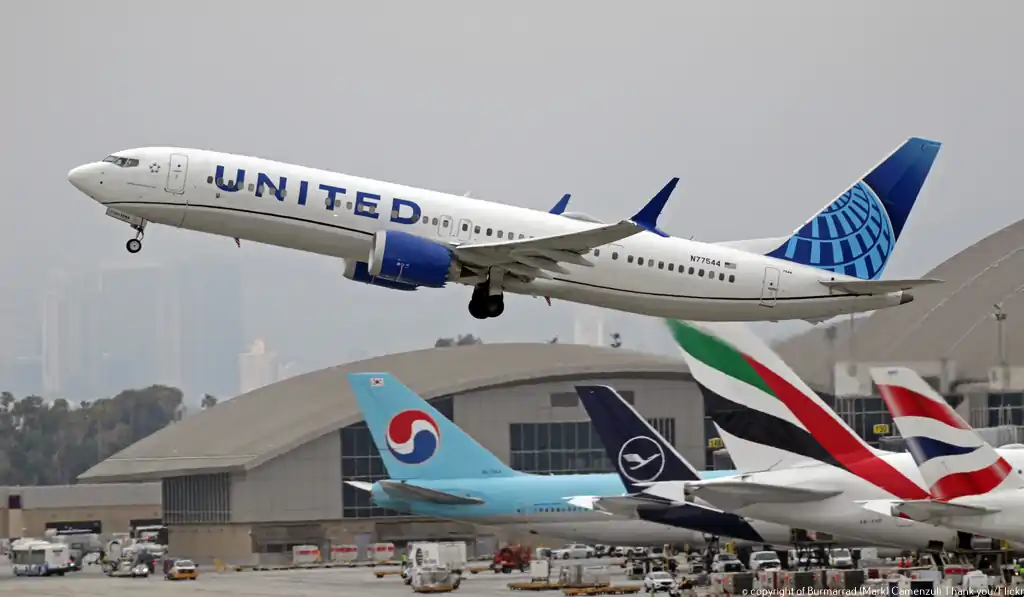
United Airlines has embarked on a crucial round of negotiations with the Teamsters union, representing 10,000 aviation maintenance and related workers in the United States. This comes as labor unions across the airline industry push for substantial improvements in wages and benefits amid record profits for carrier’s post-pandemic.
Teamsters' Demands: Setting New Industry Benchmarks?
The Teamsters National Negotiating Committee is entering these talks with a clear agenda: securing industry-leading wages, a faster timeline for reaching top pay rates, enhanced healthcare benefits, and heightened safety standards. These demands reflect the broader trend within the airline industry, where maintenance staff and flight attendants are leveraging the airlines' financial success to push for better compensation and working conditions.
Why Now? The Timing of the Negotiations
Interestingly, these negotiations are kicking off four months before the current contract is due to be amendable. This proactive approach underscores the urgency and importance of the issues at stake. As airlines report booming profits thanks to a resurgence in travel demand post-COVID-19, workers see an opportune moment to ensure that their contributions are fairly rewarded.
Flight Attendants Poised for Potential Strike Action
Adding another layer of complexity, United Airlines' flight attendants are preparing to vote in August on whether to authorize a strike if their own contract negotiations stall. This potential strike action highlights the widespread dissatisfaction among airline workers and the growing pressure on carriers to meet their employees' demands.
The Broader Implications for the Airline Industry
The outcome of these negotiations could have significant ripple effects across the industry. If the Teamsters succeed in securing substantial gains, it could set a new benchmark for labor contracts within the aviation sector. Other unions and workers may be emboldened to demand similar improvements, potentially leading to a broader shift in labor relations within the industry.
Conclusion: A Turning Point for United Airlines and Its Workforce
As United Airlines navigates these negotiations, the stakes are high not only for the company but also for its workforce and the broader airline industry. The demands put forth by the Teamsters union reflect a growing movement among aviation workers to capitalize on the industry's financial health and secure better wages, benefits, and working conditions. The coming months will be critical in determining whether these efforts will redefine industry standards and reshape the future of labor relations in aviation.
With Inputs from Reuters
Read next

Cathay Pacific, Hong Kong's flagship carrier, announced an interim dividend on Wednesday despite reporting a 15% drop in first-half profit compared to the previous year. This move underscores the airline's strong performance driven by robust travel demand and a solid cargo business, even as it faces challenges from normalizing airfares.
Strong Performance Amid Profit Decline
In a statement, Cathay Pacific Chair Patrick Healy highlighted the factors behind the airline's performance: "Our strong performance for the first six months of the year was primarily driven by the ongoing robust demand for travel, and the solid performance of our cargo business."
The Impact of Normalizing Airfares
The global aviation industry witnessed a sharp increase in ticket prices and passenger yields last year as travel demand surged following the lifting of pandemic-related restrictions. However, as airlines have largely restored global capacity, fares and yields have begun to normalize, impacting profitability.
Load Factor and Passenger Yield
Cathay Pacific reported a decline in its group load factor, which measures the percentage of seats sold on flights, from 87.2% in the first half of 2023 to 82.4% this year. Additionally, the passenger yield—representing the average fare paid per passenger per mile—decreased by 11% to HK68.9 cents.

Financial Performance
Despite the challenges, Cathay Pacific's financials reflect resilience. The airline's profit for the first half of 2024 fell by 15% year-on-year to HK$3,846 million. Healy attributed this decline primarily to the normalization of ticket prices following last year's exceptionally high yields.
A Return to Profitability
Cathay Pacific's journey back to profitability has been noteworthy. After suffering heavy losses and undergoing significant layoffs during the COVID-19 pandemic, the airline reported its first annual profit in four years in March 2024. This recovery also marked the airline's first dividend payment since 2019.
Looking Ahead
Cathay Pacific's decision to declare an interim dividend amidst a profit dip signals confidence in its operational strength and future prospects. As the airline continues to navigate the evolving market dynamics, its focus on meeting travel demand and maintaining a robust cargo business will be crucial.
Conclusion
Cathay Pacific's recent financial results offer a glimpse into the challenges and opportunities facing the airline industry. While normalizing airfares have impacted profitability, strong travel demand and a solid cargo performance have kept Cathay on a positive trajectory. The interim dividend declaration serves as a testament to the airline's resilience and strategic foresight in an ever-changing global market.
With Inputs from Reuters
Read next
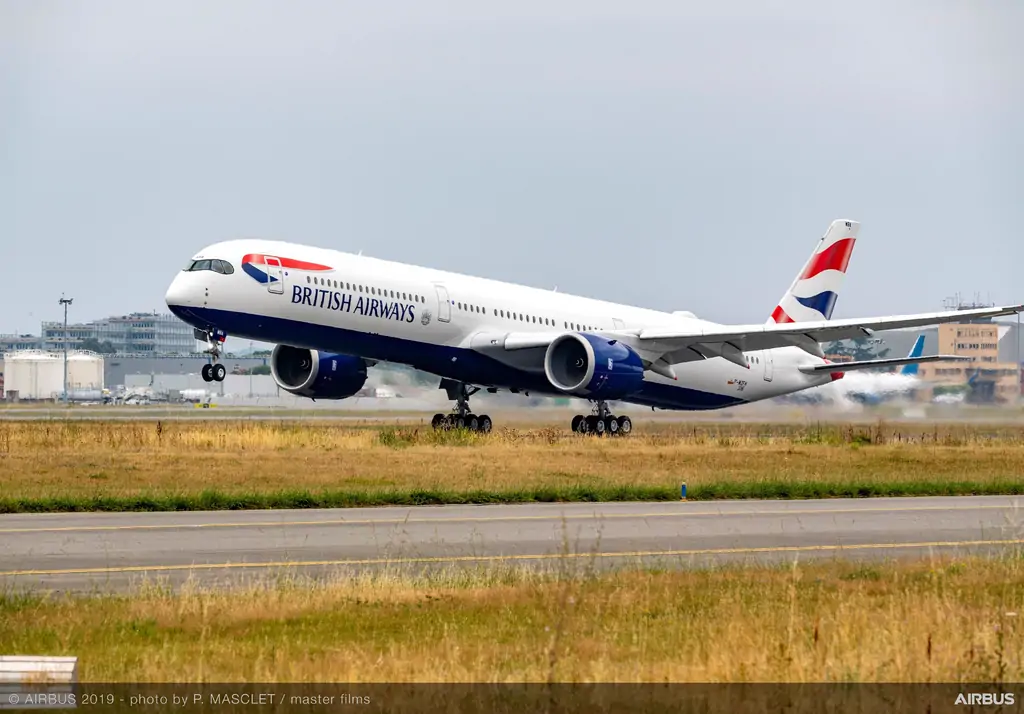
The global trade body for airlines, the International Air Transport Association (IATA), has expressed its “disappointment” over the issuance of show-cause notices to ten international airlines regarding Goods and Services Tax (GST) dues amounting to Rs.10,000 crore. IATA has called this move “flawed” and warned that it could “dampen and risk India’s strong aviation potential.”
The Issue at Hand
The Directorate General of Goods and Services Tax Intelligence (DGGI) recently issued show-cause notices to ten foreign airlines, including British Airways, Lufthansa, Oman Air, Emirates, and Singapore Airlines. These notices were sent for the alleged non-payment of tax dues amounting to Rs.10,000 crore. The taxes in question pertain to services such as aircraft maintenance, crew payments, and rentals from the headquarters to their units in India.
IATA’s Stance
Dr. Xie Xingquan, IATA’s Regional Vice President for North Asia and Asia Pacific, issued a press statement highlighting the organization’s concerns. He stated, “The DGGI’s assertion that GST should apply to expenses incurred by the headquarters of foreign airlines [with a branch office in India] in the course of providing air transport services is flawed.” Dr. Xingquan emphasized that the tax authority has not considered the nature and conventions involved in the provision of international air transport.
Industry Representations Ignored
Despite numerous representations made by the aviation industry on this matter, the DGGI has proceeded with the issuance of show-cause notices. This action has left IATA and the affected airlines in a state of disappointment and concern. IATA has urged the Indian Government to urgently resolve this issue, as it could negatively impact the country's burgeoning aviation sector.
Unique Approach by India
One of the critical points raised by IATA is that India's approach to taxing foreign airlines is unique and not practiced elsewhere in the world. “Nowhere else around the world is this practiced. Indian carriers operating to destinations outside India do not face similar situations or demands,” noted Mr. Xie. This disparity puts international airlines at a significant disadvantage and could deter them from operating in India.
Potential Impact on India's Aviation Sector
The aviation sector in India has shown significant growth potential, with increasing passenger traffic and expanding international routes. However, policies perceived as unfavorable by international carriers could hinder this growth. The imposition of GST on foreign airlines’ headquarters expenses could lead to higher operational costs, which might be passed on to consumers, resulting in higher airfares and reduced competitiveness of India as an attractive aviation market.
Conclusion
The show-cause notices issued by the DGGI to international airlines over GST dues have sparked a significant debate within the aviation industry. IATA’s strong response underscores the potential risks such policies pose to India’s aviation potential. It is crucial for the Indian Government to engage in dialogue with industry stakeholders to find a resolution that supports the growth and sustainability of the aviation sector while ensuring fair taxation practices.
With Inputs from The Hindu
Comment