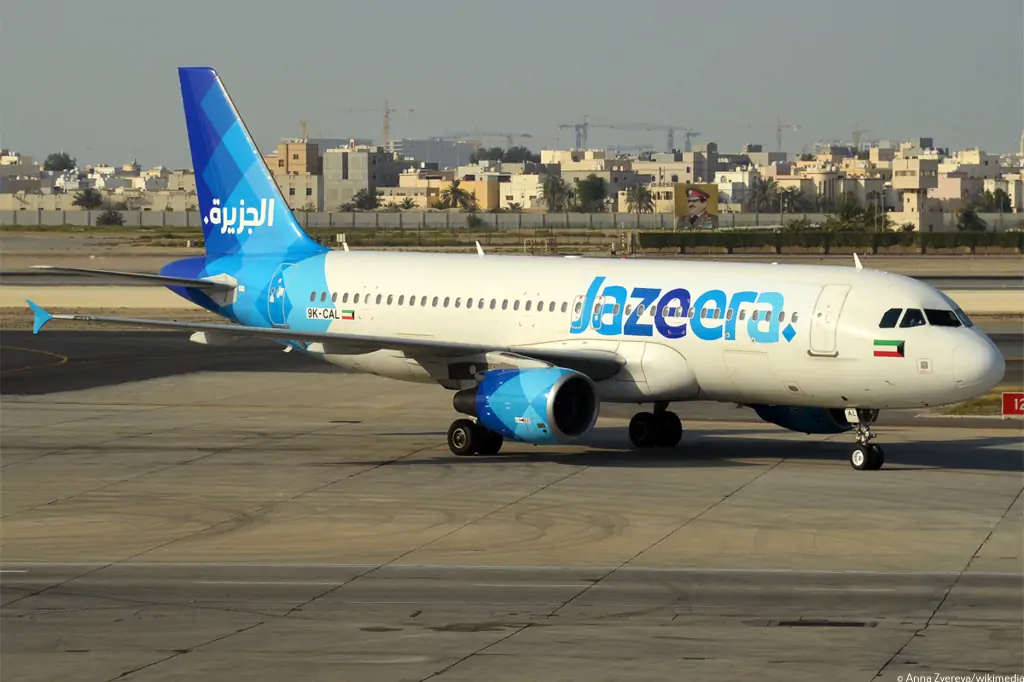
In a recent development, Kuwait's Directorate General of Civil Aviation (DGCA) has taken legal action against Jazeera Airways, the country's low-cost carrier, over unpaid aircraft parking dues. The claim, amounting to $3.6 million (KWD 1.1 million), revolves around the challenging period during the COVID-19 pandemic when Kuwait International Airport faced closures and severe restrictions on flight operations.
Background & DGCA's Legal Claim
The aviation industry globally witnessed unprecedented challenges during the COVID-19 pandemic, leading to travel restrictions, lockdowns, and a sharp decline in air travel demand. Kuwait was no exception, with the government imposing restrictions on flight operations in 2020 and continuing into early 2021. As a result, airlines faced financial strain, and many were forced to ground their fleets.
The legal notice from the DGCA's General Manager underscores the financial impact of the pandemic on the aviation sector. Jazeera Airways is being pressed to settle the outstanding $3.6 million in parking dues incurred during the period when flights were either halted or significantly curtailed in adherence to government directives.
Jazeera Airways' Response
A spokesperson for Jazeera Airways responded to the legal claim, highlighting the unprecedented circumstances that led to the accumulation of parking fees. Emphasizing that the grounding of aircraft was not within the airline's control, the spokesperson deemed charging parking fees on national carriers during such times as "not a reasonable position."
The airline expressed its commitment to engage with the DGCA in a constructive manner to find an amicable and reasonable resolution to the matter. This suggests a willingness on Jazeera Airways' part to work collaboratively with the aviation authority to navigate the financial challenges posed by the pandemic.
Industry-wide Implications & Navigating Financial Turbulence
The legal dispute between DGCA and Jazeera Airways sheds light on broader challenges faced by airlines globally during the pandemic. Governments and aviation authorities have grappled with the delicate balance of supporting the industry while addressing financial obligations. The outcome of this case may set a precedent for how similar disputes are handled in other jurisdictions.
Airlines worldwide have faced financial turbulence during the pandemic, with many relying on government support and implementing cost-cutting measures to stay afloat. The Jazeera Airways case prompts a critical examination of whether parking fees during periods of forced inactivity are justified and whether governments should consider providing financial relief to airlines for such incurred costs.
Conclusion
As Kuwait's DGCA pursues legal action against Jazeera Airways for unpaid parking dues, the aviation industry watches closely to see how this case unfolds. The outcome will likely have implications beyond the specific dispute, influencing how regulators and airlines navigate financial challenges arising from the unprecedented disruptions caused by the COVID-19 pandemic. Finding a balanced and equitable resolution will be crucial for the industry's recovery and future resilience.
With Inputs from The Aviator Middle East

Read next

In a recent development, Volaris, the Mexican ultra-low-cost carrier, has announced a significant reduction in available seat miles (ASM) for the full year 2024, ranging between 16% and 18%. This decision is attributed to the operational challenges posed by Pratt & Whitney PW1100 engine issues affecting a portion of Volaris' fleet. As of January, 16 neo jets, including fifteen A320-200Ns and one ACVA321NX, are inactive out of the airline's robust fleet of 120.
Impact of Pratt & Whitney Groundings
The Pratt & Whitney engine issues have taken a toll on Volaris, leading to operational adjustments and the unfortunate layoff of 200 employees in November. However, the airline secured compensation from the engine manufacturer in December 2023, providing a financial cushion to navigate through these challenges. The groundings were a result of RTX, Pratt & Whitney's parent company, discovering a rare condition in the powder metal used for manufacturing certain engine parts in PW1100G engines produced between 2015 and 2020.
Operational Adjustments and Compensation
In response to the engine-related setbacks, Volaris has taken proactive measures. In addition to laying off 200 employees, the airline extended 18 lease contracts and initiated a proactive search for additional aircraft and engines to mitigate the impact of reduced capacity. The compensation received from Pratt & Whitney is expected to aid Volaris in managing the financial implications of these operational challenges.
Capacity Reduction and Future Outlook
For the full year 2024, Volaris anticipates a significant reduction in ASM, ranging from 16% to 18%. Despite this reduction, the airline is optimistic about its growth prospects in other key performance indicators. Total Revenue per Available Seat Mile (TRASM) is projected to increase from USD 7.71 cents in the first quarter of 2023 to a range between USD 8.5 and 8.7 cents in the same period of 2024. Similarly, the EBITDAR margin is expected to see substantial growth, moving from 26% in the full year 2023 to a range between 31% and 33% in 2024, as reported in a recent filing by Volaris.
Pratt & Whitney's Remedial Actions
Pratt & Whitney's parent company, RTX, identified the issue in PW1100G engines, prompting the Federal Aviation Administration (FAA) to publish new maintenance requirements. This led to the recall of an estimated 1,200 engines globally for inspection and part replacement, emphasizing the commitment to ensuring the safety and reliability of aircraft using these engines.
Conclusion
Volaris is navigating through a challenging period marked by capacity reductions and operational adjustments resulting from Pratt & Whitney engine issues. While the impact on the airline's fleet and workforce has been significant, strategic measures, compensation from Pratt & Whitney, and a focus on financial stability have positioned Volaris to weather the storm. The airline's positive outlook for TRASM and EBITDAR margin growth signals resilience and adaptability in the face of adversity. As Pratt & Whitney works on remedial actions, the aviation industry will closely watch how Volaris emerges from these challenges and positions itself for future success.
With Inputs from ch-aviation
Read next
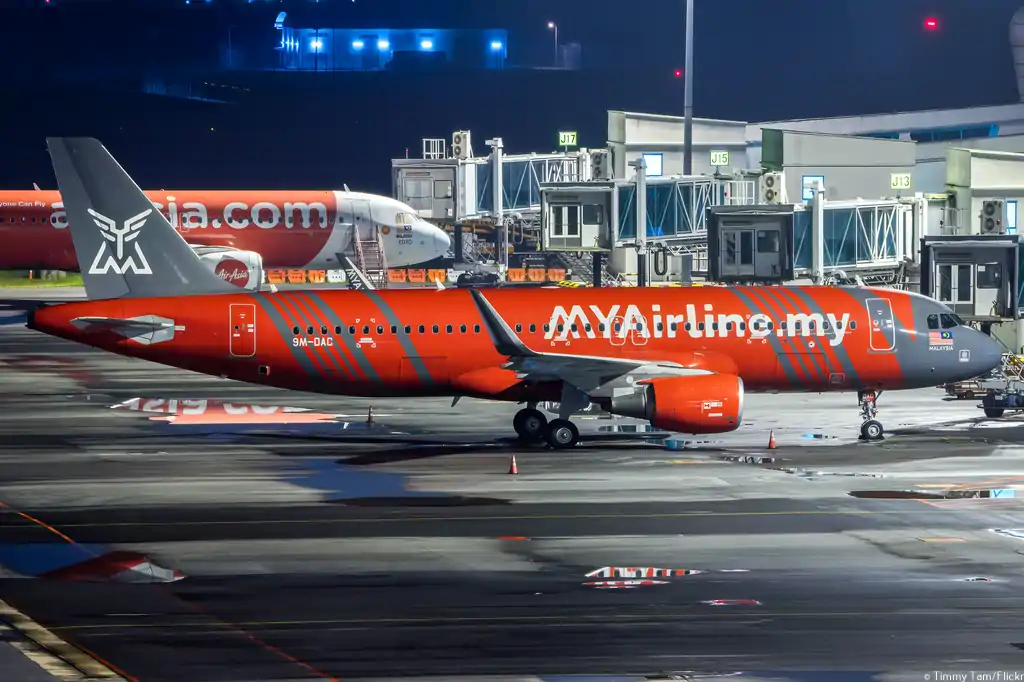
Malaysian media outlets have recently reported that a Middle East-based investor has entered into an agreement to recapitalize and relaunch the insolvent MYAirline. The deal, reportedly finalized in late December, signals a potential revival for the low-cost carrier (LCC), which suspended operations in early October, less than ten months after its launch.
Deal Details and Investor Secrecy
While the identity of the Middle East-based investor remains undisclosed, the agreement includes the reapplication of MYAirline to the Malaysian Aviation Commission (MAVCOM) and the Civil Aviation Authority (CAAM) for the conditional reissue of the necessary licenses and certificates required to resume commercial flights. The lack of transparency regarding the investor's identity raises questions, but the move is seen as a positive step towards MYAirline's potential resurgence.
Minister's Conditions for Restart & Previous Investor Challenges
Malaysian Transport Minister Loke Siew Fook has outlined specific conditions that the airline must meet for the restart to proceed. Minister Loke emphasized that MYAirline must ensure that all outstanding passenger refunds are settled, and any owed amounts to the airline's staff are paid. Only after fulfilling these conditions will discussions on the relaunch move forward. This cautious approach underscores the government's commitment to protecting the interests of both passengers and employees.
MYAirline faced challenges in attracting investors, with previous potential investors reportedly walking away due to disagreements on terms and conditions set by the airline. The success of this new deal will depend on the ability of the Middle East-based investor and MYAirline's management to navigate these challenges and meet the conditions imposed by the Malaysian government.
Regulatory Hurdles and Timelines
The suspension of MYAirline's air services license (ASL) by MAVCOM after the airline ceased operations adds another layer of complexity to its revival. Any reapplication for the ASL is expected to take a minimum of 90 days to process, indicating a lengthy regulatory timeline. Furthermore, CAAM's requirement for a minimum of two aircraft before granting an air operator's certificate (AOC) adds additional hurdles for MYAirline, which has returned all of its leased A320-200s.
Liabilities and Local Regulations
The pressure is mounting on MYAirline to settle outstanding liabilities to both employees and passengers before regulatory approvals for relaunch are granted. Local regulations also stipulate that a Malaysian entity must own at least 51% of a Malaysian-registered airline, adding another layer of complexity to the restructuring process.
Conclusion
The potential recapitalization and relaunch of MYAirline by a Middle East-based investor offer a glimmer of hope for the airline's stakeholders. However, the journey to recovery is fraught with challenges, including regulatory hurdles, financial obligations, and the need to secure a majority Malaysian ownership. As the airline industry closely watches this development, stakeholders eagerly await further updates on MYAirline's path to revival.
With Inputs from ch-aviation
Read next
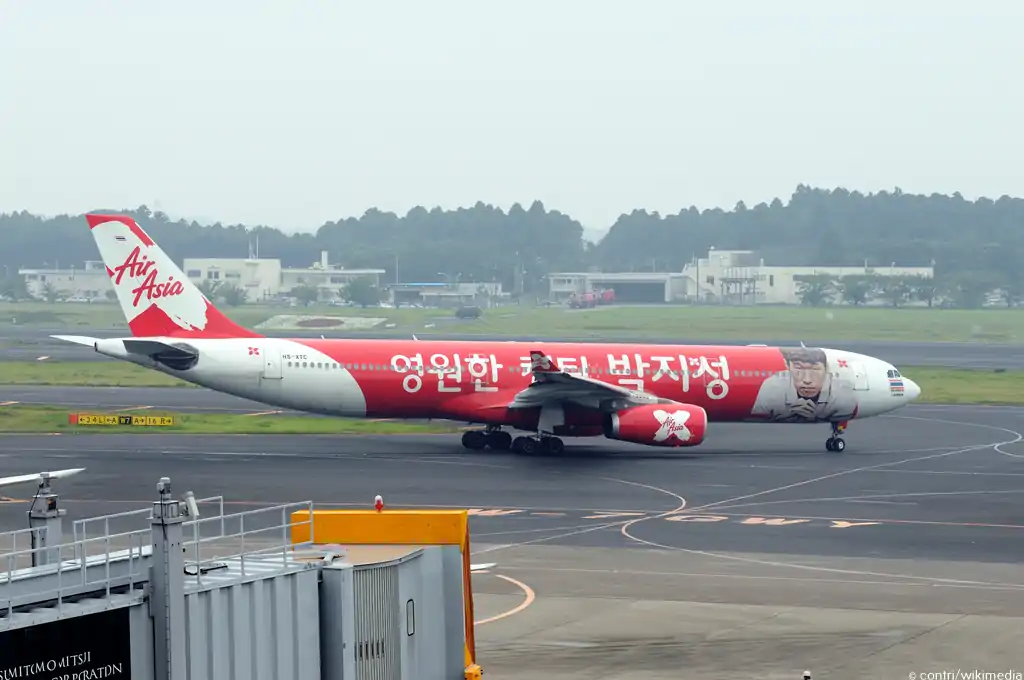
The aviation industry is buzzing with anticipation as AirAsia and AirAsia X, two prominent brands in the airline business, consider merging into a single corporate entity. However, the executive chairman of Thai AirAsia and Thai AirAsia X, Tassapon Bijleveld, has recently revealed that the integration process may extend over several years due to the ongoing rehabilitation of Thai AirAsia X.
Current Merger Plans & Obstacles in the Merger
Last week, AirAsia X (AAX) made headlines by disclosing a non-binding letter of intent to acquire AirAsia (AAB) and AirAsia Aviation Group (AAAGL) from Capital A. The proposed merger aims to consolidate the operations of AAB and AAAGL into a unified business entity. AAB oversees AirAsia, while AAAGL manages AirAsia Cambodia, Indonesia AirAsia, AirAsia Philippines, and Thai AirAsia, in collaboration with local partners.
Despite the ambitious merger plans, Tassapon Bijleveld has shed light on the potential hurdles that may delay the process. He mentioned that the merger cannot be finalized until Thai AirAsia X completes its rehabilitation, which is anticipated to conclude around late 2025. Thai AirAsia X had entered into bankruptcy protection in May 2022 to navigate through debts accumulated during the earlier stages of the pandemic.
Extended Timeline
Bijleveld outlined that the merger of the two airlines in Thailand might have to wait for two to three years, suggesting a timeline that could stretch until 2027. This delay is directly tied to the rehabilitation plan of Thai AirAsia X, highlighting the intricacies and complexities involved in merging entities within the aviation sector.
Ownership Structure Changes & Tony Fernandes' Perspective
Currently, AAX holds a 49% stake in Thai AirAsia X, with the remaining ownership distributed among Thai investors. However, as part of the proposed buyout, AAAGL's 43% stake in Thai AirAsia would shift to AAX. Additionally, external Thai-based investors hold a 38% stake in Thai AirAsia, while the airline's board and management, including Bijleveld, retain the remaining 19%.
AirAsia founder and CEO of Capital A, Tony Fernandes, expressed optimism about the future of the AirAsia brands in Thailand. Despite the divestment decision, Fernandes believes the move "makes complete sense" and will retain significant stakes in the AirAsia carriers through his other investment vehicles. He envisions transforming Bangkok into a global aviation hub, akin to Dubai, indicating the strategic importance of the Thailand-based AirAsia operations.
Conclusion
As the aviation industry closely monitors the unfolding developments, the extended timeline for the AirAsia and AirAsia X merger underscores the intricate nature of such corporate integrations. With the rehabilitation of Thai AirAsia X serving as a pivotal factor, stakeholders await further updates on the progression of this significant transformation within the airline industry.
With Inputs from ch-aviation
Read next
IndiGo and Mumbai Airport Face Aviation Ministry's Wrath Over Tarmac Incident

Preet Palash
16 Jan 2024
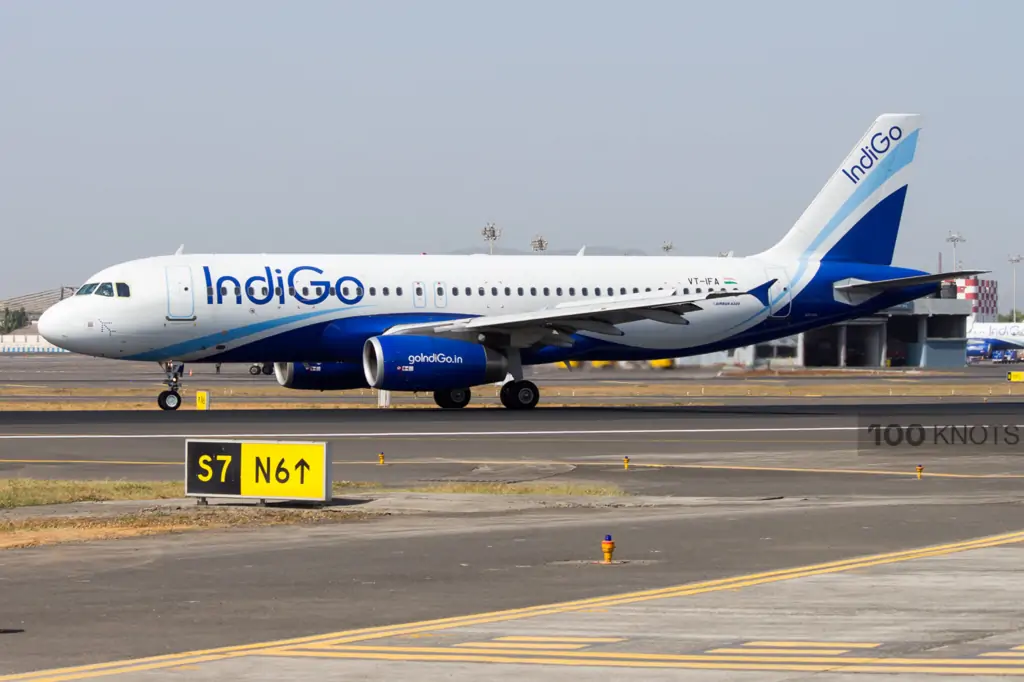
After a video of IndiGo passengers eating on the tarmac at Mumbai Airport went viral on social media, aviation ministry has cracked down and issued show-cause notices to both the airline and the airport.
The notice was issued on Tuesday by Bureau of Civil Aviation Security (BCAS) after a meeting held by aviation minister Jyotiraditya Scindia at midnight yesterday.
According to the notices, “both Indigo and MIAL were not proactive in anticipating the situation and making the appropriate facilitation arrangements for passengers at the airport”. For instance, “the aircraft was allotted a remote bay C-33 (instead of a Contact Stand - an aircraft parking stand that is suitable for walking passengers to and from an aircraft from an allocated boarding gate), which further added to passenger woes and deprived them the opportunity to avail basic facilities like rest rooms and refreshments at the terminal”.
This resulted in an unfavorable, unacceptable experience for the tired and harassed passengers. The flight operation was planned and executed without taking passenger convenience, laid down security norms and the operational issues into account.
For IndiGo, the show cause notice has been issued for the violation of Rule 51 of the Aircraft (Security) Rules, 2023, AvSec Order 02/2019 and order dated 21.09.2021 regarding failure to observe due aviation security procedures in respect of Flight no. 6E 2195 which landed at Mumbai Airport at 2321 hrs. on 14.01.2024 as a diversion case. The notice says that IndiGo allowed disembarkation of passengers from flight 6E 2195 on to the apron and then boarded them on to flight 6E 2091 on 15.01.2024 at Mumbai airport, without following the procedure of security screening, which is in violation of the above mentioned orders. Further, the incident was not reported to BCAS by the aircraft operator which attributes to violation of Rule 51 of the Aircraft (Security) Rules, 2023.
For Mumbai, show-cause notice is for the violation of Rule 51 of the Aircraft (Security) Rules, 2023 has been issued regarding failure to report an incident in respect of Flight no. 6E 2195 which landed at the Mumbai Airport. The ASG of Mumbai was also not forewarned about the situation.
In the case of both notices, MoCA has asked for replies by Tuesday itself.
"If replies are not received in the given time then enforcement action including financial penalty will be initiated," the aviation ministry said in its note.
Read next

Star Air will start flights connecting Surat to Hyderabad from 23rd January, the airline said in a statement this week.
The flights will operate three times a week including Tuesday, Wednesday, and Thursday and offer business class service as well on this route.
"We are excited to introduce our new flights between Surat and Hyderabad, providing our passengers with more travel options and a comfortable flying experience. The introduction of the Embraer E175 and the pioneering Business Class service to Surat reaffirms our commitment to offering premium services and enhancing overall passenger satisfaction. We look forward to welcoming travellers on board and contributing to the growth of air travel in the region," Shrenik Ghodawat, Managing Director at Star Air, said.
Comment