

Travel firm MakeMyTrip will provide more detailed information to passengers about their business class flights when they are about to make that booking, the portal said on Thursday.
The firm has launched a so-called "Business Class Funnel" for international flights on its digital platforms which give travelers booking an international business or first-class ticket, access to detailed information like seat recline, position, in-flight entertainment, meals, and more.

They will also get an "immersive experience" through images and videos, revamped filters, and an experiential design, ensuring transparency and clarity for travelers without having to seek information from multiple separate sources.
Rajesh Magow, Co-founder and Group CEO, MakeMyTrip said, “The newly launched Business Class Funnel reflects our commitment to innovation, transparency, and a seamless booking experience. It will ensure our customers know exactly what they pay for through a hassle-free and immersive booking experience.”
MakeMyTrip has also partnered with several prominent premium airlines, ensuring detailed information is made available across a selection of top-tier options, and will keep expanding it to all major airlines in the upcoming weeks, the firm added.

Read next

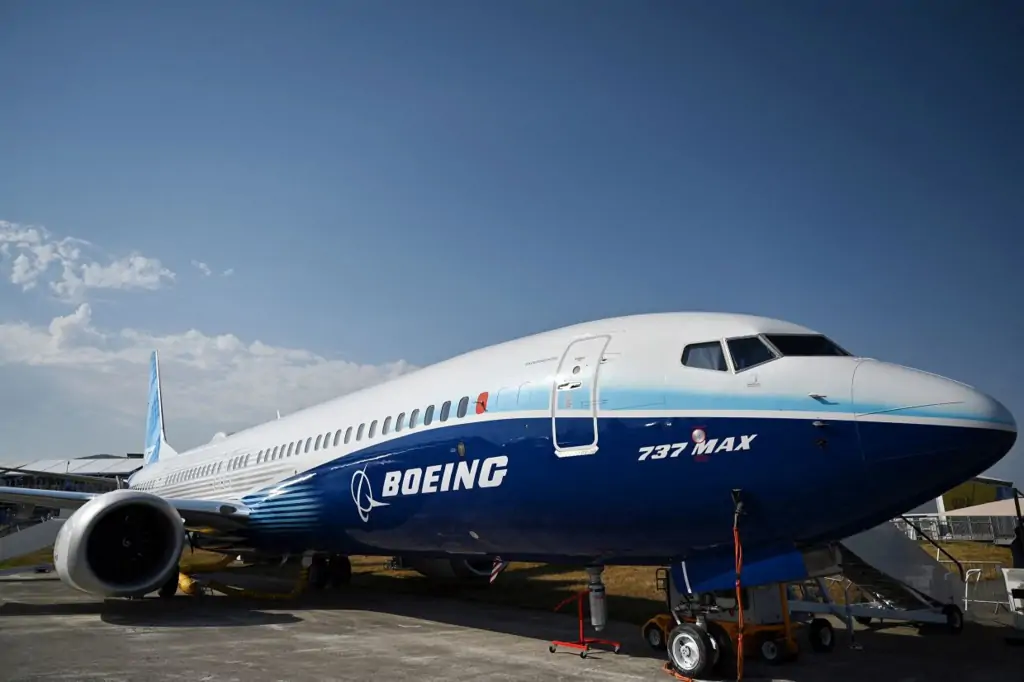
In the midst of ongoing challenges, Boeing faces significant hurdles in meeting its delivery commitments, exacerbated by recent incidents and regulatory constraints. Dubai Aerospace Enterprise (DAE) Capital, a prominent lessor, voiced concerns regarding Boeing's ability to fulfill its contractual obligations, citing production caps and quality lapses as key impediments. Let us delve into the ramifications of these developments on Boeing's operations and the broader aviation industry.
Boeing's Production Cap and Quality Concerns
The Federal Aviation Administration's (FAA) directive to cap Boeing 737 production at 38 jets per month has cast a shadow over the company's manufacturing capabilities. This move, prompted by quality lapses, not only hampers Boeing's ability to address the rising demand for new jets but also underscores the need for stringent quality control measures.
Impact of Recent Incidents
The blowout of a door plug on a 737 MAX 9 in early January has intensified scrutiny on Boeing's safety protocols. Such incidents not only erode confidence in the aircraft manufacturer but also raise questions about the airworthiness of its fleet. Airlines and lessors alike are closely monitoring developments, wary of potential delays and reputational risks.
DAE's Concerns and Contractual Commitments
DAE, as a major player in aircraft leasing, is directly affected by Boeing's challenges. With a sizable order of 64 Boeing 737 MAX jets scheduled for delivery between 2023 and 2026, the lessor faces uncertainty regarding the timeliness of these deliveries. CEO Firoz Tarapore's remarks reflect a broader sentiment within the industry, emphasizing the need for Boeing to regain control of its production processes.
Financial Implications and Strategic Considerations
The financial impact of delays and disruptions cannot be understated. DAE's recent profit announcement, coupled with insurance claim settlements related to stranded aircraft, highlights the complexities of navigating geopolitical tensions and regulatory hurdles. Moving forward, stakeholders must weigh the potential risks and rewards of their engagements with Boeing, considering both short-term challenges and long-term prospects.
Conclusion
Boeing's journey to regain trust and confidence amidst regulatory scrutiny and quality concerns is fraught with challenges. The aviation industry, including lessors like DAE, remains vigilant as they navigate uncertain waters. While the path ahead may be turbulent, stakeholders are hopeful that Boeing will take decisive actions to address underlying issues and uphold its commitment to delivering safe and reliable aircraft.
With Inputs from Reuters
Read next

Ryanair, Europe's leading airline, has raised concerns over the recent shortcomings identified by U.S. regulators in a report concerning an Alaska Airlines 737 MAX 9 accident. The airline, a significant customer of Boeing, expressed worries regarding production quality issues at the aircraft manufacturer. Let us delve into Ryanair CEO Michael O'Leary's remarks on the matter and the implications for Boeing and the aviation industry.
Ryanair's Concerns
Ryanair, having ordered over 350 MAX jets from Boeing, voiced apprehensions after a door plug incident on an Alaska Airlines MAX 9 jet in January revealed potential production flaws. The preliminary report by the U.S. National Transportation Safety Board indicated missing bolts, highlighting concerns about production quality at Boeing.
CEO Michael O'Leary's Statements
Michael O'Leary emphasized the significance of the incident, indicating a need for Boeing to address production quality issues promptly. While acknowledging improvements in the aircraft received in the last quarter of the year, O'Leary stressed that Boeing still has work to do to enhance quality standards.
Impact on Regulatory Supervision & Boeing's Response
Increased regulatory oversight, particularly by the FAA, is anticipated to slow down Boeing's operations. O'Leary expressed uncertainty about its impact on Ryanair's deliveries, emphasizing the importance of continued communication and collaboration between the airline and the aircraft manufacturer.
In response to the concerns raised by Ryanair, Boeing stated that it is implementing a comprehensive plan to improve quality and delivery performance. The company is actively addressing the issues highlighted by the Alaska Airlines incident and other quality concerns, ensuring close cooperation with Ryanair to address their specific worries.
Legal Battles and Regulatory Oversight
Aside from the Boeing issue, Ryanair's CEO also welcomed a recent court ruling regarding the airline's challenge against a Dutch bailout for Air France-KLM's Dutch unit. O'Leary criticized EU competition authorities for what he deemed as incompetence in overseeing fair competition within the airline industry.
Conclusion
The recent concerns voiced by Ryanair shed light on the importance of maintaining high production standards in the aviation industry. As one of Boeing's major customers, Ryanair's apprehensions underscore the need for continuous improvement and regulatory oversight to ensure passenger safety and operational reliability. The outcome of Boeing's efforts to address quality issues and the response of regulatory authorities will shape the future landscape of aviation manufacturing and safety standards.
With Inputs from Reuters
Read next
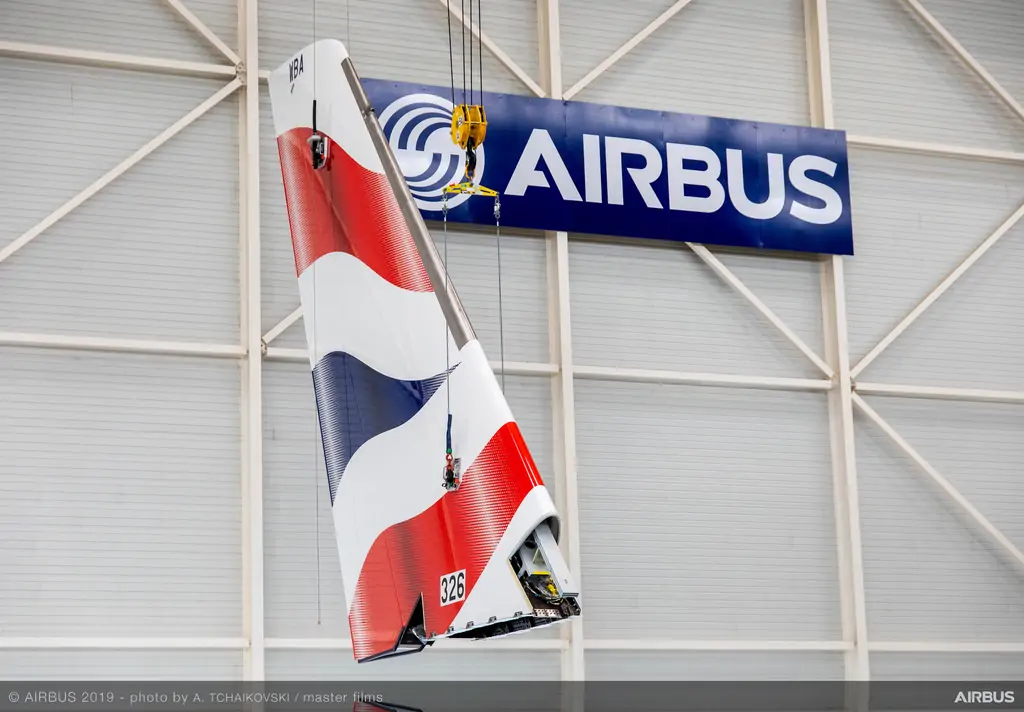
In a buoyant start to the year, Airbus has kicked off 2024 with remarkable numbers, signaling a strong upward trajectory for the European aerospace giant. With a notable surge in both deliveries and new orders, Airbus is making waves in the aviation industry.
Increased Deliveries & New Orders
January witnessed Airbus delivering 30 jets, marking a significant 50% increase compared to the same period last year. This surge in deliveries underscores the company's robust production capabilities and its ability to meet growing demand in the market.
In addition to the surge in deliveries, Airbus also reported 31 new orders, further bolstering its order book. These fresh orders reflect the continued confidence of airlines in Airbus aircraft and its product lineup.
Delta Air Lines Order & Ethiopian Airlines Deal
One of the standout orders that Airbus formally booked is from Delta Air Lines, which has placed an order for 20 A350-1000 jets. This sizable order highlights the trust that major carriers place in Airbus aircraft, particularly in the wide-body segment.
Additionally, Airbus solidified a provisional order from Ethiopian Airlines, which was initially announced during the Dubai Airshow. Ethiopian Airlines has confirmed its order for 11 A350-900 aircraft, reinforcing the strong partnership between the airline and Airbus.
Analysis
The impressive performance of Airbus in January can be attributed to several factors. Firstly, the recovery of the aviation industry following the pandemic-induced downturn has led to increased demand for new aircraft. Additionally, Airbus's continued focus on innovation and efficiency has enabled it to maintain a competitive edge in the market.
Conclusion
As Airbus continues to soar with a robust start to 2024, the company remains well-positioned to capitalize on the rebounding aviation market. With a strong order book and an upward trend in deliveries, Airbus is poised for further success in the months ahead, reaffirming its status as a global leader in the aerospace industry.
With Inputs from Reuters
Read next

In a concerted effort to fortify aviation safety measures, the Federal Aviation Administration (FAA) recently orchestrated a pivotal meeting between its top officials and CEOs from leading airlines. The aim? To cultivate a culture of enhanced transparency and information sharing within the industry, bolstering safety protocols and preemptively identifying potential hazards.
FAA's Call to Action & Root Cause Analysis
FAA Administrator Mike Whitaker spearheaded the meeting, underscoring the imperative for continual expansion of safety management systems (SMS) and the transparent exchange of vital information. This proactive stance by the FAA comes on the heels of recent incidents, including the grounding of 171 Boeing MAX 9 aircraft after a concerning mid-air cabin panel blowout on an Alaska Airlines flight.
Preliminary investigations by the National Transportation Safety Board (NTSB) have unveiled alarming oversights in aircraft assembly processes, such as the absence of critical bolts in newly manufactured planes. Whitaker's testimony before lawmakers further reinforced the agency's commitment to intensifying oversight of aircraft manufacturers, notably Boeing.
Industry Collaboration & Expanding Safety Mandates
The collaborative ethos of the meeting was evidenced by the participation of major carriers including American Airlines, Delta Air Lines, United Airlines, Southwest Airlines, Alaska Airlines, JetBlue, as well as cargo giants UPS and FedEx. Central to this collaboration is the Commercial Aviation Safety Team (CAST), facilitating the exchange of crucial maintenance data and safety insights among stakeholders.
In a bid to augment safety measures across the board, the FAA proposed extending the mandate for SMS implementation to charter, commuter, and air tour operators, alongside aircraft manufacturers. This move aligns with Congress' directive following the tragic Boeing 737 MAX crashes, aiming to instate comprehensive safety frameworks encompassing safety policy, risk management, assurance, and promotion.
Industry Endorsement & Preventive Paradigm
Key figures within the airline industry have rallied behind the FAA's initiative, with American Airlines CEO Robert Isom voicing full support for expanding FAA oversight through widespread adoption of SMS. United CEO Scott Kirby echoed this sentiment, emphasizing the efficacy of collaborative partnerships in upholding the highest safety standards.
SMS heralds a paradigm shift in aviation safety, emphasizing proactive hazard identification and mitigation over reactive crisis management. Already mandated for U.S. airlines since 2018, SMS programs are poised to become ubiquitous across the industry, transcending organizational boundaries and fostering a collective commitment to safety excellence.
Conclusion
As the aviation landscape evolves, the imperative for stringent safety measures has never been more pronounced. The FAA's proactive stance, coupled with industry-wide collaboration and the expansion of SMS mandates, signifies a resolute commitment to preemptive risk management and the perpetual advancement of aviation safety standards. Through collective vigilance and unwavering dedication, the skies will remain safeguarded for generations to come.
With Inputs from Reuters
Read next
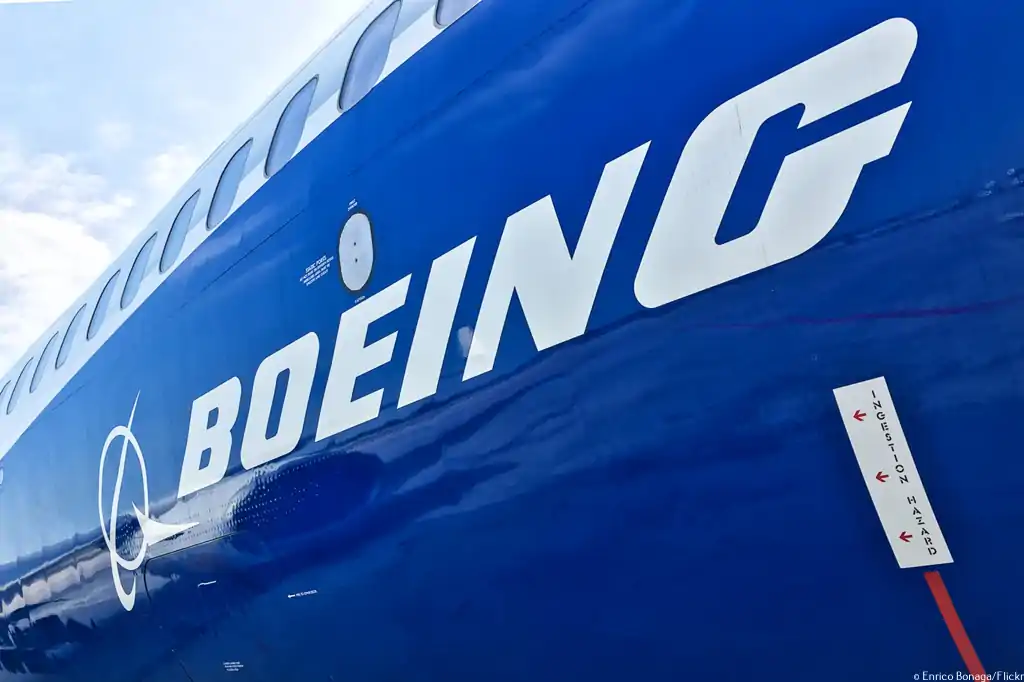
Boeing, a leading aerospace manufacturer, faces challenges in maintaining its 737-production schedule amidst ongoing scrutiny from the Federal Aviation Administration (FAA). The recent mid-air cabin panel blowout incident on a MAX 9 aircraft has prompted regulatory investigations into Boeing's manufacturing practices, casting a shadow over its production capabilities. With the FAA imposing limits on production rates, Boeing and its suppliers are navigating a delicate balance between meeting demand and ensuring compliance with safety standards.
Navigating Regulatory Hurdles
The FAA's audit of Boeing's 737 MAX production line has resulted in a cap on production rates, limiting Boeing to 38 aircraft per month. This limitation poses a significant challenge for Boeing as it strives to adhere to its supplier master schedule, which originally called for a production rate of 42 aircraft per month. The discrepancy between Boeing's planned output and the FAA-imposed restriction could potentially disrupt the company's supply chain and production efficiency.
Supplier Cooperation and Adaptation
Boeing's supply chain head, Ihssane Mounir, has emphasized the importance of collaboration and flexibility among suppliers during this turbulent period. In a recent aerospace supplier conference, Mounir urged suppliers to work closely with Boeing to address challenges and minimize disruptions. Recognizing the investments and preparations made by suppliers for the planned production ramp-up, Boeing is committed to supporting its partners through individualized assistance, including inventory management and addressing business requirements.
Unity in Crisis
Amidst the safety and reputational crisis triggered by the January 5th incident involving an Alaska Airlines MAX 9 aircraft, Mounir struck a tone of unity and transparency. He encouraged suppliers to communicate openly about any issues that could compromise quality or stability in the production process. Boeing's willingness to engage in constructive dialogue with its supply chain underscores its commitment to addressing concerns and fostering a culture of accountability and cooperation.
Proactive Measures
In response to the evolving situation, Boeing has implemented proactive measures to enhance safety and efficiency in its production operations. Recent directives include ensuring the proper tightening of bolts and reducing traveled work on the 737 program. These initiatives aim to streamline production processes and mitigate potential risks associated with deviations from standard procedures.
Conclusion
As Boeing navigates the challenges posed by regulatory scrutiny and production constraints, collaboration with its suppliers emerges as a critical factor in maintaining operational resilience and ensuring product quality. By fostering transparency, communication, and proactive problem-solving, Boeing seeks to overcome obstacles and uphold its commitment to safety and excellence in aircraft manufacturing. However, the ultimate test lies in the company's ability to adapt to evolving regulatory requirements while preserving its position as a global leader in the aerospace industry.
With Inputs from Reuters
Comment