
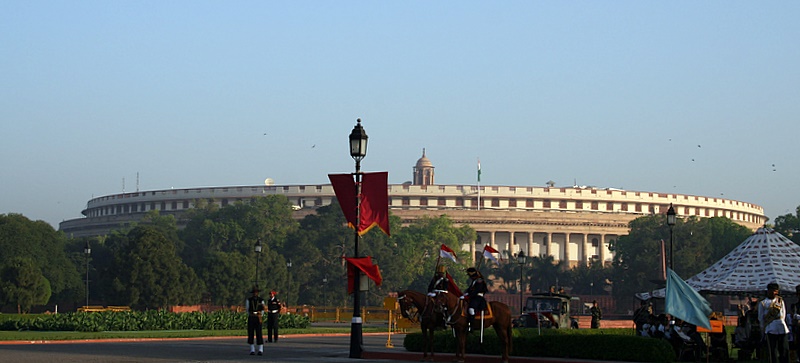
The Parliamentary Standing Committee on Transport, Tourism and Culture is set to intensify its oversight of key public sector undertakings (PSUs) in the aviation sector, amid growing concerns about operational efficiency, safety standards, and financial performance of these critical infrastructure entities.
Key PSUs Under Focus
The committee's scrutiny will primarily focus on major aviation PSUs including the Airports Authority of India (AAI), Air India (post-divestment monitoring), and other government-controlled entities that play crucial roles in India's aviation ecosystem. AAI, a Category-1 Public Sector Enterprise under the Ministry of Civil Aviation, currently manages a total of 137 airports, including 34 international airports, 10 Customs Airports, 81 domestic airports, and 23 Civil enclaves at Defense airfields.
The Airports Authority of India, being the largest aviation PSU, will face particular scrutiny given its expansive role in managing civil aviation infrastructure across the country. AAI manages 125 airports with the responsibility of creating, upgrading, maintaining and managing civil aviation infrastructure, making it a critical component of India's aviation growth strategy.
Recent Aviation Safety Concerns
Top officials from the Civil Aviation Ministry and major airline operators were recently questioned by the members of a parliamentary panel over the fatal Air India crash in Ahmedabad and the steep spike in Kashmir airfares following the April Pahalgam terror attack. This heightened scrutiny reflects the committee's proactive approach to aviation safety and regulatory oversight.
The committee's renewed focus comes in the wake of several aviation incidents that have raised questions about safety protocols and regulatory compliance across the sector. In light of the recent emergency landing in Ahmedabad and the fatal helicopter crash in Uttarakhand's Kedarnath, the Parliamentary Standing Committee is likely to summon airlines and probe aviation safety.
Areas of Parliamentary Oversight
The committee's examination is expected to cover several critical areas:
1.Financial Performance: Assessment of revenue generation, cost management, and capital expenditure efficiency of aviation PSUs, particularly in the post-COVID recovery phase.
2.Infrastructure Development: Evaluation of airport modernization projects, runway upgrades, and terminal expansions being undertaken by AAI across its network of airports.
3.Safety Standards: Review of safety protocols, incident response mechanisms, and compliance with international aviation safety standards.
4.Operational Efficiency: Analysis of air traffic management capabilities, passenger handling efficiency, and overall service quality metrics.

Committee Structure and Process
The Committee consists of forty-five (45) Members of Parliament i.e. fifteen (15) from Rajya Sabha and thirty (30) from Lok Sabha, providing comprehensive representation for thorough examination of aviation sector issues.
The parliamentary panel's approach typically involves calling senior officials from the PSUs, ministry representatives, and industry stakeholders to provide detailed briefings on operational performance, challenges, and future plans.
Strategic Importance
This oversight exercise assumes particular significance given the aviation sector's strategic importance to India's economic growth and connectivity goals. The committee's scrutiny will likely examine how effectively these PSUs are contributing to the government's vision of making India a global aviation hub.
The panel is expected to assess whether current PSU structures and governance frameworks are adequate for meeting the sector's rapidly evolving demands, especially in the context of increasing private sector participation and technological advancement.
Expected Outcomes
The committee's findings are likely to result in specific recommendations for improving PSU performance, enhancing safety protocols, and ensuring better utilization of public resources. These recommendations could influence policy decisions regarding future investments, restructuring initiatives, and regulatory reforms in the aviation sector.
The scrutiny process will also provide valuable insights into how India's aviation PSUs can better align their operations with national transportation policies and contribute more effectively to the country's aviation growth trajectory.

Read next
SpiceJet Signs Strategic Lease Agreement to Induct 5 Boeing 737 Ahead of Winter 2025
Pragya Chauhan
13 Aug 2025
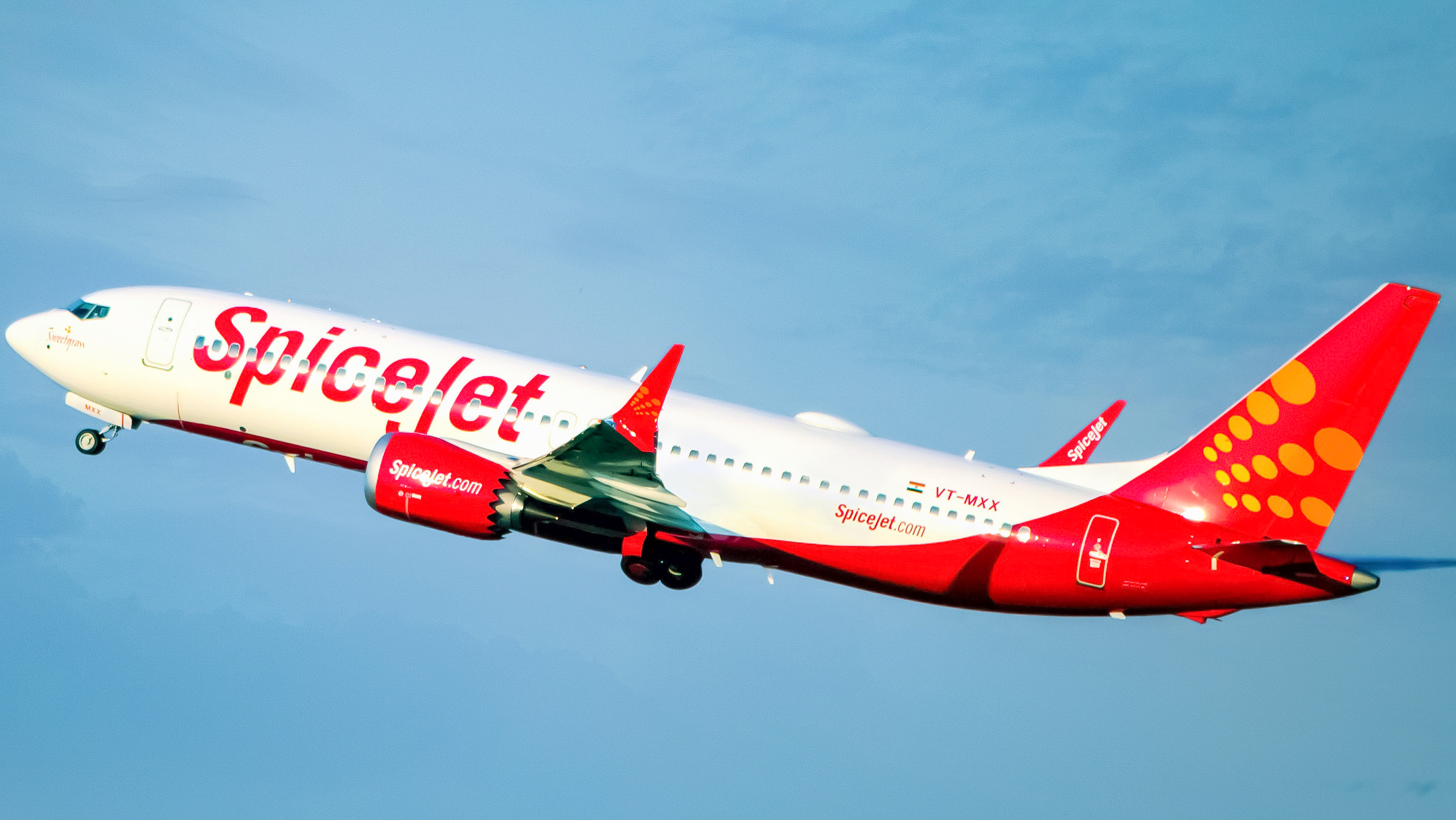
SpiceJet has announced a significant milestone in its fleet expansion strategy, signing a lease agreement to induct an additional 5 Boeing 737 into its fleet ahead of the winter 2025 schedule, taking the total number of new additions announced in recent months to 10. This strategic move comes as the budget carrier positions itself to capitalize on the peak winter travel season and meet growing passenger demand across its route network.
SpiceJet Operational Details
The aircraft are scheduled to start arriving in early October 2025, with most of these aircraft joining the fleet in October, while a few are scheduled to arrive a couple of weeks earlier. This timing aligns perfectly with the commencement of the winter 2025 schedule, traditionally the busiest period for Indian aviation as travelers take advantage of favorable weather conditions and holiday seasons.
The induction strategy has been carefully planned to maximize operational efficiency. The aircraft, inducted under damp lease arrangements, will serve high-demand winter routes and remain in operation through the early summer season of 2026 before exiting in May. This seasonal approach allows SpiceJet to optimize capacity during peak demand periods while maintaining cost efficiency during leaner months.
Damp Lease Arrangement
SpiceJet has opted for a damp lease model for these aircraft acquisitions, which offers several operational advantages. Under this arrangement, operational crew will be shared between the operator and SpiceJet. This model provides the airline with greater flexibility in crew management while reducing the immediate burden of recruiting and training additional personnel.
The damp lease structure is particularly beneficial for airlines looking to rapidly scale operations without the long-term commitments associated with dry leases or aircraft purchases. For SpiceJet, which has been working to stabilize its operations after facing financial constraints, this arrangement provides an optimal balance between expansion and risk management.

Current Fleet
SpiceJet's fleet expansion comes against the backdrop of a complex fleet management situation. The airline's total fleet comprises 34 Boeing B737 aircraft, 24 Bombardier Q400 regional aircraft, and 1 Boeing B737 Freighter. However, due to financial constraints and legal challenges, a significant portion of this fleet remains grounded.
The airline has 7 grounded Boeing 737 MAX aircraft, with plans to bring 3 of these back into service by April 2025. SpiceJet announced plans to bring back into operations 10 of its grounded aircraft, including four Boeing B737 Max, by mid-April, demonstrating the airline's aggressive recovery strategy.
The fleet composition includes various Boeing 737 variants:
- Boeing 737-800: The workhorse of SpiceJet's domestic operations
- Boeing 737-900ER: Used for high-density domestic routes
- Boeing 737 MAX 8: Modern fuel-efficient aircraft currently being restored to service
- Bombardier Q400: Regional turboprops serving smaller cities under the UDAN scheme
- Boeing 737-800 BCF: SpiceJet became the first South Asian carrier to induct the Boeing Converted Freighter into its fleet in September 2019
Since October 2024, the airline has expanded its fleet by 10 aircraft—three previously grounded planes that were reactivated and seven newly leased ones. The addition of five new Boeing 737s represents a substantial increase in the airline's active fleet size, marking a significant step in its recovery trajectory.
Strategic Context and Market Position
This fleet expansion comes at a crucial time for SpiceJet, which has been working to rebuild its operational capacity after facing significant challenges. The airline is implementing a multi-pronged approach to fleet restoration and expansion.
The timing of this announcement also coincides with India's aviation sector experiencing robust growth, with domestic travel demand showing strong recovery patterns post-pandemic. The winter season traditionally sees increased leisure travel, making it an optimal time for capacity expansion.
Financial Recovery
SpiceJet's fleet expansion is backed by a comprehensive financial recovery plan. On September 12, 2024, SpiceJet announced that its shareholders approved a fund raising initiative of ?3,000 crore (US$350 million) through Qualified Institutional Placement (QIP) shares to pay pending dues amid financial challenges and legal battles.
The airline's downturn was primarily attributed to two consecutive events: the Boeing 737 MAX groundings and the COVID-19 pandemic. However, with funds now being realized, the airline plans to return to the market with full capacity and fleet expansion. The airline will clear a debt of ?750 crore as part of its recovery strategy.
To facilitate the restoration of its MAX fleet, SpiceJet recently entered into services agreements with StandardAero Inc., a leading US-based engine maintenance, repair, and overhaul (MRO) provider, and CFM International, Inc., the original equipment manufacturer for LEAP-1B engines. This decision follows SpiceJet's agreement with the US-based engine maintenance company to restore its grounded MAX fleet.

Fleet Modernisation
This Boeing 737 induction is part of SpiceJet's broader fleet modernization and expansion strategy. The airline is simultaneously working on multiple fronts to enhance its operational capabilities. SpiceJet plans to bring 3 of its 7 grounded Boeing 737 MAX aircraft back into service by April 2025, which would further strengthen its capacity.
The airline has also been working on resolving technical and regulatory issues with its MAX fleet. To facilitate the restoration of its MAX fleet, SpiceJet recently entered into services agreements with StandardAero Inc., a leading US-based engine maintenance, repair, and overhaul (MRO) provider, and CFM International, Inc., the original equipment manufacturer for LEAP-1B engines.
Market Impact
The addition of five Boeing 737 aircraft will enable SpiceJet to expand its route network and increase frequencies on existing popular routes. The Boeing 737 family is well-suited for the Indian market, offering optimal capacity for domestic and short-haul international routes while maintaining fuel efficiency standards crucial for low-cost carrier operations.
This fleet expansion positions SpiceJet to better compete with other major players in the Indian aviation market, including IndiGo, Air India, and Vistara. The increased capacity will allow the airline to capture a larger share of the growing domestic travel market and potentially explore new route opportunities.
Read next
DGCA Issues Show Cause Notice to IndiGo Over Critical Simulator Training Lapses Affecting 1,700 Pilots
Pragya Chauhan
12 Aug 2025

The Directorate General of Civil Aviation (DGCA) has issued a show cause notice to IndiGo Airlines following the discovery of serious lapses in simulator training procedures that affected approximately 1,700 pilots. The notice, issued on Tuesday, August 12, 2025, highlights critical safety concerns related to inadequate training for operations at challenging airports.
Details of the Violation
According to aviation industry sources, the DGCA investigation revealed that nearly 1,700 IndiGo pilots, including both pilots-in-command and first officers, underwent Category C or critical airfield training using simulators that were not qualified for operations at specific high-risk airports. The affected airports include:
- Calicut (Kozhikode) Airport - Known for its challenging tabletop runway
- Leh Airport - Located at high altitude with difficult terrain approaches
- Kathmandu Airport - Featuring complex mountain approaches
Category C training is specifically designed for airports with challenging operational conditions, requiring specialized simulator qualifications that can accurately replicate the unique characteristics and hazards of these airfields.
Investigation Background
The show cause notice was issued following an extensive scrutiny of training records and analysis of replies received from IndiGo last month. The DGCA's investigation process involved:
- Record Review: Comprehensive examination of pilot training documentation
- Simulator Qualification Assessment: Verification of simulator capabilities against required standards
- Compliance Evaluation: Analysis of training procedures against regulatory requirements
Regulatory Response and Timeline
The aviation watchdog has given IndiGo a 14-day deadline to respond to the notice, with warnings of potential enforcement action if the airline fails to provide satisfactory explanations and corrective measures. This timeline reflects the seriousness with which the DGCA views these training lapses.
The regulator expects IndiGo to:
- Provide detailed explanations for the training lapses
- Present corrective action plans
- Demonstrate compliance with future training requirements
- Address potential safety implications
Safety Implications
The use of non-qualified simulators for Category C training raises significant safety concerns, particularly for operations at challenging airports. Proper simulator training is crucial for:
- Risk Mitigation: Preparing pilots for unique airport hazards
- Emergency Response: Training for airport-specific emergency scenarios
- Regulatory Compliance: Meeting mandatory training standards
- Operational Safety: Ensuring pilots are adequately prepared for challenging conditions

Industry Impact
This development affects one of India's largest airlines and highlights broader concerns about training standards across the aviation industry. IndiGo operates extensive domestic and international routes, making proper pilot training essential for maintaining safety standards.
The incident also underscores the DGCA's commitment to stringent oversight of airline training programs, particularly for operations at airports with special operational requirements.
Background on DGCA's Role
The Directorate General of Civil Aviation serves as India's primary aviation safety regulator, responsible for:
- Oversight of airline operations and safety standards
- Certification of pilots, aircraft, and training facilities
- Investigation of safety violations
- Enforcement of aviation regulations
What's Next
IndiGo now faces the challenge of responding comprehensively to the DGCA's concerns within the stipulated timeframe. The airline's response will likely need to address:
- Immediate Corrective Actions: Steps taken to rectify the training deficiencies
- Pilot Retraining Programs: Plans for proper Category C training using qualified simulators
- System Improvements: Enhanced procedures to prevent future lapses
- Safety Assurance: Demonstration that current operations remain safe
The aviation industry will be closely watching how this situation unfolds, as it could set important precedents for training standards and regulatory enforcement across India's rapidly growing aviation sector.
This incident serves as a reminder of the critical importance of maintaining rigorous training standards in aviation, where safety margins cannot be compromised, especially when operating to airports with challenging conditions that demand specialized pilot preparation.
Read next

Aviation safety continues to face mounting challenges as global flight volumes recover to pre-pandemic levels and beyond. The International Civil Aviation Organisation's (ICAO) 2025 Safety Report reveals concerning trends that demand immediate attention from industry stakeholders worldwide!
With 95 accidents involving scheduled commercial flights in 2024—a significant increase from 66 in 2023—and a rising global accident rate of 2.56 accidents per million departures compared to 1.87 in 2023, the aviation industry must confront emerging risks!
This article examines the current state of aviation safety, analyses key risk factors including turbulence, Global Navigation Satellite System interference, and wildlife strikes, and explores initiatives being implemented to address these challenges.
The analysis draws from ICAO's comprehensive 84-page safety report and industry data to provide insights into regional variations, technological solutions, and the critical importance of international cooperation in maintaining aviation safety standards.

Current Aviation Safety Statistics
The latest ICAO safety data presents a complex picture of global aviation safety trends. The Safety Report 2025 — State of Global Aviation Safety details 95 accidents involving scheduled commercial flights, up from 66 in 2023. More concerning, 10 of these accidents were fatal, resulting in 296 deaths compared to 72 the year before. The global accident rate also rose to 2.56 accidents per million departures, from 1.87 in 2023.
However, industry experts caution against drawing hasty conclusions from these statistics.
AirlineRatings CEO Sharon Petersen noted that excluding the anomalous low-traffic years of 2020 and 2021 reveals a more positive long-term trend when comparing data from 2019 to 2023 and onwards. Between 2019 and 2024, the highest number of accidents was recorded in 2019, with 114 accidents, suggesting that despite the increase in 2024, the overall trajectory remains relatively stable.
Regional Safety Performance Analysis
Regional analysis reveals significant variations in safety performance across different parts of the world. The Asia-Pacific and Europe/North Atlantic regions each recorded 3 fatal accidents during the reporting period, while one event in South America resulted in 62 fatalities. The Asia-Pacific region had the highest overall fatality count, followed by South America and the European and North Atlantic regions.
This regional disparity highlights the importance of tailored safety approaches that account for local operational challenges, infrastructure limitations, and regulatory frameworks.
Emerging Risk Factors
Turbulence: The Leading Cause of Serious Injuries
ICAO's analysis reveals that turbulence was responsible for almost 75% of serious injuries in 2024, making it a critical safety concern.
This trend is particularly alarming given scientific research indicating that clear air turbulence is likely to increase in both intensity and frequency due to climate change and strengthened jet streams.
The aviation industry is responding with advanced technological solutions. The global rollout of Automatic Dependent Surveillance–Broadcast (ADS-B) version 3.0 will enhance real-time exchange of turbulence data, enabling aircraft to avoid high-risk areas. Additionally, ICAO is developing the Hazardous Weather Information Services (HWIS), which will use System Wide Information Management (SWIM) technology to provide timely, harmonised short-term forecasts for hazardous weather phenomena.
Wildlife Strikes: A Persistent Ground-Level Threat
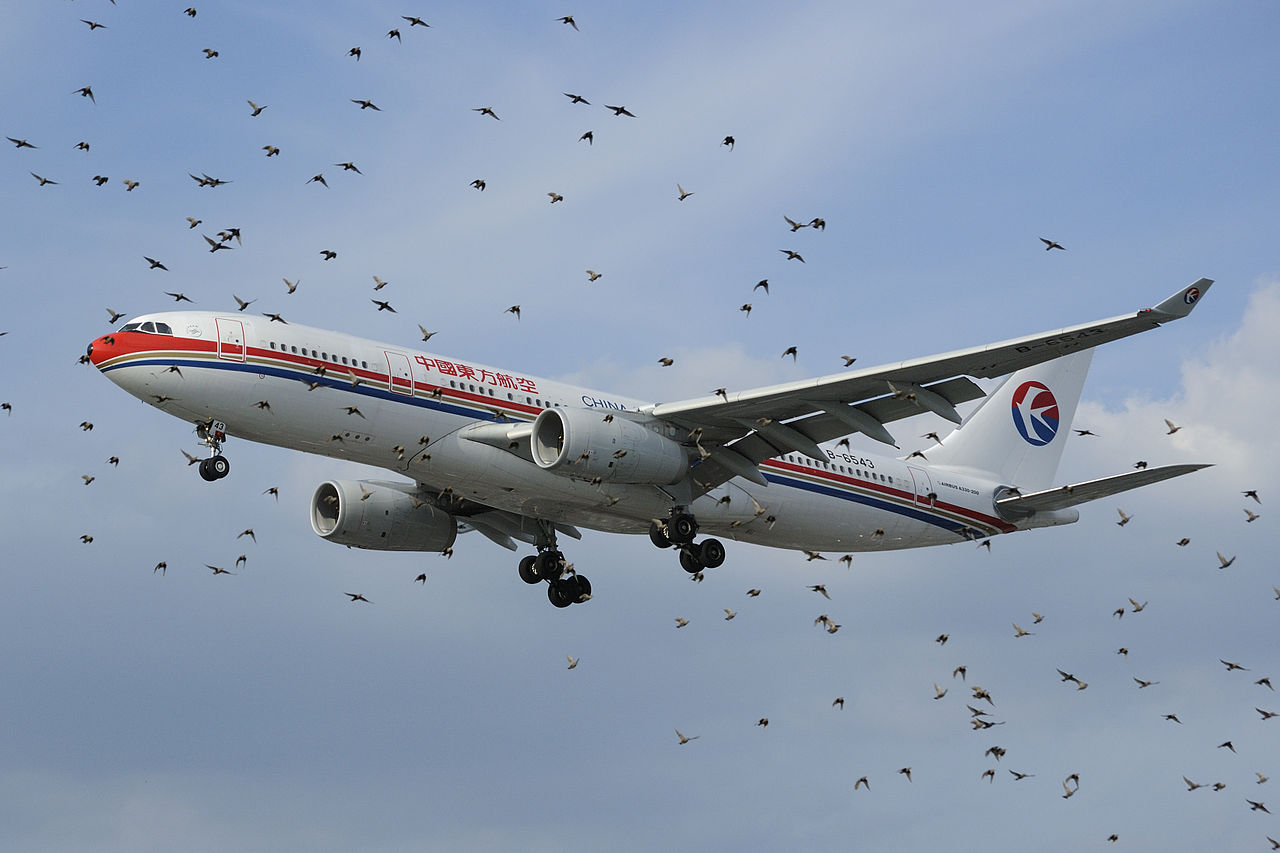
Bird strikes emerged as the leading cause of fatalities in 2024, with wildlife strikes remaining a significant hazard, especially during takeoff and landing phases. Between 2016 and 2021, 24% of strikes occurred during takeoff and 46% during descent, approach, or landing roll—critical moments when aircraft are most vulnerable.
ICAO has strengthened its wildlife strike reporting system, with national focal points now established in 66% of states. Over 273,000 wildlife strike reports were received during the 2016-2021 period, representing a 280% increase from the previous eight years, indicating improved reporting mechanisms and awareness.
Global Navigation Satellite System Interference
The vulnerability of Global Navigation Satellite Systems (GNSS) has emerged as a critical safety concern. GNSS provides positioning, navigation, and timing information, serving as the backbone of modern aviation, but its low transmission power makes it susceptible to interference through jamming and spoofing attacks.
ICAO has been developing recommendations and guidance on GNSS radio frequency interference since 2003, recognising that while complete resolution in the short term is unlikely, effective mitigation strategies are essential. The organisation encourages member states to anticipate potential disruptions, regulate through clear guidelines, and maintain networks of conventional navigation aids to ensure uninterrupted air navigation services.

Technological Solutions
Enhanced Weather Forecasting Systems
The World Area Forecast System (WAFS), operated by forecast centres in London and Washington, is implementing advanced numerical weather forecasting capabilities. From November 2025, next-generation WAFS forecasts will offer finer horizontal, vertical, and temporal resolution for adverse en-route weather, including new products that indicate the likelihood of clear air turbulence and mountain-induced turbulence separately.
Global Aeronautical Distress and Safety System (GADSS)
As of January 1, 2025, all new aircraft must be equipped with technology capable of detecting distress situations and automatically transmitting the aircraft's position at intervals of one minute or less. This represents a major milestone in aviation safety, ensuring rapid location identification within six nautical miles after serious events such as total loss of engine thrust or unusual airspeed conditions.
Runway Safety Enhancements
ICAO has amended Annexe 14 to include runway distance remaining signs, providing real-time runway distance data to help pilots make critical decisions regarding go-arounds, braking adjustments, and rollout optimisation. This initiative addresses the persistent challenge of runway excursions and incursions identified as leading causes of aviation incidents.
Data Reporting and Investigation Improvements
The importance of timely accident investigation and reporting cannot be overstated. ICAO data shows significant improvement in final report publication rates, with 76% of reports published for investigations completed between 2017 and 2022, compared to only 41% for accidents between 1990 and 2016.
The Accident/Incident Data Reporting System (ADREP), established in 1976, continues to serve as the global repository for safety data, using a harmonised taxonomy to enable effective information exchange and analysis. This systematic approach to data collection and sharing enables the identification of emerging trends and the development of targeted safety interventions.
Civil-Military Cooperation
The increasing importance of civil-military cooperation in aviation safety has become particularly evident in the current global security environment. ICAO promotes dynamic airspace allocation models, such as the flexible use of airspace (FUA) concept, which allows restricted military zones to be opened for civilian flights during low activity periods.
Coordination between civil and military authorities has proven essential during armed conflicts for issuing Notices to Airmen (NOTAMs), rerouting flights, and managing complex airspace scenarios. This cooperation is becoming increasingly critical as geopolitical tensions affect air traffic routing and safety considerations.
Mental Health and Human Factors
Marking the 10th anniversary of the Germanwings accident in March 2025, ICAO continues to prioritise mental health in aviation through its Mental Health Working Group, which meets monthly to share best practices and address safety-related mental health issues. This focus on human factors recognises that technological solutions alone cannot address all safety challenges.
Future Challenges
ICAO is developing comprehensive frameworks to integrate unmanned aircraft systems and advanced air mobility vehicles into conventional airspace. This represents one of the most significant challenges facing aviation safety in the coming decade, requiring careful balance between efficiency, safety, and national sovereignty in increasingly complex airspace environments.
The integration of drones and advanced air mobility solutions necessitates new safety protocols, traffic management systems, and regulatory frameworks. As airspace becomes busier and drone operations increase exponentially, this work is becoming increasingly critical for maintaining overall aviation safety standards.
Bottom Line
The implications of aviation safety extend far beyond the industry itself. It affects global economic connectivity, emergency response capabilities, and public confidence in air transportation.
The identification of turbulence as the leading cause of serious injuries and the growing threat of GNSS interference highlight how climate change and geopolitical tensions are creating new safety paradigms that require innovative solutions.
Moving forward, the success of aviation safety initiatives will depend on sustained international cooperation, adequate funding for safety infrastructure, and the industry's ability to adapt to rapidly evolving technological and operational environments. The integration of unmanned aircraft systems and advanced air mobility vehicles represents both an opportunity and a challenge that will define aviation safety for the next generation.
Only through continued collaboration between international organisations, national regulators, industry stakeholders, and technology providers can the aviation industry maintain its position as one of the world's safest modes of transportation.
Read next
Are You Getting Paid to Smile? Why Air Canada Cabin Crew Took Their Case to the Terminals

Abhishek Nayar
12 Aug 2025
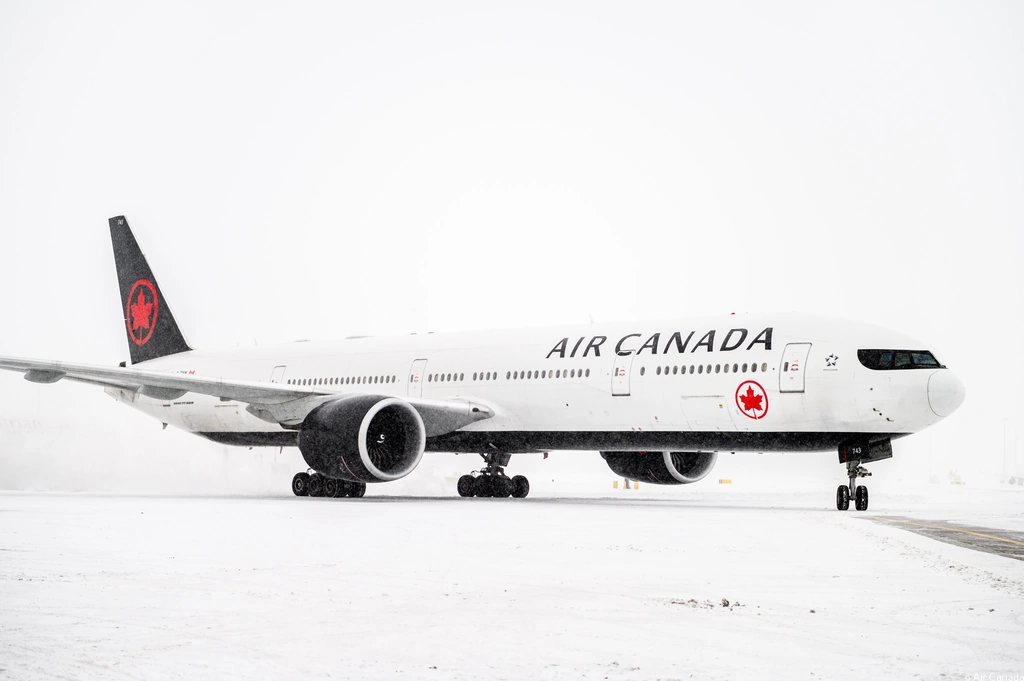
On August 11, 2025, Air Canada flight attendants took their uniforms and their message to the public, staging a National Day of Action at major airports across Canada to highlight what they call the rampant abuse of unpaid work and the untenable wages facing junior crew members. The actions were peaceful, visible, and loud enough to make a negotiating table look very small in comparison.
What happened today at airports
Crew gathered at Toronto Pearson, Montreal Pierre Elliott Trudeau, Vancouver International and Calgary International airports in coordinated pickets and media actions. The demonstrations, timed to coincide with a critical bargaining window, were designed to raise public awareness about duties that are not paid under the current contract like boarding and deplaning assistance, many safety related checks, and long airport waits that do not count as paid time. Reports say the actions did not disrupt flights but drew large crowds and strong media attention.
Why this is boiling over now
Flight attendants represented by the Canadian Union of Public Employees or CUPE say the present contract, which expired on March 31, 2025, left crew squeezed by rising costs and inflation over the past 10 year period. Junior flight attendants working full time can be earning as little as one thousand nine hundred and fifty two dollars a month before taxes according to union figures, an amount CUPE describes as poverty pay and in many cases below provincial minimum living wage calculations. Those figures helped push members to authorize strike action in an overwhelmingly one sided vote earlier this month.
The bargaining backdrop and the strike clock
CUPE reports that more than ten thousand Air Canada flight attendants have the union behind them; members gave a near unanimous strike mandate which allows the union to issue a 72 hour strike notice as early as August 16 if talks fail to produce an agreement. Union leaders say their goal is simple and framed plainly by president Wesley Lesosky: pay workers for all the hours they work and pay wages that allow a life with dignity. Air Canada and union negotiators continue to meet and say they prefer a negotiated outcome over disruption.

What the union is asking for in plain language
CUPE wants two headline changes. First, they want all time that flight attendants are required to be at work to be paid. That includes many airport based activities that the union says are de facto unpaid labor. Second, they want changes to base pay for junior crew that reflect the cost of living and the skills and safety responsibilities flight attendants carry. The union points to healthy airline profits in recent years as a reason the company can afford a fair contract.
Why passengers should care beyond the obvious
Flight attendants are the onboard safety net. When they say they are working unpaid hours that include safety critical tasks, it is not just a labor issue. It is also a safety and operational issue. Moreover, if junior workers cannot afford housing or turn to food banks, retention and morale suffer which can ripple into service reliability for travelers. The pickets today were as much about dignity as they were about dollars.
How this could play out over the next few days
If the union issues a 72 hour strike notice, airlines typically prepare contingency plans while calling for last minute talks. A strike during the busy late summer travel period would cause real disruption for passengers and complexity for the airline. Both sides have incentives to avoid that, but timing and trust are fragile in high stakes bargaining. For now the union is using public pressure to push for real movement at the table.

Voices from the picket line
Members who spoke with reporters emphasized pride in their work and frustration at not being fairly compensated for the full scope of their duties. “We put safety first,” said union leadership in public statements, “but the days of doing it for free or for poverty wages must end.” That language echoed across picket signs, interviews, and social posts as the National Day of Action unfolded.
The optics for Air Canada
Air Canada can try to frame this as a difficult cost negotiation, or it can treat this as a reputational moment. The company has repeatedly said it values its people and wants to reach a deal that supports long term growth. From the union perspective, the optics of a carrier showing strong profits while crew cite poverty level pay is a powerful story to sway the public and political attention.
TL; DR
- Air Canada flight attendants staged a National Day of Action on August 11, 2025 at major Canadian airports to protest unpaid work and low pay.
- The crew are represented by CUPE and more than ten thousand members gave an almost unanimous strike mandate earlier this month
- The union says junior full time flight attendants can earn about $1,952 per month before taxes and that many required duties are unpaid.
- Pickets took place in Toronto, Montreal, Vancouver and Calgary and did not disrupt flights, while negotiations continue.
- If talks fail, the union can issue a 72 hour strike notice as early as August 16 which could cause major travel disruption.
With Inputs from CUPE
Comment