

India's vast aviation network encompasses routes spanning thousands of kilometres, from major metropolitan connections to short regional hops that serve crucial connectivity needs through the UDAN (Ude Desh ka Aam Nagrik) Scheme.
According to Cirium Aviation Analysis data, several domestic routes in India operate over remarkably short distances. These ultra-short routes, although covering minimal distances, play a vital role in India's transportation infrastructure.
Particularly for island territories, mountainous regions, and areas where geographical constraints make air travel the most practical option, such as in Northeast India.
India's 5 Shortest Domestic Routes (By Distance)
Complete Route Analysis Table
| Rank | Marketing Airline | Operating Airline | Flight Number | Origin | Destination | Distance (Miles) | Aircraft | Seats | Departure Time | Arrival Time | Block Time (Minutes) | Operating Days | Operations/Week |
|---|---|---|---|---|---|---|---|---|---|---|---|---|---|
| 1 | Alliance Air (9I) | Alliance Air (9I) | 9I423 | ZER | HGI | 43 | Dornier 228 | 16 | 1305 | 1335 | 30 | Mon | 1 |
| 2 | Alliance Air (9I) | Alliance Air (9I) | 9I732 | IMF | IXS | 59 | ATR72-600 | 70 | 1145 | 1230 | 45 | Wed, Sat | 2 |
| 3 | Alliance Air (9I) | Alliance Air (9I) | 9I742 | DMU | IMF | 78 | ATR72-600 | 70 | 1245 | 1330 | 45 | Tue, Thu | 2 |
| 4 | IndiaOne Air (I7) | IndiaOne Air (I7) | I7104 | PYB | VTZ | 88 | Cessna Grand Caravan EX | 9 | 1310 | 1410 | 60 | All Days | 7 |
| 5 | Alliance Air (9I) | Alliance Air (9I) | 9I851 | DEL | HSS | 89 | ATR42/72 | 48/70 | 0930 | 1010 | 40 | Fri, Sun | 2 |
Detailed Route Analysis
1. Alliance Air's ZER-HGI Route: India's Shortest Flight (43 Miles)
The shortest domestic flight route in India is operated by Alliance Air (9I) between Ziro Airport (ZER) in Arunachal Pradesh and Hollongi Airport (HGI) in Itanagar, covering a distance of just 43 miles. This ultra-short route operates flight 9I 423 using a Dornier 228 (D28) aircraft with a capacity of 16 passengers.
Route Characteristics:
- Distance: 43 miles
- Flight Duration: 30 minutes block time
- Aircraft: Dornier 228-202K (16 seats)
- Schedule: Once weekly operation on Mondays
- Departure: 13:05, Arrival: 13:35

2. Alliance Air's IMF-IXS Sector (59 Miles)
The second shortest route connects Imphal Airport (IMF) to Silchar Airport (IXS), operated by Alliance Air using ATR-72 aircraft. This 59-mile route serves as a crucial link in Northeast India's aviation network.
Route Characteristics:
- Distance: 59 miles
- Flight Duration: 50 minutes block time
- Aircraft: ATR-72 (70 seats)
- Schedule: Six days of weekly operation
- Departure: 11:45, Arrival: 12:30
3. Alliance Air's DMU-IMF Connection: Dimapur to Imphal (78 Miles)
Alliance Air's third route in the top five connects Dimapur (DMU) to Imphal (IMF) over 78 miles, operating twice weekly with ATR-72 aircraft.
Route Characteristics:
- Distance: 78 miles
- Flight Duration: 45 minutes block time
- Aircraft: ATR-72 (70 seats)
- Schedule: Twice weekly (Tuesdays and Thursdays)
- Departure: 12:45, Arrival: 13:30
This route (flight 9I 742) serves specific market needs with its limited frequency, likely catering to business travel or government requirements between these regional centres.

4. IndiaOne Air's PYB-VTZ Route: Jeypore to Visakhapatnam (88 Miles)
IndiaOne Air (I7) operates the fourth shortest route between Jeypore (PYB) and Visakhapatnam (VTZ), covering 88 miles with daily operations.
Route Characteristics:
- Distance: 88 miles
- Flight Duration: 60 minutes block time
- Aircraft: CNF configuration (9 seats)
- Schedule: Daily operations
- Departure: 13:10, Arrival: 14:10
Flight I7 104 operates daily using a 9-seat aircraft, suggesting this route serves as a vital connectivity link for the region, possibly supporting business travel or providing essential transportation where surface alternatives are limited.
5. Alliance Air's DEL-HSS Service: Delhi to Hisar (89 Miles)
Rounding out the top five, Alliance Air operates between Delhi (DEL) and Hisar (HSS) over 89 miles.
Route Characteristics:
- Distance: 89 miles
- Flight Duration: 40 minutes block time
- Aircraft: ATR42/72
- Schedule: Twice weekly (Fridays and Sundays)
- Departure: 9:55 AM, Arrival: 10:35 AM
Flight 9I 851 operates with limited frequency, suggesting specialised market requirements or seasonal operations.
Strategic Importance of Short-Haul Routes
Regional Connectivity Benefits
These ultra-short routes serve several critical functions in India's aviation ecosystem:
Geographic Constraint Solutions: Many short routes overcome natural barriers like mountains, rivers, or difficult terrain where surface transportation is impractical or time-consuming.
Remote Area Access: Short flights often connect remote locations that lack adequate surface transportation infrastructure.
Time Efficiency: Despite short distances, these flights can save significant travel time compared to surface alternatives, particularly in geographically challenging regions.
Economic Development: Air connectivity supports local economic development by facilitating business travel, tourism, and cargo movement in underserved regions.
Operational Considerations
Airlines operating these short routes face unique challenges:
- Aircraft Selection: Smaller aircraft like Dornier 228s and ATR series are preferred for their efficiency on short sectors and ability to operate from smaller airports.
- Frequency Optimisation: Limited frequencies reflect market size constraints while maintaining essential connectivity.
- Cost Management: Short routes require careful cost management due to fixed operational costs being spread over a minimal flight time.

Market Analysis and Passenger Demographics
The passenger demographics for these ultra-short routes typically include:
- Government Officials: Many routes serve administrative connectivity needs
- Business Travellers: Time-sensitive passengers requiring efficient transportation
- Medical Emergency Transport: Critical for areas with limited healthcare infrastructure
- Tourism Connectivity: Supporting tourism in remote or geographically challenging destinations
Fleet Deployment Strategy
Airlines operating India's shortest routes demonstrate strategic fleet deployment:
- Dornier 228: Ideal for 43-mile routes with 16-seat capacity
- ATR-72: Versatile for 59-78 mile routes with 70-seat capacity
- Smaller Regional Aircraft: 9-seat configurations for specialised markets
This fleet diversity allows operators to match aircraft capacity with market demand while maintaining operational efficiency.
Bottom Line
India's 5 shortest domestic flight routes, led by Alliance Air's 43-mile ZER-HGI service, demonstrate the aviation industry's adaptability in serving diverse connectivity needs. These routes, while brief in duration, play crucial roles in connecting remote areas, overcoming geographical challenges, and supporting regional economic development.
Alliance Air dominates this segment with 4 of the five shortest routes, highlighting the carrier's commitment to regional connectivity and specialised market service.
The variety in aircraft types, from 9-seat configurations to 70-seat ATR aircraft, shows how airlines optimise equipment selection for specific route requirements.
As India continues developing its regional aviation infrastructure, these ultra-short routes serve as essential building blocks in the country's comprehensive air transportation network, ensuring that even the most remote locations maintain vital connectivity to the broader Indian aviation system.

Read next

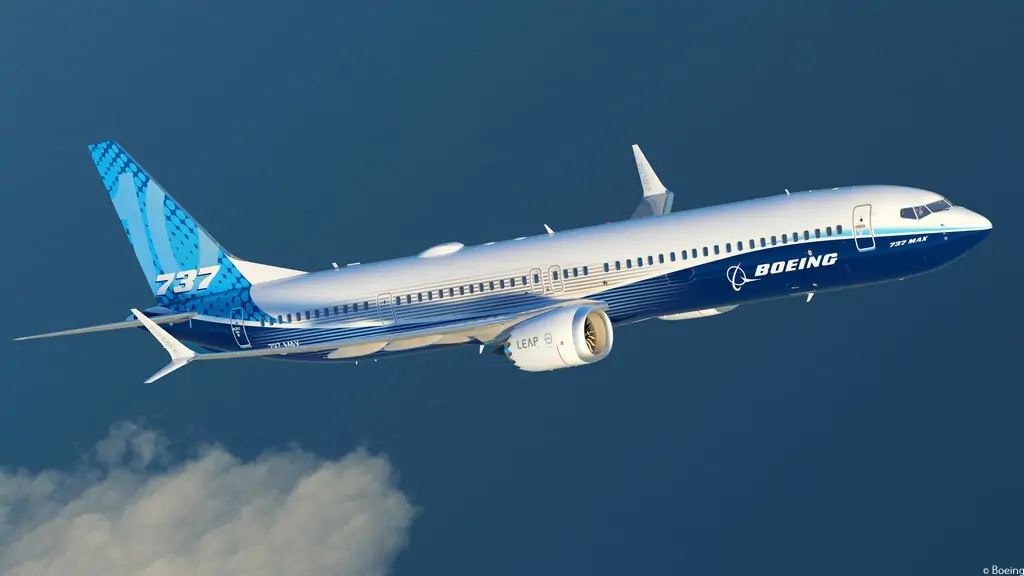
Boeing’s dreams of ramping up 737 MAX output have hit a regulatory speed bump. Here’s the inside story…
Why the 38 Plane Per Month Cap Exists
- Alaska Airlines Incident: In January 2024, a mid air emergency on an Alaska Airlines 737 MAX 9 revealed four missing bolts on a critical door plug. That scare shattered confidence and led the FAA to cap production at 38 jets a month.
- Quality Assurance, Front and Center: This isn’t just about screws. The FAA wants to make sure every nut, bolt, and factory process lives up to the highest safety bar before letting Boeing crank out more planes.
A Thorough Supply Chain Scrutiny
FAA Administrator Bryan Bedford has made it clear: before lifting the cap, the agency will inspect Boeing’s entire supply chain. He praised Boeing’s cultural shifts but stressed that long term trends—healthy workforce, solid safety culture, and “real factory improvements”—must be proven first.
- Boots on the Ground: Expect more FAA personnel inside Boeing’s factories, verifying that every station meets strict quality control standards.
- Extended Oversight: The FAA recently renewed Boeing’s Organization Designation Authorization (ODA) for three years—shorter than Boeing’s desired five—signalizing “good progress, but not mission accomplished.”
Boeing’s Optimistic Takeoff Plan
Despite cautious regulators, Boeing CEO Kelly Ortberg remains upbeat:
- 42 Jets by Year End? Boeing claims it’s “pretty confident” it can increase 737?MAX output to 42 per month—and eventually to 47 by December?2025—once the FAA gives the green light.
- Incremental Increases: Ortberg envisions rate hikes in five jet steps, with at least six months between each bump, to ensure stability and maintain quality.
Eyes on the MAX 7 and MAX 10

While the production cap debate rages, the FAA is also reviewing certification of the smallest and largest MAX variants. Getting MAX 7 and MAX 10 right the first time could speed approvals—and build trust.
What’s Next?
- Supply Chain Assessment: FAA audits suppliers and quality control processes.
- Culture & Workforce Metrics: Boeing must show sustained safety improvements on the shop floor.
- Factory Performance: Lower defect rates, higher on time deliveries, and transparent reporting.
- Regulatory Decision: Only after all boxes are ticked will the FAA consider any rate increase.
Boeing may be itching to press “turbocharge,” but for now the FAA holds the throttle. Patience and proof will determine when—or if—the cap lifts.
TL; DR
- FAA’s 38?plane cap follows a 2024 Alaska Airlines emergency due to missing bolts.
- Administrator Bedford demands a full supply chain review, cultural shifts, and factory improvements.
- Boeing aims for 42 jets/month, with incremental five jet increases spaced six months apart.
- Certification of MAX?7 and MAX?10 is under FAA review.
- Final decision hinges on sustained quality improvements and proven safety culture.
With Inputs from Reuters
Read next
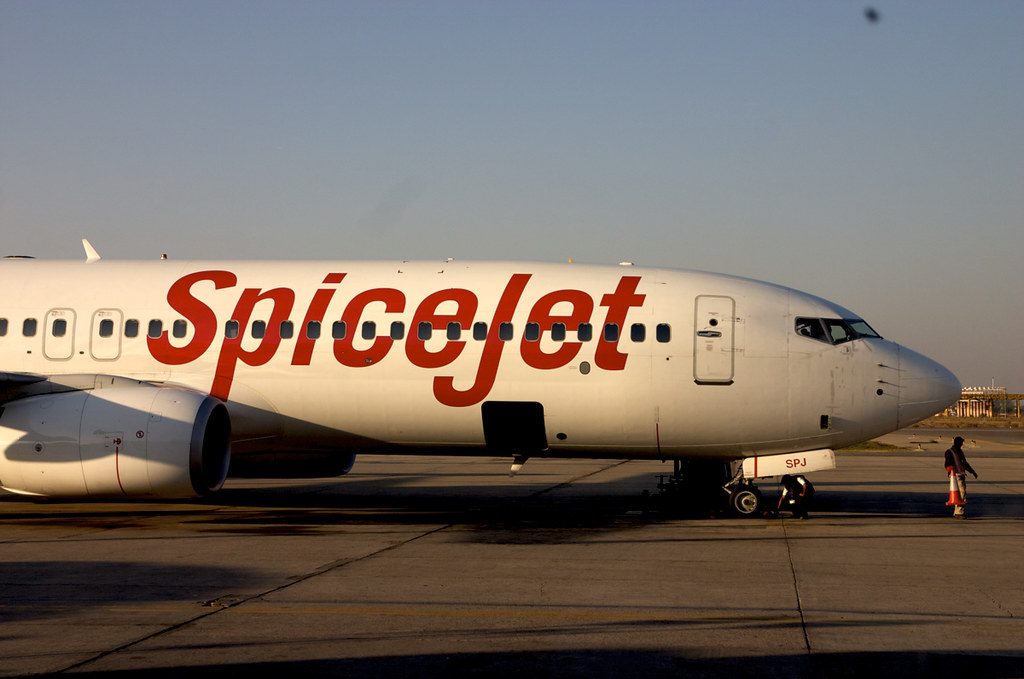
SpiceJet continues to maintain an international presence in August 2025, operating 815 flights across multiple international destinations with a total capacity of 178,060 seats!
According to Cirium Aviation Analysis data, the airline's international network demonstrates a focused approach on key Middle Eastern and Southeast Asian markets, utilising exclusively Boeing 737 aircraft variants to serve destinations from nine Indian cities.
SpiceJet Fleet & Deployment
SpiceJet's international operations in August 2025 showcase a standardised fleet strategy, exclusively deploying Boeing 737 variants across all international routes. The airline primarily utilises 3 aircraft configurations:
- Boeing 737-800 Winglets Pax/BBJ2: The workhorse of SpiceJet's international fleet, handling the majority of routes
- Boeing 737-700 Passenger: Deployed on select routes with lower capacity requirements
- Boeing 737 MAX 8 Passenger: Used strategically on high-density routes
This fleet standardisation enables SpiceJet to optimise maintenance costs, crew training, and operational efficiency while maintaining consistent service standards across its international network.
Route Network Analysis
Primary International Destinations
SpiceJet's August 2025 international network is strategically concentrated on 4 primary destinations:
- Dubai (DXB) - The dominant international hub
- Bangkok (BKK) - Southeast Asian gateway
- Al Fujairah (FJR) - Secondary UAE destination
- Kathmandu (KTM) - South Asian connection
Dubai emerges as the clear focal point of SpiceJet's international strategy, accounting for the vast majority of international operations. This concentration reflects the strong India-UAE corridor demand driven by business travel, tourism, and the substantial Indian expatriate community in the UAE.

Indian Departure Cities
The airline operates international services from 9 Indian cities, demonstrating a multi-hub strategy:
- Delhi (DEL)
- Mumbai (BOM)
- Kozhikode (CCJ)
- Ahmedabad (AMD)
- Kochi (COK)
- Amritsar (ATQ)
- Jaipur (JAI)
- Trichy (TXM)
- Patna (PNQ)
Detailed Route Operations
| Origin | Destination | Aircraft Type | Number of Flights |
|---|---|---|---|
| Ahmedabad (AMD) | Dubai (DXB) | B737-700 Passenger | 4 |
| Ahmedabad (AMD) | Dubai (DXB) | B737-800 Winglets Pax/BBJ2 | 31 |
| Amritsar (ATQ) | Dubai (DXB) | B737-800 Winglets Pax/BBJ2 | 27 |
| Bangkok (BKK) | Delhi (DEL) | B737-800 Winglets Pax/BBJ2 | 25 |
| Mumbai (BOM) | Dubai (DXB) | B737-800 Winglets Pax/BBJ2 | 62 |
| Kozhikode (CCJ) | Dubai (DXB) | B737-800 Winglets Pax/BBJ2 | 31 |
| Kozhikode (CCJ) | Al Fujairah (FJR) | B737-800 Winglets Pax/BBJ2 | 11 |
| Kochi (COK) | Dubai (DXB) | B737-800 Winglets Pax/BBJ2 | 31 |
| Kochi (COK) | Al Fujairah (FJR) | B737-800 Winglets Pax/BBJ2 | 12 |
| Delhi (DEL) | Bangkok (BKK) | B737-800 Winglets Pax/BBJ2 | 25 |
| Delhi (DEL) | Dubai (DXB) | B737-MAX 8 Passenger | 58 |
| Delhi (DEL) | Dubai (DXB) | B737-800 Winglets Pax/BBJ2 | 4 |
| Delhi (DEL) | Kathmandu (KTM) | B737-800 Winglets Pax/BBJ2 | 28 |
| Dubai (DXB) | Ahmedabad (AMD) | B737-700 Passenger | 4 |
| Dubai (DXB) | Ahmedabad (AMD) | B737-800 Winglets Pax/BBJ2 | 31 |
| Dubai (DXB) | Amritsar (ATQ) | B737-800 Winglets Pax/BBJ2 | 27 |
| Dubai (DXB) | Mumbai (BOM) | B737-800 Winglets Pax/BBJ2 | 62 |
| Dubai (DXB) | Kozhikode (CCJ) | B737-800 Winglets Pax/BBJ2 | 31 |
| Dubai (DXB) | Kochi (COK) | B737-800 Winglets Pax/BBJ2 | 31 |
| Dubai (DXB) | Delhi (DEL) | B737-MAX 8 Passenger | 58 |
| Dubai (DXB) | Delhi (DEL) | B737-800 Winglets Pax/BBJ2 | 4 |
| Dubai (DXB) | Trichy (TXM) | B737-800 Winglets Pax/BBJ2 | 31 |
| Dubai (DXB) | Jaipur (JAI) | B737-800 Winglets Pax/BBJ2 | 22 |
| Dubai (DXB) | Patna (PNQ) | B737-800 Winglets Pax/BBJ2 | 31 |
| Al Fujairah (FJR) | Kozhikode (CCJ) | B737-800 Winglets Pax/BBJ2 | 11 |
| Al Fujairah (FJR) | Kochi (COK) | B737-800 Winglets Pax/BBJ2 | 12 |
| Jaipur (JAI) | Dubai (DXB) | B737-800 Winglets Pax/BBJ2 | 22 |
| Kathmandu (KTM) | Delhi (DEL) | B737-800 Winglets Pax/BBJ2 | 28 |
| Patna (PNQ) | Dubai (DXB) | B737-800 Winglets Pax/BBJ2 | 31 |
| Trichy (TXM) | Dubai (DXB) | B737-800 Winglets Pax/BBJ2 | 31 |
| TOTAL FLIGHTS | 815 |
Market Analysis and Strategic Insights
High-Frequency Corridors
The Mumbai-Dubai route stands out as SpiceJet's flagship international service, operating 62 flights each direction during August 2025, totalling 124 flights on this corridor.
This represents the highest frequency deployment, reflecting the strong commercial ties between India's financial capital and the UAE's primary business hub.
The Delhi-Dubai route, primarily served by Boeing 737 MAX 8 aircraft with 58 flights each way, demonstrates SpiceJet's commitment to optimising fuel efficiency on high-volume routes. The deployment of newer, more efficient aircraft on this sector indicates the route's strategic importance and profitability potential.
Regional Connectivity Strategy
SpiceJet's approach to connecting tier-2 and tier-3 Indian cities directly to Dubai showcases a sophisticated understanding of regional travel patterns.
Cities such as Kozhikode, Kochi, Amritsar, Jaipur, Trichy, and Patna maintain direct Dubai connections with 22-31 flights each, eliminating the need for passengers to transit through major Indian hubs.
This strategy is particularly evident in Kerala, where both Kozhikode and Kochi maintain substantial Dubai connectivity (31 flights each), along with unique Al Fujairah services. This reflects the strong historical ties between Kerala and the Gulf region, driven by the large Malayali expatriate community in the UAE.

Capacity Deployment and Market Positioning
The total capacity deployment of 137,596 available seat-kilometres and 188,207,060 available seat-kilometres demonstrates SpiceJet's significant commitment to international markets.
With 178,060 total seats offered across all international routes, the airline maintains a substantial international presence despite operating as a mid-tier carrier in the Indian aviation market!
Unique Route Characteristics
Several routes stand out for their strategic significance:
- Delhi-Kathmandu (28 flights each way): Serves the important India-Nepal corridor, catering to business, religious tourism, and family connections
- Al Fujairah connections: The Kozhikode-Al Fujairah (11 flights) and Kochi-Al Fujairah (12 flights) routes represent niche market positioning, serving specific regional demands
- Bangkok connectivity: The Delhi-Bangkok route (25 flights each way) maintains SpiceJet's presence in Southeast Asian markets
Future Outlook
SpiceJet's international network in August 2025 positions the airline as a significant player in key regional corridors, particularly the India-Middle East market. The concentration on Dubai connectivity from multiple Indian cities aligns with broader market trends and passenger preferences.
The airline's strategy of serving both metropolitan and regional markets provides competitive differentiation, offering direct international connectivity to passengers who might otherwise need to transit through major hubs. This approach not only captures price-sensitive passengers but also provides schedule convenience.
Bottom Line
SpiceJet's international operations in August 2025 reflect a mature, strategically focused approach to international aviation. With 815 total flights distributed across proven high-demand corridors, the airline demonstrates operational efficiency while maintaining a significant market presence. The emphasis on Dubai connectivity, combined with selective operations to Bangkok and Kathmandu, represents a pragmatic balance between market opportunity and operational efficiency.
The airline's multi-city connectivity strategy, particularly strong in serving regional Indian markets, positions SpiceJet uniquely in the competitive landscape. As the Indian aviation market continues to evolve, SpiceJet's focused international network appears well-positioned to serve key passenger segments while maintaining operational sustainability in an increasingly competitive environment.
Read next

Imagine strapping into a state of the art jet and gliding through the clouds with 20% less fuel burn—no wonder Avolon is on a shopping spree for neo powered aircraft. On July 24, 2025, Dublin based Avolon, the world’s second largest aircraft lessor, inked a deal for 75 A321neos and 15 A330neos—a total of 90 jets—to bolster its fleet through 2033. This latest win pushes Avolon’s Airbus commitments to 413 aircraft over the next eight years.
What’s in the 90 Aircraft Order
- 75 A321neos: Airbus’s single aisle workhorse—ideal for short to medium haul routes.
- 15 A330neos: The wide body marvel, perfect for long haul comfort and efficiency.
- Purchase Rights & Options: Rights to pick up 25 more A321neos and 15 additional A330neos down the line.
Neo licious Details: Why These Models Rock
- Fuel Sipping: Both neo families cut fuel consumption by up to 15% vs. predecessors, trimming airline costs and runway emissions.
- Passenger Perks: Quieter cabins, bigger overhead bins, and mood lighting that makes red eye flights feel (almost) classy.
- Flexibility: The A321neo’s range can stretch well beyond 4,000 km—think Mumbai to Perth nonstop—with the A330neo covering truly intercontinental routes.
Beyond the Numbers: What This Means for Airlines
Airlines leasing from Avolon will snag modern hardware without the upfront sticker shock of buying new jets. That means:
- Fleet Renewals: Swap aging 737 Classics and A330 Classics for neos that burn less and cost less to maintain.
- Network Expansion: Add thin long haul routes with smaller wide bodies, opening niche markets.
- Competitive Edge: Fly passengers in fuel efficient comfort, appealing to eco conscious travelers.
Delivery Timeline & the Supply Crunch
Avolon expects to take delivery of roughly 70 aircraft per year from Airbus and Boeing combined in 2026 and 2027. While Cronin is “fairly surprised” if all jets land on schedule, the company remains confident most will arrive on time—just in time for peak travel demand.
Why Lessors Are the Market Barometer
If airlines are the visible tip of the aviation iceberg, lessors like Avolon are the submerged mass—placing orders, negotiating delivery slots, and signaling where the industry is headed. As Airbus SVP Benoit de Saint Exupery puts it, orders from lessors “illustrate the strong attractiveness to a wide variety of customers”.
Avolon’s Financial Windfall
The timing couldn’t be better: Avolon reported a 36% year on year jump in Q2 net income, buoyed by last year’s $5 billion acquisition of Castlelake Aviation. With air travel booming globally, Avolon’s pockets—and balance sheet—look healthier than ever.
TL; DR
- Order Highlights: 75 A321neos + 15 A330neos, plus rights/options for 40 more jets.
- Total Backlog: 413 aircraft with Airbus through 2033.
- Key Benefits: Fuel efficiency, passenger comfort, route flexibility.
- Delivery Pace: ~70 jets/year in 2026–27; some timing surprises possible.
- Market Signal: Lessors like Avolon are the “barometers” of aviation demand.
- Financials: Q2 net income up 36% post Castlelake acquisition.
Strap in—Avolon’s neo fleet is set to reshape airline fleets and your next in flight experience!
With Inputs from Reuters
Comment