
Why Are Major Airlines Facing Millions in Penalties for COVID-19 Refund Delays?

Abhishek Nayar
05 Jun 2024
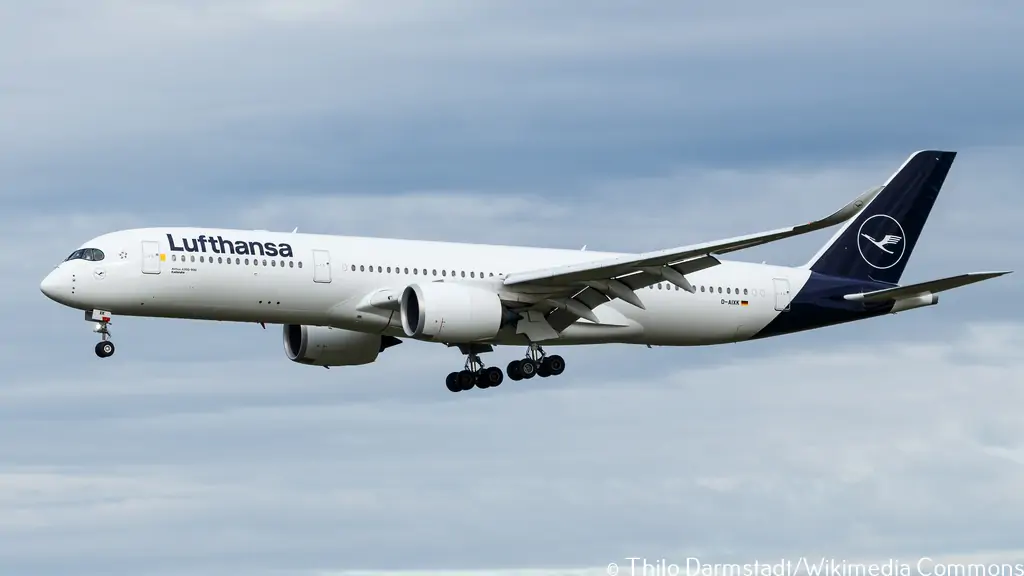
The U.S. Transportation Department (USDOT) has imposed a total of $2.5 million in civil penalties on four major airlines for significant delays in refunding passengers for flights disrupted by the COVID-19 pandemic. The affected airlines—Lufthansa, Air France, KLM Royal Dutch Airways, and South African Airways—have been scrutinized for their handling of refund requests amid the unprecedented global health crisis.
The Penalties and Their Breakdown
On Monday, USDOT announced the penalties, highlighting the delayed refund processes that left thousands of customers waiting for months. Of the penalties, Lufthansa and KLM each faced $1.1 million but were credited $550,000 for refunds related to non-refundable tickets on U.S. flights.
Transportation Secretary Pete Buttigieg had previously indicated that the U.S. government had completed 10 investigations into delayed refunds with 10 more pending as of 2022. These investigations underscore the department's commitment to enforcing consumer protection regulations during the pandemic.
Lufthansa's Refund Challenges

Lufthansa, which faced a substantial number of refund requests, stated that it had fulfilled all required refunds. The German airline attributed the delays to the overwhelming volume of requests received during the pandemic. According to Lufthansa, it experienced an unprecedented surge in refund requests, receiving a workload equivalent to two-and-a-half months' worth of requests every single day.
Between March 2020 and September 2022, Lufthansa processed $5.3 billion in refunds, with $802 million going to U.S. customers alone. The airline explained that the extraordinary circumstances and the high volume of cancellations significantly hampered their ability to process refunds promptly.
KLM's Response and Refund Policy Adjustments

KLM reported that starting in June 2020, it offered refunds to all consumers holding non-refundable tickets for disrupted U.S. flights. However, the airline faced staffing and technical challenges, which led to prolonged wait times for many customers.
Despite these hurdles, KLM claims to have adopted one of the industry's most customer-friendly ticket refund and exchange policies. The airline provided $84.15 million in refunds to U.S. customers who were not initially entitled to refunds, showcasing its efforts to resolve the issue.
South African Airways' Financial Struggles
South African Airways, a state-owned airline, faced over 400 complaints regarding delayed refunds. The airline, which was already on the brink of liquidation and entered bankruptcy protection in 2019, saw its financial situation worsen during the pandemic. The restricted air travel due to COVID-19 further depleted its minimal cash reserves, exacerbating the delays in processing refunds.
Broader Context and Industry Impact
The issue of delayed refunds is not unique to these airlines. For instance, Air Canada reached a $4.5 million settlement in November 2021 to resolve a USDOT investigation into similar claims. The widespread nature of these delays has prompted USDOT to consider higher penalties for future violations, aiming to deter airlines from breaching consumer protection rules.
Moving Forward: Increased Scrutiny and Higher Penalties
In January 2023, USDOT announced plans to seek higher penalties for airlines that violate consumer protection regulations. This move reflects the department's intention to ensure that airlines adhere to their refund obligations promptly, especially in times of crisis.
Conclusion
The penalties imposed on Lufthansa, KLM, Air France, and South African Airways serve as a reminder of the importance of timely refunds and consumer rights. As the aviation industry continues to recover from the pandemic's impact, airlines are expected to uphold higher standards of customer service and adhere strictly to regulatory requirements to regain consumer trust and avoid future penalties.
With Inputs from Reuters
Read next
American Airlines Eyes New Alliance with JetBlue Despite Antitrust Ruling
Abhishek Nayar
05 Jun 2024

In a bold move, American Airlines has revealed its intention to consider a new partnership with JetBlue Airways if an appeals court reverses a recent decision requiring the termination of their "Northeast Alliance" (NEA). The announcement comes after a contentious ruling in May 2023 by U.S. District Judge Leo Sorokin, which found that the NEA violated antitrust laws. This decision has significant implications for the future of airline collaborations and consumer benefits.
The Controversial Northeast Alliance
The NEA allowed American Airlines and JetBlue Airways to coordinate flights and pool revenue, primarily focusing on operations in and out of New York City and Boston. This alliance aimed to enhance efficiency and provide better service to passengers. However, Judge Sorokin determined that such an arrangement breached antitrust regulations by reducing competition and potentially harming consumers. As a result, he prohibited the two airlines from entering into any similar agreements for at least the next decade.
Legal Battle and Future Prospects
American Airlines, represented by lawyer Greg Garre, argued before the Boston-based 1st U.S. Circuit Court of Appeals that Sorokin’s ruling unfairly restricts the airline's ability to form beneficial partnerships. Garre emphasized that the injunction hampers American Airlines' strategic flexibility and prevents any potential future arrangements with JetBlue that might benefit consumers through enhanced services and competitive pricing.
When asked if American Airlines is interested in pursuing other collaborative opportunities with JetBlue, Garre confirmed: "That's correct. We would seriously consider that, yes, and the injunction prevents us from doing that -- any sort of similar arrangement."
Department of Justice’s Standpoint
Justice Department lawyer Daniel Haar countered, highlighting that prior to the NEA, American Airlines and JetBlue were fierce competitors, particularly in terms of pricing. Haar argued that this competition was directly advantageous to consumers and was effectively eliminated under the NEA. He suggested that maintaining robust competition between these airlines is crucial for consumer welfare.
JetBlue’s Position

Interestingly, JetBlue opted not to appeal the ruling, focusing instead on its now-abandoned $3.8 billion acquisition of Spirit Airlines. JetBlue has remained silent on the recent developments but its decision not to contest the ruling indicates a strategic pivot.
Implications for Airline Collaborations
American Airlines has warned that the implications of Judge Sorokin's ruling extend beyond the NEA. In their legal briefs, American Airlines' lawyers asserted that the decision could deter other potentially beneficial collaborations between competitors. They argued that such partnerships often result in increased output, lower prices, and improved service quality for consumers. The airline industry, known for its collaborative ventures, might face significant challenges if the ruling remains unchallenged.
Conclusion
As American Airlines awaits the appellate court's decision, the broader implications for the airline industry hang in the balance. The outcome will not only determine the fate of future collaborations between American Airlines and JetBlue but will also set a precedent for how antitrust laws are applied to airline partnerships. With potential benefits for consumers at stake, the industry keenly watches this legal battle unfold.
With Inputs from Reuters
Read next
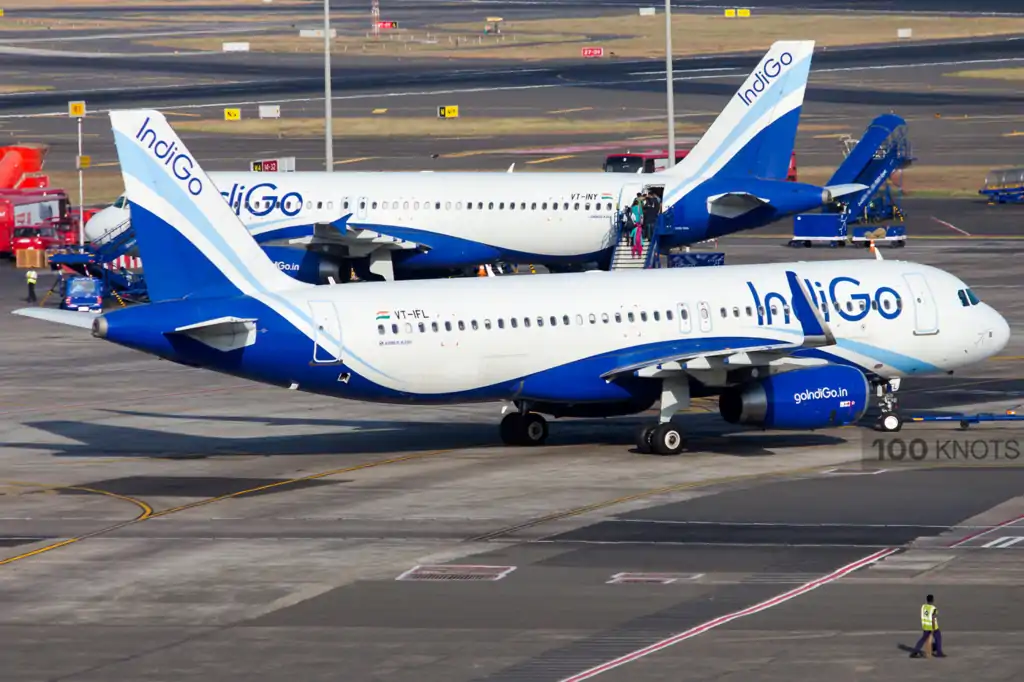
IndiGo, India's largest airline, is charting a new course for international travel by targeting lesser-known destinations while bolstering its presence in popular markets like Singapore and Dubai. With the impending arrival of Airbus A321XLR planes, the airline is poised to expand its international reach further. In an interview with Reuters, CEO Pieter Elbers shared insights into the airline's ambitious plans, aiming to cater to the growing aspirations of Indian travelers.
Expanding Horizons: The Next Phase of Growth
Central Asia Success
Last year, IndiGo successfully ventured into Central Asia, introducing flights to cities like Baku, Almaty, Tashkent, and Tbilisi. These destinations, relatively free of major competition, have opened new travel opportunities for Indian flyers, tapping into a niche market of lesser-known but culturally rich locations.
New Destinations on the Horizon
Building on its Central Asian success, IndiGo plans to explore additional destinations in Thailand and beyond. The airline's strategy includes focusing on places that, while not as famous as Singapore or Dubai, still hold significant appeal for the adventurous traveler.
Leveraging New Aircraft for Broader Reach
Airbus A321XLR: A Game Changer

The introduction of the Airbus A321XLR to IndiGo's fleet next year is a significant milestone. This aircraft's extended range will enable the airline to reach farther destinations in Europe and deeper into Asia, broadening its international network significantly.
Record Profits Fueling Expansion
IndiGo's financial success is a testament to its robust business model. Reporting a record profit of nearly $1 billion for the financial year 2023-2024, the airline is well-positioned to reinvest in its growth. This includes expanding its network, both domestically and internationally, with ten new destinations planned for this year alone.
Codeshare Partnerships and Fleet Expansion
European Connections Through Turkish Airlines

IndiGo's codeshare partnership with Turkish Airlines offers passengers seamless connections to numerous European cities. This strategic alliance enhances IndiGo's appeal to travelers looking for affordable yet comprehensive travel options.
Investing in Long-Haul Capability
To further cement its international ambitions, IndiGo has ordered 30 Airbus A350 wide-body planes. These aircraft will enable non-stop flights to distant markets such as the United States and Australia, expanding IndiGo's reach into lucrative long-haul segments.
Meeting Evolving Customer Expectations
Targeting Young, Aspiring Travelers
Analysts attribute IndiGo's Central Asia push to a growing segment of young Indian travelers eager to explore international destinations. These travelers seek cost-effective alternatives to Europe, and IndiGo's affordable fares and new routes cater precisely to this demographic.
Introducing Business Class
In a bid to attract more affluent customers, IndiGo plans to introduce business class on some domestic flights by the end of this year. This move signifies a strategic shift to capture a broader market segment, offering enhanced comfort and services.
Accelerated International Expansion
Fast-Tracking Growth Targets
IndiGo had originally set a goal to allocate 30% of its flying capacity to international markets by 2030. However, Elbers indicated that the airline is on track to meet this target much sooner, thanks to its aggressive expansion and strategic investments.
Conclusion
IndiGo's strategic focus on lesser-known destinations, combined with its robust financial health and fleet expansion, positions it as a pioneering force in the Indian aviation sector. As the airline continues to grow its international footprint, it is redefining what it means to travel abroad for Indian flyers. By tapping into both well-trodden and emerging markets, IndiGo is not only meeting the evolving aspirations of its customers but also setting new benchmarks in the industry.
With its innovative approach and commitment to offering affordable international travel, IndiGo is indeed transforming the landscape of Indian aviation. The future looks promising for the airline and its passengers as it soars to new heights.
With Inputs from Reuters
Read next
Can Aviation Soar to Net Zero? The Race for Sustainable Fuel in the Skies
Abhishek Nayar
04 Jun 2024

As the aviation industry grapples with the pressing need to combat climate change, the pursuit of sustainability has become paramount. At the heart of this transformation lies the ambitious goal of achieving net zero emissions by 2050. The 80th Annual General Meeting and World Air Transport Summit in Dubai, organized by the International Air Transport Association (IATA), underscored the significance of this mission. However, while progress is evident, the road ahead remains challenging.
Sustainable Aviation Fuel: A Promising but Limited Solution
Sustainable Aviation Fuel (SAF) has emerged as a cornerstone in the industry's strategy to reduce its carbon footprint. IATA's latest report indicates that SAF production is set to triple in 2024, reaching 1.9 billion liters (1.5 million tonnes). Despite this promising growth, SAF will still constitute less than 1% of the total aviation fuel usage, accounting for just 0.53% of the sector's fuel requirements this year.
Given that SAF is expected to provide around 65% of the mitigation needed to reach net zero carbon emissions by 2050, the current production levels highlight a significant gap. This gap underscores the urgent need for accelerating SAF production to meet long-term sustainability targets.
The Growing Potential and Constraints of SAF
The aviation industry is increasingly recognizing the potential of SAF. Currently, there are 140 renewable fuel projects capable of producing SAF, with an anticipated capacity to generate 51 million tonnes by 2030. As investor confidence builds, more projects are likely to emerge. However, the current reality is stark—SAF comprises just 3% of the overall renewable fuel production.
To achieve a 5% reduction in CO2 emissions by 2030, approximately 27% of the expected renewable fuel production capacity would need to be SAF. This highlights the critical need for policies and incentives to boost SAF production and make it a viable alternative to conventional aviation fuels.
IATA's Vision: Policies and Strategies for a Sustainable Future
Willie Walsh, IATA's Director General, emphasized the growing interest in SAF and the potential it holds. However, he also pointed out that the existing plans are insufficient to meet the ambitious targets. Walsh called for governments to implement policies that would enable airlines to purchase SAF in the required quantities.
IATA has proposed four strategic measures to expedite the availability of SAF and help aviation meet its sustainability targets:
- Diversifying Feedstocks: Expanding the range of feedstocks used for SAF production, including agricultural and forestry residues and municipal waste.
- Co-processing at Refineries: Utilizing existing refineries to co-process up to 5% of approved renewable feedstocks alongside crude oil streams, which could significantly boost SAF production.
- Incentives for Output Mix Improvement: Encouraging policies that enhance the output mix towards renewable fuels as the transportation sector transitions from diesel to electrification.
- Boosting Investments in Renewable Fuel Production: Strengthening incentives for investment in renewable fuel facilities to increase SAF production capacity.
A Multi-faceted Approach: The Path to Net Zero

The path to achieving net zero emissions in aviation is complex and requires a multifaceted approach. IATA's recommendations highlight the need for diversified feedstocks, innovative processing methods, and robust policy support. Approximately 80% of SAF produced this decade is expected to come from hydrogenated fatty acids, such as used cooking oils and animal fats. To scale up production from such sources, it is crucial to broaden the feedstock base to include agricultural residues, forestry waste, and municipal solid waste. This diversification will not only enhance the availability of SAF but also ensure a more sustainable and resilient supply chain.
Co-processing and Refinery Utilization: A Quick Win
One of the most immediate strategies to increase SAF production is co-processing at existing refineries. IATA suggests that refineries could process up to 5% of approved renewable feedstocks alongside crude oil streams. This approach leverages existing infrastructure, allowing for a quicker ramp-up in SAF production. However, this requires urgent policy changes to ensure consistent life-cycle assessments and facilitate the integration of renewable feedstocks into conventional refining processes.
Shifting Production Focus: Adapting to New Realities
As the transportation sector increasingly transitions from diesel to electrification, there is an opportunity to redirect renewable fuel production towards aviation. This shift could be achieved with minimal modifications at existing renewable fuel facilities, provided the right policies are in place. By capitalizing on the declining demand for diesel, production capacities can be reoriented to support the aviation sector’s growing need for SAF.
Incentivizing Investment: The Key to Long-Term Success
To meet the ambitious targets set for 2030 and beyond, substantial investment in renewable fuel production is essential. IATA calls for stronger incentives to attract investment in this critical area. Policies that support the development of new facilities, as well as the expansion of existing ones, are vital. Such measures will help scale up SAF production, ensuring that the aviation industry can meet its sustainability goals.

The Role of Government: Enabling the Transition
Governments play a crucial role in facilitating the transition to sustainable aviation. Clear expectations have been set for the industry to achieve a 5% reduction in CO2 emissions through SAF by 2030 and to reach net zero carbon emissions by 2050. However, to turn these expectations into reality, governments must implement supportive policies. This includes providing incentives for renewable energy projects, strengthening the feedstock supply chain, and ensuring a favorable regulatory environment for SAF production.
A Collaborative Effort Towards a Sustainable Future
The journey to net zero emissions in aviation is a formidable challenge, but it is also an opportunity to innovate and lead in the fight against climate change. The aviation industry, with the support of governments and investors, must work collaboratively to overcome the hurdles and accelerate the adoption of SAF.
While the current progress is promising, there is a long way to go. By diversifying feedstocks, leveraging existing refineries, shifting production focus, and incentivizing investment, the industry can build a sustainable future. The commitment shown at the IATA summit is a testament to the industry's dedication to achieving these goals, but the concrete actions taken in the coming years will determine the success of this ambitious endeavor.
Read next

June 3rd, 2024, marks a significant milestone for Fiji Airways as the South Pacific airline steps up its association with the prestigious oneworld Alliance. Transitioning from a oneworld connect partner, a status it has held since 2018, to a full member, Fiji Airways joins the ranks of the 'Big Three' airline alliances. This advancement was announced at the International Air Transport Association (IATA) Annual General Meeting (AGM) in Dubai, UAE, heralding a new era of enhanced connectivity and service excellence for travelers.
A Historic Announcement in Dubai
The announcement was made during a press conference attended by industry leaders and media, including Simple Flying. Robert Isom, American Airlines Chief Executive Officer and oneworld alliance Chairman, highlighted the successful partnership with Fiji Airways over the past five years. Isom emphasized the continued growth and shared commitment to delivering award-winning services and accelerated connections, marking a promising future for both airlines.
Oneworld's 25-Year Legacy
As oneworld celebrates its 25th anniversary, Isom reflected on the alliance's significant achievements and expressed confidence in the future. "We’re very proud of the great progress oneworld has made during the last 25 years, and I'm confident that the next 25 years will bring even greater benefits for our customers and our amazing people," Isom stated. This milestone underscores oneworld’s ongoing efforts to expand its network and enhance the travel experience for millions of passengers worldwide.
Expanding the Oneworld Family
Fiji Airways’ full membership comes at a time when oneworld is actively strengthening its global presence. At the IATA AGM in 2022, held in Doha, Qatar, it was announced that Oman Air would join the alliance, with its membership expected to be finalized in the second quarter of this year, becoming the 14th member. Fiji Airways now becomes the 15th member, further enriching the alliance's diverse portfolio of airlines.
Enhanced Travel Options for Passengers
The inclusion of Fiji Airways into the oneworld alliance brings a plethora of benefits for travelers. As a core operator in the Pacific region, Fiji Airways will offer seamless connections across oneworld's expansive network, enhancing travel options for passengers on both sides of the ocean. Travelers can now enjoy more streamlined connections, improved frequent flyer benefits, and access to a broader range of destinations.
Benefits for APAC Travelers
Passengers across the Asia-Pacific (APAC) region stand to gain significantly from this new membership. Enhanced connectivity with fellow oneworld members such as Cathay Pacific, Japan Airlines, Malaysia Airlines, and Qantas means increased travel options and smoother transit experiences. The collaboration is set to provide greater value and convenience for frequent flyers in these regions.
Advantages for North American Travelers
On the other side of the Pacific, travelers flying with American Airlines and Alaska Airlines, which joined oneworld in 2021, will also reap the benefits of Fiji Airways’ membership. The integration promises to deliver more efficient connections and expanded destination choices, making international travel more accessible and enjoyable for passengers.
Conclusion
Fiji Airways’ elevation to full membership in the oneworld alliance marks a significant achievement, promising to revolutionize travel across the Pacific and beyond. With enhanced connectivity, improved services, and a commitment to excellence, the future looks bright for travelers seeking seamless and rewarding journeys. As oneworld continues to grow and celebrate its legacy, the addition of Fiji Airways signifies a new chapter of innovation and collaboration in the world of aviation.
Read next
Qatar Airways Poised for Major Fleet Expansion: Boeing vs. Airbus Showdown Looms
Abhishek Nayar
04 Jun 2024
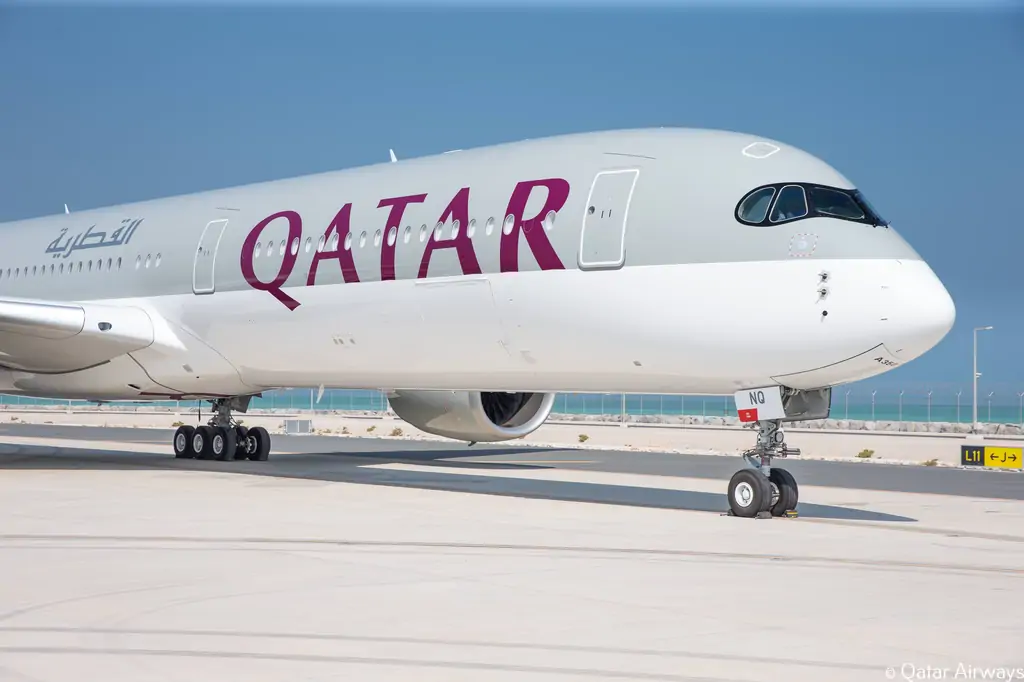
Qatar Airways is on the verge of finalizing a significant order for up to 200 widebody jets, split between industry giants Boeing and Airbus. This potential deal, reported by Bloomberg News, marks a crucial step for the Middle Eastern carrier as it aims to bolster its fleet amidst rising global travel demand. The decision, which could be announced at the Farnborough Air Show in Britain next month, is highly anticipated by industry watchers.
The Contenders: Airbus A350 vs. Boeing 777X
Airbus A350: Innovation and Efficiency

The Airbus A350 is renowned for its advanced aerodynamics, lightweight materials, and fuel-efficient Rolls-Royce engines. Designed for long-haul flights, the A350 family offers a spacious cabin, lower operational costs, and a reduced environmental footprint. These attributes make it an attractive option for airlines looking to enhance passenger comfort while keeping expenses in check.
Boeing 777X: Next-Gen Performance

Boeing's 777X series represents the latest evolution in the company's widebody lineup. With its composite wings, foldable wingtips, and GE9X engines, the 777X promises superior fuel efficiency and extended range. The aircraft's larger capacity and innovative features, such as larger windows and higher ceilings, are designed to provide an exceptional passenger experience.
Qatar Airways’ Strategic Considerations
Fleet Renewal and Expansion
Qatar Airways' potential order reflects its strategic vision to renew its aging fleet and expand its international reach. As the airline industry recovers from the pandemic, carriers are investing in modern, fuel-efficient aircraft to reduce operating costs and meet the growing demand for air travel. By opting for both Airbus and Boeing models, Qatar Airways can diversify its fleet and leverage the strengths of each manufacturer.
Environmental Impact and Sustainability
In an era where sustainability is becoming increasingly important, Qatar Airways is likely considering the environmental impact of its new aircraft. Both the A350 and 777X are designed with eco-friendly features, but the choice will hinge on which model offers the best balance of efficiency, performance, and environmental benefits.
The Industry Implications
Competitive Edge in the Middle East
Securing a large order from Qatar Airways would be a significant win for either Airbus or Boeing, reinforcing their positions in the competitive Middle Eastern market. This region, known for its rapid aviation growth, is a battleground for aircraft manufacturers vying for lucrative deals with major carriers like Qatar Airways, Emirates, and Etihad.
Global Supply Chain and Production
A deal of this magnitude will also have ripple effects across the global supply chain. It will boost production lines, create jobs, and drive economic activity in regions where Airbus and Boeing manufacture their aircraft. Moreover, it could influence the strategies of other airlines contemplating similar fleet upgrades.
Conclusion: The Countdown to Farnborough
As the Farnborough Air Show approaches, the aviation industry is buzzing with speculation about Qatar Airways' impending decision. Whether the carrier opts for Airbus, Boeing, or a combination of both, the order will mark a pivotal moment in its journey towards fleet modernization and environmental sustainability. Stay tuned for updates from Farnborough, where the future of Qatar Airways' fleet will soon be unveiled.
With Inputs from Reuters
Comment