

India is flying high—literally. With one of the fastest-growing aviation sectors globally, its skies are crowded with planes, yet most of them are borrowed. Nearly 80% of India’s commercial aircraft are leased from overseas. But as demand skyrockets and airlines expand, questions arise: Is India doing enough to manage its leased fleet wisely?
Jaideep Mirchandani, Group Chairman of Sky One, offers a blunt reality check: India needs to up its game—urgently.
The Rise of Operating Leases in India: Flexibility First
Gone are the days when airlines raced to own aircraft. Today, operating leases have taken centre stage, especially in India, where they offer:
- Lower upfront investment
- Financial flexibility
- Easier fleet renewal
These leases allow airlines to quickly adopt modern, fuel-efficient aircraft, which aligns perfectly with the sector’s dual goals: lowering operational costs and reducing carbon emissions.
The Regional Shift: Small Jets, Big Potential
Another significant shift is visible: a move toward narrow-body and regional jets, perfect for India’s short-haul and domestic sectors. This strategic change ensures:
- Better connectivity between Tier-2 & Tier-3 cities
- Higher frequency on busy routes
- Improved route economics
Legal Boost: Protection of Interests Act and the Cape Town Convention
One of the biggest recent wins for India’s leasing ecosystem is the Protection of Interests Act. It’s a game-changer that improves:
- Compliance with the Cape Town Convention
- Legal predictability for lessors
- Global investor confidence
According to Mr Mirchandani, this law could lower leasing costs, bringing India closer to global standards in aircraft leasing.
What Do Lessors Really Want?
Before they even consider a lease deal, international lessors will check for:
- Airline’s ability to pay
- Creditworthiness
- Fleet age and maintenance record
- Existing partnerships with MROs
- India’s political, economic, and regulatory stability
Any red flags here? Lease denied.
Lessee’s Checklist: Don’t Just Lease—Manage Smartly
Indian carriers must step up their internal systems. Mr. Mirchandani stresses a strong operational risk management plan that includes:
- Maintenance based on manufacturer’s guidelines
- Timely engine inspections, routine checks, and repairs
- Adherence to lease agreement terms and regulatory mandates
Why? Because passenger safety, reliability, and reputation are at stake.
India’s Next Move: Adopt Best Practices, Build Systems
To evolve from a reactive to a proactive leasing market, Indian airlines need:
- Comprehensive lease management systems
- Data-driven tools for risk forecasting
- Standardized fleet maintenance protocols
- Training for legal and engineering teams in lease-related compliance
Only then can India emerge not just as a growing market, but a trusted, mature leasing destination.
Final Thoughts: India Must Think Like a Lessor
As Mirchandani rightly puts it, India is a lessee’s market, but if it doesn’t evolve its strategies and systems, it risks losing favor with global lessors—especially at a time when aircraft demand is surging and supply chains are tight.
Better leasing = safer skies = cheaper fares = happier flyers. It’s time to fly smart.
TL; DR: What You Need to Know (and Do)
- 80% of Indian aircraft are leased — leasing isn’t optional, it’s critical.
- Operating leases dominate due to cost efficiency and flexibility.
- India’s leasing policy reforms (like the Protection of Interests Act) are attracting global attention.
- Lessors check everything — from airline credit scores to India’s legal environment.
- Airlines must manage leases better, with strict maintenance, documentation, and compliance.
- To grow sustainably, India must adopt global best practices in aircraft lease management.
- No shortcuts — smart leasing is as important as safe flying.
Want India’s aviation dreams to take off smoothly?
Lease smart. Fly safer. Think long-term.

Read next

Mumbai, July 21, 2025 - An Air India Airbus A320neo aircraft experienced a runway excursion while landing at Chhatrapati Shivaji Maharaj International Airport (CSMIA) in Mumbai during intense monsoon rainfall on Monday morning, causing temporary runway closure and aircraft damage.
Incident Details
Flight AI2744, operating from Kochi International Airport to Mumbai, encountered the incident at approximately 9:27 AM local time during landing on Runway 27. The aircraft, carrying passengers and crew on a routine domestic service, veered off the paved runway surface onto a grassy area due to adverse weather conditions.
The incident occurred during heavy monsoon downpours that had made the runway surface extremely wet and slippery. Weather conditions at the time included intense rainfall and crosswinds, creating hazardous landing conditions that contributed to what aviation experts describe as aquaplaning or hydroplaning - a phenomenon where water buildup prevents proper tire contact with the runway surface.
Safety Response and Passenger Welfare
All passengers and crew members aboard the flight safely disembarked after the aircraft taxied to the gate following the excursion. Air India confirmed in an official statement that no injuries were reported among those on board. The airline's emergency response protocols were immediately activated, ensuring passenger safety remained the top priority.
CSMIA's emergency response teams were quickly deployed to manage the situation and secure the affected area. The swift response helped prevent any escalation of the incident and ensured normal airport operations could resume with minimal disruption.
Aircraft and Infrastructure Damage
The runway excursion resulted in damage to both the aircraft and airport infrastructure. The Air India A320neo sustained damage to the underside of one of its engines, with visible cracks observed in the outer engine casing. Television footage from local news outlets showed the extent of the engine damage, highlighting the severity of the excursion.
Reports indicate that three tires on the aircraft burst during the incident, further emphasizing the challenging conditions during landing. The aircraft has been grounded for comprehensive technical inspections and repairs before it can return to service.

Operational Impact
The incident caused brief disruption to Mumbai airport operations, one of India's busiest aviation hubs. Airport authorities quickly shifted operations to the secondary runway while conducting damage assessment and initiating repairs to the primary runway. This contingency planning helped minimize delays and maintain flight schedules during the peak monsoon travel period.
Mumbai airport officials worked efficiently to restore normal operations, demonstrating the airport's preparedness for handling such incidents during the challenging monsoon season when weather-related disruptions are more common.
Weather-Related Aviation Challenges
The incident highlights the ongoing challenges faced by aviation operations during India's monsoon season. Heavy rainfall creates hazardous landing conditions, with wet runways significantly increasing the risk of runway excursions and other weather-related incidents.
Aquaplaning, the primary factor in this incident, occurs when a layer of water builds up between aircraft tires and the runway surface, reducing friction and making it difficult for pilots to maintain directional control during landing and rollout. This phenomenon is particularly dangerous during heavy rainfall when runway drainage systems may be overwhelmed.
Investigation and Follow-up
Air India has grounded the affected aircraft for thorough technical inspections to assess all damage and ensure airworthiness before return to service. The airline is cooperating fully with airport authorities and aviation regulators in documenting the incident and implementing any necessary corrective measures.
While no formal investigation has been announced, such incidents typically undergo review by aviation safety authorities to identify contributing factors and prevent future occurrences. The lessons learned from this incident will likely inform safety protocols and procedures during monsoon operations.

Industry Context
This incident serves as a reminder of the operational challenges faced by airlines during India's monsoon season, when airports across the country deal with increased weather-related disruptions. Mumbai, being a coastal city, is particularly susceptible to heavy monsoon rainfall that can create difficult operating conditions for aviation.
The professional handling of this incident by both Air India crew and Mumbai airport emergency response teams demonstrates the effectiveness of established safety protocols and emergency procedures in ensuring passenger safety during adverse weather operations.
This incident occurred on July 21, 2025, and all passengers and crew members were safely evacuated with no reported injuries. The aircraft remains grounded pending technical inspections and repairs.
Read next
IndiGo Expands Network: Direct Flights from Hindon Airport to Eight Major Indian Cities

Pragya Chauhan
20 Jul 2025

Major Aviation Milestone for Delhi-NCR Region
IndiGo, India's largest domestic carrier, commenced operations from Hindon Airport on July 20, 2025, launching direct flights to eight major Indian cities. This strategic expansion marks a significant development in enhancing air connectivity from the National Capital Region (NCR), providing passengers with an alternative aviation gateway beyond Delhi's Indira Gandhi International Airport.
Strategic Route Network: Connecting Four Metros and Four Other Key Cities
Major Metropolitan Connections
The new flight network connects Hindon to four major metropolitan cities: Mumbai, Bengaluru, Chennai, and Kolkata. These routes represent some of India's most crucial business and economic corridors, facilitating seamless connectivity for both corporate travelers and leisure passengers from the Delhi-NCR region.
Mumbai, India's financial capital, now enjoys direct connectivity with the NCR's eastern corridor through Hindon. Similarly, Bengaluru, the country's IT hub, becomes more accessible to passengers from Ghaziabad and surrounding areas. Chennai and Kolkata, representing the southern and eastern economic centers respectively, complete the metropolitan connectivity matrix.
Additional Tier-II City Connections
Beyond the four metros, IndiGo has also introduced flights to four other significant cities: Ahmedabad, Indore, Patna, and Varanasi. These destinations cater to diverse travel needs, from business connections to religious tourism and regional commerce.
Ahmedabad serves as Gujarat's commercial center, while Indore represents Madhya Pradesh's business hub. Patna connects passengers to Bihar's capital and administrative center, and Varanasi opens access to one of India's most important religious and cultural destinations.
Operational Framework and Flight Frequency
Comprehensive Weekly Schedule
IndiGo will operate 63 weekly flights across these eight routes, with most destinations receiving daily services. This extensive schedule ensures consistent connectivity options for passengers throughout the week, accommodating various travel preferences and business requirements.
Premium Route Coverage
Bengaluru receives the most comprehensive coverage with two daily departures, reflecting the high demand on this route. This dual-frequency service caters to the significant business traffic between the NCR region and India's Silicon Valley.
Chennai operates with six flights per week, running all days except one, providing near-daily connectivity to Tamil Nadu's capital and major industrial center.
Strategic Significance for IndiGo's Network
Expanding Domestic Footprint
Hindon Airport represents IndiGo's 93rd domestic station and 136th overall destination in its network. This expansion demonstrates the airline's commitment to deepening its presence in India's domestic aviation market and providing passengers with more convenient travel options.
Second NCR Airport Hub
Hindon becomes IndiGo's second airport operation in the National Capital Region, complementing its existing services from Delhi's main international airport. This dual-airport strategy allows the carrier to serve different passenger segments and reduce congestion pressure on the primary Delhi hub

Benefits for Passengers and Regional Development
Enhanced Accessibility
The new services significantly benefit passengers residing in Ghaziabad, eastern Delhi, and western Uttar Pradesh, who previously had to travel to Delhi's main airport for domestic connections. Hindon's location offers a more convenient alternative, potentially reducing travel time and associated costs for regional passengers.
Economic Impact
IndiGo's network expansion is strategically positioned to attract both business and leisure travelers from the Delhi-NCR region. This development is expected to boost regional economic activity, enhance business connectivity, and support the growth of Hindon Airport as a viable aviation hub.
Future Implications for Aviation Industry
Decentralization of Air Traffic
The launch of comprehensive services from Hindon represents a broader trend toward decentralizing air traffic from major metropolitan airports. This approach helps distribute passenger loads more efficiently and provides airlines with opportunities to capture underserved markets.
Regional Connectivity Enhancement
IndiGo's Hindon operations contribute to the government's regional connectivity initiatives, making air travel more accessible to passengers from smaller cities and towns in the NCR periphery. This democratization of aviation services aligns with national objectives to improve regional air connectivity.
Bottom Line
IndiGo's expansion to Hindon Airport with routes to eight major cities represents a strategic move to provide travelers with enhanced connectivity and more convenient travel options. The comprehensive network covering four major metros and four important tier-II cities positions Hindon as a significant aviation gateway for the eastern NCR region. This development not only strengthens IndiGo's domestic network but also contributes to the overall growth of India's aviation sector by improving regional accessibility and reducing congestion at primary airports.
Read next

Overview
Date & Flight: On 24 July 2024, a Bombardier CRJ200LR (registration 9N AME) operated by Saurya Airlines crashed shortly after takeoff from Tribhuvan International Airport, Kathmandu, during a ferry flight to Pokhara for scheduled maintenance. Of 19 people aboard (17 passengers, including technical staff, 2 crew), 18 died; only the captain survived.
Investigation and Analysis
Flight Recorders
Both the Flight Data Recorder (FDR) and Cockpit Voice Recorder (CVR) were recovered and analyzed in Singapore under the oversight of Nepal's Aircraft Accident Investigation Commission (AAIC), alongside experts from Canada and the U.S. National Transportation Safety Board.
Preliminary Findings (September 2024)
The report noted an excessive pitch rate of approximately 8.6°/second during rotation—nearly triple the safe limit (~3°/s).
Within seconds of liftoff, the aircraft exhibited erratic roll movements: briefly right-wing down, then left, then right again and finally impacted the ground with its right wing. Stick-shaker warnings activated multiple times.
The airline had failed to comply with proper loading procedures, including weighing and securing baggage and cargo. Weight-and-balance standards were disregarded.
Final Report (Released 14 July 2025)
The Aircraft Accident Investigation Commission attributed the crash to the crew applying pitch control inputs too early and at too low a speed (before reaching proper rotation speed), causing a deep aerodynamic stall immediately after takeoff.
Investigators confirmed the crew used incorrect V-speeds (decision speed V1; rotation speed VR) derived from a faulty speed record card, which had duplicated values and did not correspond to the actual takeoff weight (~18,137 kg instead of 18,500 kg). Specifically, takeoff speeds of V1 = 114 kt and VR = 118 kt were used, whereas correct values should have been V1 117–118 kt and VR 122–123 kt depending on the weight.
The commission also identified serious lapses in cargo and baggage handling, including unsecured baggage that may have shifted during rotation, exacerbating control issues.
Regulatory Oversight Issues
The AAIC called out regulatory shortcomings, noting that the Civil Aviation Authority of Nepal (CAAN) granted approval for the non?scheduled ferry flight without verifying full compliance with documentation requirements.

Safety Recommendations
The final report issued recommendations directed at both the airline and regulator:
All Nepali carriers must review and correct speed record cards and RTOW (reduced takeoff weight) tables to ensure accuracy.
Strict compliance with cargo and baggage policies is mandatory: all items must be weighed, properly distributed, and secured according to standard handling procedures.
The CAAN must reform its non?scheduled and ferry flight approval processes, ensuring complete documentation and oversight before granting permission.
Key Findings Summary
| Factor | Details |
|---|---|
| Incorrect V speeds | Crew used speeds for wrong weight (17,500 kg instead of real ~18,137 kg); speed card duplicated wrong entries. |
| Excessive pitch rate | Approximately 8.6°/s—far above safe limit—triggering aerodynamic stall. |
| Cargo negligence | Weight and balance procedures ignored; baggage possibly unsecured and shifted. |
| Regulatory lapse | CAAN granted ferry flight permission without ensuring procedural compliance. |
Conclusion
The final AAIC report, released 0n 19th July 2025, concludes that the Saurya Airlines CRJ200 crash resulted from a combination of faulty documentation, operational negligence, and regulatory oversight failures. Using incorrect V speeds, combined with an abnormal pitch rate below proper rotation speed led to aerodynamic stall immediately after takeoff. The airline’s poor handling of cargo, and CAAN’s inadequate checks on non-scheduled flight permissions, were also critical factors in this tragic accident.
Saurya Airlines has committed to implementing the AAIC’s recommendations. Aviation authorities and operators have been urged to enforce stricter compliance and review internal procedures to prevent recurrence.
Read next
Understanding FAA Part 107 Regulations on Small Unmanned Aircraft Systems

Editorial Team
19 Jul 2025
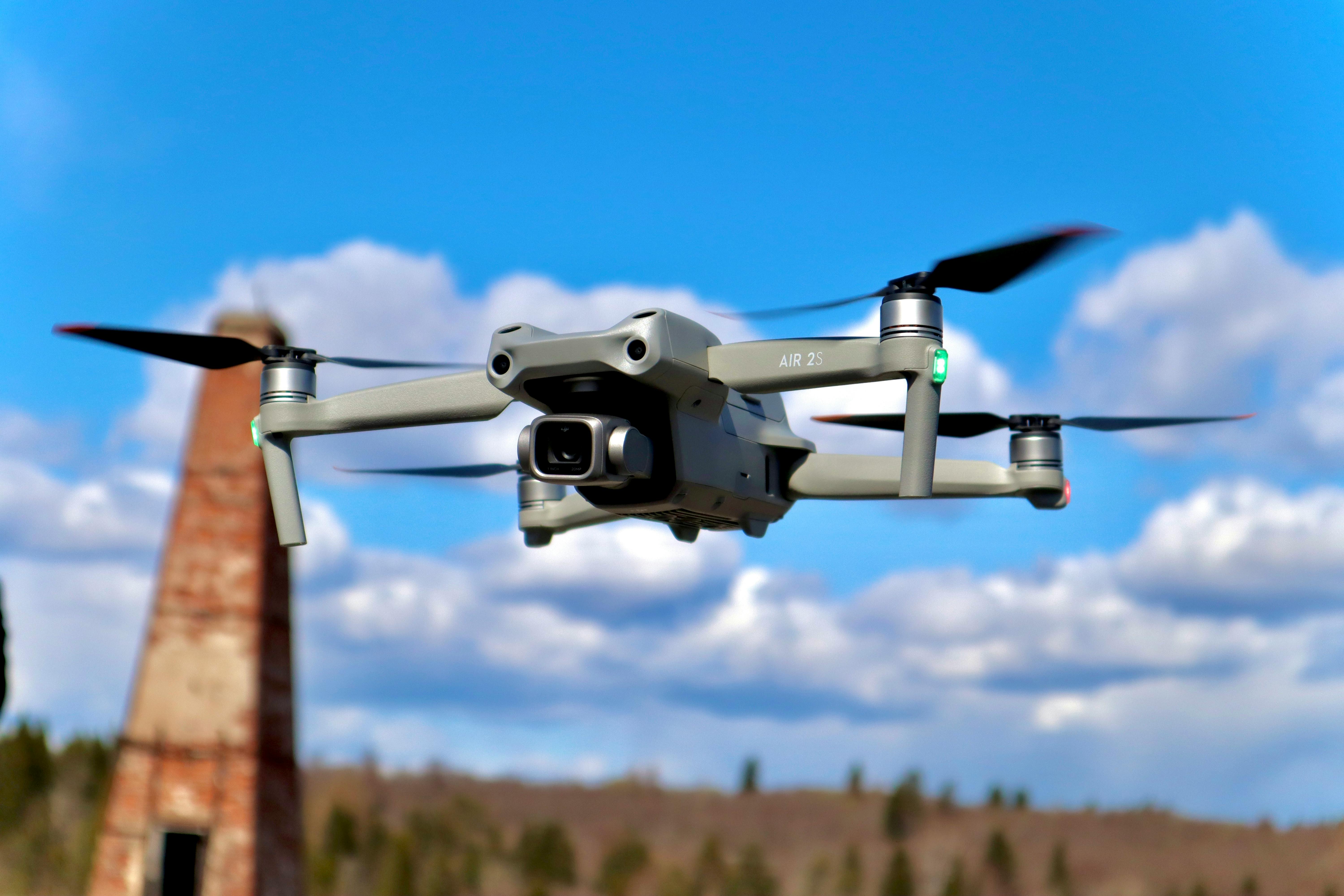
The skies above America have become increasingly crowded with small unmanned aircraft systems, commonly known as drones. As these versatile machines proliferate across commercial, recreational, and educational sectors, ensuring their safe integration into the national airspace has become a critical priority. The Federal Aviation Administration's Part 107 regulations serve as the cornerstone framework governing small drone operations, establishing essential guidelines that protect both aerial traffic and ground-based communities. Recent research findings, however, suggest that compliance challenges persist, highlighting the ongoing importance of understanding and adhering to these vital safety protocols.
Overview
The Part 107 regulations, formally titled "Small Unmanned Aircraft Systems," represent the FAA's comprehensive approach to managing drone operations within the United States airspace. These rules apply to the registration, certification, and operation of civil small unmanned aircraft systems weighing less than 55 pounds, including all attached equipment and payload.
Key Definitions and Scope
Under Part 107, several critical terms define the regulatory landscape:
- Small unmanned aircraft refers to any unmanned aircraft weighing less than 55 pounds at takeoff
- Small unmanned aircraft system (small UAS) encompasses the aircraft itself, plus all associated elements, including communication links and control components
- The remote pilot in command is the individual responsible for the safe operation of the drone
- A visual observer serves as an additional set of eyes to assist the remote pilot
The regulations specifically exclude air carrier operations, aircraft subject to other federal statutes, and operations conducted under special exemptions or Part 91 regulations with airworthiness certificates.

Remote Pilot Certification Requirements
Eligibility and Prerequisites
To legally operate a small UAS for commercial purposes, individuals must obtain a remote pilot certificate with a small UAS rating. The eligibility requirements include:
- Minimum age of 16 years
- English language proficiency in reading, speaking, writing, and understanding
- Physical and mental fitness with no conditions that would interfere with safe operation
- Aeronautical knowledge demonstration through either passing an initial knowledge test or completing approved training
Knowledge Areas and Testing
The aeronautical knowledge test covers 13 essential areas:
- Applicable regulations and operational limitations
- Airspace classification and operating requirements
- Aviation weather sources and effects
- Aircraft loading considerations
- Emergency procedures
- Crew resource management
- Radio communication protocols
- Performance determination
- Effects of drugs and alcohol
- Aeronautical decision-making
- Airport operations
- Maintenance and inspection procedures
- Night operations
Recency Requirements
Remote pilots must maintain current knowledge by accomplishing one of the following within 24 calendar months:
Passing a recurrent aeronautical knowledge test
Completing recurrent training
For licensed pilots, completing training while maintaining flight review currency

Operational Rules and Limitations
Flight Altitude Restrictions
Part 107 establishes a maximum altitude of 400 feet above ground level for drone operations. However, exceptions allow flights up to 400 feet above structures when operating within a 400-foot radius of those structures. This limitation aims to maintain separation from manned aircraft operating in higher altitudes.
Speed and Visibility Requirements
Operational limitations include:
- Maximum ground speed of 87 knots (100 mph)
- Minimum flight visibility of 3 statute miles
- Cloud clearance requirements of 500 feet below and 2,000 feet horizontally from clouds
Visual Line of Sight Operations
Remote pilots must maintain unaided visual contact with their aircraft throughout the entire flight (corrective lenses are permitted). This requirement ensures operators can:
- Monitor aircraft location and orientation
- Observe the surrounding airspace for traffic and hazards
- Determine that the aircraft poses no danger to people or property
- Maintain situational awareness for safe operations
Airspace Authorisation Requirements
Drone operations in controlled airspace require prior authorisation:
- Class B, C, and D airspace requires Air Traffic Control approval
- Surface areas of Class E airspace designated for airports require authorisation
- Operations must not interfere with airport traffic patterns
- Prohibited and restricted areas require permission from the controlling agencies

Operations Over Human Beings
Part 107 establishes four categories for operations over people, each with specific requirements:
Category 1 Operations
- Aircraft must weigh 0.55 pounds or less
- No exposed rotating parts that could cause lacerations
- No sustained flight over open-air assemblies without additional requirements
Category 2 Operations
- Aircraft must not cause injury equivalent to 11 foot-pounds of kinetic energy transfer
- Requires FAA-accepted declaration of compliance
- Must display appropriate labelling
- Includes manufacturer support and notification requirements
Category 3 Operations
- Aircraft must not exceed 25 foot-pounds of kinetic energy transfer potential
- Similar compliance and labelling requirements as Category 2
- Prohibited over open-air assemblies
- Limited operations over people with specific restrictions
Category 4 Operations
- Requires an airworthiness certificate under Part 21
- Must comply with approved flight manual limitations
- Extensive maintenance and record-keeping requirements
- Highest level of operational capability
Night Operations and Equipment Requirements
Lighting Requirements
Night operations demand specific equipment:
- Anti-collision lighting is visible for at least 3 statute miles
- Sufficient flash rate to avoid collisions
- Remote pilots may reduce but not extinguish lighting when safety requires
Training Requirements
Night operations require remote pilots to have completed initial knowledge testing or training after April 6, 2021, ensuring familiarity with night-specific challenges and procedures.
Safety Reporting and Compliance
Incident Reporting
Remote pilots must report safety events within 10 calendar days involving:
- Serious injury or loss of consciousness
- Property damage exceeding $500 (repair costs or fair market value)
Inspection and Documentation Requirements
Operators must:
- Carry remote pilot certificates during operations
- Present certificates to authorised officials upon request
- Make records available for FAA inspection
- Allow testing and inspection of aircraft and crew

Recent Safety Concerns: Altitude Violations Study
Research Findings
A recent FAA-funded study conducted by Embry-Riddle Aeronautical University has revealed concerning trends in drone operations. Analysing 6,037 flights with altitude data, researchers discovered significant violations of altitude restrictions:
- 573 flights reached between 400 and 500 feet
- 781 flights exceeded 500 feet
- Drones operated in manned aircraft airspace for approximately 10% of observed flight time
Risk Areas and Implications
The study identified particular risks near airports and heliports:
- Small UAS detected within 0.5 nautical miles of heliports
- Many heliports lack representation on aeronautical charts
- Urban heliports often remain hidden within metropolitan areas
Regulatory Implications
These findings suggest the need for enhanced education, enforcement, and possibly updated regulations as drone operations continue expanding, particularly for beyond-visual-line-of-sight operations and commercial applications.
Waiver Provisions and Exceptions
Available Waivers
The FAA may issue certificates of waiver for deviations from specific regulations, including:
- Operations from moving vehicles (with restrictions)
- Visual line of sight requirements (with limitations)
- Altitude limitations
- Operations over people
- Multiple aircraft operations
Waiver Requirements
Waiver requests must include:
- Complete operational descriptions
- Safety justifications
- Demonstration of equivalent safety levels
- Compliance with any additional FAA-imposed limitations
Future Considerations and Compliance
Evolving Technology
As drone technology advances, Part 107 regulations continue evolving to address:
- Remote identification requirements
- Advanced air mobility integration
- Autonomous flight capabilities
- Urban air mobility operations
Industry Impact
The regulations significantly impact various industries:
- Real estate and construction benefit from aerial imaging capabilities
- Agriculture utilises drones for crop monitoring and treatment
- Emergency services employ drones for search and rescue operations
- Infrastructure inspection relies on drone accessibility and safety

Conclusion
The Part 107 regulations represent a comprehensive framework designed to safely integrate small unmanned aircraft systems into the national airspace while protecting public safety and enabling beneficial drone operations. Key requirements include obtaining proper certification, maintaining operational limitations such as the 400-foot altitude ceiling and visual line-of-sight requirements, and adhering to specific protocols for operations over people and in controlled airspace. Recent research highlighting altitude violations underscores the critical importance of compliance and education within the drone community.
As the industry continues expanding with new technologies and applications, understanding and following these regulations becomes increasingly vital for maintaining safety and advancing the beneficial uses of drone technology. Remote pilots must remain current with requirements, maintain proper documentation, and prioritise safety in all operations to ensure the continued growth and acceptance of small UAS operations in American airspace.
Read next

The landscape of modern warfare is undergoing a fundamental transformation, with Unmanned Aerial Vehicles (UAVs) emerging as the defining technology of contemporary combat operations. Recognising this shift, the United States military has undertaken an ambitious campaign to significantly enhance its drone capabilities through comprehensive policy reforms and strategic initiatives.
Breaking Down Bureaucratic Barriers
Defence Secretary Pete Hegseth has introduced groundbreaking changes designed to streamline drone acquisition processes and eliminate the red tape that has historically slowed military innovation. These reforms represent a significant departure from traditional procurement methods, empowering field commanders with unprecedented authority to acquire the tools they need for modern combat scenarios.
The new framework grants tactical-level commanders, specifically those holding colonel rank or its naval equivalent, the ability to directly purchase unmanned systems for their units. This decentralised approach marks a revolutionary shift from the centralised procurement processes that have dominated military acquisitions for decades. Brigade commanders in the Army, regiment leaders in the Marine Corps, and wing commanders in the Air Force now possess the autonomy to identify, evaluate, and procure drone technologies that best serve their operational requirements.

Expanding the Industrial Base
A crucial component of this transformation involves significantly broadening the roster of approved drone manufacturers. The Pentagon's initiative aims to incorporate hundreds of American-made systems into its approved inventory, fostering competition and innovation within the domestic drone manufacturing sector. This expansion represents more than just increasing options; it constitutes a strategic investment in American industrial capabilities and technological sovereignty.
The restructuring includes transferring oversight of the military's drone approval system from the Defence Innovation Unit to the Defence Contract Management Agency. This organisational change addresses previous bottlenecks that prevented newer platforms from receiving timely evaluations, ensuring that cutting-edge technologies can reach frontline units more rapidly.
Learning from Global Conflicts
The urgency behind these reforms becomes clear when examining recent combat experiences, particularly the ongoing conflict in Ukraine. Ukrainian forces have demonstrated the transformative power of unmanned systems, with tactical drones accounting for an estimated 60-70% of all Russian battlefield casualties. This remarkable effectiveness has fundamentally altered military thinking about the role of unmanned systems in modern warfare.
Ukraine's approach to drone warfare offers valuable lessons for American military planners. The country's domestic production capabilities have grown exponentially, from manufacturing 600,000 units in 2023 to an impressive 2.2 million in 2024. Perhaps most significantly, 96% of all drones deployed by Ukrainian forces in 2024 were domestically produced rather than imported, demonstrating the strategic importance of indigenous manufacturing capabilities.
Strategic Priorities and Timeline
The Pentagon's initiative establishes clear priorities and ambitious timelines for implementation. Every ground combat squad is expected to receive low-cost, expendable drones by the end of 2026, with particular emphasis on units assigned to the Indo-Pacific theatre. This geographic focus reflects broader strategic considerations regarding potential future conflicts and the unique operational challenges of the Pacific region.
One-way attack drones have been specifically identified as priority weapon systems, recognising their proven effectiveness in contemporary combat operations. These expendable platforms offer commanders cost-effective solutions for precision strikes while minimising risk to personnel and expensive assets.
Addressing Capability Gaps
The comprehensive nature of these reforms acknowledges significant shortfalls in current American drone capabilities. While adversaries collectively produce millions of inexpensive drones annually, the United States has struggled to match this production capacity. The initiative directly addresses this disparity by simultaneously expanding manufacturing capacity and streamlining acquisition processes.
The emphasis on small unmanned aerial systems reflects their unique advantages in modern combat: affordability, expendability, and tactical flexibility. These characteristics make them particularly valuable for sustained operations where traditional, more expensive systems might prove prohibitively costly to employ at scale.
Looking Forward
This transformation represents more than just technological advancement; it embodies a fundamental shift in military philosophy toward more agile, responsive procurement processes. By empowering field commanders with direct acquisition authority and expanding the industrial base, the Pentagon is positioning itself to better adapt to rapidly evolving battlefield requirements.
The success of these initiatives will likely depend on effective implementation and the ability to maintain quality while scaling production. As the military moves forward with these ambitious plans, the integration of unmanned systems into American military doctrine will undoubtedly continue evolving, potentially reshaping the nature of future conflicts and America's approach to national defence.
The drone revolution in military affairs has arrived, and the United States is positioning itself to lead this transformation through innovative policies, expanded manufacturing capabilities, and empowered field commanders ready to embrace the future of warfare.
Comment