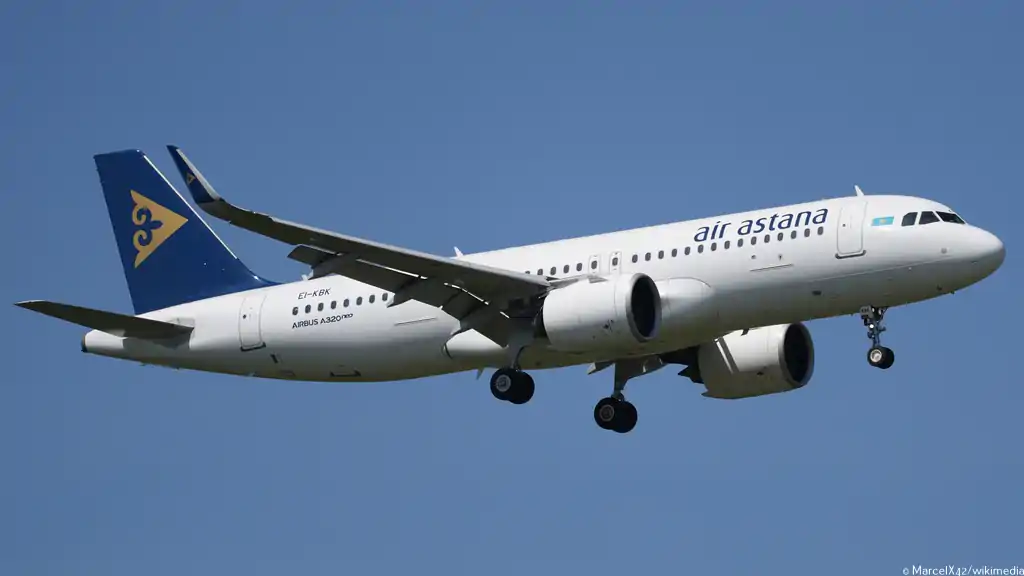
Air Astana, Kazakhstan's flagship airline, has unveiled its plans for a dual listing on the London Stock Exchange (LSE) and its home market, marking a significant move to revitalize London's struggling Initial Public Offering (IPO) market. The company aims to raise $300 million through the offering, with $120 million contributing to its capital. The joint stock exchange listings are expected to provide a market valuation ranging between $770 million and $962 million, positioning Air Astana as an attractive investment opportunity.
Bookrunners Confirm Strong Interest
Bookrunners on the deal confirmed on Monday evening that the books for the offering had been covered, signaling strong interest from investors. This positive response underscores the potential attractiveness of Air Astana's IPO, a sentiment echoed by CEO Peter Foster, who emphasized the company's status as one of the fast-growing airline groups.
Strategic Stake Reductions
The dual listing will facilitate strategic stake reductions for Kazakhstan's sovereign wealth fund and British defense giant BAE Systems, allowing them to divest from the airline. The move aligns with broader trends of sovereign wealth funds optimizing their portfolios and companies adjusting their holdings in response to market dynamics.
Benefiting from Geopolitical Developments
Air Astana's decision to go public comes against the backdrop of geopolitical developments, particularly the closure of Russian airspace. Central Asian airlines, including Air Astana, have capitalized on this situation, experiencing an uptick in passenger numbers and revenues. The airline's robust performance in 2022, with 7 million passengers carried and an operating profit of $149 million, adds to its appeal as an investment proposition.
Offering Details and Valuation
The offering encompasses a mix of new and existing shares, with a price range set between $8.50 to $11.00 per depository receipt and $2.13 to $2.75 per share. The final price will be determined through a bookbuilding process, with the announcement expected around February 9. Trading is scheduled to commence on February 14 in London and February 15 in Kazakhstan.
BAE's Windfall and London's IPO Challenges
For BAE Systems, the IPO represents a potential windfall, depending on the extent of its stake sale. London's IPO market has faced challenges in recent years, attributed to factors such as Brexit and the preference of some companies to list in the United States. Air Astana's decision to list on the LSE is a positive development for London's financial landscape, potentially signaling a turnaround in the IPO market's fortunes.
Conclusion
Air Astana's dual listing is poised to inject vitality into London's IPO market, offering investors an opportunity to engage with a dynamic and growing airline group. The strategic reduction of stakes by Kazakhstan's sovereign wealth fund and BAE Systems adds an additional layer of significance to the listing. As the company moves forward with its IPO plans, the aviation industry, investors, and market analysts will closely watch the developments, anticipating the impact on Air Astana's valuation and London's broader IPO environment.
With Inputs from Reuters

Read next
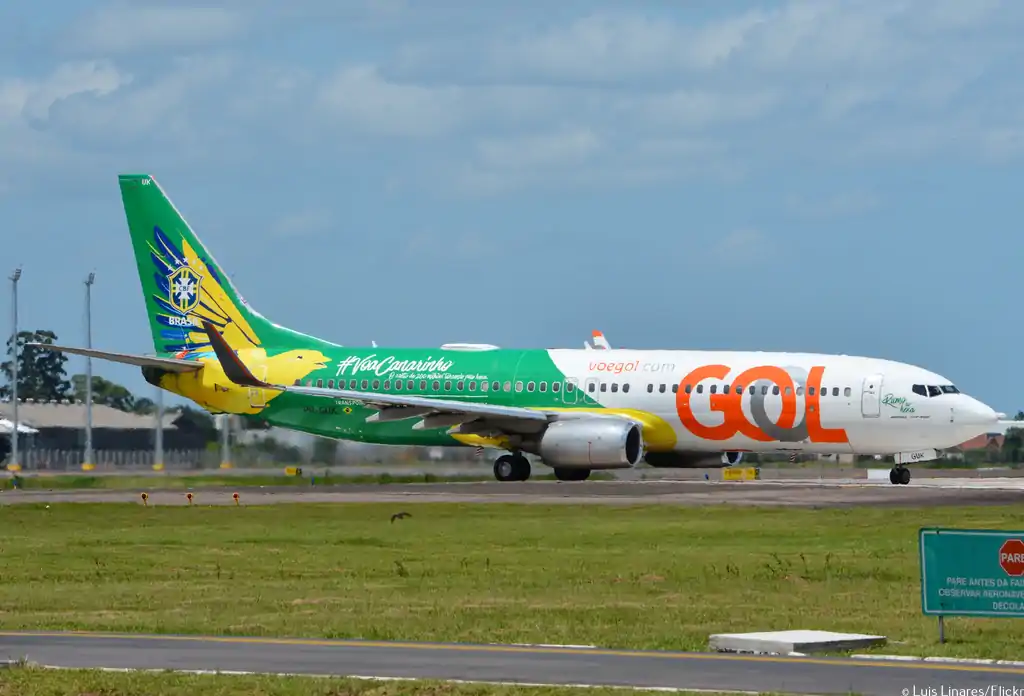
In a recent development, U.S. bankruptcy judge Martin Glenn has granted approval for Brazilian airline Gol to borrow the first $350 million of its proposed $950 million bankruptcy financing. The decision comes as Gol faces operational challenges, and the initial funding is deemed "desperately" necessary to maintain normal operations, according to Gol attorney Andrew Leblanc.
Concerns Over Financing Costs
While the approval for the initial funding has been granted, Judge Glenn expressed reservations about the high costs associated with the overall $950 million loan. The loan carries an interest rate exceeding 15%, accompanied by additional fees totaling over $235 million. Furthermore, there are potential additional attorneys' fees that could contribute to the overall financial burden.
Operational Imperatives & Market Impact
Leblanc emphasized that the initial funding is crucial for Gol to continue its operations and maintain relationships with aircraft lessors, who own Gol's fleet of 141 Boeing aircraft. Without the funds, lessors could halt maintenance work or seek to reclaim airplanes, posing a significant risk to Gol's operational stability.
The financial uncertainties surrounding Gol have taken a toll on its market value, with the company's Sao Paulo-traded shares plummeting by 33.6% to 3.93 reais – the lowest closing price since December 22, 2016. Gol's shares have fallen nearly 50% since reports emerged earlier this month about the airline considering filing for bankruptcy, bringing its market value to 1.65 billion reais ($333.21 million).
Chapter 11 Protection and Rival Threats
In addition to the financing, Gol plans to leverage the legal protections offered by Chapter 11 bankruptcy to safeguard its leases from external interference. Leblanc revealed that a rival airline has already made efforts to "poach" Gol's aircraft by reaching out to the lessors. This underlines the competitive challenges Gol faces during its restructuring process.

Chapter 11 Filing Details & Latin American Airline Trends
Gol filed for Chapter 11 bankruptcy protection last Thursday, reporting approximately $8 billion in total balance-sheet debt. The company is grappling with $2.7 billion in liabilities set to mature within the next 12 months, including $647 million for future air travel purchased by customers, $359 million owed to aircraft lessors, and $292 million owed to lenders.
Gol's bankruptcy filing aligns with a trend among Latin American airlines seeking bankruptcy protection in the United States. Other carriers, such as LATAM Airlines, Grupo Aeromexico SAB, and Avianca Group International Limited, have recently undergone bankruptcy restructurings, reflecting the broader challenges faced by the industry.
Operational Struggles, Supply-Chain Issues & Ownership Structure
Despite strong post-pandemic demand, Gol has grappled with the lingering impact of the pandemic and supply-chain issues involving Boeing. Challenges include the 2019 grounding of its 737 MAX jet and delays in the delivery of new aircraft intended for fleet expansion in 2023.
Gol is 53% owned by Grupo Abra, which also holds ownership in Colombia-based Avianca, highlighting the interconnectedness of aviation entities in the region.
Conclusion
As Gol navigates the complexities of Chapter 11 bankruptcy proceedings, securing the initial $350 million in financing provides a lifeline for the airline to address immediate operational needs. However, with concerns over the high financing costs and competitive pressures from rivals, Gol faces a challenging path towards financial recovery and maintaining its position in the Brazilian aviation market.
With Inputs from Reuters
Read next
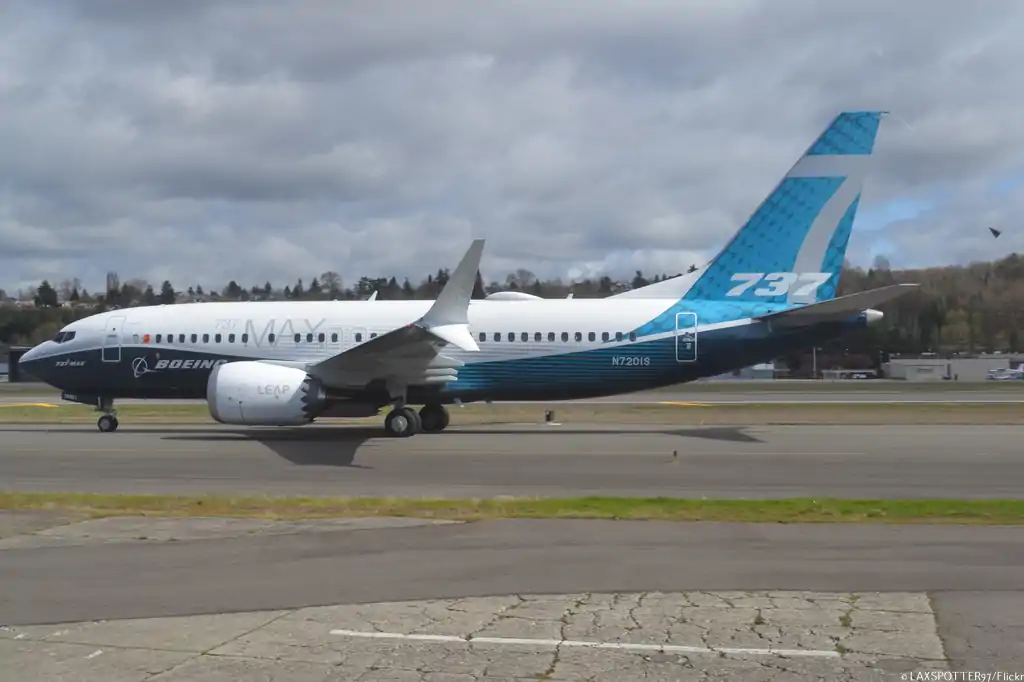
In a significant development, Boeing announced on Monday its decision to withdraw a key safety exemption request, adding a new layer of complexity to the ongoing crisis surrounding its 737 MAX series. The move comes in the wake of a mid-air incident on January 5, prompting lawmakers to pressure the aerospace giant to address safety and quality control concerns. The withdrawal may further delay the certification of the 737 MAX 7 and MAX 10 models, potentially impacting Boeing's market share and production plans
Safety Concerns Prompt Withdrawal
Boeing's CEO, David Calhoun, withdrew the exemption request following meetings on Capitol Hill last week, where lawmakers expressed concerns about safety after the mid-air cabin blowout on a 737 MAX 9 operated by Alaska Airlines. Although no fatalities occurred, the incident raised alarms about safety protocols, leading to calls for Boeing to withdraw the safety exemption petition.
Impact on Certification Timeline
The withdrawal of the safety exemption request throws into doubt the anticipated timeline for certifying the 737 MAX 7 and MAX 10. This decision may compel Boeing to expedite design changes, potentially deviating from its initial plans. The delay in certification could have broader implications for major carriers, including Southwest Airlines and United Airlines, which were eagerly awaiting the integration of the MAX 7 and MAX 10 into their fleets.
Market Competition and Reputational Crisis
Boeing's decision to withdraw the exemption request reflects the severity of the safety and reputational crisis the company is facing. After the resumption of service for the MAX family following two fatal crashes, Boeing had aimed for approval of the MAX 7 and MAX 10 by the end of 2022. The ongoing delays may provide an opportunity for European rival Airbus to gain a larger share of the narrowbody market, potentially eroding Boeing's standing.
Financial Implications and Production Concerns
Boeing's withdrawal of the exemption request precedes its fourth-quarter results, raising questions about the company's financial outlook for 2024 and its operational stability in 2025-26. The uncertainty surrounding the certification of the MAX 7 and MAX 10 models also casts doubt on Boeing's earlier projection of reaching a production rate of 50 jets per month for the 737 series. The FAA's recent decision not to approve further production rate increases further adds to the challenges Boeing faces in maintaining its production targets.
Stakeholder Perspectives
Stakeholders, including U.S. Senator Tammy Duckworth and Dennis Tajer, a spokesperson for the union representing American Airlines pilots, have welcomed Boeing's withdrawal of the exemption request as a positive step. However, questions remain about the ongoing status of the MAX 8 and MAX 9 models, and stakeholders are keenly observing how Boeing and the FAA address existing safety concerns on these aircraft.
Conclusion
Boeing's decision to withdraw the safety exemption request is a pivotal moment in the ongoing crisis surrounding the 737 MAX series. The move reflects the company's acknowledgment of the need to prioritize safety and address concerns raised by lawmakers and industry stakeholders. As Boeing navigates the fallout from the recent incident, the aviation community awaits further developments regarding design changes, certification timelines, and the company's overall strategy for ensuring the safety and reliability of its aircraft.
With Inputs from Reuters
Read next
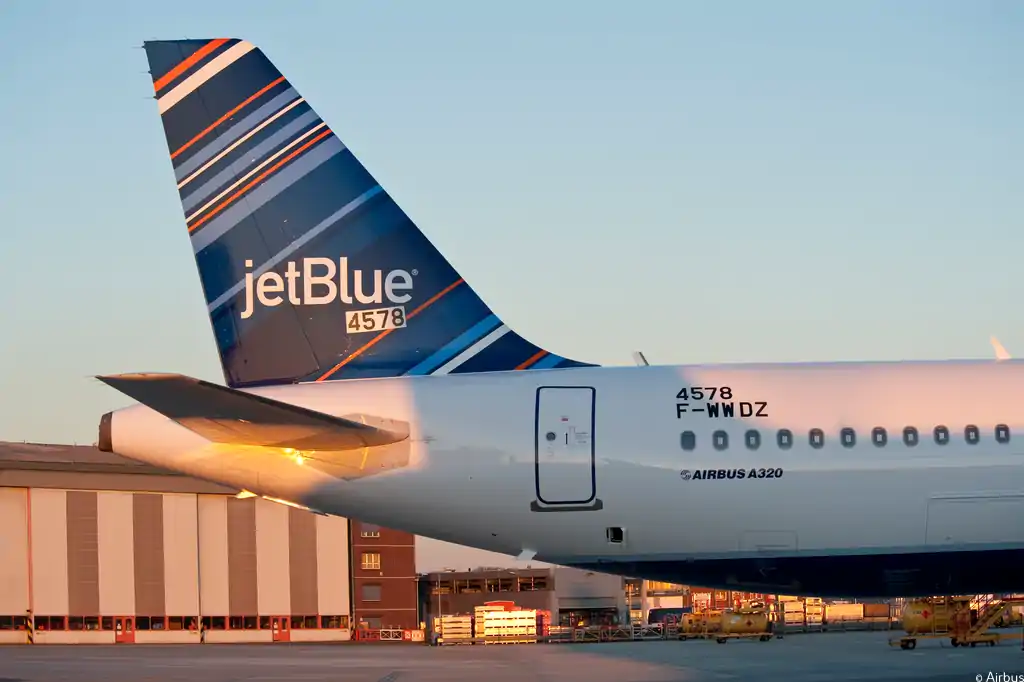
In a recent turn of events, JetBlue Airways faces potential setbacks in its bid to acquire Spirit Airlines, with a federal judge's decision to block the proposed USD3.8 billion deal, citing concerns over competition. Despite both carriers expressing their intent to appeal the ruling just a week ago, JetBlue now warns that it may be compelled to abandon the merger. This development adds complexity to an already competitive landscape within the airline industry.
Background & Federal Judge's Decision
The proposed merger between JetBlue Airways and Spirit Airlines was initially announced in July 2022, signaling a strategic move within the aviation sector. This announcement closely followed Spirit's termination of a similar contract with Frontier Airlines, paving the way for JetBlue to enter the scene after a prolonged bidding war.
The latest obstacle for JetBlue's acquisition plans comes in the form of a federal judge's decision to block the deal. The judge cited concerns related to competition, raising questions about the impact of the merger on market dynamics. This decision puts the future of the USD3.8 billion transaction in jeopardy.
JetBlue's Filing & Spirit Airlines' Response

On January 26, 2024, JetBlue filed a disclosure with the U.S. Securities and Exchange Commission, revealing its concerns about meeting certain closing conditions outlined in the merger agreement. The airline informed Spirit that, due to these uncertainties, the merger agreement might become terminable on and after January 28, 2024. JetBlue is now evaluating its options under the planned deal.

In response to JetBlue's filing, Spirit Airlines asserted its belief that there is no basis for terminating the merger agreement. The company emphasized its commitment to fulfilling all obligations outlined in the agreement and expressed expectations for JetBlue to do the same. This sets the stage for potential legal and contractual disputes between the two carriers.
Appeal and Continued Uncertainty
Despite the setback, both JetBlue and Spirit had pledged to appeal the federal judge's decision just a week before. The appeal process introduces an additional layer of uncertainty, as the outcome will significantly impact the feasibility of the merger. The legal battle underscores the complexity of navigating regulatory hurdles in the airline industry.
Market Implications
The uncertainty surrounding the JetBlue-Spirit merger has broader implications for the aviation market. Competitors and industry stakeholders are closely monitoring developments, as the outcome could reshape market dynamics and influence future merger and acquisition strategies within the sector.
Conclusion
As the legal and regulatory challenges mount, the future of the JetBlue-Spirit merger hangs in the balance. The federal judge's decision to block the deal, combined with JetBlue's warning of potential termination, sets the stage for a critical period in the ongoing saga. The aviation industry awaits further developments, with implications not only for the involved airlines but for the broader competitive landscape as well.
With Inputs from ch-aviation
Read next
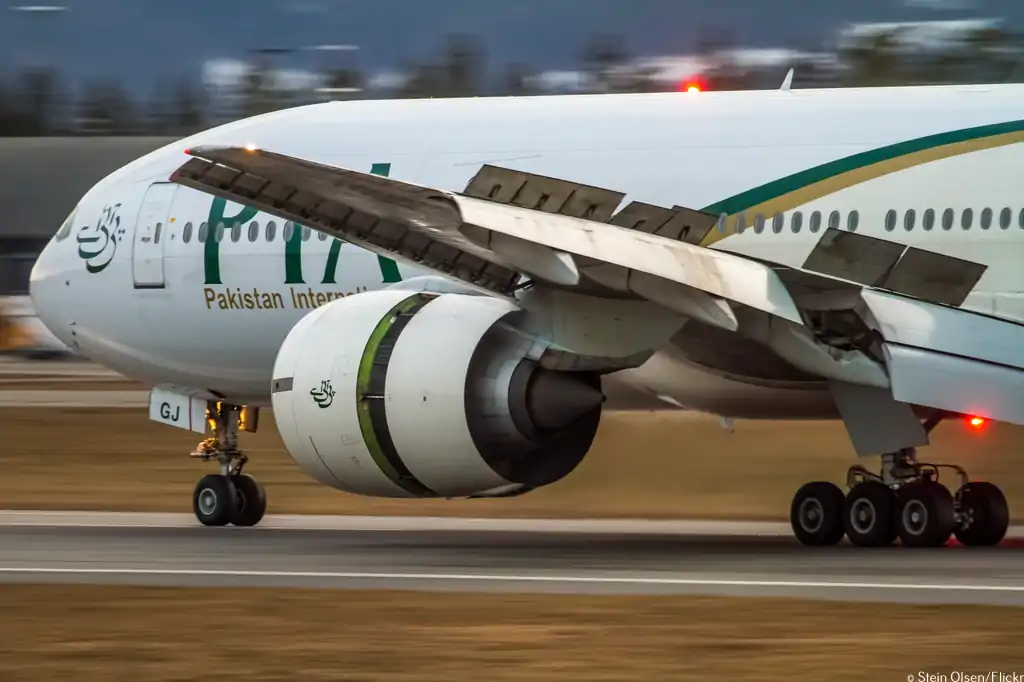
In a crucial development, the financial consortium appointed by the Pakistani government to oversee the partial privatization of Pakistan International Airlines (PIA) has submitted its long-anticipated report. The report, presented during a meeting on January 25, 2024, outlines a comprehensive business plan, projecting an investment roadmap for PIA along with urgent funding requirements.
Business Plan Highlights & Ongoing Financial Struggles
The financial advisor's proposed plan addresses the capital and fleet needs of PIA in the short and medium term, aiming to transform the national carrier into a globally competitive airline. The plan reportedly emphasizes immediate funding requirements, with a staggering USD600 million identified as crucial for PIA's viability.
PIA has been grappling with financial challenges, necessitating a series of capital injections, loans, and bailouts to keep the airline operational. The latest funding requirement adds to a history of financial woes, raising concerns about the sustainability of the airline's operations. Local reports indicate that a significant number of PIA planes are currently out of service due to difficulties in sourcing essential parts.
Consortium and Earnings
In November, a consortium led by Ernst & Young, featuring Bauer Aviation Advisory, Haidermota & Co., Freshfield Bruckhaus Deringer, Nutshell, and Knight Frank, secured the advisory role for PIA's privatization process. The consortium is set to earn USD7 million, paid in installments based on achieved milestones. This financial arrangement underscores the high stakes and expectations associated with the privatization effort.
Asset Valuations and Legal Separation
The recently submitted report, crucial for advancing the privatization process, includes asset valuations necessary for potential investors. Additionally, it makes recommendations on the legal separation of various PIA entities and suggests valuation methodologies. Privatization Minister Fawad Hasan Fawad, who chaired the meeting, offered minor suggestions for further rationalizing projections, with plans to present the finalized report to the cabinet for approval.
Political Landscape and Privatization Plans
The current caretaker government has strongly supported the initiative to sell 51% of PIA, marking a renewed attempt at privatization. While past efforts have faced challenges garnering sufficient support, the interim government remains committed to the plan. However, the looming February 8 general election casts uncertainty on the timeline for finalizing privatization, potentially pushing the decision into the hands of the incoming government.
Conclusion
The submission of the consortium's report on PIA's partial privatization represents a significant milestone in the ongoing efforts to revitalize the national airline. With immediate funding needs highlighted and the privatization process gaining momentum, the government faces crucial decisions that will shape the future of PIA. As the privatization plan navigates through political landscapes and economic challenges, stakeholders eagerly await the government's response and the subsequent steps in this transformative journey for Pakistan International Airlines.
With Inputs from ch-aviation
Read next
Air India Pilots Grouping Threatens to Make Management Call Recordings Public

Preet Palash
30 Jan 2024
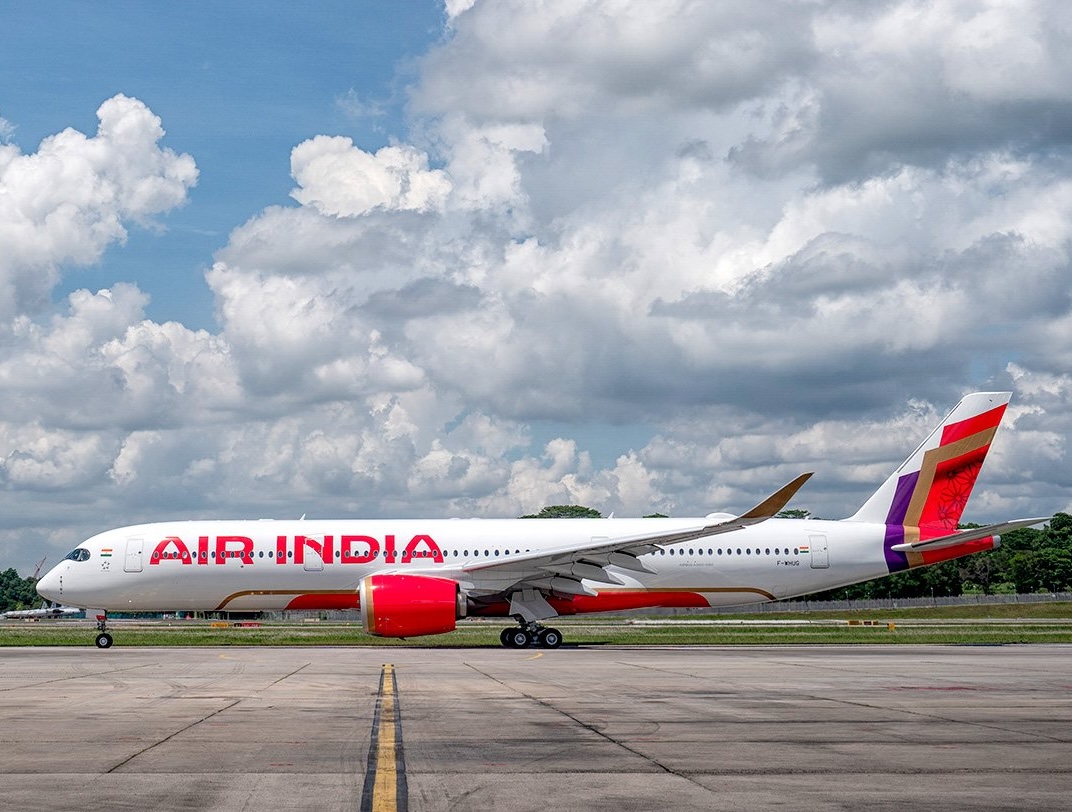
Air India's pilot associations IPG and ICPA have threatened to make call recordings that will show the airline is forcing some of its pilots to fly beyond permissible time, public.
"It has come to our notice that some pilots are facing intimidation and coercion to extend their FDTL beyond the prescribed limits by DOPS and Base Managers including threats of jeopardizing their career progression," Madhu SK Narain and Paport Choudhary general secretaries of IPG and ICPA respectively wrote in a joint letter to Air India CEO Campbell Wilson on 28th January.
Such practices not only compromise the safety and well-being of our pilots but also violate established regulations, the letter added.
"We are committed to upholding the highest standards of safety and compliance within our organization. However, the reported incidents undermine these principles and pose a serious risk to both our personnel and the integrity of our operations. If these persist we feel compelled to inform the regulatory authorities with evidence including call records to ensure transparency and accountability. We believe that our duty is not only to the company but also to the safety of the passengers and the reputation of the aviation industry," they added asking for immediate intervention to investigate these allegations and put an end to any coercive practices related to FDTL extensions.
The letter was also marked to COO Klaus Goersch, chief of flight safety Rajiv Gupta, and Tata Sons chairman N Chandrasekaran.
The Directorate General of Civil Aviation (DGCA) earlier this month imposed a penalty of Rs 1.1 crore on Air India for alleged safety violations on some long-range terrain critical routes in terms of deploying a Boeing 777 with less than the required amount of emergency-use oxygen for a nonstop between India and the US. An AI pilot had given a “voluntary safety report” to the regulator regarding a flight that was to be operated between India and the US.
Comment